


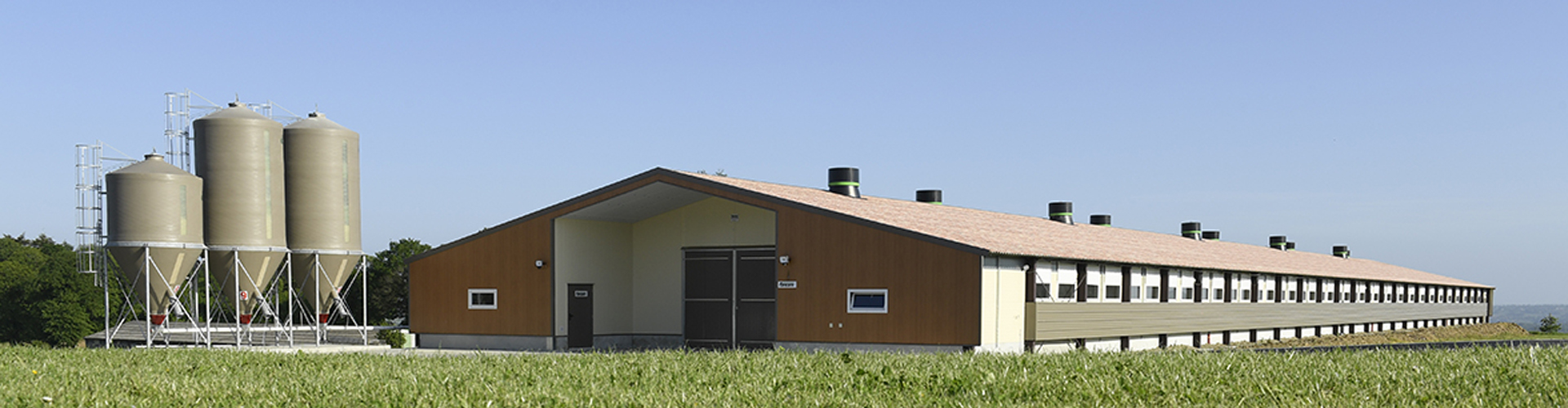
Blog
Battery cage for layers return on investment connects housing economics with capacity, production, labor, feed, maintenance, automation, equipment investment, and profitability.
Battery cage planning converts building dimensions into organized capacity, supporting standardized management, efficient workflows, scalable projects, and controlled operating costs.
Layer chicken cage analysis compares installed investment, bird allocation, feeding equipment, drinking systems, egg handling, manure management, and service requirements.
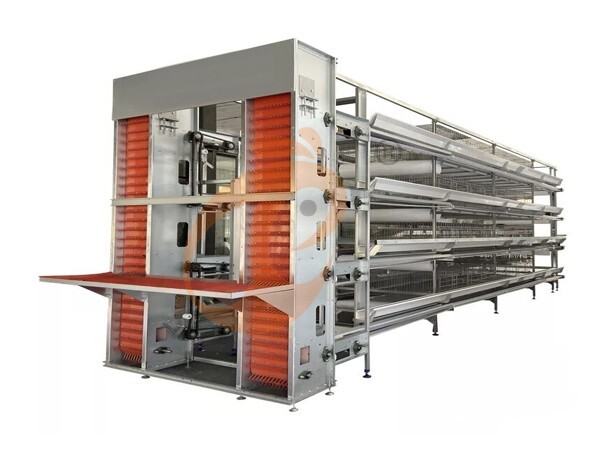
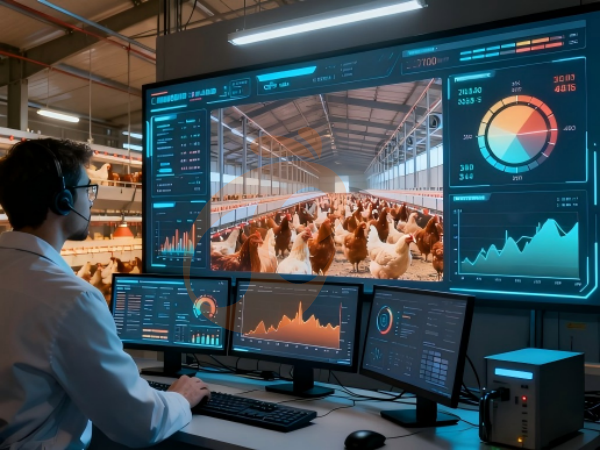
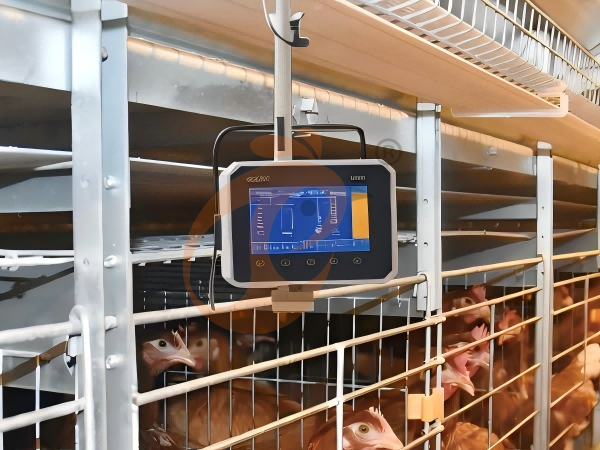
Automatic layer cage system design integrates feeding, drinking, egg collection, manure removal, ventilation, lighting, and controls into coordinated production infrastructure.
- Practical return on investment modeling combines output, consumption, labor, maintenance, and market assumptions, creating a technical commercial framework for equipment purchasing decisions.
Get professional poultry farm construction guidance, equipment selection solutions, and the latest price lists, whatsApp to +8618830120193, click to learn more:
Compare Capacity Before Comparing Prices
The cage quotation should never be evaluated independently from its engineering configuration.
Buyers should first determine how available building volume can be converted into productive layer capacity, with cage rows commonly engineered around 1.8–2.0 m sections.
Data is for reference only.Swipe horizontally to view full table.
These dimensions provide a starting point for battery cage project engineering, while final configuration should match house width, aisle arrangement, ventilation,
and manure-discharge positioning.
A cage manufacturer's layout service becomes especially valuable when the building roof clearance reaches 5.5–6.5 m and multiple tiers must be coordinated.
Tip #1: Calculate Cost Per Bird
The first practical return on investment test is installed equipment cost per bird space.
For example, a project with 8,000 birds and a $48,000 equipment investment produces an equipment allocation of $6.00 per bird.
The calculation should then include installation and supporting systems so different battery cage suppliers are compared using the same project boundary.
Data is for reference only.Swipe horizontally to view full table.
European union standard reference only.
Published agricultural equipment assessment reference; actual battery cage project quotations vary with specification, building design, market, and installation scope.
A supplier providing cage engineering together with feeding, drinking, egg collection, manure removal, and environmental-control integration can reduce compatibility risks.
A commercial battery cage package can also be engineered for 6–8 cage rows per house, depending on house geometry and local production requirements.
Capacity Analysis Table
A proper battery cage quotation should be connected to an engineering layout.
The following parameters illustrate information that should be defined before manufacturing begins.
Data is for reference only.Swipe horizontally to view full table.
These figures are project-design examples rather than universal standards.
The final battery cage layout should be calculated from cage geometry, house structure, ventilation requirements, access routes, and equipment maintenance
clearance.
Tip #2: Measure Labor Savings
Labor efficiency becomes increasingly important as flock size increases.
Automatic feeding, nipple drinking, egg collection, and manure removal organize daily work around centralized equipment rather than repeated manual handling.
A commercial battery cage automation configuration can be designed around 6–8 daily operating hours, depending on management procedures and equipment integration.
Data is for reference only.Swipe horizontally to view full table.
Technical capacity must always match actual house requirements.
For example, conveyor width and drive configuration should correspond with egg-flow requirements, while control systems can use 380 V three-phase power for
commercial installations.
Feed & Production Analysis Table
Instead of vague descriptions, buyers can use measurable production indicators when evaluating a battery cage equipment package.
Data is for reference only.Swipe horizontally to view full table.
These figures should be treated as reference ranges rather than guaranteed farm results.
Feed formulation, genetics, climate, disease control, and management can change battery cage production performance, with drinking-water pressure commonly maintained around 0.2–0.4 MPa.
Tip #3: Include Maintenance In The Return On Investment
The purchase price is only one component of equipment economics.
A battery cage system also creates long-term costs through motors, belts, bearings, drinkers, electrical controls, and replacement components.
A practical supplier evaluation should request spare-parts lists, maintenance schedules, component specifications, and service arrangements.
Manure-removal motors may be specified around 1.1–1.5 kW, while egg-collection motors can be configured around 0.75–1.1 kW.
Data is for reference only.Swipe horizontally to view full table.
Standardized components can simplify maintenance because motors, belts, bearings, and controls can be stocked according to a defined equipment list.
For battery cage projects, accessible maintenance points and replaceable components can reduce service disruption, with routine inspections commonly
scheduled every 30–90 days.
Tip #4: Calculate Revenue Per House
Once the cage layout is finalized, revenue can be modeled from productive birds, laying performance, saleable eggs, and market price.
For illustration, 10,000 productive hens at an 85% laying rate would produce approximately 8,500 eggs per day before grading and handling losses.
If the sale price is $0.10 per egg, gross daily egg revenue would be approximately $850.
Data is for reference only.Swipe horizontally to view full table.
European union standard reference only.
The example is a calculation model rather than a promised return.
Actual battery cage profitability also depends on pullet cost, mortality, labor, electricity, veterinary expenses, grading, financing, depreciation, and local egg prices.
Tip #5: Evaluate The Complete Equipment Package
A battery cage is most valuable when mechanical systems operate as one coordinated production platform.
Feeding, drinking, egg transfer, manure removal, ventilation, lighting, and control systems should be selected according to the same house layout.
Data is for reference only.Swipe horizontally to view full table.
The complete-package approach can simplify procurement, installation coordination, training, and future expansion.
A battery cage system can be expanded through compatible cage rows, conveyors, feeding lines, and manure systems, with control cabinets supporting IP55
protection for suitable industrial installations.
Turn Equipment Investment Into A Long-Term Production Strategy
The most useful return on investment analysis connects five financial questions: how many birds can the house accommodate, how much feed does the flock consume, how much labor does the system require, how much saleable egg output reaches the market, and what maintenance burden does the equipment create?
For equipment suppliers, product value becomes project engineering rather than a simple cage quotation.
A professional battery cage manufacturer can provide farm layout design, cage configuration, automatic feeding, nipple drinking, egg collection, manure removal,
ventilation integration, installation, commissioning, and technical support.
With structural loading commonly engineered around 0.8–1.5 kN/m² and automated system control using programmable logic controllers, equipment selection can be connected directly to measurable operating requirements.
For investors planning a new poultry project or upgrading an existing house, cage capacity, house layout, automation configuration, and total equipment
investment should be calculated together.
Frequently Asked Questions
Q1: What should be included in battery cage return on investment calculation?
Battery cage return on investment should include equipment investment, installation, feeding, drinking, egg collection, manure handling, labor, energy,
maintenance, depreciation, and expected egg revenue.
A project using 10,000 productive hens can then connect daily egg output with actual operating expenditure.
Q2: How does battery cage design affect farm economics?
Battery cage design affects usable building capacity, workflow efficiency, feed distribution, egg handling, manure removal, and maintenance access.
A 4-tier configuration can provide a different investment structure from a 3-tier system because building height and equipment quantities change.
Q3: Why choose a complete battery cage equipment package?
A complete battery cage package coordinates cage rows with feeding, drinking, egg collection, manure removal, ventilation, and control systems.
Integrated engineering can reduce interface problems and provide a clearer maintenance structure throughout the equipment service period.
Taiyu (HK) Group - One Of China Largest Battery Cage Manufacturer
Battery cage systems provide engineered layer housing with 450–500 cm²/bird allocation and multi-tier configurations for commercial egg-production projects.
Global factory-direct supply covers complete poultry equipment packages, including cages, automatic feeding, nipple drinking, egg collection, manure removal, ventilation, and control systems.
Turn-key engineering supports project planning, equipment manufacturing, shipment coordination, installation, commissioning, and technical training for international layer-farm developments.
Factory engineering teams coordinate poultry equipment specifications with house dimensions, utility requirements, production targets, maintenance access, and expansion planning.
Project delivery can be structured from individual battery cage orders to complete commercial systems, supporting standardized equipment interfaces and technical documentation.
Contact Us To Received Your Customized Poultry Farm Plan
Headquarters And Branchs

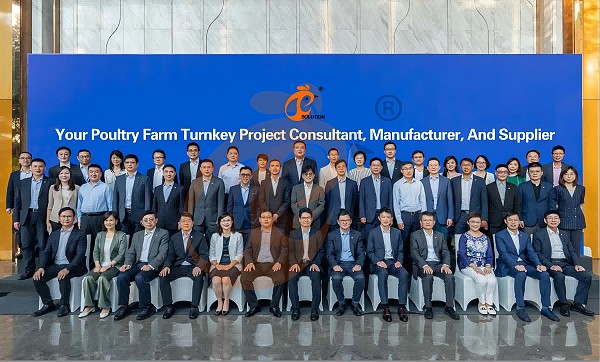
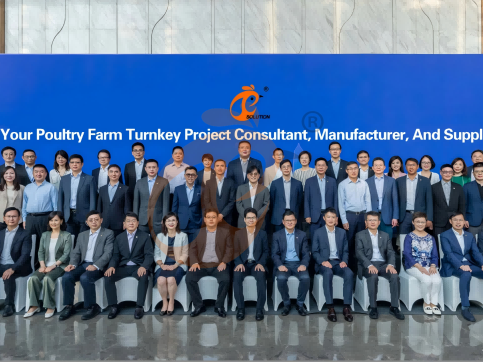
Hong Kong Headquarter Management Team
Hong Kong Headquarter Taiyu Industrial Group CO., LTD
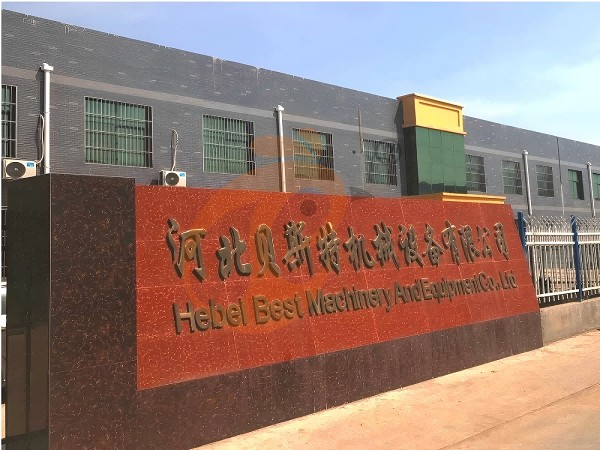
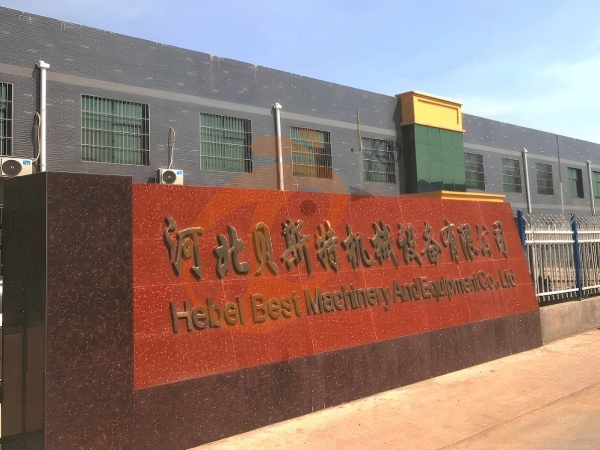
China Hebei Best Machinery And Equipment CO., LTD
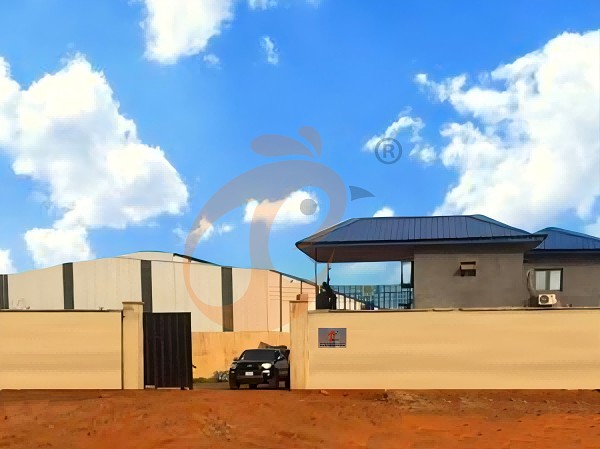
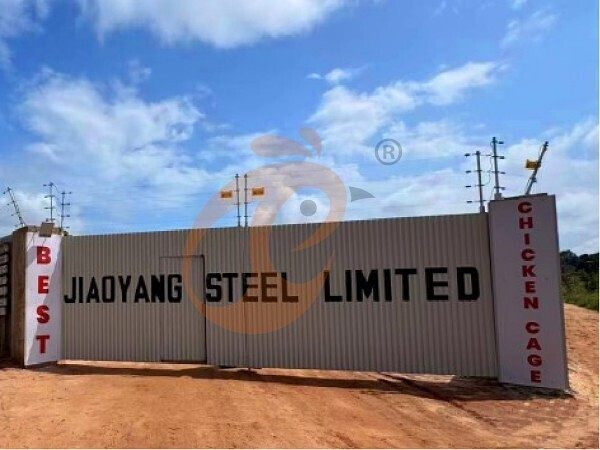
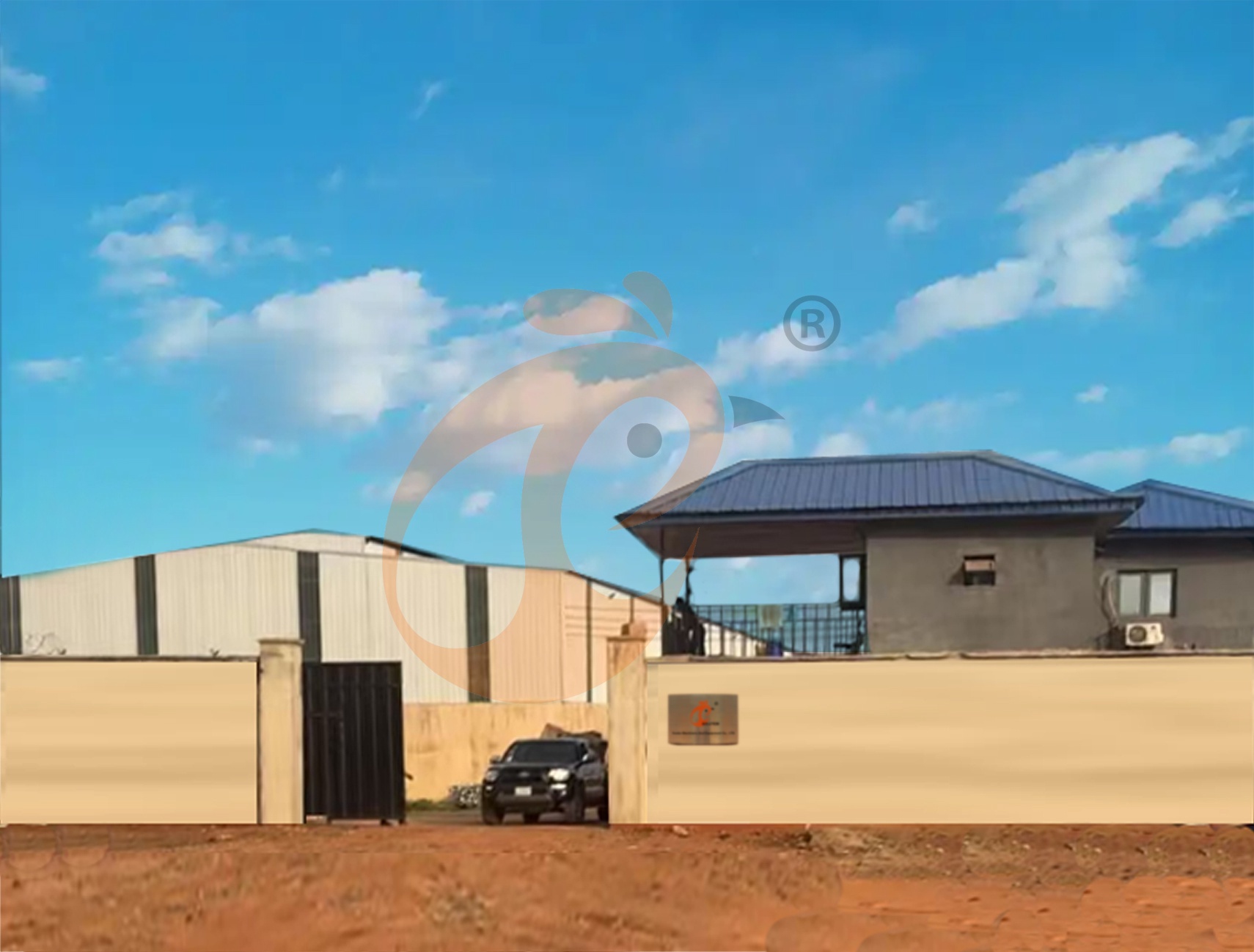
Nigeria Vanke Machinery And Equipment CO., LTD
Tanzania Best Machinery And Equipment CO., LTD
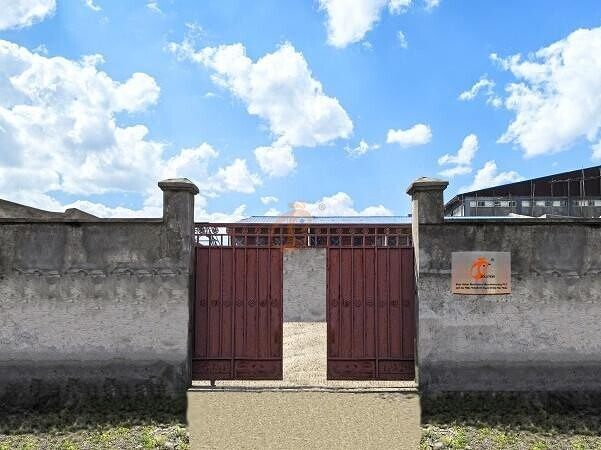
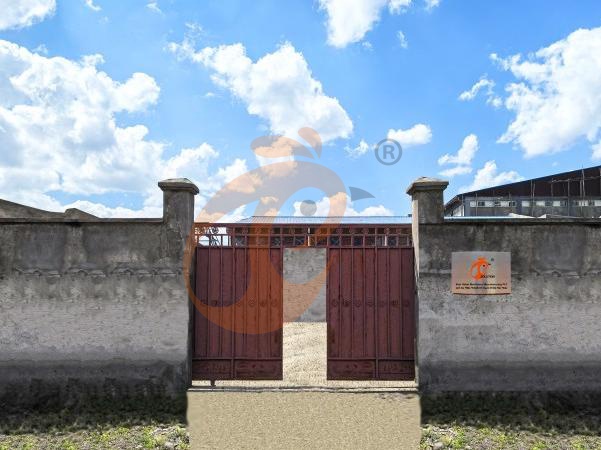
Ethiopia Best Hebei Machinery Manufacturing PLC
Reception /24 WhatsApp NO. : +8618830120193
FAQ
How To Select The Best Poultry Cage System For High-Density Egg Production?
Include automatic feeding, drinking, egg collection, and manure cleaning systems to boost egg production to 90–98%.
Regularly monitor feed efficiency and mortality; FCR maintained at 1.9–2.1.
What Are The Ultimate Tips For Temperature And Humidity Control In Chicken Cage Farms?
Use sensors to monitor each house and adjust airflow with ventilation fans.
Optimized temperature/humidity can increase egg production 2–3% and reduce mortality to 2–3%.
How To Reduce Egg Breakage In Advanced Battery Cage Systems?
Each belt can transport 4,000–6,000 eggs/hour, reducing manual handling.
Regularly clean belts; breakage rate can be maintained at 2–3%.
- battery cage
- battery cage system
- battery cage for layers
- poultry farm
- chicken cage
- layer cage
- automatic layer cage
- poultry house
- cage
- poultry farm construction
- battery cage design
- battery cage manufacturer
- battery cage supplier
- battery cage equipment
- battery cage quotation
- layer cage system
- layer cage system design
- commercial battery cage
- battery cage project
- battery cage layout
- battery cage automation
- poultry equipment
- manure removal system
- egg collection system
- cage for layers
- automatic layer cage system
- chickencage
- bestchickencage
- cage system
- cage systems
- h cage
- layer chicken cage
- Nigeria
- layer farm
- cage design
- cage manufacturer
- cage supplier
- poultry farm plan
- Ethiopia
Message
Products recommended
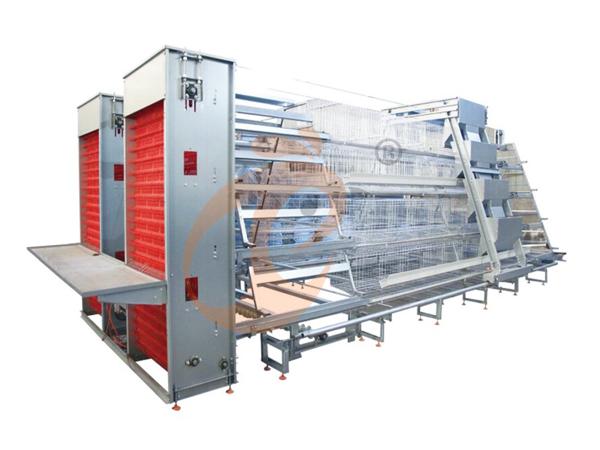
 >30,000 Pullets Automatic H Type Battery Cage1. More than 30,000 pullets a house, choose it.
2. It is designed to rearing older than 1 day old pullets to 12 to 16 weeks old chicken starting laying eggs.
3. Its lifespan is more than 25 years.
4. Its structure are Vcloud artificial intelligent fusion, electric control cabinet, automatic equipment of drinking, feeding, manure clean, manual harvesting.
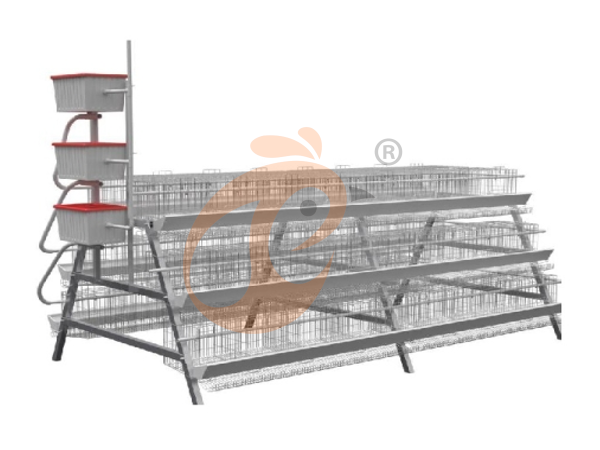
5. Our 24 hour online reception What’sApp NO. is +8618830120193 <30,000 Pullets Automatic A Type Battery Cage1. 10,000 to 30,000 pullets a house, choose it.
2. It is designed to rearing older than 1 day old pullets to 12 to 16 weeks old chicken starting laying eggs.
3. Its lifespan is more than 25 years.
4. Its structure are Vcloud artificial intelligent fusion, electric control cabinet, automatic equipment of drinking, feeding, manure clean, manual harvesting.
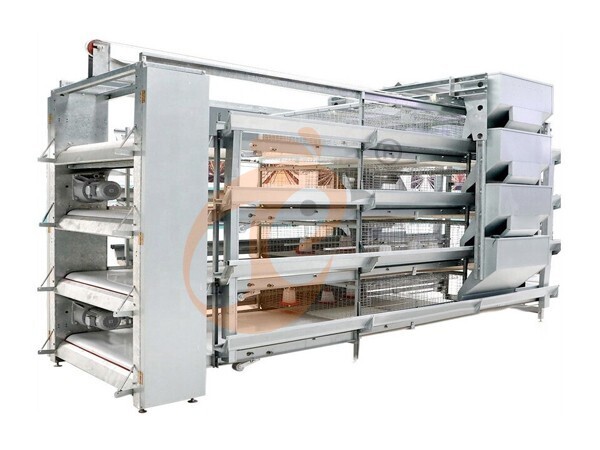
5. Our 24 hour online reception What’sApp NO. is +86 18830120193. >30,000 Broilers Semi-Automatic Harvest H Type Battery Cage1. More than 30,000 broilers a house, choose it.
2. It is designed to rearing 1 to 45 day old adult broiler ready for market.
3. Its lifespan is more than 20 years.
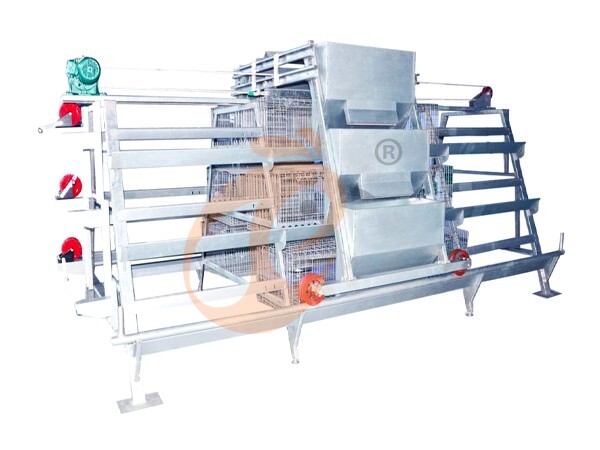
4. Our 24 hour online reception What’sApp NO. is +8618830120193, +234 8111199996. >30,000 Broilers Manual Harvest H Type Battery Cage1. More than 30,000 broilers a house, choose it.
2. It is designed to rearing 1 to 45 day old adult broiler ready for market.
3. Its lifespan is more than 20 years.
4. Its structure are Vcloud artificial intelligent fusion, electric control cabinet, automatic equipment of drinking, feeding and manure clean, manual harvesting.
5. Our 24 hour online reception What’sApp NO. is +8618830120193, +234 8111199996. <30,000 Broilers Manual Harvest A Type Battery Cage1. Less 30,000 broilers a house, choose it.
2. It is designed to rearing 1 to 45 day old adult broiler ready for market.
3. Its lifespan is more than 20 years.
4. Its structure are Vcloud artificial intelligent fusion, electric control cabinet, automatic equipment of drinking, feeding and manure clean, manual harvesting.
5. Our 24 hour online reception What’sApp NO. is +8618830120193, +234 8111199996. HK Headquarter Offers EU-standard Poultry Farm Solutions, Manufacture Poultry Farm Equipment1. Continuous communication with the EU and the US
2. China, Nigeria, Ethiopia, Tanzania branch companies and factories
3. The products’ quality is customized for local poultry farms
4. Poultry cage and poultry farm equipment stock for sale
5. 24 online reception Whatsapp NO. : +8618830120193,contact us to get full information China Branch Offer Poultry Farm Business Plan, Manufacture Poultry Farm Equipment1. Address: Flat/RM 2416, 24/F, Runxing Building, Youyi Nan Street, Shijiazhuang City, Hebei Province, China
2. Poultry cage and poultry farm equipment factory and stock for sale
3. Customized for local poultry farms
4. Quality and design are based on Euro
5. 24 online reception Whatsapp NO. : +8618830120193 Nigeria Branch Offer Poultry Farm Business Plan, Manufacture Poultry Farm Equipment1. Address: After Sinoma Office, 200 Meters Near Danco Filling Station, Lagos/Ibadan Expressway, Lagos State, Nigeria
2. Poultry cage and poultry farm equipment factory and stock for sale
3. Customized for Nigerian poultry farms
4. Quality and design are based on Euro
5. 24 online reception Whatsapp NO. : +8618830120193 Ethiopia Branch Offer Poultry Farm Business Plan, Manufacture Poultry Farm Equipment1. Address: Gelan Gura, Akaki-kaliti Sub City, Addis Ababa, Ethiopia
2. Poultry cage and poultry farm equipment stock for sale
3. Customized for Ethiopian poultry farms
4. Quality and design are based on Euro
5. 24 online reception Whatsapp NO. : +8618830120193, contact us to get price list Tanzania Branch Offer Poultry Farm Business Plan, Manufacture Poultry Farm Equipment1. Address: No.8, Sova Road, Msufini, Mlandizi, Kibaha, Pwani, Tanzania
2. Poultry cage and poultry farm equipment factory and stock for sale
3. Customized for Tanzanian poultry farms
4. Quality and design are based on Euro
5. 24 online reception Whatsapp NO. : +8618830120193


Contact