


Blog
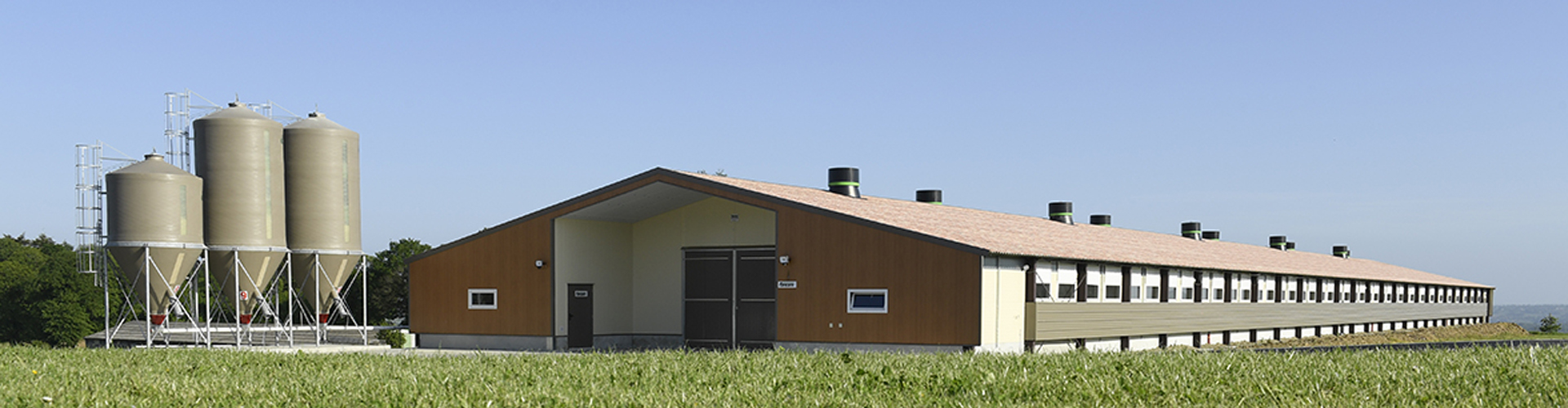
- Free range broiler system investment combines automated feeding, controlled drinking, ventilation, environmental control, and scalable equipment engineering for commercial poultry production, with practical project planning covering 10,000–100,000 broilers.
Automatic broiler feeding system configurations can reduce repetitive handling while maintaining organized feed distribution, with typical equipment planning based on 30–45 cm feeder spacing.
Nipple drinking system selection focuses on stable water delivery, durable components, accessible maintenance, and hygienic operation, with approximately 1 drinking point serving 10–15 broilers depending on equipment specification.
Poultry ventilation system planning connects fans, inlets, sensors, controllers, and house dimensions, with environmental calculations commonly incorporating 8–12 air changes per hour during selected operating conditions.
- Supplier selection connects equipment quality, engineering support, turn-key delivery, expansion capability, and commissioning services into one commercial investment structure for long-term farm development.
Get professional poultry farm construction guidance, equipment selection solutions, and the latest price lists, whatsApp to +8618830120193, click to learn more:
Think Beyond The Farm Building
A profitable free range broiler system starts with the right production system, not simply a poultry house.
Feed distribution, drinking water, ventilation, environmental control, lighting, and farm management all influence operating efficiency.
Investment formula:
Farm Capacity + Equipment Automation + Reliable Components + Technical Support = Scalable Broiler Production
Instead of purchasing equipment separately from multiple suppliers, investors can simplify project management by selecting a complete poultry equipment solution.
A professional manufacturer can integrate the automatic broiler feeding system, nipple drinking system, poultry ventilation system, environmental controller, and other components according to house design and flock capacity.
The objective is simple: invest once in a system designed for long-term operation.
For example, a commercial house may use a 2.5–3.0 m internal service aisle to organize equipment access and maintenance.
What Should A Complete Free Range Broiler System Include?
Data is for reference only.Swipe horizontally to view full table.
For a free range broiler system, indoor equipment remains essential even when birds have outdoor access.
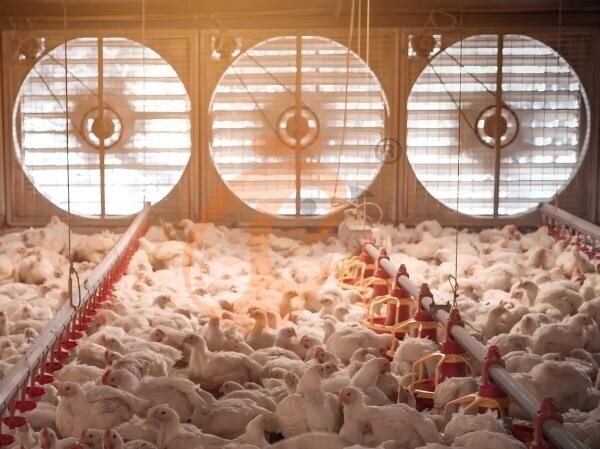
The automatic broiler feeding system, nipple drinking system, and poultry ventilation system create a controlled indoor environment while allowing the production model to maintain free-range characteristics.
A typical commercial project can allocate approximately 15–20% of house floor area to service and equipment access zones.
Decision Tip #1: Calculate The Cost Per Bird
Don't Ask
''Which supplier has the lowest equipment quotation?''
Ask Instead
''How much will this complete free range broiler system cost per bird over its operating life?''
Use this four-step test
Step 1 — Purchase Cost
Include feeding, drinking, ventilation, control, lighting, installation, and accessories.
Step 2 — Operating Cost
Consider labor, electricity, water, and routine maintenance.
Step 3 — Service Life
Evaluate component quality, corrosion resistance, replacement frequency, and spare-parts availability.
Step 4 — Expansion Cost
Check whether additional automatic broiler feeding system lines, nipple drinking system lines, or poultry ventilation system equipment can be added later.
A slightly higher initial investment can be commercially attractive when equipment reduces repetitive labor and simplifies daily management.
Therefore, compare total ownership cost, rather than comparing quotation totals alone.
For financial modeling, investors can calculate depreciation across an assumed 8–12 year equipment planning period.
Feeding Equipment: Compare Function, Not Just Price
Data is for reference only.Swipe horizontally to view full table.
An automatic broiler feeding system is one of the most visible ways equipment can improve a free range broiler system.
Feed can be transported from the hopper through the auger system and distributed along the house through feeding pans.
For investors planning larger flocks, automatic feeding equipment is not simply an accessory—it is a labor-management investment.
A correctly engineered auger route can use a maximum practical conveying distance of approximately 120 m per line, depending on motor and feed characteristics.
Decision Tip #2: Turn Labor Into A Design Parameter
The Old Routine
Carry feed → distribute feed → refill equipment → check every area → repeat.
The Equipment-Based Routine
Feed hopper → automatic auger → feeding pans → scheduled supply
The same principle applies to the nipple drinking system and poultry ventilation system.
The goal of automation is not to eliminate farm workers.
The goal is to move workers away from repetitive physical tasks and toward flock observation, maintenance, biosecurity, and management decisions.
When evaluating a poultry equipment manufacturer, request a complete workflow analysis.
Ask the supplier to identify which daily tasks can be automated and which still require manual intervention.
That turns free range broiler system equipment selection from a shopping exercise into a farm productivity decision.
A properly planned automated house can consolidate routine equipment inspection into scheduled 2–3 hour management intervals.
Drinking System: A Small Component With A Large Operational Role
Data is for reference only.Swipe horizontally to view full table.
A high-quality nipple drinking system should be easy to inspect, adjust, clean, and maintain within a free range broiler system.
Poorly selected watering components can create leakage, wet litter, and additional management work.
For a complete broiler project, the supplier should size the nipple drinking system according to flock capacity, house length, water supply, and equipment layout.
A dedicated water-treatment section can reserve approximately 1.5–2.0 m² near the main service entrance for filtration and inspection.
Decision Tip #3: Make Ventilation A Calculation
House Dimensions
↓
Bird Capacity
↓
Local Climate
↓
Required Airflow
↓
Fan + Inlet Configuration
↓
Environmental Controller
This is why buying ventilation fans individually can be risky for a free range broiler system.
Fan quantity, airflow capacity, air inlet placement, and controller settings need to work as one system.
A professional poultry equipment manufacturer can calculate the required configuration and provide a complete poultry ventilation system layout.
This approach helps investors avoid both under-designed and unnecessarily expensive systems.
Your target should be controlled airflow—not simply more fans.
A typical poultry house design can maintain approximately 2.4–3.0 m ceiling clearance to support planned air movement and equipment installation.
Environmental Control Equipment Comparison
Data is for reference only.Swipe horizontally to view full table.
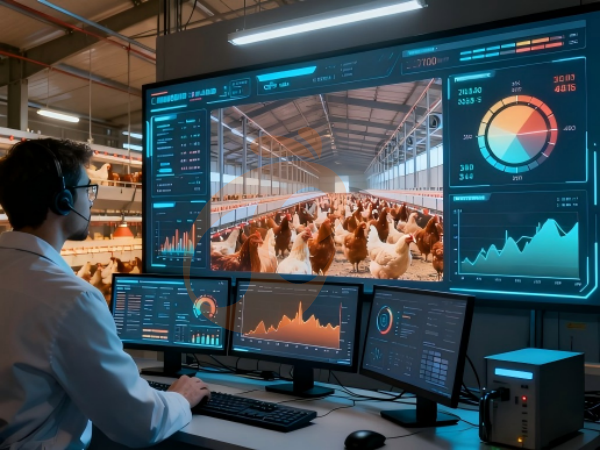
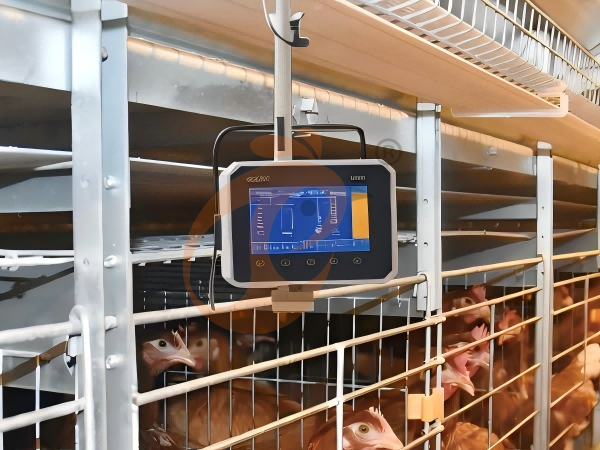
Environmental control equipment connects individual components into one free range broiler system management structure.
Temperature sensors, humidity sensors, controllers, poultry ventilation system equipment, cooling equipment, and alarms can work together to reduce
unnecessary manual adjustments.
For free-range broiler farms operating in variable weather, an integrated approach can make daily management more systematic.
When requesting a quotation, ask for the complete control architecture, not merely the controller price.
A centralized control cabinet can be positioned within approximately 5–8 m of the main operator access point for convenient daily inspection.
Decision Tip #4: Evaluate The Supplier Before Evaluating The Quotation
Use the following supplier test
Can They Design?
Can they create equipment layouts based on your house dimensions?
Can They Manufacture?
Are core components produced under controlled quality standards?
Can They Install?
Do they provide commissioning or installation guidance?
Can They Supply Parts?
Are wear parts and replacement components available?
Can They Support Expansion?
Can the original free range broiler system, automatic broiler feeding system, and poultry ventilation system be upgraded when flock capacity increases?
A reliable supplier relationship can continue long after the first shipment.
For international poultry projects, technical documentation, installation instructions, spare-parts support, and responsive communication can be just as important as the equipment itself.
Choose a manufacturer capable of supporting the entire project lifecycle.
For overseas projects, engineering documentation should ideally be issued at least 10 working days before installation preparation begins.
Automation Return On Investment: Where Does The Money Come Back?
Data is for reference only.Swipe horizontally to view full table.
Return on investment should be calculated using the farm's actual labor rates, flock capacity, operating schedule, electricity costs, and expected equipment lifespan for the free range broiler system.
The most useful question is not ''How cheap is the equipment?'' but ''What measurable operating value can this equipment create?''
For investment calculations using monetary values, European union standard reference only.
A commercial return on invesment model can compare projected annual operating expenditure against equipment investment over a defined 5-year cash-flow analysis.
Decision Tip #5: Use A Five-Question Purchase Filter
Before signing a contract for a free range broiler system, answer these five questions:
① Capacity:
Does the system match my current flock size and planned expansion?
② Compatibility:
Will the automatic broiler feeding system, nipple drinking system, poultry ventilation system, and control equipment operate as one integrated system?
③ Durability:
Are the materials and components appropriate for continuous poultry-house operation?
④ Service:
Will I receive installation guidance, technical support, and spare-parts assistance?
⑤ Scalability:
Can I expand the system without replacing the entire installation?
If a supplier can answer these questions with clear specifications, drawings, project references, and service details, you have a stronger basis for comparing investment proposals.
For a new project, allow approximately 4–8 weeks for equipment manufacturing and project coordination after final technical confirmation.
Final Buyer Checklist: Build For Today, Prepare For Tomorrow
Data is for reference only.Swipe horizontally to view full table.
The Final Investment Message
A free range broiler system should not be built around disconnected equipment purchases.
The system should be built around a complete, scalable poultry production solution.
The five decision tips are straightforward:
1. Calculate total ownership cost.
2. Design around labor efficiency.
3. Treat water and ventilation as core infrastructure.
4. Evaluate the supplier's complete service capability.
5. Select equipment that can grow with your farm.
From automatic broiler feeding system equipment and nipple drinking system equipment to poultry ventilation system equipment, environmental controllers, lighting, and supporting equipment, the right manufacturer can turn individual components into an integrated solution.
Planning a new free-range broiler farm? Request a complete equipment proposal based on house dimensions, flock capacity, local climate, and automation requirements.
For preliminary engineering, a 30–60 minute technical consultation can establish equipment scope before detailed quotation preparation.
Frequently Asked Questions
Q1: What equipment is essential for a free range broiler system?
A practical free range broiler system normally requires automatic feeding, nipple drinking, ventilation, environmental control, and lighting equipment.
For a commercial house, automatic broiler feeding system capacity and poultry ventilation system airflow should be calculated according to flock size and building dimensions.
A project with 20,000 birds may require multiple independent equipment circuits for operational redundancy.
Q2: How does automation improve broiler farm operations?
Automation can reduce repetitive labor while supporting consistent feeding, watering, and environmental management.
For example, a properly designed nipple drinking system can serve continuous water demand while reducing manual distribution work.
Automatic control can also provide equipment status monitoring at intervals as short as 1 minute.
Q3: How should buyers compare poultry equipment suppliers?
Compare technical specifications, system design, component durability, installation support, spare parts, and expansion capability rather than purchase price alone.
A complete free range broiler system quotation should clearly define equipment quantities, capacities, installation requirements, and after-sales support.
For international procurement, technical drawings should be reviewed before manufacturing begins to minimize installation changes.
Taiyu (HK) Group - One Of China Largest Free Range Broiler System Manufacturer
Free range broiler system integrates automatic feeding, nipple drinking, poultry ventilation system, environmental control, and lighting, with project configurations supporting commercial flock capacities from 10,000 birds upward and equipment layouts engineered around building dimensions, climate, water, and electrical requirements.
Global factory-direct supply provides poultry equipment with standardized components, technical specifications, production coordination, quality inspection, export packaging, and engineering documentation for international farm developments.
Turn-key engineering connects equipment selection, system layout, installation guidance, commissioning support, electrical coordination, spare-parts planning, and project handover into one structured poultry equipment workflow.
Project solutions cover commercial broiler houses, scalable free-range facilities, farm expansions, and integrated poultry equipment configurations requiring coordinated feeding, drinking, ventilation, environmental control, and lighting systems.
Engineering communication follows defined project parameters including house dimensions, flock capacity, local climate, electrical requirements, water supply, equipment quantities, installation sequence, commissioning requirements, and operational objectives.
Contact Us To Received Your Customized Poultry Farm Plan
Headquarters And Branchs
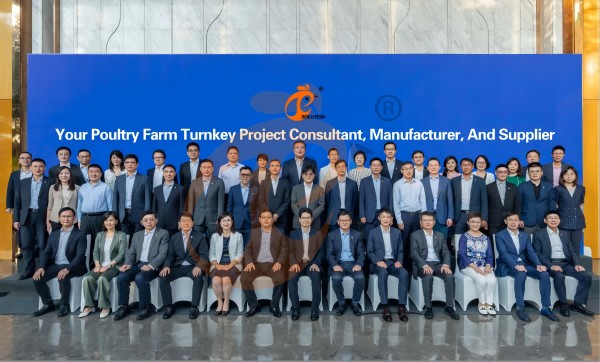
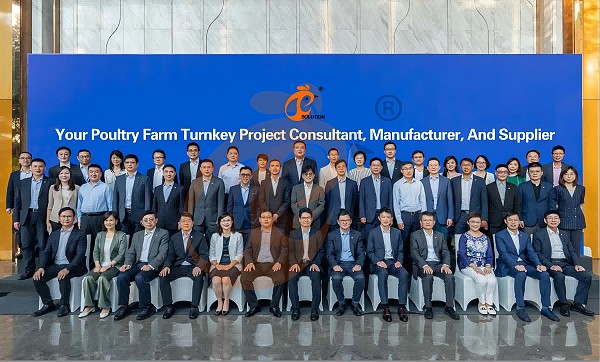
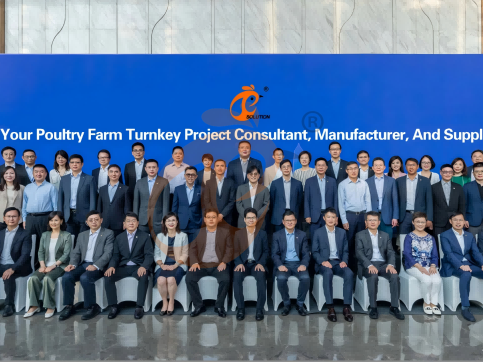
Hong Kong Headquarter Management Team
Hong Kong Headquarter Taiyu Industrial Group CO., LTD
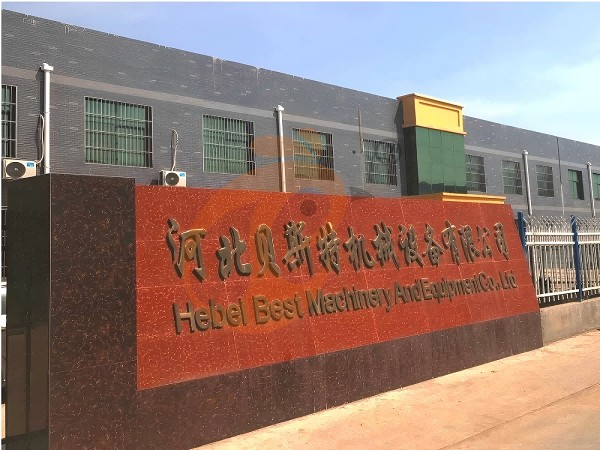
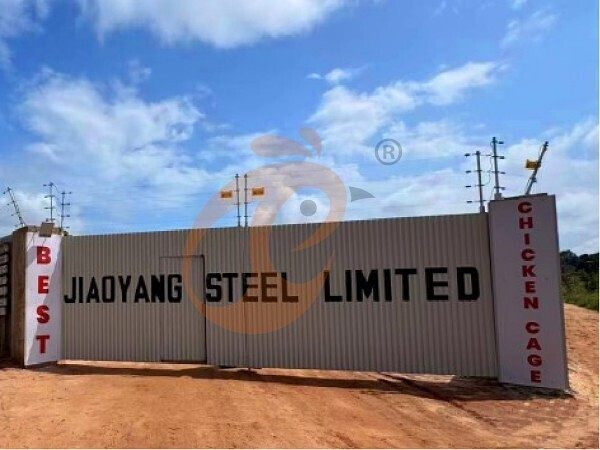
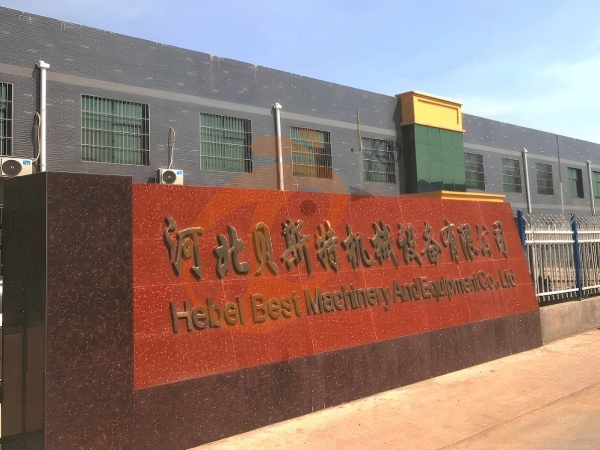
China Hebei Best Machinery And Equipment CO., LTD
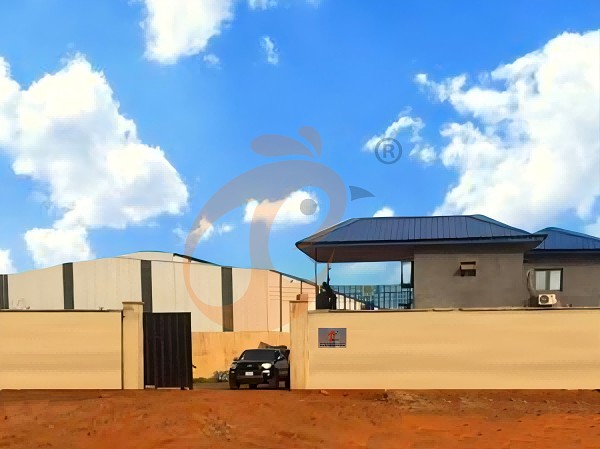
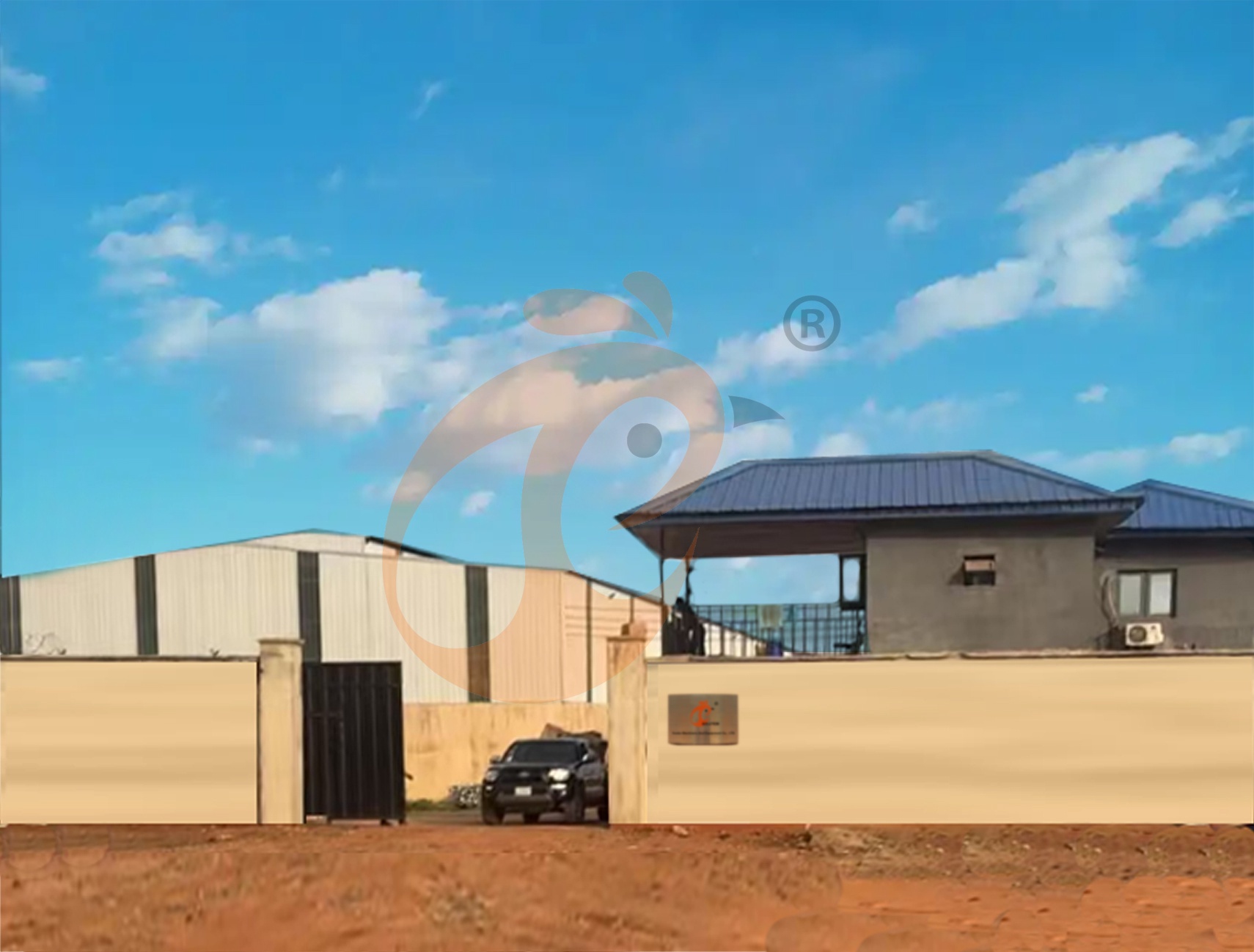
Nigeria Vanke Machinery And Equipment CO., LTD
Tanzania Best Machinery And Equipment CO., LTD
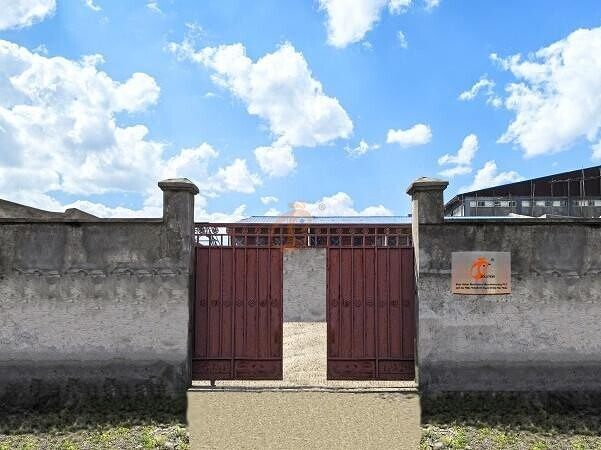
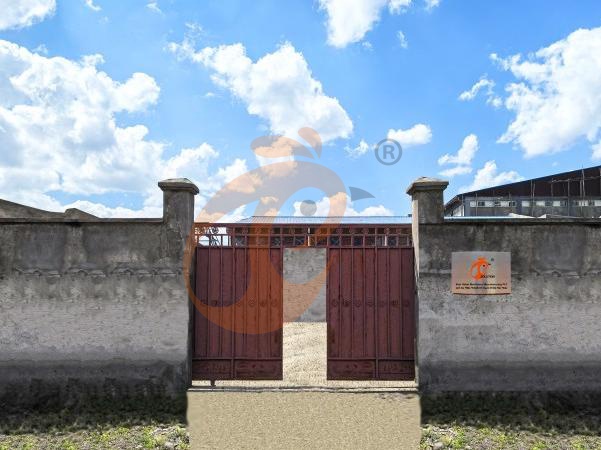
Ethiopia Best Hebei Machinery Manufacturing PLC
Reception /24 WhatsApp NO. : +8618830120193
FAQ
How Does Free Range System Affect Feed Consumption?
Energy expenditure increases daily intake variation by 15%–22% across seasons.
Feed conversion efficiency ranges from 1.9–2.3 depending on grazing intensity.
What Are The Housing Transition Management Standards In Free Range Poultry System?
Indoor-outdoor transition time is controlled within 10–15 minutes per flock movement cycle.
Lighting guidance systems operate at 5–8 lux to direct flock movement behavior.
What Are The Seasonal Adaptation Strategies In Free Range Poultry System?
Summer shade coverage is increased to 60%–80% of grazing area for heat stress reduction.
Rainfall drainage capacity handles 25–40 mm per hour precipitation levels for land usability.
- poultry farm
- poultry house
- cage
- poultry farm construction
- poultry house design
- automatic feeding system
- poultry equipment
- chickencage
- bestchickencage
- Nigeria
- broiler farm
- poultry equipment supplier
- poultry ventilation system
- LED poultry lighting
- poultry equipment manufacturer
- poultry farm plan
- poultry equipment suppliers
- Ethiopia
Message
Products recommended
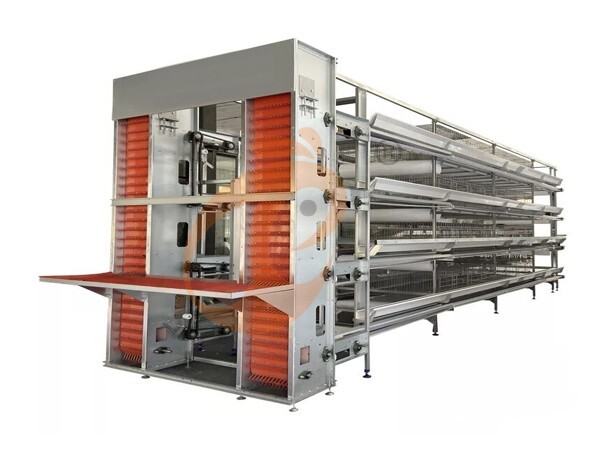
 >30,000 Pullets Automatic H Type Battery Cage1. More than 30,000 pullets a house, choose it.
2. It is designed to rearing older than 1 day old pullets to 12 to 16 weeks old chicken starting laying eggs.
3. Its lifespan is more than 25 years.
4. Its structure are Vcloud artificial intelligent fusion, electric control cabinet, automatic equipment of drinking, feeding, manure clean, manual harvesting.
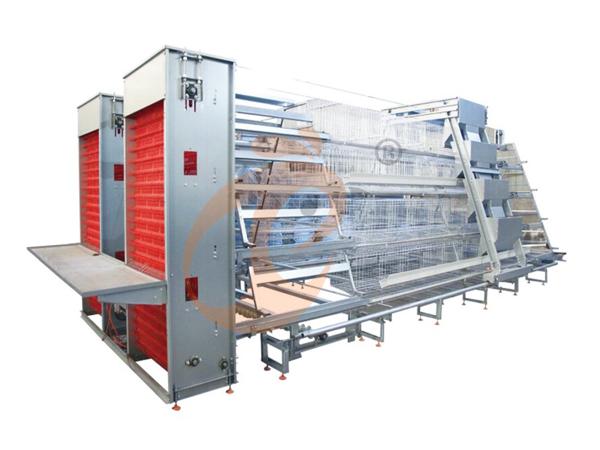
5. Our 24 hour online reception What’sApp NO. is +8618830120193 <30,000 Pullets Automatic A Type Battery Cage1. 10,000 to 30,000 pullets a house, choose it.
2. It is designed to rearing older than 1 day old pullets to 12 to 16 weeks old chicken starting laying eggs.
3. Its lifespan is more than 25 years.
4. Its structure are Vcloud artificial intelligent fusion, electric control cabinet, automatic equipment of drinking, feeding, manure clean, manual harvesting.
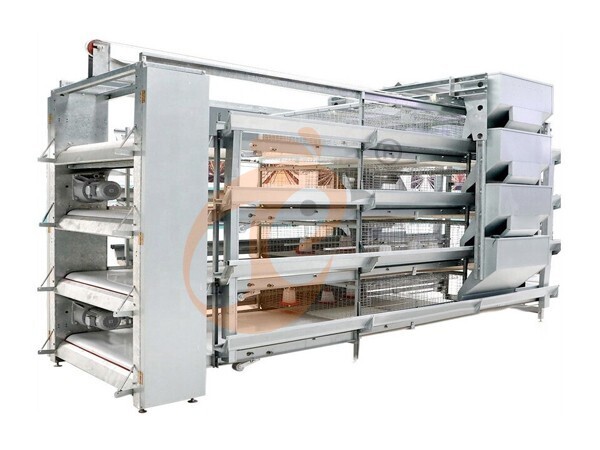
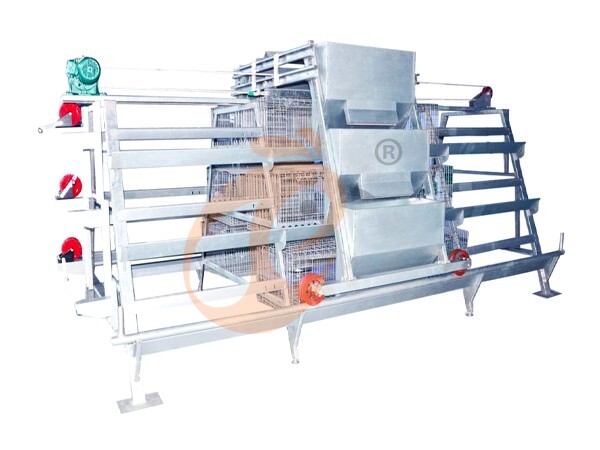
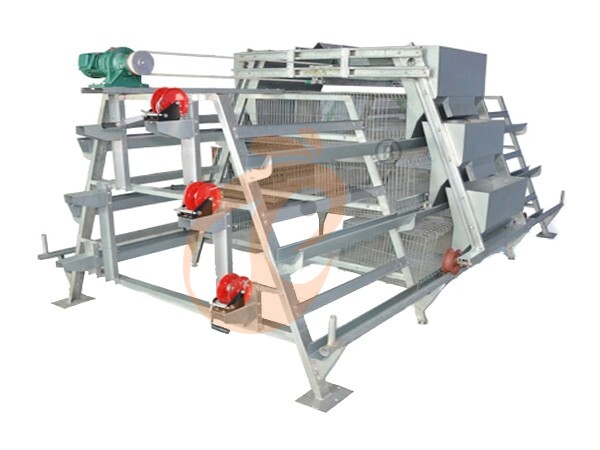
5. Our 24 hour online reception What’sApp NO. is +86 18830120193. >30,000 Broilers Semi-Automatic Harvest H Type Battery Cage1. More than 30,000 broilers a house, choose it.
2. It is designed to rearing 1 to 45 day old adult broiler ready for market.
3. Its lifespan is more than 20 years.
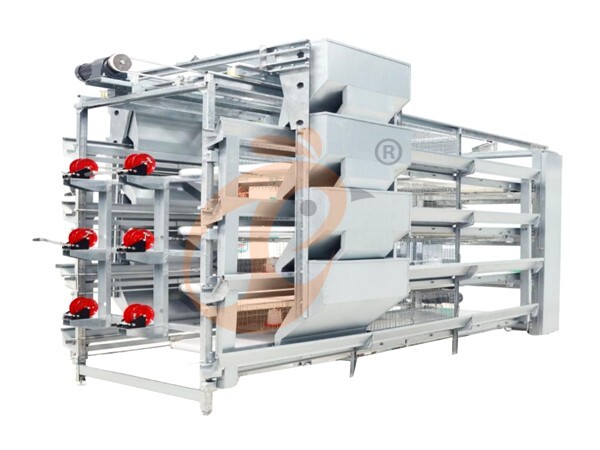
4. Our 24 hour online reception What’sApp NO. is +8618830120193, +234 8111199996. >30,000 Broilers Manual Harvest H Type Battery Cage1. More than 30,000 broilers a house, choose it.
2. It is designed to rearing 1 to 45 day old adult broiler ready for market.
3. Its lifespan is more than 20 years.
4. Its structure are Vcloud artificial intelligent fusion, electric control cabinet, automatic equipment of drinking, feeding and manure clean, manual harvesting.
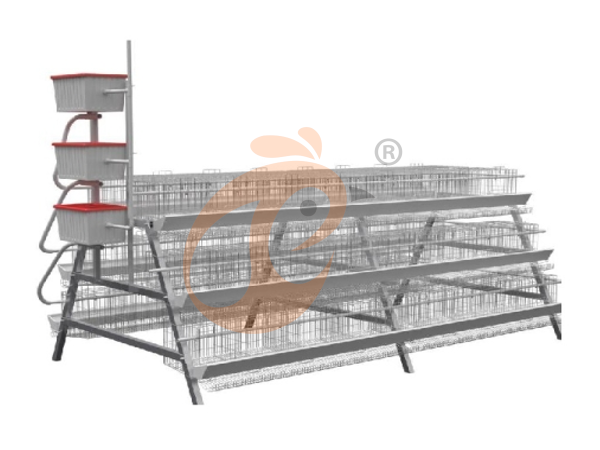
5. Our 24 hour online reception What’sApp NO. is +8618830120193, +234 8111199996. <30,000 Broilers Manual Harvest A Type Battery Cage1. Less 30,000 broilers a house, choose it.
2. It is designed to rearing 1 to 45 day old adult broiler ready for market.
3. Its lifespan is more than 20 years.
4. Its structure are Vcloud artificial intelligent fusion, electric control cabinet, automatic equipment of drinking, feeding and manure clean, manual harvesting.
5. Our 24 hour online reception What’sApp NO. is +8618830120193, +234 8111199996. HK Headquarter Offers EU-standard Poultry Farm Solutions, Manufacture Poultry Farm Equipment1. Continuous communication with the EU and the US
2. China, Nigeria, Ethiopia, Tanzania branch companies and factories
3. The products’ quality is customized for local poultry farms
4. Poultry cage and poultry farm equipment stock for sale
5. 24 online reception Whatsapp NO. : +8618830120193,contact us to get full information China Branch Offer Poultry Farm Business Plan, Manufacture Poultry Farm Equipment1. Address: Flat/RM 2416, 24/F, Runxing Building, Youyi Nan Street, Shijiazhuang City, Hebei Province, China
2. Poultry cage and poultry farm equipment factory and stock for sale
3. Customized for local poultry farms
4. Quality and design are based on Euro
5. 24 online reception Whatsapp NO. : +8618830120193 Nigeria Branch Offer Poultry Farm Business Plan, Manufacture Poultry Farm Equipment1. Address: After Sinoma Office, 200 Meters Near Danco Filling Station, Lagos/Ibadan Expressway, Lagos State, Nigeria
2. Poultry cage and poultry farm equipment factory and stock for sale
3. Customized for Nigerian poultry farms
4. Quality and design are based on Euro
5. 24 online reception Whatsapp NO. : +8618830120193 Ethiopia Branch Offer Poultry Farm Business Plan, Manufacture Poultry Farm Equipment1. Address: Gelan Gura, Akaki-kaliti Sub City, Addis Ababa, Ethiopia
2. Poultry cage and poultry farm equipment stock for sale
3. Customized for Ethiopian poultry farms
4. Quality and design are based on Euro
5. 24 online reception Whatsapp NO. : +8618830120193, contact us to get price list Tanzania Branch Offer Poultry Farm Business Plan, Manufacture Poultry Farm Equipment1. Address: No.8, Sova Road, Msufini, Mlandizi, Kibaha, Pwani, Tanzania
2. Poultry cage and poultry farm equipment factory and stock for sale
3. Customized for Tanzanian poultry farms
4. Quality and design are based on Euro
5. 24 online reception Whatsapp NO. : +8618830120193

Contact