


Blog
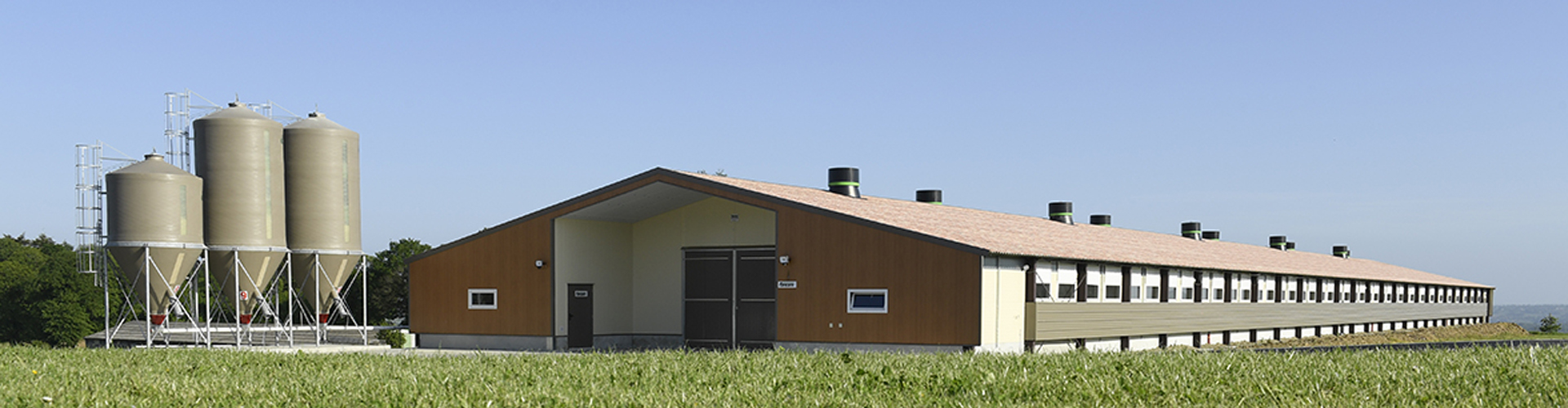
Turnkey poultry equipment combines feeding, drinking, ventilation, cooling, heating, lighting, and controls into one coordinated investment, with projects commonly engineered around houses measuring 50–180 m long.
Automatic poultry feeding system and poultry house ventilation system directly influence daily labor, feed distribution, airflow management, and operating consistency across commercial poultry houses.
Equipment selection should connect flock capacity, climate conditions, automation requirements, maintenance access, electrical planning, and future expansion rather than comparing isolated machine prices.
A properly engineered Turnkey poultry equipment package integrates mechanical, electrical, and environmental systems while supporting practical installation, commissioning, spare-parts planning, and long-term operation.
- From technical configuration to factory supply and project delivery, Turnkey poultry equipment provides a structured route toward scalable poultry production with measurable equipment specifications and coordinated system interfaces.
Get professional poultry farm construction guidance, equipment selection solutions, and the latest price lists, whatsApp to +8618830120193, click to learn more:
Build The Investment Around A Complete System
A profitable poultry house starts with system engineering rather than individual equipment selection.
Turnkey poultry equipment can connect feeding, drinking, ventilation, cooling, heating, lighting, manure handling, and environmental control into one
coordinated production platform.
For commercial projects, service access of 0.8–1.2 m and equipment maintenance clearance should be incorporated into the house layout from the beginning.
Our Turnkey poultry equipment approach is to calculate equipment according to the actual farm design, production target, climate, and operating method.
A complete engineering proposal can cover equipment layout, utility interfaces, installation sequence, and commissioning planning, helping investors avoid incompatible components and unnecessary modifications after construction.
Match Equipment Capacity To The Poultry House
Data is for reference only.Swipe horizontally to view full table.
Turnkey poultry equipment should be engineered around building dimensions and flock planning rather than selected as isolated catalogue products.
Automatic poultry feeding system quantities should correspond with house structure, bird population, climate, and production requirements.
Five Practical Decisions Before You Request A Quotation
Decision 1 — Define the production model.
Tell your supplier whether the project uses broilers, layers, breeders, or another production system.
A broiler house designed for 35–45 day production has different equipment priorities from a layer project operating continuously for 70–80 weeks.
Decision 2 — Provide engineering drawings.
House length, width, roof structure, air-inlet position, electrical layout, and service areas directly influence equipment quantities.
Providing drawings with dimensional accuracy within ±10 mm gives the Turnkey poultry equipment engineering team a reliable basis for positioning.
Decision 3 — Identify the local climate.
Ventilation and cooling configurations should reflect actual weather conditions rather than generic equipment lists.
A poultry house ventilation system for summer temperatures exceeding 35°C requires a different environmental-control strategy from a farm operating in a mild climate.
Decision 4 — Calculate automation requirements.
Automation should focus on repetitive operations that consume labor every day.
A centralized automatic poultry feeding system architecture can coordinate multiple equipment groups through one control cabinet.
Decision 5 — Plan expansion from the beginning.
If farm capacity is expected to increase later, select equipment interfaces that can accommodate additional lines or houses.
A Turnkey poultry equipment expansion scheduled after 24 months should be considered during the original electrical and mechanical planning stage.
Feeding And Drinking Equipment: Engineer The Daily Supply Chain
Data is for reference only.Swipe horizontally to view full table.
Automatic poultry feeding system and drinking equipment form the daily material-delivery foundation of Turnkey poultry equipment.
Technical configurations commonly include controlled water pressure, stainless-steel nipples, feed conveyors, intermediate hoppers, and storage silos.
Turn Equipment Into A Labor-Saving Workflow
Think of Turnkey poultry equipment as a continuous material-flow system:
Silo → Feed Conveyor → Feed Line → Feed Pan → Birds
and
Water Tank → Filter → Pressure Regulator → Drinking Line → Nipple
This arrangement removes unnecessary manual transfer steps and creates a repeatable operating process.
An automatic poultry feeding system can transport feed over distances of 80–120 m, while a water filtration assembly can be positioned before pressure regulation to protect downstream drinking components.
The commercial value comes from coordination.
Feeding, drinking, and environmental equipment should communicate through the project control architecture instead of operating as unrelated machines.
Ventilation And Cooling: Specify The Air-Movement System
Data is for reference only.Swipe horizontally to view full table.
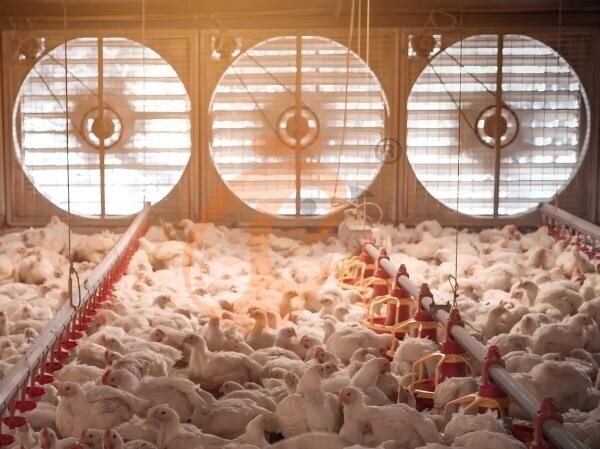
A poultry house ventilation system combines exhaust fans, air inlets, cooling pads, sensors, and automated controls within the Turnkey poultry equipment design.
Fan selection should be based on house volume, flock load, static pressure, and climate rather than fan diameter alone.
Why Turnkey Climate Control Creates Equipment Value
A poultry house needs different ventilation strategies during brooding, growth, and hot-weather operation.
Instead of asking operators to manually adjust every fan, inlet, and cooling component, Turnkey poultry equipment can use an environmental controller to execute programmed stages based on sensor inputs.
For example, a poultry house ventilation system can record environmental data at 1–5 minute intervals and trigger predefined operating sequences when conditions change.
This creates a measurable control process and gives farm managers traceable operating information rather than relying solely on visual inspection.
Our turnkey engineering service integrates ventilation, cooling, heating, and environmental monitoring around the same control logic, reducing interface problems
between separate equipment suppliers.
Environmental Control Package: Convert Data Into Automatic Actions
Data is for reference only.Swipe horizontally to view full table.
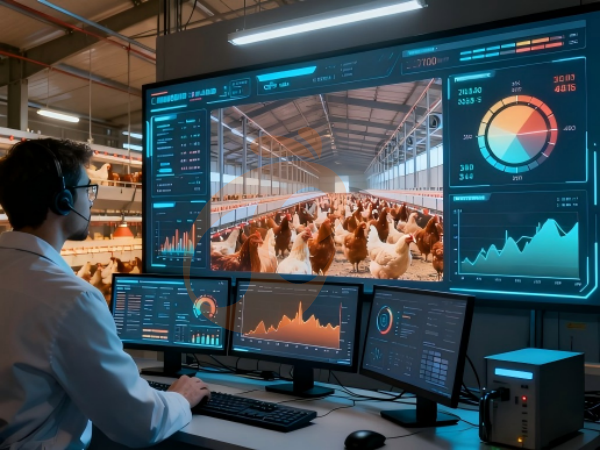
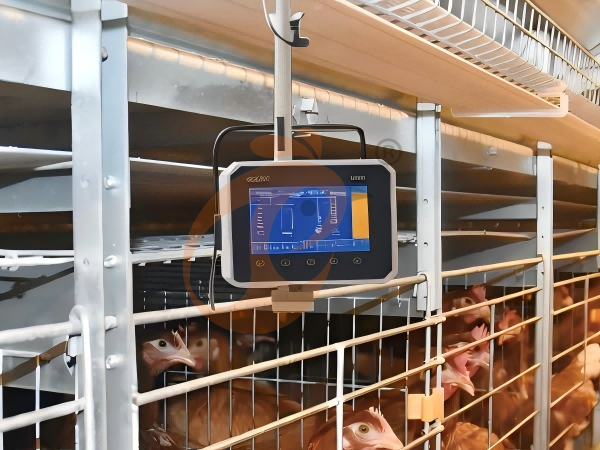
A centralized environmental controller can coordinate fan stages, heating, cooling, lighting, and alarms within a Turnkey poultry equipment package.
Multi-point sensing also provides more representative information than relying on a single measurement location.
An integrated poultry house ventilation system can therefore connect environmental measurement with automatic equipment responses.
Buy For Maintenance, Not Just Installation
The first commissioning is only the beginning of equipment ownership.
A commercial farm should consider how quickly operators can inspect motors, replace wear components, clean sensors, and access control cabinets within the
Turnkey poultry equipment installation.
For example, critical drive components can be positioned with approximately 600–1,000 mm service clearance, while inspection points should remain accessible
without dismantling unrelated equipment.
A turnkey supplier should provide more than machines.
The package should include installation drawings, component identification, operating instructions, recommended spare parts, and technical guidance for
commissioning.
Installation And Project-Delivery Parameters
Data is for reference only.Swipe horizontally to view full table.
Integrated Turnkey poultry equipment projects become easier to manage when mechanical, electrical, and control interfaces are defined before manufacturing
and installation.
Compare The Complete Technical Package
Data is for reference only.Swipe horizontally to view full table.
When comparing quotations, use the same technical criteria for every supplier.
A quotation with fewer line items may appear simpler but can exclude accessories, control components, installation materials, or connection parts required by
Turnkey poultry equipment.
Our turnkey quotation can be structured as a complete bill of materials, allowing investors to identify equipment model, technical specification, quantity, and
system relationship before placing an order.
Choose A Turnkey Partner For The Whole Project
Data is for reference only.Swipe horizontally to view full table.
A Turnkey poultry equipment investment should finish with a system engineered, supplied, installed, commissioned, and supported as one project.
The strongest equipment package is not simply a collection of machines; it is coordinated production infrastructure designed around farm operating requirements.
Frequently Asked Questions
Q: What information is required before designing Turnkey poultry equipment?
A: Provide house dimensions, bird capacity, poultry type, climate conditions, power supply, and automation requirements so equipment quantities and system interfaces can be engineered correctly.
Q: How does an automatic poultry feeding system fit into a turnkey project?
A: The feeding system is integrated with storage, conveying, control, and feed distribution, allowing the engineering team to coordinate the complete material-flow route.
Q: Why is a poultry house ventilation system important in turnkey planning?
A: Ventilation must coordinate airflow, cooling, air inlets, sensors, and controls, with commercial systems commonly using multiple staged operating sequences.
Taiyu (HK) Group - One Of China Toppest Turnkey Poultry Equipment Manufacturer
Turnkey poultry equipment integrates feeding, drinking, ventilation, cooling, heating, lighting, and environmental control, with commercial systems configured around complete house engineering requirements and equipment interfaces.
Global factory-direct supply provides poultry equipment manufacturing, technical documentation, configuration support, and project coordination from equipment selection through commissioning.
Poultry equipment solutions cover automatic feeding, drinking, ventilation, environmental control, and supporting systems for commercial farm construction and upgrading projects.
Turn-key engineering connects mechanical equipment, electrical interfaces, control architecture, installation drawings, commissioning procedures, and spare-parts planning within one project structure.
International project supply supports customers requiring coordinated poultry equipment procurement, technical specifications, factory production, shipment preparation, installation guidance, and after-sales technical communication.
Contact Us To Received Your Customized Poultry Farm Plan
Headquarters And Branchs
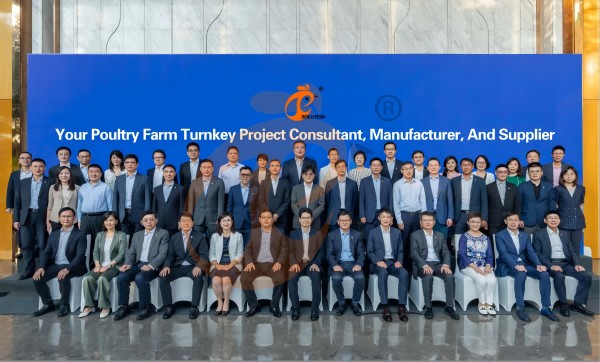
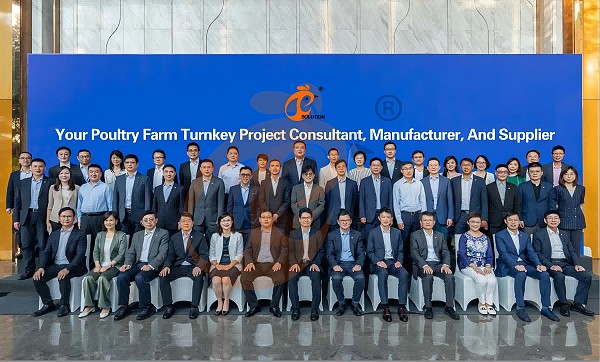
Hong Kong Headquarter Management Team
Hong Kong Headquarter Taiyu Industrial Group CO., LTD
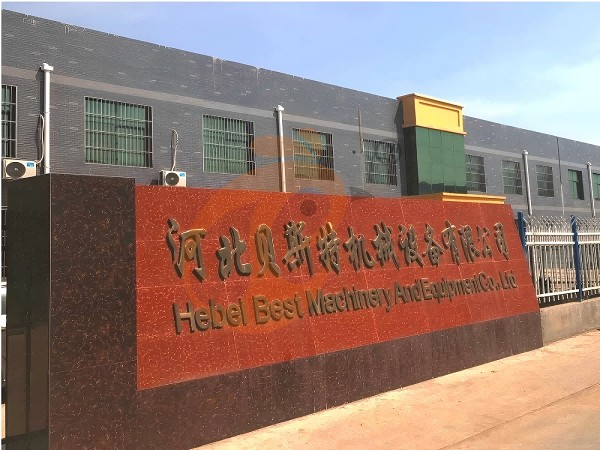
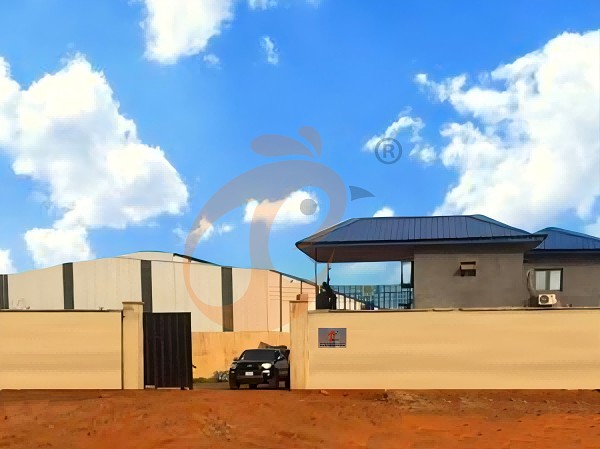
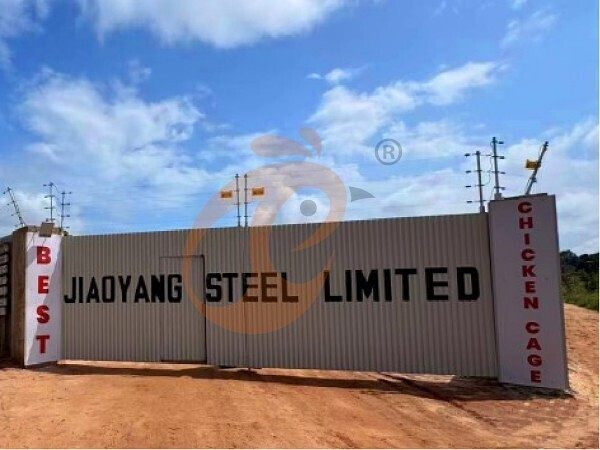
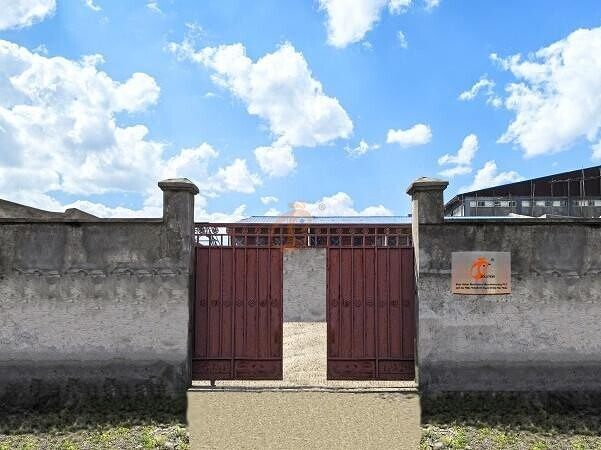
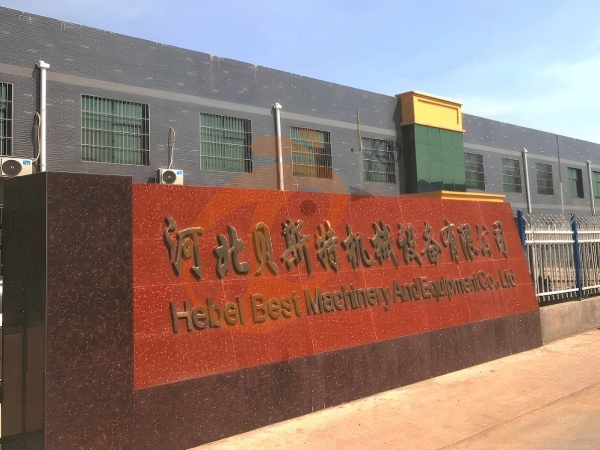
China Hebei Best Machinery And Equipment CO., LTD
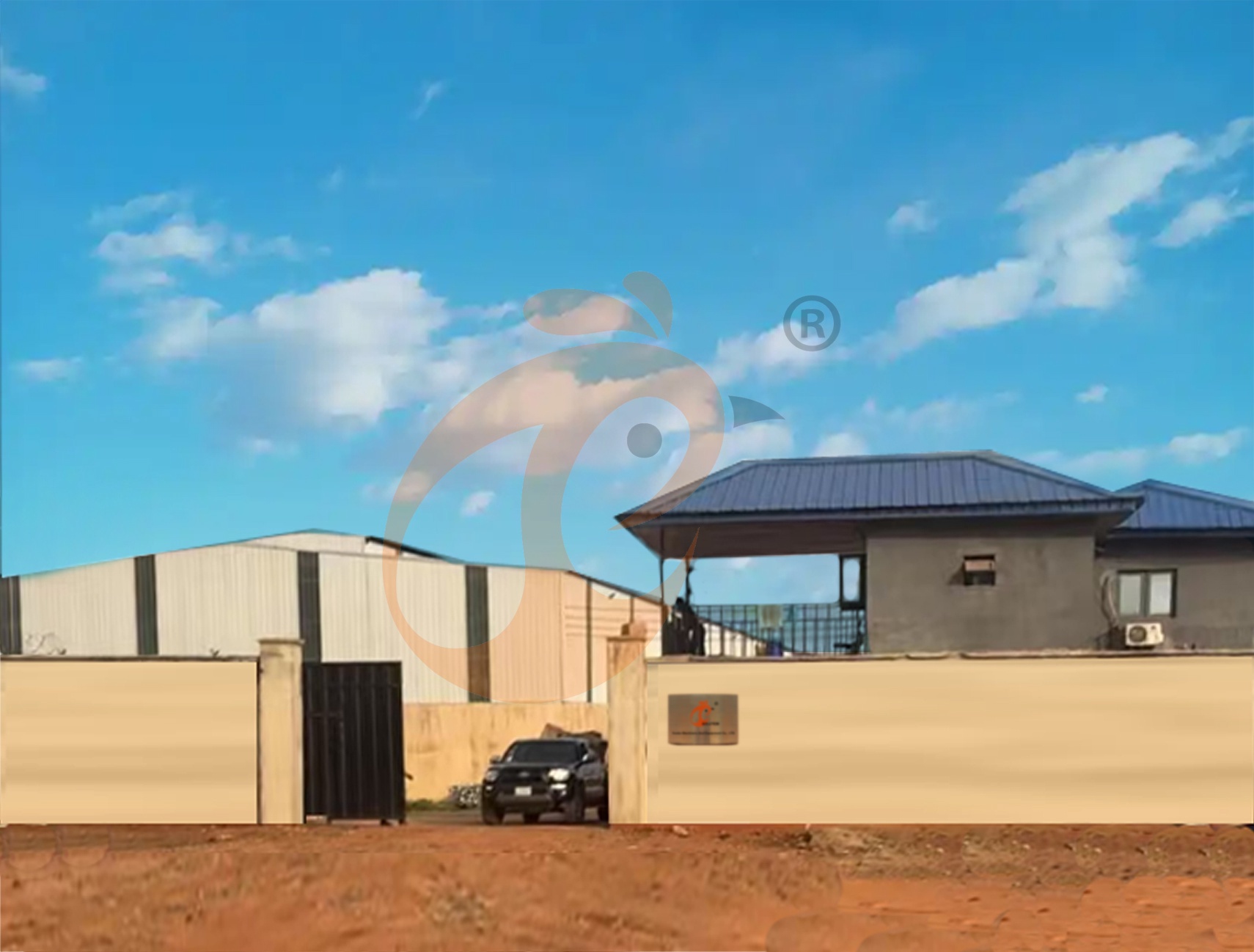
Nigeria Vanke Machinery And Equipment CO., LTD
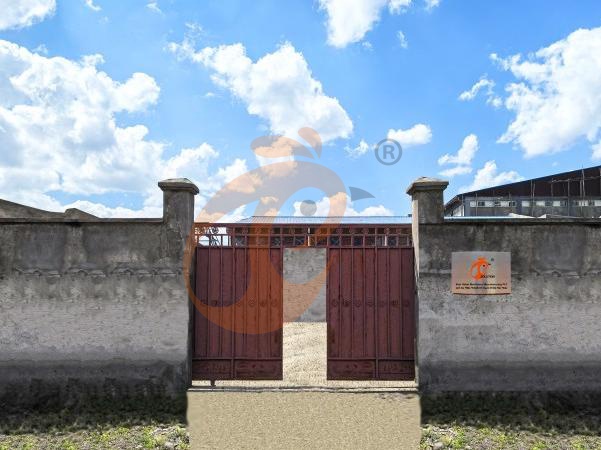
Tanzania Best Machinery And Equipment CO., LTD
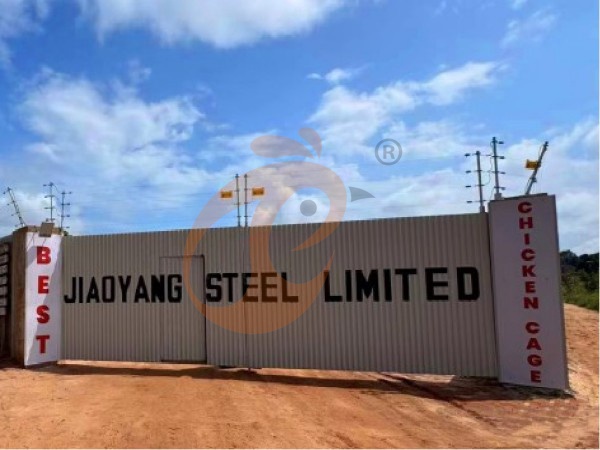
Ethiopia Best Hebei Machinery Manufacturing PLC
Reception /24 WhatsApp NO. : +8618830120193
FAQ
How Is Data Transmission Managed In Smart Chicken House Equipment For Poultry Chicken Monitoring Systems?
Data refresh intervals operate every 5–15 seconds for real-time monitoring accuracy.
Cloud synchronization latency remains within 1–3 seconds for remote access control.
What Alarm Functions Are Included In Smart Chicken House Equipment?
Gas concentration alerts trigger at 25–50 ppm ammonia levels protecting flock health.
System failure alarms respond within 3–5 seconds ensuring immediate fault notification.
How Does Smart Chicken House Equipment Improve Management Efficiency?
Data analytics improve feed conversion efficiency by 4%–7% through environmental optimization.
Predictive alerts reduce mortality risk by 3%–6% through early anomaly detection.
- poultry farm
- poultry house
- cage
- poultry farm construction
- poultry house ventilation
- poultry feeding system
- poultry house ventilation system
- automatic poultry feeding system
- poultry equipment
- chickencage
- bestchickencage
- Nigeria
- poultry equipment manufacturer
- broiler house design
- poultry farm plan
- poultry feed
- feed silo
- Ethiopia
Message
Products recommended
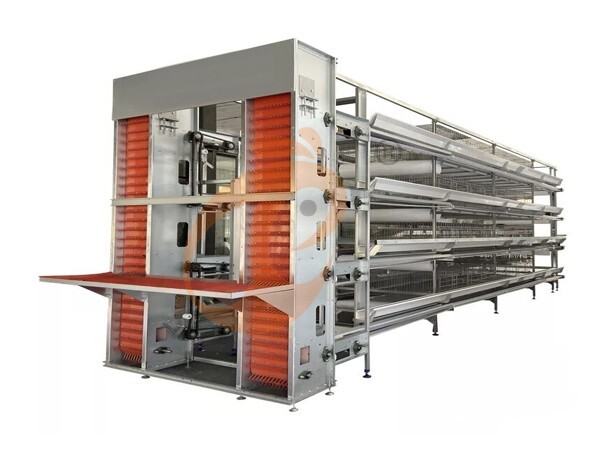
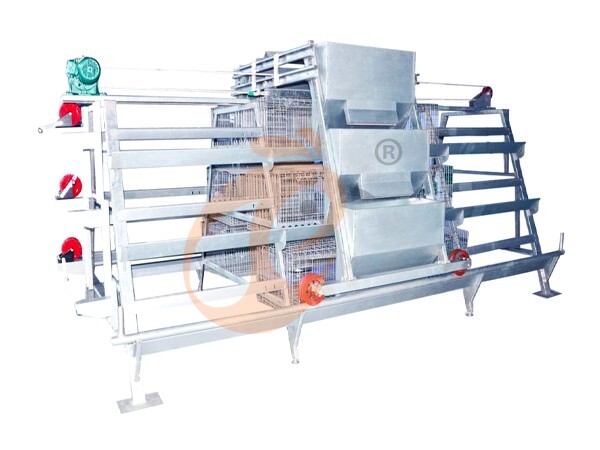
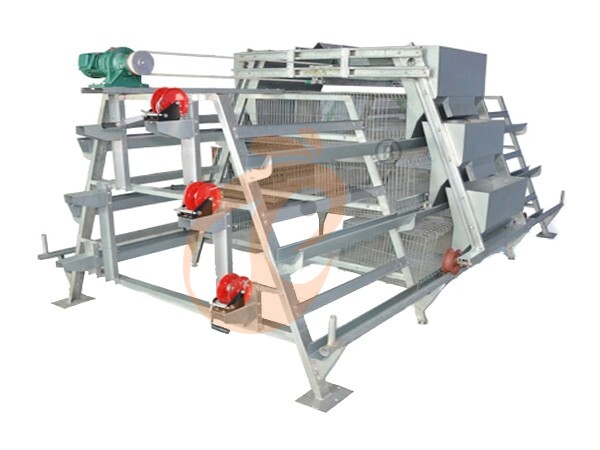
 >30,000 Pullets Automatic H Type Battery Cage1. More than 30,000 pullets a house, choose it.
2. It is designed to rearing older than 1 day old pullets to 12 to 16 weeks old chicken starting laying eggs.
3. Its lifespan is more than 25 years.
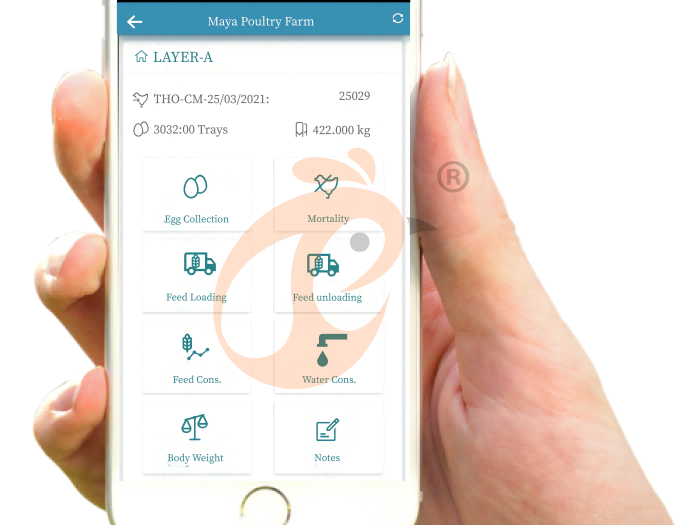
4. Its structure are Vcloud artificial intelligent fusion, electric control cabinet, automatic equipment of drinking, feeding, manure clean, manual harvesting.
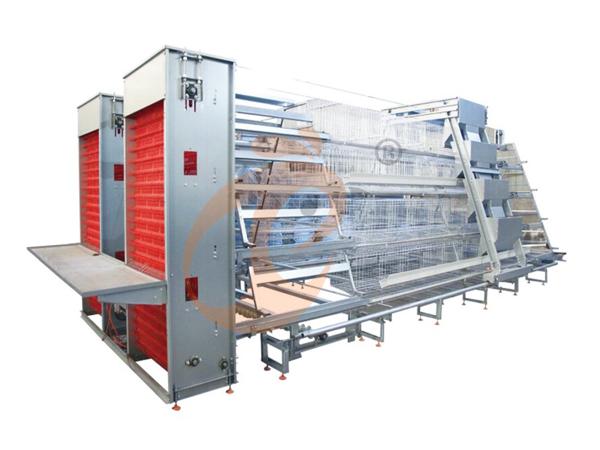
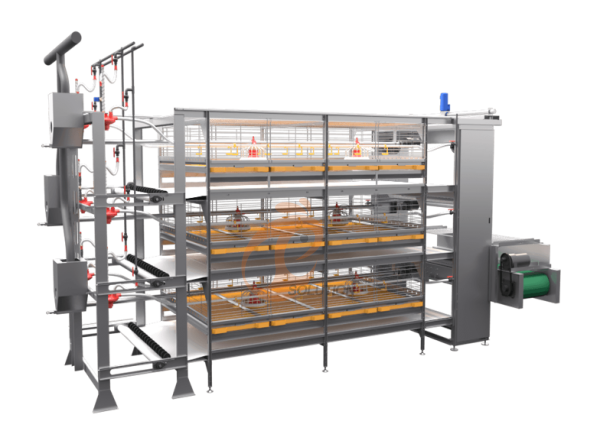
5. Our 24 hour online reception What’sApp NO. is +8618830120193 <30,000 Pullets Automatic A Type Battery Cage1. 10,000 to 30,000 pullets a house, choose it.
2. It is designed to rearing older than 1 day old pullets to 12 to 16 weeks old chicken starting laying eggs.
3. Its lifespan is more than 25 years.
4. Its structure are Vcloud artificial intelligent fusion, electric control cabinet, automatic equipment of drinking, feeding, manure clean, manual harvesting.
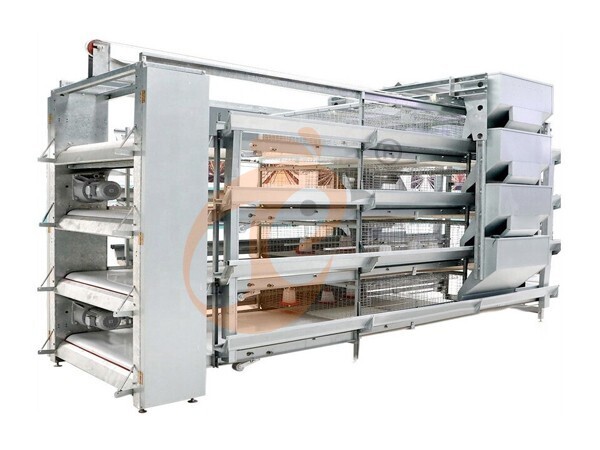
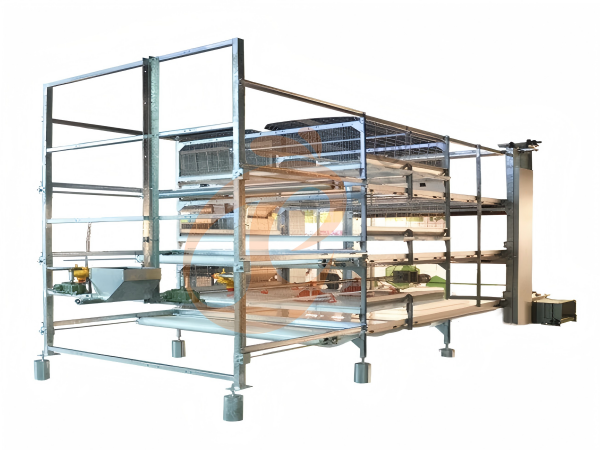
5. Our 24 hour online reception What’sApp NO. is +86 18830120193. >30,000 Broilers Semi-Automatic Harvest H Type Battery Cage1. More than 30,000 broilers a house, choose it.
2. It is designed to rearing 1 to 45 day old adult broiler ready for market.
3. Its lifespan is more than 20 years.
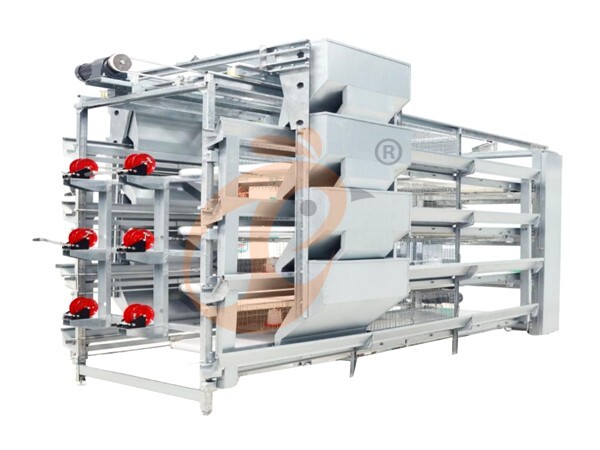
4. Our 24 hour online reception What’sApp NO. is +8618830120193, +234 8111199996. >30,000 Broilers Manual Harvest H Type Battery Cage1. More than 30,000 broilers a house, choose it.
2. It is designed to rearing 1 to 45 day old adult broiler ready for market.
3. Its lifespan is more than 20 years.
4. Its structure are Vcloud artificial intelligent fusion, electric control cabinet, automatic equipment of drinking, feeding and manure clean, manual harvesting.
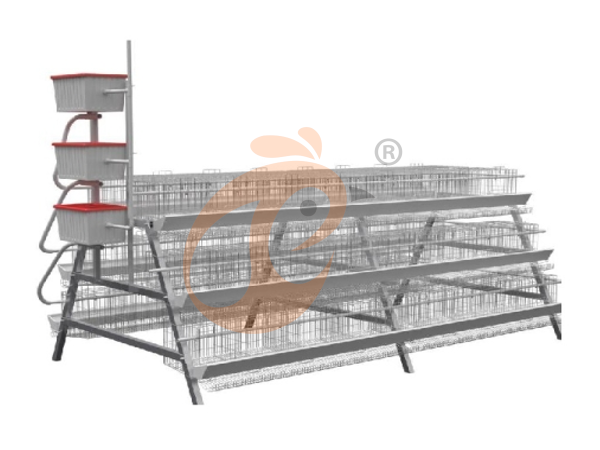
5. Our 24 hour online reception What’sApp NO. is +8618830120193, +234 8111199996. <30,000 Broilers Manual Harvest A Type Battery Cage1. Less 30,000 broilers a house, choose it.
2. It is designed to rearing 1 to 45 day old adult broiler ready for market.
3. Its lifespan is more than 20 years.
4. Its structure are Vcloud artificial intelligent fusion, electric control cabinet, automatic equipment of drinking, feeding and manure clean, manual harvesting.
5. Our 24 hour online reception What’sApp NO. is +8618830120193, +234 8111199996. HK Headquarter Offers EU-standard Poultry Farm Solutions, Manufacture Poultry Farm Equipment1. Continuous communication with the EU and the US
2. China, Nigeria, Ethiopia, Tanzania branch companies and factories
3. The products’ quality is customized for local poultry farms
4. Poultry cage and poultry farm equipment stock for sale
5. 24 online reception Whatsapp NO. : +8618830120193,contact us to get full information China Branch Offer Poultry Farm Business Plan, Manufacture Poultry Farm Equipment1. Address: Flat/RM 2416, 24/F, Runxing Building, Youyi Nan Street, Shijiazhuang City, Hebei Province, China
2. Poultry cage and poultry farm equipment factory and stock for sale
3. Customized for local poultry farms
4. Quality and design are based on Euro
5. 24 online reception Whatsapp NO. : +8618830120193 Nigeria Branch Offer Poultry Farm Business Plan, Manufacture Poultry Farm Equipment1. Address: After Sinoma Office, 200 Meters Near Danco Filling Station, Lagos/Ibadan Expressway, Lagos State, Nigeria
2. Poultry cage and poultry farm equipment factory and stock for sale
3. Customized for Nigerian poultry farms
4. Quality and design are based on Euro
5. 24 online reception Whatsapp NO. : +8618830120193 Ethiopia Branch Offer Poultry Farm Business Plan, Manufacture Poultry Farm Equipment1. Address: Gelan Gura, Akaki-kaliti Sub City, Addis Ababa, Ethiopia
2. Poultry cage and poultry farm equipment stock for sale
3. Customized for Ethiopian poultry farms
4. Quality and design are based on Euro
5. 24 online reception Whatsapp NO. : +8618830120193, contact us to get price list Tanzania Branch Offer Poultry Farm Business Plan, Manufacture Poultry Farm Equipment1. Address: No.8, Sova Road, Msufini, Mlandizi, Kibaha, Pwani, Tanzania
2. Poultry cage and poultry farm equipment factory and stock for sale
3. Customized for Tanzanian poultry farms
4. Quality and design are based on Euro
5. 24 online reception Whatsapp NO. : +8618830120193


Contact