


Blog
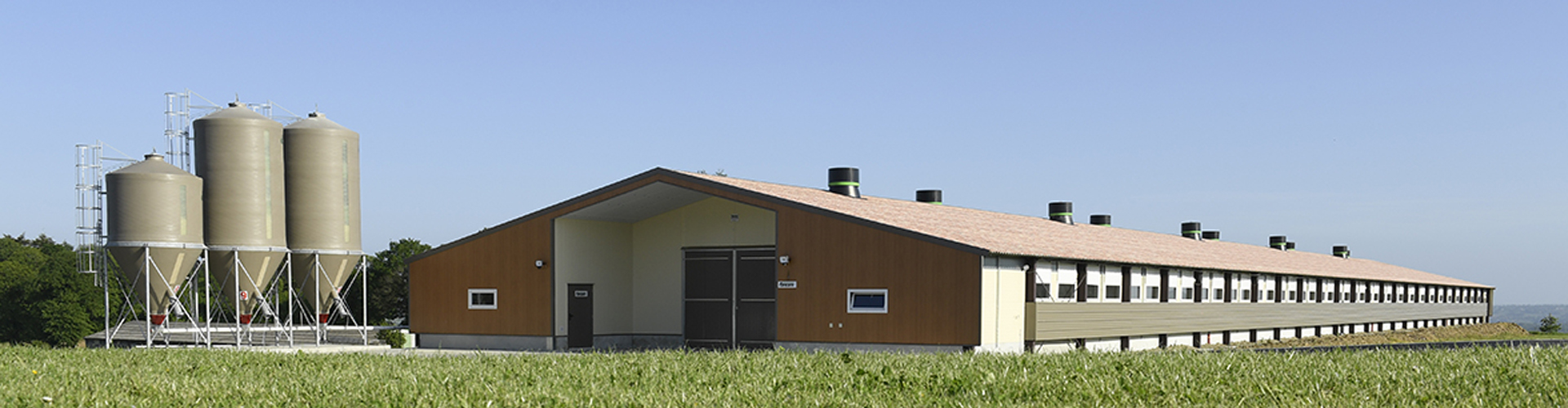
- Floor rearing broiler farming combines housing design, feeding automation, ventilation control, and disciplined flock management for commercial production.
Proper broiler farm equipment can support consistent operations across houses handling 20,000–100,000 birds.
An automatic broiler feeding system helps reduce repetitive labor while maintaining organized feed distribution.
A modern poultry ventilation system manages airflow, cooling, humidity, and air quality during demanding production periods.
- Integrated equipment planning connects investment, operating efficiency, flock performance, and long-term farm expansion into one commercial strategy.
Get professional poultry farm construction guidance, equipment selection solutions, and the latest price lists, whatsApp to +8618830120193, click to learn more:
Profit Starts With The Right Floor-Rearing System
Floor-reared broilers can generate attractive returns when housing, feeding, watering, ventilation, and environmental control work as one production system.
A typical commercial cycle may run for 42 days, while a well-organized farm can target 7–8 production cycles annually.
The key is not simply putting more birds into a house.
Profit depends on converting feed, labor, water, electricity, and floor space into saleable live weight efficiently.
Research shows that stocking density, ventilation, feeder and drinker arrangement, litter quality, and ammonia control interact directly with production performance.
For equipment buyers, broiler farm equipment should therefore be planned as a complete package rather than purchasing individual machines separately.
Stocking Density: Build Around Market Weight
Data is for reference only.Swipe horizontally to view full table.
Stocking density must be matched with climate, target market weight, ventilation design, and equipment capacity.
Cobb's management guidance gives different maximum loading levels according to housing and ventilation configurations.
For equipment manufacturers, stocking density creates an important sales opportunity because broiler farm equipment, an automatic broiler feeding system, and a poultry ventilation system should be configured around intended loading capacity.
Automatic Feeding: Protect Feed Efficiency
The Revenue Chain
Feed Delivery → Uniform Access → Stable Growth → Better Flock Uniformity → More Saleable Weight → Higher Farm Revenue
A commercial broiler farm may spend 60–70% of operating expenditure on feed, making feed management one of the strongest profit levers.
An automatic broiler feeding system reduces manual distribution work and helps birds access feed consistently throughout the growing period.
A properly designed feeding system can also reduce unnecessary feed movement and improve management efficiency.
For a 50,000-bird farm, saving only 30 labor-hours per cycle can become a meaningful annual operating advantage.
The equipment therefore becomes more than a feeding machine because integrated broiler farm equipment supports labor-efficient commercial production.
Pan Feeding Equipment Specifications
Data is for reference only.Swipe horizontally to view full table.
Automatic pan feeding is especially valuable when a farm needs consistent feed distribution across a long house.
A synchronized automatic broiler feeding system can deliver feed throughout the building without requiring workers to carry bags or manually refill individual feeders.
For suppliers, configuration flexibility is a strong commercial advantage because broiler farm equipment can be customized through feed lines, hopper capacities, drive units, and control systems.
Water Management: The Hidden Profit Driver
Buyer's Quick Test
Can every bird access water?
Can the system maintain stable pressure?
Can workers identify blocked drinkers quickly?
Can the lines be flushed and sanitized efficiently?
Water consumption can increase sharply during heat stress, and poor water access can immediately affect feed intake.
One experimental study also found that ventilation conditions and drinking-system design can interact with broiler performance during hot conditions.
A broiler farm equipment package incorporating an automatic broiler feeding system and reliable water distribution can simplify daily management across commercial houses.
A farm expanding from 20,000 to 100,000 birds also faces an increasing manual watering burden, making automated distribution commercially relevant.
Nipple Drinking System Specifications
Data is for reference only.Swipe horizontally to view full table.
A reliable drinking system should combine nipples, regulators, filters, pressure gauges, water tanks, and flushing arrangements.
This integrated design gives farm operators better control over water delivery and makes routine maintenance more systematic.
For an equipment company, selling a complete drinking package creates stronger customer value than selling individual nipples.
Replacement components, filtration assemblies, pressure regulators, and service support can also form part of a complete broiler farm equipment supply structure.
Ventilation: Turn Airflow Into Production Capacity
The Equipment Formula
Air Inlet + Exhaust Fan + Cooling System + Controller = Environmental Control
Ventilation is not simply about removing hot air.
Ventilation controls temperature distribution, moisture, air quality, and litter conditions.
Studies have demonstrated that ventilation rate and air movement can influence production efficiency, while tunnel ventilation has been associated with improved temperature control under hot conditions.
A farm operating during summer conditions may face 35°C outdoor temperatures, making a coordinated poultry ventilation system an important production requirement.
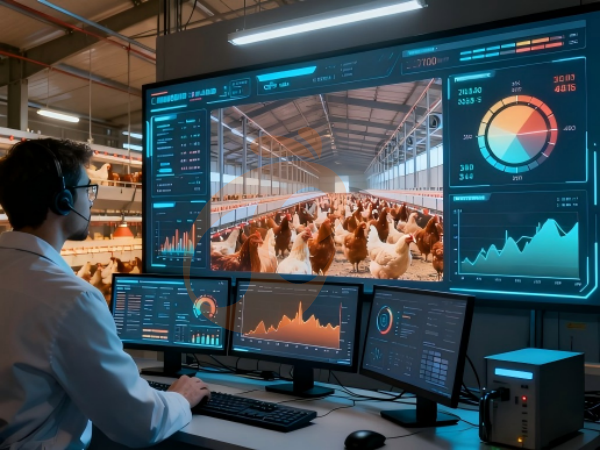
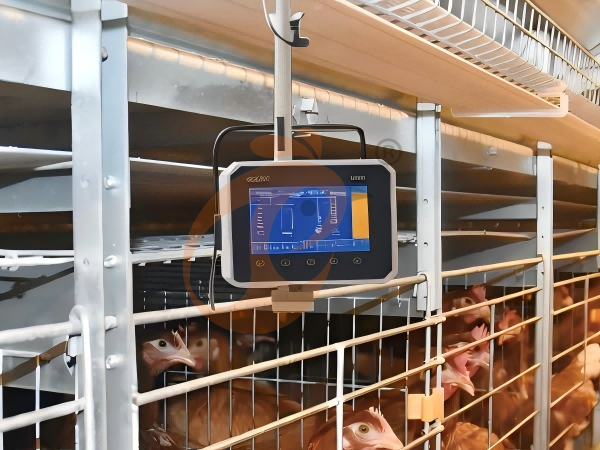
An automated ventilation controller can coordinate fans and cooling equipment according to actual house conditions instead of relying entirely on manual operation.
That makes ventilation equipment directly connected to profitability rather than merely being an infrastructure expense within broader broiler farm equipment
planning.
Tunnel Ventilation Equipment Specifications
Data is for reference only.Swipe horizontally to view full table.
A complete tunnel ventilation package can combine exhaust fans, air inlets, evaporative cooling pads, circulation fans, sensors, and an intelligent controller.
Such a poultry ventilation system is particularly attractive for commercial farms seeking expansion without proportionally increasing manual environmental management.
Integrated broiler farm equipment also allows feeding, watering, ventilation, and environmental controls to be coordinated as one engineering system.
Equipment Integration: Where The Margin Improves
Compare The Workflow
Manual Farm
Worker → Feed → Water → Temperature Check → Fan Adjustment → Inspection
Automated Floor-Rearing Farm
Controller → Feeding System → Drinking System → Ventilation → Cooling → Monitoring
Automation does not eliminate management because automation moves management from repetitive physical work toward monitoring and decision-making.
On a farm operating 18 hours per day, reducing unnecessary manual tasks can materially improve labor allocation.
A coordinated automatic broiler feeding system combined with a poultry ventilation system can simplify repetitive production procedures.
This is where suppliers can differentiate themselves because the commercial proposition should focus on integrated broiler farm equipment, not isolated components.
Environmental Control Specifications
Data is for reference only.Swipe horizontally to view full table.
Air quality is influenced by ventilation, stocking density, litter condition, and bird age.
EFSA identifies ammonia control and adequate access to feed and water as important components of broiler housing management.
For equipment buyers, environmental sensors provide another layer of control because broiler farm equipment can respond to measured house conditions.
Instead of responding after visible heat stress appears, operators can use measured conditions to activate ventilation, cooling, or alarms earlier.
The Equipment Return On Investment Checklist
A Practical Investment Scorecard
1. Installation cost per bird: target a system that fits the farm's capital budget.
2. Labor saving: quantify annual labor reduction in 200–500 hours.
3. Energy impact: estimate the electrical requirement at approximately 0.08–0.15 kWh/bird/cycle.
4. Maintenance exposure: identify replacement components before signing the purchase contract.
5. Expansion potential: design the system so capacity can increase by 25–50% without replacing the complete infrastructure.
The correct broiler farm equipment should therefore be evaluated by total operating impact rather than purchase price alone.
For projects requiring an automatic broiler feeding system or poultry ventilation system, installation compatibility should also be included in the engineering
calculation.
Turn Floor Rearing Into A Scalable Business
Data is for reference only.Swipe horizontally to view full table.
A profitable floor-rearing farm needs more than healthy birds.
A commercial project needs broiler farm equipment supporting predictable feeding, reliable watering, controlled ventilation, efficient cooling, and measurable environmental conditions.
That is why a professional poultry equipment supplier should provide a complete floor-rearing solution covering automatic pan feeding, nipple drinking, tunnel ventilation, evaporative cooling, environmental controllers, sensors, and supporting house equipment.
Frequently Asked Questions
Q1: What equipment is essential for floor rearing broilers?
Core broiler farm equipment normally includes automatic feeding, nipple drinking, ventilation, cooling, environmental control, and supporting electrical systems.
A commercial house may operate with 3–5 feeding lines, depending on building dimensions and flock capacity.
Q2: How does automatic feeding affect farm labor?
An automatic broiler feeding system replaces repeated manual feed distribution with controlled mechanical delivery.
Labor planning can therefore shift toward flock inspection, maintenance, sanitation, and environmental monitoring.
Q3: Why is ventilation important for broiler profitability?
A poultry ventilation system controls airflow, temperature, humidity, and air quality while supporting stable house conditions.
A properly engineered system can coordinate fans and cooling stages through sensor-based control.
Taiyu (HK) Group - One Of China Toppest Broiler Equipment Manufacturer
Broiler farm equipment integrates automatic feeding, nipple drinking, tunnel ventilation, cooling, and environmental control, with engineering configurations supporting houses up to 150 m in length.
Global factory-direct supply covers poultry equipment manufacturing, component integration, control-panel assembly, technical documentation, and international project coordination.
Turn-key engineering services connect house layout, equipment selection, electrical planning, ventilation calculation, installation guidance, commissioning, and operational training.
Project solutions support commercial broiler farms, contract-growing operations, agricultural investors, and expansion projects requiring scalable broiler equipment configurations.
Contact Us To Received Your Customized Poultry Farm Plan
Headquarters And Branchs
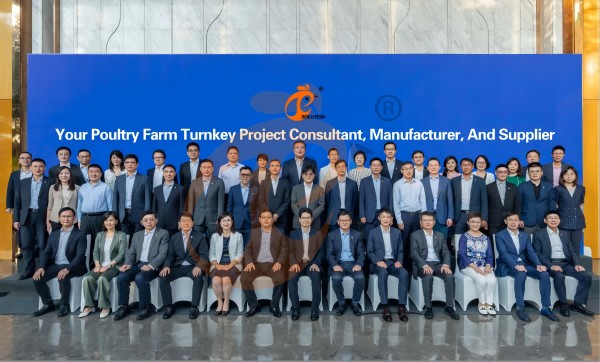
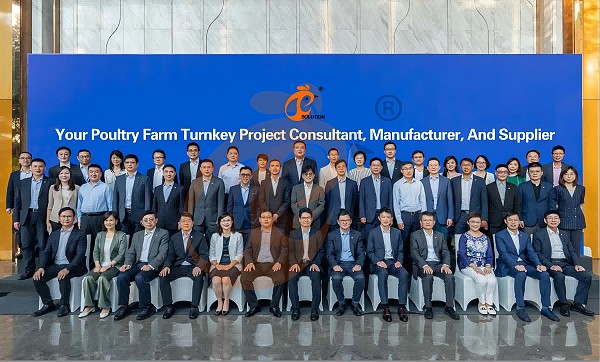
Hong Kong Headquarter Management Team
Hong Kong Headquarter Taiyu Industrial Group CO., LTD
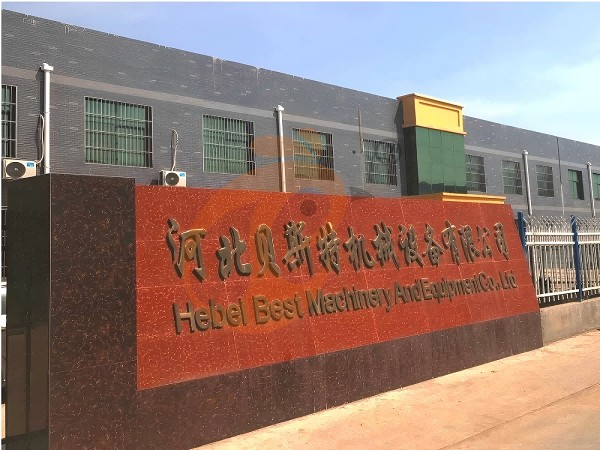
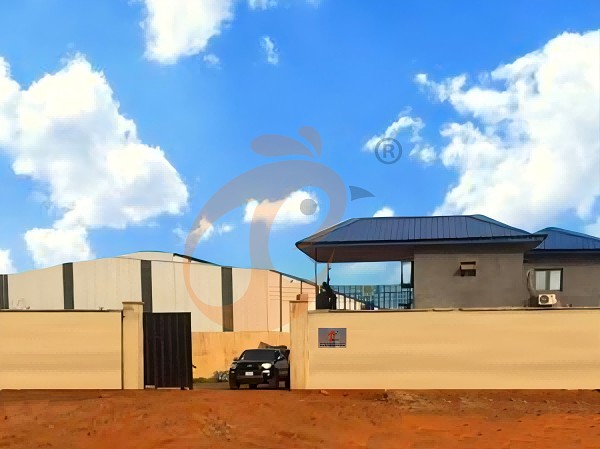
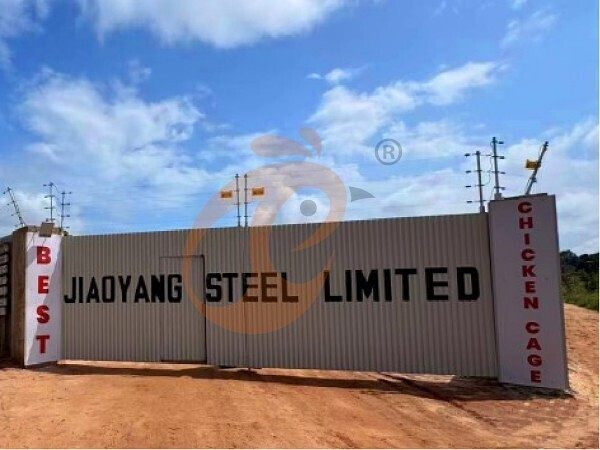
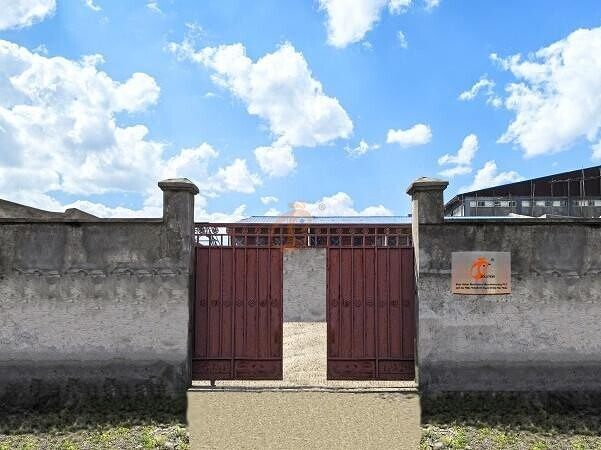
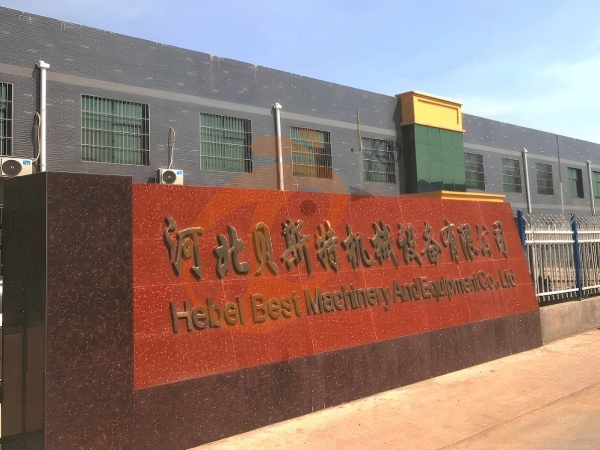
China Hebei Best Machinery And Equipment CO., LTD
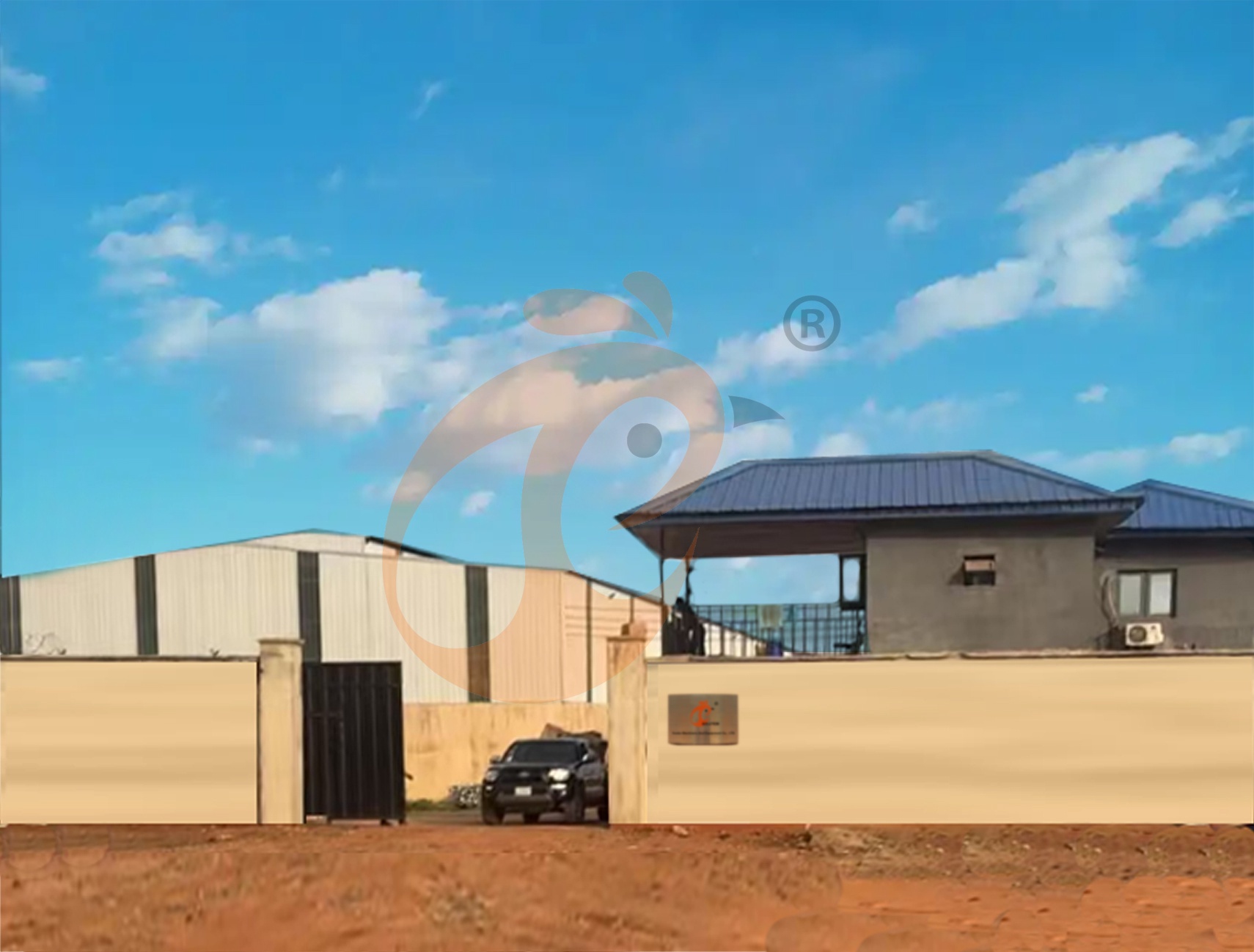
Nigeria Vanke Machinery And Equipment CO., LTD
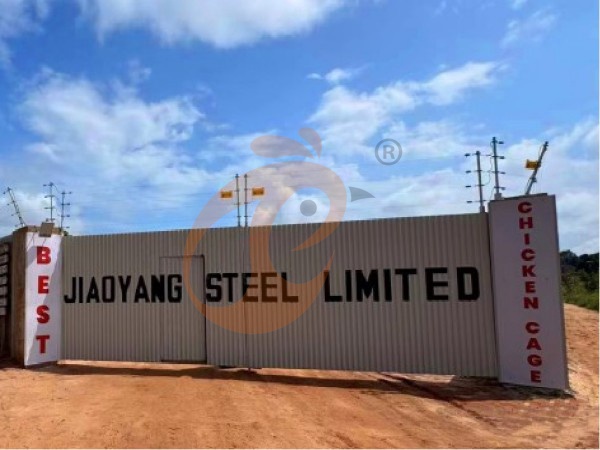
Tanzania Best Machinery And Equipment CO., LTD
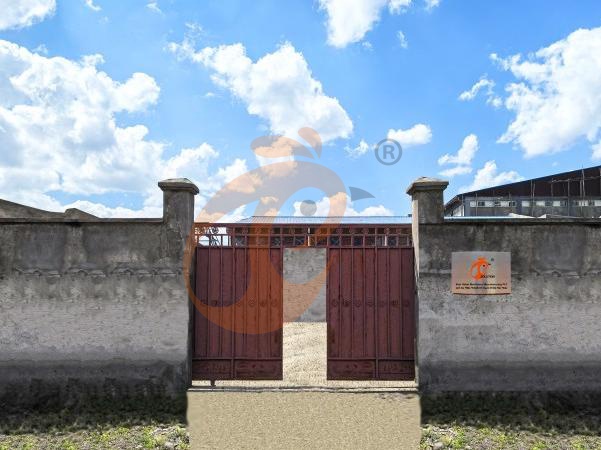
Ethiopia Best Hebei Machinery Manufacturing PLC
Reception /24 WhatsApp NO. : +8618830120193
FAQ
What Growth Performance Indicators Are Expected In Floor Rearing Poultry System?
Feed conversion ratio is maintained at 1.65–1.85 for commercial broilers.
Market slaughter age ranges from 38–45 days depending on breed selection.
What Disease Control Standards Apply In Floor Rearing Poultry System?
Flock vaccination coverage reaches 90%–98% depending on disease prevention program.
Pathogen reduction targets aim for 80%–90% decrease in bacterial load.
What Are The Manure Management Requirements In Floor Rearing Poultry System?
Ammonia emission control targets remain below 15 ppm through regular cleaning cycles.
Dry matter content is maintained above 65% to improve composting efficiency.
Message
Products recommended
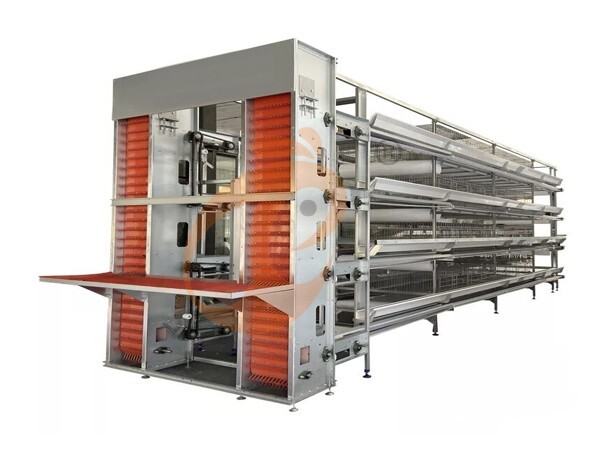
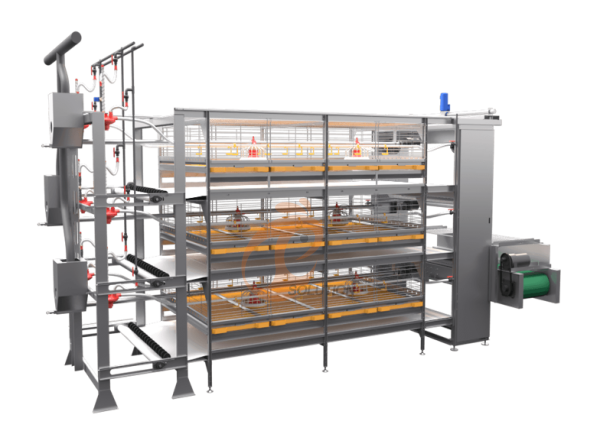
 >30,000 Pullets Automatic H Type Battery Cage1. More than 30,000 pullets a house, choose it.
2. It is designed to rearing older than 1 day old pullets to 12 to 16 weeks old chicken starting laying eggs.
3. Its lifespan is more than 25 years.
4. Its structure are Vcloud artificial intelligent fusion, electric control cabinet, automatic equipment of drinking, feeding, manure clean, manual harvesting.
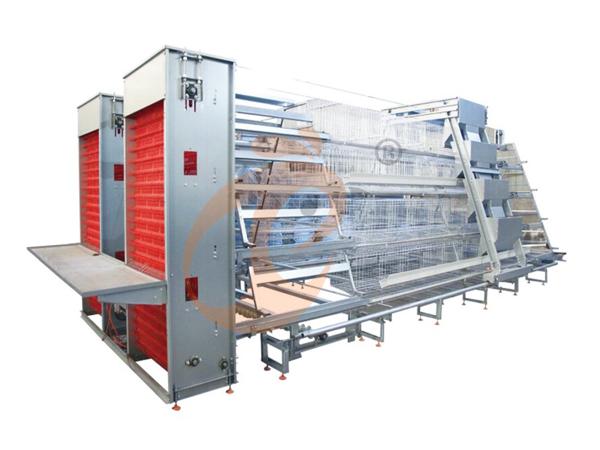
5. Our 24 hour online reception What’sApp NO. is +8618830120193 <30,000 Pullets Automatic A Type Battery Cage1. 10,000 to 30,000 pullets a house, choose it.
2. It is designed to rearing older than 1 day old pullets to 12 to 16 weeks old chicken starting laying eggs.
3. Its lifespan is more than 25 years.
4. Its structure are Vcloud artificial intelligent fusion, electric control cabinet, automatic equipment of drinking, feeding, manure clean, manual harvesting.
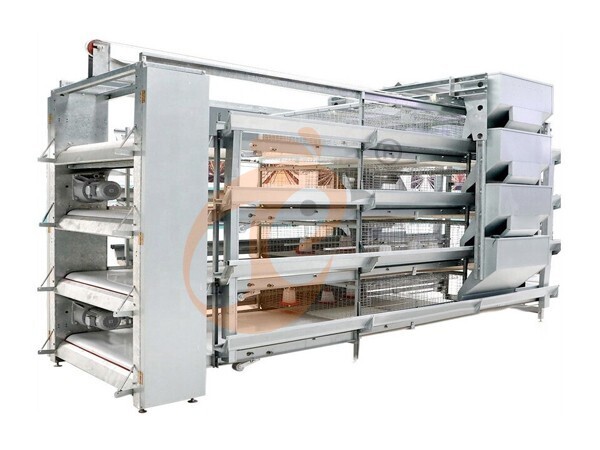
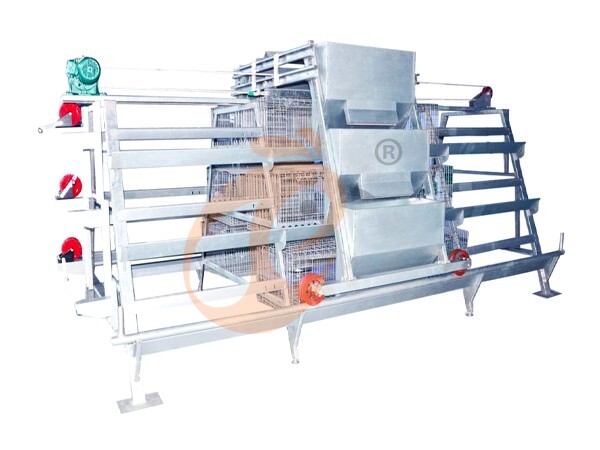
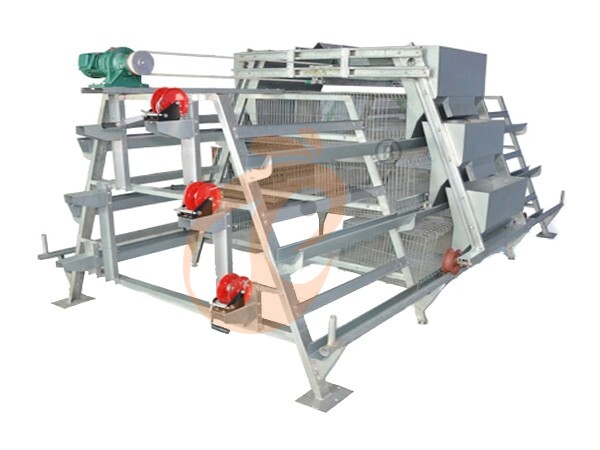
5. Our 24 hour online reception What’sApp NO. is +86 18830120193. >30,000 Broilers Semi-Automatic Harvest H Type Battery Cage1. More than 30,000 broilers a house, choose it.
2. It is designed to rearing 1 to 45 day old adult broiler ready for market.
3. Its lifespan is more than 20 years.
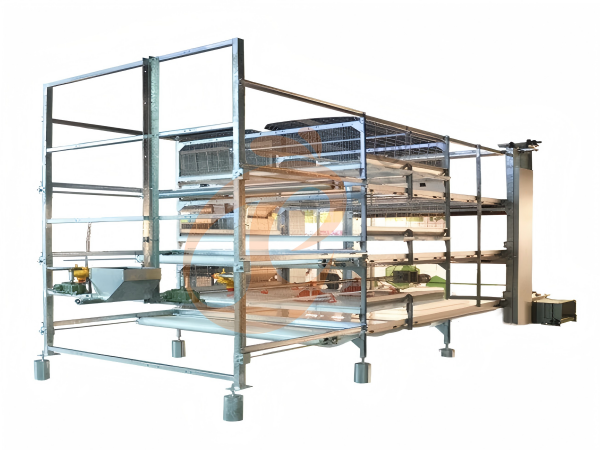
4. Our 24 hour online reception What’sApp NO. is +8618830120193, +234 8111199996. >30,000 Broilers Manual Harvest H Type Battery Cage1. More than 30,000 broilers a house, choose it.
2. It is designed to rearing 1 to 45 day old adult broiler ready for market.
3. Its lifespan is more than 20 years.
4. Its structure are Vcloud artificial intelligent fusion, electric control cabinet, automatic equipment of drinking, feeding and manure clean, manual harvesting.
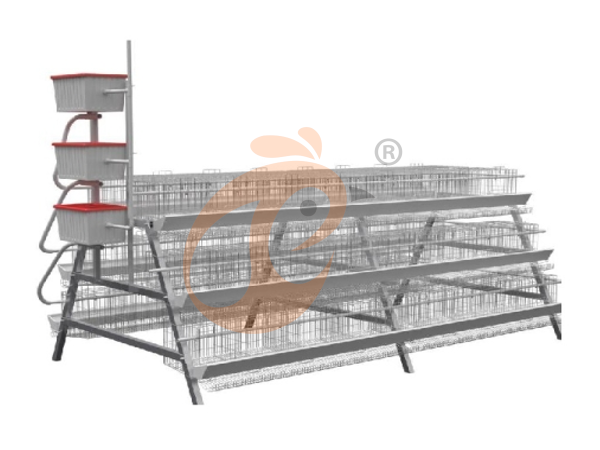
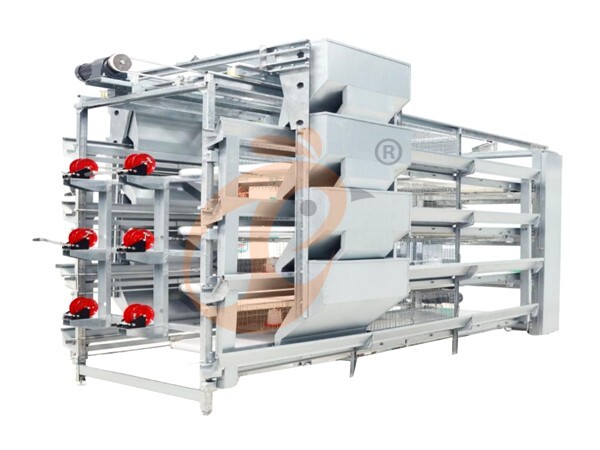
5. Our 24 hour online reception What’sApp NO. is +8618830120193, +234 8111199996. <30,000 Broilers Manual Harvest A Type Battery Cage1. Less 30,000 broilers a house, choose it.
2. It is designed to rearing 1 to 45 day old adult broiler ready for market.
3. Its lifespan is more than 20 years.
4. Its structure are Vcloud artificial intelligent fusion, electric control cabinet, automatic equipment of drinking, feeding and manure clean, manual harvesting.
5. Our 24 hour online reception What’sApp NO. is +8618830120193, +234 8111199996. HK Headquarter Offers EU-standard Poultry Farm Solutions, Manufacture Poultry Farm Equipment1. Continuous communication with the EU and the US
2. China, Nigeria, Ethiopia, Tanzania branch companies and factories
3. The products’ quality is customized for local poultry farms
4. Poultry cage and poultry farm equipment stock for sale
5. 24 online reception Whatsapp NO. : +8618830120193,contact us to get full information China Branch Offer Poultry Farm Business Plan, Manufacture Poultry Farm Equipment1. Address: Flat/RM 2416, 24/F, Runxing Building, Youyi Nan Street, Shijiazhuang City, Hebei Province, China
2. Poultry cage and poultry farm equipment factory and stock for sale
3. Customized for local poultry farms
4. Quality and design are based on Euro
5. 24 online reception Whatsapp NO. : +8618830120193 Nigeria Branch Offer Poultry Farm Business Plan, Manufacture Poultry Farm Equipment1. Address: After Sinoma Office, 200 Meters Near Danco Filling Station, Lagos/Ibadan Expressway, Lagos State, Nigeria
2. Poultry cage and poultry farm equipment factory and stock for sale
3. Customized for Nigerian poultry farms
4. Quality and design are based on Euro
5. 24 online reception Whatsapp NO. : +8618830120193 Ethiopia Branch Offer Poultry Farm Business Plan, Manufacture Poultry Farm Equipment1. Address: Gelan Gura, Akaki-kaliti Sub City, Addis Ababa, Ethiopia
2. Poultry cage and poultry farm equipment stock for sale
3. Customized for Ethiopian poultry farms
4. Quality and design are based on Euro
5. 24 online reception Whatsapp NO. : +8618830120193, contact us to get price list Tanzania Branch Offer Poultry Farm Business Plan, Manufacture Poultry Farm Equipment1. Address: No.8, Sova Road, Msufini, Mlandizi, Kibaha, Pwani, Tanzania
2. Poultry cage and poultry farm equipment factory and stock for sale
3. Customized for Tanzanian poultry farms
4. Quality and design are based on Euro
5. 24 online reception Whatsapp NO. : +8618830120193


Contact