


Blog
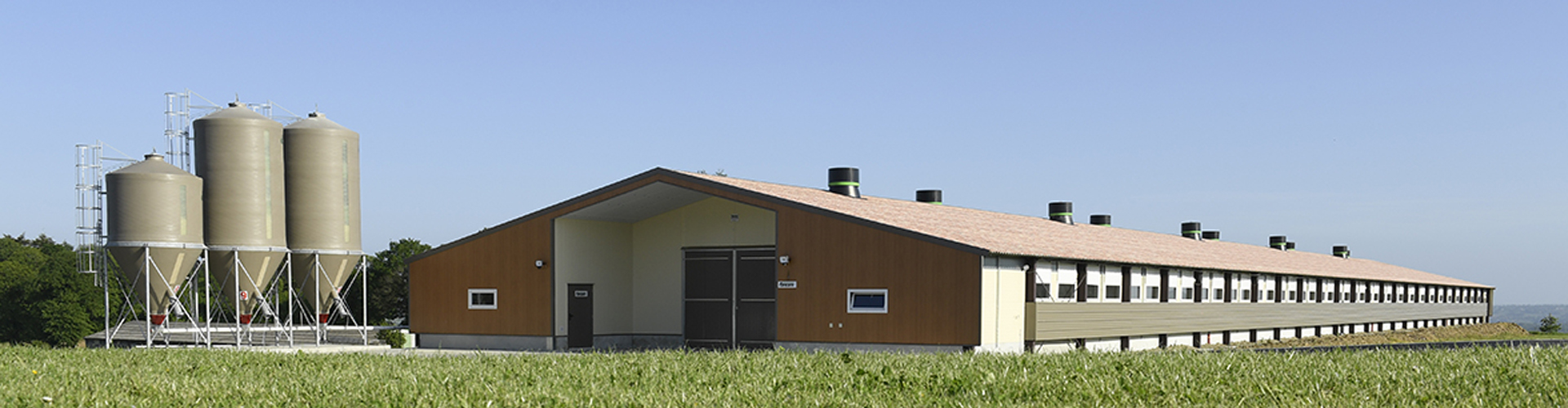
- Deep litter broiler system investment combines feeding, drinking, ventilation, cooling and control into one coordinated production structure, with practical planning for 5–7 annual cycles
Automatic broiler feeding system design can reduce repetitive labor through scheduled delivery, while a poultry house ventilation system supports controlled airflow and environmental stability
Five decision tips examine capacity, operating costs, expansion, material selection and climate integration before equipment procurement, helping buyers evaluate complete poultry equipment rather than isolated machines
Technical parameters covering feed, water, airflow, electrical requirements and control architecture provide a practical framework for commercial farm budgeting, installation and future standardization
Equipment selection becomes more commercially useful when house drawings, flock targets and climate conditions are converted into a complete Deep
Litter broiler system configuration for reliable long-term operation
Get professional poultry farm construction guidance, equipment selection solutions, and the latest price lists, whatsApp to +8618830120193, click to learn more:
Start With The Farm, Not The Equipment
A deep litter broiler system project should begin with production planning rather than an equipment shopping list.
Before selecting feeders, drinkers or ventilation equipment, define building structure, target flock, local climate, litter-management method and expected
production cycle.
A commercial broiler operation may run 5–7 production cycles annually, so automatic broiler feeding system selection and poultry house ventilation system design should reflect repeated operating conditions.
The objective is to create a coordinated production environment in which feeding, drinking, ventilation, cooling, heating and environmental control operate
together.
A house divided into 4–8 environmental management zones can provide more flexible control than a single undivided control area, particularly when house conditions vary along its length.
For equipment buyers, the first quotation should not be based only on a machine list.
Our company evaluates the complete poultry-house layout and develops the deep litter broiler system configuration around actual production requirements.
Feeding System: Turn Daily Feeding Into A Controlled Process
Data is for reference only.Swipe horizontally to view full table.
Automatic broiler feeding system technology transforms feed distribution from a labor-intensive task into a scheduled mechanical process.
A feeding program with 4–8 feeding periods per day can be coordinated through the control system, allowing operators to establish consistent routines without
repeatedly transporting feed manually.
The value of the deep litter broiler system comes from interaction between hopper, drive motor, auger, sensors and pans.
Drinking System: Maintain Consistent Water Delivery
Data is for reference only.Swipe horizontally to view full table.
Water management is especially important in a deep litter broiler system because leakage around drinking points can create localized wet bedding.
During line maintenance, flushing velocity of approximately 1.5–2.5 m/s can be used where hydraulic design permits, helping remove accumulated particles from pipelines.
A complete automatic broiler feeding system project should treat drinking equipment as part of the same poultry equipment architecture rather than as an independent purchase.
Decision Tip #1 — Compare The Complete Equipment Package
Do not compare quotations from the final price upward.
Compare them from the engineering specification downward.
House Drawing
↓
Flock Requirement
↓
Equipment Calculation
↓
Complete Bill Of Materials
↓
Installation Design
↓
Commissioning
A commercial quotation may contain 6–10 major equipment systems and dozens of supporting components.
If a supplier provides only one package price without identifying included models, quantities and specifications, comparing a deep litter broiler system becomes difficult.
Data is for reference only.Swipe horizontally to view full table.
When evaluating poultry equipment suppliers, request detailed bills of materials rather than relying on total project prices.
A quotation containing model numbers, component quantities and electrical ratings allows buyers to compare actual configurations and identify missing
accessories before signing contracts.
Ventilation: Design Air Movement As A System
A deep litter broiler system should be engineered around a defined airflow path instead of simply installing a certain number of fans.
Fresh air must enter through controlled openings, mix appropriately with internal air and travel through the occupied zone before leaving the building.
In tunnel ventilation applications, internal air velocity can reach approximately 2.5–3.5 m/s, depending on building geometry and operating conditions.
This makes the relationship between fan arrangement, air-inlet position and house structure an important engineering consideration.
Air Entry → Air Mixing → Bird Area → Moisture Removal → Exhaust
This airflow sequence explains why poultry house ventilation system components should be designed as one system.
Fans selected without considering air inlets may create uneven airflow, while unsuitable cooling-pad arrangements can increase resistance and change actual fan performance.
Our company provides ventilation equipment together with layout planning, allowing fan positions, air inlets, cooling equipment and controls to be considered before installation.
The result is a deep litter broiler system designed around the building rather than a collection of independently purchased machines.
Ventilation also connects directly with litter management.
Moisture generated by birds, drinking activity and cleaning must ultimately be removed from the house.
Correct airflow design therefore contributes to the overall operating environment of the poultry equipment system.
Ventilation Equipment: Match Airflow With House Geometry
Data is for reference only.Swipe horizontally to view full table.
Fan selection should consider system resistance as well as nominal airflow.
Depending on house construction and inlet arrangement, static pressure may reach approximately 15–30 Pa during operation, meaning free-air fan capacity alone does not describe installed performance.
Cooling equipment must also match the ventilation arrangement.
The cooling pad, water circulation system and exhaust equipment form one airflow circuit, so changing one component can influence requirements elsewhere in the deep litter broiler system.
Decision Tip #2 — Calculate Total Ownership Cost
The purchase quotation represents only the beginning of a deep litter broiler system investment.
Electricity consumption, labor, maintenance, spare parts and component replacement should be evaluated throughout equipment operating life.
During hot-weather operation, ventilation equipment may operate for 18–24 hours per day.
A difference in motor configuration can therefore influence accumulated electricity consumption across an entire production cycle.
Data is for reference only.Swipe horizontally to view full table.
A useful investment calculation should combine initial purchase cost with projected operating requirements.
Buyers should compare poultry equipment configurations using consistent assumptions for operating hours, production cycles and maintenance schedules.
Our company organizes quotations by equipment category so customers can identify capital investment associated with each production function.
Decision Tip #3 — Select A System That Supports Expansion
A poultry farm rarely remains unchanged throughout its operating life.
A producer may begin with one broiler house and later add buildings, bulk-feed storage or centralized monitoring.
A scalable deep litter broiler system architecture can make expansion easier because the same basic equipment logic can be repeated.
When multiple houses use compatible poultry equipment, operator training and spare-parts management can also be standardized.
A farm expanding to 3–6 houses should consider future control architecture before the first house is completed.
This can prevent unnecessary replacement of controllers or communication equipment when additional buildings are added.
Data is for reference only.Swipe horizontally to view full table.
Expansion planning should include equipment interfaces, electrical routes and controller capacity.
If these factors are considered during the original project, later construction can follow standardized designs instead of requiring completely new control concepts.
Decision Tip #4 — Inspect Materials And Maintenance Requirements
Use this inspection sequence before ordering:
Frame → Drive Components → Feed Components → Water Components → Ventilation → Sensors → Control Cabinet → Spare Parts
Poultry equipment operates continuously in environments containing dust, humidity and ammonia.
Materials should therefore be selected for actual operating conditions rather than evaluated only by appearance.
A sensor enclosure rated IP65 provides protection against dust ingress and water jets, which is relevant for components exposed to cleaning and poultry-house moisture.
Data is for reference only.Swipe horizontally to view full table.
Material quality should be evaluated together with maintenance access.
Equipment that can be inspected, cleaned and replaced without extensive disassembly can simplify routine maintenance within a deep litter broiler system.
Before shipment, buyers should request spare-parts catalogues with component identification.
Decision Tip #5 — Integrate Climate Control
A climate-control system should coordinate environmental inputs rather than treating every machine as an isolated unit.
Temperature Sensor
↓
Controller
↓
Fan / Inlet / Cooling / Heating Output
↓
Environmental Adjustment
A properly configured deep litter broiler system controller can operate with 1–5 minute control intervals, allowing equipment responses to follow changing house conditions without requiring constant manual adjustment.
The controller should also allow different equipment groups to operate according to defined environmental conditions.
This is particularly useful when a house transitions between minimum ventilation, transitional ventilation and tunnel ventilation modes.
Data is for reference only.Swipe horizontally to view full table.
The controller should also provide alarm functions so operators can receive warnings when environmental values move outside predefined limits.
An alarm system can be especially useful during night operation, when a ventilation or power problem might otherwise remain unnoticed.
Supplier Selection: Buy Engineering Support, Not Just Hardware
Five Questions To Ask Before Signing
01 — Design
Can the supplier calculate equipment quantities from actual house drawings?
02 — Compatibility
Are feeding, drinking, ventilation and control components designed to work together?
03 — Documentation
Will the customer receive installation drawings, wiring diagrams and equipment lists?
04 — Commissioning
Can the supplier provide installation guidance and commissioning support?
05 — After-Sales
Are model-specific spare parts available after project completion?
A supplier's engineering capability becomes increasingly important as project complexity increases.
A complete commercial poultry equipment project may involve 20–50 equipment models or component types, making accurate documentation essential for installation and maintenance.
Data is for reference only.Swipe horizontally to view full table.
The equipment supplier should translate customer house drawings into practical equipment layouts.
This includes feeding lines, drinking lines, ventilation equipment, cooling equipment, sensors and control cabinets.
Final Investment Checklist
The Five Decision Tips
① Calculate Before You Quote
Define house structure, flock target and operating environment before requesting the final equipment quotation.
A complete engineering calculation provides a more reliable basis for procurement than selecting equipment from catalogue photographs.
② Compare Technical Specifications
Check equipment models, electrical ratings, materials, dimensions and control compatibility.
A quotation should make the technical scope clear enough for customers to compare equivalent automatic broiler feeding system configurations.
③ Calculate Operating Requirements
Include electricity, maintenance, replacement parts and labor when evaluating investment.
A deep litter broiler system designed for continuous operation should be assessed across the complete production period rather than only at purchase.
④ Integrate The Equipment
Feeding, drinking, ventilation, cooling, heating and environmental control should be engineered as one coordinated system.
The performance of one poultry equipment category can influence the operating requirements of another.
⑤ Plan For Expansion
If additional houses may be constructed, consider equipment standardization and control architecture from the beginning.
A repeatable configuration can simplify future procurement and maintenance.
A deep litter broiler system also needs suitable building foundations for equipment installation and cleaning.
For concrete poultry-house floors, a drainage gradient of approximately 1–2% can facilitate washing and wastewater movement when incorporated into original building design.
Litter management should be considered together with ventilation and drinking equipment.
The equipment does not operate independently of the building environment, because water delivery, airflow and cleaning procedures all influence litter condition during production.
The same principle applies to equipment installation.
Feed lines, water lines and ventilation components should be positioned according to house structure, while service access should remain available around motors, controllers, regulators and other components requiring inspection.
Build The Broiler House Around The Equipment System
The right deep litter broiler system investment is not simply a collection of individual machines.
It is a coordinated production system engineered around the building, flock and management method.
Our company supplies automatic broiler feeding system equipment, nipple drinking systems, ventilation fans, air inlets, cooling systems, heating equipment,
environmental controllers and poultry-house accessories for complete deep litter projects.
From the first house drawing to the final equipment list, our engineering team can calculate required configurations, prepare system layouts and organize
equipment packages for production and installation.
Whether constructing a new broiler house, upgrading an existing farm or planning multi-house expansion, procurement should begin with technical requirements
rather than equipment price alone.
Send us your poultry-house length, width, planned bird capacity and local climate to develop a complete deep litter broiler system configuration tailored to your project.
Frequently Asked Questions
Q1: What equipment should be included in a deep litter broiler system?
A complete deep litter broiler system normally combines automatic broiler feeding system equipment, nipple drinking equipment, ventilation, cooling, heating and environmental control.
Integrated design allows equipment groups to coordinate according to house conditions rather than operating as isolated machines.
Q2: How should a poultry house ventilation system be selected?
A poultry house ventilation system should be calculated from building dimensions, airflow requirements, inlet arrangement and operating pressure.
Actual installed performance should be evaluated under approximately 15–30 Pa system resistance rather than relying only on nominal fan specifications.
Q3: Why should buyers request a complete equipment layout?
A complete layout identifies equipment positions, line routing, electrical requirements and control relationships before installation.
For projects containing 20–50 equipment models or component types, detailed documentation can simplify installation, commissioning and future maintenance.
Taiyu (HK) Group - One Of China Toppest Deep Litter Broiler System Manufacturer
Deep litter broiler system integrates automatic feeding, nipple drinking, ventilation and environmental control, with configurable equipment architecture for commercial houses and multi-house projects
Global factory direct supply provides poultry equipment including feeders, drinkers, fans, cooling systems, heating units and controllers, with engineering documentation supporting international project procurement
Turn-key engineering connects house drawings, equipment calculations, system layouts, electrical planning and installation guidance into one coordinated poultry equipment project structure
Poultry equipment manufacturing supports OEM and project-based configurations, enabling equipment specifications, component combinations and technical documentation to align with different farm construction requirements
International project support coordinates production, packing, technical files and after-sales spare-parts identification for customers developing new broiler houses or expanding existing production capacity
Contact Us To Received Your Customized Poultry Farm Plan
Headquarters And Branchs
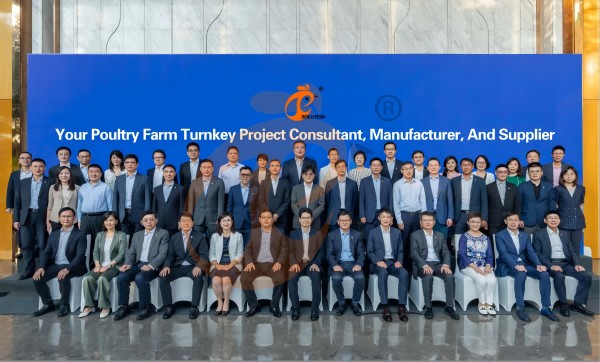
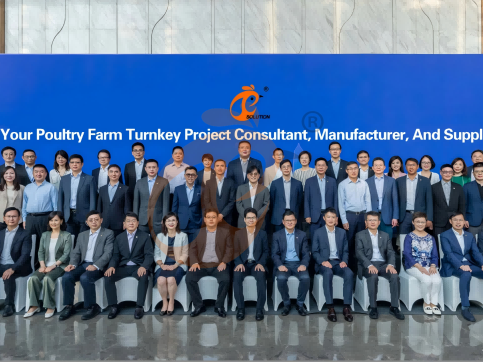
Hong Kong Headquarter Management Team
Hong Kong Headquarter Taiyu Industrial Group CO., LTD
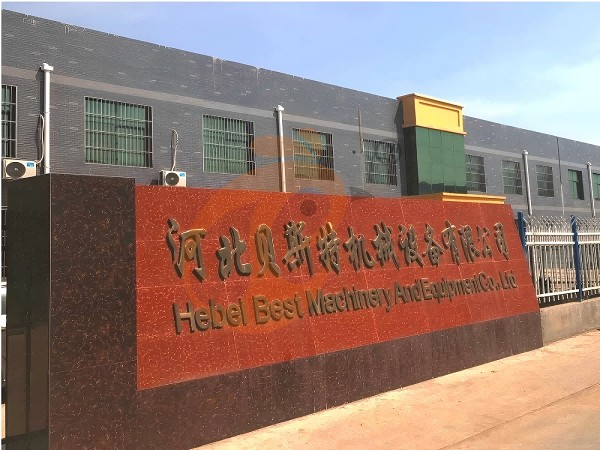
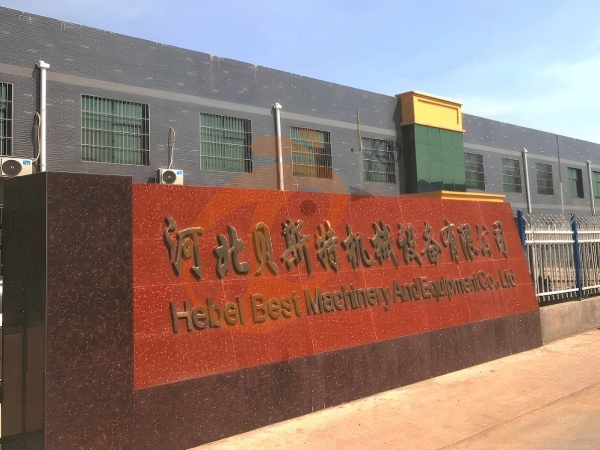
China Hebei Best Machinery And Equipment CO., LTD
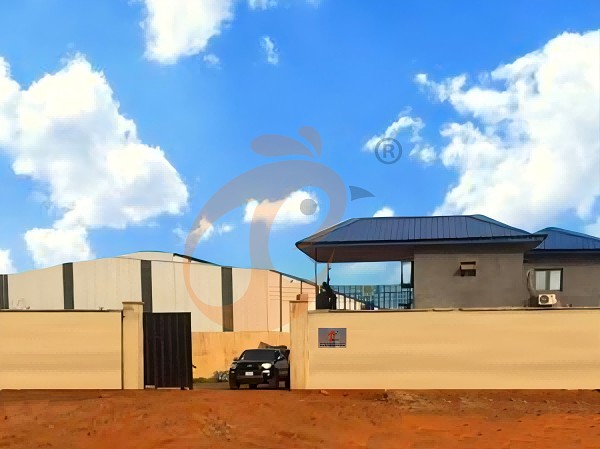
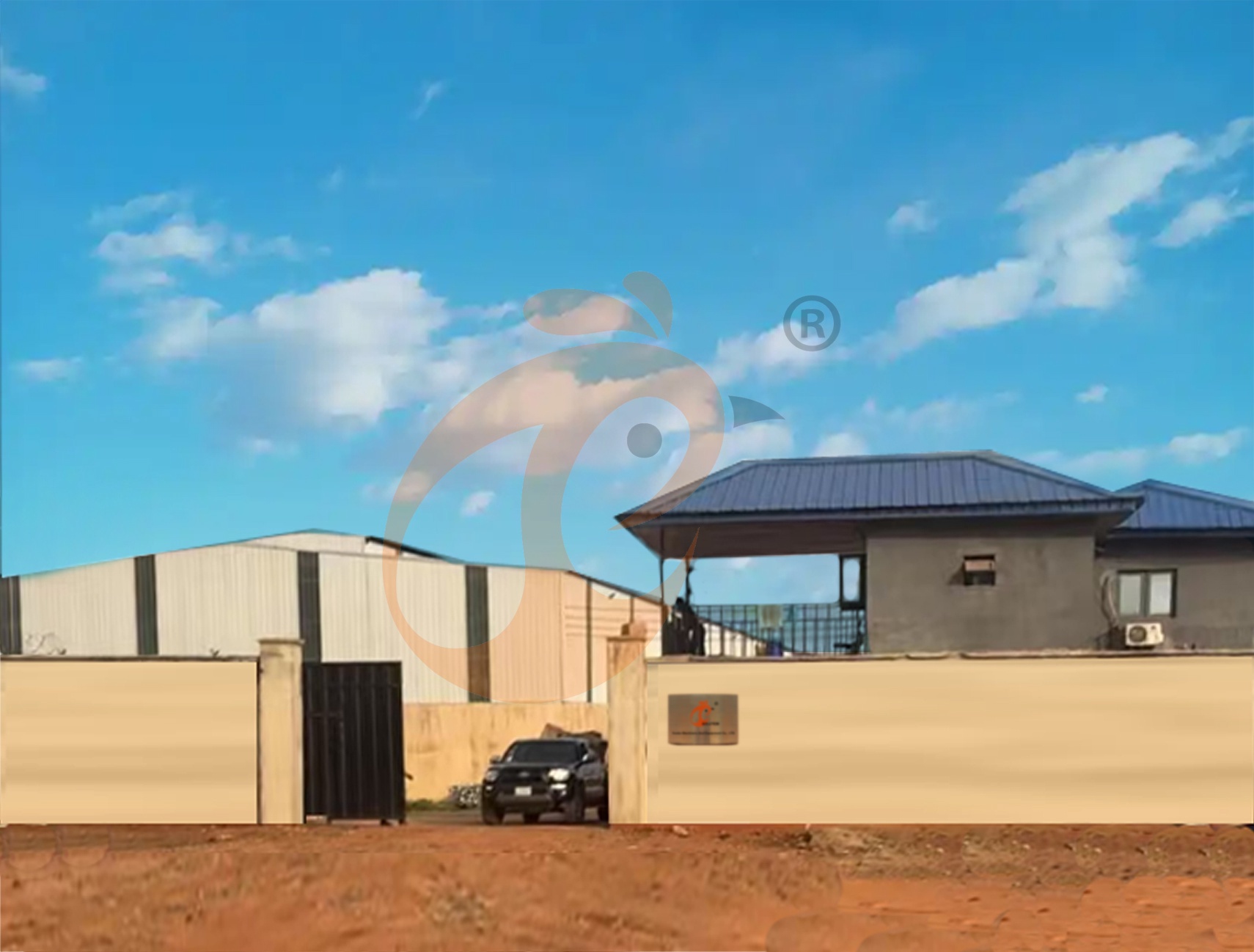
Nigeria Vanke Machinery And Equipment CO., LTD
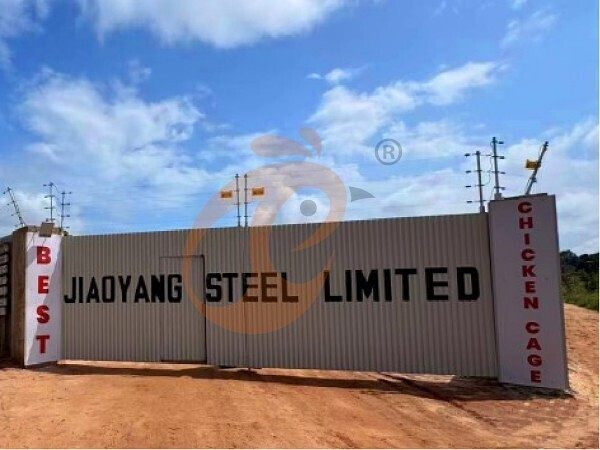
Tanzania Best Machinery And Equipment CO., LTD
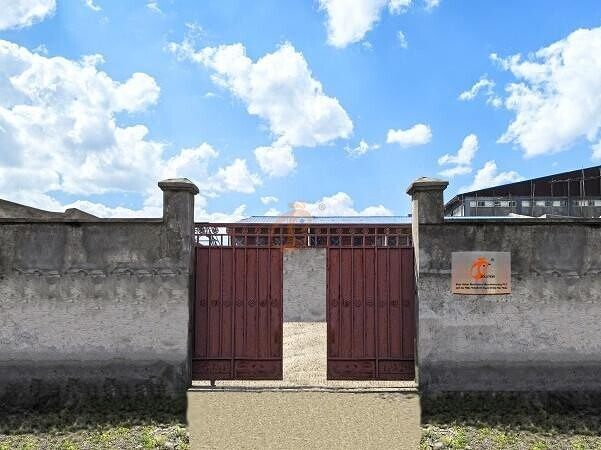
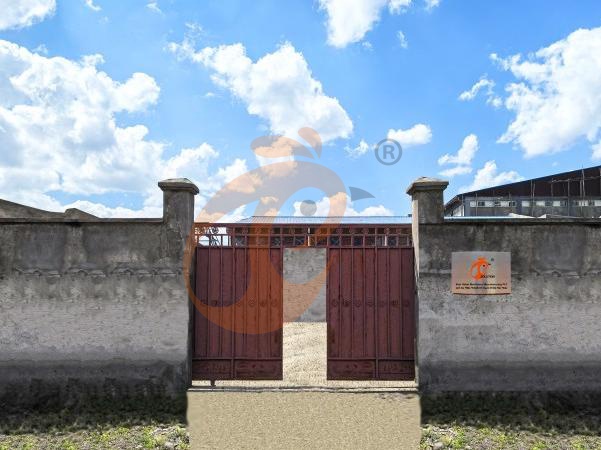
Ethiopia Best Hebei Machinery Manufacturing PLC
Reception /24 WhatsApp NO. : +8618830120193
FAQ
What Are The Growth Performance Benefits In Deep Litter Poultry System?
Feed conversion ratio improves to 1.55–1.78 due to thermal comfort and reduced stress.
Market uniformity rate exceeds 85%–92% within target slaughter weight range.
What Are The Litter Turning And Management Frequency Standards In Deep Litter Poultry System?
Surface leveling is maintained every 3–5 days to prevent compaction zones.
Full litter replacement cycle occurs every 2–3 production batches depending on load intensity.
What Are The Energy Efficiency And Cost Advantages In Deep Litter Poultry System?
Construction cost savings reach 25%–40% compared with fully caged housing systems.
Operational labor demand decreases by 30%–50% through simplified floor-based management.
- poultry farm
- poultry house
- cage
- poultry farm construction
- poultry house ventilation
- poultry house ventilation system
- poultry equipment
- chickencage
- bestchickencage
- Nigeria
- poultry equipment supplier
- poultry house ventilation system design
- poultry farm plan
- poultry equipment suppliers
- feed silo
- Ethiopia
Message
Products recommended
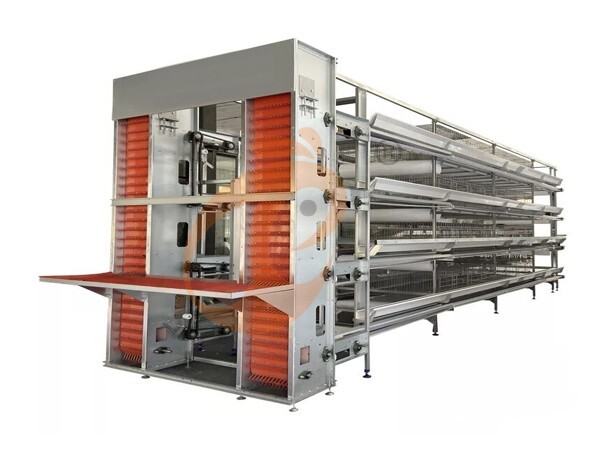
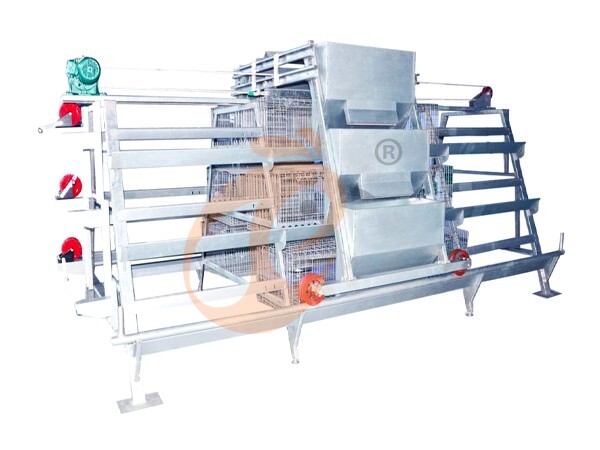
 >30,000 Pullets Automatic H Type Battery Cage1. More than 30,000 pullets a house, choose it.
2. It is designed to rearing older than 1 day old pullets to 12 to 16 weeks old chicken starting laying eggs.
3. Its lifespan is more than 25 years.
4. Its structure are Vcloud artificial intelligent fusion, electric control cabinet, automatic equipment of drinking, feeding, manure clean, manual harvesting.
5. Our 24 hour online reception What’sApp NO. is +8618830120193 <30,000 Pullets Automatic A Type Battery Cage1. 10,000 to 30,000 pullets a house, choose it.
2. It is designed to rearing older than 1 day old pullets to 12 to 16 weeks old chicken starting laying eggs.
3. Its lifespan is more than 25 years.
4. Its structure are Vcloud artificial intelligent fusion, electric control cabinet, automatic equipment of drinking, feeding, manure clean, manual harvesting.
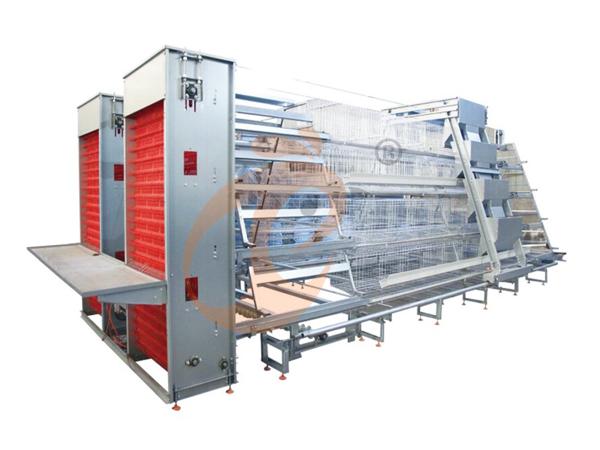
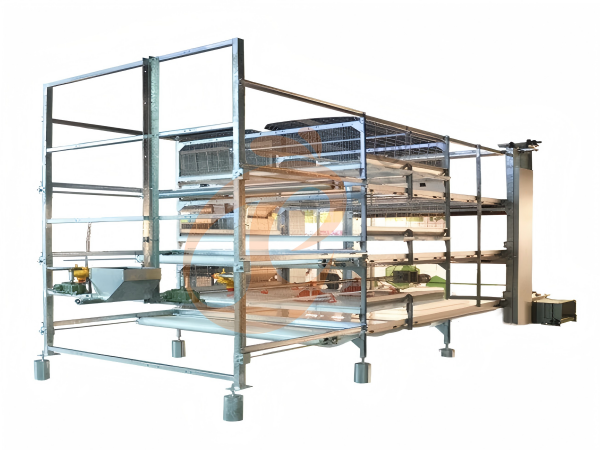
5. Our 24 hour online reception What’sApp NO. is +86 18830120193. >30,000 Broilers Semi-Automatic Harvest H Type Battery Cage1. More than 30,000 broilers a house, choose it.
2. It is designed to rearing 1 to 45 day old adult broiler ready for market.
3. Its lifespan is more than 20 years.
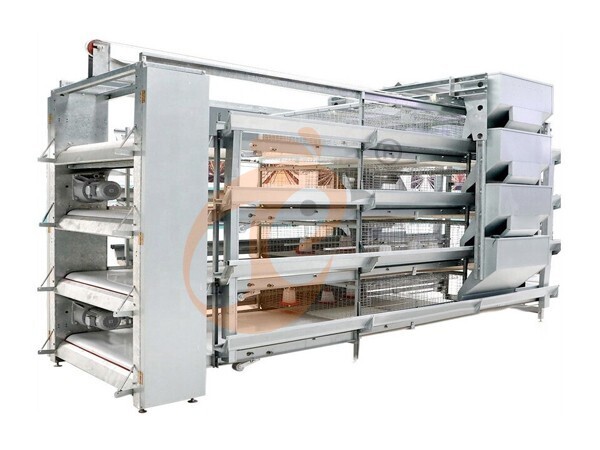
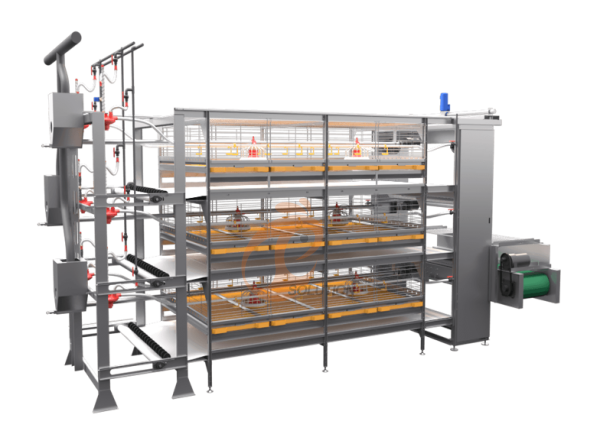
4. Our 24 hour online reception What’sApp NO. is +8618830120193, +234 8111199996. >30,000 Broilers Manual Harvest H Type Battery Cage1. More than 30,000 broilers a house, choose it.
2. It is designed to rearing 1 to 45 day old adult broiler ready for market.
3. Its lifespan is more than 20 years.
4. Its structure are Vcloud artificial intelligent fusion, electric control cabinet, automatic equipment of drinking, feeding and manure clean, manual harvesting.
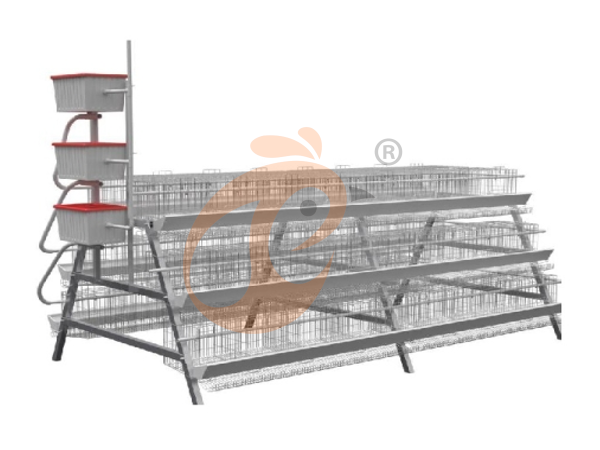
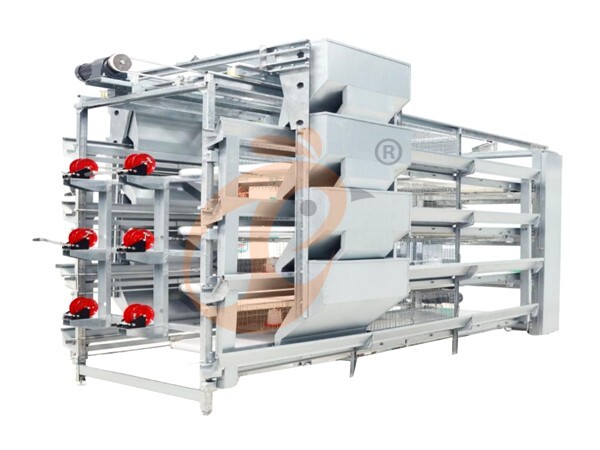
5. Our 24 hour online reception What’sApp NO. is +8618830120193, +234 8111199996. <30,000 Broilers Manual Harvest A Type Battery Cage1. Less 30,000 broilers a house, choose it.
2. It is designed to rearing 1 to 45 day old adult broiler ready for market.
3. Its lifespan is more than 20 years.
4. Its structure are Vcloud artificial intelligent fusion, electric control cabinet, automatic equipment of drinking, feeding and manure clean, manual harvesting.
5. Our 24 hour online reception What’sApp NO. is +8618830120193, +234 8111199996. HK Headquarter Offers EU-standard Poultry Farm Solutions, Manufacture Poultry Farm Equipment1. Continuous communication with the EU and the US
2. China, Nigeria, Ethiopia, Tanzania branch companies and factories
3. The products’ quality is customized for local poultry farms
4. Poultry cage and poultry farm equipment stock for sale
5. 24 online reception Whatsapp NO. : +8618830120193,contact us to get full information China Branch Offer Poultry Farm Business Plan, Manufacture Poultry Farm Equipment1. Address: Flat/RM 2416, 24/F, Runxing Building, Youyi Nan Street, Shijiazhuang City, Hebei Province, China
2. Poultry cage and poultry farm equipment factory and stock for sale
3. Customized for local poultry farms
4. Quality and design are based on Euro
5. 24 online reception Whatsapp NO. : +8618830120193 Nigeria Branch Offer Poultry Farm Business Plan, Manufacture Poultry Farm Equipment1. Address: After Sinoma Office, 200 Meters Near Danco Filling Station, Lagos/Ibadan Expressway, Lagos State, Nigeria
2. Poultry cage and poultry farm equipment factory and stock for sale
3. Customized for Nigerian poultry farms
4. Quality and design are based on Euro
5. 24 online reception Whatsapp NO. : +8618830120193 Ethiopia Branch Offer Poultry Farm Business Plan, Manufacture Poultry Farm Equipment1. Address: Gelan Gura, Akaki-kaliti Sub City, Addis Ababa, Ethiopia
2. Poultry cage and poultry farm equipment stock for sale
3. Customized for Ethiopian poultry farms
4. Quality and design are based on Euro
5. 24 online reception Whatsapp NO. : +8618830120193, contact us to get price list Tanzania Branch Offer Poultry Farm Business Plan, Manufacture Poultry Farm Equipment1. Address: No.8, Sova Road, Msufini, Mlandizi, Kibaha, Pwani, Tanzania
2. Poultry cage and poultry farm equipment factory and stock for sale
3. Customized for Tanzanian poultry farms
4. Quality and design are based on Euro
5. 24 online reception Whatsapp NO. : +8618830120193

Contact