


Blog
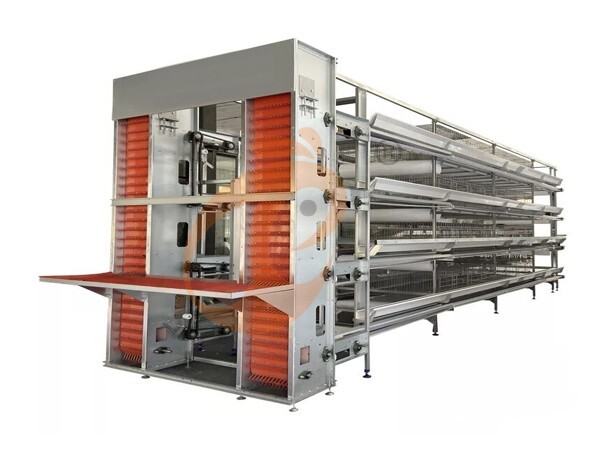
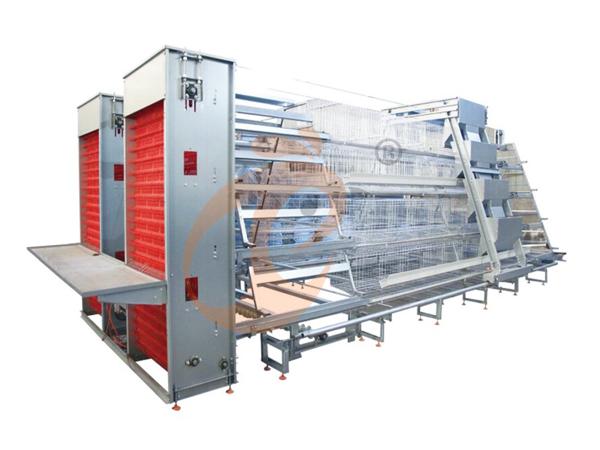
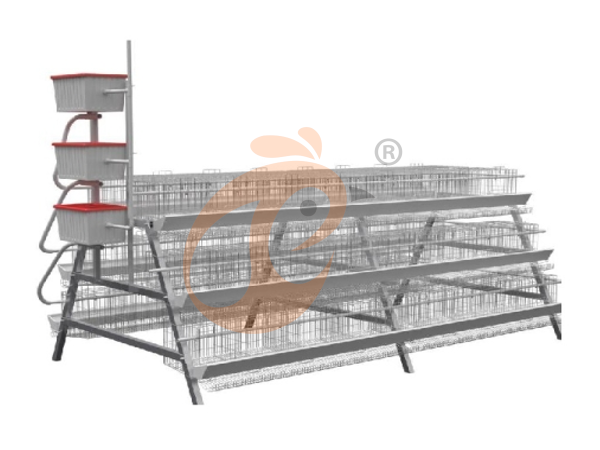
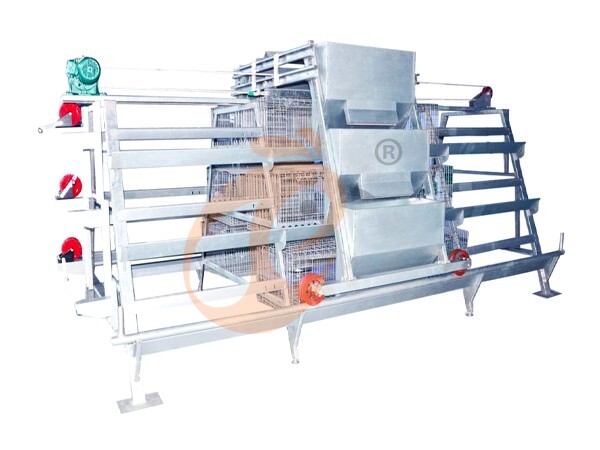
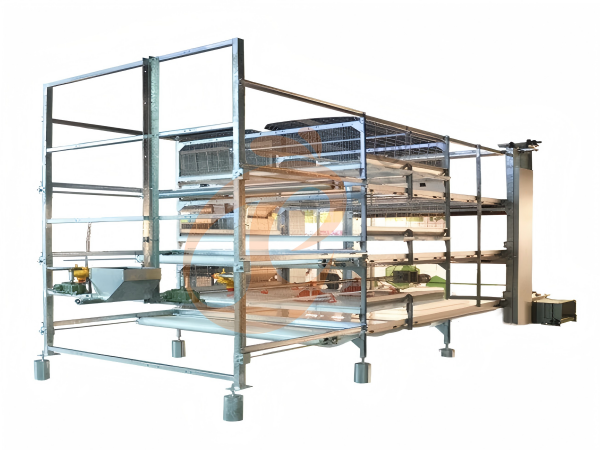
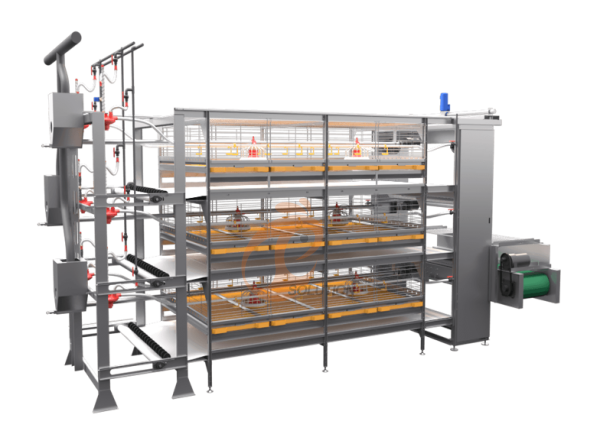
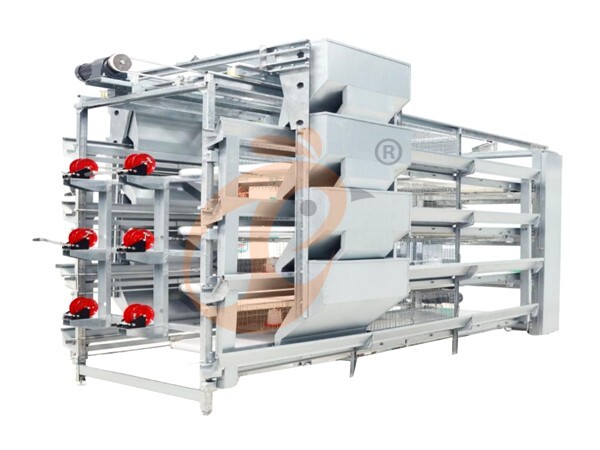
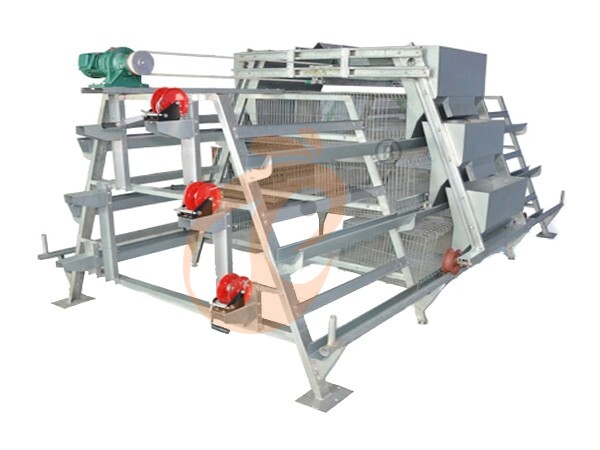
A type poultry cage supports layer production through housing, feeding, drinking, egg collection, and manure handling, with 3–4 tiers for layouts.
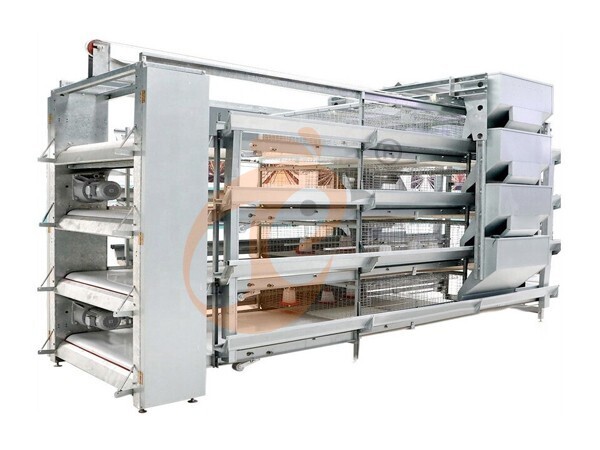
Automatic layer cage system planning connects cage rows, conveyors, water lines, ventilation, and controls around building dimensions and workflows.
Poultry cage equipment supports defined bird groups, mechanical feeding, controlled watering, and organized egg movement, while floor systems emphasize litter.
Technical comparison covers space, labor, feeding, egg handling, manure removal, and automation, giving buyers parameters for equipment selection and budgeting.
A type poultry cage remains the product focus, supported by poultry equipment packages, turnkey engineering, factory supply, commissioning, and service.
Get professional poultry farm construction guidance, equipment selection solutions, and the latest price lists, whatsApp to +8618830120193, click to learn more:
A Type Cage Vs Floor Rearing: Start With Farm Capacity
For a commercial layer farm, housing equipment should be evaluated according to measurable operating requirements rather than appearance.
An A type poultry cage can be configured around a 12-hour daily lighting program, while an automatic layer cage system requires a different house-
management routine because birds remain active within defined cage sections.
The equipment decision also affects the way a poultry house is organized.
A commercial project may operate with 20–24°C target house temperature, and A type poultry cage, poultry cage equipment, feeding, drinking, manure, and
ventilation systems should be designed to work together under the same environmental-control strategy.
Comparison 1: Space Utilization And Housing Structure
Data is for reference only.Swipe horizontally to view full table.
A type poultry cage uses the vertical dimension of the building to organize laying hens into separate production sections.
A floor system instead keeps birds within the available floor environment, which makes the usable building area particularly important.
A poultry house with a 3.0 m internal service height can therefore require completely different equipment planning depending on the selected housing method.
For equipment manufacturers, the commercial value lies in converting the farm's building dimensions into a complete equipment layout.
When an A type poultry cage project has a 100 m building length, cage rows, service passages, feeding lines, egg collection, and manure equipment can be
calculated before manufacturing begins.
Capacity Planning: Calculate Before Purchasing
Start with the building → calculate the flock → select the equipment → finalize automation.
This sequence prevents farmers from choosing an A type poultry cage specification first and discovering later that equipment does not match the building.
A commercial layer house may use a 2.5–3.0 m roof-side ventilation zone, which must be considered when positioning cage rows and environmental equipment.
The same principle applies to floor rearing.
If the farm plans to maintain a specific flock size, the usable floor must be calculated after deducting service areas, equipment zones, and access routes.
A project with a 1,000 m² gross house area therefore cannot automatically treat the entire building as productive bird area.
The quotation should consequently include a layout drawing, equipment schedule, power requirements, and installation dimensions.
This gives the buyer a measurable basis for comparing different A type poultry cage and poultry cage equipment suppliers.
Comparison 2: Feeding And Drinking Equipment
Data is for reference only.Swipe horizontally to view full table.
Both housing systems can use automatic feeding and nipple drinking equipment, but their installation patterns are different.
An A type poultry cage provides fixed feeding positions, while an automatic layer cage system organizes feeding equipment around defined cage rows.
A properly engineered drinking system also requires filtration and pressure regulation.
For example, a project may specify a 120-mesh water filter before the drinking-water regulator, helping protect nipple components from suspended particles.
Feeding Workflow: Equipment Should Do The Repetition
Feed storage → conveying → distribution → trough → bird access → monitoring.
The objective is to reduce repetitive manual operations while maintaining consistent feed availability.
Depending on the project, an automatic layer cage system can use a feeding line driven by a 1.1 kW geared motor, with the final motor specification determined by conveying distance and system load.
Water management follows a similar engineering principle.
A properly designed pipeline can divide the house into independent sections, allowing operators to isolate individual zones during maintenance.
For example, a 25 mm main water pipe may be used in a poultry cage equipment project according to calculated water demand and pipeline length.
This is why poultry equipment should be purchased as a system.
Cage structures, feeding lines, water lines, filters, regulators, controllers, and spare parts need to match one another.
Comparison 3: Egg Collection And Handling
Data is for reference only.Swipe horizontally to view full table.
Egg handling is one of the clearest differences in equipment workflow.
In an A type poultry cage, eggs can move from the cage floor toward a defined collection side before entering the conveyor system.
A correctly selected belt surface can be combined with a 3–5 mm egg-contact clearance, depending on the cage and belt design.
The objective is to create a controlled route from laying area to collection point.
This can reduce unnecessary manual carrying and allow the packing area to receive eggs through a predictable flow.
In an automated project, the transfer equipment can also be positioned according to the 1.2–1.5 m packing-room conveyor elevation required by the customer's
layout.
Egg Logistics: Treat Collection As A Production Line
A commercial layer farm does not simply need to collect eggs; it needs to move them without interrupting other operations.
Stage 1: Eggs leave the laying area.
Stage 2: Eggs enter the collection conveyor.
Stage 3: Eggs reach the transfer section.
Stage 4: Eggs move toward grading or packing.
An automatic layer cage system can be designed around the relationship between the poultry house and packing room.
A conveyor transfer point positioned approximately 0.8 m from the service aisle can, for example, be incorporated into a customized layout where the building configuration permits it.
This approach allows the farmer to consider egg handling before installation rather than modifying the house after production begins.
The result is a more coordinated poultry cage equipment package and a clearer maintenance route.
Comparison 4: Manure Removal And House Cleaning
Data is for reference only.Swipe horizontally to view full table.
A type poultry cage concentrates manure beneath the birds, allowing the farm to incorporate dedicated mechanical removal equipment.
The separation between bird area and manure collection area also changes the daily cleaning workflow.
A commercial installation may use a 48-hour maximum planned manure-storage interval according to its operating schedule and local management requirements.
Floor systems rely more heavily on litter management because manure accumulates within the floor environment.
Litter selection, moisture control, ventilation, and periodic removal become interconnected management tasks rather than a single conveyor operation.
For equipment suppliers, this makes manure equipment an important part of the sales package.
Farmers can select poultry cage equipment together with belts, scrapers, drive units, control systems, and manure transfer equipment.
Manure Management: Sell The Complete Handling Solution
A poultry equipment quotation should explain what happens after manure leaves the cage.
The complete route may include collection, transfer, temporary storage, and removal from the poultry house.
For example, a manure transfer system may be designed around a 30–50 m transfer distance, depending on the farm's building arrangement.
The equipment supplier can calculate motor capacity, belt length, transfer points, and structural supports from the actual project drawing.
This approach is particularly valuable for turnkey poultry farms.
Instead of asking the customer to combine equipment from several manufacturers, one supplier can coordinate the A type poultry cage structure and manure
system as a single installation.
Comparison 5: Daily Labor And Equipment Automation
Data is for reference only.Swipe horizontally to view full table.
Labor requirements are strongly influenced by how much of the daily routine is automated.
A fully integrated automatic layer cage system can use a programmable 24-hour controller to coordinate equipment operating periods, although the actual
schedule should be set according to flock age and farm-management procedures.
A type poultry cage also divides the flock into clearly defined physical sections.
This can simplify routine inspection, equipment checking, and problem identification.
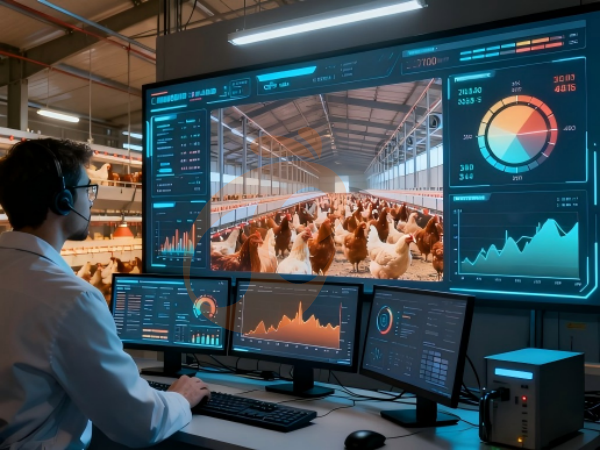
When poultry cage equipment is paired with automated feeding, watering, egg collection, and manure removal, the operator's role shifts toward monitoring equipment and flock conditions.
Five Questions To Ask Your Poultry Equipment Supplier
① What Is The Exact Flock Size?
Do not request a quotation using only “one poultry house”.
Give the supplier the target bird population and production model.
For example, a project designed for 30,000 layers needs a different A type poultry cage and automation calculation from a small family farm.
② What Is The Building Specification?
Provide the building length, width, roof structure, doors, ventilation openings, and service areas.
A house with a 10 m clear internal width may require a different cage-row arrangement from a wider commercial building.
③ What Automation Level Is Required?
Clarify whether feeding, egg collection, manure removal, and environmental control are manual or automated.
This determines the motor systems, control cabinets, sensors, and electrical installation requirements for the automatic layer cage system.
④ What Material Specification Is Offered?
Ask for the steel grade, galvanizing specification, wire diameter, fastener material, and corrosion-protection process.
For example, a supplier may offer components manufactured from Q235 structural steel, but the complete corrosion-protection specification should also be confirmed.
⑤ What Does After-Sales Service Include?
A poultry cage equipment project should specify installation support, commissioning, operator training, spare parts, and technical assistance.
A supplier offering a 12-month equipment warranty should clearly state which components and failure conditions are covered.
Final Comparison: Select The System Around Your Production Model
Data is for reference only.Swipe horizontally to view full table.
A type poultry cage and floor rearing system represent two different equipment architectures.
The correct choice should be connected to the farm's production method, market requirements, building design, labor structure, and automation plan rather than
based on one isolated specification.
For an equipment manufacturer, the most useful commercial approach is to provide a complete technical package.
The project can include A type poultry cage structures, feeding systems, nipple drinking systems, egg collection equipment, manure removal equipment,
environmental-control equipment, electrical controls, installation guidance, and spare parts.
When the customer provides the poultry-house drawing and target flock size, the equipment supplier can calculate the required cage quantity, row arrangement,
feeding-line configuration, drinking-water system, egg conveyor route, manure-handling route, and power requirements.
A 380 V three-phase power supply can then be incorporated into the equipment design where appropriate for the local electrical standard.
The result is more than a cage purchase.
It is a complete poultry cage equipment production system designed around the customer's actual operating conditions.
A Type Poultry Cage — engineered for organized layer production, integrated equipment, and scalable commercial poultry farming.
Frequently Asked Questions
Q1: What is the main difference between an A type poultry cage and floor rearing system?
An A type poultry cage separates birds into defined cage sections and allows feeding, egg collection, and manure handling to follow fixed equipment routes.
Floor rearing keeps birds within a litter-based floor environment and generally requires different nest, litter, and cleaning management.
A project may use 3–4 cage tiers for the cage configuration, while floor production is calculated from usable floor area.
Q2: Can an A type poultry cage be fully automated?
Yes.
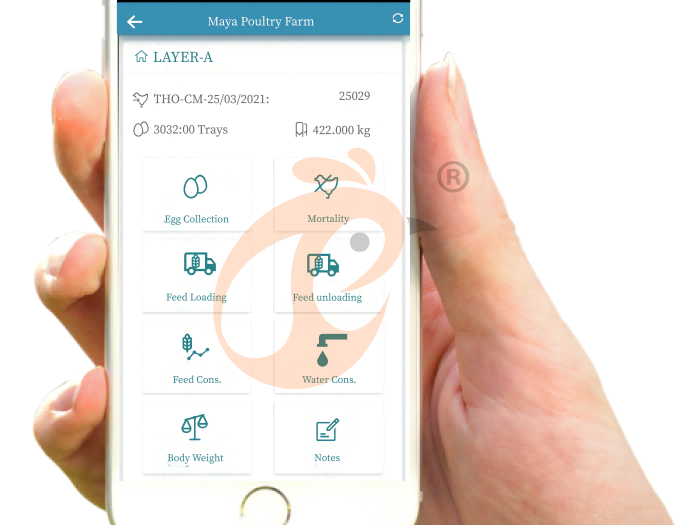
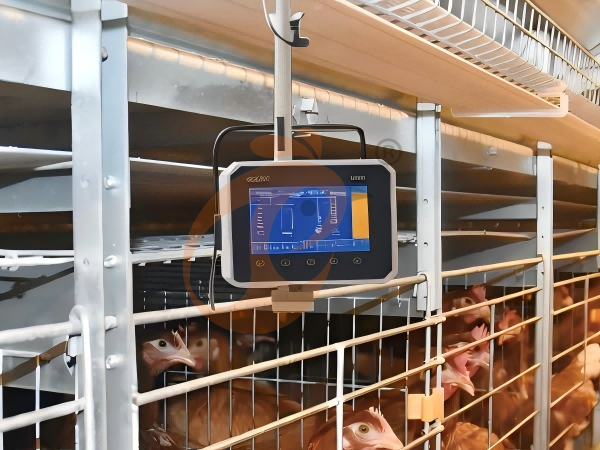
An automatic layer cage system can integrate automatic feeding, nipple drinking, egg collection, manure removal, and centralized controls.
The final automation package should be selected according to flock size, house layout, labor availability, and electrical infrastructure.
Q3: What should be included in a poultry cage equipment quotation?
A complete quotation should cover the cage structure, feeding equipment, drinking system, egg collection, manure removal, control components, installation scope, spare parts, and commissioning.
For a commercial project, the supplier should also provide a house layout and equipment list based on the customer's flock target.
A 380 V three-phase system can be specified where compatible with the local electrical standard.
Taiyu (HK) Group - One Of China Toppest A Type Poultry Cage Manufacturer
A type poultry cage provides structured layer housing with 3–4 tiers, integrated feeding, drinking, egg collection, and manure handling for commercial production.
Global factory-direct supply covers galvanized cage structures, automatic feeding systems, nipple drinking lines, egg conveyors, manure equipment, and electrical control components.
Poultry equipment projects are engineered from house drawings, flock capacity, utility conditions, equipment routes, installation dimensions, and commissioning requirements.
Turn-key engineering integrates equipment selection, layout design, manufacturing, shipment coordination, installation support, commissioning, operator training, and technical documentation.
Project packages support commercial poultry farms across multiple production scales, with configurable automation and coordinated after-sales service.
Contact Us To Received Your Customized Poultry Farm Plan
Headquarters And Branchs

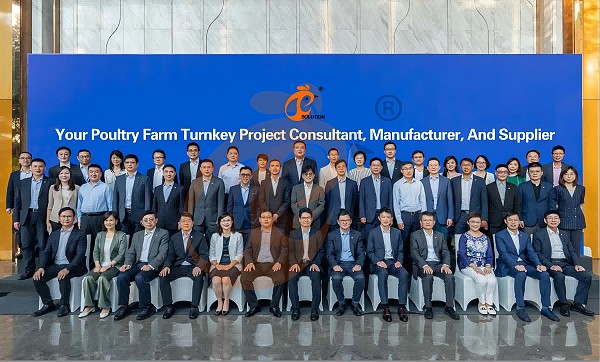
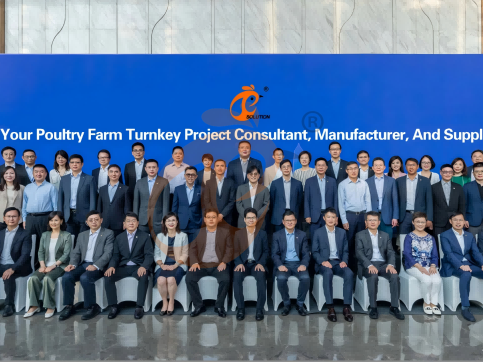
Hong Kong Headquarter Management Team
Hong Kong Headquarter Taiyu Industrial Group CO., LTD
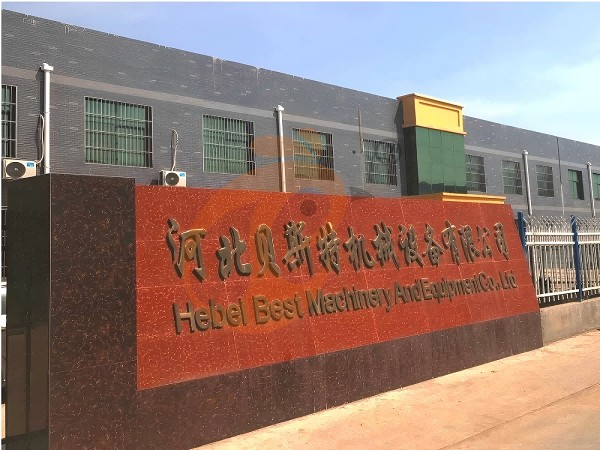
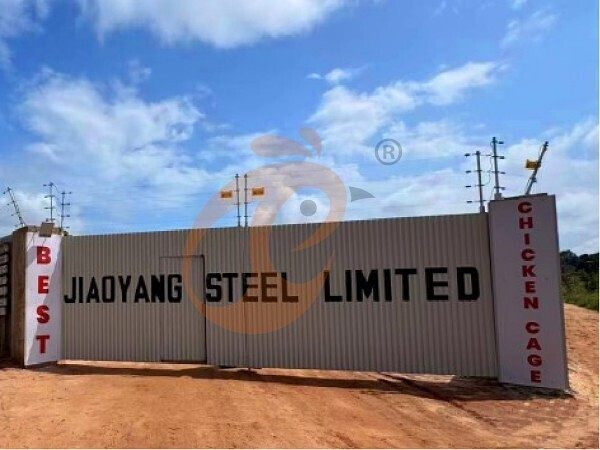
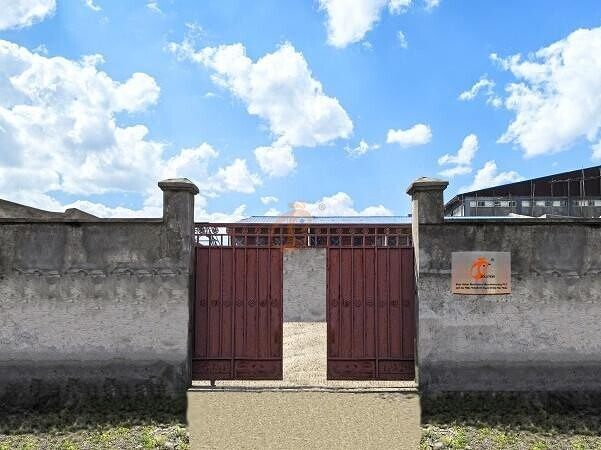
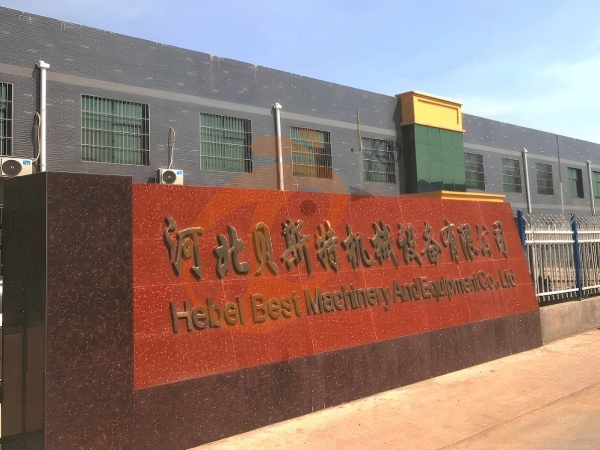
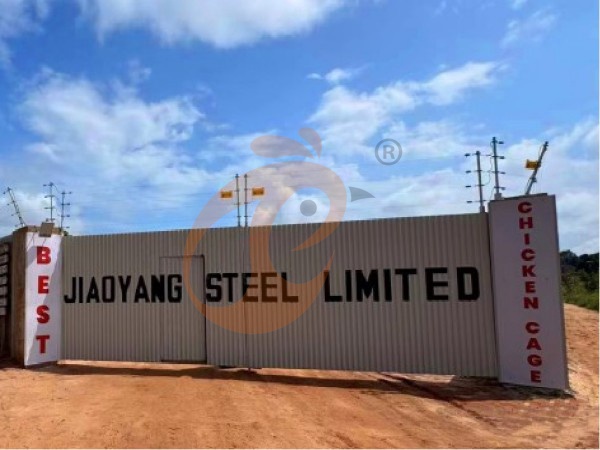
China Hebei Best Machinery And Equipment CO., LTD
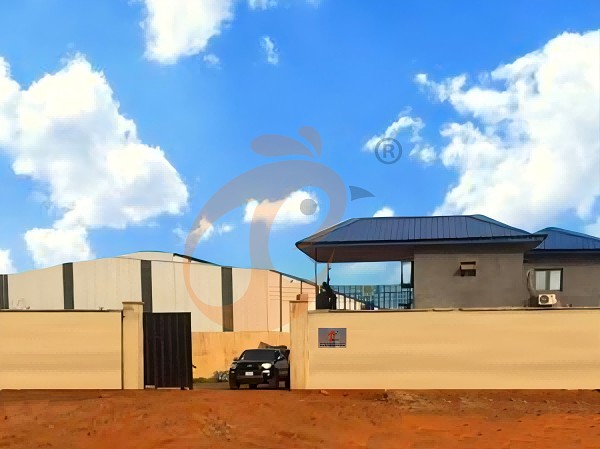
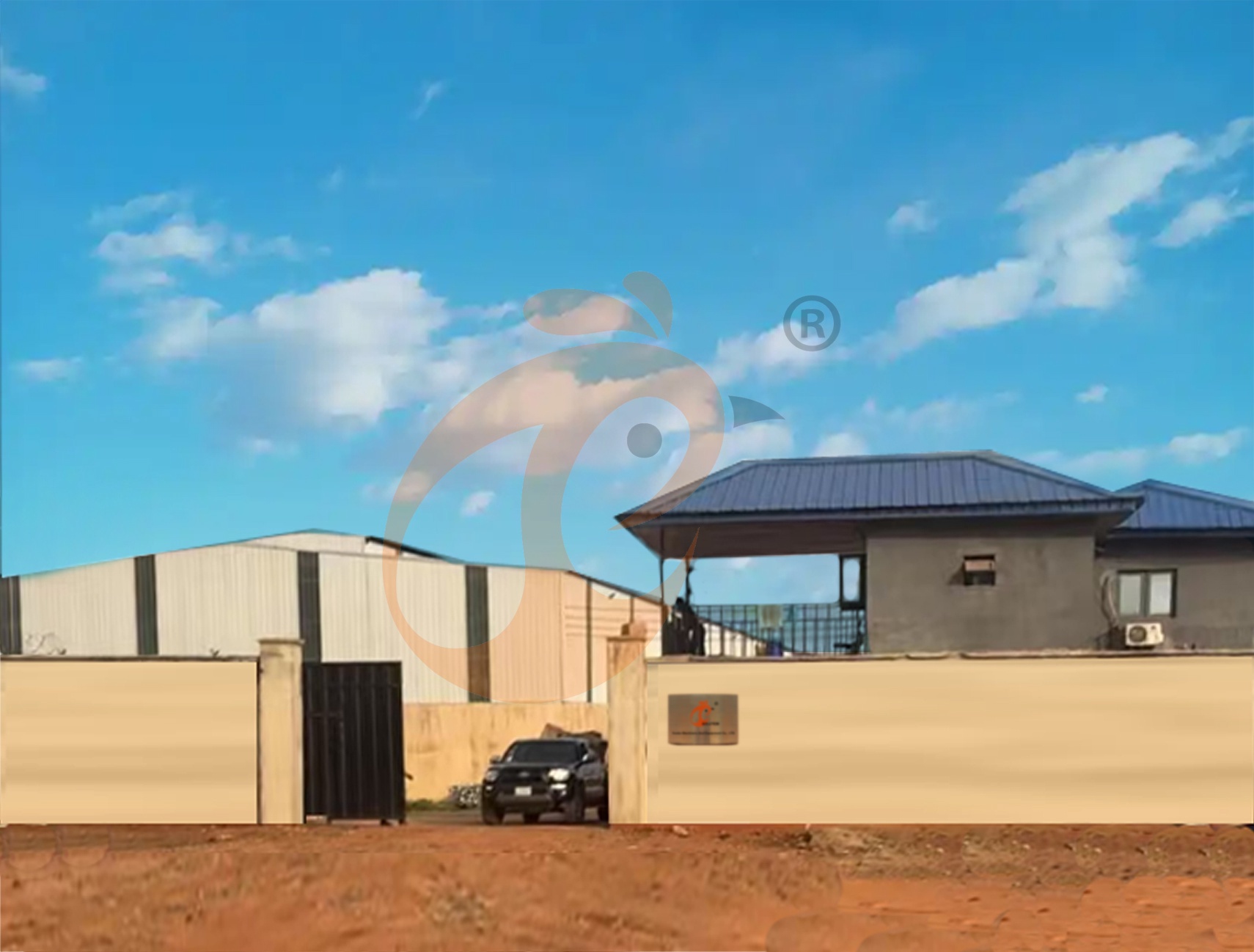
Nigeria Vanke Machinery And Equipment CO., LTD
Tanzania Best Machinery And Equipment CO., LTD
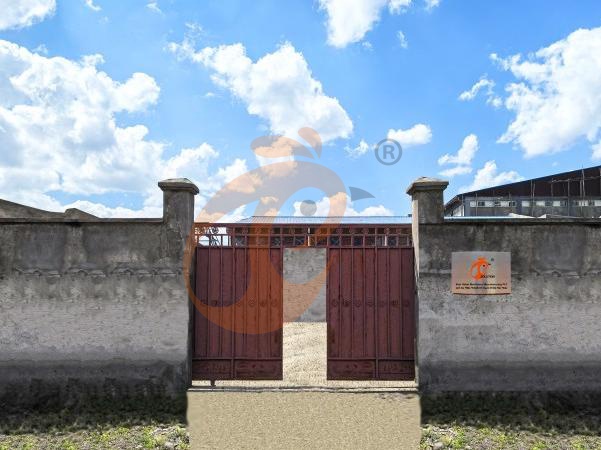
Ethiopia Best Hebei Machinery Manufacturing PLC
Reception /24 WhatsApp NO. : +8618830120193
FAQ
How To Optimize Lighting Program In A-Type Layer Cage Farm?
Even lighting promotes laying
Egg production rate: 90–96%
FCR: 1.9–2.2
Reduces stress
How To Implement Waste Management In A-Type Poultry Cage Farm?
Collect manure for organic fertilizer
Reduce pathogen spread
Mortality rate: 2–3%
Egg production rate: 90–96%
How To Improve Egg Weight In A-Type Layer Cage System?
Maintain stable temperature and humidity
Egg weight: 60–65 g
Egg production rate: 90–96%
Egg breakage rate <1%
- poultry farm
- poultry farms
- layer cage
- automatic layer cage
- poultry house
- poultry cage
- cage
- galvanized cage
- poultry farm construction
- layer cage system
- poultry cage manufacturer
- poultry cage equipment
- poultry cage specification
- poultry cage project
- poultry cage structure
- automatic feeding system
- poultry equipment
- manure removal equipment
- egg collection equipment
- automatic layer cage system
- chickencage
- a type poultry cage
- bestchickencage
- cage system
- h cage
- Nigeria
- layer farm
- commercial poultry farms
- poultry farming
- poultry equipment supplier
- poultry equipment quotation
- cage manufacturer
- automatic egg collection
- poultry farm plan
- Ethiopia
Message
Products recommended
 >30,000 Pullets Automatic H Type Battery Cage1. More than 30,000 pullets a house, choose it.
2. It is designed to rearing older than 1 day old pullets to 12 to 16 weeks old chicken starting laying eggs.
3. Its lifespan is more than 25 years.
4. Its structure are Vcloud artificial intelligent fusion, electric control cabinet, automatic equipment of drinking, feeding, manure clean, manual harvesting.
5. Our 24 hour online reception What’sApp NO. is +8618830120193 <30,000 Pullets Automatic A Type Battery Cage1. 10,000 to 30,000 pullets a house, choose it.
2. It is designed to rearing older than 1 day old pullets to 12 to 16 weeks old chicken starting laying eggs.
3. Its lifespan is more than 25 years.
4. Its structure are Vcloud artificial intelligent fusion, electric control cabinet, automatic equipment of drinking, feeding, manure clean, manual harvesting.
5. Our 24 hour online reception What’sApp NO. is +86 18830120193. >30,000 Broilers Semi-Automatic Harvest H Type Battery Cage1. More than 30,000 broilers a house, choose it.
2. It is designed to rearing 1 to 45 day old adult broiler ready for market.
3. Its lifespan is more than 20 years.
4. Our 24 hour online reception What’sApp NO. is +8618830120193, +234 8111199996. >30,000 Broilers Manual Harvest H Type Battery Cage1. More than 30,000 broilers a house, choose it.
2. It is designed to rearing 1 to 45 day old adult broiler ready for market.
3. Its lifespan is more than 20 years.
4. Its structure are Vcloud artificial intelligent fusion, electric control cabinet, automatic equipment of drinking, feeding and manure clean, manual harvesting.
5. Our 24 hour online reception What’sApp NO. is +8618830120193, +234 8111199996. <30,000 Broilers Manual Harvest A Type Battery Cage1. Less 30,000 broilers a house, choose it.
2. It is designed to rearing 1 to 45 day old adult broiler ready for market.
3. Its lifespan is more than 20 years.
4. Its structure are Vcloud artificial intelligent fusion, electric control cabinet, automatic equipment of drinking, feeding and manure clean, manual harvesting.
5. Our 24 hour online reception What’sApp NO. is +8618830120193, +234 8111199996. HK Headquarter Offers EU-standard Poultry Farm Solutions, Manufacture Poultry Farm Equipment1. Continuous communication with the EU and the US
2. China, Nigeria, Ethiopia, Tanzania branch companies and factories
3. The products’ quality is customized for local poultry farms
4. Poultry cage and poultry farm equipment stock for sale
5. 24 online reception Whatsapp NO. : +8618830120193,contact us to get full information China Branch Offer Poultry Farm Business Plan, Manufacture Poultry Farm Equipment1. Address: Flat/RM 2416, 24/F, Runxing Building, Youyi Nan Street, Shijiazhuang City, Hebei Province, China
2. Poultry cage and poultry farm equipment factory and stock for sale
3. Customized for local poultry farms
4. Quality and design are based on Euro
5. 24 online reception Whatsapp NO. : +8618830120193 Nigeria Branch Offer Poultry Farm Business Plan, Manufacture Poultry Farm Equipment1. Address: After Sinoma Office, 200 Meters Near Danco Filling Station, Lagos/Ibadan Expressway, Lagos State, Nigeria
2. Poultry cage and poultry farm equipment factory and stock for sale
3. Customized for Nigerian poultry farms
4. Quality and design are based on Euro
5. 24 online reception Whatsapp NO. : +8618830120193 Ethiopia Branch Offer Poultry Farm Business Plan, Manufacture Poultry Farm Equipment1. Address: Gelan Gura, Akaki-kaliti Sub City, Addis Ababa, Ethiopia
2. Poultry cage and poultry farm equipment stock for sale
3. Customized for Ethiopian poultry farms
4. Quality and design are based on Euro
5. 24 online reception Whatsapp NO. : +8618830120193, contact us to get price list Tanzania Branch Offer Poultry Farm Business Plan, Manufacture Poultry Farm Equipment1. Address: No.8, Sova Road, Msufini, Mlandizi, Kibaha, Pwani, Tanzania
2. Poultry cage and poultry farm equipment factory and stock for sale
3. Customized for Tanzanian poultry farms
4. Quality and design are based on Euro
5. 24 online reception Whatsapp NO. : +8618830120193


Contact