


Blog
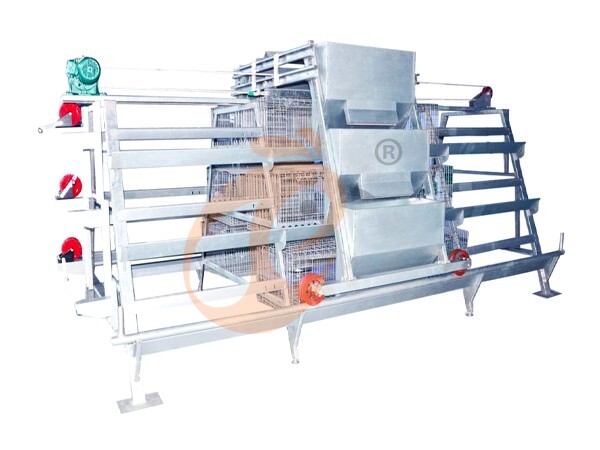
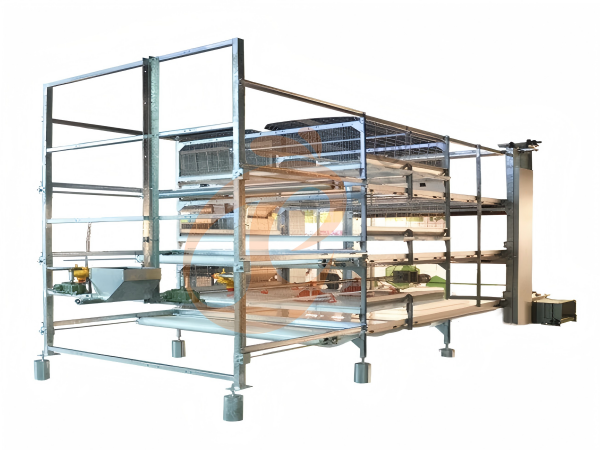
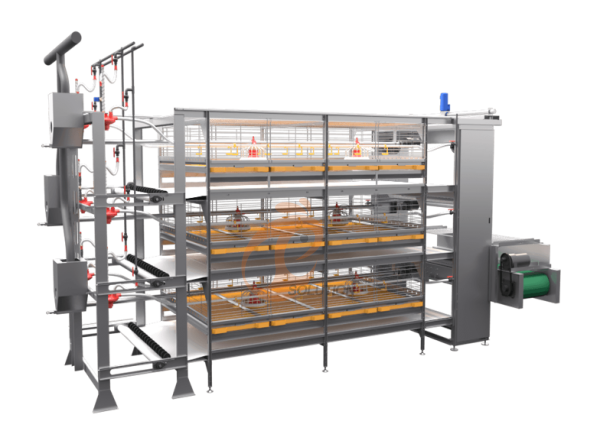
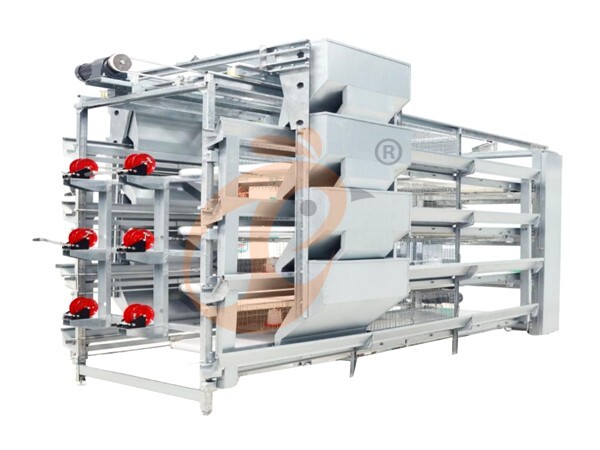
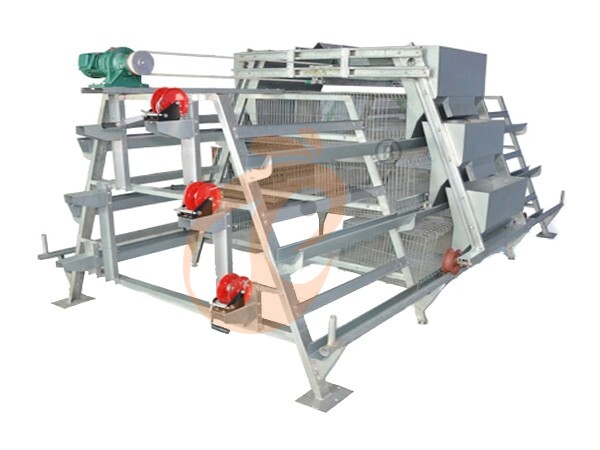
Battery cage for layers systems combine housing automation, feeding, watering, egg collection, and manure handling within one production structure.
Automatic layer cage system design can coordinate repetitive operations while supporting commercial flock capacities reaching 30,000 birds per unit.
Poultry layer cage system planning connects building dimensions, labor allocation, equipment configuration, and long-term operating expenses.
Integrated automation can simplify daily management through centralized controls, scheduled production routines, and measurable equipment parameters.
- The following six practical tips explain equipment selection, operating-cost control, system integration, and project-oriented purchasing decisions.
Get professional poultry farm construction guidance, equipment selection solutions, and the latest price lists, whatsApp to +8618830120193, click to learn more:
Start With The Cost Structure, Not The Cage Price
A layer farm does not become economical simply because the cage quotation is lower.
The real target is the cost per marketable egg, which depends on labor, feed handling, egg collection, manure removal, maintenance, and usable house capacity.
Modern battery cage for layers systems integrate these operations into one production line, allowing feeding, drinking, egg collection, manure handling, and environmental control to work together.
For equipment buyers, this changes the purchasing question: instead of asking only for the price of one cage set, calculate the operating effect over 15 years of equipment service life and evaluate the number of manual processes eliminated per production cycle.
Proper automatic layer cage system engineering can therefore influence both initial investment and recurring farm expenses.
Match Cage Configuration With Farm Capacity
Data is for reference only.Swipe horizontally to view full table.
The correct cage configuration should be calculated around the building rather than selected as an isolated product.
Available house width, aisle arrangement, tier height, flock size, and automation layout all affect equipment utilization.
Poultry layer cage system planning should connect building dimensions with cage capacity before equipment production begins.
H-type systems can use vertical space to increase housing capacity within the same building footprint.
Tip #1 — Reduce Labor Through Automation
The Cost Equation
Manual operations → repeated labor hours → higher payroll → higher production cost
Automated operations → synchronized equipment → fewer repetitive tasks → more productive labor allocation
A complete battery cage for layers line can combine feeding, watering, manure removal, egg collection, and control equipment.
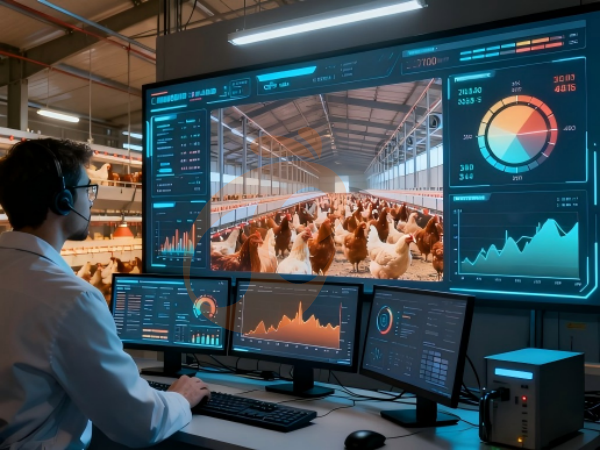
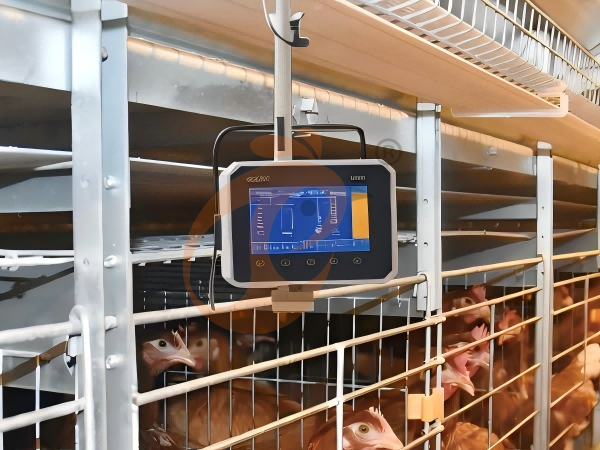
A centralized PLC can coordinate multiple production functions while sensors provide operating feedback.
Commercial automatic layer cage system projects may use 4–8 independent drive circuits and 6–12 monitoring sensors, depending on project design.
The marketing advantage for equipment suppliers is clear: sell a complete production solution, not merely galvanized cages.
When customers can operate more birds with the same management team, poultry layer cage system equipment becomes an operating-cost investment rather than a simple housing purchase.
Automatic Feeding System: Control Feed Distribution
Data is for reference only.Swipe horizontally to view full table.
Feed is one of the largest recurring expenses in layer production, so battery cage for layers equipment should focus on consistent distribution and controlled delivery.
Automatic feeding systems eliminate repeated bucket or trolley movement and help maintain a uniform feeding schedule.
Poultry layer cage system suppliers can design feed lines around house length, flock size, and cage arrangement rather than forcing every farm into the same configuration.
For equipment marketing, emphasize engineering customization and coordinated feed delivery rather than motor specifications alone.
Tip #2 — Stop Paying For Unnecessary Feed Loss
Buyer Checklist
- Check 01: Is feed delivered consistently along the complete cage line?
- Check 02: Can the feeding schedule be controlled automatically?
- Check 03: Does the trough design limit unnecessary spillage?
- Check 04: Can the system be expanded when flock capacity increases?
A precision feeding layout can turn battery cage for layers equipment quality into measurable operating value.
Specialized trough designs and controlled delivery mechanisms can support consistent distribution and reduce unnecessary feed movement.
The important specification is not simply motor power.
Buyers should also evaluate feeding-cycle duration of approximately 10–20 minutes and whether an automatic layer cage system provides two or more programmable feeding events during the daily production schedule.
Automatic Drinking System: Protect Water Delivery Efficiency
Data is for reference only.Swipe horizontally to view full table.
Automatic nipple drinking keeps water available without requiring workers to refill open containers.
Proper pipeline engineering also makes water monitoring and medication management easier within a battery cage for layers project.
Commercial poultry layer cage system designs commonly integrate nipple lines directly into the cage structure.
For a complete equipment package, the drinking line should be designed together with cage dimensions, bird arrangement, and water source.
This avoids retrofitting costs after installation and gives the customer a more integrated purchasing solution.
Tip #3 — Make Egg Collection Part Of The Cost Strategy
Traditional Workflow
Hen → cage floor → manual pickup → tray → trolley → collection room
Automated Workflow
Hen → egg belt → longitudinal conveyor → elevator → collection point
Automatic egg collection reduces repeated walking, lifting, and manual handling.
It can also create a more organized transfer route between cage rows and the egg-processing area.
Commercial battery cage for layers systems use PP egg belts and centralized conveyors, with some engineered systems designed for capacities reaching 65,000 eggs/hour.
When selling equipment, position the egg collection system as a labor-saving production module.
The customer is not purchasing a conveyor alone; the customer is purchasing a faster and more controlled route from laying point to collection room.
Egg Collection System: Protect Product Value
Data is for reference only.Swipe horizontally to view full table.
Egg collection equipment should be selected according to the number of cage rows and expected production volume.
A properly designed poultry layer cage system moves eggs toward the collection room without requiring workers to repeatedly enter every production aisle.
For an equipment manufacturer, offering an egg elevator, central conveyor, and collection interface as a package increases system integration.
This approach also gives the customer one engineering contact for the complete production route.
Tip #4 — Turn Manure Removal Into A Scheduled Process
Instead of
Manure accumulation → manual cleaning → labor interruption → production disruption
Build This
Automatic belt → scheduled removal → scraper → external discharge
Manure management directly affects labor requirements and house cleanliness.
Automatic manure belts can be programmed to operate at defined intervals, allowing waste to leave the production area without requiring workers to manually clean beneath every cage row.
Some commercial poultry layer cage system designs use 2–4 scheduled cleaning cycles per day.
The equipment-sales message is straightforward: a manure system should be engineered as part of the battery cage for layers project from day one.
Customers can select belt systems, scraper systems, or combinations according to house layout, manure load, and discharge location.
Manure Removal Equipment: Engineer The Complete Waste Route
Data is for reference only.Swipe horizontally to view full table.
A complete manure-removal system should include belt tracking, drive selection, cleaning components, and discharge positioning.
Battery cage for layers engineering can keep belt tracking deviation within 10 mm, while routine inspection can be scheduled at 30-day intervals according to
operating conditions.
This is another strong opportunity for equipment suppliers: instead of quoting a cage alone, provide the customer with a complete manure-handling route from
cage floor to outside collection.
Tip #5 — Use Centralized Control To Reduce Maintenance Waste
Data is for reference only.Swipe horizontally to view full table.
Centralized control helps operators monitor several equipment groups from one interface.
Depending on the project, a poultry layer cage system PLC architecture can coordinate feeding, manure removal, egg collection, ventilation, lighting, and alarms.
For customers purchasing complete poultry equipment, this creates another selling point: centralized control can reduce troubleshooting time because equipment status is visible from a common control platform.
The system also supports structured maintenance planning rather than relying entirely on manual inspection.
Tip #6 — Calculate Total Ownership Cost Before Ordering
Data is for reference only.Swipe horizontally to view full table.
A professional quotation should therefore show more than the cage unit price.
Include equipment configuration, automation scope, installation requirements, spare parts, and expected service period so customers can compare the total ownership cost rather than only the initial purchase amount.
European union standard reference only.
Commercial battery cage for layers systems are commonly engineered with service lives around 15–20 years, making equipment durability an important part of the investment calculation.
The final purchasing formula is simple: select the cage structure, automate repetitive operations, integrate feeding and watering, move eggs automatically, remove manure systematically, and connect the complete line through centralized control.
Frequently Asked Questions
Q1: What does a battery cage for layers system include?
A complete battery cage for layers project can include cages, automatic feeding, nipple drinking, egg collection, manure removal, climate control, and PLC automation.
Configuration depends on house dimensions, flock capacity, and automation requirements, with commercial projects commonly using 3–8 tiers.
Q2: How can automatic layer cage system equipment reduce labor?
An automatic layer cage system transfers repetitive feeding, watering, egg collection, and manure-handling operations from manual workflows to coordinated equipment.
Centralized control can also reduce routine inspection requirements through scheduled operation and equipment-status monitoring.
Q3: What should buyers check before ordering poultry layer cage system equipment?
Buyers should evaluate cage configuration, house dimensions, electrical requirements, automation scope, spare parts, installation requirements, and total ownership cost.
A complete poultry layer cage system should also be engineered as one production route rather than assembled from unrelated equipment components.
Taiyu (HK) Group - One Of China Toppest Battery Cage For Layers Manufacturer
Battery cage for layers systems provide integrated housing with 3–8 tiers, supporting structured feeding, watering, egg collection, and manure handling across commercial projects
Global factory-direct supply covers poultry equipment engineering, cage production, automation integration, inspection, packaging, and international project coordination
Turn-key engineering connects battery cage for layers configuration with feeding, drinking, egg collection, manure removal, ventilation, lighting, and centralized control
Poultry equipment projects can be configured according to house dimensions, flock capacity, electrical requirements, production targets, and installation conditions
Factory project support coordinates technical drawings, equipment manufacturing, commissioning guidance, spare-parts planning, and overseas customer communication
Contact Us To Received Your Customized Poultry Farm Plan
Headquarters And Branchs
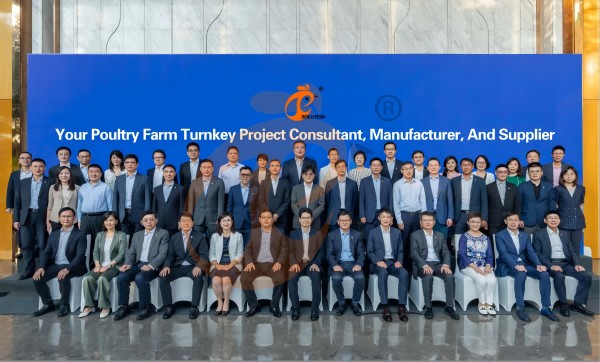
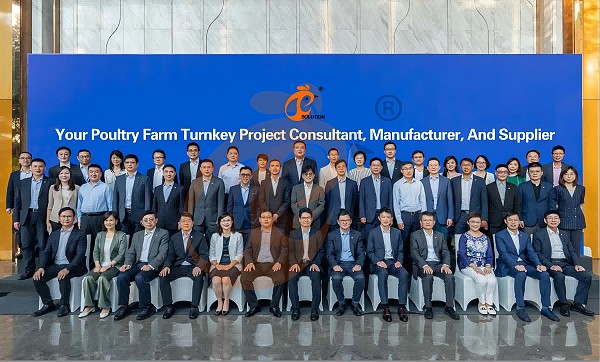
Hong Kong Headquarter Management Team
Hong Kong Headquarter Taiyu Industrial Group CO., LTD
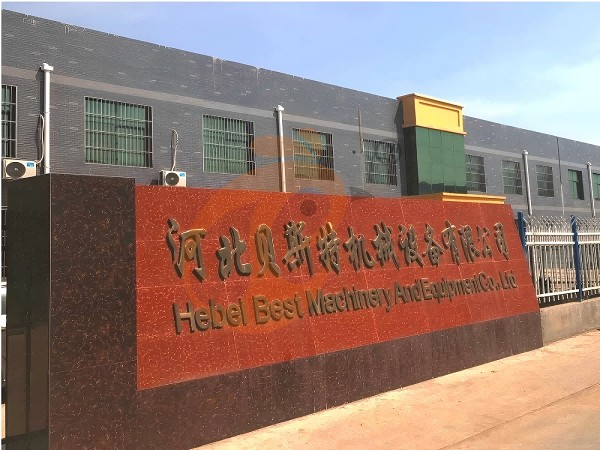
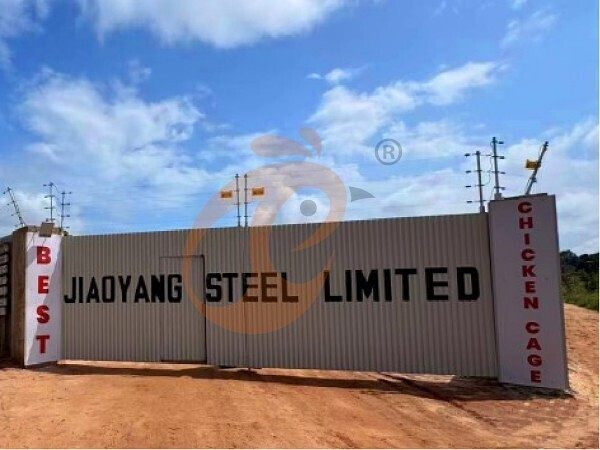
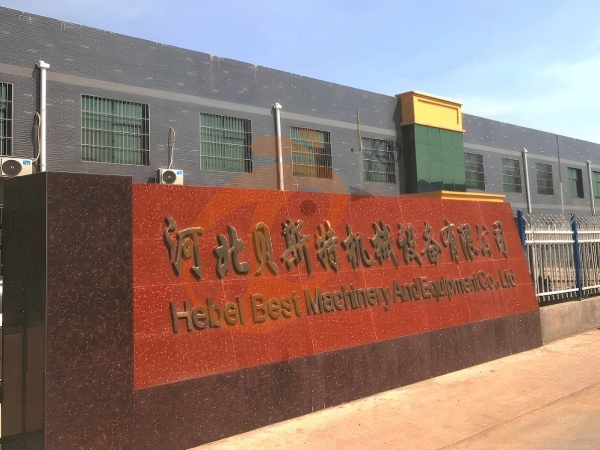
China Hebei Best Machinery And Equipment CO., LTD
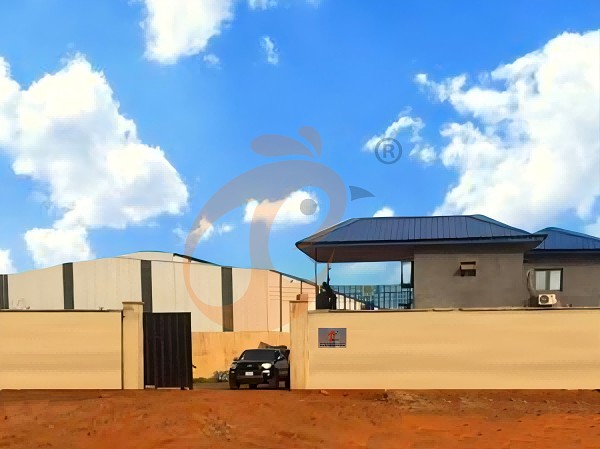
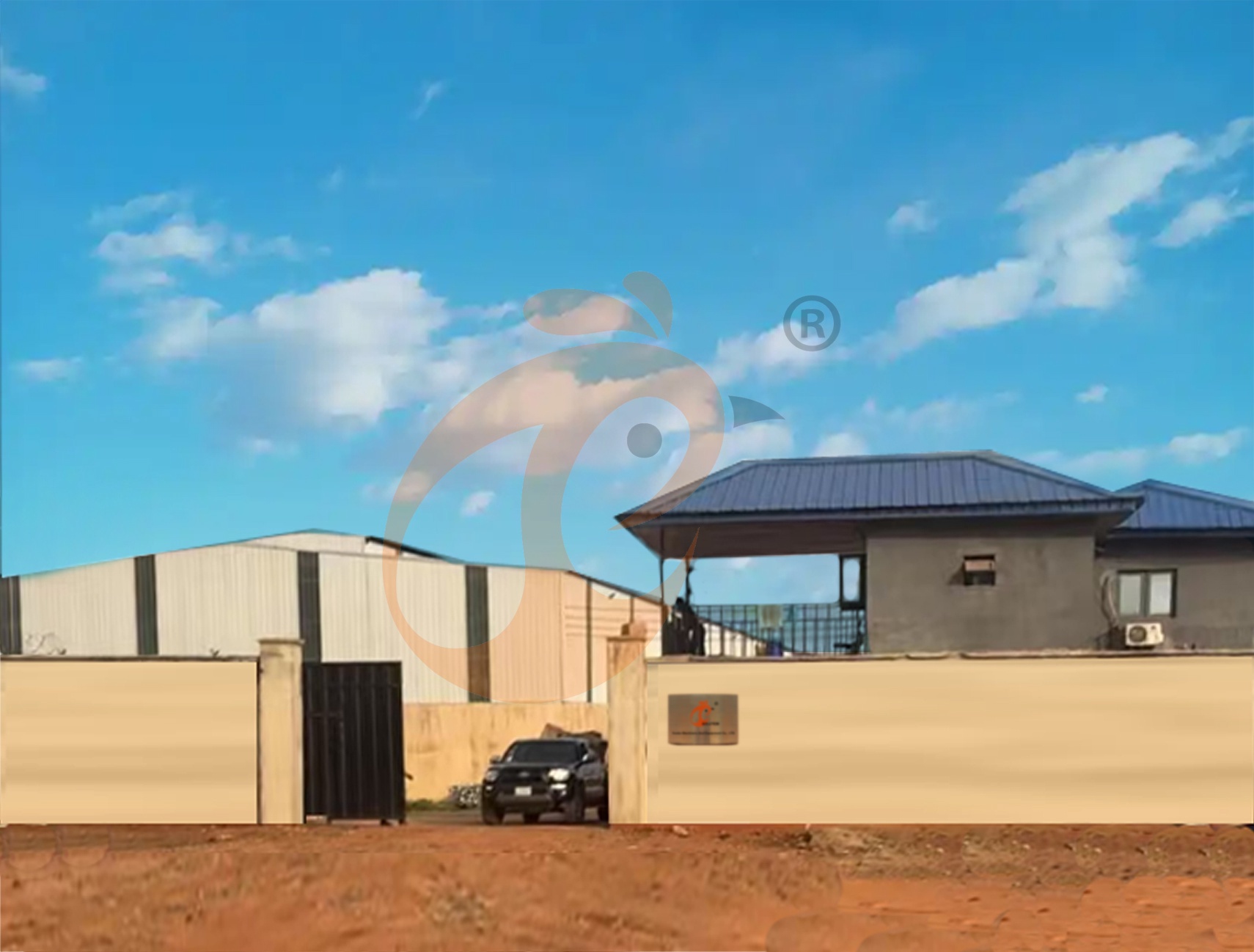
Nigeria Vanke Machinery And Equipment CO., LTD
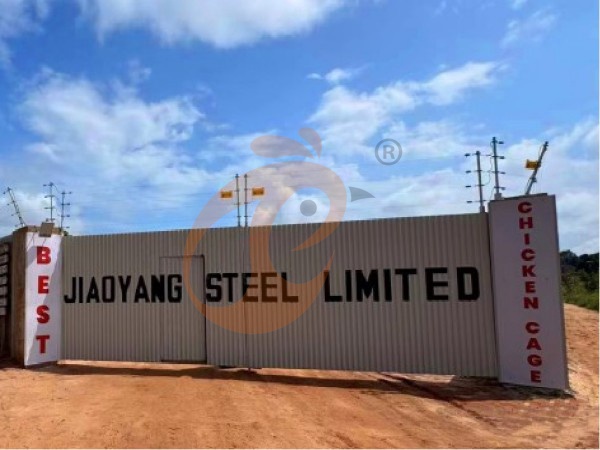
Tanzania Best Machinery And Equipment CO., LTD
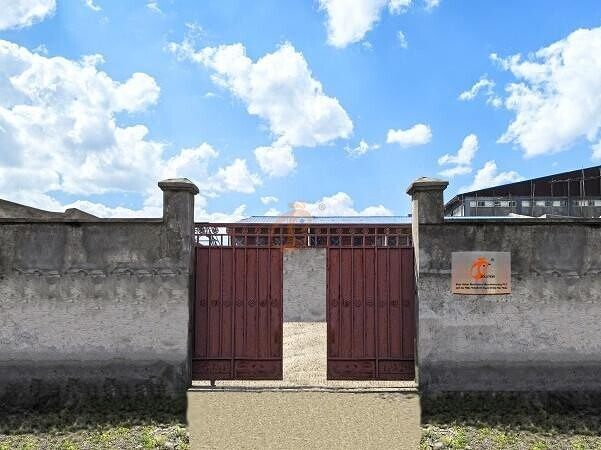
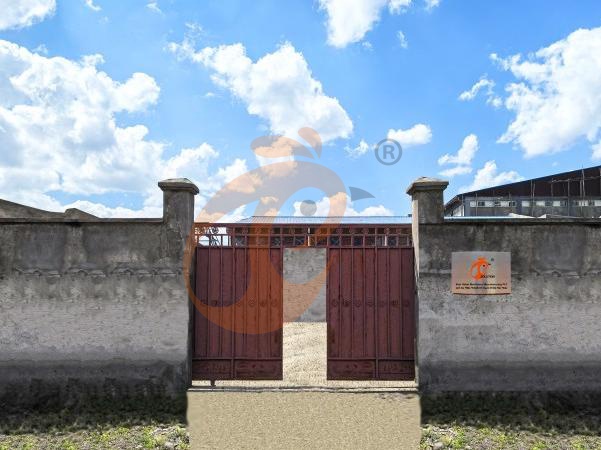
Ethiopia Best Hebei Machinery Manufacturing PLC
Reception /24 WhatsApp NO. : +8618830120193
FAQ
How To Select The Best Poultry Cage System For High-Density Egg Production?
Include automatic feeding, drinking, egg collection, and manure cleaning systems to boost egg production to 90–98%.
Regularly monitor feed efficiency and mortality; FCR maintained at 1.9–2.1.
What Are The Ultimate Tips For Temperature And Humidity Control In Chicken Cage Farms?
Use sensors to monitor each house and adjust airflow with ventilation fans.
Optimized temperature/humidity can increase egg production 2–3% and reduce mortality to 2–3%.
How To Reduce Egg Breakage In Advanced Battery Cage Systems?
Each belt can transport 4,000–6,000 eggs/hour, reducing manual handling.
Regularly clean belts; breakage rate can be maintained at 2–3%.
- battery cage
- battery cage for layers
- poultry farm
- layer cage
- automatic layer cage
- poultry layer cage
- cage
- galvanized cage
- poultry farm construction
- layer battery cage
- layer cage system
- layer cage system design
- modern battery cage
- battery cage for layers manufacturer
- commercial battery cage
- layer cage system supplier
- automatic drinking system
- automatic feeding system
- poultry equipment
- manure removal equipment
- egg collection system
- egg collection equipment
- battery cages
- cage for layers
- automatic layer cage system
- chickencage
- bestchickencage
- cage system
- galvanized cages
- h cage
- Nigeria
- layer farm
- poultry equipment supplier
- poultry layer cage system
- poultry layer cage system design
- poultry layer cage system supplier
- automatic egg collection
- poultry farm plan
- poultry equipment suppliers
- Ethiopia
Message
Products recommended
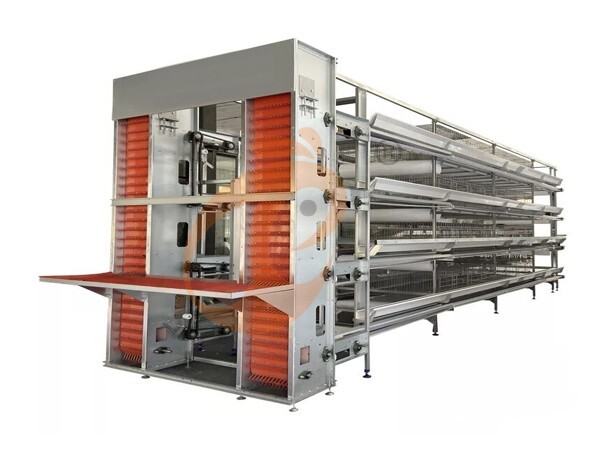
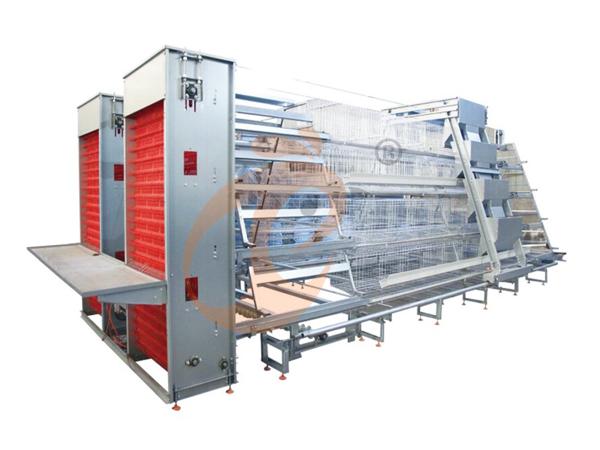
 >30,000 Pullets Automatic H Type Battery Cage1. More than 30,000 pullets a house, choose it.
2. It is designed to rearing older than 1 day old pullets to 12 to 16 weeks old chicken starting laying eggs.
3. Its lifespan is more than 25 years.
4. Its structure are Vcloud artificial intelligent fusion, electric control cabinet, automatic equipment of drinking, feeding, manure clean, manual harvesting.
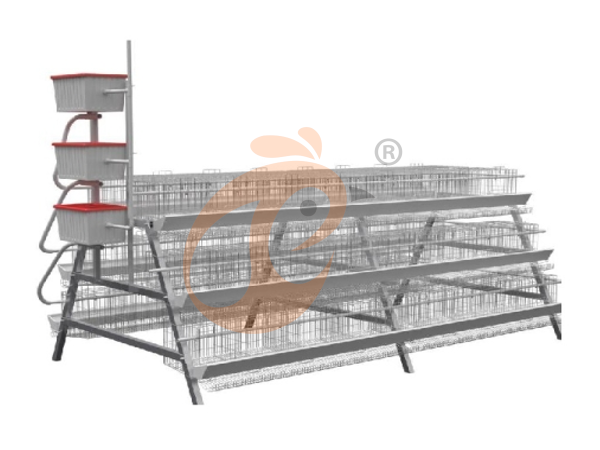
5. Our 24 hour online reception What’sApp NO. is +8618830120193 <30,000 Pullets Automatic A Type Battery Cage1. 10,000 to 30,000 pullets a house, choose it.
2. It is designed to rearing older than 1 day old pullets to 12 to 16 weeks old chicken starting laying eggs.
3. Its lifespan is more than 25 years.
4. Its structure are Vcloud artificial intelligent fusion, electric control cabinet, automatic equipment of drinking, feeding, manure clean, manual harvesting.
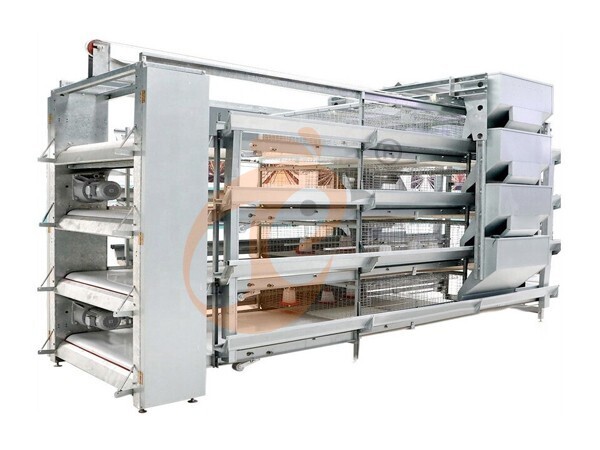
5. Our 24 hour online reception What’sApp NO. is +86 18830120193. >30,000 Broilers Semi-Automatic Harvest H Type Battery Cage1. More than 30,000 broilers a house, choose it.
2. It is designed to rearing 1 to 45 day old adult broiler ready for market.
3. Its lifespan is more than 20 years.
4. Our 24 hour online reception What’sApp NO. is +8618830120193, +234 8111199996. >30,000 Broilers Manual Harvest H Type Battery Cage1. More than 30,000 broilers a house, choose it.
2. It is designed to rearing 1 to 45 day old adult broiler ready for market.
3. Its lifespan is more than 20 years.
4. Its structure are Vcloud artificial intelligent fusion, electric control cabinet, automatic equipment of drinking, feeding and manure clean, manual harvesting.
5. Our 24 hour online reception What’sApp NO. is +8618830120193, +234 8111199996. <30,000 Broilers Manual Harvest A Type Battery Cage1. Less 30,000 broilers a house, choose it.
2. It is designed to rearing 1 to 45 day old adult broiler ready for market.
3. Its lifespan is more than 20 years.
4. Its structure are Vcloud artificial intelligent fusion, electric control cabinet, automatic equipment of drinking, feeding and manure clean, manual harvesting.
5. Our 24 hour online reception What’sApp NO. is +8618830120193, +234 8111199996. HK Headquarter Offers EU-standard Poultry Farm Solutions, Manufacture Poultry Farm Equipment1. Continuous communication with the EU and the US
2. China, Nigeria, Ethiopia, Tanzania branch companies and factories
3. The products’ quality is customized for local poultry farms
4. Poultry cage and poultry farm equipment stock for sale
5. 24 online reception Whatsapp NO. : +8618830120193,contact us to get full information China Branch Offer Poultry Farm Business Plan, Manufacture Poultry Farm Equipment1. Address: Flat/RM 2416, 24/F, Runxing Building, Youyi Nan Street, Shijiazhuang City, Hebei Province, China
2. Poultry cage and poultry farm equipment factory and stock for sale
3. Customized for local poultry farms
4. Quality and design are based on Euro
5. 24 online reception Whatsapp NO. : +8618830120193 Nigeria Branch Offer Poultry Farm Business Plan, Manufacture Poultry Farm Equipment1. Address: After Sinoma Office, 200 Meters Near Danco Filling Station, Lagos/Ibadan Expressway, Lagos State, Nigeria
2. Poultry cage and poultry farm equipment factory and stock for sale
3. Customized for Nigerian poultry farms
4. Quality and design are based on Euro
5. 24 online reception Whatsapp NO. : +8618830120193 Ethiopia Branch Offer Poultry Farm Business Plan, Manufacture Poultry Farm Equipment1. Address: Gelan Gura, Akaki-kaliti Sub City, Addis Ababa, Ethiopia
2. Poultry cage and poultry farm equipment stock for sale
3. Customized for Ethiopian poultry farms
4. Quality and design are based on Euro
5. 24 online reception Whatsapp NO. : +8618830120193, contact us to get price list Tanzania Branch Offer Poultry Farm Business Plan, Manufacture Poultry Farm Equipment1. Address: No.8, Sova Road, Msufini, Mlandizi, Kibaha, Pwani, Tanzania
2. Poultry cage and poultry farm equipment factory and stock for sale
3. Customized for Tanzanian poultry farms
4. Quality and design are based on Euro
5. 24 online reception Whatsapp NO. : +8618830120193


Contact