


Blog
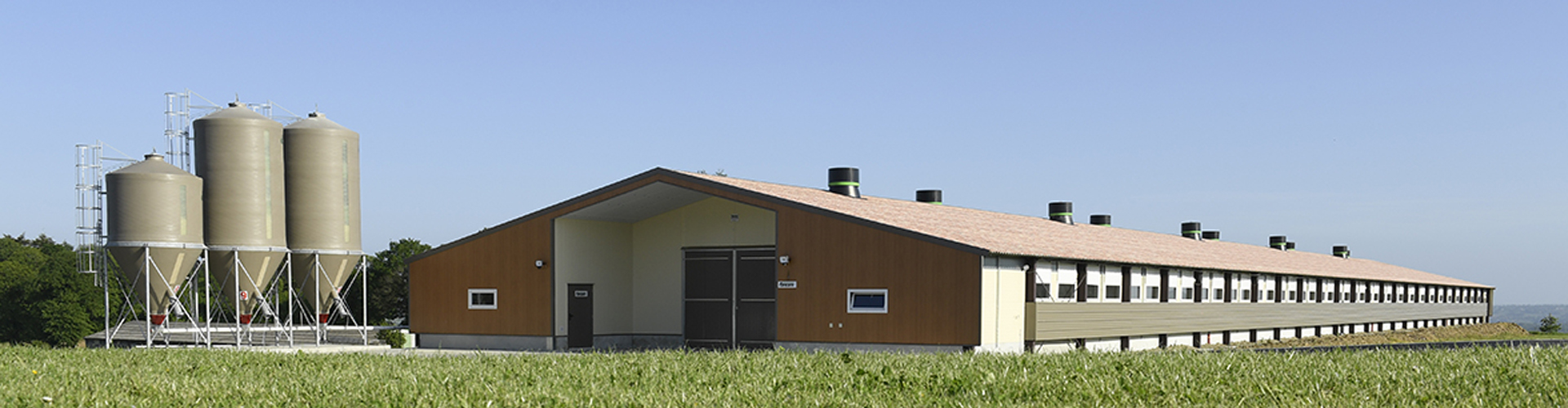
- Poultry farm equipment budgeting connects production scale, automation, climate control, and investment planning through practical engineering data such as 14–18 m house width and 2.8–3.5 m clear height.
Feeding, drinking, ventilation, cooling, heating, electrical control, and poultry farming equipment need coordinated specifications rather than isolated purchase prices.
Automatic poultry equipment can reduce manual workflows while supporting consistent feed, water, airflow, and environmental management.
Budget planning also considers installation, energy, spare parts, commissioning, and supplier support across complete farm projects.
- A structured equipment budget creates a clearer commercial foundation for scalable poultry production and turnkey project procurement.
Get professional poultry farm construction guidance, equipment selection solutions, and the latest price lists, whatsApp to +8618830120193, click to learn more:
Start With A Production-Based Equipment Map
Before calculating the poultry farm equipment budget, define the production model, flock type, house arrangement, and automation target.
A broiler house and a layer house require different equipment combinations, even when building footprints appear similar.
A well-planned project normally separates equipment into feeding, drinking, ventilation, cooling, heating, manure or litter management, electrical control, and
backup systems.
The first budgeting document should therefore be an equipment map rather than a price list.
For a commercial project, a preliminary house width of 14–18 m and an internal clear height of 2.8–3.5 m can be used as engineering references when discussing the initial layout with a poultry farming equipment manufacturer.
Factor #1: Match Equipment Capacity With Farm Scale
Data is for reference only.Swipe horizontally to view full table.
The poultry farm equipment budget should follow the number of birds and production objectives rather than being based on the cheapest individual machine.
Purchasing a smaller feed system for a rapidly expanding farm can create additional replacement costs later.
A commercial design should also allow approximately 8–12% spare capacity where future expansion is part of the business plan.
Build The Feeding System As One Commercial Package
Data is for reference only.Swipe horizontally to view full table.
A poultry farming equipment feeding system should be quoted as a coordinated package that includes the silo interface, conveying mechanism, drive units,
sensors, hoppers, and feeder components.
The objective is to maintain continuous feed distribution while minimizing manual intervention.
For long houses, a line arrangement of 2–4 parallel circuits may be evaluated during the engineering stage.
Factor #2: Budget Automation According To Labor Requirements
Automation is not simply an optional upgrade; automatic poultry equipment changes the labor structure of the farm.
Manual feeding, drinking inspection, egg collection, manure handling, and climate adjustment can require substantially more daily labor than an integrated automated system.
When comparing quotations, calculate the number of operators required per production shift.
A farm targeting 1–2 operators per house should evaluate automation differently from a small family operation where manual work is intentionally retained.
The poultry farm equipment supplier should show which tasks are automated and which remain manual.
Water System: Budget For Reliable Distribution
Data is for reference only.Swipe horizontally to view full table.
Water equipment should be included in the poultry farm equipment quotation rather than treated as a minor accessory.
Poorly matched pipelines, filters, regulators, and drinking components can affect the consistency of water delivery.
During project design, a storage reserve of 6–12 hours can be considered where local water supply reliability is uncertain.
Factor #3: Account For Climate And Ventilation Requirements
Data is for reference only.Swipe horizontally to view full table.
Ventilation should be designed around the local climate, house structure, bird density, and poultry farm equipment configuration.
A supplier should calculate airflow requirements instead of simply recommending a fixed number of fans.
For houses exposed to summer temperatures above 32°C, cooling equipment and emergency ventilation should receive particular attention during the budget stage.
Do Not Separate Climate Control From Electrical Planning
A modern poultry farming equipment project depends on coordinated fans, sensors, controllers, cooling pumps, heaters, alarms, and power-distribution equipment.
If these systems are purchased from different suppliers without a common control architecture, integration problems can appear during commissioning.
Use the electrical drawing as a budget-control document.
A preliminary design may reserve 15–25% additional cabinet space for future circuits, while cable routing can be planned before the equipment order is finalized.
This makes later expansion easier and prevents expensive modifications after installation.
Ventilation And Environmental Control Package
Data is for reference only.Swipe horizontally to view full table.
The value of an environmental control package comes from integration rather than from any single controller.
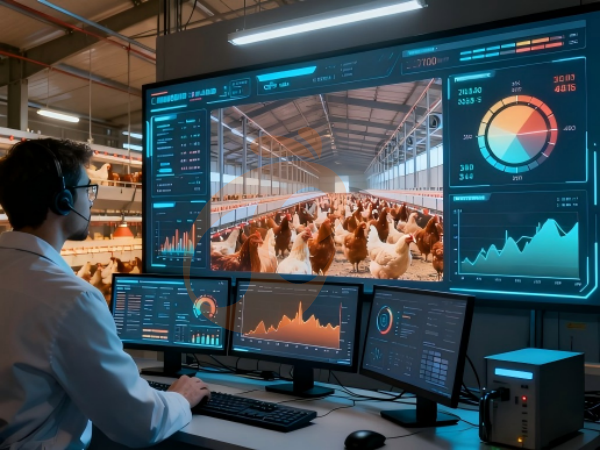
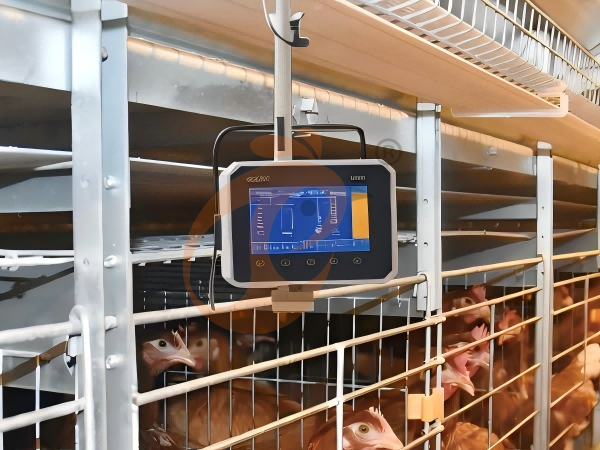
Automatic poultry equipment can coordinate ventilation and cooling according to sensor inputs, while alarms provide an additional protection layer.
When preparing a quotation, ask the manufacturer to identify every controlled circuit and its corresponding sensor.
Factor #4: Compare Initial Investment With Operating Cost
A professional poultry farm equipment budget should distinguish capital expenditure from operating expenditure.
The initial purchase price shows what the project costs to build, while electricity, maintenance, replacement parts, labor, and water treatment influence ongoing production costs.
For financial modeling, establish a maintenance reserve equivalent to 2–4% of annual equipment value and calculate expected operating expenses over at least three production cycles.
This approach makes different equipment configurations easier to compare without relying solely on their purchase prices.
Layer Farm Equipment Requires A Different Budget Structure
Data is for reference only.Swipe horizontally to view full table.
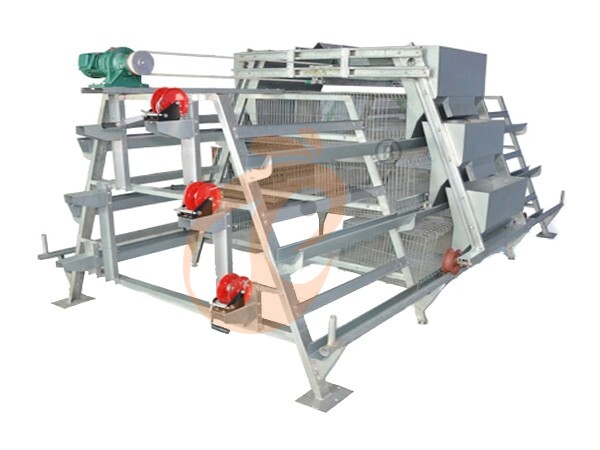
Layer projects should be budgeted around the entire production chain: housing, feeding, drinking, egg collection, manure removal, lighting, and environmental control.
Buying cages first and attempting to add collection equipment afterward can create unnecessary layout restrictions.
For a large automated layer project, allow approximately 0.8–1.2 m of service clearance around major maintenance access points.
Factor #5: Evaluate Installation, Spare Parts, And Technical Support
The supplier quotation should clearly distinguish equipment manufacturing from installation and commissioning.
Ask for an itemized list covering mechanical assembly, electrical connection, control-system setup, testing, operator training, and initial spare parts.
A practical procurement contract can define a commissioning period of 3–7 days for system testing and operator training.
Spare-part planning should include motors, sensors, belts, bearings, switches, nipples, and other consumable components according to the poultry farm equipment model selected.
Build The Final Budget From A Complete Equipment List
Data is for reference only.Swipe horizontally to view full table.
The final poultry farming equipment budget should be based on a complete equipment schedule, not an isolated unit-price comparison.
Before requesting a quotation, prepare the farm type, house dimensions, bird capacity, local climate, water conditions, electricity supply, and desired automation level.
This information allows an equipment manufacturer to calculate the appropriate configuration instead of offering generic equipment.
Frequently Asked Questions
Q1: What should be included in a poultry farm equipment budget?
A complete poultry farm equipment budget should cover feeding, drinking, ventilation, cooling, heating, electrical control, installation, commissioning, and initial spare parts.
A commercial planning reserve of 2–4% for annual equipment maintenance can also be modeled separately from initial purchasing costs.
Q2: How should automatic poultry equipment be selected for a new farm?
Automatic poultry equipment should be selected according to bird capacity, house dimensions, production type, climate, available electricity, and desired labor structure.
A preliminary design with 16–32 control channels can support multiple equipment groups while allowing centralized environmental management.
Q3: Why should poultry farming equipment be purchased as a complete system?
Poultry farming equipment works through interconnected feeding, drinking, ventilation, environmental control, and electrical systems.
Coordinated engineering helps align equipment capacity, control logic, installation routes, and commissioning responsibilities before delivery.
Taiyu (HK) Group - One Of China Toppest Poultry Farm Equipment Manufacturer
Poultry farm equipment integrates feeding, drinking, ventilation, environmental control, and automation with engineered airflow capacities reaching 52,000 m³/h per tunnel fan.
Global factory-direct supply covers complete poultry equipment packages, including technical drawings, equipment schedules, manufacturing, inspection, export preparation, and project coordination.
Turn-key engineering supports farm planning from equipment configuration through installation, commissioning, operator training, and production-system integration.
International project supply can coordinate broiler, layer, breeder, and rearing applications according to house dimensions, bird capacity, climate conditions, and automation requirements.
Factory-based manufacturing provides direct technical communication for equipment specifications, spare-part planning, electrical integration, and customized poultry project procurement.
Contact Us To Received Your Customized Poultry Farm Plan
Headquarters And Branchs
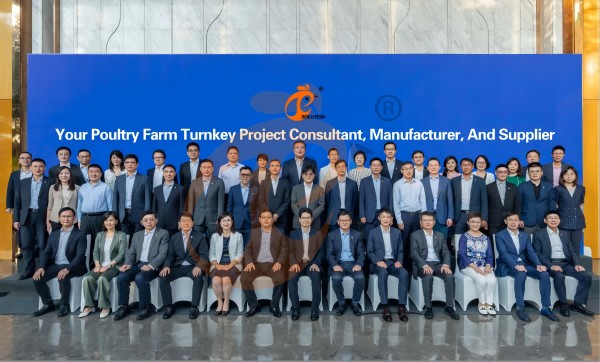
Hong Kong Headquarter Management Team
Hong Kong Headquarter Taiyu Industrial Group CO., LTD
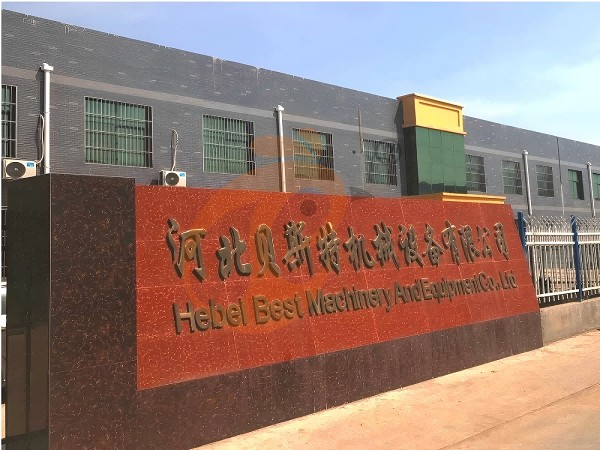
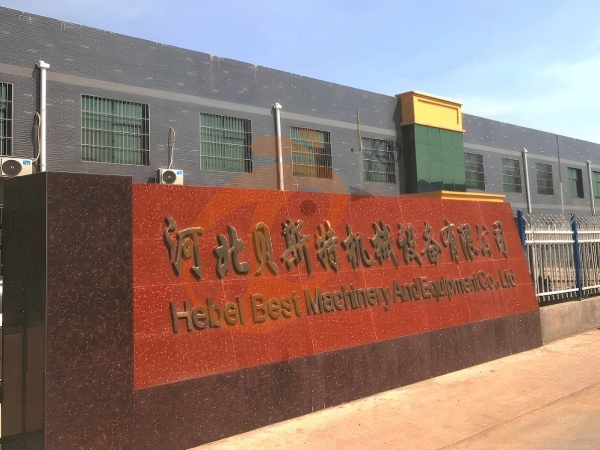
China Hebei Best Machinery And Equipment CO., LTD
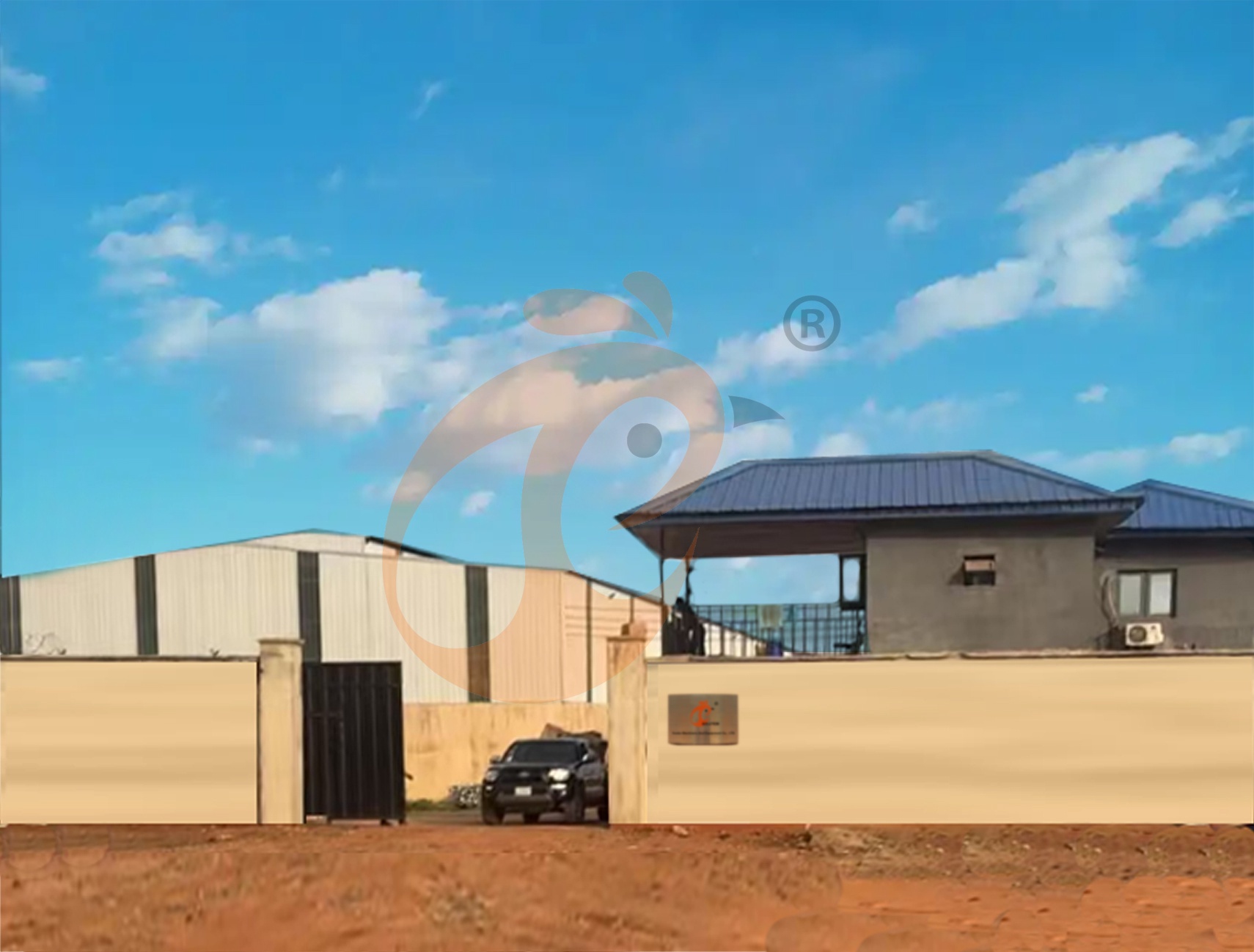
Nigeria Vanke Machinery And Equipment CO., LTD
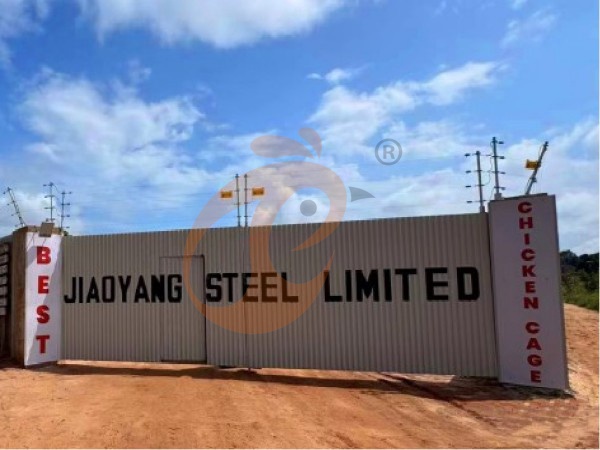
Tanzania Best Machinery And Equipment CO., LTD
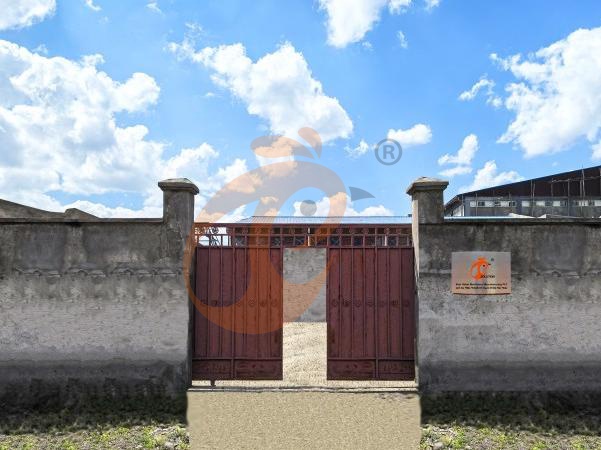
Ethiopia Best Hebei Machinery Manufacturing PLC
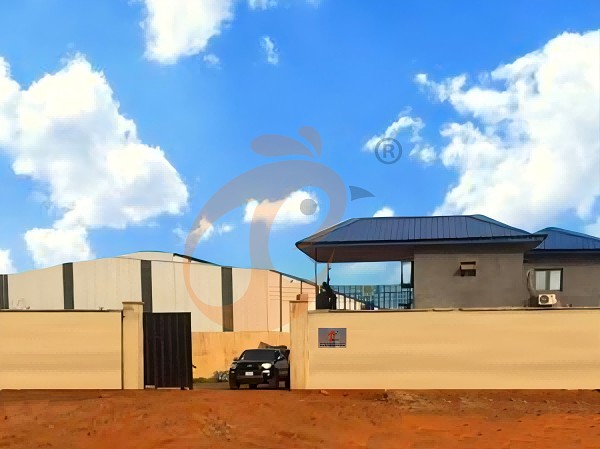
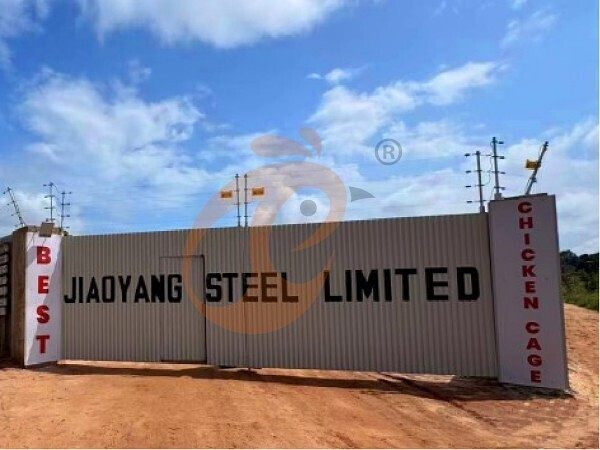
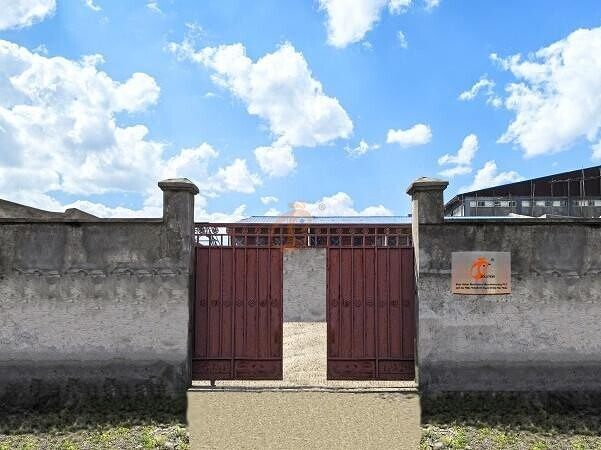
Reception /24 WhatsApp NO. : +8618830120193
FAQ
How Is Data Transmission Managed In Smart Chicken House Equipment For Poultry Chicken Monitoring Systems?
Data refresh intervals operate every 5–15 seconds for real-time monitoring accuracy.
Cloud synchronization latency remains within 1–3 seconds for remote access control.
What Alarm Functions Are Included In Smart Chicken House Equipment?
Gas concentration alerts trigger at 25–50 ppm ammonia levels protecting flock health.
System failure alarms respond within 3–5 seconds ensuring immediate fault notification.
How Does Smart Chicken House Equipment Improve Management Efficiency?
Data analytics improve feed conversion efficiency by 4%–7% through environmental optimization.
Predictive alerts reduce mortality risk by 3%–6% through early anomaly detection.
- poultry farm
- layer cage
- cage
- poultry farm equipment
- poultry farm construction
- poultry farming equipment
- poultry equipment
- manure scraper
- chickencage
- bestchickencage
- Nigeria
- layer farm
- layer equipment
- layer farm equipment
- poultry farming
- poultry farm equipment manufacturer
- poultry farm equipment supplier
- modern poultry farm
- modern poultry farming
- poultry farm plan
- poultry farm equipment quotation
- feed silo
- Ethiopia
Message
Products recommended
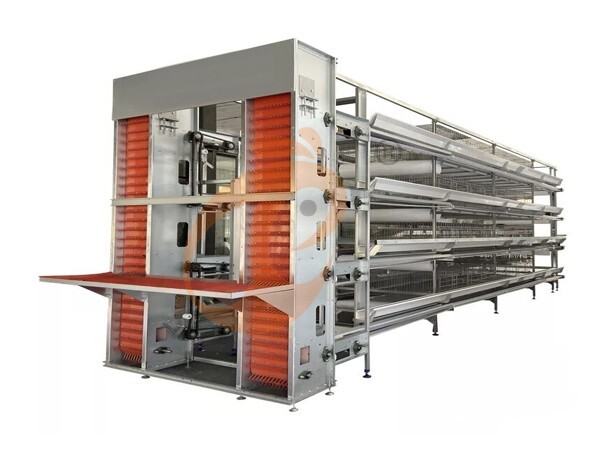
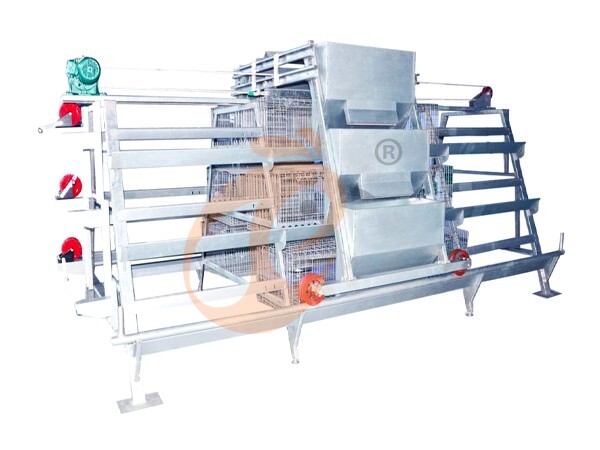
 >30,000 Pullets Automatic H Type Battery Cage1. More than 30,000 pullets a house, choose it.
2. It is designed to rearing older than 1 day old pullets to 12 to 16 weeks old chicken starting laying eggs.
3. Its lifespan is more than 25 years.
4. Its structure are Vcloud artificial intelligent fusion, electric control cabinet, automatic equipment of drinking, feeding, manure clean, manual harvesting.
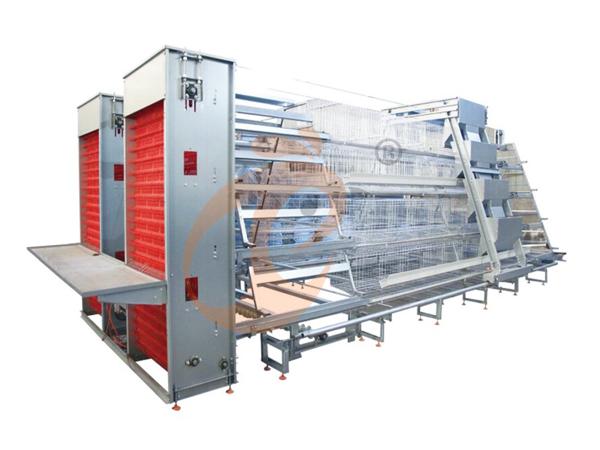
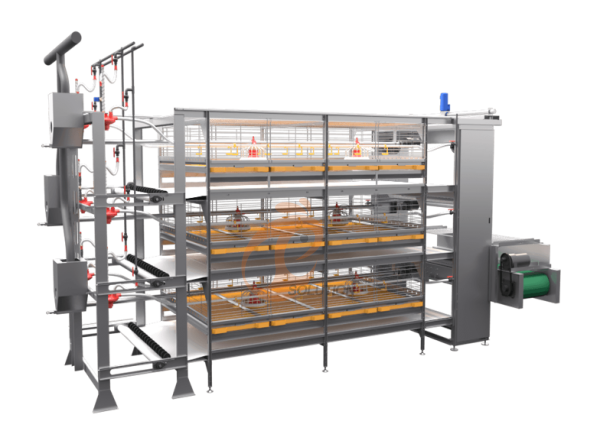
5. Our 24 hour online reception What’sApp NO. is +8618830120193 <30,000 Pullets Automatic A Type Battery Cage1. 10,000 to 30,000 pullets a house, choose it.
2. It is designed to rearing older than 1 day old pullets to 12 to 16 weeks old chicken starting laying eggs.
3. Its lifespan is more than 25 years.
4. Its structure are Vcloud artificial intelligent fusion, electric control cabinet, automatic equipment of drinking, feeding, manure clean, manual harvesting.
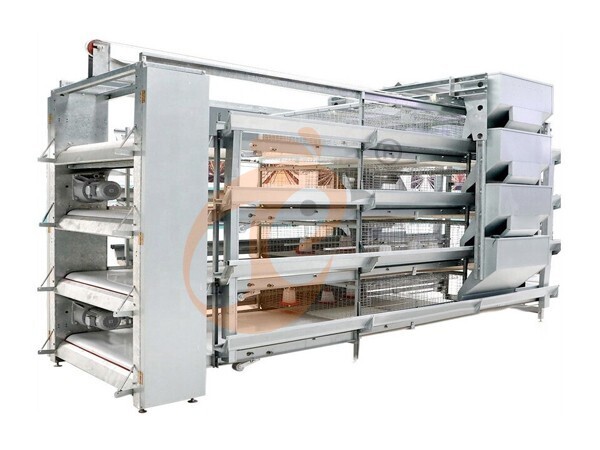
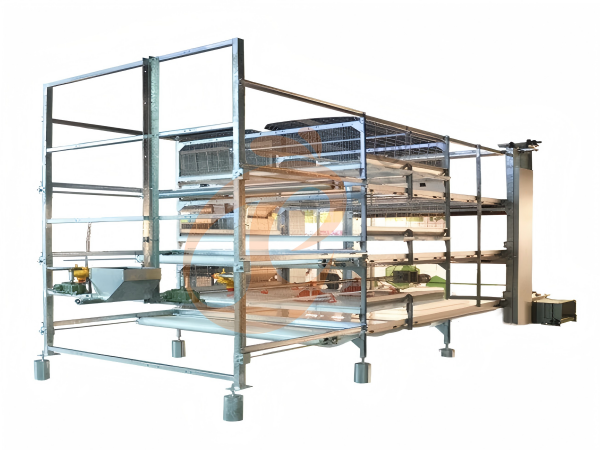
5. Our 24 hour online reception What’sApp NO. is +86 18830120193. >30,000 Broilers Semi-Automatic Harvest H Type Battery Cage1. More than 30,000 broilers a house, choose it.
2. It is designed to rearing 1 to 45 day old adult broiler ready for market.
3. Its lifespan is more than 20 years.
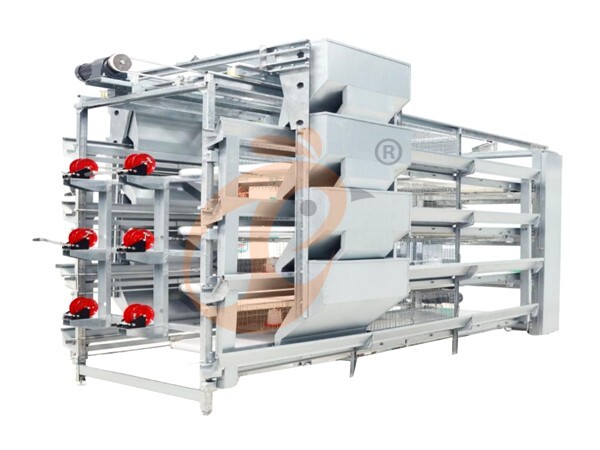
4. Our 24 hour online reception What’sApp NO. is +8618830120193, +234 8111199996. >30,000 Broilers Manual Harvest H Type Battery Cage1. More than 30,000 broilers a house, choose it.
2. It is designed to rearing 1 to 45 day old adult broiler ready for market.
3. Its lifespan is more than 20 years.
4. Its structure are Vcloud artificial intelligent fusion, electric control cabinet, automatic equipment of drinking, feeding and manure clean, manual harvesting.
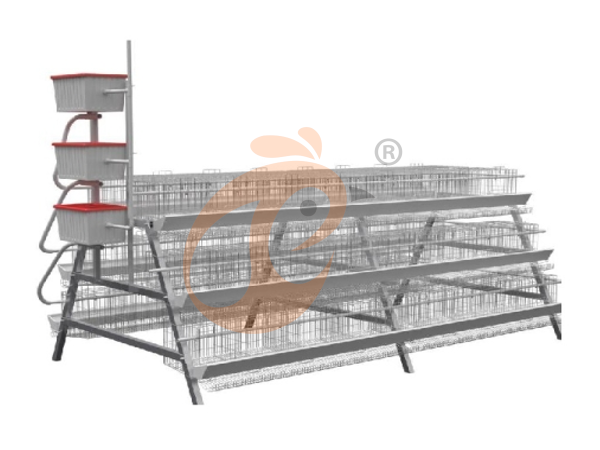
5. Our 24 hour online reception What’sApp NO. is +8618830120193, +234 8111199996. <30,000 Broilers Manual Harvest A Type Battery Cage1. Less 30,000 broilers a house, choose it.
2. It is designed to rearing 1 to 45 day old adult broiler ready for market.
3. Its lifespan is more than 20 years.
4. Its structure are Vcloud artificial intelligent fusion, electric control cabinet, automatic equipment of drinking, feeding and manure clean, manual harvesting.
5. Our 24 hour online reception What’sApp NO. is +8618830120193, +234 8111199996. HK Headquarter Offers EU-standard Poultry Farm Solutions, Manufacture Poultry Farm Equipment1. Continuous communication with the EU and the US
2. China, Nigeria, Ethiopia, Tanzania branch companies and factories
3. The products’ quality is customized for local poultry farms
4. Poultry cage and poultry farm equipment stock for sale
5. 24 online reception Whatsapp NO. : +8618830120193,contact us to get full information China Branch Offer Poultry Farm Business Plan, Manufacture Poultry Farm Equipment1. Address: Flat/RM 2416, 24/F, Runxing Building, Youyi Nan Street, Shijiazhuang City, Hebei Province, China
2. Poultry cage and poultry farm equipment factory and stock for sale
3. Customized for local poultry farms
4. Quality and design are based on Euro
5. 24 online reception Whatsapp NO. : +8618830120193 Nigeria Branch Offer Poultry Farm Business Plan, Manufacture Poultry Farm Equipment1. Address: After Sinoma Office, 200 Meters Near Danco Filling Station, Lagos/Ibadan Expressway, Lagos State, Nigeria
2. Poultry cage and poultry farm equipment factory and stock for sale
3. Customized for Nigerian poultry farms
4. Quality and design are based on Euro
5. 24 online reception Whatsapp NO. : +8618830120193 Ethiopia Branch Offer Poultry Farm Business Plan, Manufacture Poultry Farm Equipment1. Address: Gelan Gura, Akaki-kaliti Sub City, Addis Ababa, Ethiopia
2. Poultry cage and poultry farm equipment stock for sale
3. Customized for Ethiopian poultry farms
4. Quality and design are based on Euro
5. 24 online reception Whatsapp NO. : +8618830120193, contact us to get price list Tanzania Branch Offer Poultry Farm Business Plan, Manufacture Poultry Farm Equipment1. Address: No.8, Sova Road, Msufini, Mlandizi, Kibaha, Pwani, Tanzania
2. Poultry cage and poultry farm equipment factory and stock for sale
3. Customized for Tanzanian poultry farms
4. Quality and design are based on Euro
5. 24 online reception Whatsapp NO. : +8618830120193
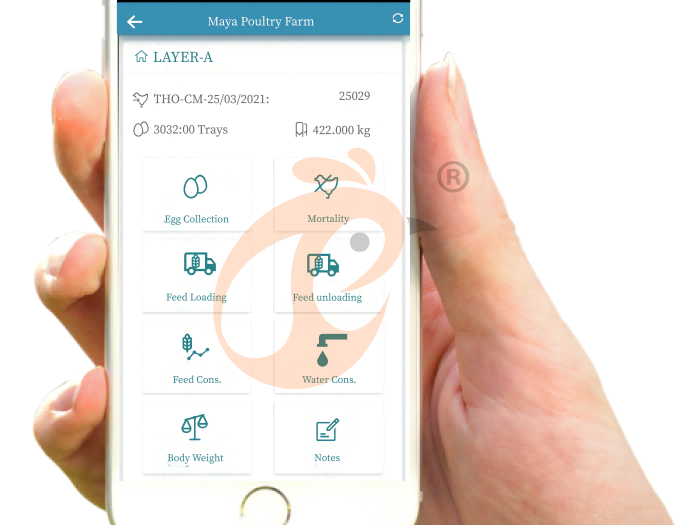


Contact