


Blog
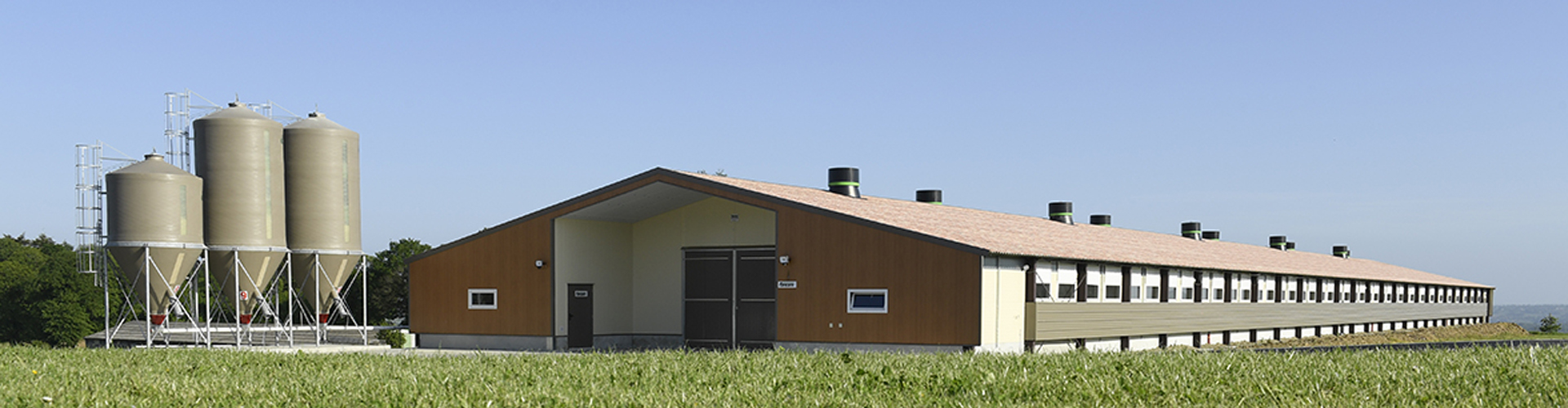
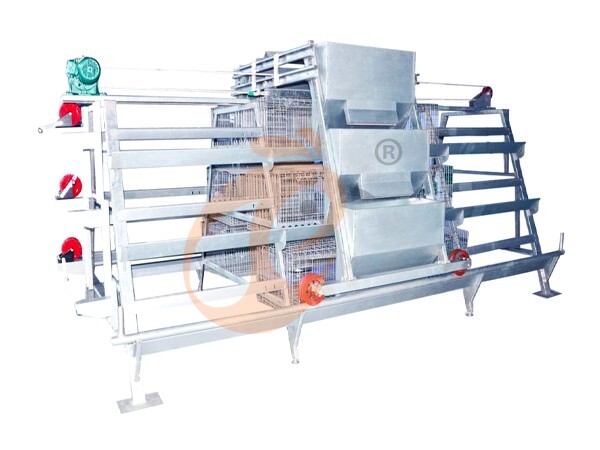
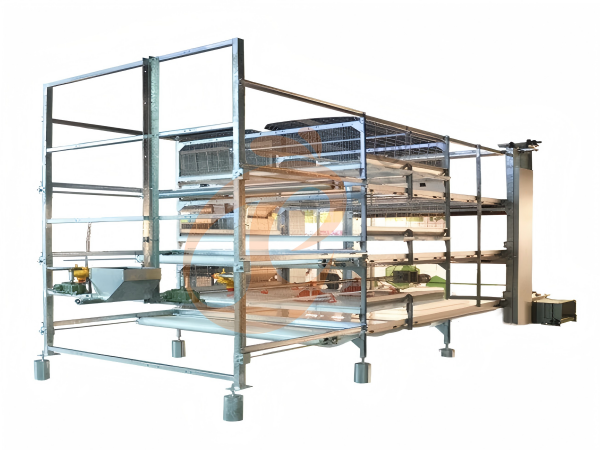
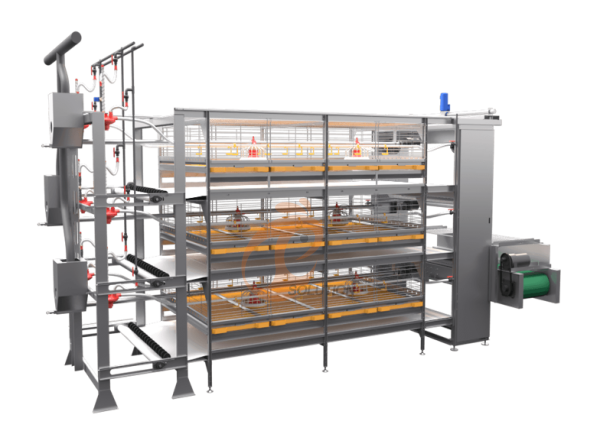
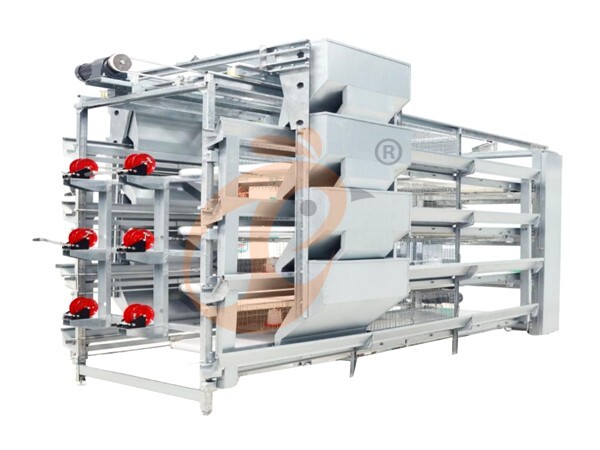
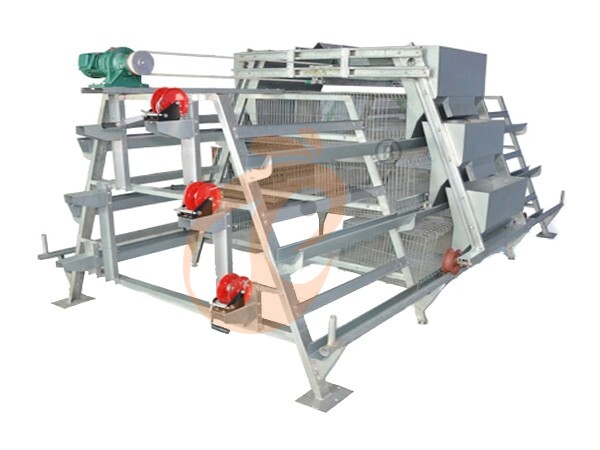
Floor rearing system for layers combines feeding, drinking, nesting, egg handling, manure removal, ventilation, and environmental control into one coordinated production structure for commercial layer farms.
Automatic layer feeding system design supports consistent feed delivery, while automatic egg collection system layouts reduce repeated manual handling across daily production cycles.
Engineering decisions cover equipment configuration, investment structure, egg production indicators, house dimensions, maintenance routines, and measurable operating parameters.
Practical management methods connect floor rearing system for layers performance with equipment inspection, flock records, sanitation, energy use, and preventive maintenance.
- Project planning considers 10–15 year equipment horizons and 12-month commissioning frameworks, creating a technical foundation for scalable layer production and equipment procurement.
Get professional poultry farm construction guidance, equipment selection solutions, and the latest price lists, whatsApp to +8618830120193, click to learn more:
Build The Layer House Around Equipment Efficiency
A modern floor rearing system for layers should be planned as a complete production workflow rather than a collection of separate machines.
Feed delivery, drinking, nesting, egg transfer, manure removal, ventilation, and environmental monitoring need to operate as one coordinated system.
A properly planned equipment layout can reduce unnecessary bird movement and simplify daily inspection.
For commercial layer houses, equipment selection should also consider 24-hour emergency power availability and a 15–30 minute equipment inspection cycle.
These operational details help farmers identify mechanical faults before they affect feeding, drinking, or egg handling.
Complete Floor Rearing System: Technical Configuration
Data is for reference only.Swipe horizontally to view full table.
A complete floor rearing system for layers allows the supplier to coordinate mechanical and electrical components before installation.
The result is a system designed around the actual house instead of forcing the house to accommodate unrelated equipment.
Automatic layer feeding system integration and automatic egg collection system planning can also simplify future maintenance and equipment expansion.
Floor Rearing Cost: Calculate The Project, Not Just The Machine
Cost Formula
Total Project Investment = Housing + Poultry Equipment + Electrical Installation + Water System + Ventilation + Installation + Commissioning
This calculation is more useful than comparing equipment prices alone.
A cheaper individual machine may require additional labor, modification, or replacement components after installation.
For example, a floor rearing system for layers should be evaluated over 10–12 years, while annual maintenance expenditure can be modeled at approximately 2–4% of equipment purchase value.
The actual figure depends on component quality, operating environment, maintenance frequency, and local service costs.
Investment Breakdown By Equipment Module
Data is for reference only.Swipe horizontally to view full table.
The equipment quotation should be based on the actual bill of materials.
A professional supplier can calculate quantities from the house drawing and provide a detailed equipment list instead of offering a single generalized package price.
Automatic layer feeding system quantities and automatic egg collection system routing should be calculated together with the floor rearing system for layers layout.
Egg Production Management: Follow The Numbers
The Production Chain
Feed Intake → Water Intake → Bird Activity → Nest Utilization → Egg Collection → Egg Grading
A floor rearing system for layers gives hens freedom to move between feeding, drinking, resting, and nesting areas.
Because birds are not confined to individual cages, farm managers need to pay close attention to movement patterns and nest utilization.
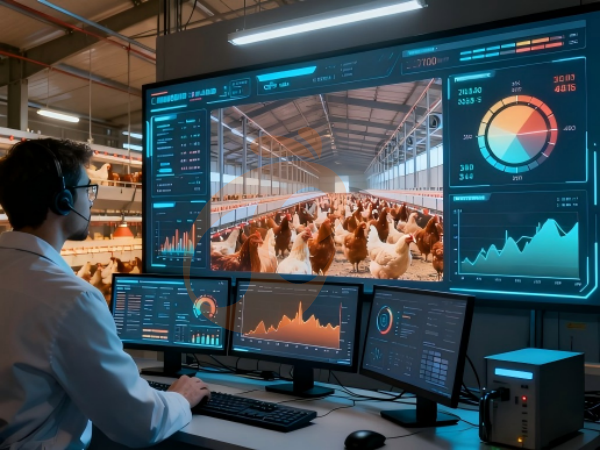
A practical monitoring program can record egg mass in grams per hen per day and daily mortality as a percentage of the flock.
These indicators provide more useful production information than relying only on total egg numbers.
Automatic egg collection system operation should also be checked alongside nest utilization, while automatic layer feeding system performance should be
reviewed against flock records.
Egg Production Performance Parameters
Data is for reference only.Swipe horizontally to view full table.
Actual production values vary according to genetics, nutrition, disease control, climate, stocking arrangement, and management practices.
These figures should therefore be treated as engineering and management reference ranges rather than guaranteed production results.
Management Tips: Turn Equipment Into Production Value
Morning Checklist
06:00–08:00
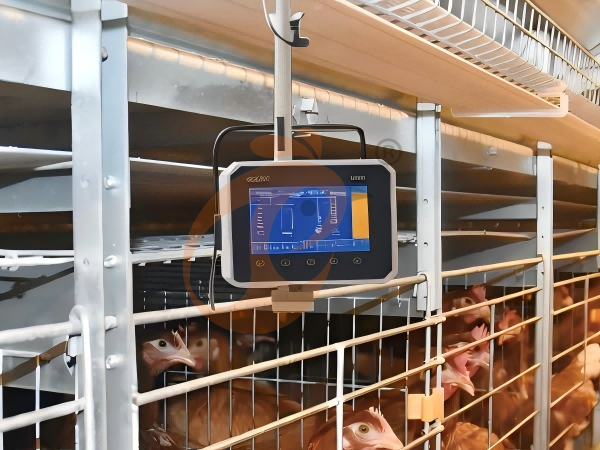
Check water availability, feed distribution, bird activity, nest condition, and controller alarms.
Record abnormalities before the first major production inspection.
Midday Check
11:00–13:00
Review environmental readings, egg transfer, manure accumulation, and equipment operation.
Compare current values with the farm's established operating records.
Evening Check
17:00–19:00
Inspect motors, belts, bearings, water lines, and electrical components.
Clean critical areas and prepare equipment for the following production cycle.
A maintenance log can use 7-day inspection intervals for routine mechanical components and 30-day inspection intervals for electrical connections and controller calibration.
This converts floor rearing system for layers maintenance from reactive repair into scheduled management.
Automation Comparison: Where Does Equipment Create Value?
Data is for reference only.Swipe horizontally to view full table.
The commercial value of automation comes from reducing repetitive operations while maintaining consistent working procedures.
Farmers can redirect labor toward flock observation, preventive maintenance, sanitation, and production recording.
Automatic layer feeding system automation and automatic egg collection system integration are therefore important components of a commercial floor rearing system for layers.
Why An Integrated Floor System Matters
Think of the floor rearing system for layers as a production line.
Feed enters through the silo and moves toward the birds.
Water passes through filtration and regulation before entering the drinking line.
Eggs travel from the nest toward the collection room.
Manure moves in the opposite direction toward the removal area.
This workflow becomes particularly important when a farm operates two or more production houses.
Standardized equipment allows operators to use similar procedures across buildings, reducing differences in daily operation and maintenance.
Automatic egg collection system routing and automatic layer feeding system positioning should therefore be included during the initial engineering stage.
House Design Parameters For Equipment Installation
Data is for reference only.Swipe horizontally to view full table.
The building structure should be coordinated with the floor rearing system for layers equipment drawings before construction starts.
A difference of only 100 mm in equipment positioning can affect aisle access, conveyor alignment, or maintenance clearance after installation.
Automatic layer feeding system alignment and automatic egg collection system routing should therefore be finalized before structural work is completed.
Equipment Selection: Check These Technical Details Before Buying
Data is for reference only.Swipe horizontally to view full table.
When purchasing a complete floor rearing system for layers, farmers should request technical drawings, component specifications, electrical diagrams, installation manuals, spare-parts lists, and commissioning procedures.
These documents make equipment comparison more transparent.
A supplier should also demonstrate how automatic layer feeding system components and automatic egg collection system modules connect with the complete installation.
Build A Layer Production System, Not Just A Poultry House
The Investment Logic
Step 1 — Define The Flock
Determine the target population, production cycle, and expansion plan.
Step 2 — Define The Building
Confirm the house geometry, internal layout, power supply, water source, and ventilation requirements.
Step 3 — Configure The Equipment
Match feeding, drinking, nesting, egg collection, manure handling, ventilation, and environmental control to the building.
Step 4 — Calculate Operating Economics
Compare equipment investment with labor requirements, maintenance, energy consumption, egg handling, and expected service life.
Step 5 — Commission The System
Test every motor, conveyor, sensor, water line, controller, and safety device before introducing the flock.
A commercial floor rearing system for layers can be designed for a 10–15 year equipment planning horizon with a 12-month commissioning and warranty framework, depending on the manufacturer's contract and component specifications.
For layer farms, the equipment supplier should therefore be more than a machine vendor.
The supplier should provide house layout, equipment calculation, manufacturing, installation guidance, commissioning, spare parts, and technical support as one complete project.
Automatic layer feeding system engineering and automatic egg collection system integration should remain part of the same project specification.
Frequently Asked Questions
Q1: What is a floor rearing system for layers?
A floor rearing system for layers is an integrated poultry housing arrangement that combines feeding, drinking, nesting, egg handling, manure management, ventilation, and environmental control.
Commercial layouts can use multiple automated production lines according to house dimensions and flock requirements.
Q2: How is floor rearing cost calculated?
Floor rearing cost depends on the building, equipment quantity, automation configuration, electrical installation, ventilation, water system, and commissioning requirements.
A 10–12 year equipment planning period can help compare initial investment with long-term operating costs.
Q3: What equipment should be included in a commercial layer project?
A complete floor rearing system for layers can include automatic feeding, nipple drinking, automatic nests, automatic egg collection, manure removal, ventilation, lighting, and environmental control.
Automatic egg collection system design and automatic layer feeding system capacity should be calculated from the actual house layout rather than estimated independently.
Taiyu (HK) Group - One Of China Toppest Floor Rearing System For Layers Manufacturer
Floor rearing system for layers integrates feeding, drinking, nesting, egg collection, manure handling, ventilation, and environmental control, with project configurations engineered around commercial house dimensions and automated production workflows.
Global factory-direct poultry equipment supply provides direct manufacturing coordination, component specifications, equipment drawings, installation documentation, and project-based technical configuration from production facilities to overseas farms.
Turn-key poultry equipment engineering covers house layout, equipment selection, electrical planning, water-system integration, ventilation configuration, installation guidance, commissioning, and spare-parts planning within one project structure.
International project execution supports layer farms, poultry integrators, agricultural contractors, and distributors requiring standardized equipment packages, technical documentation, container loading coordination, and overseas installation assistance.
Complete poultry equipment solutions combine automatic layer feeding system, automatic egg collection system, manure handling, environmental control, and floor housing components for scalable commercial layer production projects.
Contact Us To Received Your Customized Poultry Farm Plan
Headquarters And Branchs
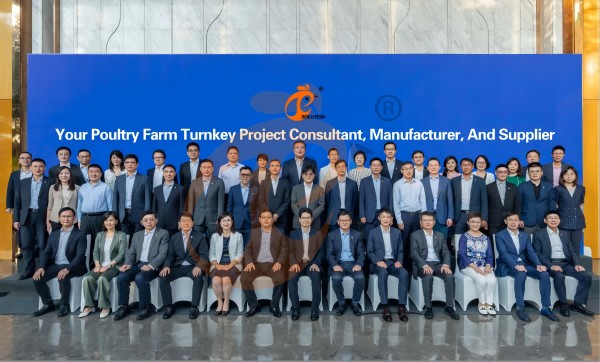
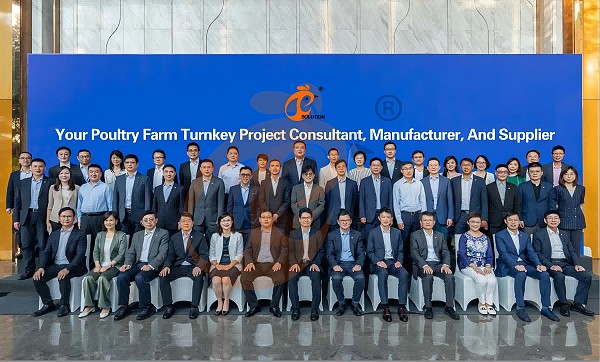
Hong Kong Headquarter Management Team
Hong Kong Headquarter Taiyu Industrial Group CO., LTD
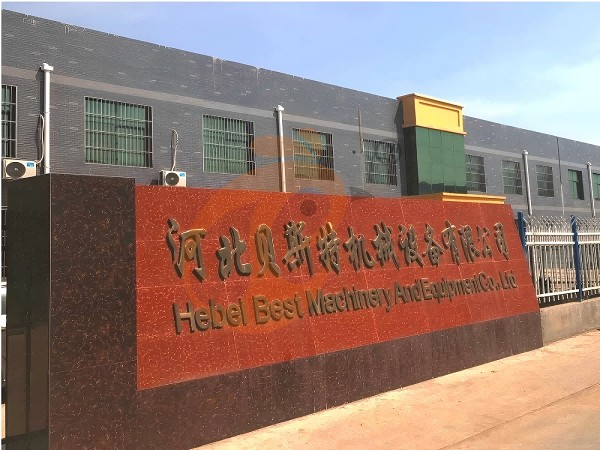
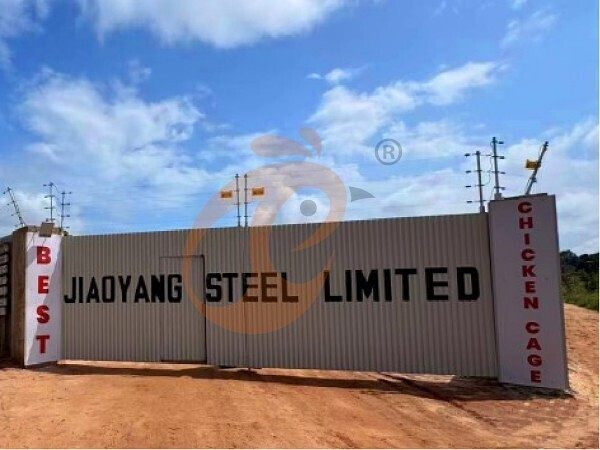
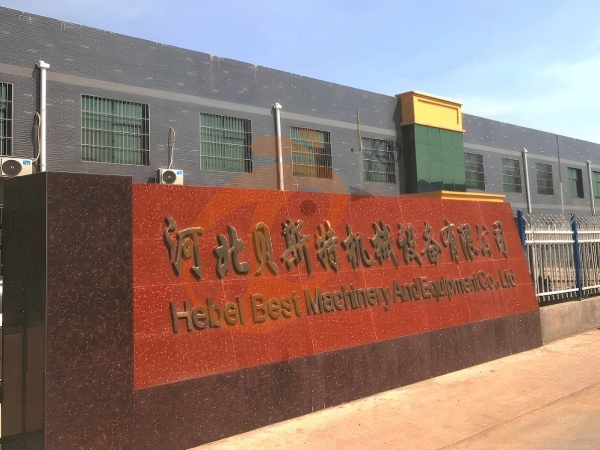
China Hebei Best Machinery And Equipment CO., LTD
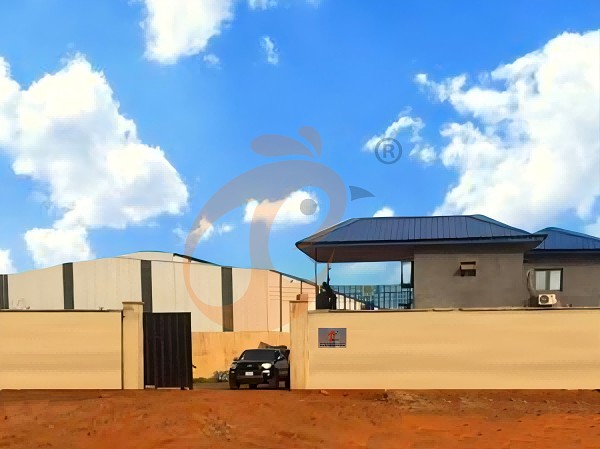
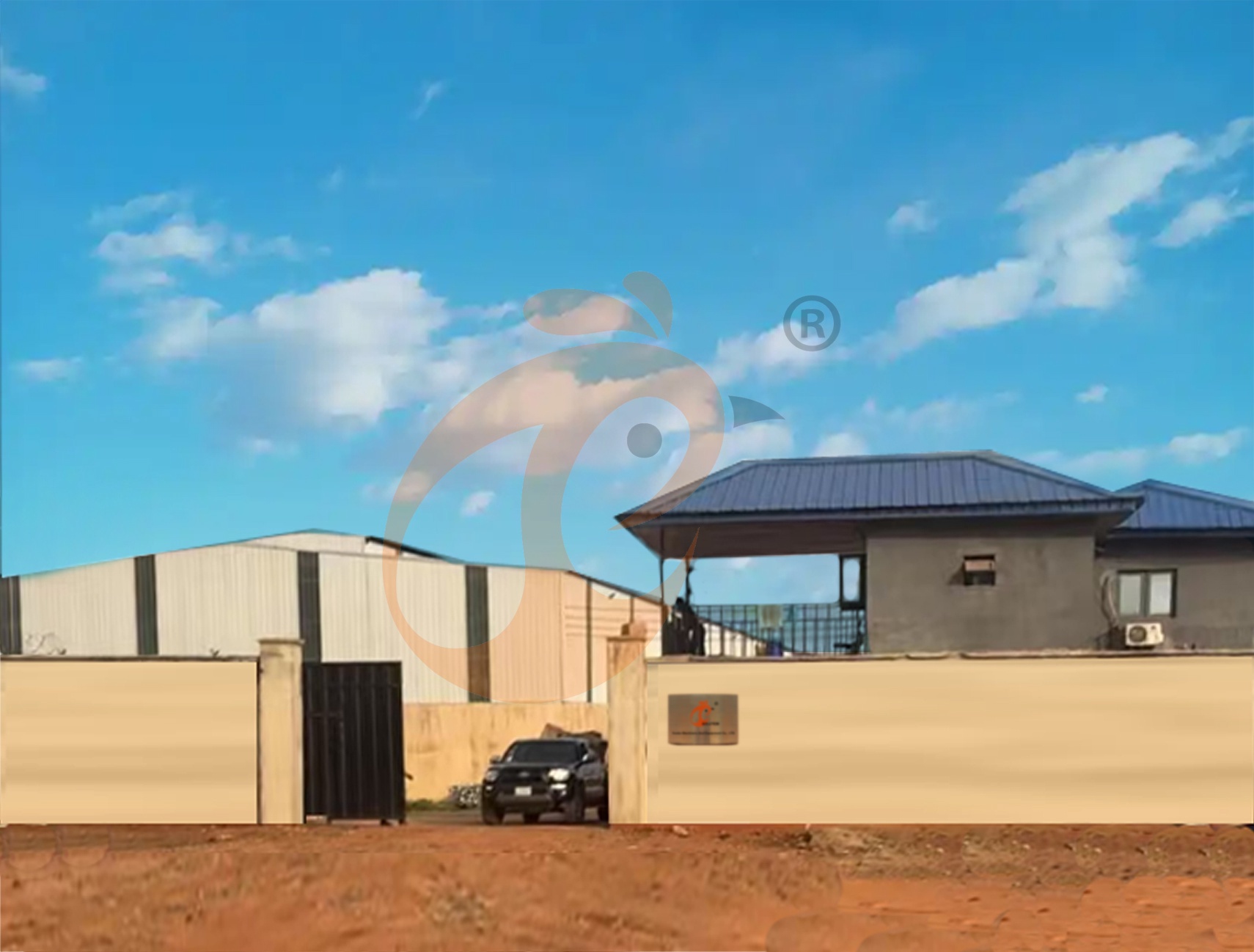
Nigeria Vanke Machinery And Equipment CO., LTD
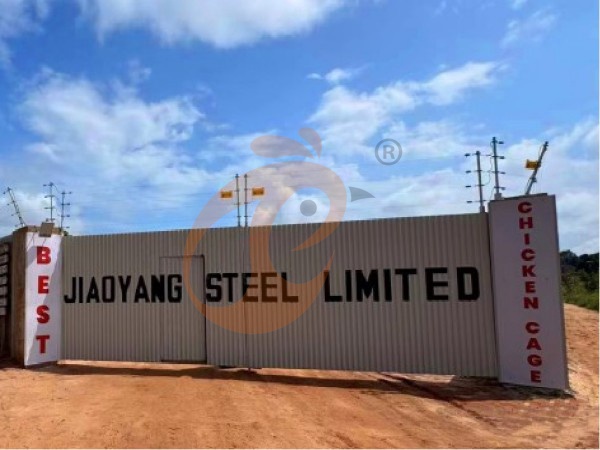
Tanzania Best Machinery And Equipment CO., LTD
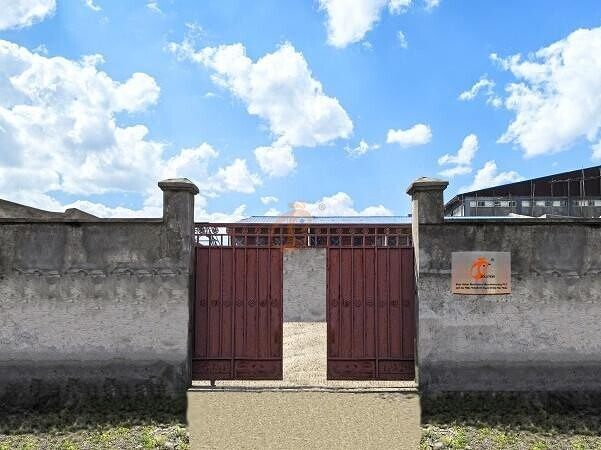
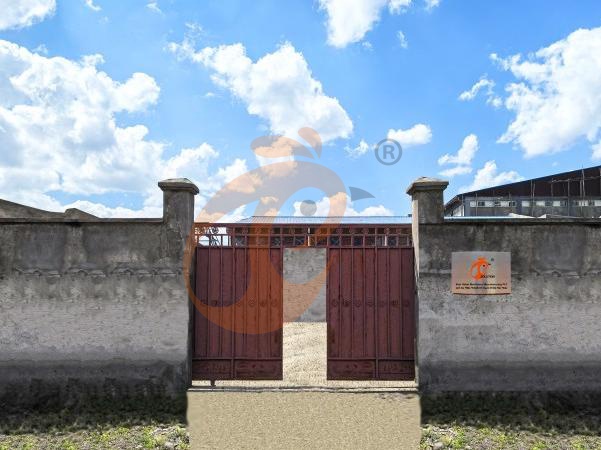
Ethiopia Best Hebei Machinery Manufacturing PLC
Reception /24 WhatsApp NO. : +8618830120193
FAQ
What Growth Performance Indicators Are Expected In Floor Rearing Poultry System?
Feed conversion ratio is maintained at 1.65–1.85 for commercial broilers.
Market slaughter age ranges from 38–45 days depending on breed selection.
What Disease Control Standards Apply In Floor Rearing Poultry System?
Flock vaccination coverage reaches 90%–98% depending on disease prevention program.
Pathogen reduction targets aim for 80%–90% decrease in bacterial load.
What Are The Manure Management Requirements In Floor Rearing Poultry System?
Ammonia emission control targets remain below 15 ppm through regular cleaning cycles.
Dry matter content is maintained above 65% to improve composting efficiency.
Message
Products recommended
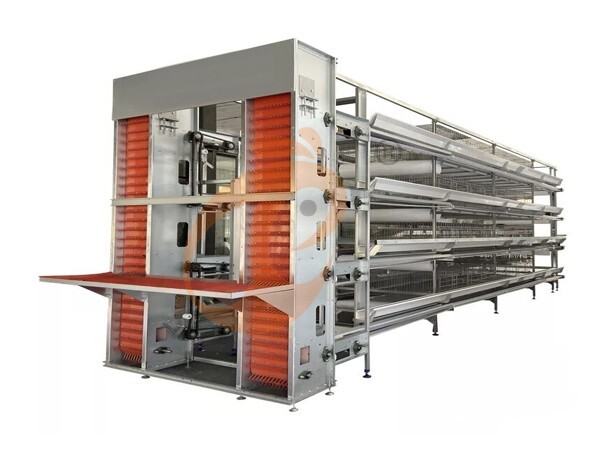
 >30,000 Pullets Automatic H Type Battery Cage1. More than 30,000 pullets a house, choose it.
2. It is designed to rearing older than 1 day old pullets to 12 to 16 weeks old chicken starting laying eggs.
3. Its lifespan is more than 25 years.
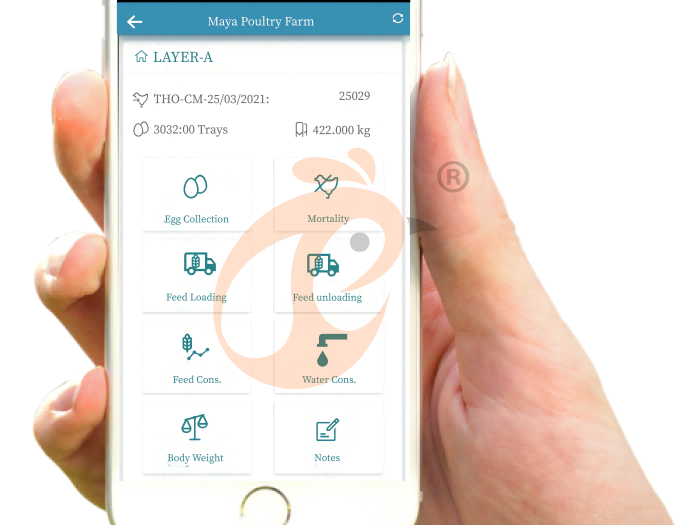
4. Its structure are Vcloud artificial intelligent fusion, electric control cabinet, automatic equipment of drinking, feeding, manure clean, manual harvesting.
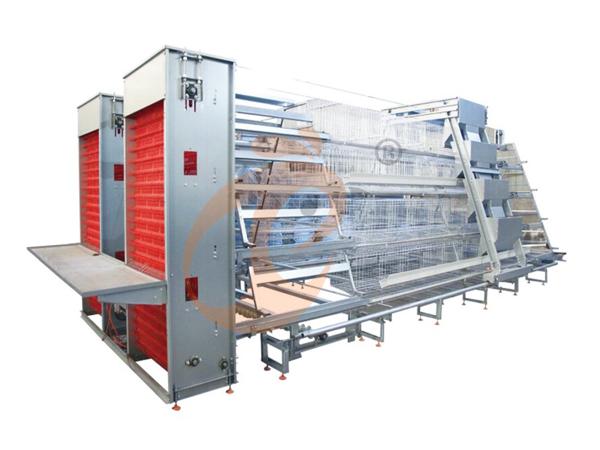
5. Our 24 hour online reception What’sApp NO. is +8618830120193 <30,000 Pullets Automatic A Type Battery Cage1. 10,000 to 30,000 pullets a house, choose it.
2. It is designed to rearing older than 1 day old pullets to 12 to 16 weeks old chicken starting laying eggs.
3. Its lifespan is more than 25 years.
4. Its structure are Vcloud artificial intelligent fusion, electric control cabinet, automatic equipment of drinking, feeding, manure clean, manual harvesting.
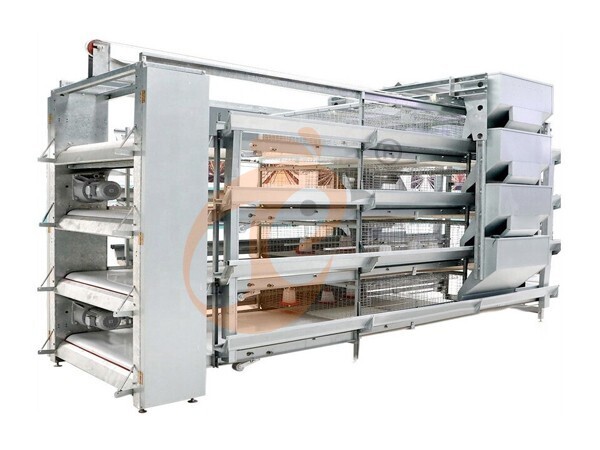
5. Our 24 hour online reception What’sApp NO. is +86 18830120193. >30,000 Broilers Semi-Automatic Harvest H Type Battery Cage1. More than 30,000 broilers a house, choose it.
2. It is designed to rearing 1 to 45 day old adult broiler ready for market.
3. Its lifespan is more than 20 years.
4. Our 24 hour online reception What’sApp NO. is +8618830120193, +234 8111199996. >30,000 Broilers Manual Harvest H Type Battery Cage1. More than 30,000 broilers a house, choose it.
2. It is designed to rearing 1 to 45 day old adult broiler ready for market.
3. Its lifespan is more than 20 years.
4. Its structure are Vcloud artificial intelligent fusion, electric control cabinet, automatic equipment of drinking, feeding and manure clean, manual harvesting.
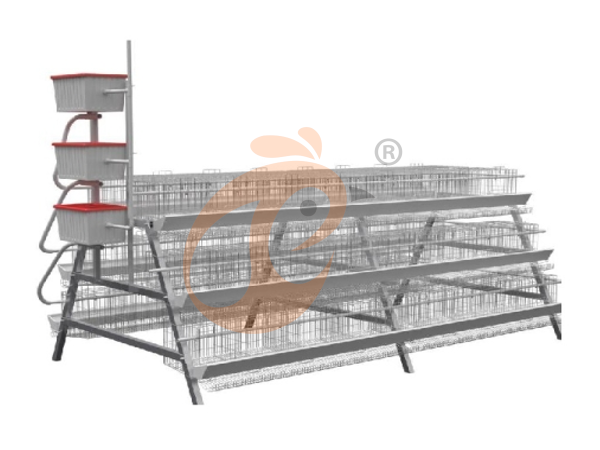
5. Our 24 hour online reception What’sApp NO. is +8618830120193, +234 8111199996. <30,000 Broilers Manual Harvest A Type Battery Cage1. Less 30,000 broilers a house, choose it.
2. It is designed to rearing 1 to 45 day old adult broiler ready for market.
3. Its lifespan is more than 20 years.
4. Its structure are Vcloud artificial intelligent fusion, electric control cabinet, automatic equipment of drinking, feeding and manure clean, manual harvesting.
5. Our 24 hour online reception What’sApp NO. is +8618830120193, +234 8111199996. HK Headquarter Offers EU-standard Poultry Farm Solutions, Manufacture Poultry Farm Equipment1. Continuous communication with the EU and the US
2. China, Nigeria, Ethiopia, Tanzania branch companies and factories
3. The products’ quality is customized for local poultry farms
4. Poultry cage and poultry farm equipment stock for sale
5. 24 online reception Whatsapp NO. : +8618830120193,contact us to get full information China Branch Offer Poultry Farm Business Plan, Manufacture Poultry Farm Equipment1. Address: Flat/RM 2416, 24/F, Runxing Building, Youyi Nan Street, Shijiazhuang City, Hebei Province, China
2. Poultry cage and poultry farm equipment factory and stock for sale
3. Customized for local poultry farms
4. Quality and design are based on Euro
5. 24 online reception Whatsapp NO. : +8618830120193 Nigeria Branch Offer Poultry Farm Business Plan, Manufacture Poultry Farm Equipment1. Address: After Sinoma Office, 200 Meters Near Danco Filling Station, Lagos/Ibadan Expressway, Lagos State, Nigeria
2. Poultry cage and poultry farm equipment factory and stock for sale
3. Customized for Nigerian poultry farms
4. Quality and design are based on Euro
5. 24 online reception Whatsapp NO. : +8618830120193 Ethiopia Branch Offer Poultry Farm Business Plan, Manufacture Poultry Farm Equipment1. Address: Gelan Gura, Akaki-kaliti Sub City, Addis Ababa, Ethiopia
2. Poultry cage and poultry farm equipment stock for sale
3. Customized for Ethiopian poultry farms
4. Quality and design are based on Euro
5. 24 online reception Whatsapp NO. : +8618830120193, contact us to get price list Tanzania Branch Offer Poultry Farm Business Plan, Manufacture Poultry Farm Equipment1. Address: No.8, Sova Road, Msufini, Mlandizi, Kibaha, Pwani, Tanzania
2. Poultry cage and poultry farm equipment factory and stock for sale
3. Customized for Tanzanian poultry farms
4. Quality and design are based on Euro
5. 24 online reception Whatsapp NO. : +8618830120193


Contact