


Blog
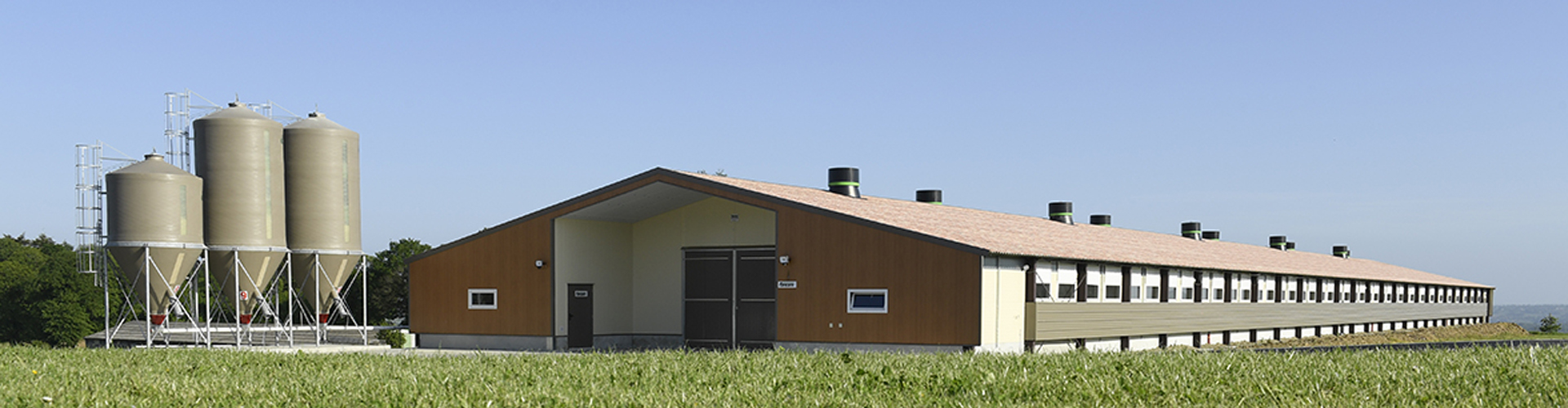
- Free range system for layers integrates housing, feeding, watering, nesting, collection, and manure control for commercial egg production, with 10,000 hens as a practical planning reference.
Automated equipment coordinates daily workflows, reducing repetitive handling while supporting consistent production across multiple management zones and scalable farm layouts.
Feed delivery, water control, nesting, egg collection, ventilation, and manure removal form an integrated equipment chain designed around measurable operating requirements.
Cost analysis connects equipment investment with feed, labor, utilities, packaging, maintenance, and annual egg output for clearer commercial project planning.
- Modular equipment packages support phased expansion, turnkey installation, and technical configuration according to flock size, house dimensions, voltage, and production objectives.
Get professional poultry farm construction guidance, equipment selection solutions, and the latest price lists, whatsApp to +8618830120193, click to learn more:
Start With The Production Equation
Free range system for layers is not simply about giving hens outdoor access; housing, feeding, watering, nesting, manure handling, and egg collection must operate as one equipment chain.
A properly configured free range layer housing system can reduce daily manual intervention to 3 scheduled inspection rounds while keeping equipment access consistent across the flock.
For equipment buyers, the key question is not only flock capacity, but how efficiently the automatic layer feeding system converts labor, feed, water, and floor area into saleable eggs.
Our free range system for layers solutions use modular expansion, with individual production zones adaptable to farms operating for 6–12 hours of active daily management.
System Configuration: What The Farm Actually Needs
Data is for reference only.Swipe horizontally to view full table.
Free range system for layers requires coordinated equipment because weak links can become production bottlenecks.
Poor feeder positioning can increase feed wastage, while poorly maintained drinkers can contaminate water; extension guidance emphasizes correct equipment height, sanitation, and continuous access.
The automatic layer feeding system and free range layer housing system should therefore be specified together rather than purchased as isolated components.
Egg Production Capacity: Build From The Flock Backward
Start free range system for layers planning with intended egg output, then work backward to determine feeding, drinking, nesting, ventilation, collection, and manure-management requirements.
A 10,000-hen project can be divided into dedicated production zones, allowing an egg collection system for layers and supporting equipment to be priced before construction begins.
Data is for reference only.Swipe horizontally to view full table.
This model demonstrates why free range system for layers should be selected as a complete system rather than isolated products.
A farm producing 255,000 eggs/month needs coordinated feed delivery, water distribution, nesting, and collection to maintain an organized production workflow.
The Equipment Workflow: From Feed To Egg
Step 1 — Feed delivery
Free range system for layers transfers feed from storage into the automatic layer feeding system, where controlled distribution supplies each feeding zone.
A 2.2–3.0 kW drive system can be specified according to line length and layout.
Step 2 — Water delivery
The water system supplies drinking points along the house while regulators maintain stable pressure.
A correctly designed pressure-control assembly can operate around 0.15–0.30 MPa, depending on selected components.
Step 3 — Nesting
Free range system for layers uses dedicated nest areas to reduce scattered eggs throughout litter and guide eggs toward controlled collection.
Step 4 — Collection
The egg collection system for layers transfers eggs toward the collection point, where workers can inspect, grade, and package them.
Step 5 — Manure management
Scrapers or belts move manure away from active bird areas, supporting cleaner flooring and scheduled cleaning procedures.
Feeding System: The First Cost-Control Point
Feed represents a major component of commercial egg-production cost, and housing-system research shows that feed cost per dozen can vary with housing design.
For free range system for layers, the automatic layer feeding system combines silo, auger, hopper, controller, pan feeders, and sensors into one engineered package.
Data is for reference only.Swipe horizontally to view full table.
Automated feeding creates measurable equipment value because free range system for layers can incorporate silo, auger, hopper, controller, pan feeders,
sensors, and installation accessories.
For farms operating 2 feeding cycles/day, centralized control provides a more consistent routine than manually filling individual feeders.
Water Management: Engineer Access, Not Just Supply
Free range system for layers requires clean, accessible water and correctly positioned drinkers because water delivery directly supports organized layer management.
The water system should be engineered as a complete package rather than treated as a simple nipple product.
Data is for reference only.Swipe horizontally to view full table.
A modular free range system for layers water line can support 8–12 independent zones, allowing operators to isolate sections during cleaning, maintenance, or
flock management.
The configuration also allows the automatic layer feeding system and drinking network to remain independently serviceable during routine operation.
Nesting And Egg Collection: Where Automation Becomes Visible
Free range system for layers creates a specific equipment challenge because eggs must be collected efficiently while nests remain suitable for laying activity.
Nest design, bedding management, and egg handling therefore become central considerations when specifying an egg collection system for layers.
Data is for reference only.Swipe horizontally to view full table.
A well-integrated free range system for layers can shorten the physical distance between nest and packing area to 5–15 m, reducing repeated manual carrying.
For premium free-range eggs, controlled equipment handling supports a cleaner and more organized post-lay workflow.
Free-Range House Layout: Sell The Complete Project
Instead of selling individual machines, free range system for layers suppliers can offer a house + equipment + range access solution.
Internal design should separate feeding, nesting, drinking, resting, and access routes so equipment does not obstruct bird movement.
A practical project can use 4–6 management zones, with each zone independently equipped for feed, water, inspection, and maintenance.
Data is for reference only.Swipe horizontally to view full table.
The free range system for layers modular structure gives customers a practical path for expansion without redesigning the entire equipment architecture.
A modular house can therefore be expanded in 500–1,000-hen increments, subject to local design and welfare requirements.
Cost Analysis: Separate Operating Cost From Equipment Investment
Free range system for layers economics should separate equipment investment from recurring expenses because feed, labor, pullets, utilities, packaging, and
maintenance interact within the production model.
Published commercial research found that housing-system economics can differ because labor, pullet, feed, and capital costs interact rather than moving independently.
Data is for reference only.Swipe horizontally to view full table.
European union standard reference only.
These figures are a planning example rather than a universal free range system for layers quotation.
Actual costs depend on feed prices, wages, pullet pricing, local regulations, egg prices, mortality, energy tariffs, and equipment configuration.
Return On Investment Framework: Make The Equipment Investment Measurable
For free range system for layers suppliers, a strong sales proposal connects equipment investment with labor reduction, egg handling, maintenance, and
production continuity.
Use this four-line calculation
Annual egg revenue
− annual operating expenditure
= annual operating contributionAnnual operating contribution
÷ equipment investment
= simple annual equipment return indicator
If automated equipment saves 1,200 labor hours/year, the customer can assign a monetary value using the local hourly labor rate.
This makes the automatic layer feeding system and egg collection system for layers easier to evaluate than presenting machinery only through purchase price.
Why A Complete Equipment Package Sells Better
Customer problem → equipment response → measurable operating benefit
- Manual feeding → automatic layer feeding system → standardized feed distribution.
- Open water containers → nipple drinking system → controlled water delivery.
- Floor-laid eggs → roll-away nest → centralized egg collection.
- Manual egg carrying → egg collection system for layers → shorter handling route.
- Accumulated manure → scraper/belt system → scheduled removal.
- Uncontrolled climate → ventilation controller → automatic fan operation.
Free range system for layers packages give customers practical reasons to purchase coordinated equipment rather than individual components.
A complete package can connect 6 major equipment modules through one project design while each module remains replaceable for future maintenance.
Equipment Supplier Checklist: From Inquiry To Installation
Before quotation, confirm the 8 core project inputs: flock size, house dimensions, outdoor range arrangement, automation level, local voltage, water source,
egg-collection method, and production schedule.
Before manufacturing, finalize free range system for layers equipment layouts, pipeline routes, electrical points, service aisles, and spare-parts lists.
The quotation should specify every motor, controller, pipe, feeder, nipple, nest module, conveyor, sensor, and installation accessory rather than presenting one
unexplained package price.
Before shipment, verify installation drawings, wiring diagrams, operating instructions, maintenance schedules, and replacement-part recommendations.
A professional free range system for layers supplier can convert a farm project into a repeatable equipment solution through engineering, manufacturing,
installation, and after-sales coordination.
Frequently Asked Questions
Q1: What equipment is essential for a free range system for layers?
A complete system normally includes feeding, drinking, nesting, egg collection, ventilation, and manure-management equipment.
A 10,000-hen project can be configured into several independently managed zones.
Q2: How does an automatic layer feeding system affect farm operations?
Automated feeding reduces repetitive manual distribution and creates consistent feed access across production areas.
A system operating 2 feeding cycles/day can also support standardized daily management.
Q3: Why is an egg collection system for layers important?
Centralized egg transfer reduces repeated manual carrying and creates a defined route from nests toward inspection and packing.
A collection system rated around 1,000–1,500 eggs/h can be integrated according to project requirements.
Taiyu (HK) Group - One Of China Largest Free Range System Manufacturer
Free range system for layers integrates automated feeding, nipple drinking, roll-away nesting, egg collection, ventilation, and manure handling with modular equipment configurations.
Global factory-direct poultry equipment supply covers engineering design, manufacturing, quality inspection, component integration, and international project coordination.
Turn-key engineering connects house layout, equipment installation, electrical configuration, water pipelines, commissioning, operator training, and technical documentation.
Project packages support commercial farms requiring scalable equipment, coordinated production zones, spare parts, and structured after-sales service.
Free range system for layers configurations can be engineered around flock capacity, building dimensions, local utilities, operating procedures, and customer production targets.
Contact Us To Received Your Customized Poultry Farm Plan
Headquarters And Branchs
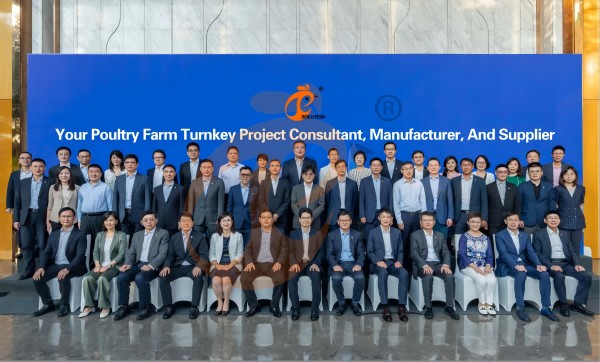
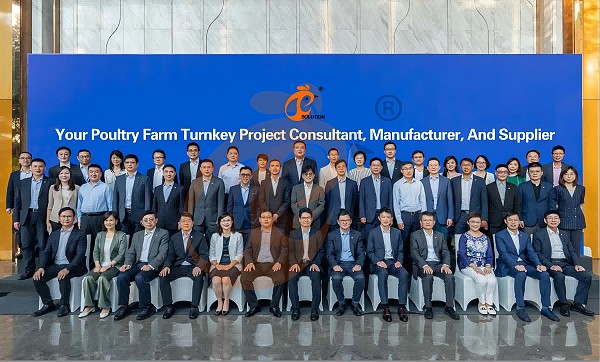
Hong Kong Headquarter Management Team
Hong Kong Headquarter Taiyu Industrial Group CO., LTD
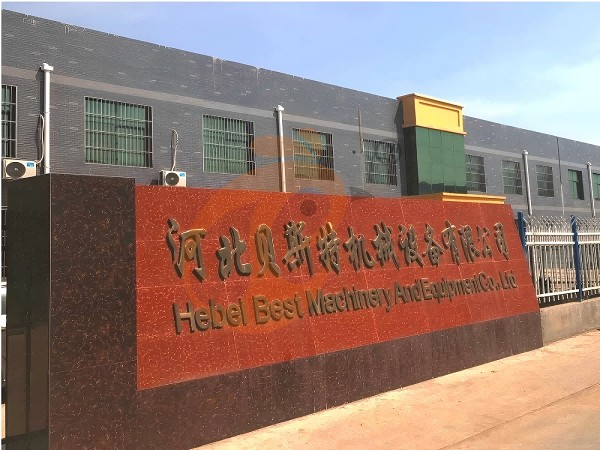
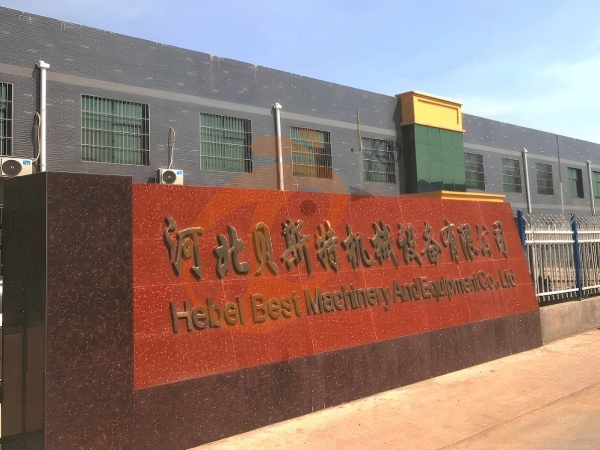
China Hebei Best Machinery And Equipment CO., LTD
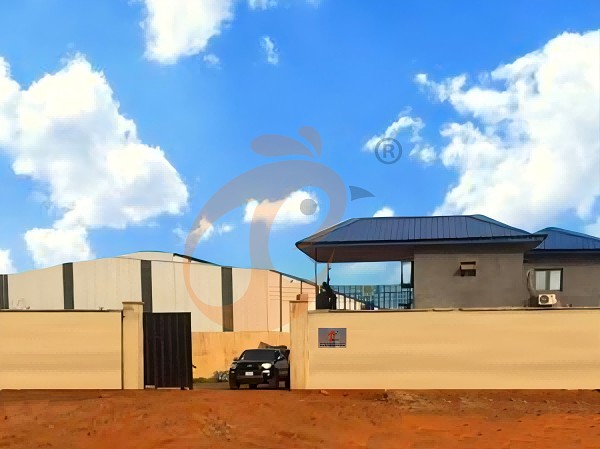
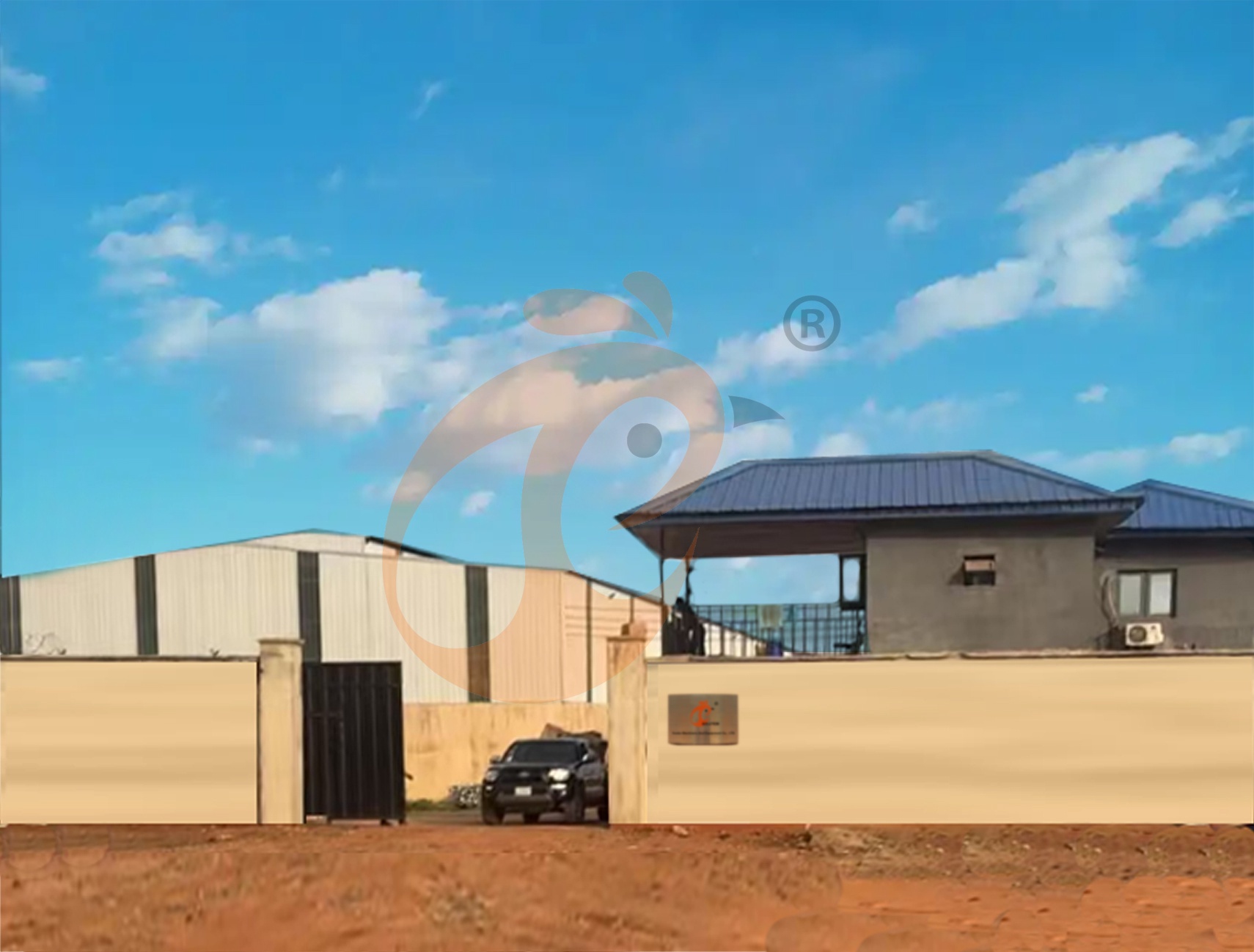
Nigeria Vanke Machinery And Equipment CO., LTD
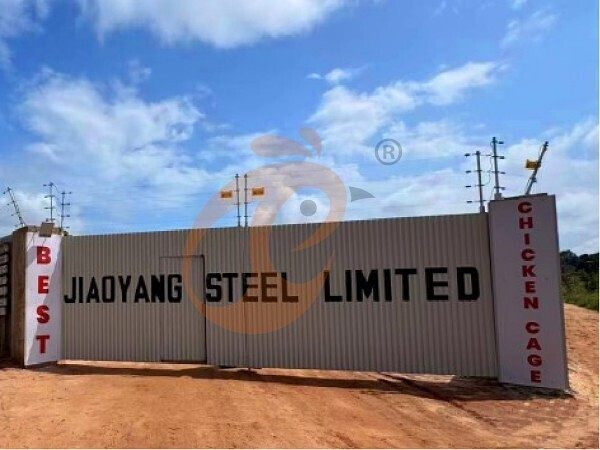
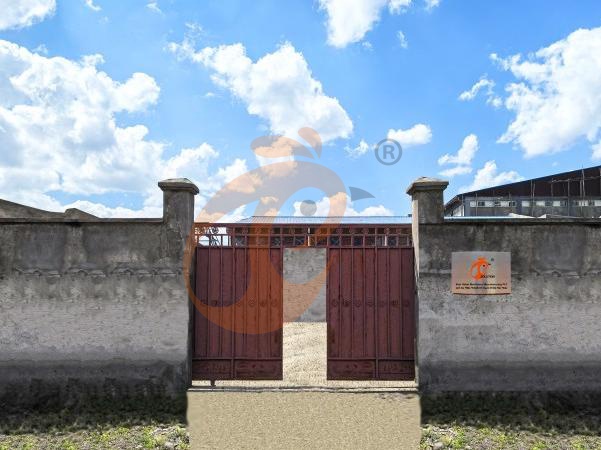
Tanzania Best Machinery And Equipment CO., LTD
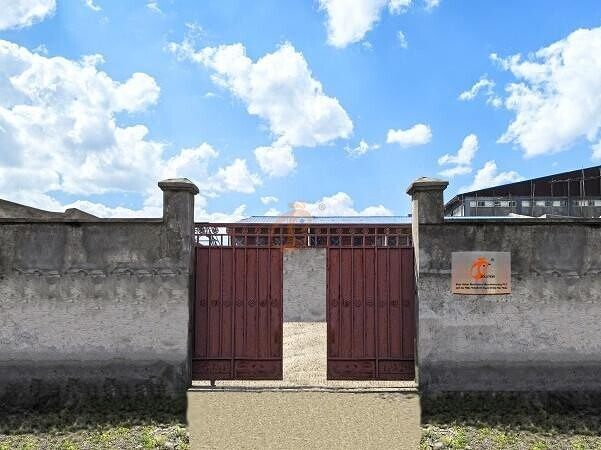
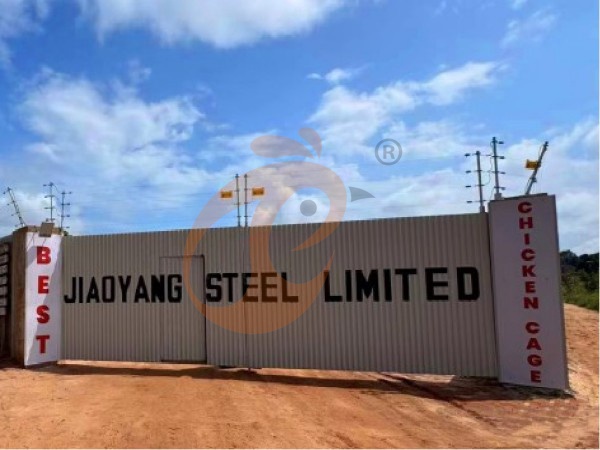
Ethiopia Best Hebei Machinery Manufacturing PLC
Reception /24 WhatsApp NO. : +8618830120193
FAQ
How Does Free Range System Affect Feed Consumption?
Energy expenditure increases daily intake variation by 15%–22% across seasons.
Feed conversion efficiency ranges from 1.9–2.3 depending on grazing intensity.
What Are The Housing Transition Management Standards In Free Range Poultry System?
Indoor-outdoor transition time is controlled within 10–15 minutes per flock movement cycle.
Lighting guidance systems operate at 5–8 lux to direct flock movement behavior.
What Are The Seasonal Adaptation Strategies In Free Range Poultry System?
Summer shade coverage is increased to 60%–80% of grazing area for heat stress reduction.
Rainfall drainage capacity handles 25–40 mm per hour precipitation levels for land usability.
Message
Products recommended
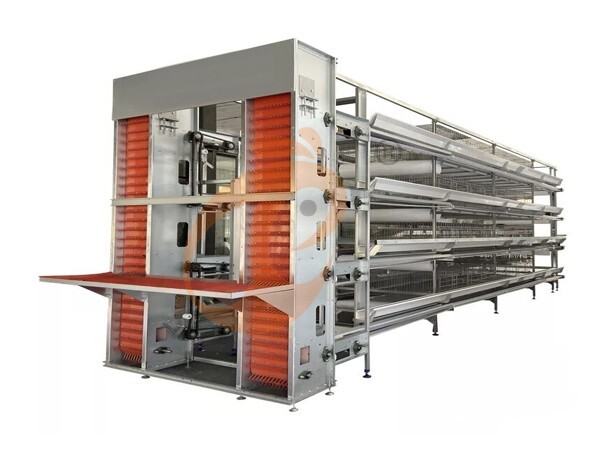
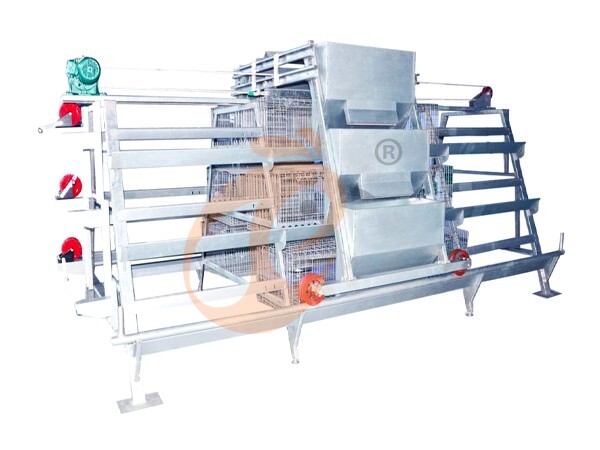
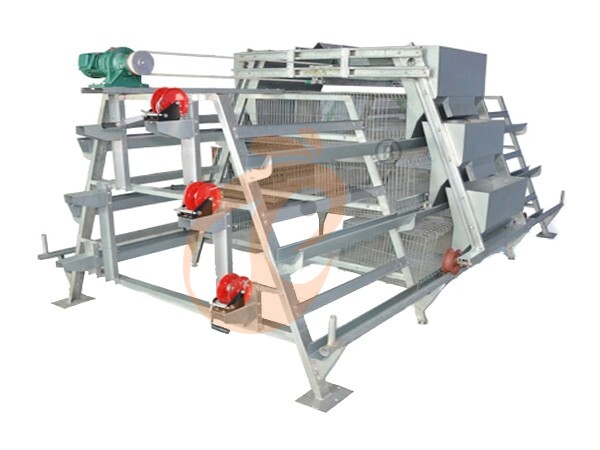
 >30,000 Pullets Automatic H Type Battery Cage1. More than 30,000 pullets a house, choose it.
2. It is designed to rearing older than 1 day old pullets to 12 to 16 weeks old chicken starting laying eggs.
3. Its lifespan is more than 25 years.
4. Its structure are Vcloud artificial intelligent fusion, electric control cabinet, automatic equipment of drinking, feeding, manure clean, manual harvesting.
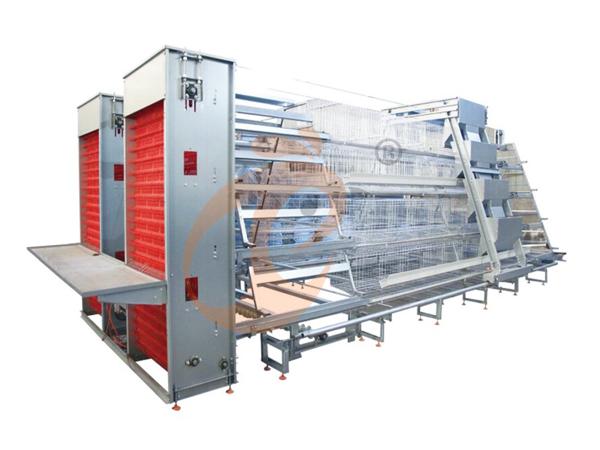
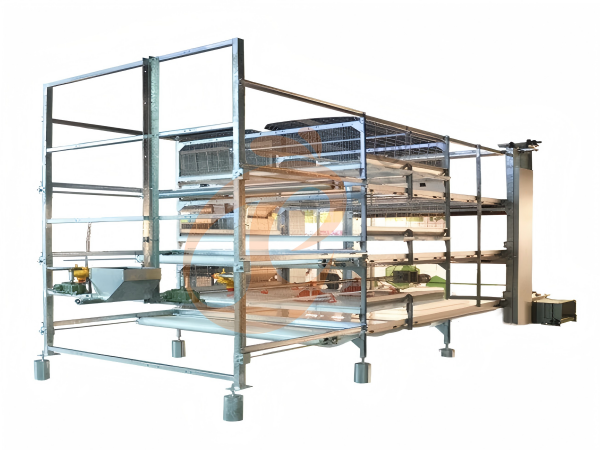
5. Our 24 hour online reception What’sApp NO. is +8618830120193 <30,000 Pullets Automatic A Type Battery Cage1. 10,000 to 30,000 pullets a house, choose it.
2. It is designed to rearing older than 1 day old pullets to 12 to 16 weeks old chicken starting laying eggs.
3. Its lifespan is more than 25 years.
4. Its structure are Vcloud artificial intelligent fusion, electric control cabinet, automatic equipment of drinking, feeding, manure clean, manual harvesting.
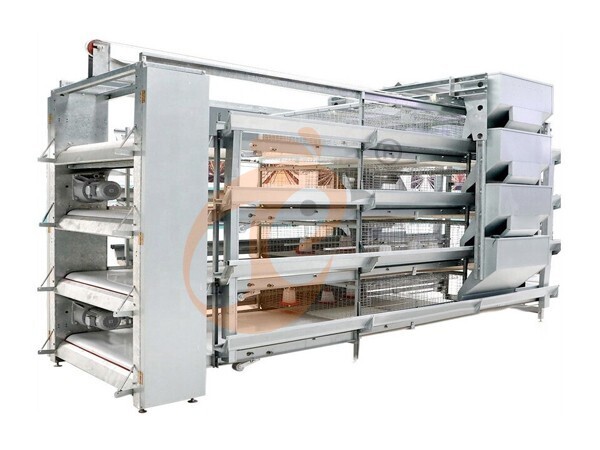
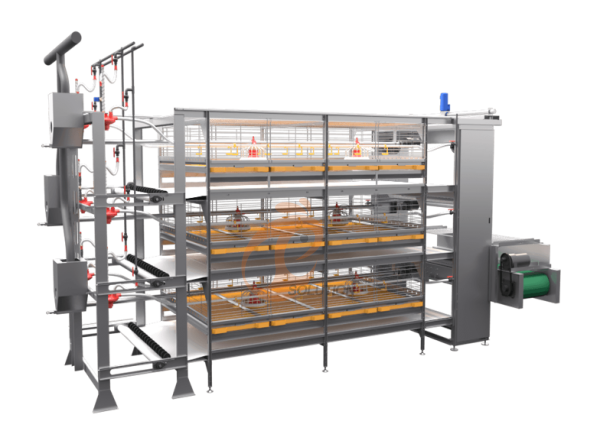
5. Our 24 hour online reception What’sApp NO. is +86 18830120193. >30,000 Broilers Semi-Automatic Harvest H Type Battery Cage1. More than 30,000 broilers a house, choose it.
2. It is designed to rearing 1 to 45 day old adult broiler ready for market.
3. Its lifespan is more than 20 years.
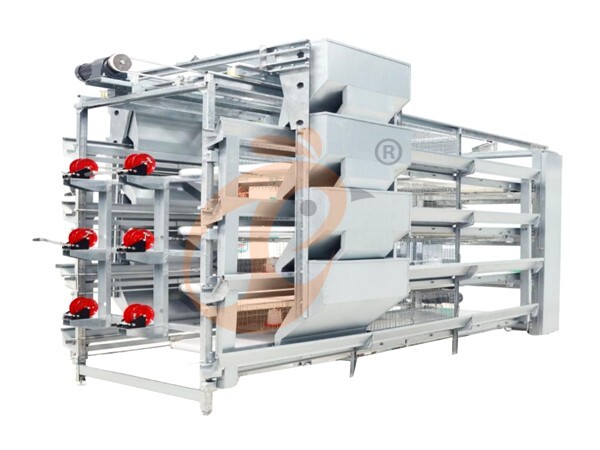
4. Our 24 hour online reception What’sApp NO. is +8618830120193, +234 8111199996. >30,000 Broilers Manual Harvest H Type Battery Cage1. More than 30,000 broilers a house, choose it.
2. It is designed to rearing 1 to 45 day old adult broiler ready for market.
3. Its lifespan is more than 20 years.
4. Its structure are Vcloud artificial intelligent fusion, electric control cabinet, automatic equipment of drinking, feeding and manure clean, manual harvesting.
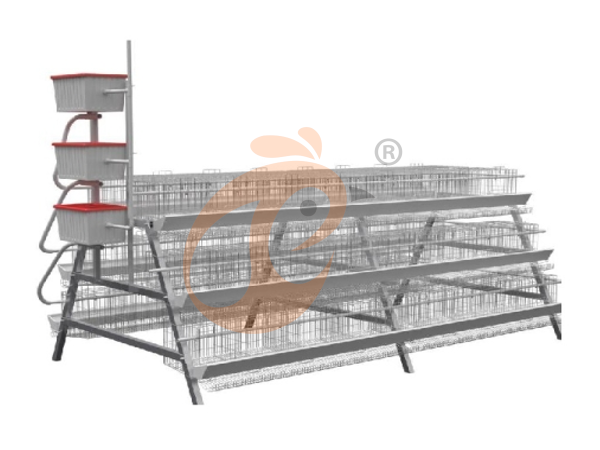
5. Our 24 hour online reception What’sApp NO. is +8618830120193, +234 8111199996. <30,000 Broilers Manual Harvest A Type Battery Cage1. Less 30,000 broilers a house, choose it.
2. It is designed to rearing 1 to 45 day old adult broiler ready for market.
3. Its lifespan is more than 20 years.
4. Its structure are Vcloud artificial intelligent fusion, electric control cabinet, automatic equipment of drinking, feeding and manure clean, manual harvesting.
5. Our 24 hour online reception What’sApp NO. is +8618830120193, +234 8111199996. HK Headquarter Offers EU-standard Poultry Farm Solutions, Manufacture Poultry Farm Equipment1. Continuous communication with the EU and the US
2. China, Nigeria, Ethiopia, Tanzania branch companies and factories
3. The products’ quality is customized for local poultry farms
4. Poultry cage and poultry farm equipment stock for sale
5. 24 online reception Whatsapp NO. : +8618830120193,contact us to get full information China Branch Offer Poultry Farm Business Plan, Manufacture Poultry Farm Equipment1. Address: Flat/RM 2416, 24/F, Runxing Building, Youyi Nan Street, Shijiazhuang City, Hebei Province, China
2. Poultry cage and poultry farm equipment factory and stock for sale
3. Customized for local poultry farms
4. Quality and design are based on Euro
5. 24 online reception Whatsapp NO. : +8618830120193 Nigeria Branch Offer Poultry Farm Business Plan, Manufacture Poultry Farm Equipment1. Address: After Sinoma Office, 200 Meters Near Danco Filling Station, Lagos/Ibadan Expressway, Lagos State, Nigeria
2. Poultry cage and poultry farm equipment factory and stock for sale
3. Customized for Nigerian poultry farms
4. Quality and design are based on Euro
5. 24 online reception Whatsapp NO. : +8618830120193 Ethiopia Branch Offer Poultry Farm Business Plan, Manufacture Poultry Farm Equipment1. Address: Gelan Gura, Akaki-kaliti Sub City, Addis Ababa, Ethiopia
2. Poultry cage and poultry farm equipment stock for sale
3. Customized for Ethiopian poultry farms
4. Quality and design are based on Euro
5. 24 online reception Whatsapp NO. : +8618830120193, contact us to get price list Tanzania Branch Offer Poultry Farm Business Plan, Manufacture Poultry Farm Equipment1. Address: No.8, Sova Road, Msufini, Mlandizi, Kibaha, Pwani, Tanzania
2. Poultry cage and poultry farm equipment factory and stock for sale
3. Customized for Tanzanian poultry farms
4. Quality and design are based on Euro
5. 24 online reception Whatsapp NO. : +8618830120193


Contact