


Blog
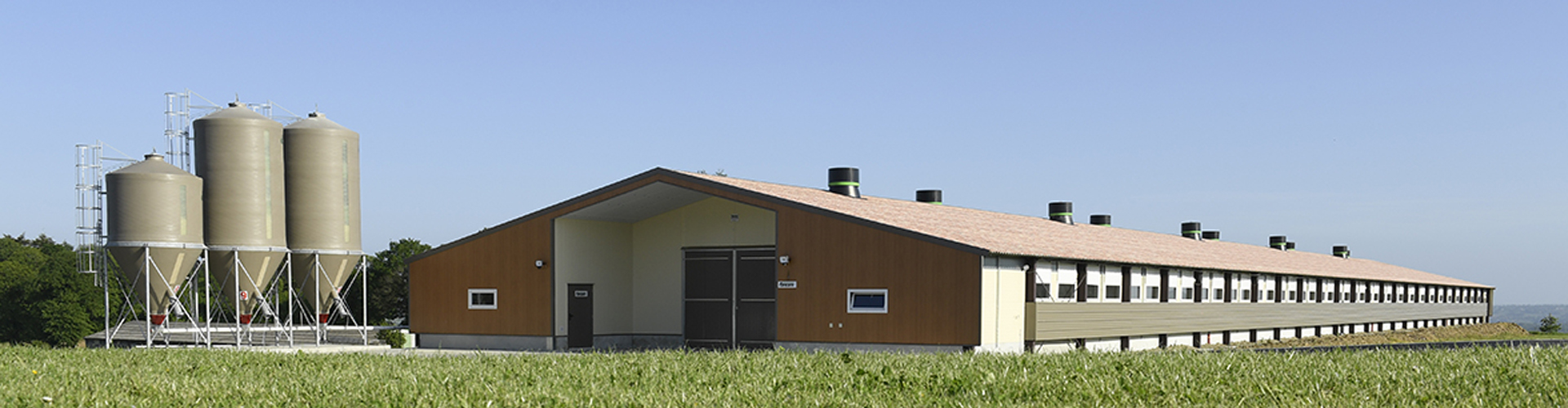
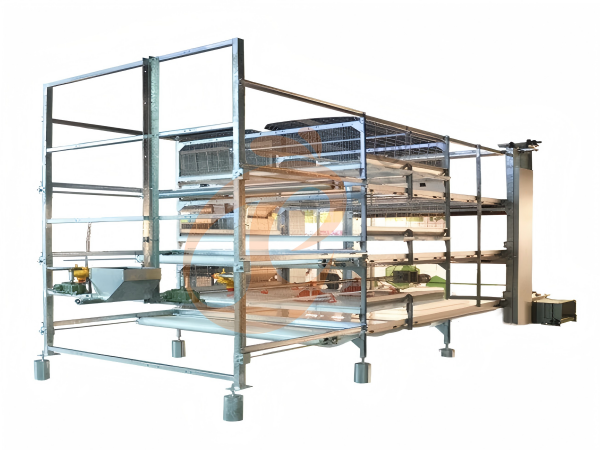
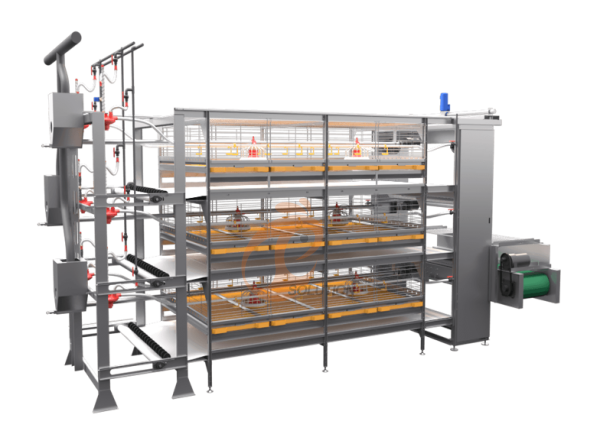
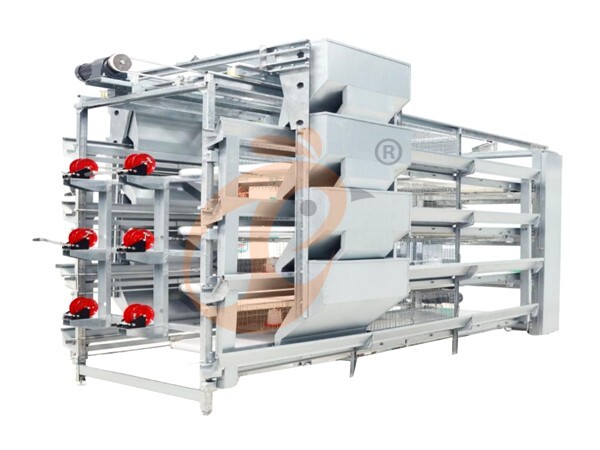
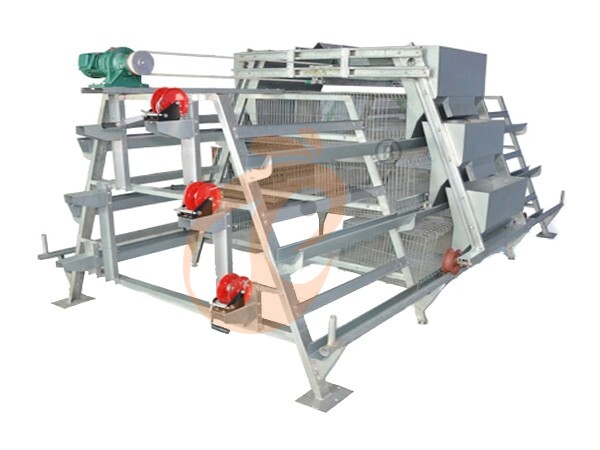
Battery cage for layers anchors commercial housing design, combining cage architecture with feeding, drinking, manure, egg collection, and automation into one coordinated production platform.
Structural engineering, corrosion protection, floor geometry, and load distribution establish dependable equipment performance across demanding poultry-house operating cycles.
Capacity planning connects flock targets with building dimensions, service access, ventilation, and equipment corridors before procurement decisions are finalized accurately.
Automatic layer cage systems integrate feeding, watering, manure handling, and egg transfer to reduce repetitive labor while improving process consistency.
Supplier capability completes the project through drawings, manufacturing, installation support, commissioning, spare parts, and turn-key poultry equipment engineering.
Get professional poultry farm construction guidance, equipment selection solutions, and the latest price lists, whatsApp to +8618830120193, click to learn more:
Start With Engineering Data, Not A Product Photo
When selecting a battery cage for layers, the first step should be converting the farm requirement into measurable engineering data.
A commercial layer project may require a design service capable of handling 1,000–100,000 birds, while the final cage arrangement should be calculated from actual building dimensions, production targets, ventilation planning, and equipment configuration.
A qualified supplier should provide more than a layer chicken cage quotation.
The technical package should include layout drawings, equipment lists, installation instructions, and electrical requirements.
For international projects, a complete quotation should also identify equipment configuration to an accuracy of ±1% in quantity, allowing buyers to compare automatic layer cage systems through consistent technical documentation.
Criterion 1 — Cage Structure And Material Specifications
Data is for reference only.Swipe horizontally to view full table.
Structural specifications directly determine how a battery cage for layers maintains geometry during long-term operation.
Published commercial cage specifications commonly use galvanized steel construction, with wire and frame dimensions selected according to individual cage components and loading conditions.
A professional layer chicken cage supplier should disclose material specifications rather than relying on appearance-based descriptions.
An automatic layer cage system also requires dimensional consistency between cage frames and connected equipment.
Criterion 2 — Cage Capacity And House Layout
Data is for reference only.Swipe horizontally to view full table.
Capacity should be calculated together with house width, service aisles, equipment corridors, and ventilation arrangement for a complete battery cage for layers project.
Published manufacturer specifications show substantial configuration differences between cage types and tier arrangements, making project-specific layout engineering essential.
An experienced layer chicken cage manufacturer can generate drawings according to actual house geometry instead of applying one standard arrangement.
For an automatic layer cage system, building dimensions should be confirmed before manufacturing begins.
Build The Layout Before You Compare The Quotation
A professional purchasing process should begin with a digital or CAD-based house layout for the battery cage for layers installation.
For example, a 120 m poultry house can be divided into equipment rows, service passages, end-drive areas, and manure-transfer zones before final cage quantities are calculated.
This method exposes hidden costs before an automatic layer cage system enters production.
If the supplier changes row configuration after ordering, feeding lines, manure conveyors, electrical cable routes, and ventilation arrangements may all require modification.
Requesting complete drawings before purchasing a layer chicken cage therefore creates a more reliable engineering basis for quotation comparison.
Criterion 3 — Automatic Feeding System
Data is for reference only.Swipe horizontally to view full table.
Automatic feeding should be evaluated according to the complete delivery path from silo to cage trough in a battery cage for layers project.
Commercial systems may combine silos, augers, chain feeders, hoppers, and control panels according to house length and flock requirements.
A correctly engineered layer chicken cage feeding package should maintain consistent mechanical interfaces between cage rows and feed-distribution equipment.
For an automatic layer cage system, electrical control logic should also coordinate scheduled feeding operations with farm management procedures.
Criterion 4 — Drinking System Engineering
Data is for reference only.Swipe horizontally to view full table.
The drinking line should be designed as part of the battery cage for layers package rather than purchased as an unrelated accessory.
A typical commercial system combines nipple drinkers with pressure regulation and filtration, while actual water delivery should be adjusted according to bird age, nipple model, and local water quality.
A professional layer chicken cage supplier can position water components during cage assembly to simplify installation.
An automatic layer cage system should also allow inspection access for regulators, filters, and water-line connections.
Criterion 5 — Manure Removal And Maintenance Access
Manure handling is where equipment design directly affects daily labor within a battery cage for layers house.
A properly engineered system should provide a clear route from every cage tier toward the collection point, while maintenance personnel need access to drive units, rollers, scrapers, and belt-cleaning components.
For example, an automatic layer cage package can use a 1.0–1.2 mm belt thickness, while the drive mechanism can be positioned for inspection without dismantling the cage structure.
These details should appear in the supplier's equipment drawings rather than being left to installation personnel working with a layer chicken cage system.
Manure Removal System: Compare The Mechanical Specification
Data is for reference only.Swipe horizontally to view full table.
Commercial manure systems commonly use PP/PVC belts beneath individual cage tiers, with belt width, motor power, and operating speed selected according to row length and manure load.
For a battery cage for layers project, manure-transfer routes should be coordinated with building exits and collection points during the layout stage.
A complete layer chicken cage solution can integrate manure equipment with the cage frame and electrical controls.
Such coordination allows an automatic layer cage system to operate as one mechanical package instead of several independent installations.
Criterion 6 — Egg Collection And Product Handling
Data is for reference only.Swipe horizontally to view full table.
Egg collection should be evaluated together with cage-floor geometry and downstream conveyor design.
Published equipment specifications include reinforced PP egg belts and rated collection capacities reaching 20,000–40,000 eggs per hour, depending on system configuration.
For a battery cage for layers project, the egg-transfer route should be incorporated into the original house layout.
A complete layer chicken cage package can connect cage-level collection with centralized handling equipment.
An automatic layer cage system therefore becomes a coordinated production line rather than an isolated cage product.
Turn Automation Into A Complete Electrical System
Automation becomes commercially valuable when individual machines operate as one controlled system within a battery cage for layers project.
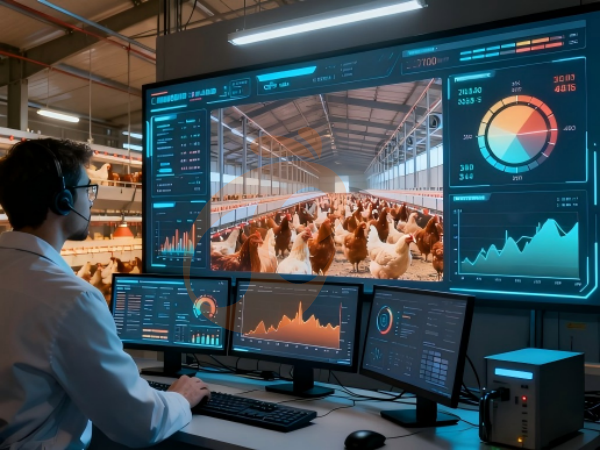
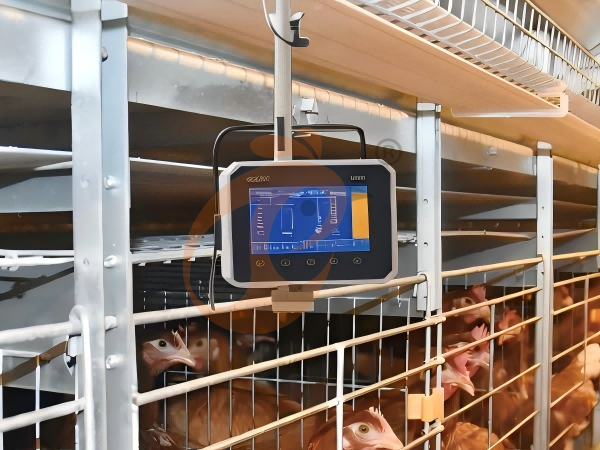
A complete package can connect feeding, drinking monitoring, manure removal, egg collection, ventilation, lighting, and alarm functions through centralized control architecture.
For an export project, the supplier should confirm electrical standards before manufacturing.
A typical equipment package may be designed for 220 V or 380 V, while the control cabinet should document motor ratings, overload protection, emergency-stop circuits, and cable requirements for every major machine.
European union standard reference only.
For an automatic layer cage system, electrical interfaces should be coordinated before shipment to minimize installation modifications.
Supplier Qualification: Verify The Factory Behind The Equipment
Data is for reference only.Swipe horizontally to view full table.
A supplier's engineering capability should be verified before the purchase order is issued for a battery cage for layers project.
Ask for technical drawings, component lists, factory inspection records, installation references, and spare-parts documentation rather than evaluating a layer chicken cage supplier solely from product photographs.
An automatic layer cage system requires coordination between mechanical, electrical, and installation teams.
Why The Supplier's Engineering Package Matters
A cage is not an isolated steel product; a battery cage for layers serves as the structural platform for feeding, watering, manure handling, egg collection, and environmental-control equipment.
A supplier that coordinates these systems can reduce interface problems during installation and commissioning.
For project planning, buyers should request a complete equipment schedule at least 30 days before installation, allowing time to confirm civil works, electrical connections, water lines, and equipment foundations.
A well-prepared automatic layer cage system supplier can also provide commissioning support and technical training, turning a cage purchase into a complete poultry equipment solution.
For farms planning a new house or upgrading an existing facility, a professional layer chicken cage manufacturer can integrate battery cages, automatic feeding, nipple drinking, manure belts, egg collection conveyors, and electrical controls into one project package.
Frequently Asked Questions
Q1: What should buyers check first when purchasing a battery cage for layers?
Start with structural specifications, house layout, flock capacity, and equipment interfaces.
A professional battery cage for layers project should also verify technical drawings before production, with cage configurations commonly requiring project-specific engineering rather than fixed catalog selection.
Q2: Can a battery cage for layers be integrated with automatic feeding and manure systems?
Yes.
A battery cage for layers can be configured with automatic feeding, nipple drinking, manure removal, and egg collection equipment.
For an automatic layer cage system, electrical and mechanical interfaces should be confirmed before manufacturing so installation can follow the approved layout.
Q3: Why should buyers purchase the cage and poultry equipment from one supplier?
A single engineering interface can coordinate cage dimensions, feeding routes, manure discharge, egg collection, and electrical controls.
For a layer chicken cage project, integrated procurement can also simplify commissioning and spare-parts management.
Taiyu (HK) Group - One Of China Toppest Battery Cage For Layers Manufacturer
Battery cage for layers provides a commercial housing platform using galvanized steel structures, integrated cage tiers, feeding interfaces, drinking lines, manure handling, and egg collection for engineered layer-house configurations.
Global factory-direct supply covers battery cages and complete poultry equipment, with manufacturing coordination from component fabrication through inspection, packing, and international shipment.
Turn-key engineering combines automatic feeding, nipple drinking, manure removal, egg collection, ventilation interfaces, electrical control, installation guidance, and commissioning documentation within one project workflow.
Project engineering supports new poultry houses, farm expansions, and equipment upgrades through layout development, equipment schedules, technical drawings, installation coordination, and spare-parts planning.
International customers receive a single technical-commercial interface for equipment specification, production coordination, export documentation, installation support, and long-term poultry equipment service.
Contact Us To Received Your Customized Poultry Farm Plan
Headquarters And Branchs

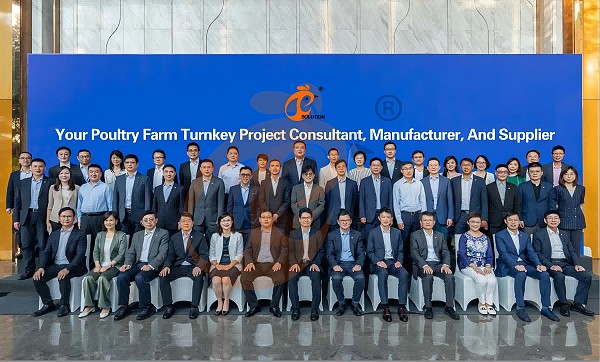
Hong Kong Headquarter Management Team
Hong Kong Headquarter Taiyu Industrial Group CO., LTD
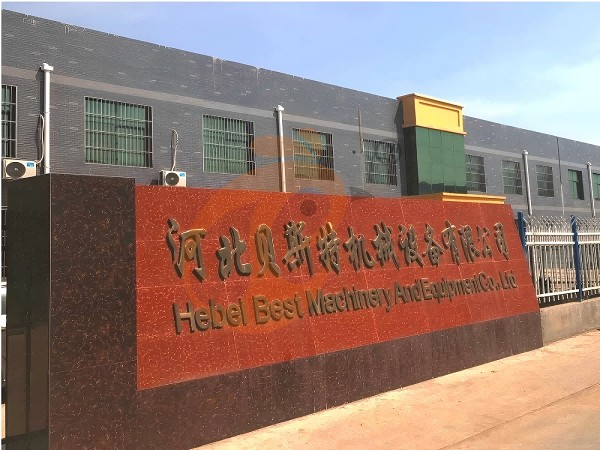
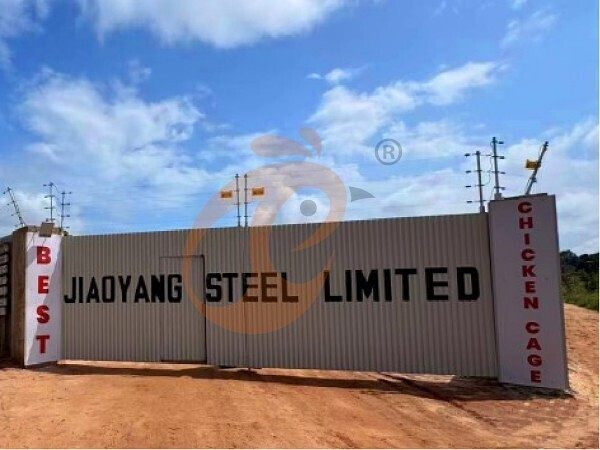
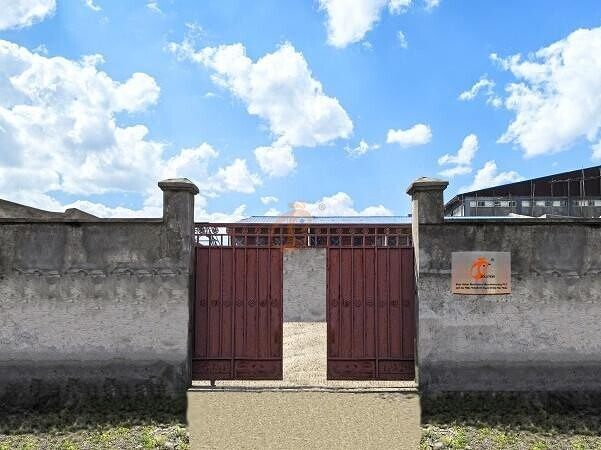
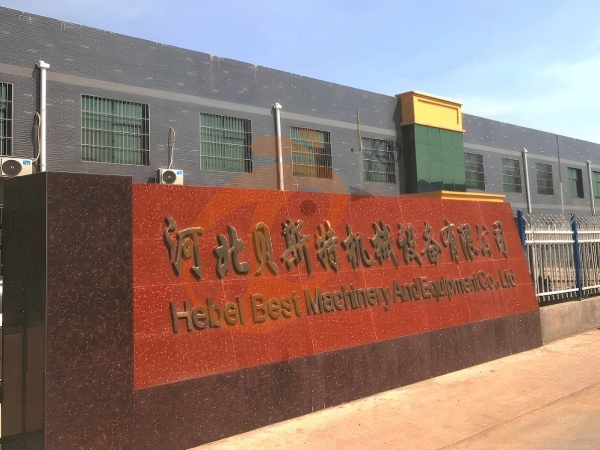
China Hebei Best Machinery And Equipment CO., LTD
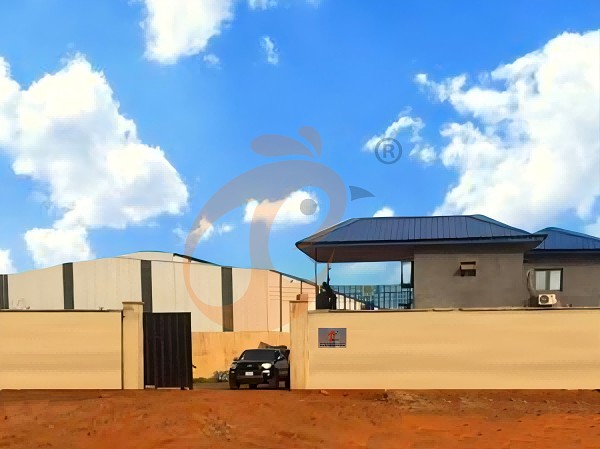
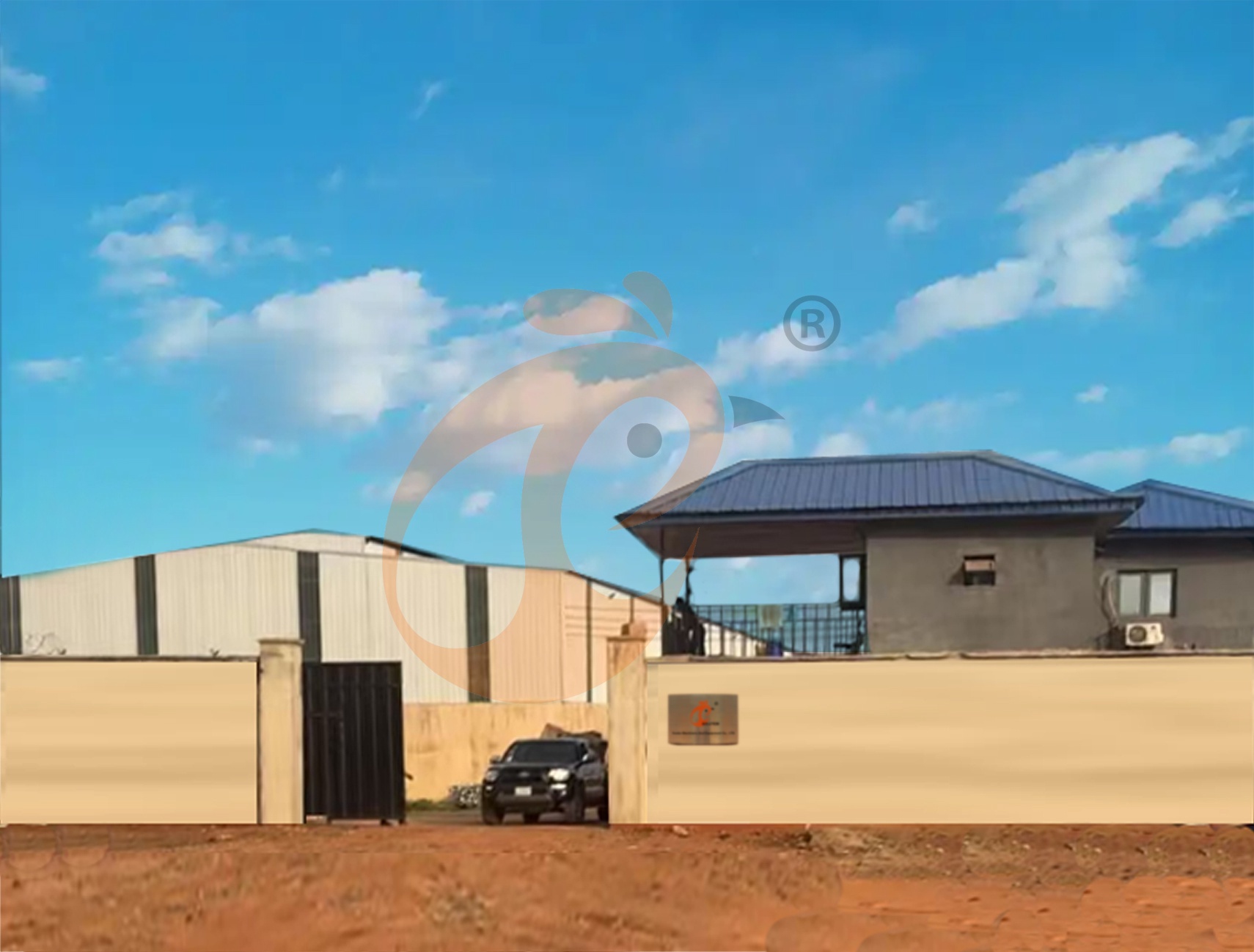
Nigeria Vanke Machinery And Equipment CO., LTD
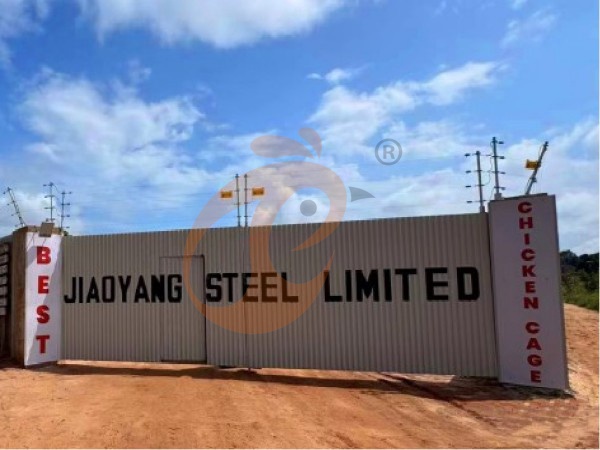
Tanzania Best Machinery And Equipment CO., LTD
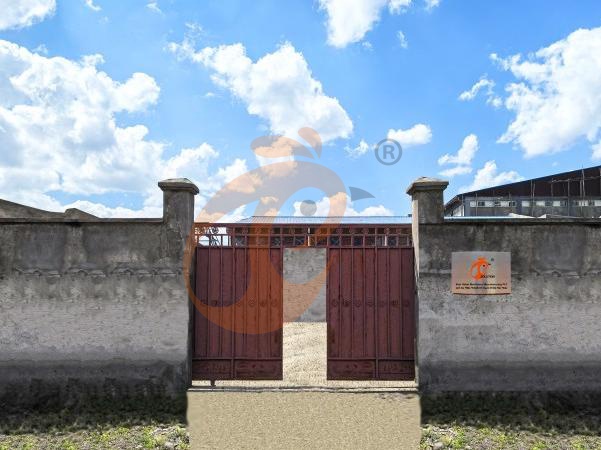
Ethiopia Best Hebei Machinery Manufacturing PLC
Reception /24 WhatsApp NO. : +8618830120193
FAQ
What Are The Professional Strategies For Optimizing Feed Conversion In Layer Cage Farms?
Zoned feeding reduces competition and waste; FCR maintained at 1.9–2.1.
Combined with lighting and temperature/humidity management, egg production can reach 90–98%.
How To Buy The Top Chicken Cage Supplier For Maximum Farm Efficiency?
Check steel quality, anti-corrosion coating, and durability of egg systems.
Price reference: $10–$18 per bird, ROI payback 24–36 months.
What Are The Ultimate Guidelines For Reducing Stress In Poultry Cage Farms?
Ensure good ventilation, temperature 18–25℃, lighting 16h/day.
Automatic feeding and drinking systems ensure birds access feed and water, reducing stress-induced egg drop.
- battery cage
- battery cage for layers
- poultry farm
- chicken cage
- layer cage
- automatic layer cage
- poultry house
- cage
- poultry farm construction
- layer cage system
- chicken cage manufacturer
- chicken cage system
- chicken cage supplier
- battery cage for layers manufacturer
- chicken cage quotation
- layer cage system supplier
- automatic feeding system
- poultry equipment
- manure removal system
- egg collection equipment
- battery cages
- cage for layers
- automatic layer cage system
- chickencage
- bestchickencage
- cage system
- cage systems
- layer chicken cage supplier
- h cage
- layer chicken cage
- Nigeria
- layer chicken cage system
- layer chicken cage manufacturer
- cage manufacturer
- cage supplier
- layer chicken cage quotation
- egg collection conveyor
- chicken cage solution
- poultry farm plan
- feed silo
- Ethiopia
Message
Products recommended
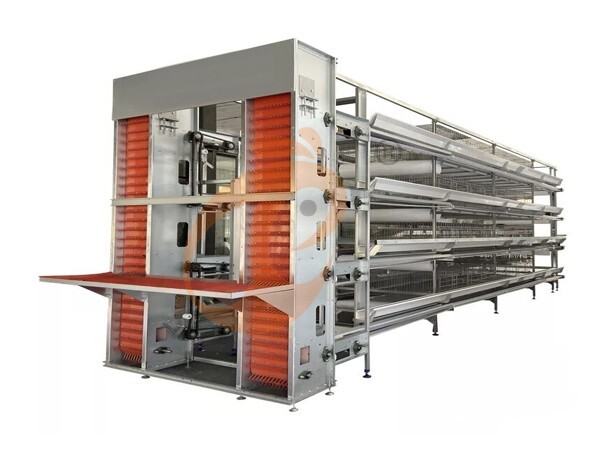
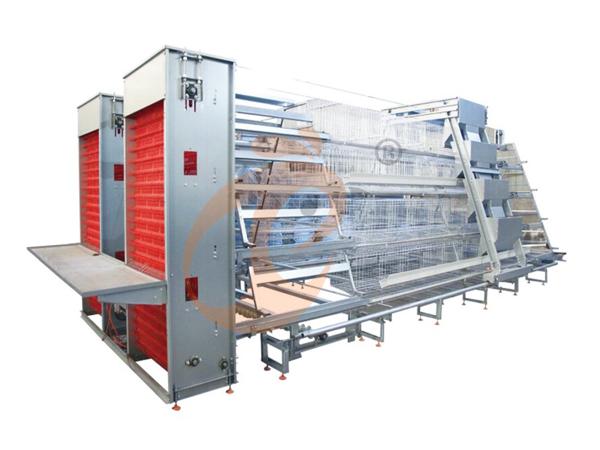
 >30,000 Pullets Automatic H Type Battery Cage1. More than 30,000 pullets a house, choose it.
2. It is designed to rearing older than 1 day old pullets to 12 to 16 weeks old chicken starting laying eggs.
3. Its lifespan is more than 25 years.
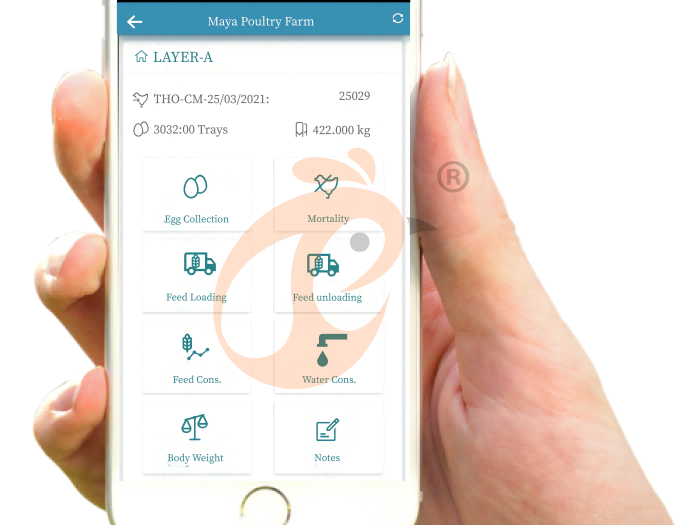
4. Its structure are Vcloud artificial intelligent fusion, electric control cabinet, automatic equipment of drinking, feeding, manure clean, manual harvesting.
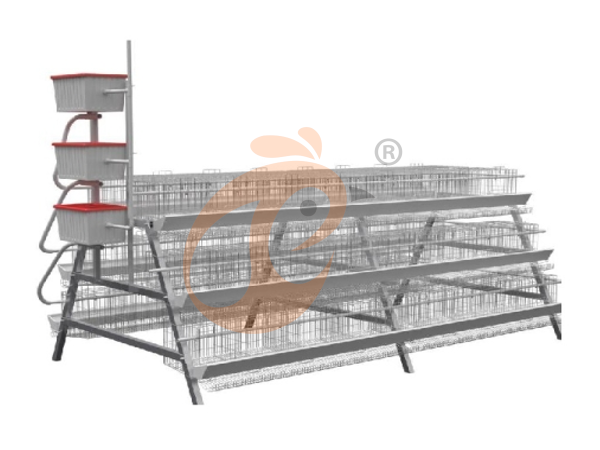
5. Our 24 hour online reception What’sApp NO. is +8618830120193 <30,000 Pullets Automatic A Type Battery Cage1. 10,000 to 30,000 pullets a house, choose it.
2. It is designed to rearing older than 1 day old pullets to 12 to 16 weeks old chicken starting laying eggs.
3. Its lifespan is more than 25 years.
4. Its structure are Vcloud artificial intelligent fusion, electric control cabinet, automatic equipment of drinking, feeding, manure clean, manual harvesting.
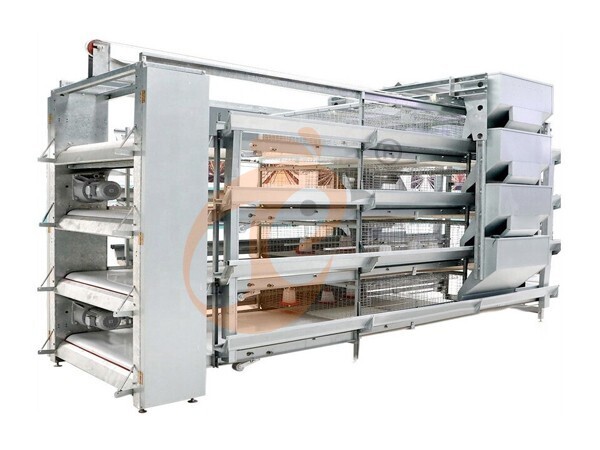
5. Our 24 hour online reception What’sApp NO. is +86 18830120193. >30,000 Broilers Semi-Automatic Harvest H Type Battery Cage1. More than 30,000 broilers a house, choose it.
2. It is designed to rearing 1 to 45 day old adult broiler ready for market.
3. Its lifespan is more than 20 years.
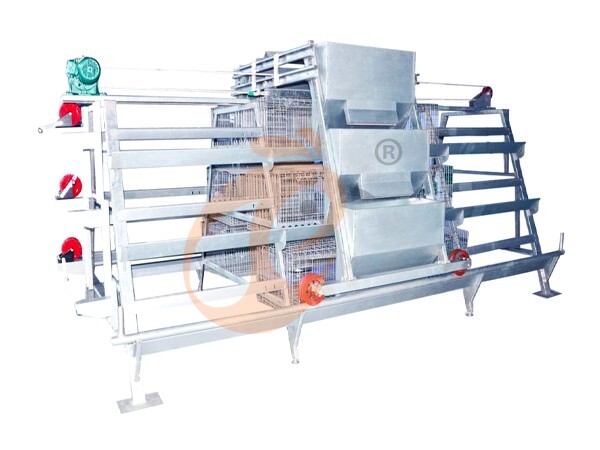
4. Our 24 hour online reception What’sApp NO. is +8618830120193, +234 8111199996. >30,000 Broilers Manual Harvest H Type Battery Cage1. More than 30,000 broilers a house, choose it.
2. It is designed to rearing 1 to 45 day old adult broiler ready for market.
3. Its lifespan is more than 20 years.
4. Its structure are Vcloud artificial intelligent fusion, electric control cabinet, automatic equipment of drinking, feeding and manure clean, manual harvesting.
5. Our 24 hour online reception What’sApp NO. is +8618830120193, +234 8111199996. <30,000 Broilers Manual Harvest A Type Battery Cage1. Less 30,000 broilers a house, choose it.
2. It is designed to rearing 1 to 45 day old adult broiler ready for market.
3. Its lifespan is more than 20 years.
4. Its structure are Vcloud artificial intelligent fusion, electric control cabinet, automatic equipment of drinking, feeding and manure clean, manual harvesting.
5. Our 24 hour online reception What’sApp NO. is +8618830120193, +234 8111199996. HK Headquarter Offers EU-standard Poultry Farm Solutions, Manufacture Poultry Farm Equipment1. Continuous communication with the EU and the US
2. China, Nigeria, Ethiopia, Tanzania branch companies and factories
3. The products’ quality is customized for local poultry farms
4. Poultry cage and poultry farm equipment stock for sale
5. 24 online reception Whatsapp NO. : +8618830120193,contact us to get full information China Branch Offer Poultry Farm Business Plan, Manufacture Poultry Farm Equipment1. Address: Flat/RM 2416, 24/F, Runxing Building, Youyi Nan Street, Shijiazhuang City, Hebei Province, China
2. Poultry cage and poultry farm equipment factory and stock for sale
3. Customized for local poultry farms
4. Quality and design are based on Euro
5. 24 online reception Whatsapp NO. : +8618830120193 Nigeria Branch Offer Poultry Farm Business Plan, Manufacture Poultry Farm Equipment1. Address: After Sinoma Office, 200 Meters Near Danco Filling Station, Lagos/Ibadan Expressway, Lagos State, Nigeria
2. Poultry cage and poultry farm equipment factory and stock for sale
3. Customized for Nigerian poultry farms
4. Quality and design are based on Euro
5. 24 online reception Whatsapp NO. : +8618830120193 Ethiopia Branch Offer Poultry Farm Business Plan, Manufacture Poultry Farm Equipment1. Address: Gelan Gura, Akaki-kaliti Sub City, Addis Ababa, Ethiopia
2. Poultry cage and poultry farm equipment stock for sale
3. Customized for Ethiopian poultry farms
4. Quality and design are based on Euro
5. 24 online reception Whatsapp NO. : +8618830120193, contact us to get price list Tanzania Branch Offer Poultry Farm Business Plan, Manufacture Poultry Farm Equipment1. Address: No.8, Sova Road, Msufini, Mlandizi, Kibaha, Pwani, Tanzania
2. Poultry cage and poultry farm equipment factory and stock for sale
3. Customized for Tanzanian poultry farms
4. Quality and design are based on Euro
5. 24 online reception Whatsapp NO. : +8618830120193

Contact