


Blog
- Poultry equipment selection starts with scale, production targets, building geometry, and automation, creating a framework for chicken production.
Affordable poultry equipment gains value when feeding, drinking, ventilation, cooling, and manure systems operate together instead of isolated machines.
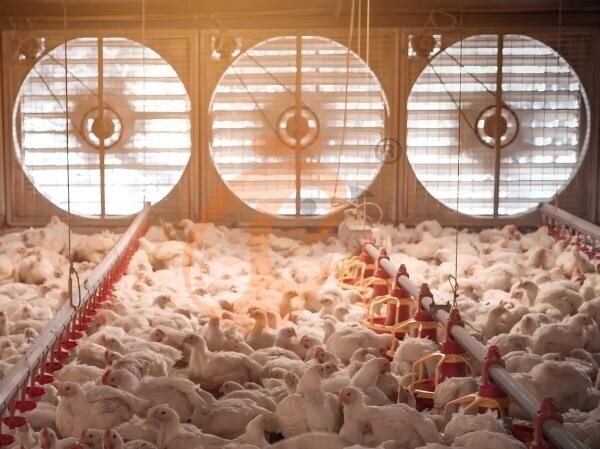
Automatic chicken feeder design influences labor organization, while poultry ventilation system planning supports stable house conditions across seasonal demands.
Material specifications, lifecycle economics, electrical compatibility, maintenance access, and supplier support determine dependable value across years.
- With airflow reaching 50,000 m³/h and cooling pads up to 150 mm thick, poultry equipment can be configured around requirements instead of packages.
Get professional poultry farm construction guidance, equipment selection solutions, and the latest price lists, whatsApp to +8618830120193, click to learn more:
Start With The Production System, Not The Price
Affordable poultry equipment should be selected from an engineering perspective rather than by comparing quotation totals alone.
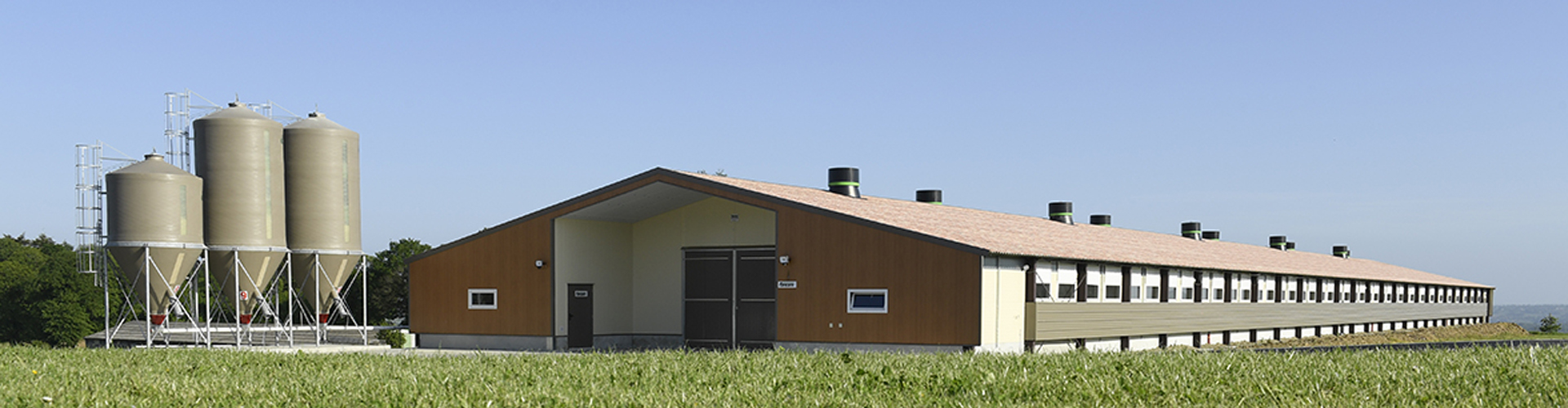
A complete chicken house system normally integrates feeding, drinking, ventilation, cooling, heating, manure handling, lighting, and environmental control.
For example, equipment layout with 0.6–1.0 m service clearance can make inspection and maintenance more practical, while a properly planned control cabinet can centralize multiple operating functions.
The first calculation should connect the farm's production target with building geometry.
House length, width, roof height, bird age, climate, and power supply all influence poultry equipment selection.
A supplier that designs poultry equipment around the actual building instead of simply supplying standard machines can reduce installation modifications and unused capacity.
Match Equipment Capacity With Farm Scale
Data is for reference only.Swipe horizontally to view full table.
Farm size should determine the poultry equipment configuration rather than the other way around.
A 10,000-bird house and a 50,000-bird commercial complex have different conveying distances, air-exchange requirements, electrical loads, and control architecture.
A professional poultry equipment manufacturer can calculate each system from the house drawing and production capacity.
This prevents a common procurement problem: purchasing individual components that technically work but do not operate efficiently as one integrated system.
Compare Total Cost Of Ownership
Instead of looking only at the initial quotation, calculate poultry equipment lifecycle economics.
TCO = Initial Investment + Energy Consumption + Maintenance + Replacement Parts + Labor
The calculation becomes more useful when actual operating conditions are included.
For example, a fan motor operating 20 hours per day accumulates approximately 7,300 operating hours per year.
Even a small difference in electrical efficiency can therefore become a meaningful operating expense over several production cycles.
The same principle applies to feeding and manure systems.
Poultry equipment that reduces repeated manual handling can influence labor requirements every day.
A properly designed automatic chicken feeder can also make operating schedules more predictable, allowing farm managers to allocate workers to inspection, flock management, and maintenance instead of repetitive material handling.
Prioritize Components That Directly Affect Production
Data is for reference only.Swipe horizontally to view full table.
Not every machine deserves the same purchasing strategy.
Poultry equipment directly connected to feed delivery, water supply, air exchange, and waste removal should be evaluated according to measurable operating parameters.
A useful procurement method is to divide the system into production-critical components and supporting components.
The production-critical group should receive detailed technical verification, while supporting equipment can be configured according to the actual farm budget.
This approach allows a poultry equipment supplier to create a technically balanced package instead of increasing the quotation simply by adding more equipment.
Build A Modular Equipment Configuration
Think of a poultry house as an interconnected engineering system.
Feed Storage → Feed Conveying → Feed Distribution
Water Treatment → Pressure Regulation → Nipple Drinking
Air Intake → Ventilation → Cooling
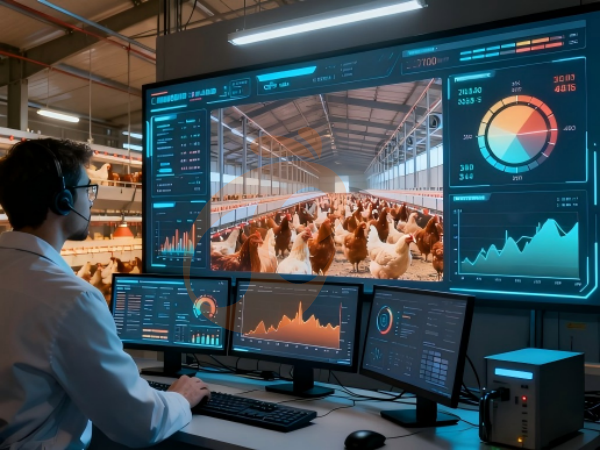
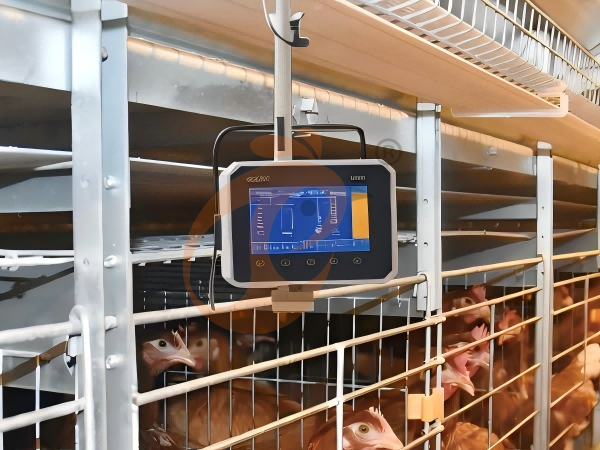
Sensors → Controller → Actuators
This modular structure makes future expansion easier.
A farm can initially install the main feeding and drinking infrastructure while reserving electrical capacity and physical space for additional ventilation or automation modules.
The design should also consider installation interfaces.
Feed pipes, water lines, electrical conduits, suspension systems, and control cables need sufficient separation and service access.
In commercial poultry equipment projects, a 40–60 m water-line section may require careful pressure and flushing design depending on system architecture.
Modular poultry equipment also benefits maintenance.
If one component requires replacement, technicians can isolate the relevant subsystem instead of shutting down the entire poultry house.
Check Material Quality Before Accepting A Low Quote
Data is for reference only.Swipe horizontally to view full table.
Material specifications should be checked before comparing poultry equipment quotations.
Two systems may appear similar in photographs while having different structural thicknesses, coating systems, motor protection, or component materials.
For galvanized poultry equipment, corrosion protection is particularly important because poultry houses contain moisture, dust, ammonia, and cleaning chemicals.
One commercial cage specification, for example, uses approximately 275 g/m² zinc coating on hot-dip galvanized steel.
A professional poultry equipment manufacturer should provide drawings, material specifications, component photographs, electrical information, and replacement-
part lists before the order is confirmed.
Select Automation According To Labor Economics
Data is for reference only.Swipe horizontally to view full table.
Automation should be calculated from labor economics rather than purchased simply because poultry equipment technology appears advanced.
For example, a manure conveyor operating at 5–15 m/min can mechanize a task that would otherwise require repeated manual collection.
An automatic chicken feeder similarly reduces the need for workers to transport feed through long poultry houses.
For smaller farms, a partially automated configuration may be sufficient.
For commercial operations, integrating feeding, ventilation, water, and climate-control functions can create a more consistent operating process.
The practical target is appropriate automation based on measurable operating requirements.
Supplier Evaluation: Use A Technical Checklist
Supplier selection should follow a technical verification process rather than a sales presentation.
Stage 1 — Drawing Review: Confirm house length, width, height, column spacing, door position, ventilation openings, and equipment access routes.
Stage 2 — Load Calculation: Review electrical requirements, motor loads, control circuits, water supply, and feed storage requirements.
Stage 3 — Equipment Matching: Confirm that poultry equipment for feeding, drinking, ventilation, cooling, and control is compatible.
Stage 4 — Installation Planning: Check suspension points, pipe routes, cable routes, drainage, and maintenance access.
Stage 5 — After-Sales Verification: Confirm spare-parts availability, installation instructions, commissioning support, and technical documentation.
A supplier that can complete these steps provides more than individual machines.
Such poultry equipment suppliers provide an engineering solution for the poultry house.
Equipment Selection Matrix
Data is for reference only.Swipe horizontally to view full table.
Farm capacity should not be used as the only design variable.
Poultry equipment requirements also depend on house dimensions and climate.
Ventilation demand depends on bird biomass and environmental conditions rather than flock count alone.
The same number of birds housed in two buildings with different widths and lengths may require different fan arrangements and air-inlet layouts.
A poultry equipment quotation should therefore be generated after reviewing the house plan rather than using a fixed equipment package for every customer.
Reliability Test: What Happens During A Failure?
A practical way to evaluate poultry equipment is to simulate failure conditions before purchasing.
Scenario → Failure Point → Response Time → Replacement Method
If a feeding motor stops, how quickly can the operator identify the fault?
If a nipple line develops a leak, can the water section be isolated?
If a temperature sensor fails, can the controller provide an alarm?
These questions reveal the real serviceability of poultry equipment.
Electrical components should also be matched to the local power system.
For example, a commercial poultry ventilation system may use 380 V three-phase power, while the control circuit can use a separate low-voltage signal system depending on controller design.
A well-engineered poultry equipment system should therefore include accessible components, logical cable routing, isolation points, spare parts, and clear troubleshooting procedures.
Why Choose A Professional Poultry Equipment Manufacturer?
Data is for reference only.Swipe horizontally to view full table.
A professional poultry equipment manufacturer should connect equipment selection with actual farm engineering conditions.
This is especially important for international customers.
Different countries can use different electrical standards, building structures, climate conditions, and installation practices.
A customized poultry equipment package can therefore reduce unnecessary modifications after shipment.
For buyers, the value of a professional manufacturer is not limited to machines themselves.
It includes engineering design, system compatibility, installation support, spare-parts coordination, and technical communication.
Final Decision: Affordable Means Better Value, Not Lower Price
Data is for reference only.Swipe horizontally to view full table.
Affordable poultry equipment should be evaluated through measurable engineering performance, not purchase price alone.
The six practical principles are simple: match the system to farm scale, calculate lifecycle cost, prioritize production-critical equipment, use modular design, verify material quality, and automate according to labor economics.
For a commercial chicken farm, every component should have a clear technical purpose.
Automatic chicken feeder systems should support consistent feed distribution, while poultry ventilation system planning should address required air-exchange performance.
Cooling should respond to local climate conditions, and environmental controllers should coordinate the complete poultry equipment system.
A professional poultry equipment manufacturer can integrate these requirements into one complete solution, including automatic feeding systems, nipple drinking systems, ventilation fans, cooling pads, environmental controllers, manure handling equipment, and customized poultry house layouts.
Frequently Asked Questions
Q1: What should be checked before buying affordable poultry equipment?
Check farm capacity, building dimensions, electrical conditions, material specifications, maintenance access, and equipment compatibility.
A complete poultry equipment assessment should also consider operating schedules and future expansion requirements.
Q2: How can an automatic chicken feeder reduce operating costs?
An automatic chicken feeder can reduce repetitive feed-handling work and maintain scheduled feed distribution.
A conveying capacity around 400–800 kg/h provides a useful reference range for commercial equipment configuration.
Q3: Why is poultry ventilation system design important?
A poultry ventilation system directly affects air movement, temperature management, moisture removal, and house operating conditions.
Fan selection should be based on building geometry and required airflow rather than simply selecting equipment according to bird numbers.
Taiyu (HK) Group - Most Famous Poultry Equipment Manufacturer
Poultry equipment integrates automatic feeding, drinking, ventilation, cooling, and environmental-control modules, with commercial systems engineered around airflow requirements reaching 50,000 m³/h.
Global factory-direct supply covers complete poultry equipment configurations, technical drawings, component selection, production coordination, and international project support.
Poultry equipment projects can be delivered through Turn-key engineering, connecting equipment manufacturing, installation guidance, commissioning documentation, and system integration within one project framework.
Commercial poultry equipment solutions can be configured for broiler, layer, breeder, and multi-house projects according to building dimensions, production targets, climate, and local electrical requirements.
Factory-direct project coordination supports equipment procurement, technical communication, spare-parts planning, and engineering documentation from initial design through operational commissioning.
Contact Us To Received Your Customized Poultry Farm Plan
Headquarters And Branchs

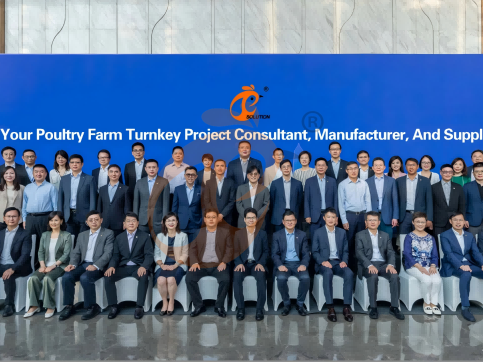
Hong Kong Headquarter Management Team
Hong Kong Headquarter Taiyu Industrial Group CO., LTD
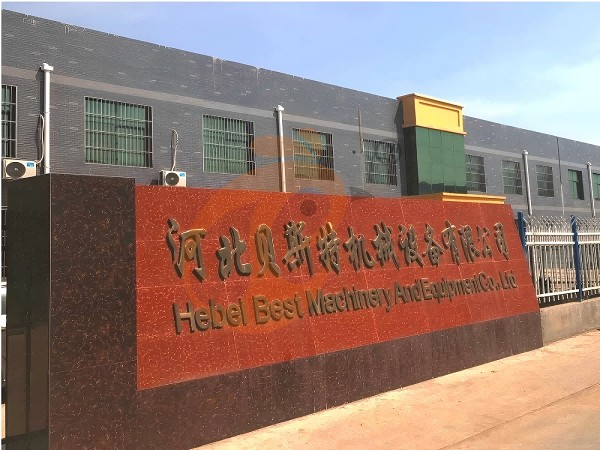
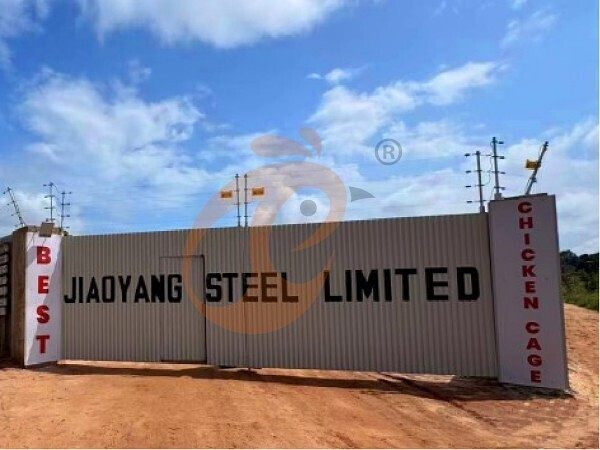
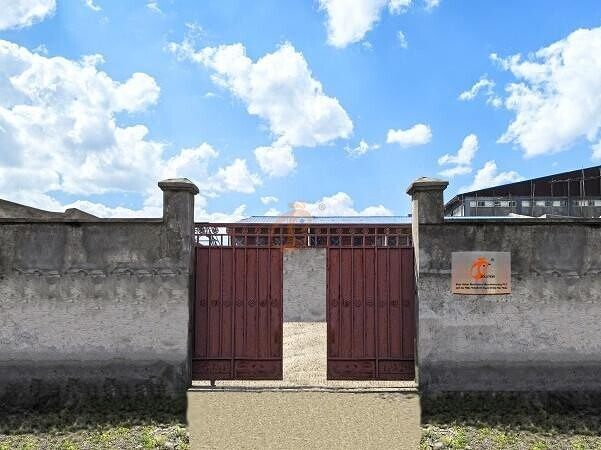
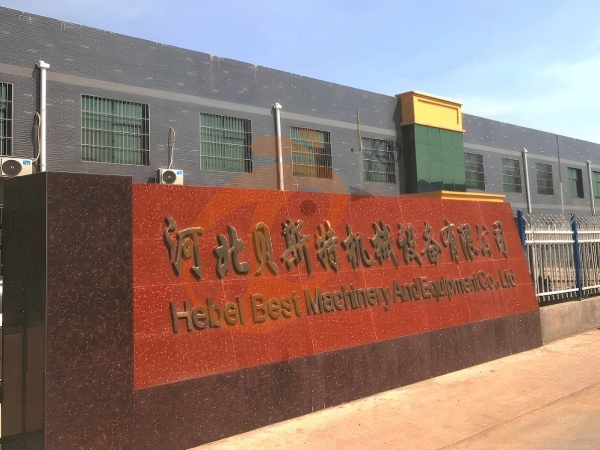
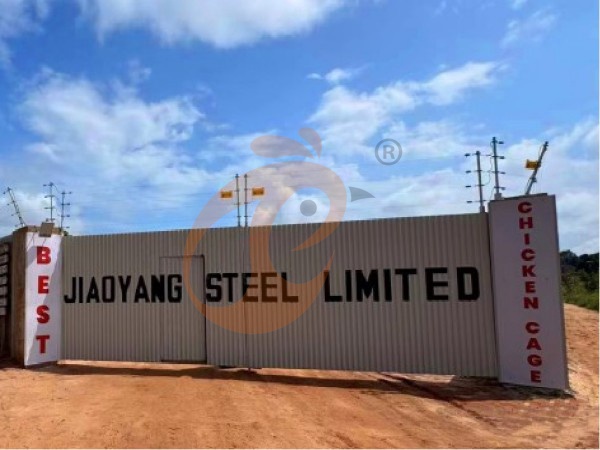
China Hebei Best Machinery And Equipment CO., LTD
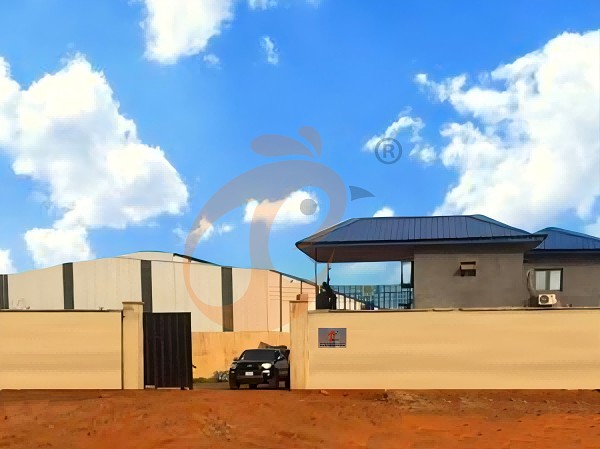
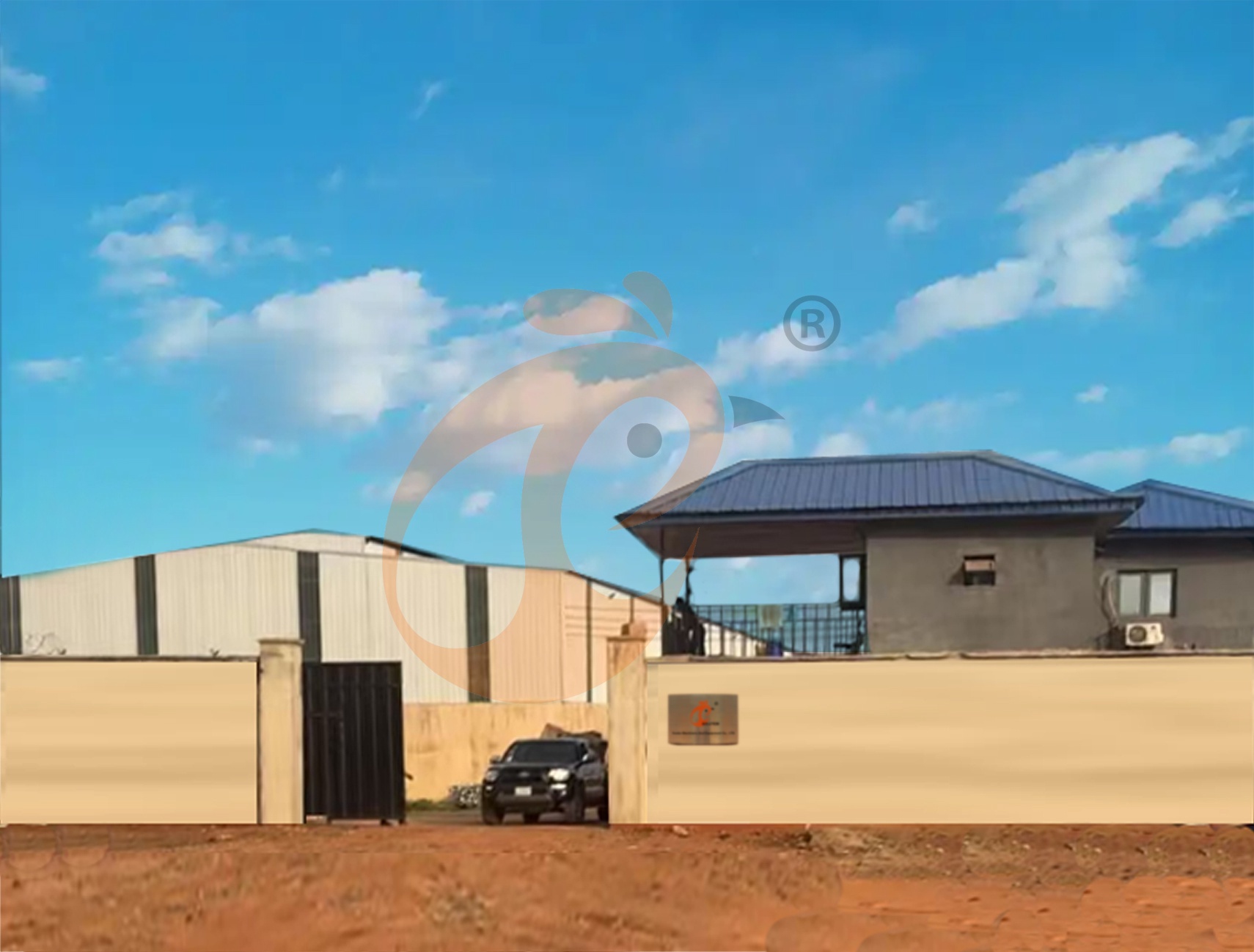
Nigeria Vanke Machinery And Equipment CO., LTD
Tanzania Best Machinery And Equipment CO., LTD
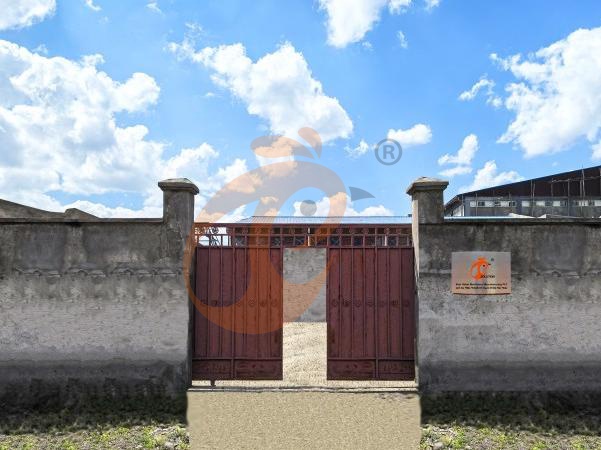
Ethiopia Best Hebei Machinery Manufacturing PLC
Reception /24 WhatsApp NO. : +8618830120193
FAQ
How Is Data Transmission Managed In Smart Chicken House Equipment For Poultry Chicken Monitoring Systems?
Data refresh intervals operate every 5–15 seconds for real-time monitoring accuracy.
Cloud synchronization latency remains within 1–3 seconds for remote access control.
What Alarm Functions Are Included In Smart Chicken House Equipment?
Gas concentration alerts trigger at 25–50 ppm ammonia levels protecting flock health.
System failure alarms respond within 3–5 seconds ensuring immediate fault notification.
How Does Smart Chicken House Equipment Improve Management Efficiency?
Data analytics improve feed conversion efficiency by 4%–7% through environmental optimization.
Predictive alerts reduce mortality risk by 3%–6% through early anomaly detection.
- poultry farm
- chicken farm
- chicken house
- poultry house
- cage
- poultry farm construction
- poultry house layout
- automatic feeding system
- poultry equipment
- chickencage
- bestchickencage
- Nigeria
- poultry equipment supplier
- poultry equipment quotation
- poultry ventilation system
- automatic chicken feeder
- poultry equipment manufacturer
- chicken feeder system
- poultry ventilation system design
- poultry farm plan
- poultry equipment suppliers
- chicken feed
- Ethiopia
Message
Products recommended
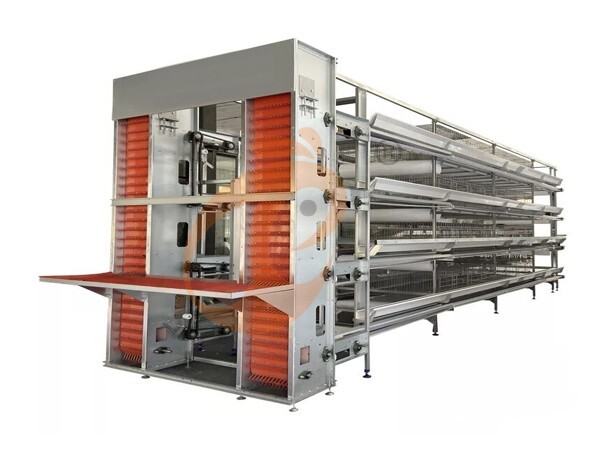
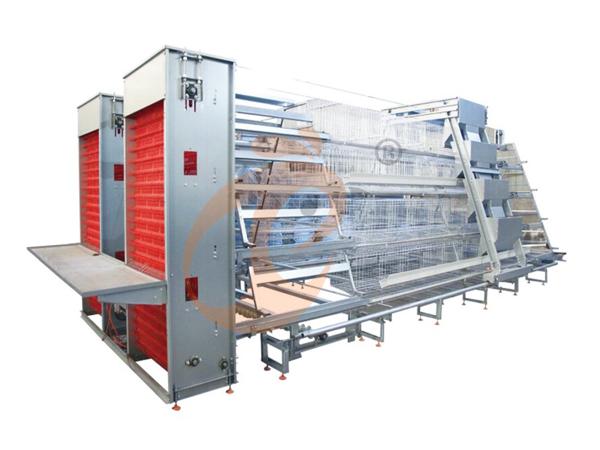
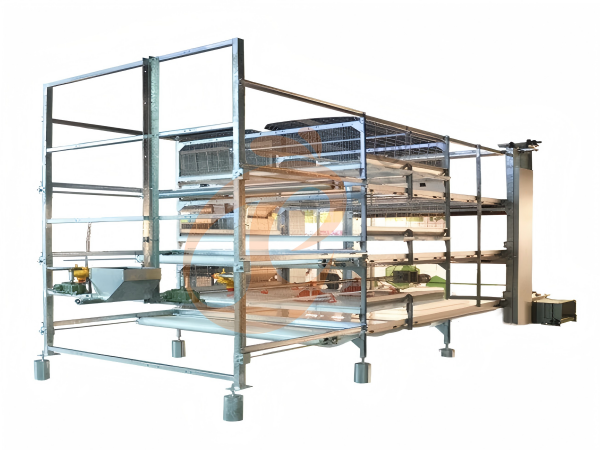
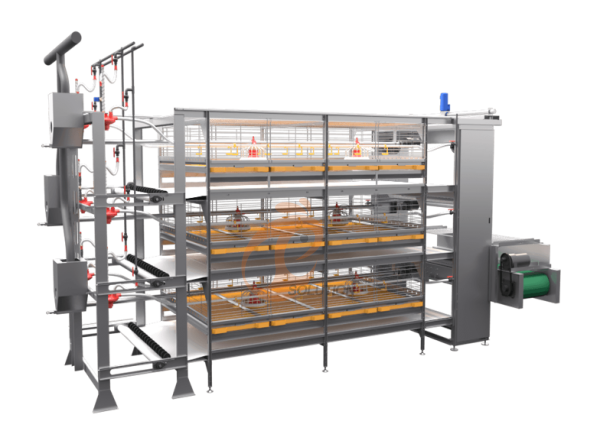
 >30,000 Pullets Automatic H Type Battery Cage1. More than 30,000 pullets a house, choose it.
2. It is designed to rearing older than 1 day old pullets to 12 to 16 weeks old chicken starting laying eggs.
3. Its lifespan is more than 25 years.
4. Its structure are Vcloud artificial intelligent fusion, electric control cabinet, automatic equipment of drinking, feeding, manure clean, manual harvesting.
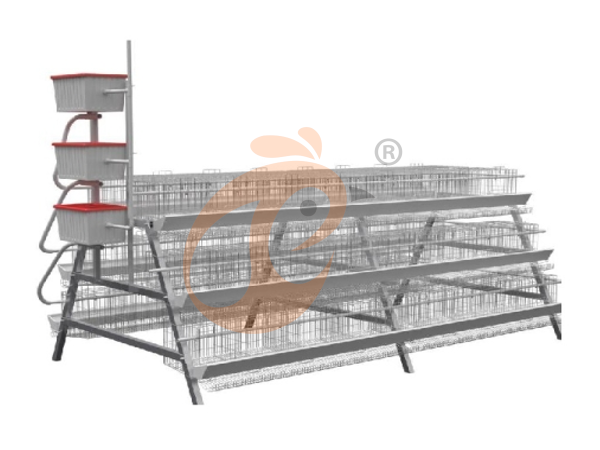
5. Our 24 hour online reception What’sApp NO. is +8618830120193 <30,000 Pullets Automatic A Type Battery Cage1. 10,000 to 30,000 pullets a house, choose it.
2. It is designed to rearing older than 1 day old pullets to 12 to 16 weeks old chicken starting laying eggs.
3. Its lifespan is more than 25 years.
4. Its structure are Vcloud artificial intelligent fusion, electric control cabinet, automatic equipment of drinking, feeding, manure clean, manual harvesting.
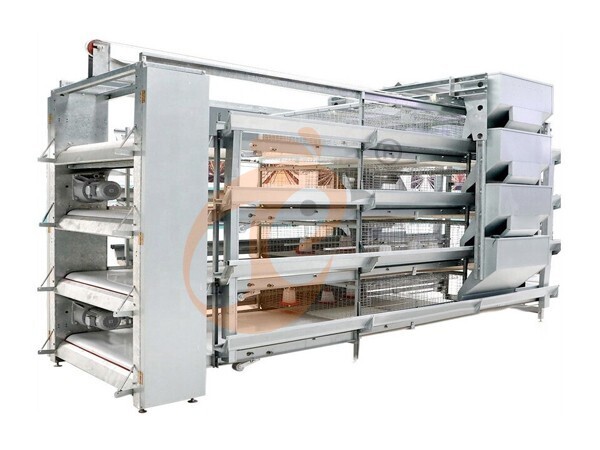
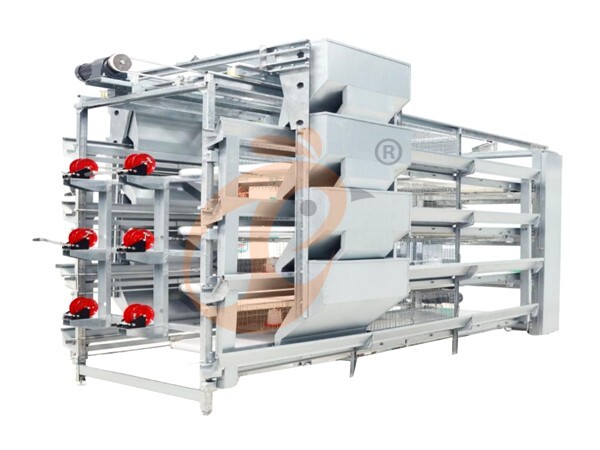
5. Our 24 hour online reception What’sApp NO. is +86 18830120193. >30,000 Broilers Semi-Automatic Harvest H Type Battery Cage1. More than 30,000 broilers a house, choose it.
2. It is designed to rearing 1 to 45 day old adult broiler ready for market.
3. Its lifespan is more than 20 years.
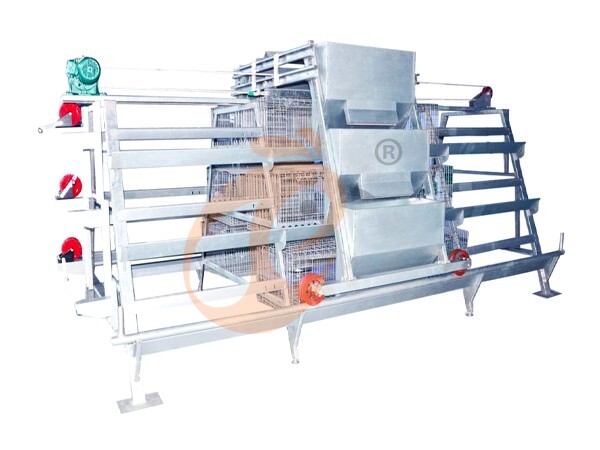
4. Our 24 hour online reception What’sApp NO. is +8618830120193, +234 8111199996. >30,000 Broilers Manual Harvest H Type Battery Cage1. More than 30,000 broilers a house, choose it.
2. It is designed to rearing 1 to 45 day old adult broiler ready for market.
3. Its lifespan is more than 20 years.
4. Its structure are Vcloud artificial intelligent fusion, electric control cabinet, automatic equipment of drinking, feeding and manure clean, manual harvesting.
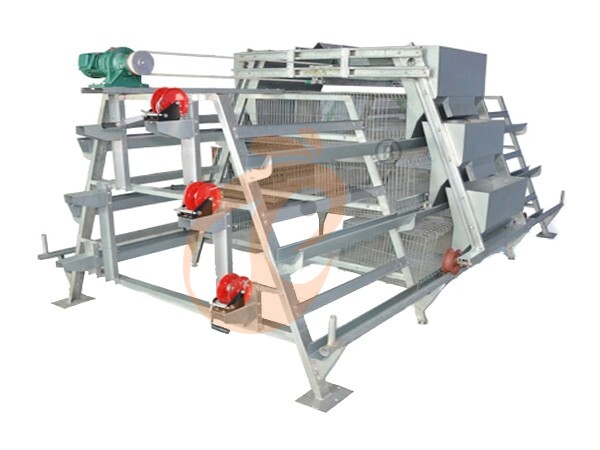
5. Our 24 hour online reception What’sApp NO. is +8618830120193, +234 8111199996. <30,000 Broilers Manual Harvest A Type Battery Cage1. Less 30,000 broilers a house, choose it.
2. It is designed to rearing 1 to 45 day old adult broiler ready for market.
3. Its lifespan is more than 20 years.
4. Its structure are Vcloud artificial intelligent fusion, electric control cabinet, automatic equipment of drinking, feeding and manure clean, manual harvesting.
5. Our 24 hour online reception What’sApp NO. is +8618830120193, +234 8111199996. HK Headquarter Offers EU-standard Poultry Farm Solutions, Manufacture Poultry Farm Equipment1. Continuous communication with the EU and the US
2. China, Nigeria, Ethiopia, Tanzania branch companies and factories
3. The products’ quality is customized for local poultry farms
4. Poultry cage and poultry farm equipment stock for sale
5. 24 online reception Whatsapp NO. : +8618830120193,contact us to get full information China Branch Offer Poultry Farm Business Plan, Manufacture Poultry Farm Equipment1. Address: Flat/RM 2416, 24/F, Runxing Building, Youyi Nan Street, Shijiazhuang City, Hebei Province, China
2. Poultry cage and poultry farm equipment factory and stock for sale
3. Customized for local poultry farms
4. Quality and design are based on Euro
5. 24 online reception Whatsapp NO. : +8618830120193 Nigeria Branch Offer Poultry Farm Business Plan, Manufacture Poultry Farm Equipment1. Address: After Sinoma Office, 200 Meters Near Danco Filling Station, Lagos/Ibadan Expressway, Lagos State, Nigeria
2. Poultry cage and poultry farm equipment factory and stock for sale
3. Customized for Nigerian poultry farms
4. Quality and design are based on Euro
5. 24 online reception Whatsapp NO. : +8618830120193 Ethiopia Branch Offer Poultry Farm Business Plan, Manufacture Poultry Farm Equipment1. Address: Gelan Gura, Akaki-kaliti Sub City, Addis Ababa, Ethiopia
2. Poultry cage and poultry farm equipment stock for sale
3. Customized for Ethiopian poultry farms
4. Quality and design are based on Euro
5. 24 online reception Whatsapp NO. : +8618830120193, contact us to get price list Tanzania Branch Offer Poultry Farm Business Plan, Manufacture Poultry Farm Equipment1. Address: No.8, Sova Road, Msufini, Mlandizi, Kibaha, Pwani, Tanzania
2. Poultry cage and poultry farm equipment factory and stock for sale
3. Customized for Tanzanian poultry farms
4. Quality and design are based on Euro
5. 24 online reception Whatsapp NO. : +8618830120193


Contact