


Blog
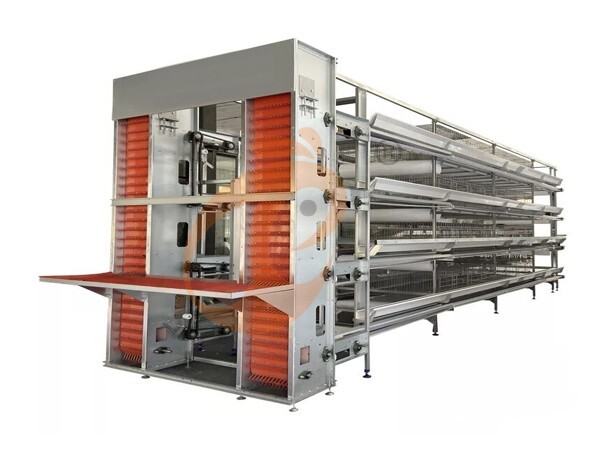
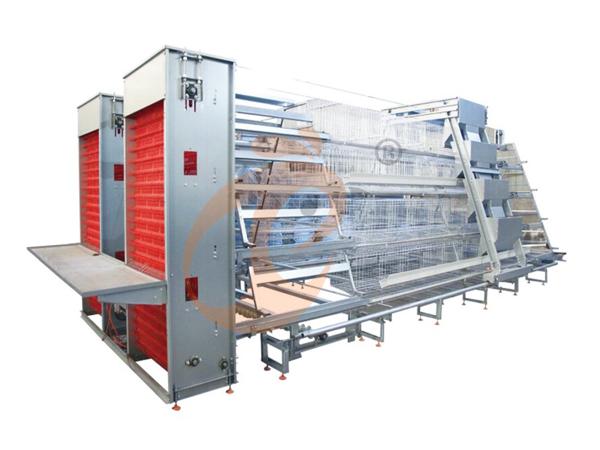
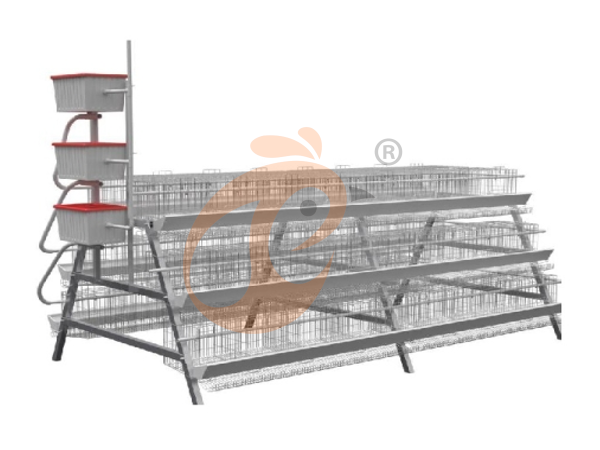
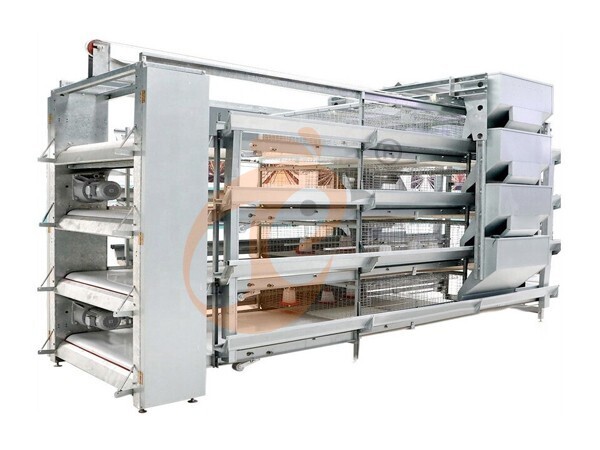
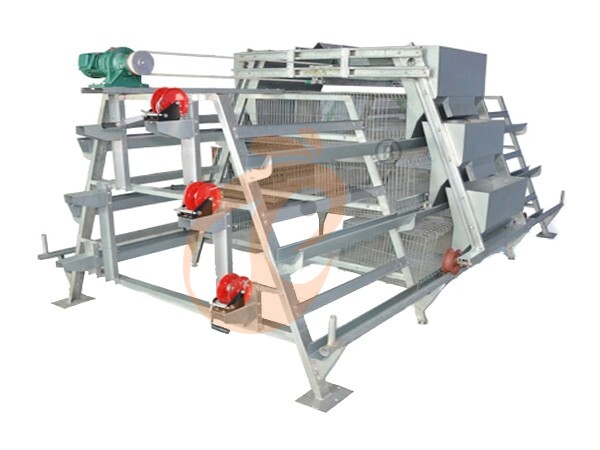
Battery cage system planning connects layer housing, feeding, drinking, manure removal, and egg handling into one production structure, supporting commercial farms with practical capacity planning and efficient daily management.
Layer cage system layouts can be engineered around flock size, house dimensions, cage tiers, aisle width, and automation requirements, creating organized production capacity without unnecessary building-space waste.
Poultry cage equipment integrates galvanized cage structures with feeding, drinking, manure, egg collection, ventilation, and control systems, helping farms reduce repetitive labor across different operating scales.
Multi-tier configurations can support commercial layer projects, while automatic systems coordinate routine processes and improve workflow consistency across long poultry houses.
- A complete equipment strategy balances investment, durability, installation, maintenance, expansion, and production targets, giving poultry producers a structured route from farm data to turnkey equipment deployment.
Get professional poultry farm construction guidance, equipment selection solutions, and the latest price lists, whatsApp to +8618830120193, click to learn more:
Engineering Key Points: Start With The Farm, Not The Cage
A successful battery cage system is more than a row of cages.
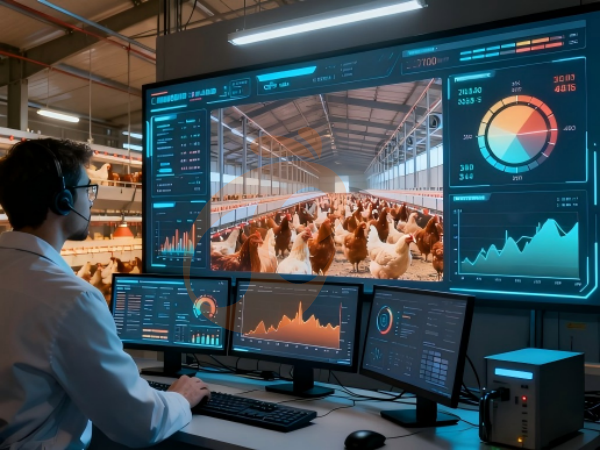
A layer cage system is an integrated production system that connects bird capacity, building dimensions, feeding, drinking, manure handling, egg collection, ventilation, and farm management.
The right poultry cage equipment plan begins with target flock size, available house space, production goals, labor capacity, and local operating conditions.
A professional poultry equipment supplier can develop cage layouts with approximately 2.0–2.5 m service clearance between selected equipment zones.
The right design can improve labor efficiency, reduce feed waste, simplify manure removal, and create a more consistent production environment.
Planning Tip #1: Calculate Capacity And House Utilization
Data is for reference only.Swipe horizontally to view full table.
The first battery cage system planning decision is capacity.
A poultry house should be designed around the required number of layers rather than simply filling every available square meter.
Our layer cage system can be configured according to house dimensions and target capacity.
Modular poultry cage equipment makes it easier to adapt the system to different farm layouts and future expansion plans.
Tips Card: Choose Cage Specifications According To Production Goals
Tip 1 — Match cage dimensions to flock planning.
Avoid selecting a battery cage system simply because equipment appears inexpensive.
Cage dimensions, bird capacity, tier number, and house layout should work together.
Tip 2 — Consider management access.
A high-density layer cage system still needs practical aisles for inspection, maintenance, and cleaning.
Tip 3 — Plan for automation early.
If the farm intends to reduce manual labor, poultry cage equipment for feeding, drinking, manure removal, and egg collection should be considered during initial design.
Tip 4 — Think about the complete system.
A cage without suitable feeding, drinking, ventilation, and manure equipment will not deliver the full benefit of a modern layer house.
Feed And Water Equipment Selection
Data is for reference only.Swipe horizontally to view full table.
Feeding and drinking equipment directly influence daily farm efficiency.
An automatic feeding line can distribute feed consistently across long battery cage system rows, while nipple drinkers provide controlled water delivery.
Our complete layer cage system packages can integrate feeding and drinking systems with the cage structure, helping customers avoid compatibility problems between different poultry cage equipment components.
Engineering Key Points: Design The Manure System Early
Manure management should be included in the original battery cage system design rather than added later.
For multi-tier layer cage system projects, manure can accumulate underneath cages and create additional labor if the house does not have an appropriate removal solution.
Depending on farm size and investment level, poultry cage equipment options can include manual cleaning, manure belts, or automated manure removal systems.
For commercial farms, manure belts are particularly valuable because belts can transport manure outside the poultry house efficiently and reduce routine manual handling.
Proper belt positioning, discharge equipment, ventilation, and cleaning access should all be considered during engineering.
Manure Removal Comparison
Data is for reference only.Swipe horizontally to view full table.
Choosing manure equipment according to farm scale is essential for a battery cage system.
A low-cost solution may suit a small operation, while a commercial layer cage system may benefit from a fully integrated manure belt and discharge system.
Our poultry cage equipment specialists can configure manure removal according to cage tiers, house length, flock capacity, and customer investment plans.
Equipment Combination Recommendation: Build A Complete Layer House
A professional battery cage system normally requires several systems working together.
Core Cage System
Battery layer cages + galvanized support structure + partitions + egg collection components.
Feeding System
Feed hopper + automatic feeding machine + feed conveyor + feeding trough.
Drinking System
Water tank + filter + pressure regulator + water pipeline + nipple drinkers.
Manure System
Manure belts + belt drive units + scraper/discharge equipment where required.
Environmental System
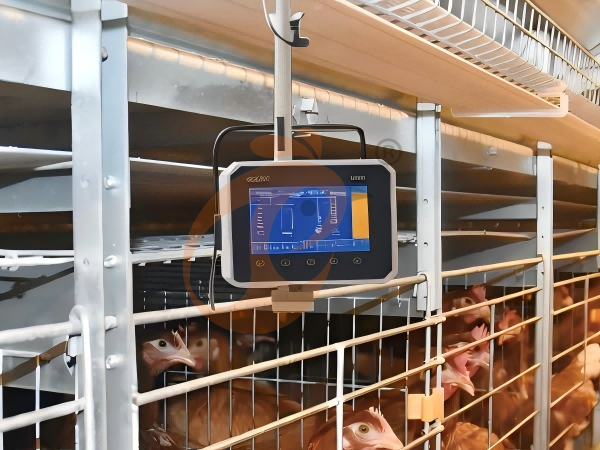
Ventilation fans + air inlets + cooling equipment + environmental controller.
Instead of selling cages as isolated products, our company provides complete poultry cage equipment solutions designed to work as one production system.
Egg Collection And Handling
Data is for reference only.Swipe horizontally to view full table.
Egg collection is another important area for labor reduction.
In a modern commercial layer cage system, eggs should move efficiently from the cage to the collection area with minimal unnecessary handling.
An integrated egg collection system can reduce repetitive labor and create a smoother workflow, particularly in large-scale poultry cage equipment projects.
Planning Tip #2: Match Automation To Labor Availability
Data is for reference only.Swipe horizontally to view full table.
Automation should not be treated as an all-or-nothing decision for a battery cage system.
The best equipment package depends on actual operating conditions, including labor costs, flock size, house design, and future expansion.
Our modular layer cage system allows farms to select an automation level that fits current needs while keeping future upgrade possibilities open.
Process Structure: From Farm Data To Equipment Installation
Step 1 — Farm Information Collection
Provide house length, width, height, target capacity, and local operating requirements for battery cage system planning.
Step 2 — Layout Engineering
Our technical team develops cage rows, aisles, feeding routes, drinking lines, manure systems, and egg collection routes for the layer cage system.
Step 3 — Equipment Configuration
Poultry cage equipment is matched for mechanical and operational compatibility across feeding, drinking, manure, egg collection, and environmental systems.
Step 4 — Production And Quality Inspection
Equipment components are manufactured and inspected according to agreed specifications.
Step 5 — Delivery And Installation Support
The system is delivered with installation guidance to help customers establish an efficient layer production line.
This process turns a general poultry house into a structured production system.
Planning Tip #3: Prioritize Ventilation And Environmental Control
Data is for reference only.Swipe horizontally to view full table.
Even a well-designed battery cage system requires suitable environmental management.
Temperature, airflow, humidity, and air quality can affect daily layer-house management.
For this reason, layer cage system design should be coordinated with ventilation and cooling equipment from the beginning.
Our poultry cage equipment engineering team can integrate environmental systems into the overall poultry house plan.
Planning Tip #4 & #5: Design For Reliability And Future Growth
The final two planning priorities are equipment reliability and future scalability for a battery cage system.
Farmers should evaluate galvanized steel quality, structural strength, motor and conveyor reliability, spare-parts availability, installation support, and after-sales service rather than only the initial equipment price.
For reference, commercial project budgets can be compared in USD, while any European union-related pricing or specification benchmark should be treated as European union standard reference only.
At the same time, a poultry farm may expand after its first production cycle.
Modular layer cage system structures and compatible poultry cage equipment can make future expansion easier.
A complete battery cage system should therefore be planned as a long-term production investment.
From cage layout and feeding equipment to manure removal, egg collection, ventilation, and technical support, every component should contribute to efficient farm operation.
Frequently Asked Questions
Q1: What should be considered before choosing a battery cage system?
House dimensions, target flock capacity, cage tiers, aisle layout, automation requirements, manure handling, ventilation, and future expansion should be evaluated together.
For example, a multi-tier commercial project may use three or four cage levels depending on the building structure and production plan.
Q2: Can a layer cage system include automatic feeding and manure removal?
Yes.A properly engineered layer cage system can integrate automatic feeding, nipple drinking, manure belts, egg conveyors, and environmental controls.
Integrated poultry cage equipment helps reduce repetitive manual operations and simplifies daily production management.
Q3: How can poultry cage equipment be planned for future expansion?
Modular cage structures, compatible conveyor routes, reserve electrical capacity, and scalable automation can provide expansion flexibility.
Planning additional capacity during the initial engineering stage can reduce reconstruction work when flock numbers increase.
Taiyu (HK) Group - One Of China Biggest Battery Cage System Manufacturer
Battery cage system solutions use galvanized steel structures with multi-tier configurations, supporting commercial layer projects with customized cage capacity and integrated feeding, drinking, manure, and egg collection interfaces.
Global factory-direct supply covers poultry equipment manufacturing, engineering configuration, quality inspection, international shipment, installation guidance, and technical support for overseas farm projects.
Turn-key engineering connects layer cage system layout, automatic feeding, drinking lines, manure removal, egg collection, ventilation, cooling, and environmental control within one coordinated project structure.
Poultry equipment packages are configured according to house dimensions, flock capacity, automation level, operating conditions, and expansion requirements, supporting different commercial production scales.
Project delivery combines equipment manufacturing, technical documentation, installation assistance, spare-parts planning, and after-sales service for structured international poultry farm development.
Contact Us To Received Your Customized Poultry Farm Plan
Headquarters And Branchs
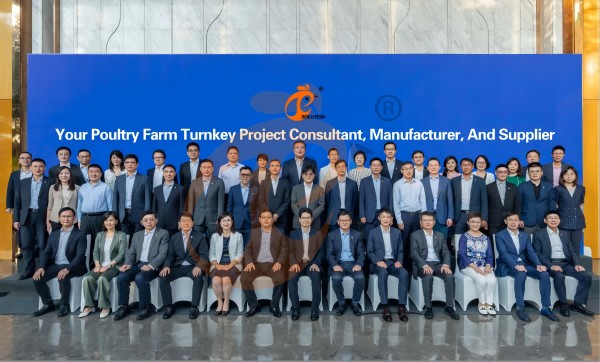
Hong Kong Headquarter Management Team
Hong Kong Headquarter Taiyu Industrial Group CO., LTD
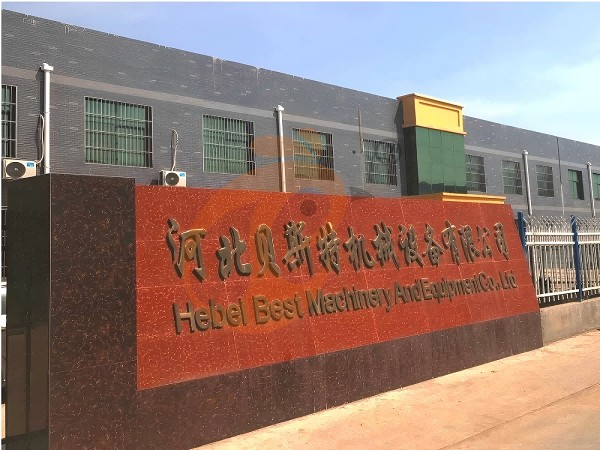
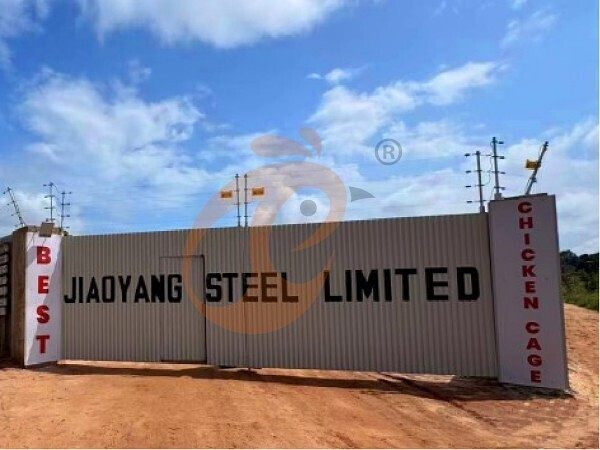
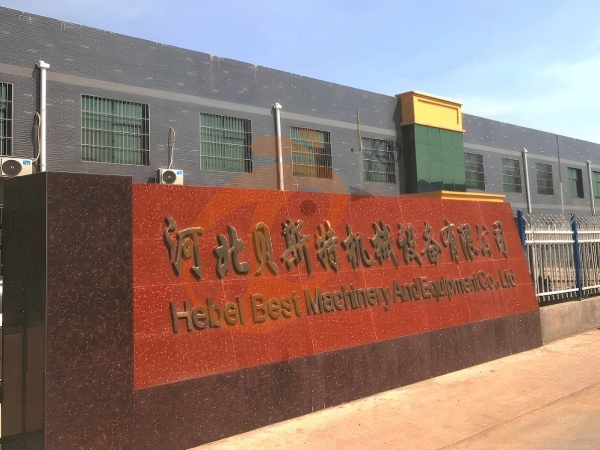
China Hebei Best Machinery And Equipment CO., LTD
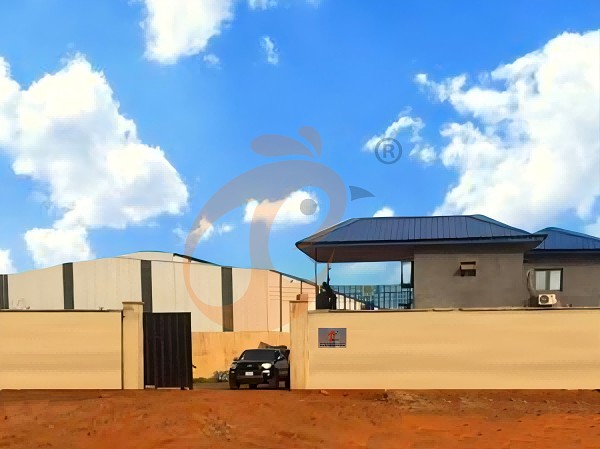
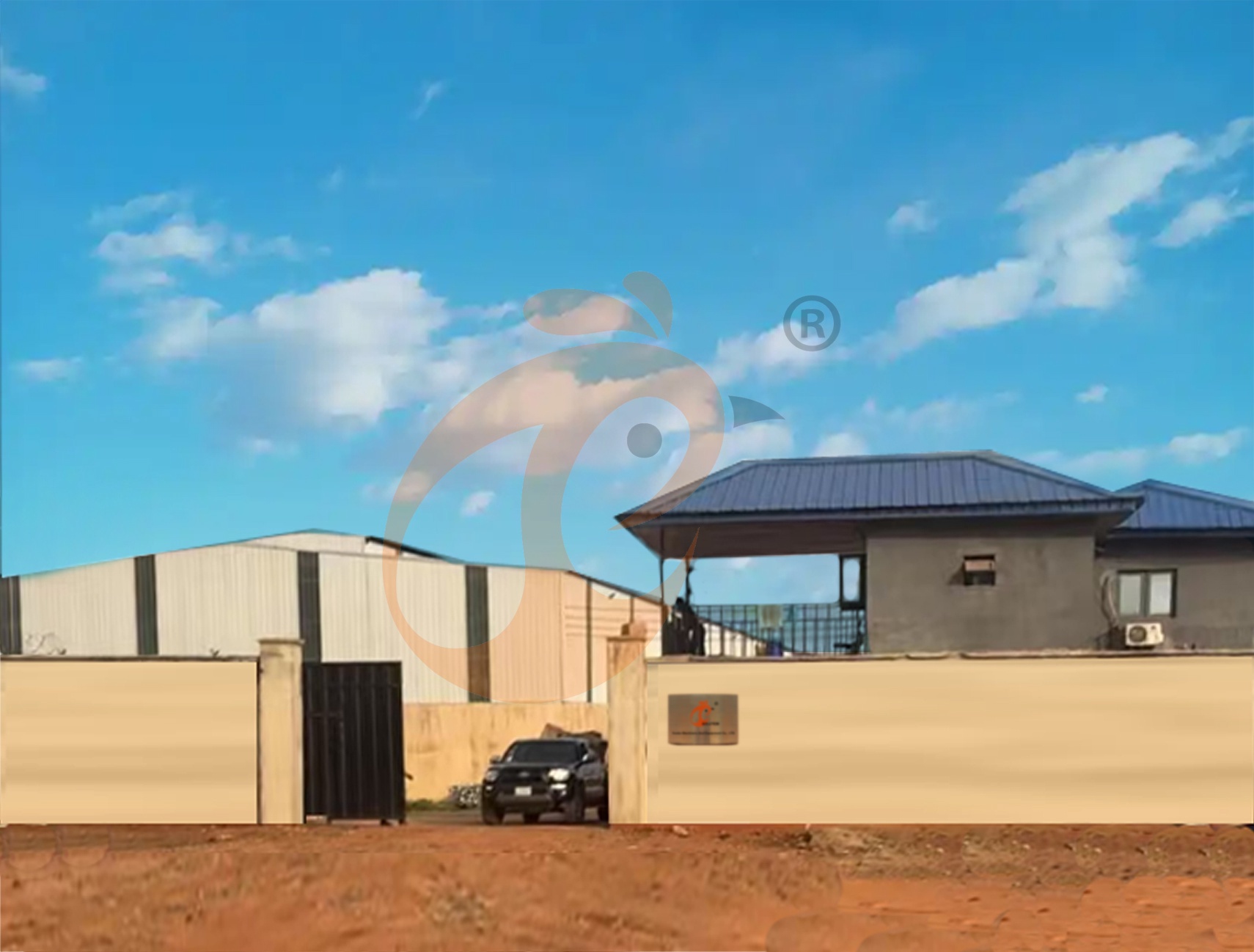
Nigeria Vanke Machinery And Equipment CO., LTD
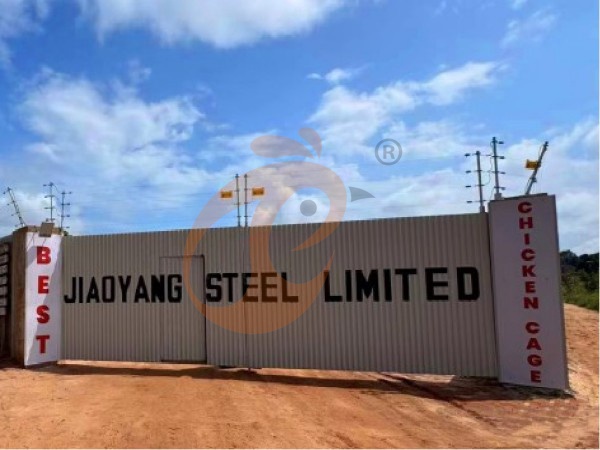
Tanzania Best Machinery And Equipment CO., LTD
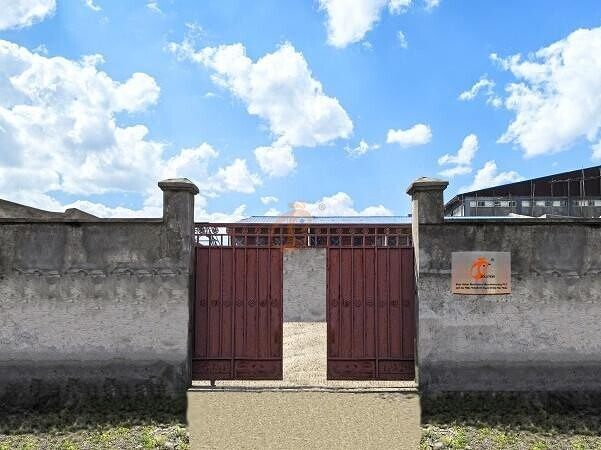
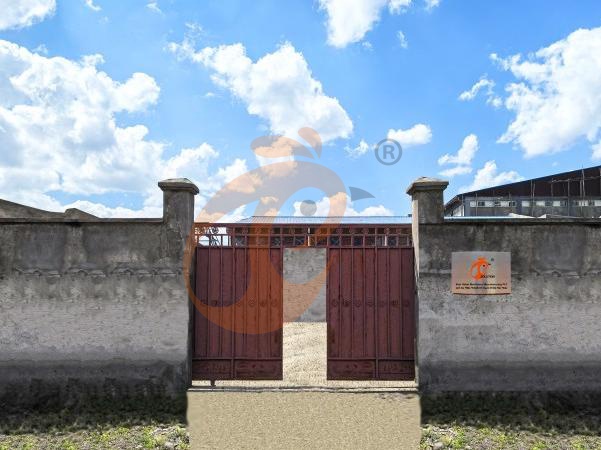
Ethiopia Best Hebei Machinery Manufacturing PLC
Reception /24 WhatsApp NO. : +8618830120193
FAQ
What Are The Top Recommendations For Egg Quality Management In Battery Cage Systems?
Keep conveyor belts clean to avoid breakage and contamination.
Egg production: 90–98%, breakage rate: 2–3%.
How To Optimize Lighting And Ventilation For Maximum Egg Production In Poultry Cages?
Combine roof exhaust and side-wall intake for ventilation, temperature 18–25℃, humidity 50–70%.
Egg production can reach 90–98%, breakage rate <3%.
How To Implement Advanced Manure Removal Systems In Layer Cage Farms?
Reduces manual labor by 50–70%, maintains house hygiene, and lowers disease risk.
- battery cage
- battery cage system
- poultry farm
- layer cages
- layer cage
- poultry house
- poultry cage
- cage
- galvanized cage
- poultry farm construction
- layer cage system
- poultry cage equipment
- layer cage system design
- battery cage system manufacturer
- battery cage system design
- poultry equipment
- manure removal system
- egg collection system
- chickencage
- bestchickencage
- cage system
- battery layer cage
- h cage
- Nigeria
- poultry equipment supplier
- modular layer cage
- poultry farm development
- automated manure removal
- poultry farm plan
- Ethiopia
Message
Products recommended
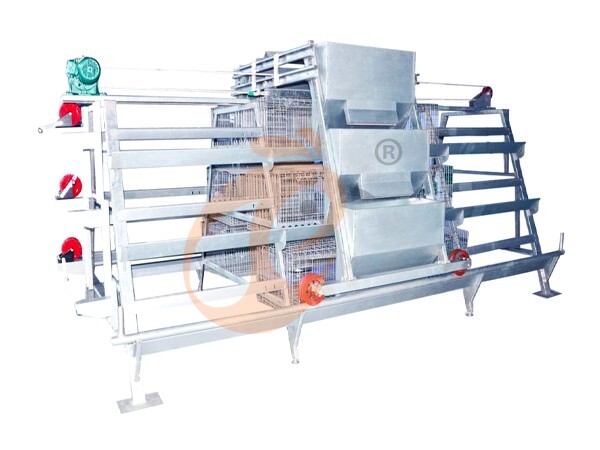
 >30,000 Pullets Automatic H Type Battery Cage1. More than 30,000 pullets a house, choose it.
2. It is designed to rearing older than 1 day old pullets to 12 to 16 weeks old chicken starting laying eggs.
3. Its lifespan is more than 25 years.
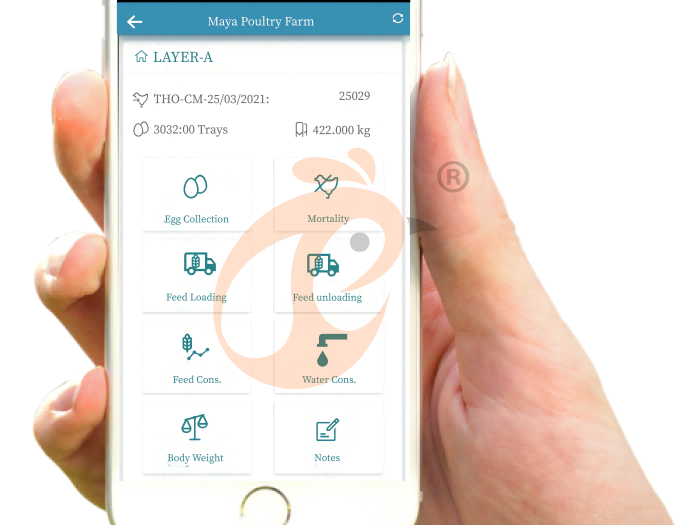
4. Its structure are Vcloud artificial intelligent fusion, electric control cabinet, automatic equipment of drinking, feeding, manure clean, manual harvesting.
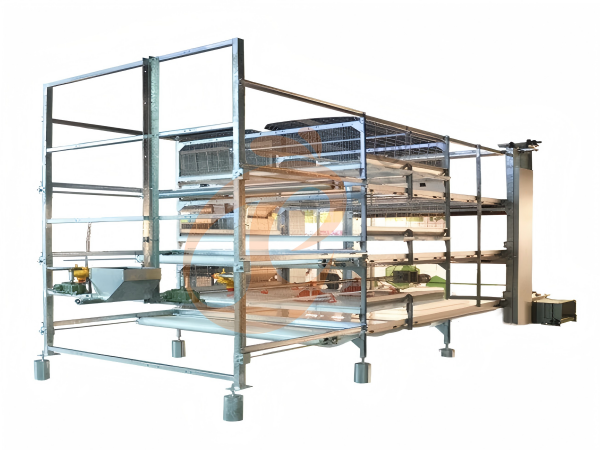
5. Our 24 hour online reception What’sApp NO. is +8618830120193 <30,000 Pullets Automatic A Type Battery Cage1. 10,000 to 30,000 pullets a house, choose it.
2. It is designed to rearing older than 1 day old pullets to 12 to 16 weeks old chicken starting laying eggs.
3. Its lifespan is more than 25 years.
4. Its structure are Vcloud artificial intelligent fusion, electric control cabinet, automatic equipment of drinking, feeding, manure clean, manual harvesting.
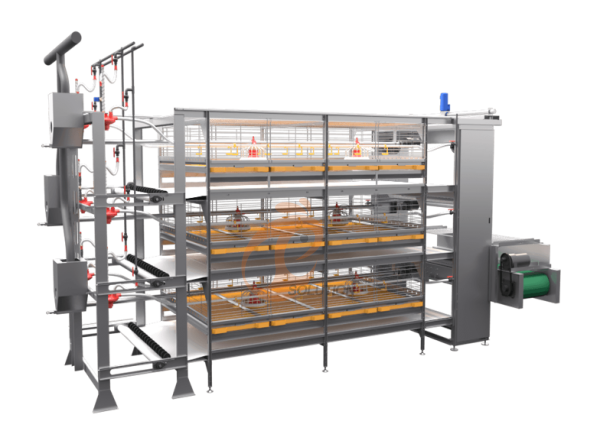
5. Our 24 hour online reception What’sApp NO. is +86 18830120193. >30,000 Broilers Semi-Automatic Harvest H Type Battery Cage1. More than 30,000 broilers a house, choose it.
2. It is designed to rearing 1 to 45 day old adult broiler ready for market.
3. Its lifespan is more than 20 years.
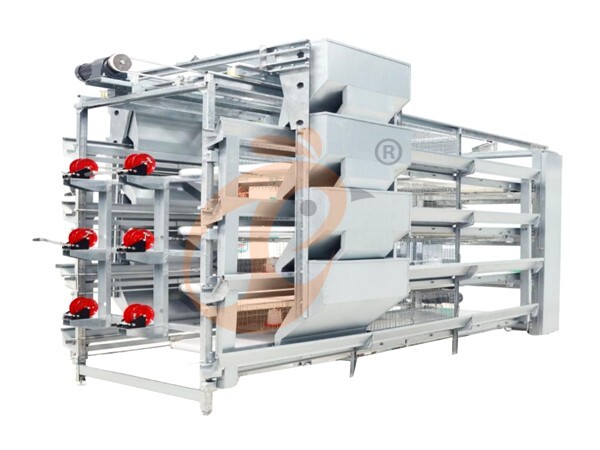
4. Our 24 hour online reception What’sApp NO. is +8618830120193, +234 8111199996. >30,000 Broilers Manual Harvest H Type Battery Cage1. More than 30,000 broilers a house, choose it.
2. It is designed to rearing 1 to 45 day old adult broiler ready for market.
3. Its lifespan is more than 20 years.
4. Its structure are Vcloud artificial intelligent fusion, electric control cabinet, automatic equipment of drinking, feeding and manure clean, manual harvesting.
5. Our 24 hour online reception What’sApp NO. is +8618830120193, +234 8111199996. <30,000 Broilers Manual Harvest A Type Battery Cage1. Less 30,000 broilers a house, choose it.
2. It is designed to rearing 1 to 45 day old adult broiler ready for market.
3. Its lifespan is more than 20 years.
4. Its structure are Vcloud artificial intelligent fusion, electric control cabinet, automatic equipment of drinking, feeding and manure clean, manual harvesting.
5. Our 24 hour online reception What’sApp NO. is +8618830120193, +234 8111199996. HK Headquarter Offers EU-standard Poultry Farm Solutions, Manufacture Poultry Farm Equipment1. Continuous communication with the EU and the US
2. China, Nigeria, Ethiopia, Tanzania branch companies and factories
3. The products’ quality is customized for local poultry farms
4. Poultry cage and poultry farm equipment stock for sale
5. 24 online reception Whatsapp NO. : +8618830120193,contact us to get full information China Branch Offer Poultry Farm Business Plan, Manufacture Poultry Farm Equipment1. Address: Flat/RM 2416, 24/F, Runxing Building, Youyi Nan Street, Shijiazhuang City, Hebei Province, China
2. Poultry cage and poultry farm equipment factory and stock for sale
3. Customized for local poultry farms
4. Quality and design are based on Euro
5. 24 online reception Whatsapp NO. : +8618830120193 Nigeria Branch Offer Poultry Farm Business Plan, Manufacture Poultry Farm Equipment1. Address: After Sinoma Office, 200 Meters Near Danco Filling Station, Lagos/Ibadan Expressway, Lagos State, Nigeria
2. Poultry cage and poultry farm equipment factory and stock for sale
3. Customized for Nigerian poultry farms
4. Quality and design are based on Euro
5. 24 online reception Whatsapp NO. : +8618830120193 Ethiopia Branch Offer Poultry Farm Business Plan, Manufacture Poultry Farm Equipment1. Address: Gelan Gura, Akaki-kaliti Sub City, Addis Ababa, Ethiopia
2. Poultry cage and poultry farm equipment stock for sale
3. Customized for Ethiopian poultry farms
4. Quality and design are based on Euro
5. 24 online reception Whatsapp NO. : +8618830120193, contact us to get price list Tanzania Branch Offer Poultry Farm Business Plan, Manufacture Poultry Farm Equipment1. Address: No.8, Sova Road, Msufini, Mlandizi, Kibaha, Pwani, Tanzania
2. Poultry cage and poultry farm equipment factory and stock for sale
3. Customized for Tanzanian poultry farms
4. Quality and design are based on Euro
5. 24 online reception Whatsapp NO. : +8618830120193


Contact