


Blog
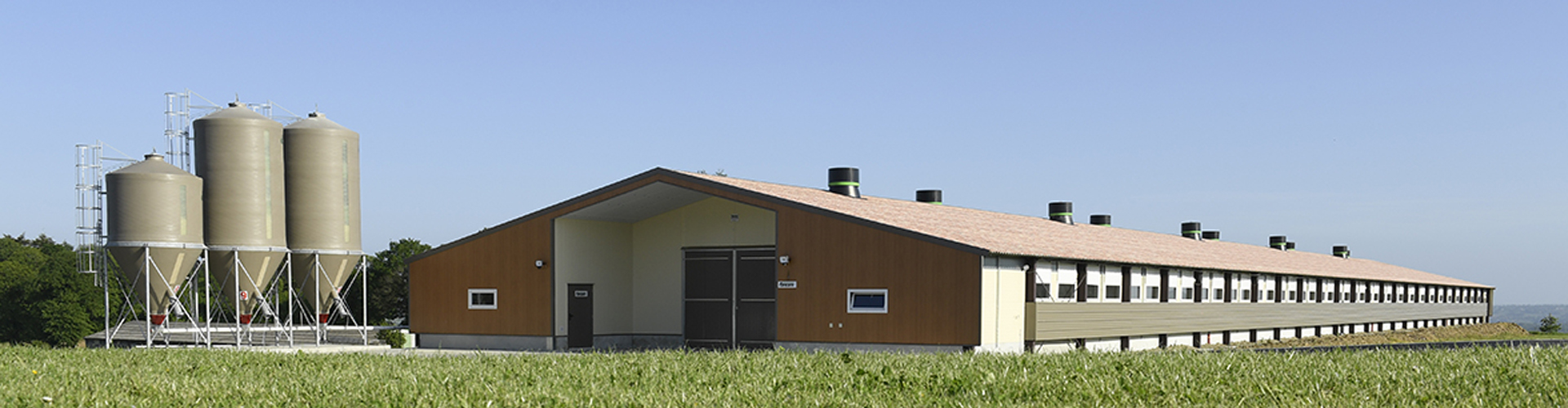
Deep litter system for layers combines housing design, automation, and flock management for commercial egg production, with practical targets around 300–320 eggs per hen annually and 5–15 lux lighting.
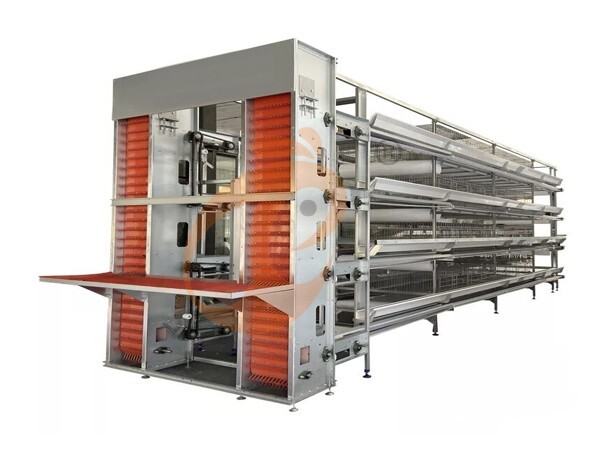
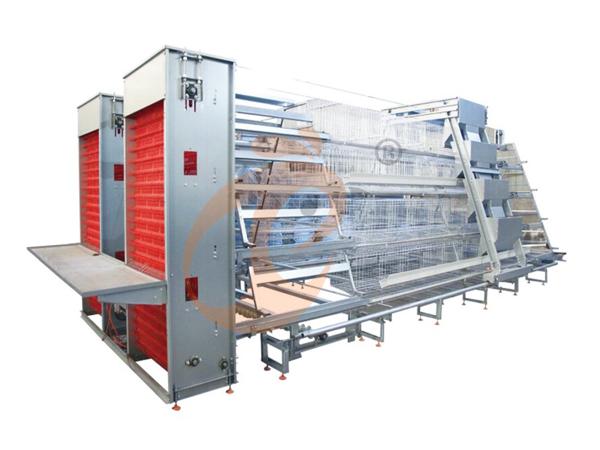
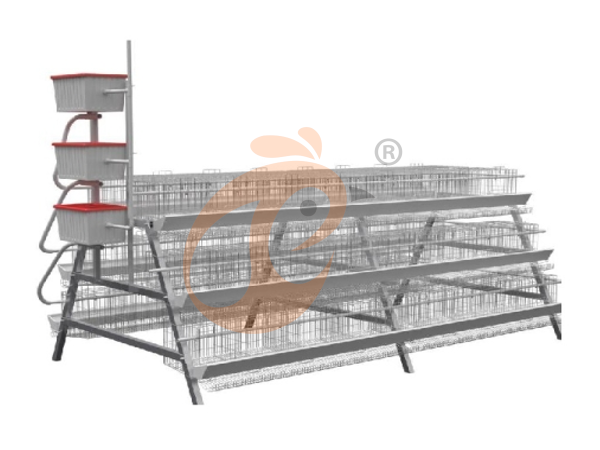
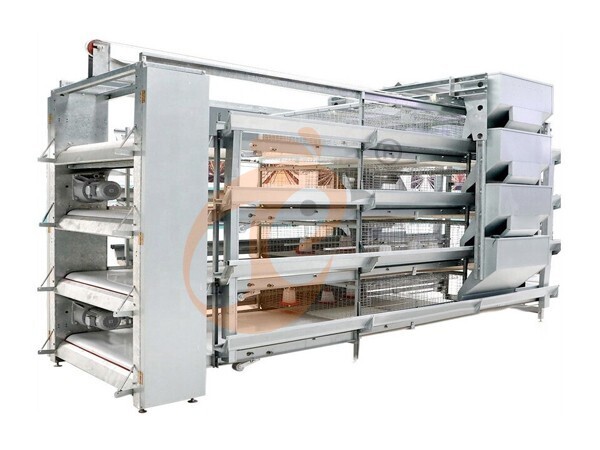
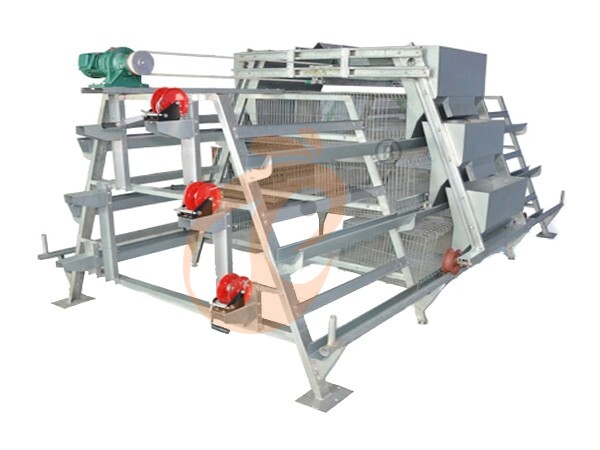
Layer cage systems integrate feeding, watering, manure handling, and egg collection into compact production layouts, supporting systematic farm management.
Automatic feeding systems, nipple drinking systems, and ventilation equipment reduce manual intervention while improving operational consistency across different flock sizes.
Egg quality depends on nesting, litter condition, climate control, nutrition, and handling, making equipment engineering as important as housing selection.
- Proper equipment configuration helps farms balance egg cleanliness, labor demand, space utilization, scalability, and long-term production efficiency.
Get professional poultry farm construction guidance, equipment selection solutions, and the latest price lists, whatsApp to +8618830120193, click to learn more:
Engineering Key Points: What Really Determines Egg Quality?
Engineering Checklist
Deep litter system for layers performance depends on housing, genetics, nutrition, flock health, and equipment integration.
Shell quality can be influenced by calcium supply, water access, environmental stability, and handling, with practical shell thickness around 0.30–0.40 mm.
A properly engineered deep litter house can deliver consistent commercial eggs, while a layer cage system provides controlled egg flow and mechanized handling.
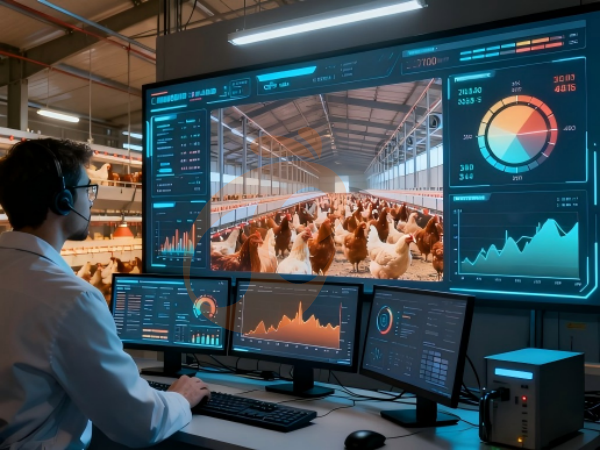
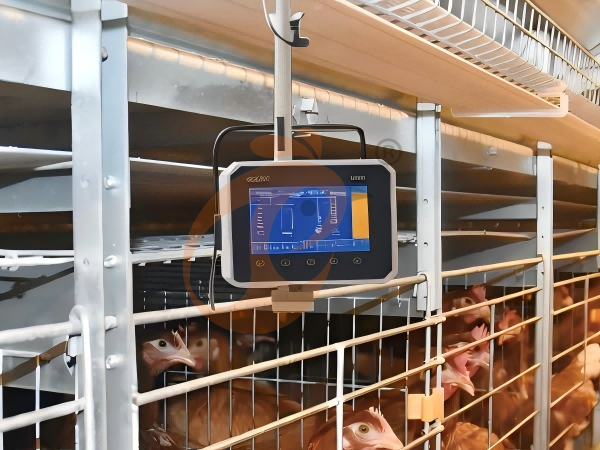
Automatic controllers can monitor environmental inputs with 1-minute recording intervals, supporting consistent operational management.
- Maintain uniform feed distribution across the flock.
- Provide clean water through reliable nipple drinkers.
- Control temperature, humidity, and ammonia through ventilation.
- Keep litter dry and regularly managed.
- Use efficient manure removal in cage systems.
- Design lighting for stable laying performance.
Reduce unnecessary labor through automation.
Egg Quality Comparison
Data is for reference only.Swipe horizontally to view full table.
Deep litter system for layers requires coordinated floor, nesting, watering, and collection management.
Automatic poultry equipment can connect individual production functions into one controllable system.
Technique Card: How To Produce Cleaner Eggs In Deep Litter Houses
Tip 01 — Control Litter Moisture
Deep litter system for layers requires dry bedding to reduce dirty eggs and ammonia generation.
A practical litter-moisture target is below 30%, with inspection concentrated within 1 m of drinking points.
Tip 02 — Engineer The Water System
Deep litter system for layers benefits from filtration, pressure regulation, flushing lines, and adjustable nipple height.
A 120–150 mesh filter and 25–32 mm flushing pipe can form part of a commercial water-treatment layout.
Tip 03 — Reduce Egg Handling
Deep litter system for layers should combine nest design, collection frequency, and conveyor layout.
A conveyor transfer section can use a 10–15° slope to support controlled egg movement.
Egg Production Performance
Data is for reference only.Swipe horizontally to view full table.
Deep litter system for layers results vary according to genetics, climate, feed formulation, management, and equipment configuration.
Commercial egg output should therefore be evaluated through complete farm data rather than housing type alone.
Process Structure: From Feed To Marketable Eggs
Feed Storage → Automatic Feeding → Water Delivery → Climate Management → Egg Production → Egg Collection → Sorting And Packing
Deep litter system for layers can integrate feed storage with automated distribution, allowing programmed operation across the house.
A modern controller can execute 3–8 feeding cycles per day, depending on flock age and production strategy.
Deep litter system for layers requires coordinated water delivery through filtration, regulation, metering, and nipple lines.
Tunnel-ventilated configurations can be engineered around 2.5–3.0 m/s air movement for controlled airflow.
Deep litter system for layers then connects nesting and egg collection with sorting and packing procedures.
A complete poultry equipment layout turns individual machines into one continuous production process.
Equipment Investment Comparison
Data is for reference only.Swipe horizontally to view full table.
Deep litter system for layers can use automatic feeding and drinking equipment while maintaining flexible house layouts.
Layer cage systems integrate egg belts and manure belts more directly into the housing structure.
Equipment Combination Recommendation: A Complete Deep Litter Solution
Deep litter system for layers should be designed as a complete equipment package before construction rather than assembled from unrelated machines.
A coordinated layout can connect feeding, drinking, ventilation, lighting, nesting, and egg handling while maintaining service access.
A typical control panel can operate at 380–415 V three-phase power, with dedicated circuits for motors and sensors.
01 — Automatic Feeding System
Deep litter system for layers can combine feed silos, augers, hoppers, drive motors, and feed pans for consistent feed delivery.
02 — Automatic Drinking System
Deep litter system for layers can integrate nipple drinkers, regulators, filters, dosing equipment, and flushing arrangements.
Water meters can be specified around 1.5–2.5 m³/h, according to flock capacity and pipe-network design.
03 — Ventilation System
Deep litter system for layers should integrate exhaust fans, air inlets, cooling pads, sensors, and environmental controllers.
04 — Environmental Control
Deep litter system for layers can connect temperature, humidity, ammonia, lighting, and equipment alarms through centralized control.
05 — Nest And Egg Collection
Deep litter system for layers can incorporate egg conveyors for larger farms, reducing manual carrying between production and collection areas.
Egg Breakage And Egg Loss
Data is for reference only.Swipe horizontally to view full table.
Deep litter system for layers requires particular attention to floor eggs because laying location and litter condition directly affect collection efficiency.
Proper nest design, lighting management, bird distribution, and collection procedures should therefore operate as one system.
Farm Management Parameters
Data is for reference only.Swipe horizontally to view full table.
Deep litter system for layers depends on stable environmental control because temperature and humidity fluctuations can affect flock comfort and operational consistency.
Automated ventilation and lighting controllers reduce dependence on manual adjustment during changing weather conditions.
Farm Scalability
Data is for reference only.Swipe horizontally to view full table.
Deep litter system for layers should be planned around future expansion instead of only present flock capacity.
Modular poultry equipment allows additional houses and production lines to be incorporated without redesigning the complete farm.
Equipment Engineering Tips
Deep litter system for layers should be designed around maintenance as well as production.
Motors, gearboxes, sensors, belts, and controllers should remain accessible without unnecessary entry into production zones.
A preventive-maintenance program can inspect drive assemblies every 500 operating hours, while electrical terminals can be checked at 6-month intervals.
Deep litter system for layers also benefits from appropriate material selection because poultry houses continuously expose equipment to dust and moisture.
Hot-dip galvanized steel, corrosion-resistant fasteners, protected motors, and washable components support long-term equipment operation.
For galvanized cage structures, published specifications commonly indicate service lives of 10–20 years under suitable maintenance conditions.
Final Decision: Choose The Production System That Fits Your Farm
Data is for reference only.Swipe horizontally to view full table.
Deep litter system for layers does not automatically guarantee better egg quality because egg results depend on management, equipment, genetics, nutrition, and environmental control.
For farms selecting deep litter production, integrated poultry equipment can combine automatic feeding, nipple drinking, ventilation, environmental control, nesting, and egg collection.
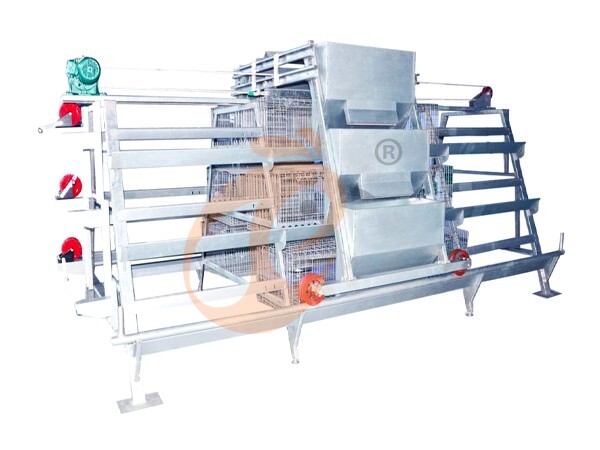
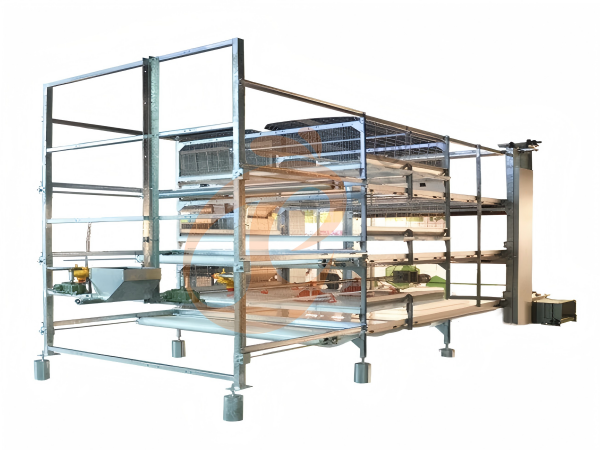
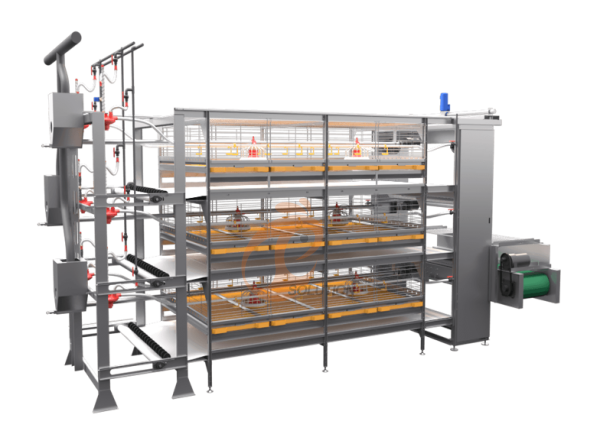
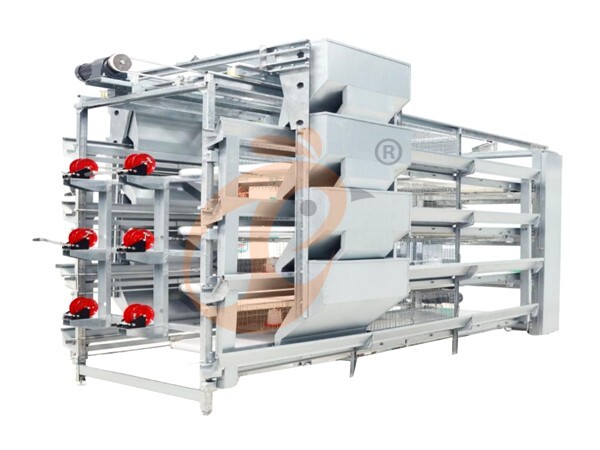
For commercial projects, layer cage equipment can integrate feeding, watering, manure removal, and egg collection into a compact production structure.
Deep litter system for layers should therefore be evaluated through housing design, automation level, equipment engineering, farm capacity, and total operating requirements.
The right equipment configuration can turn a conventional layer house into a measurable, manageable, and scalable egg-production operation.
Frequently Asked Questions
Q: Does deep litter system for layers produce cleaner eggs than cages?
Deep litter system for layers can produce clean commercial eggs when litter, nests, drinking systems, and collection procedures are properly controlled.
A practical litter-moisture target remains around 30% or lower, while frequent egg collection helps reduce exposure to bedding.
Q: Which equipment is most important for a deep litter farm?
Deep litter system for layers normally requires coordinated feeding, nipple drinking, ventilation, lighting, nesting, and egg collection equipment.
For larger projects, automated systems can connect multiple production functions through centralized controllers.
Q: Can deep litter system for layers be fully automated?
Deep litter system for layers can achieve substantial automation through automatic feeding, drinking, ventilation, climate control, and conveyor-based egg collection.
Final automation scope should be calculated according to flock capacity, house dimensions, labor conditions, and project budget.
Taiyu (HK) Group - One Of China Toppest Deep Litter System For Layers Manufacturer
Deep litter system for layers integrates automatic feeding, nipple drinking, ventilation, nesting, and egg collection, with engineering configurations supporting commercial houses from 5,000 to 50,000 birds.
Global factory direct sales provide poultry equipment with coordinated production, quality inspection, technical documentation, and project-specific equipment configuration.
Poultry equipment covers feeding systems, drinking systems, ventilation equipment, environmental controllers, egg collection systems, and related layer-farm machinery.
Turn-key engineering connects equipment selection, house layout, installation guidance, commissioning, operator training, and production-system integration for complete farm projects.
International project supply supports customized poultry equipment specifications according to flock capacity, building dimensions, climate conditions, electrical standards, and expansion requirements.
Contact Us To Received Your Customized Poultry Farm Plan
Headquarters And Branchs
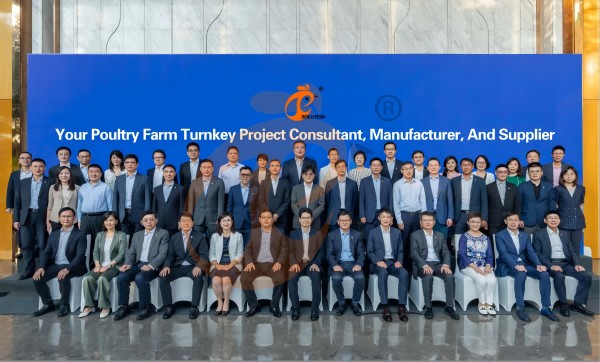
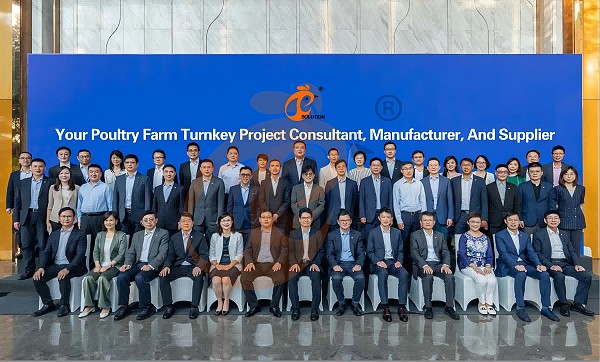
Hong Kong Headquarter Management Team
Hong Kong Headquarter Taiyu Industrial Group CO., LTD
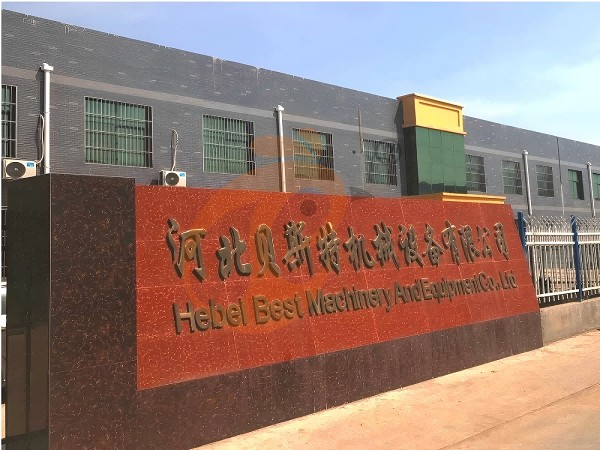
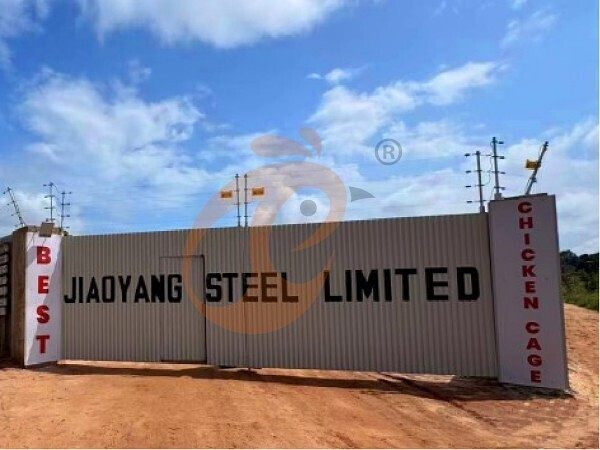
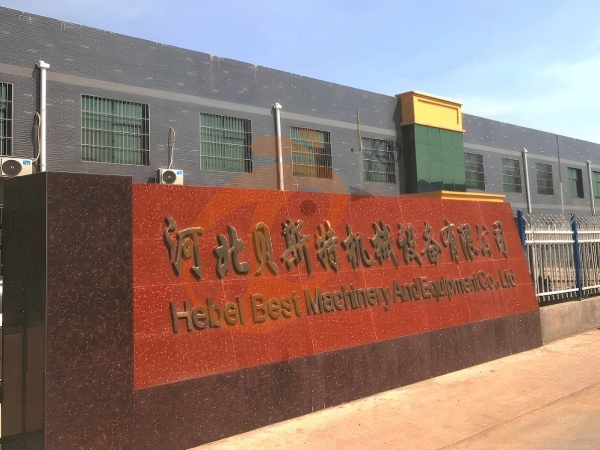
China Hebei Best Machinery And Equipment CO., LTD
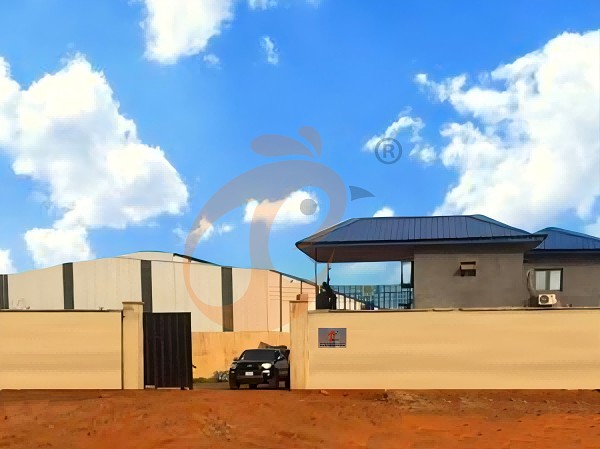
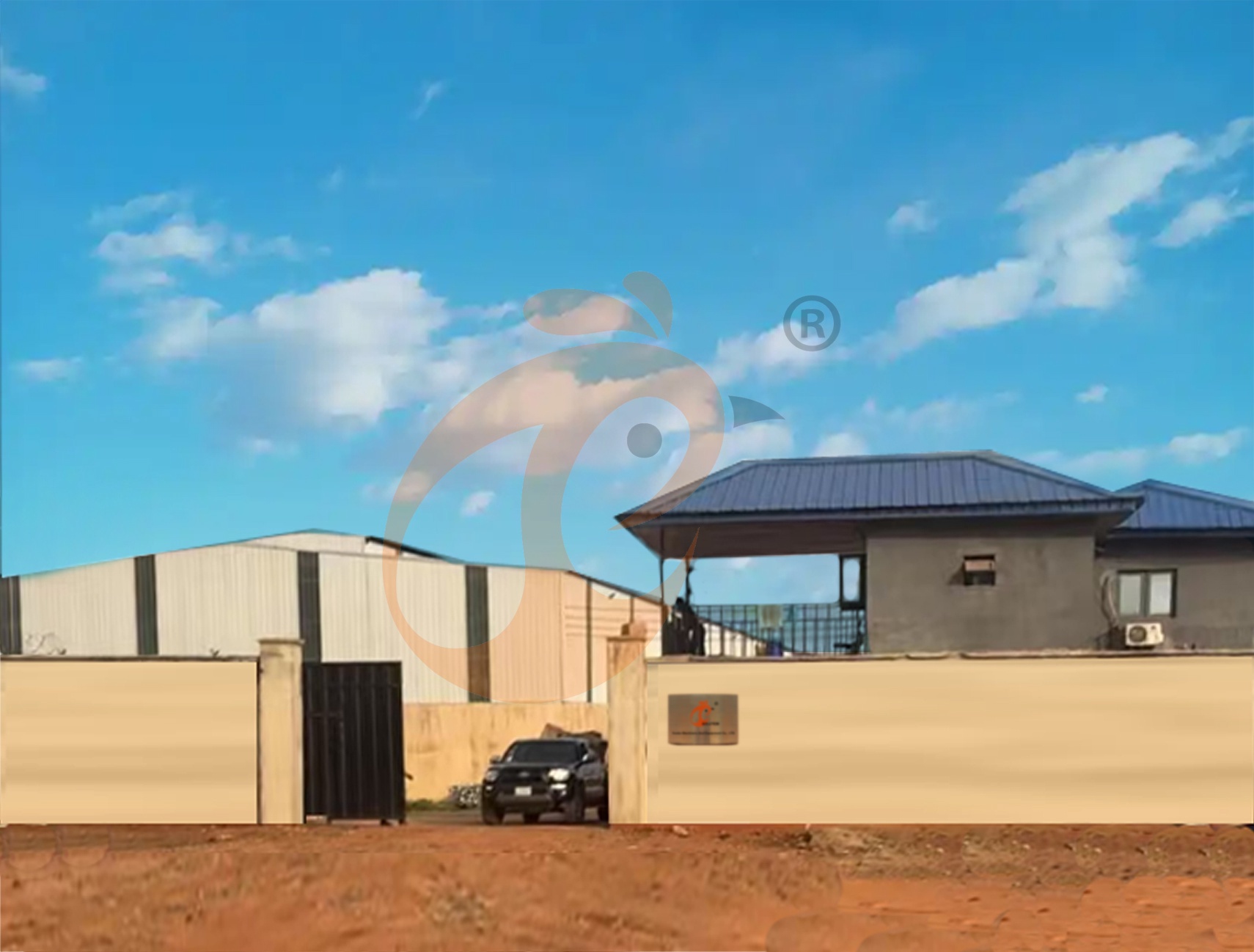
Nigeria Vanke Machinery And Equipment CO., LTD
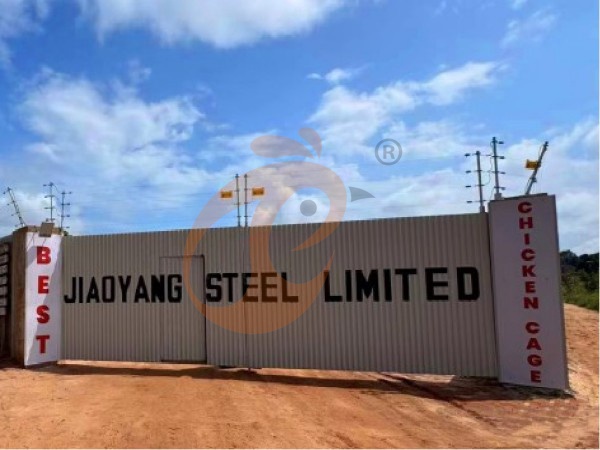
Tanzania Best Machinery And Equipment CO., LTD
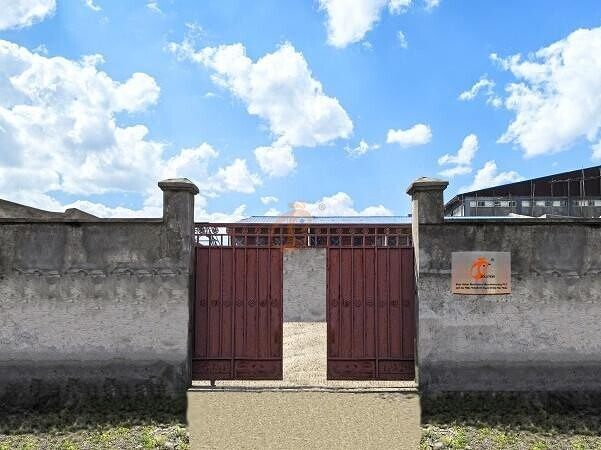
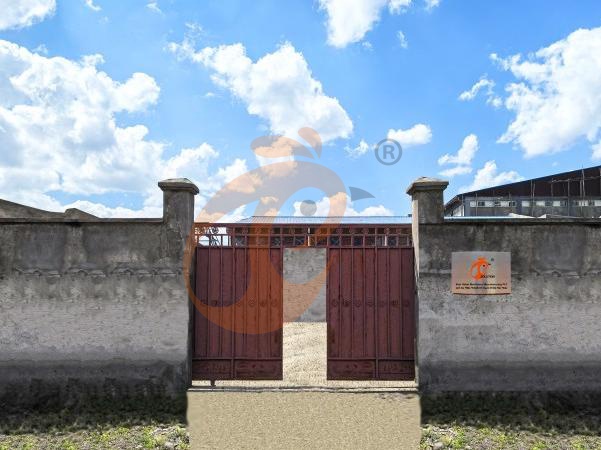
Ethiopia Best Hebei Machinery Manufacturing PLC
Reception /24 WhatsApp NO. : +8618830120193
FAQ
What Are The Growth Performance Benefits In Deep Litter Poultry System?
Feed conversion ratio improves to 1.55–1.78 due to thermal comfort and reduced stress.
Market uniformity rate exceeds 85%–92% within target slaughter weight range.
What Are The Litter Turning And Management Frequency Standards In Deep Litter Poultry System?
Surface leveling is maintained every 3–5 days to prevent compaction zones.
Full litter replacement cycle occurs every 2–3 production batches depending on load intensity.
What Are The Energy Efficiency And Cost Advantages In Deep Litter Poultry System?
Construction cost savings reach 25%–40% compared with fully caged housing systems.
Operational labor demand decreases by 30%–50% through simplified floor-based management.
- poultry farm
- layer cage
- poultry house
- cage
- galvanized cage
- poultry farm construction
- layer cage system
- automatic drinking system
- automatic feeding system
- deep litter system
- poultry equipment
- egg collection system
- egg collection equipment
- chickencage
- bestchickencage
- cage system
- cage systems
- Nigeria
- layer cage equipment
- poultry equipment layout
- deep litter system for layers
- poultry farm plan
- feed silo
- Ethiopia
Message
Products recommended
 >30,000 Pullets Automatic H Type Battery Cage1. More than 30,000 pullets a house, choose it.
2. It is designed to rearing older than 1 day old pullets to 12 to 16 weeks old chicken starting laying eggs.
3. Its lifespan is more than 25 years.
4. Its structure are Vcloud artificial intelligent fusion, electric control cabinet, automatic equipment of drinking, feeding, manure clean, manual harvesting.
5. Our 24 hour online reception What’sApp NO. is +8618830120193 <30,000 Pullets Automatic A Type Battery Cage1. 10,000 to 30,000 pullets a house, choose it.
2. It is designed to rearing older than 1 day old pullets to 12 to 16 weeks old chicken starting laying eggs.
3. Its lifespan is more than 25 years.
4. Its structure are Vcloud artificial intelligent fusion, electric control cabinet, automatic equipment of drinking, feeding, manure clean, manual harvesting.
5. Our 24 hour online reception What’sApp NO. is +86 18830120193. >30,000 Broilers Semi-Automatic Harvest H Type Battery Cage1. More than 30,000 broilers a house, choose it.
2. It is designed to rearing 1 to 45 day old adult broiler ready for market.
3. Its lifespan is more than 20 years.
4. Our 24 hour online reception What’sApp NO. is +8618830120193, +234 8111199996. >30,000 Broilers Manual Harvest H Type Battery Cage1. More than 30,000 broilers a house, choose it.
2. It is designed to rearing 1 to 45 day old adult broiler ready for market.
3. Its lifespan is more than 20 years.
4. Its structure are Vcloud artificial intelligent fusion, electric control cabinet, automatic equipment of drinking, feeding and manure clean, manual harvesting.
5. Our 24 hour online reception What’sApp NO. is +8618830120193, +234 8111199996. <30,000 Broilers Manual Harvest A Type Battery Cage1. Less 30,000 broilers a house, choose it.
2. It is designed to rearing 1 to 45 day old adult broiler ready for market.
3. Its lifespan is more than 20 years.
4. Its structure are Vcloud artificial intelligent fusion, electric control cabinet, automatic equipment of drinking, feeding and manure clean, manual harvesting.
5. Our 24 hour online reception What’sApp NO. is +8618830120193, +234 8111199996. HK Headquarter Offers EU-standard Poultry Farm Solutions, Manufacture Poultry Farm Equipment1. Continuous communication with the EU and the US
2. China, Nigeria, Ethiopia, Tanzania branch companies and factories
3. The products’ quality is customized for local poultry farms
4. Poultry cage and poultry farm equipment stock for sale
5. 24 online reception Whatsapp NO. : +8618830120193,contact us to get full information China Branch Offer Poultry Farm Business Plan, Manufacture Poultry Farm Equipment1. Address: Flat/RM 2416, 24/F, Runxing Building, Youyi Nan Street, Shijiazhuang City, Hebei Province, China
2. Poultry cage and poultry farm equipment factory and stock for sale
3. Customized for local poultry farms
4. Quality and design are based on Euro
5. 24 online reception Whatsapp NO. : +8618830120193 Nigeria Branch Offer Poultry Farm Business Plan, Manufacture Poultry Farm Equipment1. Address: After Sinoma Office, 200 Meters Near Danco Filling Station, Lagos/Ibadan Expressway, Lagos State, Nigeria
2. Poultry cage and poultry farm equipment factory and stock for sale
3. Customized for Nigerian poultry farms
4. Quality and design are based on Euro
5. 24 online reception Whatsapp NO. : +8618830120193 Ethiopia Branch Offer Poultry Farm Business Plan, Manufacture Poultry Farm Equipment1. Address: Gelan Gura, Akaki-kaliti Sub City, Addis Ababa, Ethiopia
2. Poultry cage and poultry farm equipment stock for sale
3. Customized for Ethiopian poultry farms
4. Quality and design are based on Euro
5. 24 online reception Whatsapp NO. : +8618830120193, contact us to get price list Tanzania Branch Offer Poultry Farm Business Plan, Manufacture Poultry Farm Equipment1. Address: No.8, Sova Road, Msufini, Mlandizi, Kibaha, Pwani, Tanzania
2. Poultry cage and poultry farm equipment factory and stock for sale
3. Customized for Tanzanian poultry farms
4. Quality and design are based on Euro
5. 24 online reception Whatsapp NO. : +8618830120193


Contact