


Blog
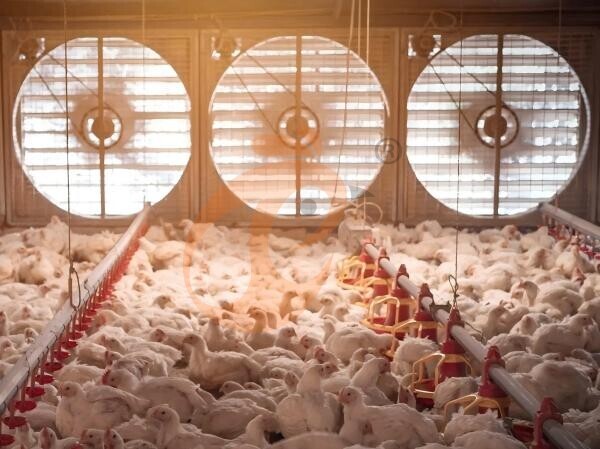
In a battery system in poultry, ventilation failure and poor manure handling cause wet litter, strong ammonia odor, heat stress, dirty eggs, and uneven flock growth.
Restricted airflow or delayed manure removal can worsen feed conversion by 3% to 8%, decrease egg output by 5% to 12%, and increase summer mortality.
The most practical solution combines correct fan sizing, balanced air inlets, timely manure removal, and a cage layout matched to house dimensions and stocking density.
Integrating house design, cage layout, ventilation planning, and equipment delivery ensures faster investment recovery for commercial poultry producers.
Get professional poultry farm construction guidance, equipment selection solutions, and the latest price lists, whatsApp to +8618830120193, click to learn more:
Common Ventilation And Manure Handling Problems
In a battery system in poultry, poor ventilation and ineffective waste management reduce bird health, egg production, and working efficiency. Minor operational issues—such as fan efficiency loss, clogged air inlets, elevated humidity, and delayed manure removal—frequently compound into significant financial losses.
Commercial egg producers seeking optimal poultry farm ventilation designs, layer cage manure removal systems, and poultry house airflow solutions require a system that maintains egg yield, supports flock biosecurity, and minimizes manual labor costs.
Key Operational Warning Signs
Root Causes Of Ventilation Equipment Breakdown
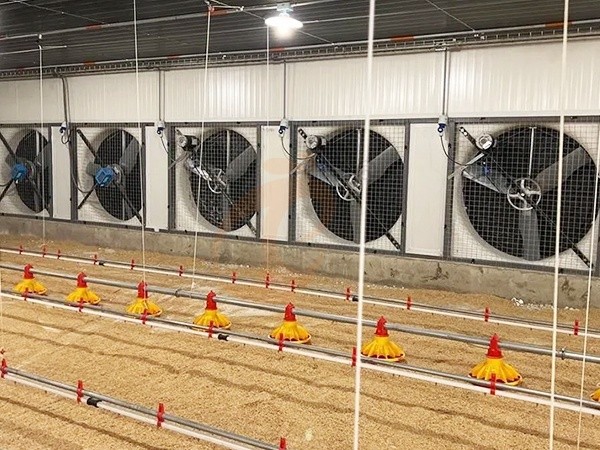
Ventilation issues usually stem from three core factors: improper house dimensions, underperforming equipment, and incorrect inlet calibration. A poorly designed building layout creates dead zones where fresh air fails to reach lower or middle cage tiers.
Furthermore, worn fan belts, dust accumulation, and voltage fluctuations can reduce exhaust fan capacity by 15% to 25%, disrupting the static pressure and air exchange rate of the entire house.
Ventilation Failures And Operational Impact
Overcoming Manure Handling Bottlenecks
In intensive housing, manure accumulation directly drives up ambient temperature, moisture levels, noxious gas concentrations, and insect populations. Manual removal is inefficient for large facilities; modern commercial farms rely on automated manure belts, scrapers, and integrated drying channels.
Undetected drinker leaks exacerbate waste control problems by saturating manure, increasing odor emissions, and hindering manure transport or composting workflows.
Waste Management Challenges And Practical Solutions
Recommended Control Targets And System Configuration
Optimizing poultry house environmental parameters requires simultaneous control of air velocity, relative humidity, and gas concentrations. Maintaining ammonia levels below 20 ppm and relative humidity between 50% and 70% preserves bird health and maintains consistent feed intake.
Phased upgrades for ventilation fan systems, automated inlets, and manure belt configurations typically require an initial investment of USD 3,000 to USD 12,000 per house (EU Standards For Reference Only), depending on target capacity and automation depth.
Environmental Benchmark Parameters
Frequently Asked Questions
How Often Should Manure Be Removed In A Battery System In Poultry?
In automated houses, manure belts should run every 1 to 3 days. In hot or humid climates, shorter removal intervals prevent ammonia accumulation, fly breeding, and excess moisture build-up.
What Is The Best Ventilation Setup For A Layer Battery System?
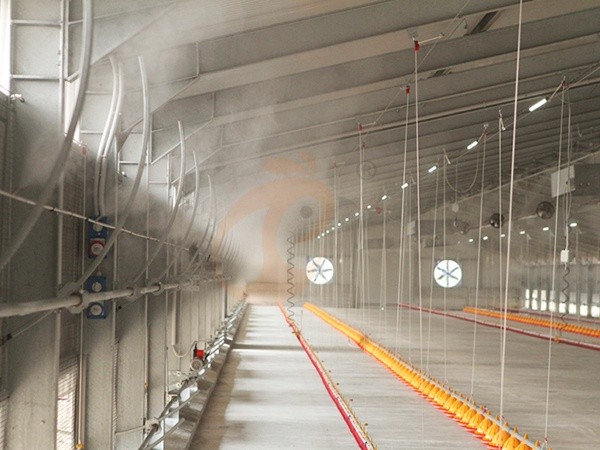
The ideal setup combines correctly sized end-wall exhaust fans with automated, pressure-controlled side inlets. In tropical or hot regions, tunnel ventilation systems ensure high air velocity at bird level across all cage tiers.
How Can I Reduce Ammonia Smell Quickly In My Poultry House?
Immediately increase exhaust fan speeds to elevate air exchange, inspect drinking lines for water leaks, and initiate a full manure removal cycle. Increasing minimum ventilation rates during nighttime hours also prevents morning gas spikes.
Why Choose HB BEST As Your Equipment Partner
HB BEST brings over 28 years of specialized manufacturing experience delivering complete commercial poultry equipment solutions globally.
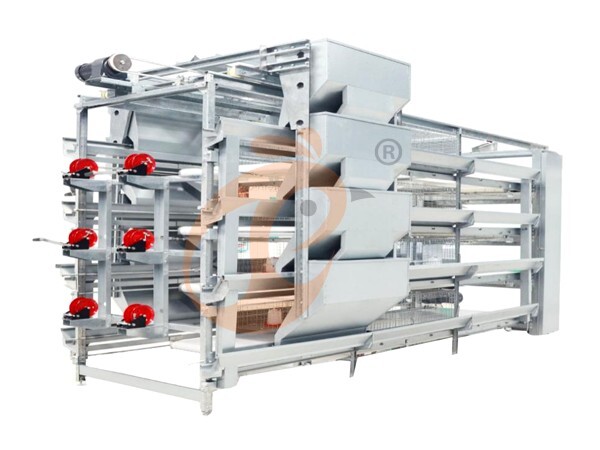
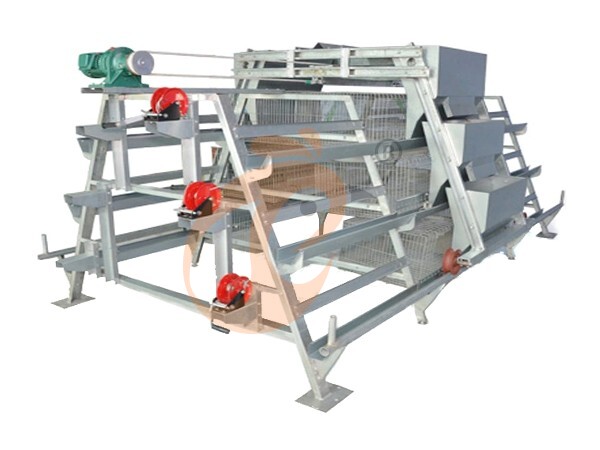
We offer complete factory-direct solutions including A-type and H-type cages, automatic feeding, drinking, egg collection, and manure removal systems.
We provide tailored house layout design, airflow calculations, and 3D building plans based on your land and flock target.
We manufacture high-durability equipment utilizing hot-dip galvanization based on Euro standards (EU Standards For Reference Only).
Contact HB BEST today with your house dimensions and target bird capacity to receive customized recommendations and direct factory pricing.
Contact Us To Received Your Customized Poultry Farm Plan
Headquarters And Branchs

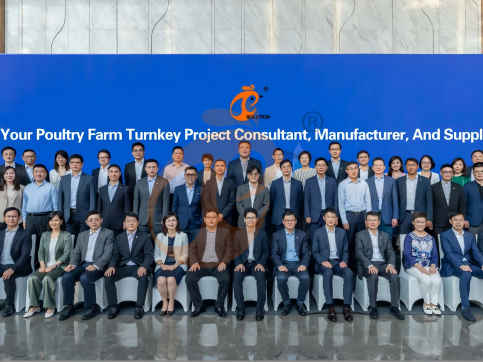
Hong Kong Headquarter Management Team
Hong Kong Headquarter Taiyu Industrial Group CO., LTD
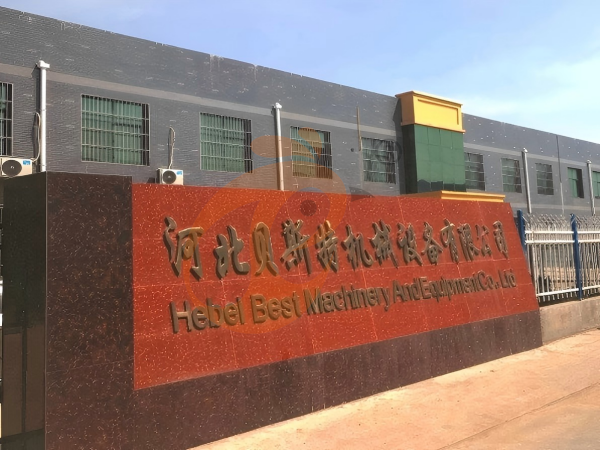
China Hebei Best Machinery And Equipment CO., LTD
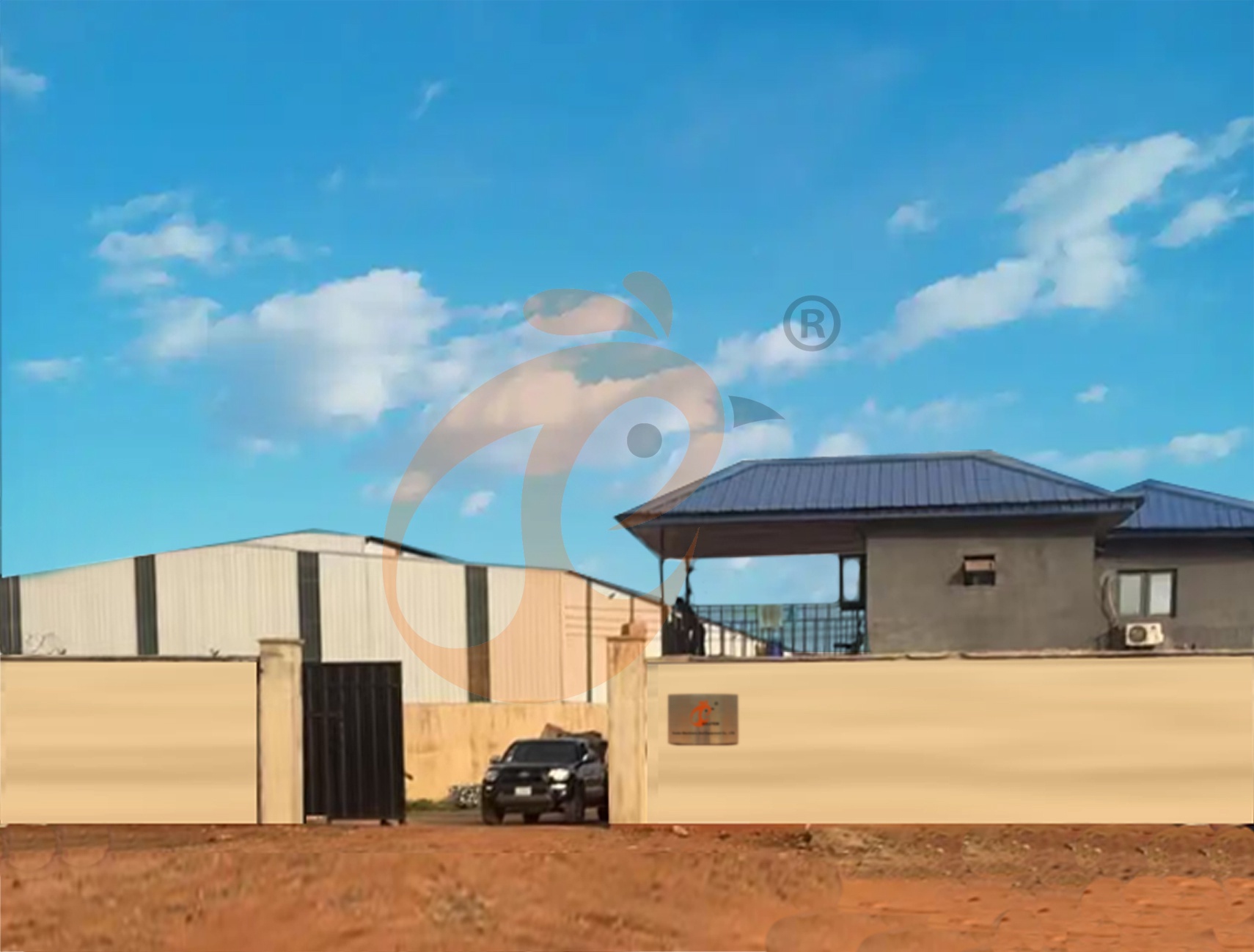
Nigeria Vanke Machinery And Equipment CO., LTD
Tanzania Best Machinery And Equipment CO., LTD
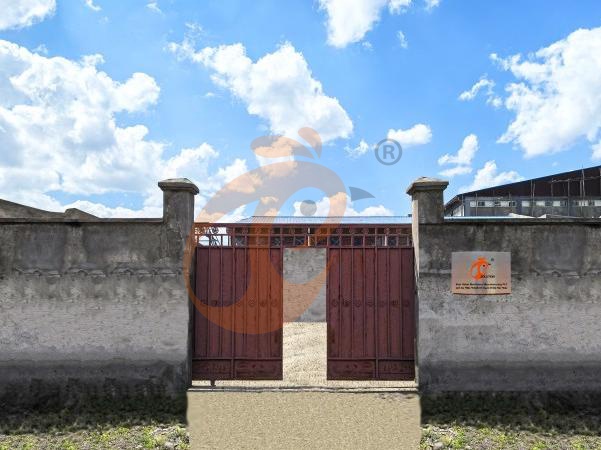
Ethiopia Best Hebei Machinery Manufacturing PLC




Reception /24 WhatsApp NO. : +8618830120193
Message
Products recommended
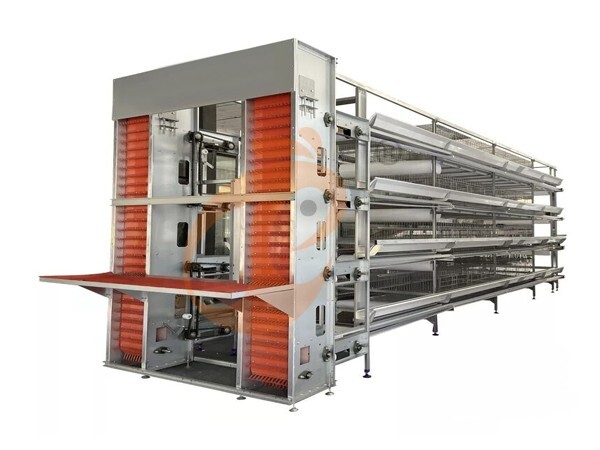
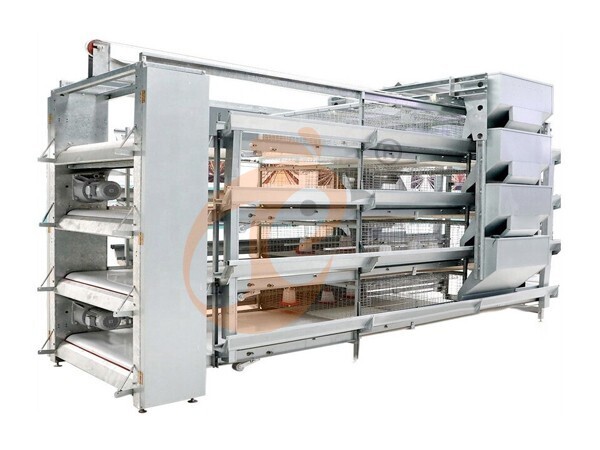
 >30,000 Pullets Automatic H Type Battery Cage1. More than 30,000 pullets a house, choose it.
2. It is designed to rearing older than 1 day old pullets to 12 to 16 weeks old chicken starting laying eggs.
3. Its lifespan is more than 25 years.
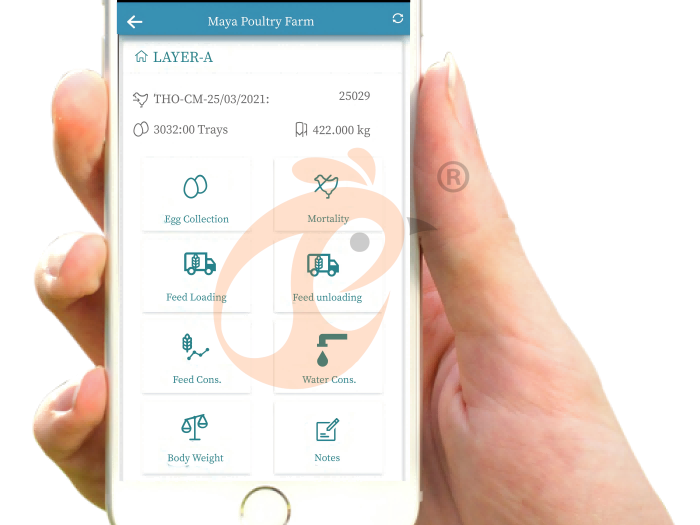
4. Its structure are Vcloud artificial intelligent fusion, electric control cabinet, automatic equipment of drinking, feeding, manure clean, manual harvesting.
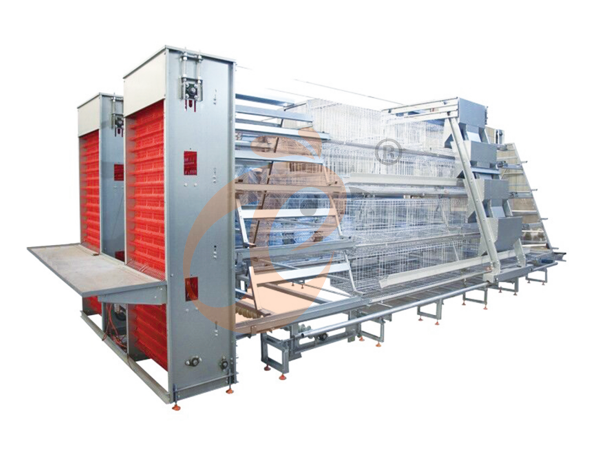
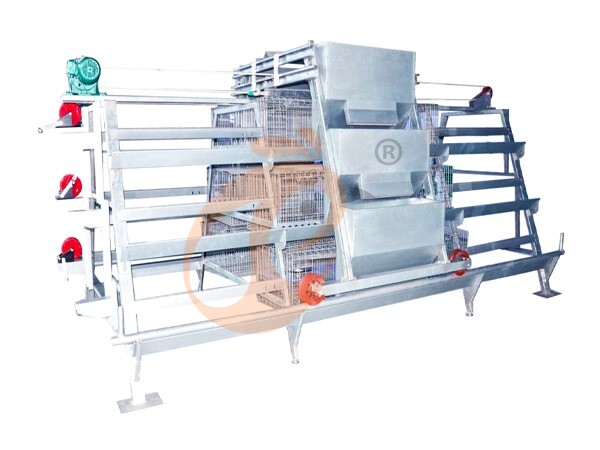
5. Our 24 hour online reception What’sApp NO. is +8618830120193 <30,000 Pullets Automatic A Type Battery Cage1. 10,000 to 30,000 pullets a house, choose it.
2. It is designed to rearing older than 1 day old pullets to 12 to 16 weeks old chicken starting laying eggs.
3. Its lifespan is more than 25 years.
4. Its structure are Vcloud artificial intelligent fusion, electric control cabinet, automatic equipment of drinking, feeding, manure clean, manual harvesting.
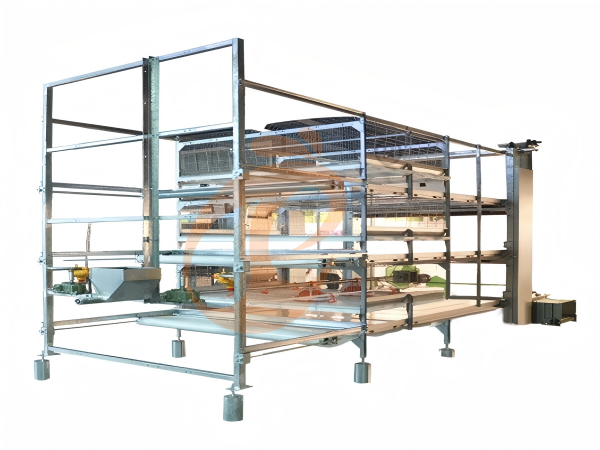
5. Our 24 hour online reception What’sApp NO. is +86 18830120193. >30,000 Broilers Semi-Automatic Harvest H Type Battery Cage1. More than 30,000 broilers a house, choose it.
2. It is designed to rearing 1 to 45 day old adult broiler ready for market.
3. Its lifespan is more than 20 years.
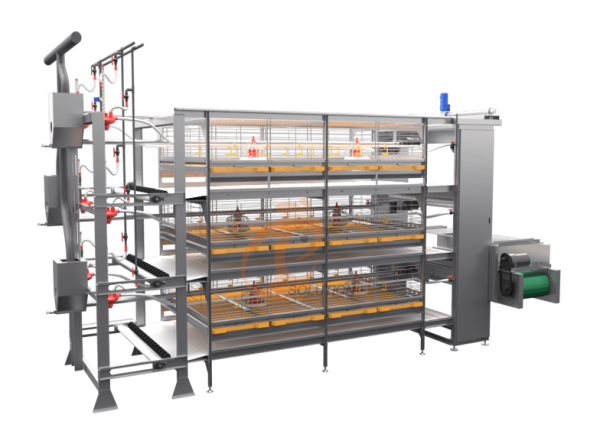
4. Our 24 hour online reception What’sApp NO. is +8618830120193, +234 8111199996. >30,000 Broilers Manual Harvest H Type Battery Cage1. More than 30,000 broilers a house, choose it.
2. It is designed to rearing 1 to 45 day old adult broiler ready for market.
3. Its lifespan is more than 20 years.
4. Its structure are Vcloud artificial intelligent fusion, electric control cabinet, automatic equipment of drinking, feeding and manure clean, manual harvesting.
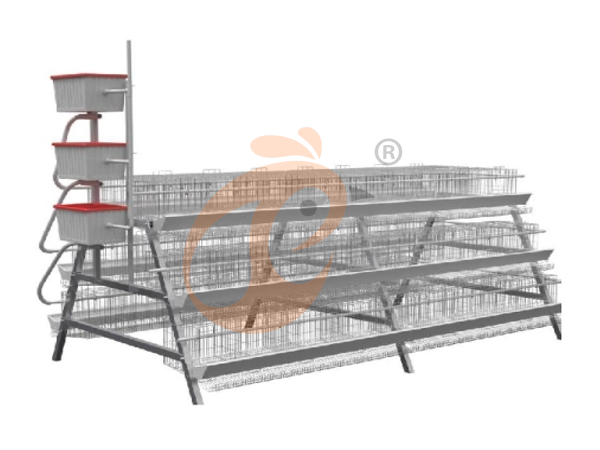
5. Our 24 hour online reception What’sApp NO. is +8618830120193, +234 8111199996. <30,000 Broilers Manual Harvest A Type Battery Cage1. Less 30,000 broilers a house, choose it.
2. It is designed to rearing 1 to 45 day old adult broiler ready for market.
3. Its lifespan is more than 20 years.
4. Its structure are Vcloud artificial intelligent fusion, electric control cabinet, automatic equipment of drinking, feeding and manure clean, manual harvesting.
5. Our 24 hour online reception What’sApp NO. is +8618830120193, +234 8111199996. HK Headquarter Offers EU-standard Poultry Farm Solutions, Manufacture Poultry Farm Equipment1. Continuous communication with the EU and the US
2. China, Nigeria, Ethiopia, Tanzania branch companies and factories
3. The products’ quality is customized for local poultry farms
4. Poultry cage and poultry farm equipment stock for sale
5. 24 online reception Whatsapp NO. : +8618830120193,contact us to get full information China Branch Offer Poultry Farm Business Plan, Manufacture Poultry Farm Equipment1. Address: Flat/RM 2416, 24/F, Runxing Building, Youyi Nan Street, Shijiazhuang City, Hebei Province, China
2. Poultry cage and poultry farm equipment factory and stock for sale
3. Customized for local poultry farms
4. Quality and design are based on Euro
5. 24 online reception Whatsapp NO. : +8618830120193 Nigeria Branch Offer Poultry Farm Business Plan, Manufacture Poultry Farm Equipment1. Address: After Sinoma Office, 200 Meters Near Danco Filling Station, Lagos/Ibadan Expressway, Lagos State, Nigeria
2. Poultry cage and poultry farm equipment factory and stock for sale
3. Customized for Nigerian poultry farms
4. Quality and design are based on Euro
5. 24 online reception Whatsapp NO. : +8618830120193 Ethiopia Branch Offer Poultry Farm Business Plan, Manufacture Poultry Farm Equipment1. Address: Gelan Gura, Akaki-kaliti Sub City, Addis Ababa, Ethiopia
2. Poultry cage and poultry farm equipment stock for sale
3. Customized for Ethiopian poultry farms
4. Quality and design are based on Euro
5. 24 online reception Whatsapp NO. : +8618830120193, contact us to get price list Tanzania Branch Offer Poultry Farm Business Plan, Manufacture Poultry Farm Equipment1. Address: No.8, Sova Road, Msufini, Mlandizi, Kibaha, Pwani, Tanzania
2. Poultry cage and poultry farm equipment factory and stock for sale
3. Customized for Tanzanian poultry farms
4. Quality and design are based on Euro
5. 24 online reception Whatsapp NO. : +8618830120193


Contact