


Blog
Broiler chicken cage selection affects housing efficiency, labor input, equipment coordination, and operating costs, with commercial projects commonly planned around 8–12 production cycles annually.
Broiler cage system evaluation covers structure, stocking capacity, feeding, drinking, manure handling, automation, and technical service across complete poultry projects.
Automatic broiler feeding system integration supports consistent feed distribution while reducing repetitive work during daily operations, especially across multi-row houses.
Equipment planning should consider ventilation, cooling, environmental control, installation requirements, spare parts, and project commissioning within a 30–60 day preparation period.
- A properly configured broiler chicken cage solution connects equipment engineering with farm layout, production targets, and scalable turn-key poultry equipment planning.
Get professional poultry farm construction guidance, equipment selection solutions, and the latest price lists, whatsApp to +8618830120193, click to learn more:
Evaluation Overview: The 6 Core Criteria
A broiler chicken cage supplier should be evaluated as a complete poultry equipment partner rather than simply as a cage manufacturer.
A properly integrated broiler cage system should correspond with building dimensions, bird numbers, labor conditions, and production objectives over multiple operating seasons.
An automatic broiler feeding system can further connect daily feeding operations with the overall cage configuration through centralized control.
Engineering Points: Cage Structure And Materials
Engineering Points
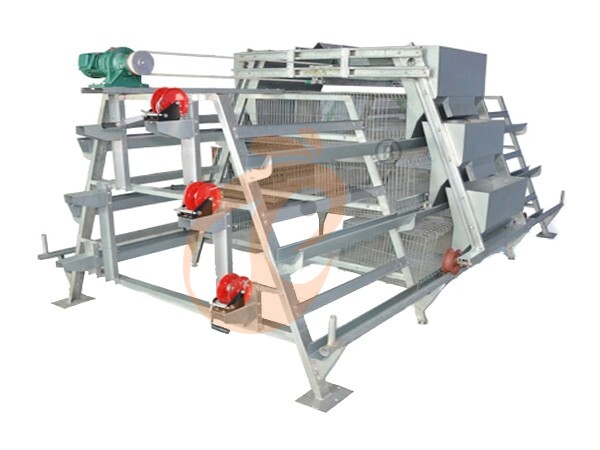
A commercial broiler chicken cage must withstand continuous loading, cleaning, feeding, and environmental exposure throughout repeated production periods.
Galvanized steel is commonly selected for poultry equipment because corrosion resistance is important in high-humidity farm environments, particularly above 70% relative humidity.
Pay attention to frame strength, welding quality, cage door design, support structure, and surface treatment.
A durable broiler cage system should maintain structural stability during daily washing procedures and scheduled maintenance intervals of approximately 6 months.
Engineering Checklist
- Check galvanized coating quality.
- Confirm frame specifications.
- Inspect welding points for consistency.
- Verify cage arrangement against the farm layout.
- Ask about expected service life and replacement components.
An automatic broiler feeding system should also be checked for compatibility with cage spacing and equipment clearance during installation.
Cage Specification Comparison
The correct broiler chicken cage specification depends on bird numbers, available building area, local climate, and automation requirements.
A commercial broiler cage system can provide greater configuration flexibility when cage dimensions and supporting equipment are planned together.
An automatic broiler feeding system should be selected according to capacity, line configuration, feed delivery requirements, and farm operating scale.
Tip Card: Compare Supplier Manufacturing Capability
Tip Card
Do not evaluate a broiler chicken cage supplier only from product photos.
Ask for technical drawings, component specifications, production photographs, installation references, and detailed quotations before manufacturing begins.
A professional supplier should be able to explain:
- How the cage is manufactured.
- Which steel treatment is used.
- How cage capacity is calculated.
- Which feeding and drinking components are included.
- How replacement parts are supplied.
- How installation and commissioning are handled.
A supplier capable of answering these questions clearly is easier to evaluate throughout a complete broiler cage system project.
Technical documentation should also confirm how an automatic broiler feeding system connects with the cage arrangement.
Feeding And Drinking Equipment
A broiler chicken cage system performs best when feeding and drinking equipment is properly integrated.
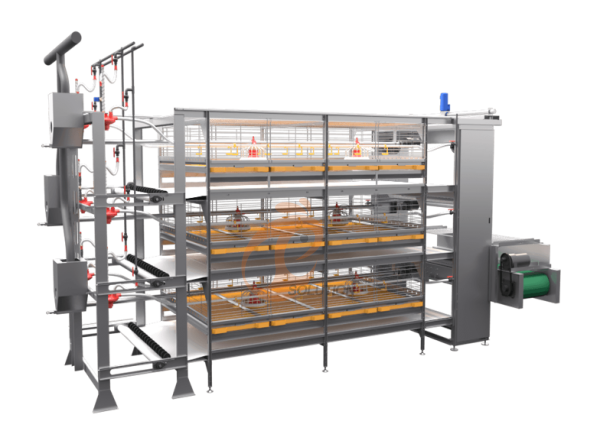
Instead of purchasing cages separately from accessories, farmers can consider a complete system combining cages, feeding lines, drinking lines, controllers, and manure equipment.
A complete broiler cage system can therefore be configured with an automatic broiler feeding system according to farm capacity and building layout.
Process Structure: From Farm Layout To Installation
Process Structure
Farm Data → System Design → Equipment Selection → Production → Quality Inspection → Shipment → Installation → Commissioning
First, the supplier should collect essential farm information, including building dimensions, bird quantity, local climate, available utilities, and desired automation level.
The supplier can then design the broiler chicken cage arrangement and supporting equipment, normally allowing 5–10 working days for technical confirmation.
After manufacturing, components should be inspected before shipment, with documentation completed before container loading.
During installation, cage rows, feeding lines, drinking systems, ventilation equipment, and manure systems should be properly aligned and tested.
This project-based approach helps prevent equipment mismatches and unnecessary modifications on site.
A coordinated broiler cage system also makes integration with an automatic broiler feeding system more straightforward.
Supplier Technical Service
For international poultry projects, technical communication is especially important for a broiler chicken cage installation.
A supplier that provides drawings, installation manuals, component lists, and responsive after-sales support can simplify project management.
For overseas projects, complete broiler cage system documentation should clarify equipment interfaces and commissioning procedures.
Technical support should also cover the automatic broiler feeding system, spare parts, adjustment procedures, and routine maintenance.
Equipment Combination Recommendation
Equipment Combination
For a modern broiler farm, consider building an integrated broiler chicken cage package rather than purchasing individual cage components.
Recommended Combination
Broiler Cage System
+ Automatic Feeding System
+ Nipple Drinking System
+ Ventilation Fans
+ Cooling Pads
+ Automatic Manure Removal
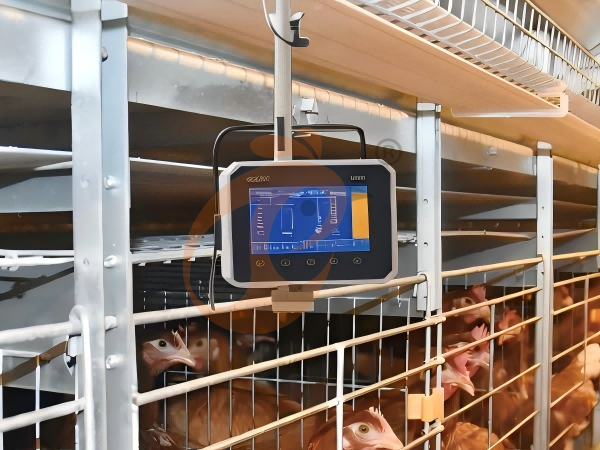
+ Environmental Controller
This combination creates a coordinated poultry housing system.
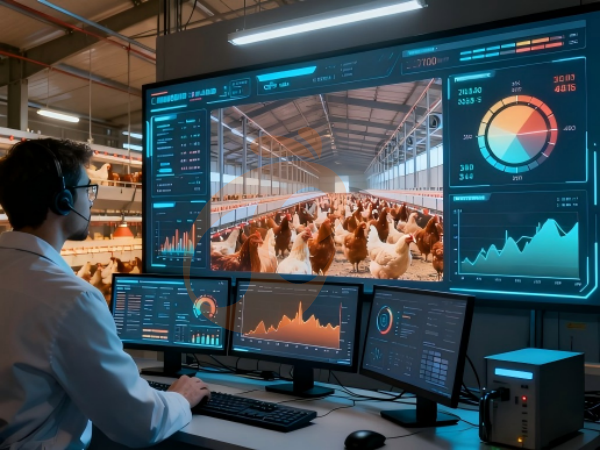
Feeding, drinking, ventilation, temperature management, and manure handling can work together during daily operation, with automated equipment capable of supporting continuous 24-hour monitoring.
For larger farms, an automatic broiler feeding system and environmental controller can further support consistent operating conditions.
Automation And Labor Efficiency
Automation should not be selected simply because it is more advanced.
The broiler chicken cage system should match farm size, labor availability, technical capability, and investment budget.
An automatic broiler feeding system can reduce routine feeding labor while maintaining consistent feed delivery during scheduled feeding periods.
The final broiler cage system configuration should therefore balance automation, maintenance, energy consumption, and operational simplicity.
Cost Evaluation
The lowest quotation is not necessarily the lowest total project cost for a broiler chicken cage.
Buyers should consider equipment durability, installation complexity, maintenance frequency, spare parts availability, energy consumption, and expected operating life over a 5-year planning period.
A supplier should provide a transparent quotation showing what is included and what is optional.
For international purchasing, any price comparison involving European union-oriented specifications should be treated as European union standard reference only.
A complete broiler cage system quotation should also clarify feeding, drinking, manure, ventilation, and control equipment.
An automatic broiler feeding system should be priced according to actual line configuration rather than treated as an undefined optional accessory.
Quality Control And Delivery
Before shipment, buyers can request inspection records, production photographs, packing lists, and technical documentation for the broiler chicken cage.
This is particularly useful for overseas poultry equipment projects where on-site inspection may not always be practical.
Production documentation should match the approved broiler cage system drawings and component lists.
Inspection should also confirm the quantity and specifications of the automatic broiler feeding system before container loading.
Final Selection Checklist
Engineering Decision Card
Before choosing a broiler chicken cage supplier, confirm these six questions:
1. Can the supplier provide a cage structure suitable for your farm conditions?
2. Are the feeding, drinking, manure, and ventilation systems compatible with the cage system?
3. Can the supplier provide a complete farm layout and equipment configuration?
4. Are material specifications, dimensions, and quality-control procedures clearly documented?
5. Does the quotation clearly distinguish standard equipment from optional equipment?
6. Can the supplier provide installation guidance, spare parts, and after-sales technical support?
A professional supplier should do more than manufacture a broiler chicken cage.
The supplier should understand poultry production requirements and translate them into a practical equipment solution supported by documented engineering parameters.
For commercial poultry producers, an integrated broiler cage system can simplify farm management, reduce repetitive labor, improve equipment coordination, and support future expansion.
An automatic broiler feeding system can further connect feeding automation with the overall housing configuration.
When comparing suppliers, focus on engineering quality, system compatibility, automation level, service capability, and total operating value rather than looking at equipment price alone.
Frequently Asked Questions
Q1: What should be checked first when buying a broiler chicken cage?
Start with cage material, frame strength, dimensions, bird capacity, corrosion protection, and compatibility with feeding and drinking equipment.
A commercial broiler chicken cage should also match the building layout and intended production scale.
Q2: How can a broiler cage system reduce daily labor?
Integrated feeding, drinking, manure removal, and environmental control can reduce repetitive manual operations.
An automatic broiler feeding system can continuously deliver feed through configured lines, with actual labor reduction depending on farm scale and automation level.
Q3: What equipment should be purchased with a broiler chicken cage?
A practical configuration normally includes feeding equipment, nipple drinking equipment, ventilation, cooling, manure handling, and environmental control.
A complete broiler cage system can be designed around cage capacity, house dimensions, and local operating conditions.
Taiyu (HK) Group - One Of China Biggest Broiler Chicken Cage Manufacturer
Broiler chicken cage systems use galvanized steel structures, configurable housing arrangements, and integrated poultry equipment for commercial projects, with engineering configurations supporting houses up to 100 m in length.
Global factory-direct supply covers cages, feeding systems, drinking systems, ventilation equipment, manure handling, and related poultry equipment for international farm projects.
Turn-key engineering supports farm layout design, equipment configuration, production coordination, shipment, installation guidance, and commissioning for overseas customers.
Project-based manufacturing provides technical drawings, component specifications, quality inspection, packing documentation, and spare-parts coordination for international poultry projects.
Commercial broiler cage system solutions can be configured with automated feeding and environmental equipment according to farm capacity, building dimensions, and production requirements.
Contact Us To Received Your Customized Poultry Farm Plan
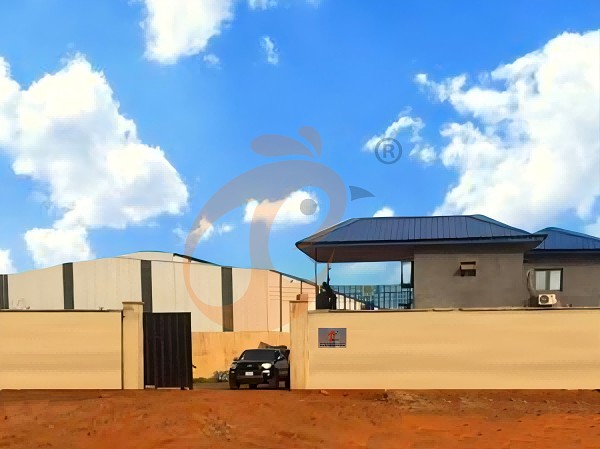
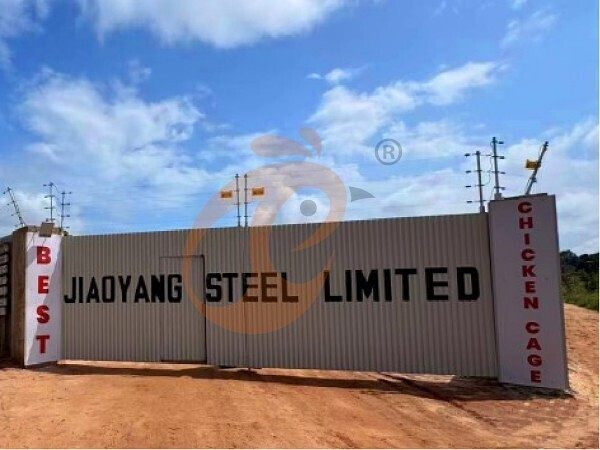
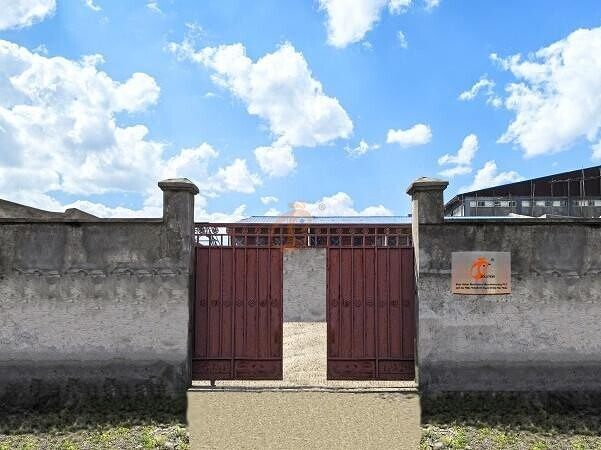
Headquarters And Branchs
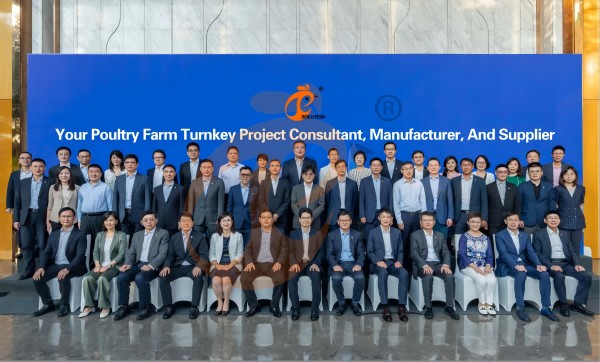
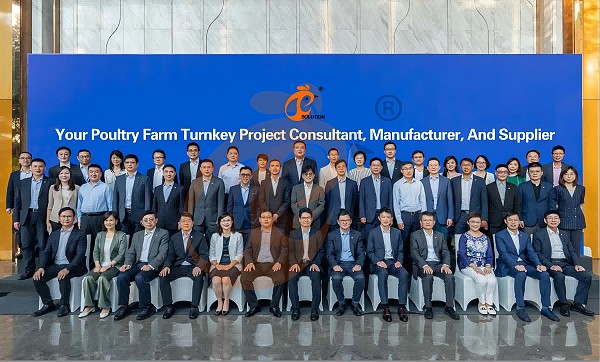
Hong Kong Headquarter Management Team
Hong Kong Headquarter Taiyu Industrial Group CO., LTD
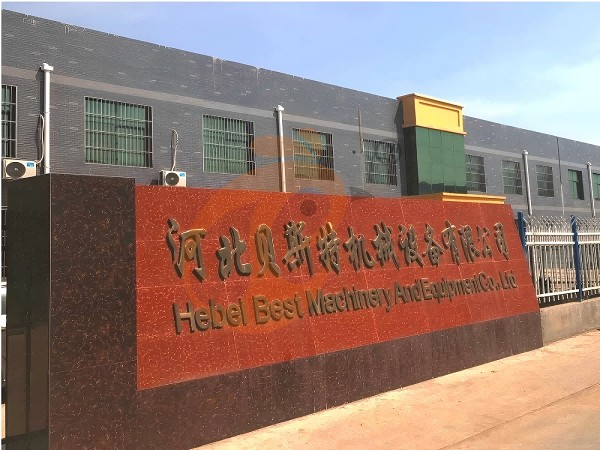
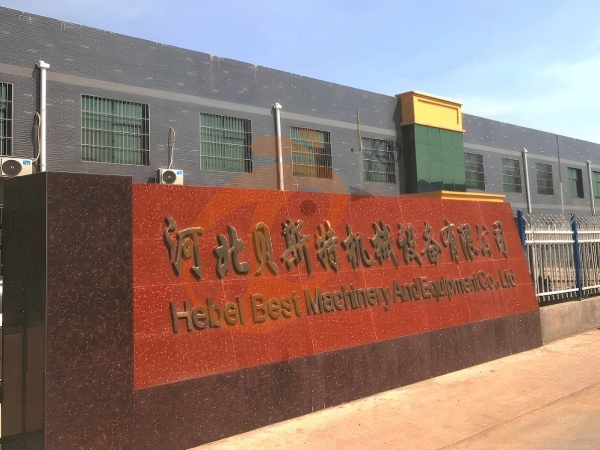
China Hebei Best Machinery And Equipment CO., LTD
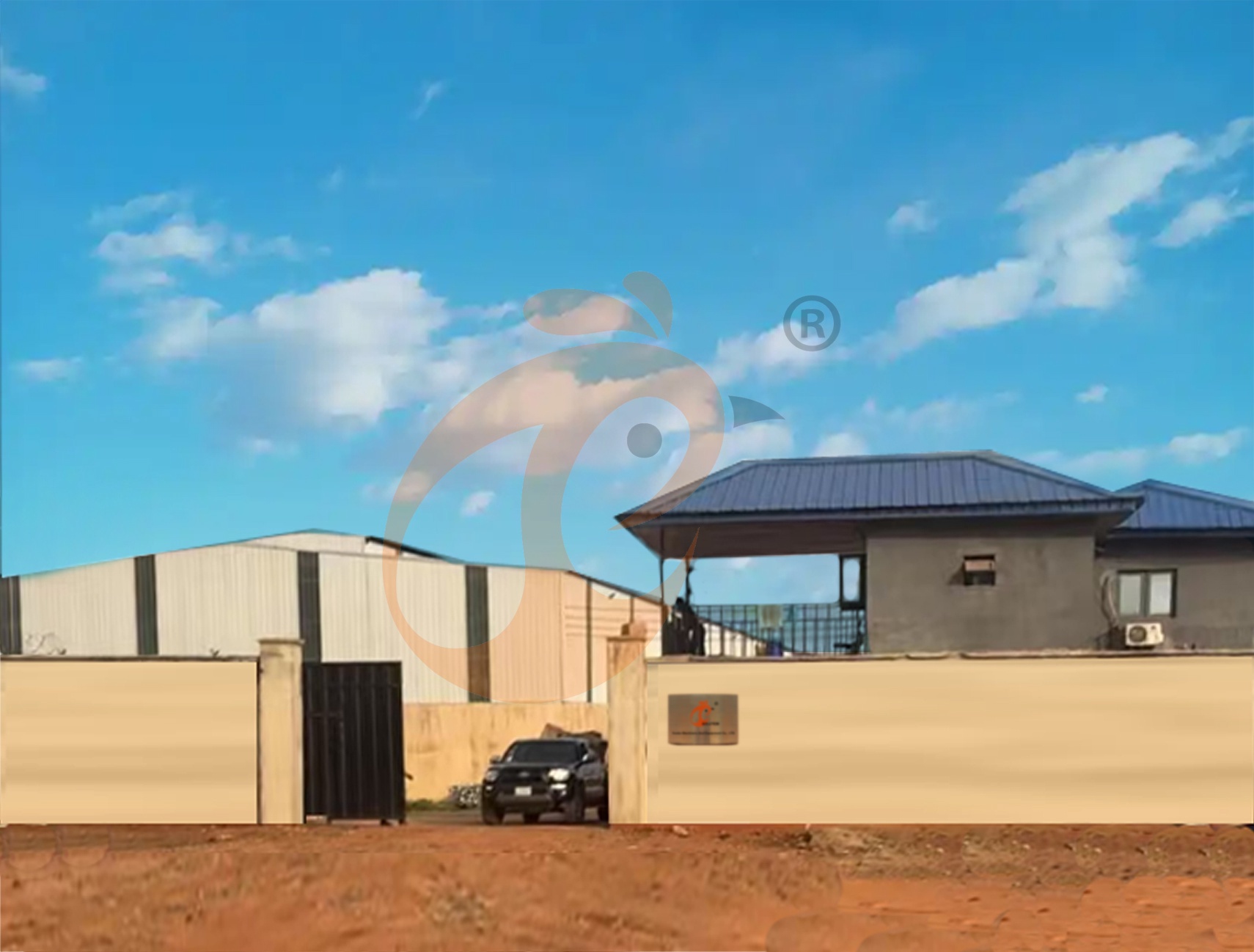
Nigeria Vanke Machinery And Equipment CO., LTD
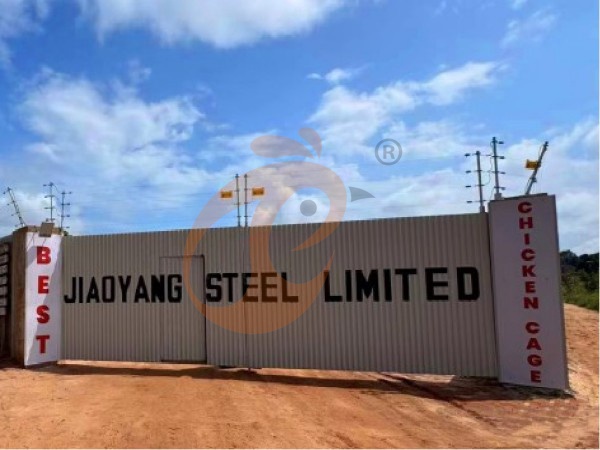
Tanzania Best Machinery And Equipment CO., LTD
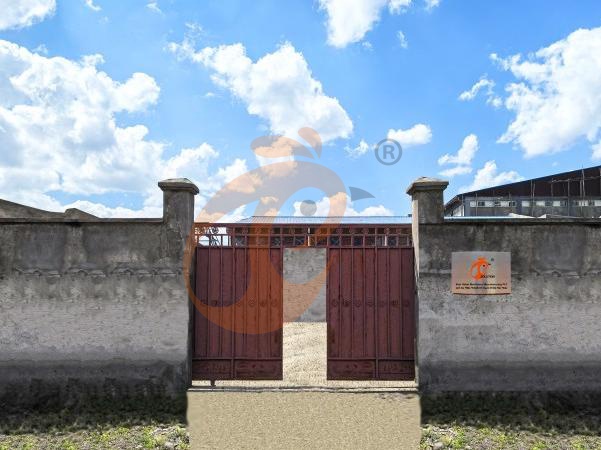
Ethiopia Best Hebei Machinery Manufacturing PLC
Reception /24 WhatsApp NO. : +8618830120193
FAQ
What Cage Structure Options Are Available For Broiler Chicken Cage Systems?
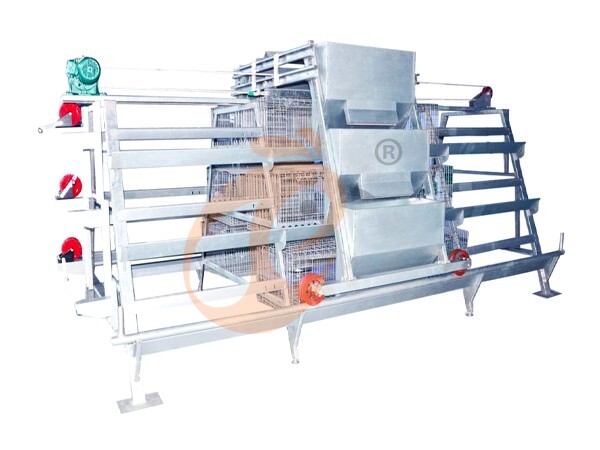
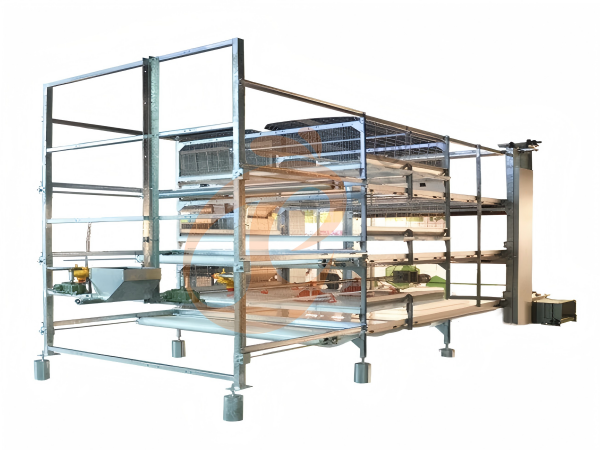
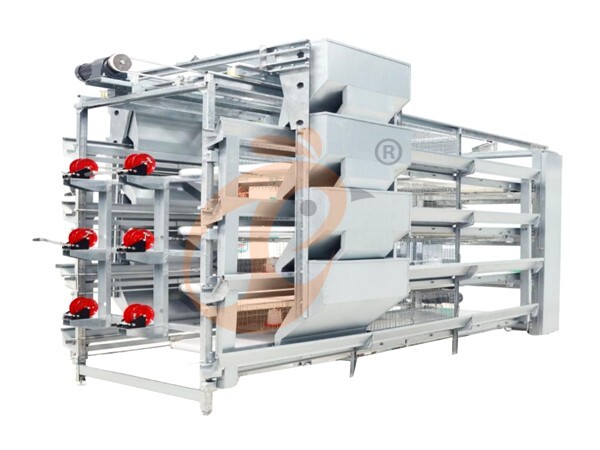
H-type cage systems are configured in 3–12 tiers accommodating 360–1440 birds per set for intensive farming operations.
Structural height ranges from 1.75–10.11 meters maximizing vertical space utilization and housing efficiency.
How Does Stocking Density Affect Broiler Chicken Cage Performance?
H-type systems maintain 500 cm² allocation per bird optimizing housing density and production output.
Bird distribution is balanced at 8 birds per compartment in partitioned cage configurations reducing competition.
Which Cage Dimensions Are Commonly Used In Broiler Chicken Cage Systems?
H-type cage modules measure 3.3 × 1.82 meters providing larger continuous housing sections.
Internal compartment height varies from 40–55 cm ensuring adequate bird activity and ventilation circulation.
- poultry farm
- chicken cage
- broiler cage
- cage
- poultry farm construction
- broiler cage system
- chicken cage manufacturer
- chicken cage system
- chicken cage supplier
- poultry housing system
- automatic feeding system
- poultry equipment
- hen cage
- broiler chicken cage
- chickencage
- bestchickencage
- cage system
- cage systems
- broiler chicken cage system
- h cage
- Nigeria
- broiler farm
- chicken cage installation
- chicken cage specification
- cage manufacturer
- cage supplier
- chicken cage solution
- poultry farm plan
- Ethiopia
Message
Products recommended
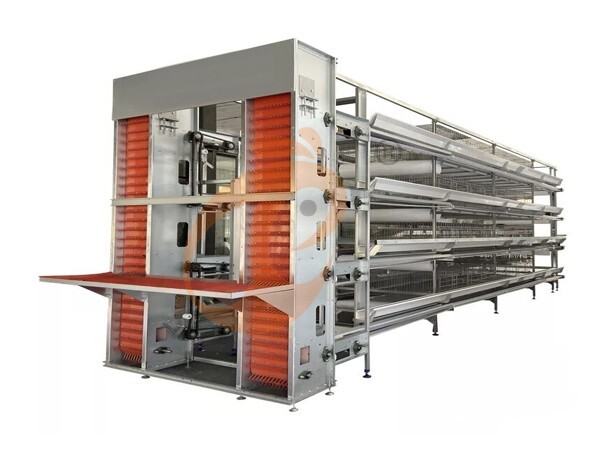
 >30,000 Pullets Automatic H Type Battery Cage1. More than 30,000 pullets a house, choose it.
2. It is designed to rearing older than 1 day old pullets to 12 to 16 weeks old chicken starting laying eggs.
3. Its lifespan is more than 25 years.
4. Its structure are Vcloud artificial intelligent fusion, electric control cabinet, automatic equipment of drinking, feeding, manure clean, manual harvesting.
5. Our 24 hour online reception What’sApp NO. is +8618830120193 <30,000 Pullets Automatic A Type Battery Cage1. 10,000 to 30,000 pullets a house, choose it.
2. It is designed to rearing older than 1 day old pullets to 12 to 16 weeks old chicken starting laying eggs.
3. Its lifespan is more than 25 years.
4. Its structure are Vcloud artificial intelligent fusion, electric control cabinet, automatic equipment of drinking, feeding, manure clean, manual harvesting.
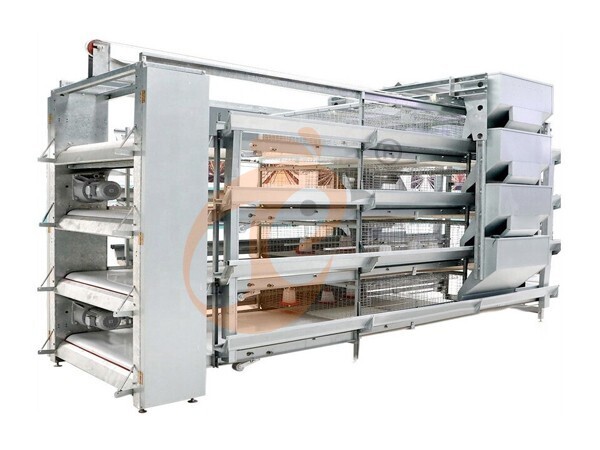
5. Our 24 hour online reception What’sApp NO. is +86 18830120193. >30,000 Broilers Semi-Automatic Harvest H Type Battery Cage1. More than 30,000 broilers a house, choose it.
2. It is designed to rearing 1 to 45 day old adult broiler ready for market.
3. Its lifespan is more than 20 years.
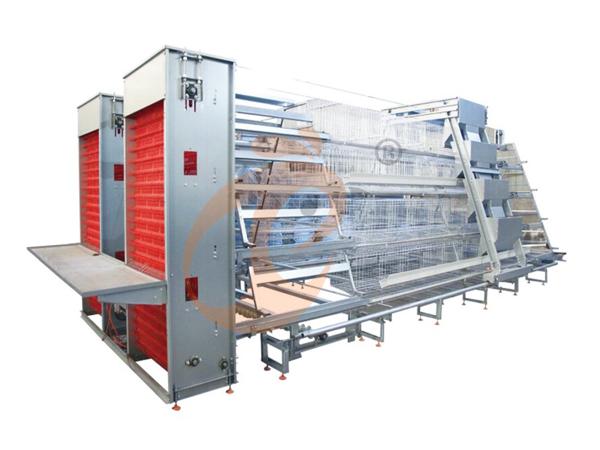
4. Our 24 hour online reception What’sApp NO. is +8618830120193, +234 8111199996. >30,000 Broilers Manual Harvest H Type Battery Cage1. More than 30,000 broilers a house, choose it.
2. It is designed to rearing 1 to 45 day old adult broiler ready for market.
3. Its lifespan is more than 20 years.
4. Its structure are Vcloud artificial intelligent fusion, electric control cabinet, automatic equipment of drinking, feeding and manure clean, manual harvesting.
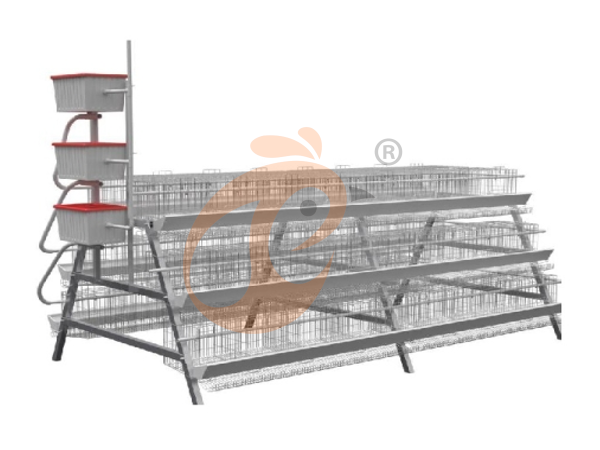
5. Our 24 hour online reception What’sApp NO. is +8618830120193, +234 8111199996. <30,000 Broilers Manual Harvest A Type Battery Cage1. Less 30,000 broilers a house, choose it.
2. It is designed to rearing 1 to 45 day old adult broiler ready for market.
3. Its lifespan is more than 20 years.
4. Its structure are Vcloud artificial intelligent fusion, electric control cabinet, automatic equipment of drinking, feeding and manure clean, manual harvesting.
5. Our 24 hour online reception What’sApp NO. is +8618830120193, +234 8111199996. HK Headquarter Offers EU-standard Poultry Farm Solutions, Manufacture Poultry Farm Equipment1. Continuous communication with the EU and the US
2. China, Nigeria, Ethiopia, Tanzania branch companies and factories
3. The products’ quality is customized for local poultry farms
4. Poultry cage and poultry farm equipment stock for sale
5. 24 online reception Whatsapp NO. : +8618830120193,contact us to get full information China Branch Offer Poultry Farm Business Plan, Manufacture Poultry Farm Equipment1. Address: Flat/RM 2416, 24/F, Runxing Building, Youyi Nan Street, Shijiazhuang City, Hebei Province, China
2. Poultry cage and poultry farm equipment factory and stock for sale
3. Customized for local poultry farms
4. Quality and design are based on Euro
5. 24 online reception Whatsapp NO. : +8618830120193 Nigeria Branch Offer Poultry Farm Business Plan, Manufacture Poultry Farm Equipment1. Address: After Sinoma Office, 200 Meters Near Danco Filling Station, Lagos/Ibadan Expressway, Lagos State, Nigeria
2. Poultry cage and poultry farm equipment factory and stock for sale
3. Customized for Nigerian poultry farms
4. Quality and design are based on Euro
5. 24 online reception Whatsapp NO. : +8618830120193 Ethiopia Branch Offer Poultry Farm Business Plan, Manufacture Poultry Farm Equipment1. Address: Gelan Gura, Akaki-kaliti Sub City, Addis Ababa, Ethiopia
2. Poultry cage and poultry farm equipment stock for sale
3. Customized for Ethiopian poultry farms
4. Quality and design are based on Euro
5. 24 online reception Whatsapp NO. : +8618830120193, contact us to get price list Tanzania Branch Offer Poultry Farm Business Plan, Manufacture Poultry Farm Equipment1. Address: No.8, Sova Road, Msufini, Mlandizi, Kibaha, Pwani, Tanzania
2. Poultry cage and poultry farm equipment factory and stock for sale
3. Customized for Tanzanian poultry farms
4. Quality and design are based on Euro
5. 24 online reception Whatsapp NO. : +8618830120193


Contact