


Blog
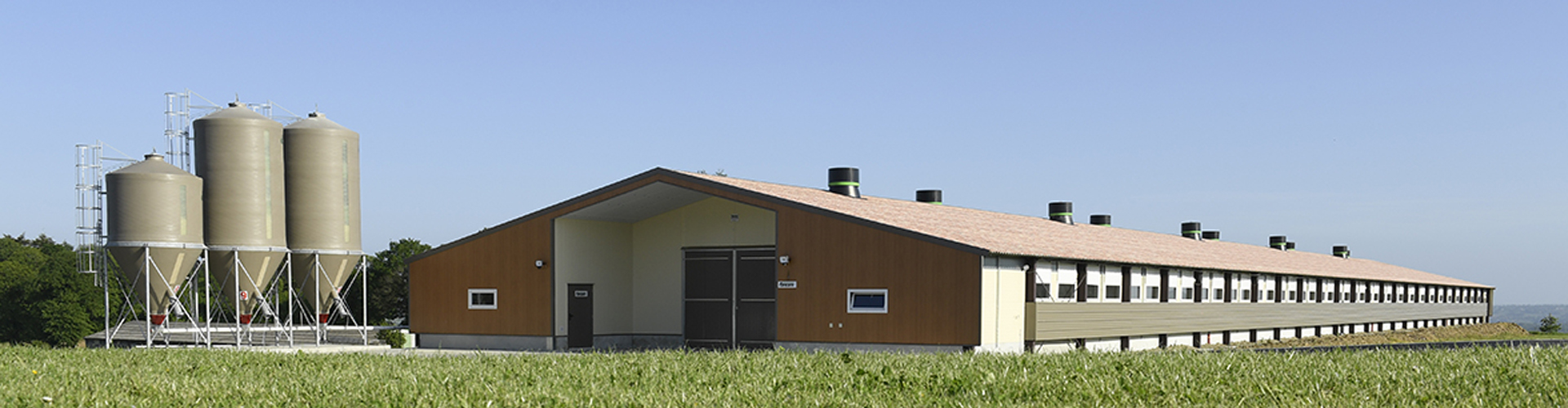
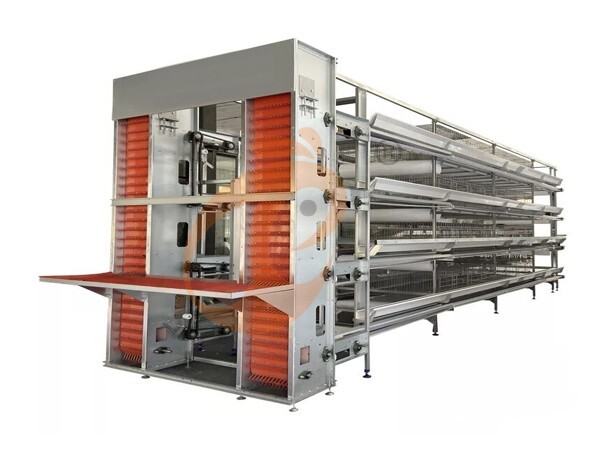
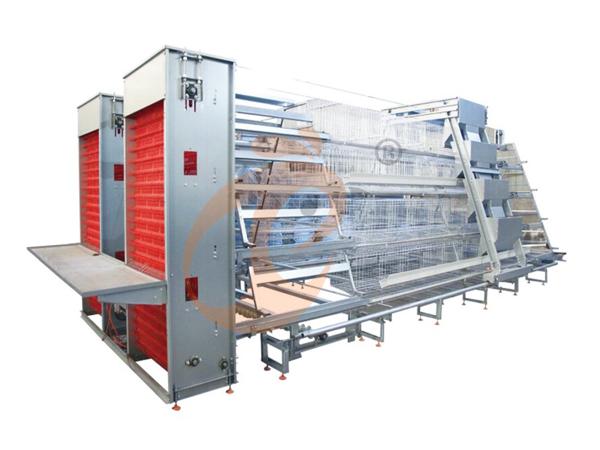
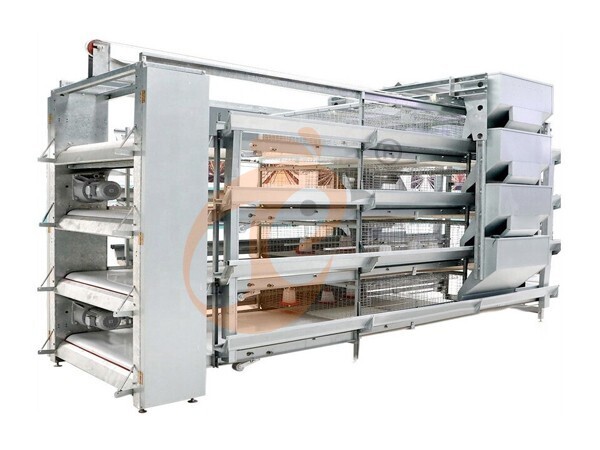
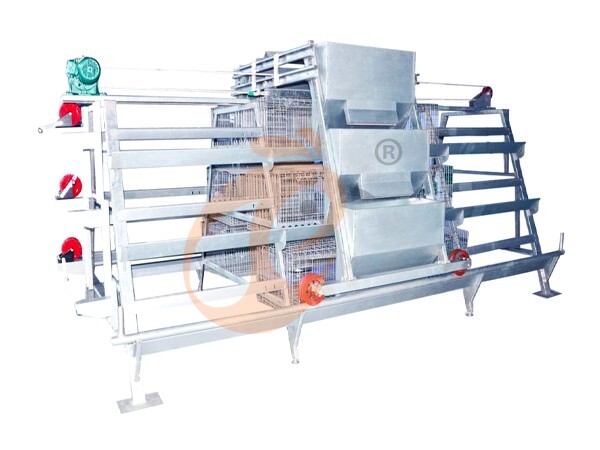
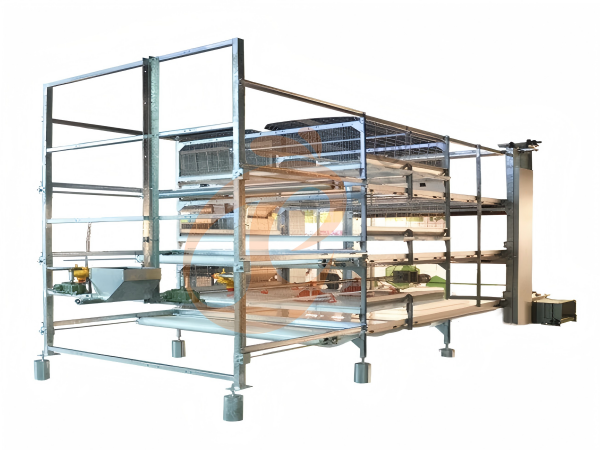
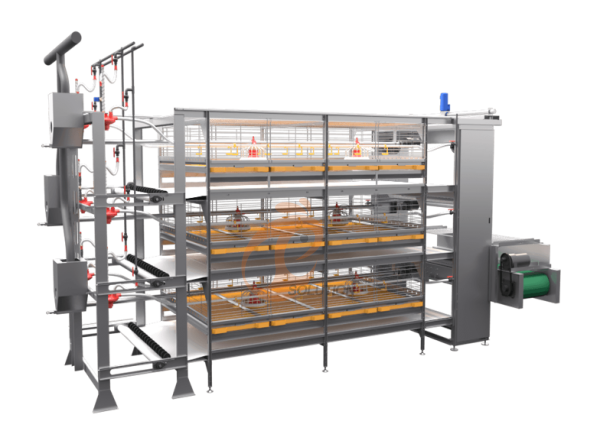
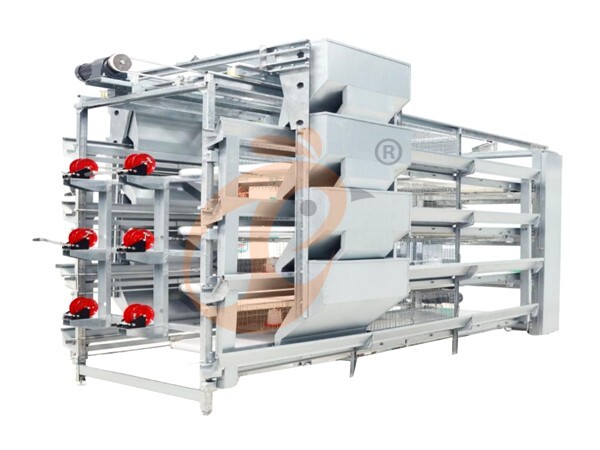
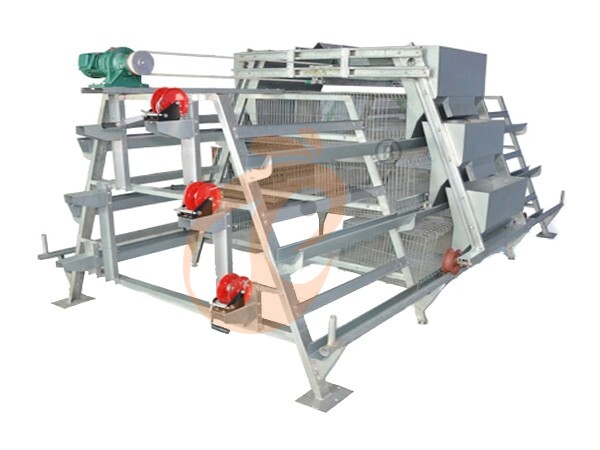
Battery cage for layers modernization combines housing efficiency, automated feeding, controlled drinking, manure removal, and organized egg handling for commercial layer production, with practical systems supporting multi-tier configurations and scalable farm development.
Professional planning connects automatic layer cage system design with building dimensions, flock capacity, electrical infrastructure, ventilation requirements, maintenance access, and future expansion rather than treating cage replacement as an isolated equipment purchase.
Layer battery cage projects can integrate feeding lines, nipple drinking, egg conveyors, manure belts, ventilation fans, cooling pads, and PLC controls into coordinated production workflows that reduce repetitive manual handling.
Engineering evaluation considers structural conditions, equipment compatibility, climate requirements, operating procedures, and service access, while commissioning verifies mechanical, electrical, and production functions before birds enter upgraded houses.
- A complete battery cage for layers solution therefore provides a structured route from traditional housing toward automated commercial production, combining equipment configuration, layout engineering, installation support, commissioning, training, and long-term technical service.
Get professional poultry farm construction guidance, equipment selection solutions, and the latest price lists, whatsApp to +8618830120193, click to learn more:
Assess The Existing Farm Before Upgrading
Engineering Key Points
Start with a complete site survey covering the building structure, electrical system, water source, ventilation openings, access doors, and existing equipment.
A battery cage for layers project should record the usable installation area to an accuracy of ±20 mm and inspect structural connection points before installation.
The electrical system should be checked for equipment load, cable condition, grounding, and control-cabinet location.
For an automatic layer cage system, keeping the main equipment room within approximately 30 m of the central control point can simplify cable routing and maintenance.
A layer battery cage upgrade should include:
- Measure the poultry house and service areas.
- Check floor levelness before installation.
- Inspect existing steel structures and concrete surfaces.
- Identify reusable water and electrical infrastructure.
- Calculate the required production workflow.
Reserve maintenance routes around major equipment.
Select The Right Battery Cage For Layers System
Data is for reference only.Swipe horizontally to view full table.
The battery cage for layers configuration should be selected according to building geometry and target flock size rather than simply choosing the largest available model.
Published commercial systems commonly use 3–5 tiers, while an automatic layer cage system can be configured according to house height, service access, ventilation design, and installation conditions.
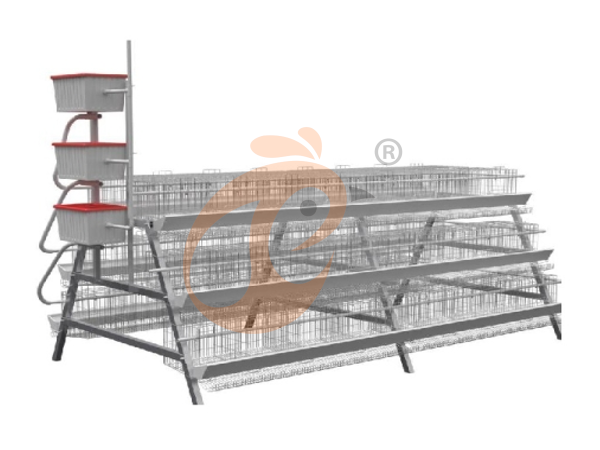
For projects requiring greater vertical utilization, a layer battery cage can also be engineered with multiple stacked levels while maintaining organized inspection and service routes.
Upgrade Feeding And Drinking Systems
Technique Card
Upgrade Tip #1: Automate Feed Distribution
Use a centralized feed delivery system with the battery cage for layers to reduce repetitive manual transport.
A correctly configured feeding line can maintain consistent feed delivery while allowing operators to inspect the flock during scheduled feeding rounds.
Upgrade Tip #2: Install Regulated Nipple Drinking
An automatic layer cage system should include filtration and pressure regulation before water reaches individual cage lines.
A practical installation can use 60–80 ml/min nipple flow and 15–20 kPa working pressure, depending on drinker specifications.
Upgrade Tip #3: Plan For Maintenance
Keep electrical motors, gearboxes, water regulators, and feed-drive components accessible from service aisles.
A layer battery cage maintenance checklist performed every 30 days can help identify abnormal vibration, leakage, belt wear, and drive problems before production interruption.
Upgrade Tip #4: Match Equipment To Flock Size
Feeding and drinking systems should be calculated from actual bird numbers instead of purchasing equipment independently.
Coordinating the battery cage for layers with auxiliary systems helps avoid bottlenecks between cage rows and feeding or drinking equipment.
Build An Integrated Egg And Manure Management Workflow
Data is for reference only.Swipe horizontally to view full table.
Egg collection and manure removal should be designed as part of the battery cage for layers system rather than added as independent machines later.
Commercial automated configurations can use dedicated motorized drives for manure and egg handling, while an automatic layer cage system can divide
operating zones for easier maintenance.
A synchronized layer battery cage workflow also reduces unnecessary handling between production areas and allows selected equipment sections to be serviced
without stopping every production circuit.
Optimize House Layout And Cage Installation
Process Structure
Farm Survey → Capacity Calculation → Cage Layout → Equipment Matching → Installation → Commissioning → Operator Training → Production Monitoring
Step A: Farm Survey
Confirm building dimensions, columns, doors, service areas, and utility connection points.
A battery cage for layers installation can allow approximately 50–100 mm tolerance around fixed structural obstacles where required.
Step B: Capacity Calculation
Calculate cage quantities and auxiliary equipment from the target flock.
An automatic layer cage system should include future expansion requirements instead of designing only for the first production cycle.
Step C: Layout Design
Arrange cage rows, feeding lines, water lines, egg conveyors, manure belts, and working aisles into one logical circulation pattern.
A layer battery cage layout should keep operator movement separated from major equipment-transfer routes whenever possible.
Step D: Installation
Install the main cage structure before connecting secondary equipment.
Step E: Commissioning
Run empty equipment before stocking birds.
Each major automated circuit can receive at least 2 hours of continuous commissioning to verify operation.
Step F: Training
Train operators on startup, shutdown, emergency stops, lubrication, cleaning, and basic troubleshooting.
Compare Automation Levels For Different Farms
Data is for reference only.Swipe horizontally to view full table.
Automation should be matched to actual farm throughput and labor structure.
A commercial battery cage for layers project may combine 4–8 independent drive circuits and multiple monitoring points to simplify fault isolation and operational control.
For farms expanding in stages, modular automatic layer cage system sections make it easier to add equipment without rebuilding the complete house.
Add Ventilation And Environmental Control
Data is for reference only.Swipe horizontally to view full table.
Ventilation equipment should be selected after considering house volume, bird population, local climate, and air-inlet configuration.
For a battery cage for layers house, environmental equipment should coordinate exhaust, cooling, and air distribution according to seasonal operating requirements.
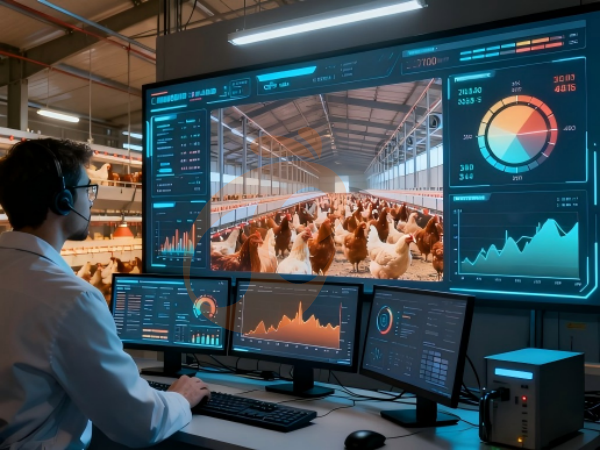
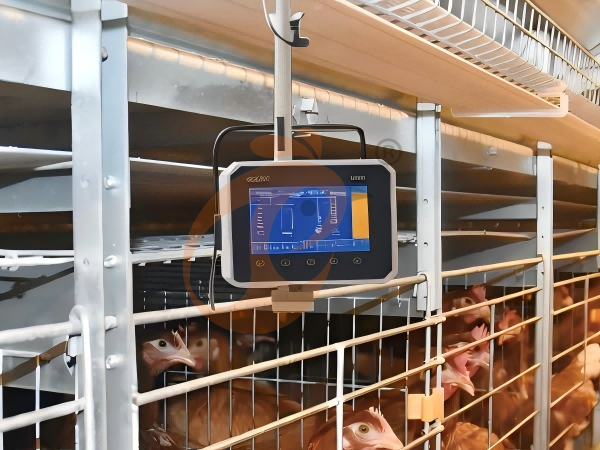
A commercial automatic layer cage system can connect temperature sensing, fan operation, cooling equipment, and lighting into one coordinated control strategy.
Plan The Equipment Combination According To Production Goals
Data is for reference only.Swipe horizontally to view full table.
A complete equipment package is easier to engineer when the battery cage for layers dimensions and auxiliary systems are designed together.
For equipment manufacturers, an integrated automatic layer cage system creates a stronger technical configuration by coordinating cages, feeders, drinkers, egg conveyors, manure equipment, and controls.
A layer battery cage project can therefore be supplied as a coordinated production system instead of unrelated machines from different sources.
Choose Equipment Based On Total Operating Cost
Technique Card
Do not compare poultry equipment only by the initial quotation.
Evaluate the complete ownership structure, including labor, electricity, replacement components, cleaning, maintenance, and expected service period.
A useful engineering formula for a battery cage for layers project is:
Total Cost Of Ownership = Purchase Cost + Installation Cost + Energy Cost + Maintenance Cost + Replacement Cost
Equipment durability should also be evaluated against the farm operating environment.
Galvanized automatic layer cage system structures are commonly specified with service-life expectations around 15–20 years, although actual performance depends on material quality, corrosion exposure, cleaning procedures, and maintenance.
When comparing suppliers, request detailed specifications for wire material, galvanizing treatment, motors, gearboxes, belts, electrical components, spare parts, installation, and after-sales support.
Build A Practical Upgrade Budget
Data is for reference only.Swipe horizontally to view full table.
Budgeting should be based on measurable engineering units rather than general equipment categories.
For example, battery cage for layers investment can be calculated from birds per set, while conveyor investment can be calculated from actual conveyor length.
This method allows farm owners to compare alternative automatic layer cage system layouts objectively and identify which automation modules should be installed during each project phase.
Select A Supplier That Can Deliver A Complete Solution
Equipment Combination Recommendation
For a commercial modernization project, the recommended battery cage for layers equipment architecture is:
Layer Battery Cage
→ Galvanized cage structure designed according to flock capacity and house geometry.
Automatic Feeding System
→ Feed hopper, drive unit, chain, trough, and distribution components.
Nipple Drinking System
→ Water tank, filtration, pressure regulation, water pipeline, and drinkers.
Automatic Manure Removal
→ Tier-level manure belts combined with a transverse conveying system.
Automatic Egg Collection
→ Egg belts, transfer conveyors, and collection equipment.
Ventilation & Cooling System
→ Exhaust fans, air inlets, cooling pads, circulation pumps, and environmental controllers.
For an integrated automatic layer cage system project, equipment commissioning can be organized into three stages: mechanical testing, electrical testing, and production simulation.
An experienced poultry equipment manufacturer should provide layout engineering, equipment manufacturing, installation guidance, operator training, spare-parts support, and technical troubleshooting for the complete layer battery cage project.
Turn A Traditional Layer Farm Into A Modern Production System
Data is for reference only.Swipe horizontally to view full table.
A traditional farm upgrade should be treated as a complete engineering project rather than a simple battery cage for layers replacement.
The combination of housing automation, feeding, drinking, egg handling, manure management, and climate equipment creates a more coordinated production workflow.
With a professionally engineered automatic layer cage system, farms can select equipment according to building conditions, flock scale, climate, labor availability, and expansion plans.
The final layer battery cage solution can combine layout design, equipment manufacturing, installation, commissioning, operator training, and after-sales technical service.
Frequently Asked Questions
Q1: What should be checked before installing a battery cage for layers?
A battery cage for layers project should verify building dimensions, floor conditions, utilities, ventilation openings, access routes, and structural connection points before equipment production.
An automatic layer cage system layout should also reserve maintenance access and future expansion space.
Q2: How can an automatic layer cage system reduce manual work?
An automatic layer cage system connects feeding, egg transfer, and manure removal through motorized equipment, allowing operators to concentrate more on inspection and flock management.
A layer battery cage project can also divide equipment into independent operating sections for easier troubleshooting.
Q3: Should traditional farms upgrade everything at once?
A battery cage for layers modernization can be completed in phases according to building conditions and investment planning.
An automatic layer cage system can start with housing, feeding, and drinking, followed by egg collection, manure handling, and environmental automation as production capacity develops.
Taiyu (HK) Group - One Of China Toppest Battery Cage For Layers Manufacturer
Battery cage for layers systems use engineered galvanized structures, with commercial configurations commonly arranged across 3–5 tiers and calculated according to cage capacity, building geometry, and flock requirements
Global factory-direct supply integrates poultry equipment, including layer cages, automatic feeding, nipple drinking, manure removal, egg collection, ventilation, cooling, and PLC environmental control under coordinated project specifications
Turn-key engineering covers site measurement, layout design, equipment manufacturing, installation guidance, commissioning, operator training, spare-parts planning, and technical documentation for complete battery cage for layers projects
International project execution supports modular automatic layer cage system configurations for different farm scales, with equipment interfaces coordinated before shipment to simplify installation and commissioning
Commercial project support connects layer battery cage equipment with production objectives, building conditions, utility requirements, expansion planning, and after-sales technical service for overseas poultry farms
Contact Us To Received Your Customized Poultry Farm Plan
Headquarters And Branchs
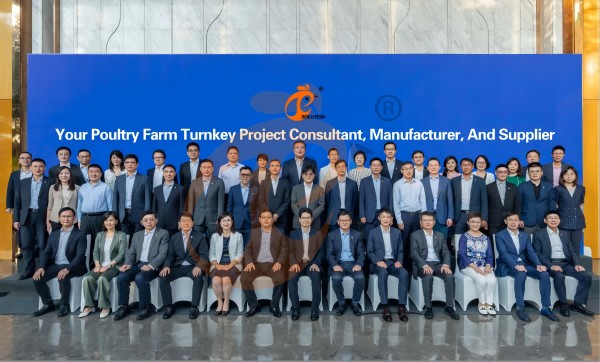
Hong Kong Headquarter Management Team
Hong Kong Headquarter Taiyu Industrial Group CO., LTD
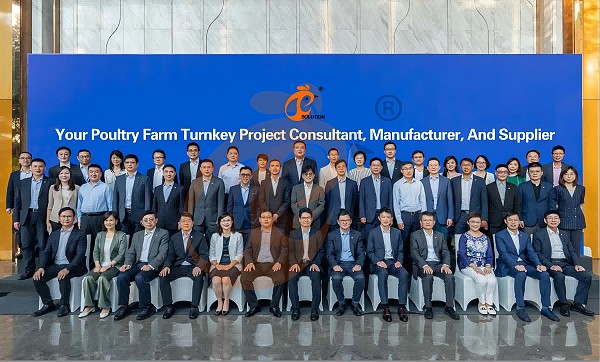
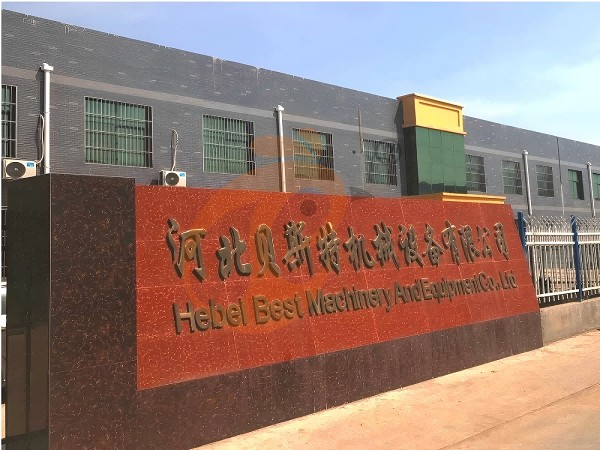
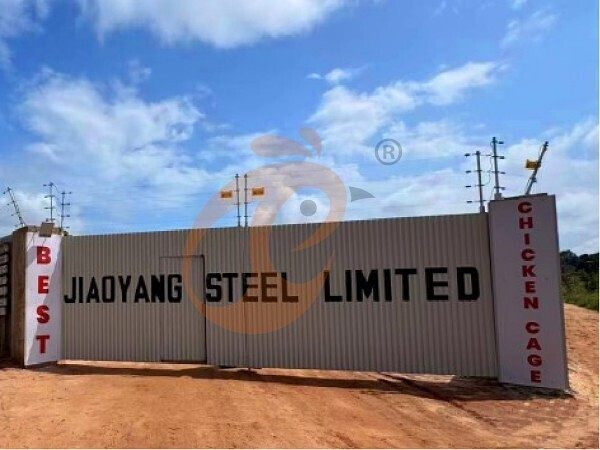
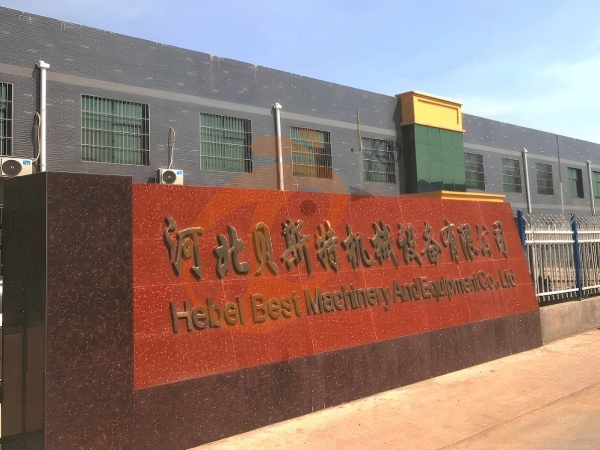
China Hebei Best Machinery And Equipment CO., LTD
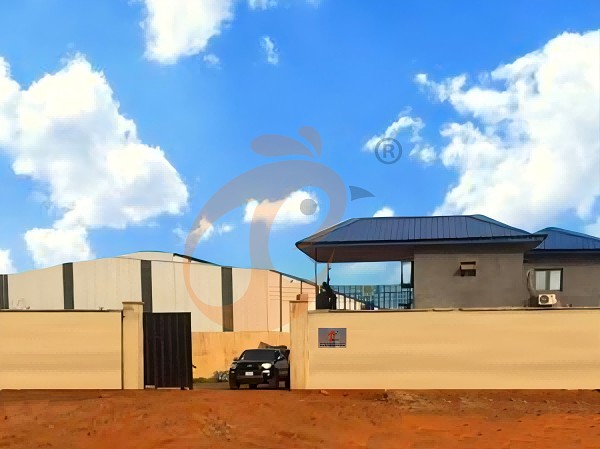
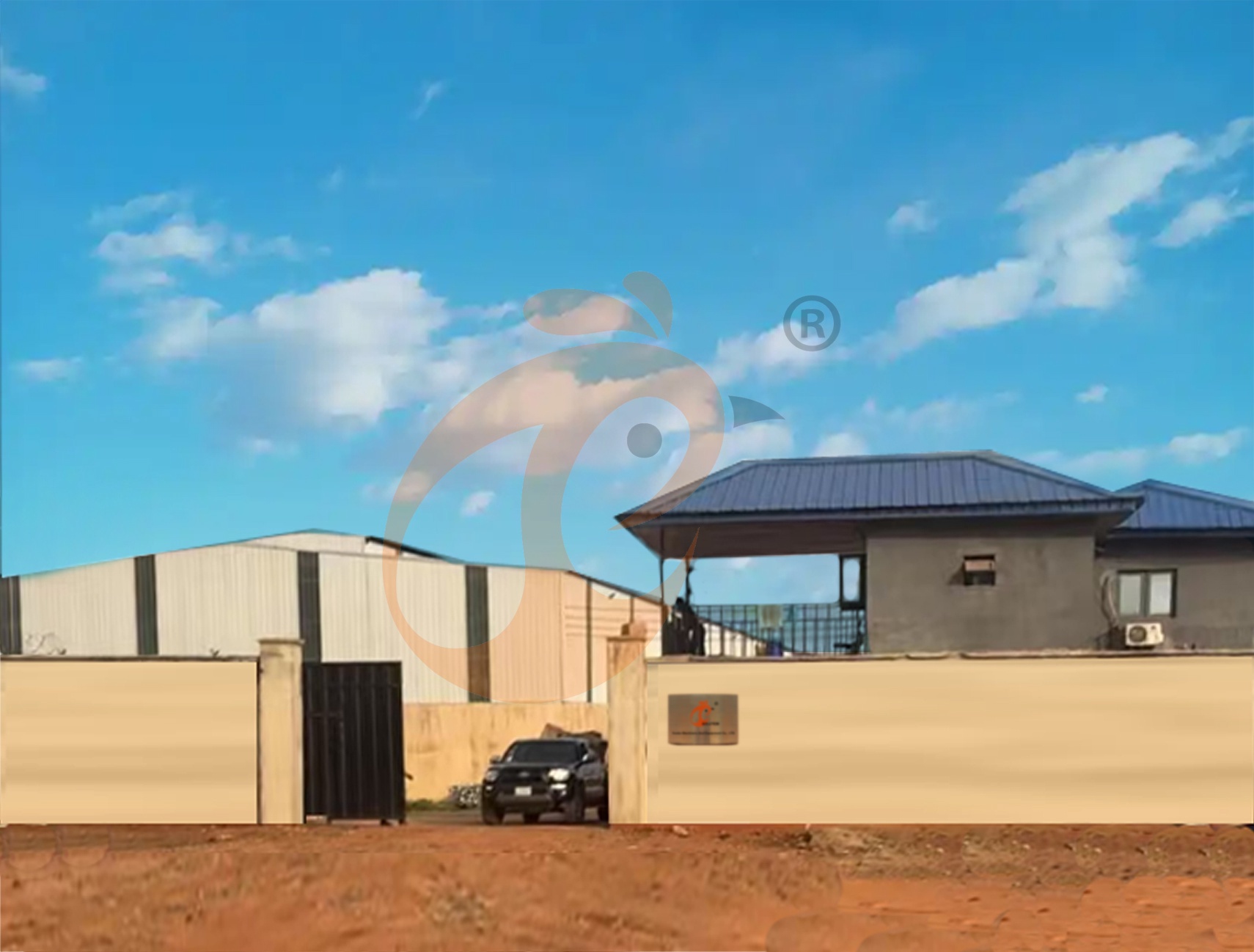
Nigeria Vanke Machinery And Equipment CO., LTD
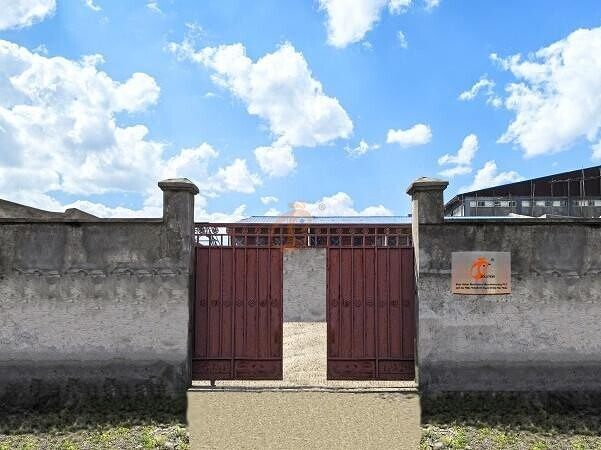
Tanzania Best Machinery And Equipment CO., LTD
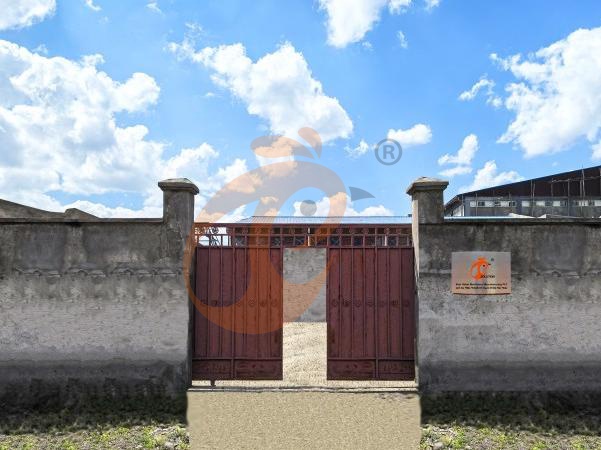
Ethiopia Best Hebei Machinery Manufacturing PLC
Reception /24 WhatsApp NO. : +8618830120193
FAQ
What Are The Advantages Of A-Type Poultry Cage For Medium-Sized Farms?
Farm capacity per house: 10,000–50,000 birds
Egg production rate: 90–96%
FCR: 1.9–2.2
Labor savings: 50–70%
How To Reduce Egg Breakage Rate In A-Type Layer Cage Farms?
Control conveyor speed
Egg breakage rate <1%
Daily egg yield: 900–960 eggs/1,000 birds
Egg production rate: 90–96%
How To Improve Egg Production Stability In A-Type Layer Cage System?
Scheduled feeding and drinking
Temperature 20–25°C, humidity 50–60%
Egg production rate: 90–96%
FCR: 1.9–2.2
- battery cage
- battery cage for layers
- poultry farm
- layer cages
- poultry farms
- layer cage
- automatic layer cage
- poultry house
- cage
- galvanized cage
- poultry farm construction
- battery cage equipment
- layer battery cage
- layer cage system
- layer cage system design
- battery cage for layers manufacturer
- commercial battery cage
- battery cage project
- battery cage layout
- battery cage maintenance
- automatic feeding system
- poultry equipment
- cage for layers
- automatic layer cage system
- chickencage
- bestchickencage
- cage system
- Nigeria
- layer farm
- poultry equipment manufacturer
- automatic egg collection
- poultry farm plan
- Ethiopia
Message
Products recommended
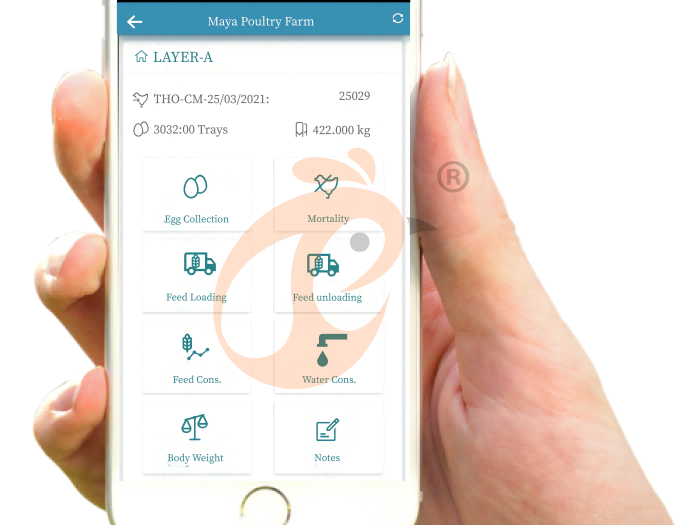
 >30,000 Pullets Automatic H Type Battery Cage1. More than 30,000 pullets a house, choose it.
2. It is designed to rearing older than 1 day old pullets to 12 to 16 weeks old chicken starting laying eggs.
3. Its lifespan is more than 25 years.
4. Its structure are Vcloud artificial intelligent fusion, electric control cabinet, automatic equipment of drinking, feeding, manure clean, manual harvesting.
5. Our 24 hour online reception What’sApp NO. is +8618830120193 <30,000 Pullets Automatic A Type Battery Cage1. 10,000 to 30,000 pullets a house, choose it.
2. It is designed to rearing older than 1 day old pullets to 12 to 16 weeks old chicken starting laying eggs.
3. Its lifespan is more than 25 years.
4. Its structure are Vcloud artificial intelligent fusion, electric control cabinet, automatic equipment of drinking, feeding, manure clean, manual harvesting.
5. Our 24 hour online reception What’sApp NO. is +86 18830120193. >30,000 Broilers Semi-Automatic Harvest H Type Battery Cage1. More than 30,000 broilers a house, choose it.
2. It is designed to rearing 1 to 45 day old adult broiler ready for market.
3. Its lifespan is more than 20 years.
4. Our 24 hour online reception What’sApp NO. is +8618830120193, +234 8111199996. >30,000 Broilers Manual Harvest H Type Battery Cage1. More than 30,000 broilers a house, choose it.
2. It is designed to rearing 1 to 45 day old adult broiler ready for market.
3. Its lifespan is more than 20 years.
4. Its structure are Vcloud artificial intelligent fusion, electric control cabinet, automatic equipment of drinking, feeding and manure clean, manual harvesting.
5. Our 24 hour online reception What’sApp NO. is +8618830120193, +234 8111199996. <30,000 Broilers Manual Harvest A Type Battery Cage1. Less 30,000 broilers a house, choose it.
2. It is designed to rearing 1 to 45 day old adult broiler ready for market.
3. Its lifespan is more than 20 years.
4. Its structure are Vcloud artificial intelligent fusion, electric control cabinet, automatic equipment of drinking, feeding and manure clean, manual harvesting.
5. Our 24 hour online reception What’sApp NO. is +8618830120193, +234 8111199996. HK Headquarter Offers EU-standard Poultry Farm Solutions, Manufacture Poultry Farm Equipment1. Continuous communication with the EU and the US
2. China, Nigeria, Ethiopia, Tanzania branch companies and factories
3. The products’ quality is customized for local poultry farms
4. Poultry cage and poultry farm equipment stock for sale
5. 24 online reception Whatsapp NO. : +8618830120193,contact us to get full information China Branch Offer Poultry Farm Business Plan, Manufacture Poultry Farm Equipment1. Address: Flat/RM 2416, 24/F, Runxing Building, Youyi Nan Street, Shijiazhuang City, Hebei Province, China
2. Poultry cage and poultry farm equipment factory and stock for sale
3. Customized for local poultry farms
4. Quality and design are based on Euro
5. 24 online reception Whatsapp NO. : +8618830120193 Nigeria Branch Offer Poultry Farm Business Plan, Manufacture Poultry Farm Equipment1. Address: After Sinoma Office, 200 Meters Near Danco Filling Station, Lagos/Ibadan Expressway, Lagos State, Nigeria
2. Poultry cage and poultry farm equipment factory and stock for sale
3. Customized for Nigerian poultry farms
4. Quality and design are based on Euro
5. 24 online reception Whatsapp NO. : +8618830120193 Ethiopia Branch Offer Poultry Farm Business Plan, Manufacture Poultry Farm Equipment1. Address: Gelan Gura, Akaki-kaliti Sub City, Addis Ababa, Ethiopia
2. Poultry cage and poultry farm equipment stock for sale
3. Customized for Ethiopian poultry farms
4. Quality and design are based on Euro
5. 24 online reception Whatsapp NO. : +8618830120193, contact us to get price list Tanzania Branch Offer Poultry Farm Business Plan, Manufacture Poultry Farm Equipment1. Address: No.8, Sova Road, Msufini, Mlandizi, Kibaha, Pwani, Tanzania
2. Poultry cage and poultry farm equipment factory and stock for sale
3. Customized for Tanzanian poultry farms
4. Quality and design are based on Euro
5. 24 online reception Whatsapp NO. : +8618830120193


Contact