


Blog
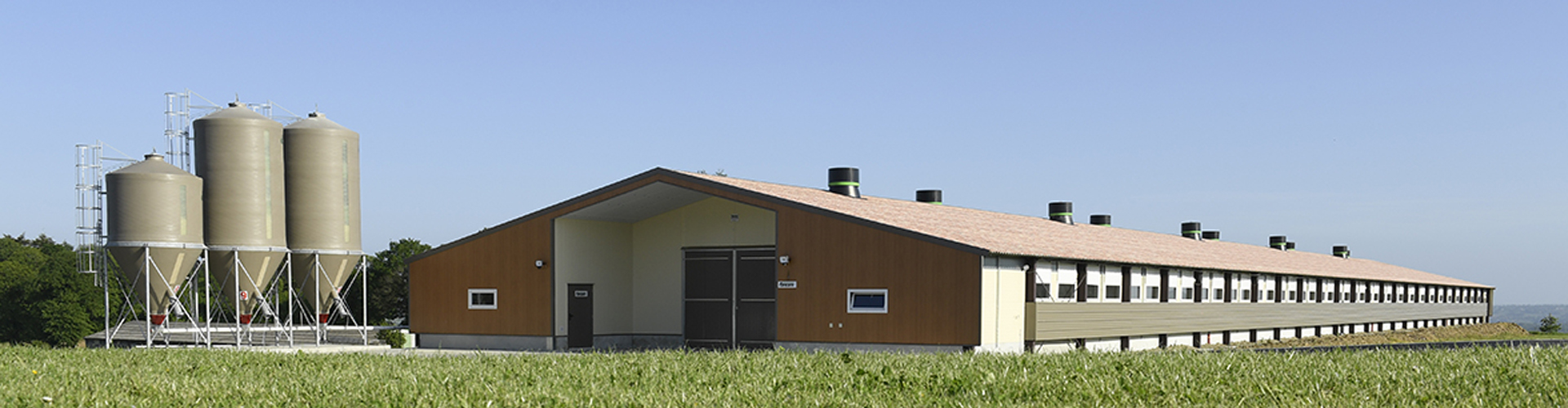
Commercial poultry equipment supports return on investment through feed control, climate automation, labor reduction, and integrated house engineering, with systems for 8–20 m buildings.
Automatic chicken feeding system engineering improves distribution consistency while coordinating silos, augers, pans, motors, sensors, and programmable feeding cycles.
Poultry house ventilation system design connects fans, inlets, cooling pads, heating, sensors, and controllers for stable conditions.
Commercial poultry equipment planning also covers water delivery, lighting, alarms, maintenance, spare parts, and scalable infrastructure.
- Proper equipment selection converts technical specifications into value, helping farm producers evaluate capacity, energy demand, labor requirements, serviceability, and production efficiency.
Get professional poultry farm construction guidance, equipment selection solutions, and the latest price lists, whatsApp to +8618830120193, click to learn more:
Why Poultry Equipment Return On Investment Matters
Commercial poultry equipment depends on more than bird numbers.
Feed, labor, electricity, water, climate management, and equipment maintenance all influence production cost.
Automatic chicken feeding system and poultry house ventilation system solutions can convert operating requirements into measurable production efficiency.
A commercial poultry house can operate with automated controls across 24-hour production cycles and accommodate equipment layouts designed around 8–20 m building widths.
The purchasing decision should consider equipment cost together with service life, operating consumption, maintenance requirements, installation quality, and future expansion.
Return On Investment Drivers: Where Equipment Creates Value
Data is for reference only.Swipe horizontally to view full table.
Commercial poultry equipment return on investment should be calculated at system level.
Automatic chicken feeding system, water delivery, ventilation, cooling, and environmental control operate together, so subsystem performance directly affects operating efficiency.
Proven Method: Automate Feeding
Engineering Points
Commercial poultry equipment requires consistent feed distribution because feeding represents one of the most repetitive poultry-house operations.
Automatic chicken feeding system equipment transfers feed from storage through conveying circuits and distributes feed without requiring workers to carry feed manually.
Commercial systems can use feed pans with 320–380 mm diameters, while broiler installations may be designed around 40–55 birds per pan.
A properly configured poultry house ventilation system should also be coordinated with feeding layout, allowing equipment placement to support efficient house management.
For growing farms, silo, conveying equipment, pan arrangement, sensors, and control logic should be calculated as one system.
Feeding Equipment Return On Investment Comparison
Data is for reference only.Swipe horizontally to view full table.
Commercial poultry equipment selection should consider component compatibility.
Automatic chicken feeding system components, motors, sensors, conveying lines, and silo outlets should be matched during engineering rather than selected
independently.
Proven Method: Improve Water Management
Tips Card
TIP 1 — Control Delivery
Commercial poultry equipment drinking systems should match bird age and water requirements.
Automatic chicken feeding system layouts should leave sufficient access around drinking lines, while 22 or 25 mm water pipes can serve different system configurations.
TIP 2 — Stabilize Pressure
Water pressure regulation should be integrated into the circuit instead of adjusted only at the main supply point.
TIP 3 — Protect Water Quality
Filtration can be installed upstream, while medication dosing can be integrated where required.
TIP 4 — Design For Inspection
Poultry house ventilation system and drinking-line components should remain accessible for flushing, inspection, and replacement.
TIP 5 — Coordinate Installation
Commercial poultry equipment positioning should coordinate feeding and drinking access without unnecessary equipment interference.
Water System Investment Analysis
Data is for reference only.Swipe horizontally to view full table.
Commercial poultry equipment drinking systems should be evaluated through measurable delivery performance rather than appearance alone.
Automatic chicken feeding system and water equipment should be engineered together so resource access remains coordinated throughout the production cycle.
Proven Method: Control The Poultry House Environment
Process Structure
Step 1: Measure
Commercial poultry equipment sensors collect temperature, humidity, pressure, and operating information.
Step 2: Analyze
Poultry house ventilation system controllers compare actual readings with programmed production requirements.
Step 3: Respond
Fans, air inlets, heaters, and cooling equipment receive control commands.
Step 4: Stabilize
Automatic chicken feeding system operation can remain synchronized while environmental equipment responds to changing conditions.
Step 5: Monitor
Operators review alarms and operating data before deviations become larger production problems.
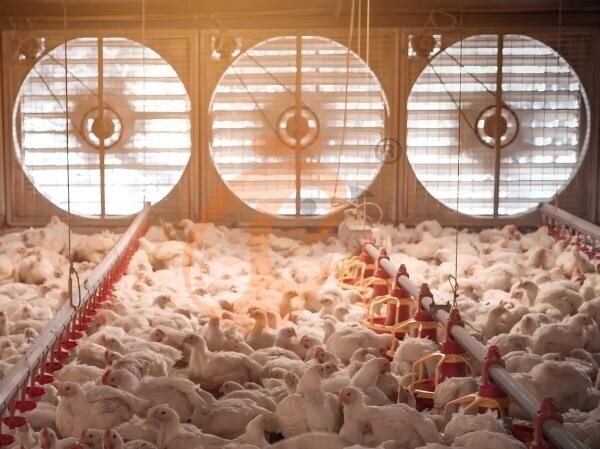
Modern commercial poultry equipment can integrate tunnel ventilation, cooling pads, heating, lighting, sensors, and environmental controllers as one coordinated package.
Environmental Equipment Return On Investment
Data is for reference only.Swipe horizontally to view full table.
Commercial poultry equipment ventilation should be selected according to house geometry and bird population rather than fan quantity alone.
Poultry house ventilation system engineering must coordinate fan capacity, air inlet arrangement, cooling-wall dimensions, and controller programming.
Proven Method: Reduce Labor With Integrated Automation
Engineering Points
Commercial poultry equipment becomes increasingly valuable as farm scale increases.
Automatic chicken feeding system controls can coordinate feeding routines while centralized automation connects watering, climate control, lighting, and monitoring.
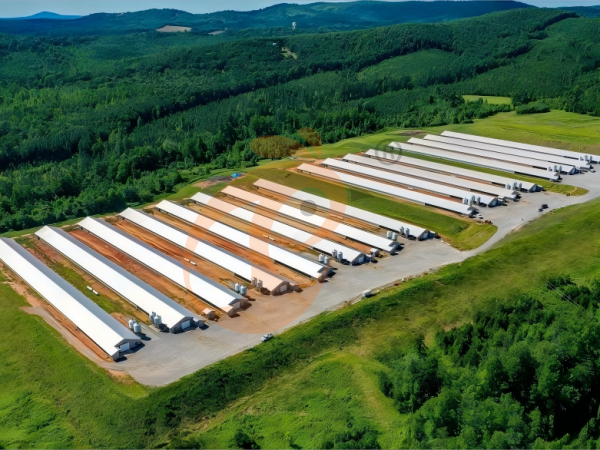
A commercial project may contain 30–72 poultry houses, with individual broiler houses accommodating 16,300–70,000 birds in documented commercial equipment applications.
Poultry house ventilation system automation can further standardize environmental operation across multiple buildings.
The engineering priority should be automating repetitive operations first, followed by centralized alarms and coordinated equipment control.
Labor-Saving Equipment Comparison
Data is for reference only.Swipe horizontally to view full table.
Commercial poultry equipment automation creates value beyond labor reduction.
Automatic chicken feeding system controls can establish repeatable operating procedures, while poultry house ventilation system controls help standardize
management across multiple houses.
Proven Method: Choose The Right Equipment Combination
Equipment Package Recommendation
Commercial poultry equipment should be planned as a coordinated package rather than unrelated machines.
Core Production System
- Automatic pan feeding
- Nipple drinking lines
- Feed silos
- Feed conveying equipment
Environmental System
- Tunnel ventilation
- Exhaust fans
- Air inlets
- Cooling pads
- Heating equipment
- Environmental controller
Management System
- Automatic lighting
- Temperature and humidity monitoring
- Alarm equipment
- Electrical control panels
Project Support
- Poultry house layout
- Equipment engineering
- Installation guidance
- Spare parts planning
- Technical support
Automatic chicken feeding system, poultry house ventilation system, and water systems should be engineered around identical house dimensions and flock capacity.
Commercial poultry equipment integration allows feeding, water, ventilation, cooling, and environmental controls to operate as one coordinated project.
Commercial Poultry Equipment Return On Investment Checklist
Data is for reference only.Swipe horizontally to view full table.
Commercial poultry equipment return on investment should be measured through equipment capacity, operating requirements, maintenance planning, and
production integration rather than purchase price alone.
Automatic chicken feeding system and poultry house ventilation system specifications should be verified against actual project conditions before ordering.
Frequently Asked Questions
Q1: What equipment should be prioritized for commercial poultry return on investment?
Commercial poultry equipment planning should normally start with feeding, drinking, ventilation, and climate-control requirements.
Automatic chicken feeding system design can use multiple feed lines, while poultry house ventilation system capacity should be calculated from house dimensions and flock requirements.
Q2: How does automation affect commercial poultry operating costs?
Commercial poultry equipment automation reduces repetitive manual operations and creates standardized control routines.
Automatic chicken feeding system and climate controls can operate according to programmed cycles, with environmental monitoring supporting continuous adjustment.
Q3: What should buyers check before purchasing poultry equipment?
Commercial poultry equipment should be evaluated through capacity, component specifications, electrical compatibility, maintenance access, spare-parts supply, and technical support.
Automatic chicken feeding system and poultry house ventilation system components should also be matched to the complete house design rather than purchased separately.
Taiyu (HK) Group - One Of China Toppest Commercial Poultry Equipment Manufacturer
Commercial poultry equipment integrates automatic feeding, drinking, climate control, ventilation, and monitoring, with project configurations engineered for 5,000–70,000 birds.
Global factory-direct supply covers complete poultry equipment packages, component manufacturing, engineering coordination, quality inspection, and international project support.
Turn-key engineering combines poultry house planning, automatic chicken feeding system configuration, poultry house ventilation system design, installation guidance, commissioning, and spare-parts planning.
Commercial projects receive coordinated technical specifications for equipment capacity, electrical requirements, house dimensions, environmental controls, and production-system integration.
Export-oriented project management supports poultry farms requiring scalable equipment packages, technical documentation, remote assistance, and long-term component supply.
Contact Us To Received Your Customized Poultry Farm Plan
Headquarters And Branchs
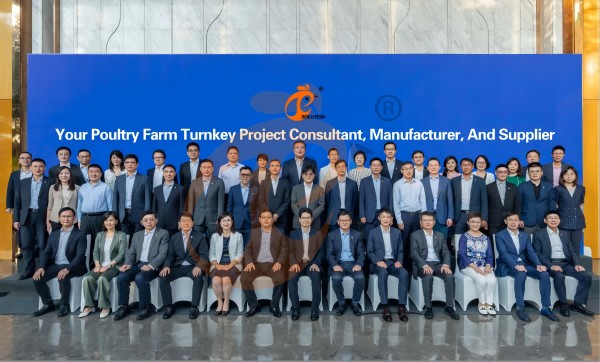
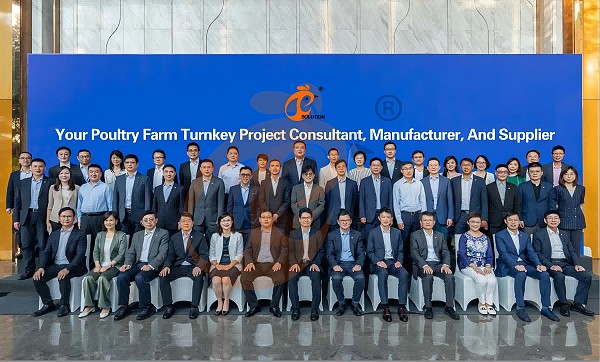
Hong Kong Headquarter Management Team
Hong Kong Headquarter Taiyu Industrial Group CO., LTD
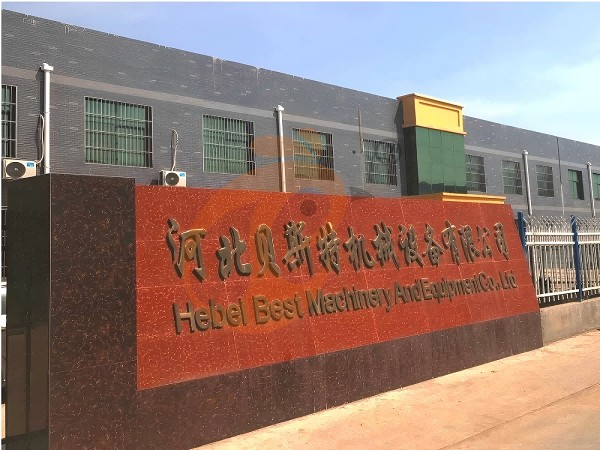
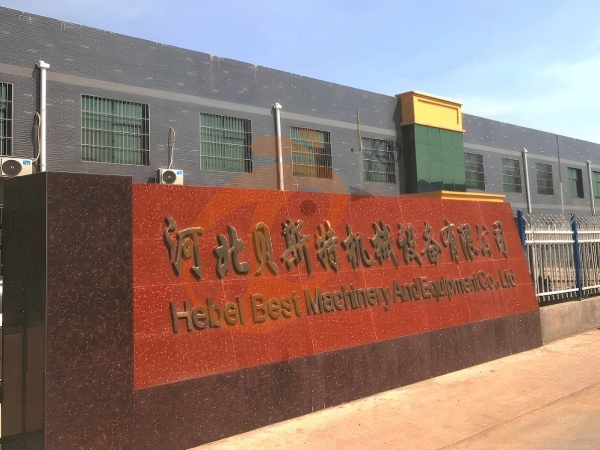
China Hebei Best Machinery And Equipment CO., LTD
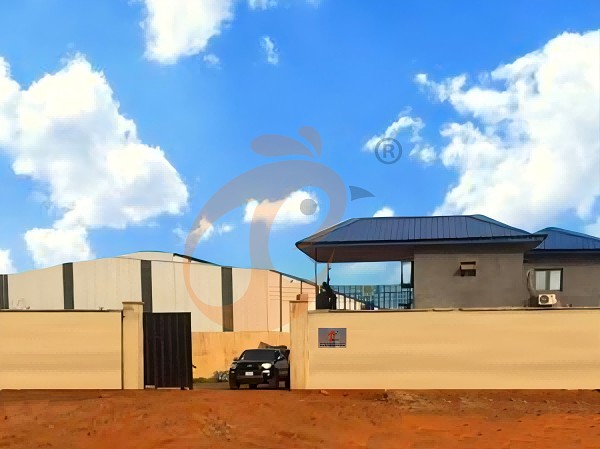
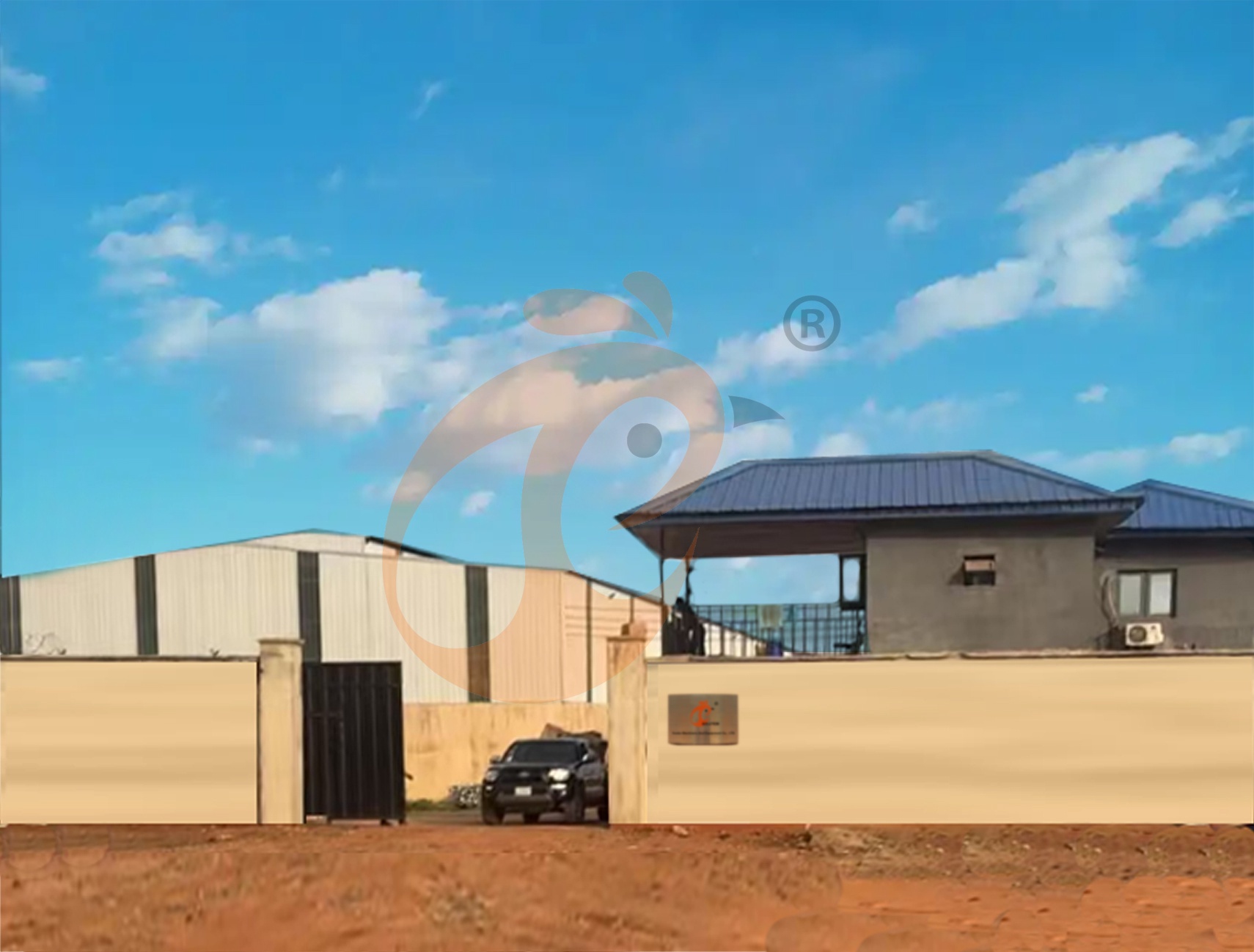
Nigeria Vanke Machinery And Equipment CO., LTD
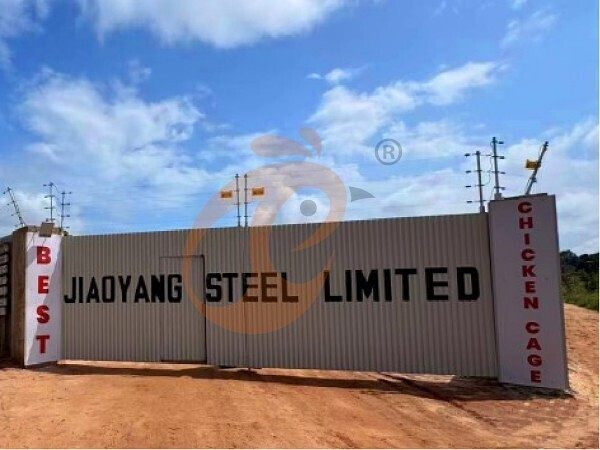
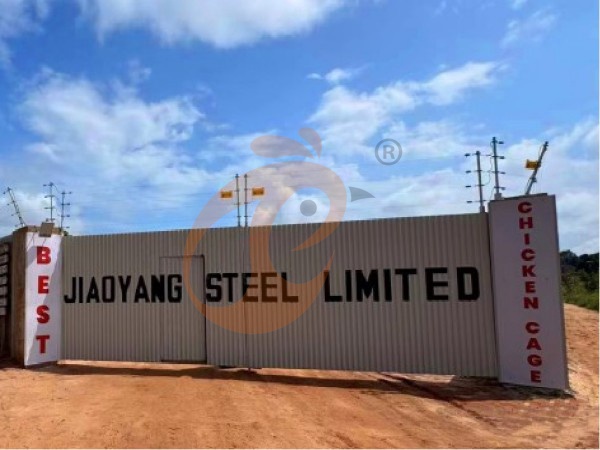
Tanzania Best Machinery And Equipment CO., LTD
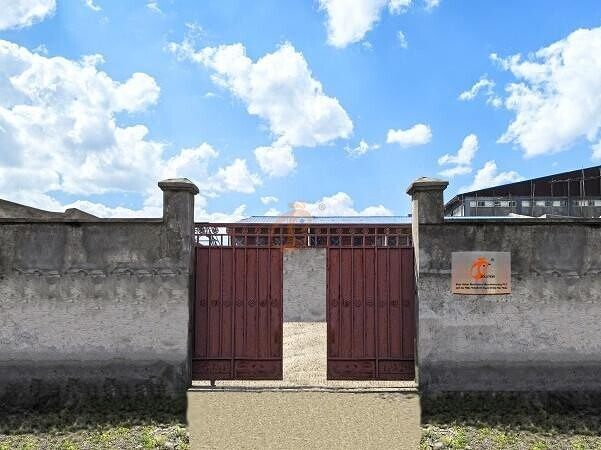
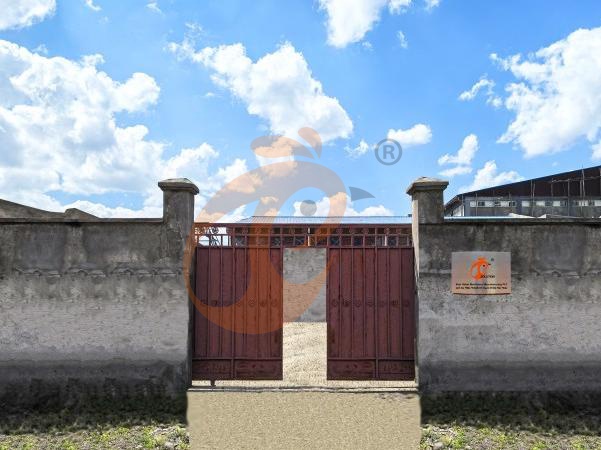
Ethiopia Best Hebei Machinery Manufacturing PLC
Reception /24 WhatsApp NO. : +8618830120193
FAQ
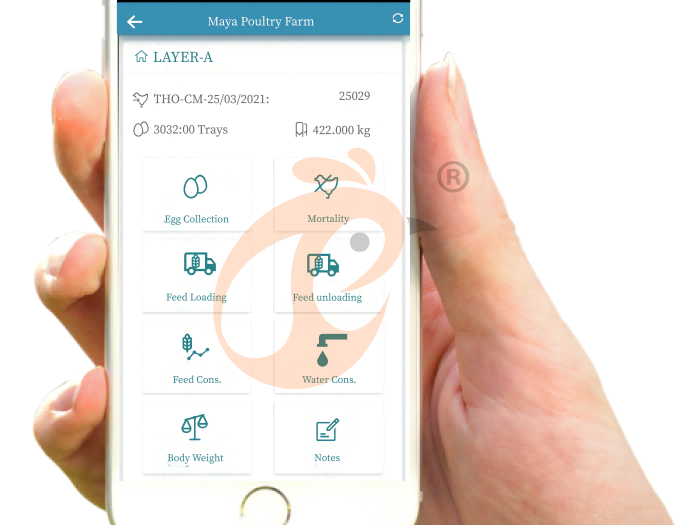
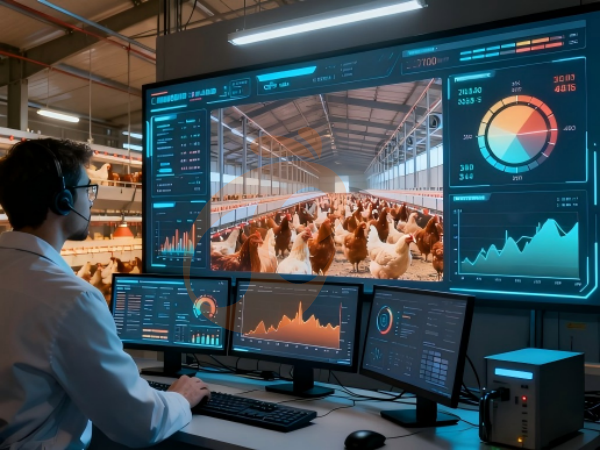
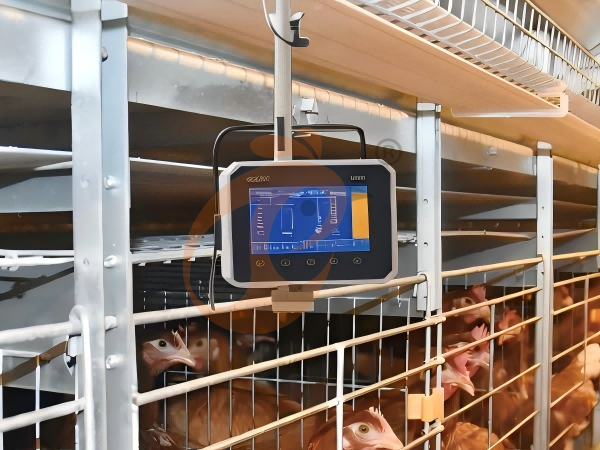
How Is Data Transmission Managed In Smart Chicken House Equipment For Poultry Chicken Monitoring Systems?
Data refresh intervals operate every 5–15 seconds for real-time monitoring accuracy.
Cloud synchronization latency remains within 1–3 seconds for remote access control.
What Alarm Functions Are Included In Smart Chicken House Equipment?
Gas concentration alerts trigger at 25–50 ppm ammonia levels protecting flock health.
System failure alarms respond within 3–5 seconds ensuring immediate fault notification.
How Does Smart Chicken House Equipment Improve Management Efficiency?
Data analytics improve feed conversion efficiency by 4%–7% through environmental optimization.
Predictive alerts reduce mortality risk by 3%–6% through early anomaly detection.
- poultry farm
- poultry farms
- poultry house
- cage
- poultry farm construction
- poultry house layout
- poultry house ventilation
- poultry house ventilation system
- poultry equipment
- chickencage
- bestchickencage
- Nigeria
- automatic chicken feeding system
- poultry equipment manufacturer
- chicken feeding system
- poultry house ventilation system design
- poultry house ventilation system specification
- poultry house ventilation system control
- poultry house ventilation system solution
- poultry farm plan
- poultry house planning
- chicken feed
- feed silo
- Ethiopia
Message
Products recommended
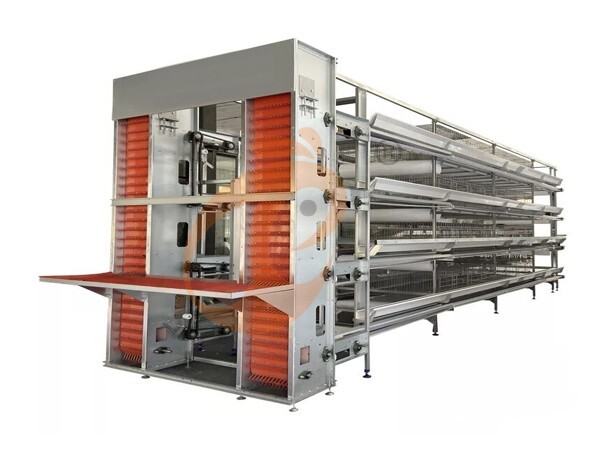
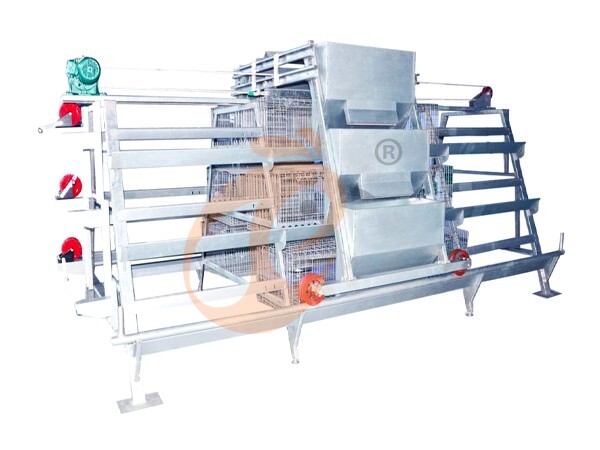
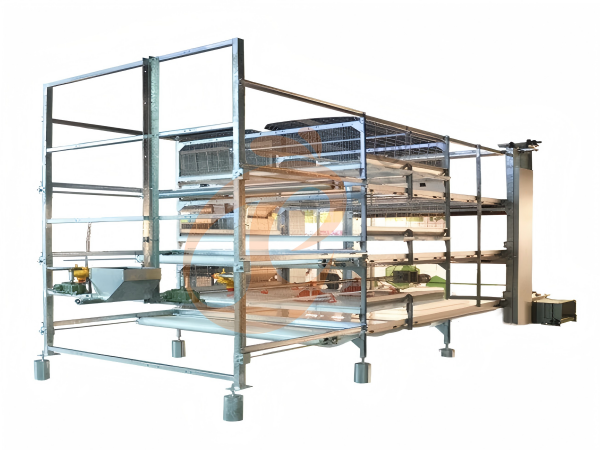
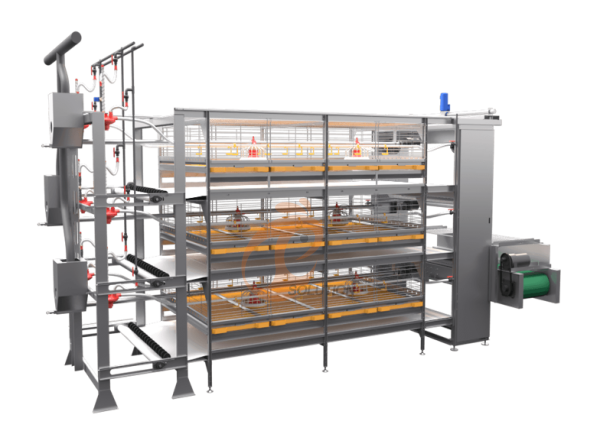
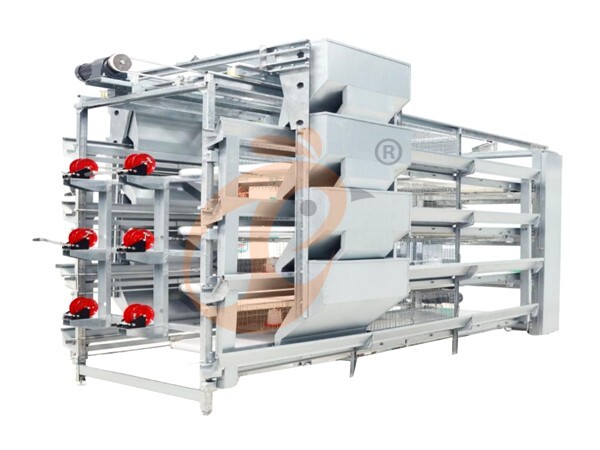
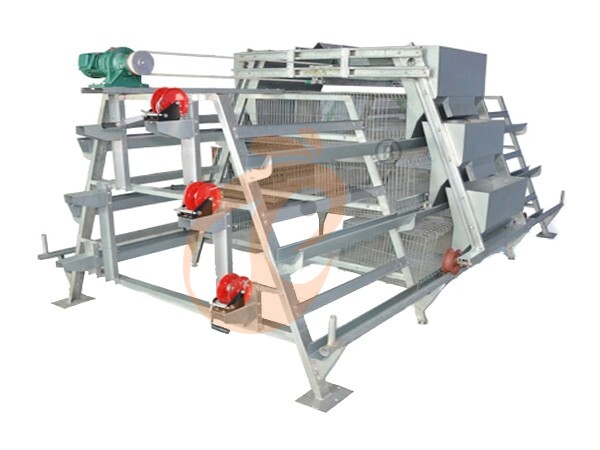
 >30,000 Pullets Automatic H Type Battery Cage1. More than 30,000 pullets a house, choose it.
2. It is designed to rearing older than 1 day old pullets to 12 to 16 weeks old chicken starting laying eggs.
3. Its lifespan is more than 25 years.
4. Its structure are Vcloud artificial intelligent fusion, electric control cabinet, automatic equipment of drinking, feeding, manure clean, manual harvesting.
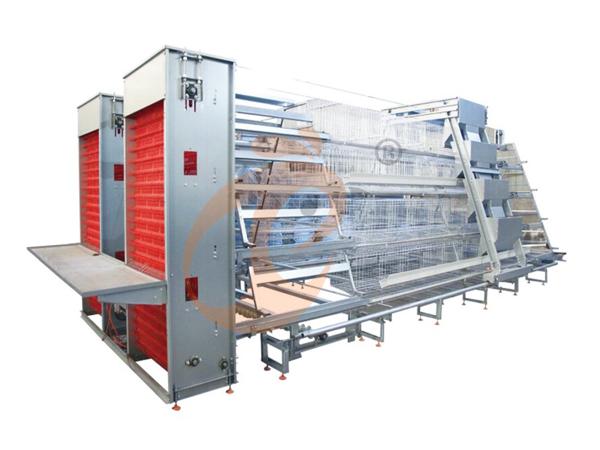
5. Our 24 hour online reception What’sApp NO. is +8618830120193 <30,000 Pullets Automatic A Type Battery Cage1. 10,000 to 30,000 pullets a house, choose it.
2. It is designed to rearing older than 1 day old pullets to 12 to 16 weeks old chicken starting laying eggs.
3. Its lifespan is more than 25 years.
4. Its structure are Vcloud artificial intelligent fusion, electric control cabinet, automatic equipment of drinking, feeding, manure clean, manual harvesting.
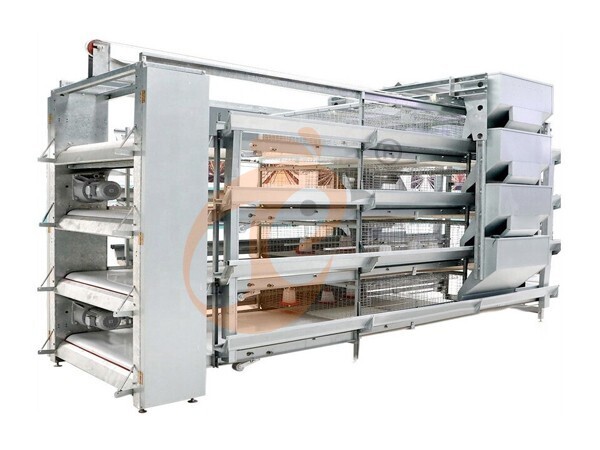
5. Our 24 hour online reception What’sApp NO. is +86 18830120193. >30,000 Broilers Semi-Automatic Harvest H Type Battery Cage1. More than 30,000 broilers a house, choose it.
2. It is designed to rearing 1 to 45 day old adult broiler ready for market.
3. Its lifespan is more than 20 years.
4. Our 24 hour online reception What’sApp NO. is +8618830120193, +234 8111199996. >30,000 Broilers Manual Harvest H Type Battery Cage1. More than 30,000 broilers a house, choose it.
2. It is designed to rearing 1 to 45 day old adult broiler ready for market.
3. Its lifespan is more than 20 years.
4. Its structure are Vcloud artificial intelligent fusion, electric control cabinet, automatic equipment of drinking, feeding and manure clean, manual harvesting.
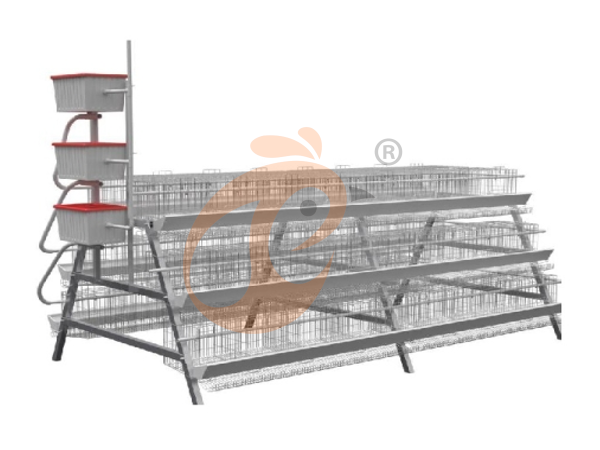
5. Our 24 hour online reception What’sApp NO. is +8618830120193, +234 8111199996. <30,000 Broilers Manual Harvest A Type Battery Cage1. Less 30,000 broilers a house, choose it.
2. It is designed to rearing 1 to 45 day old adult broiler ready for market.
3. Its lifespan is more than 20 years.
4. Its structure are Vcloud artificial intelligent fusion, electric control cabinet, automatic equipment of drinking, feeding and manure clean, manual harvesting.
5. Our 24 hour online reception What’sApp NO. is +8618830120193, +234 8111199996. HK Headquarter Offers EU-standard Poultry Farm Solutions, Manufacture Poultry Farm Equipment1. Continuous communication with the EU and the US
2. China, Nigeria, Ethiopia, Tanzania branch companies and factories
3. The products’ quality is customized for local poultry farms
4. Poultry cage and poultry farm equipment stock for sale
5. 24 online reception Whatsapp NO. : +8618830120193,contact us to get full information China Branch Offer Poultry Farm Business Plan, Manufacture Poultry Farm Equipment1. Address: Flat/RM 2416, 24/F, Runxing Building, Youyi Nan Street, Shijiazhuang City, Hebei Province, China
2. Poultry cage and poultry farm equipment factory and stock for sale
3. Customized for local poultry farms
4. Quality and design are based on Euro
5. 24 online reception Whatsapp NO. : +8618830120193 Nigeria Branch Offer Poultry Farm Business Plan, Manufacture Poultry Farm Equipment1. Address: After Sinoma Office, 200 Meters Near Danco Filling Station, Lagos/Ibadan Expressway, Lagos State, Nigeria
2. Poultry cage and poultry farm equipment factory and stock for sale
3. Customized for Nigerian poultry farms
4. Quality and design are based on Euro
5. 24 online reception Whatsapp NO. : +8618830120193 Ethiopia Branch Offer Poultry Farm Business Plan, Manufacture Poultry Farm Equipment1. Address: Gelan Gura, Akaki-kaliti Sub City, Addis Ababa, Ethiopia
2. Poultry cage and poultry farm equipment stock for sale
3. Customized for Ethiopian poultry farms
4. Quality and design are based on Euro
5. 24 online reception Whatsapp NO. : +8618830120193, contact us to get price list Tanzania Branch Offer Poultry Farm Business Plan, Manufacture Poultry Farm Equipment1. Address: No.8, Sova Road, Msufini, Mlandizi, Kibaha, Pwani, Tanzania
2. Poultry cage and poultry farm equipment factory and stock for sale
3. Customized for Tanzanian poultry farms
4. Quality and design are based on Euro
5. 24 online reception Whatsapp NO. : +8618830120193


Contact