


Blog
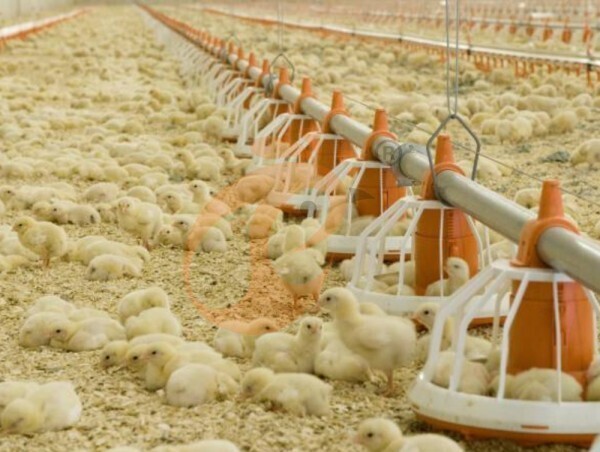
Starter chicks require tight temperature control and easy access to feed and water.
Grower pullets need progressive spatial increases to support frame development and body uniformity.
Laying hens need stable cage density to maintain continuous egg output and shell quality.
Broilers require final density planning based on target slaughter weight and ventilation capacity.
Integrated cage layout design connects bird age, building dimensions, and daily farm workflow.
As an experienced poultry equipment manufacturer, Vanke designs customized chicken cage systems tailored to flock size, local climate, house dimensions, and automation goals.
For farm owners, the objective is to maximize health, hygiene, and output per square meter without overcrowding. All financial estimations are quoted in local currency ($10,000.00 USD / €9,200.00 EUR, European Union standards for reference only).
Get professional poultry farm construction guidance, equipment selection solutions, and the latest price lists, whatsApp to +8618830120193, click to learn more:
Why Chicken Cage Space Changes With Bird Age
Birds require evolving environmental conditions as they grow. Stocking density must be adjusted according to bird age, breed, projected weight, and climate. In hot regions, lower density prevents heat stress and supports adequate airflow.
Insufficient cage space results in uneven weights, higher mortality, wet manure, lower feed conversion, and reduced egg production. Conversely, excessively low density wastes house capacity and increases fixed costs.
Chicken Cage Space Recommendations By Bird Age
Commercial planning requires precise dimensional standards. Providing adequate feed trough space and nipple ratios reduces aggressive behavior and ensures uniform nutrient intake.
Grower Cage Space For Pullets
The grower stage establishes flock uniformity before point of lay. Inadequate feed trough length causes smaller pullets to fall behind, impacting lifetime laying persistence.
Broiler Chicken Cage Space By Growth Weight
Broiler density must be calculated by target slaughter weight and environmental control capabilities. Standard commercial targets range between 30–38 kg of live weight per m².
Automated H type battery cages paired with pull-out slat or chain harvesting systems drastically reduce labor demands by 50–70% while maintaining bird injury rates below 1–2%.
Frequently Asked Questions
How Much Space Does One Layer Chicken Need In A Cage?
Standard commercial layers require 450–550 cm² per bird, while heavier breeds require 550–750 cm². Each layer should also receive 10–15 cm of feed trough space alongside dedicated nipple drinker access.
What Is The Best Stocking Density For Broiler Chicken Cages?
Commercial broiler cages generally operate at 30–38 kg of live weight per m². For heavy broilers (over 3.0 kg) or farms in hot climates, density should be reduced to 28–32 kg per m² to support heat dissipation and bird welfare.
How Do I Calculate Chicken Cage Capacity For My Poultry House?
Measure usable internal house dimensions, deducting space for service aisles, fans, and egg rooms. Multiply usable cage floor area by desired bird age space targets, ensuring feeding and ventilation capacity match calculated flock size.
Build A More Efficient Poultry Farm With Vanke
Customized chicken cage layout and house architectural planning tailored to your exact land dimensions.
Complete product range including chick, layer, and broiler cages, feeding, drinking, manure removal, and climate systems.
Turnkey recycling farm solutions coordinating feed processing, poultry housing, and organic manure treatment.
Premium manufacturing using high-grade Q235 steel with hot-dip galvanization or aluminum-zinc coating for 20+ year durability.
Direct manufacturer technical support covering equipment selection, global delivery, site installation guidance, and training.
Contact Us To Received Your Customized Poultry Farm Plan
Headquarters And Branchs

Hong Kong Headquarter Management Team
Hong Kong Headquarter Taiyu Industrial Group CO., LTD
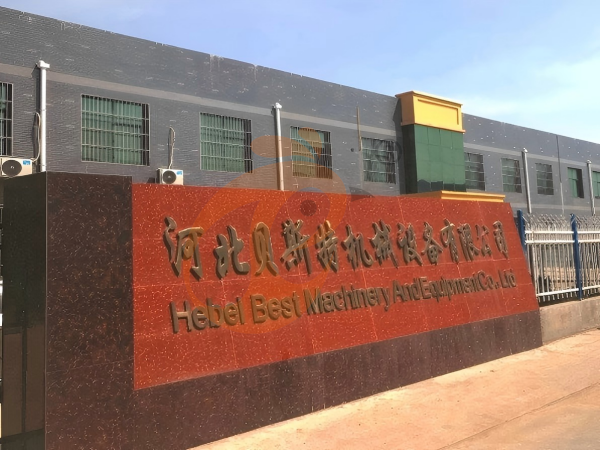
China Hebei Best Machinery And Equipment CO., LTD
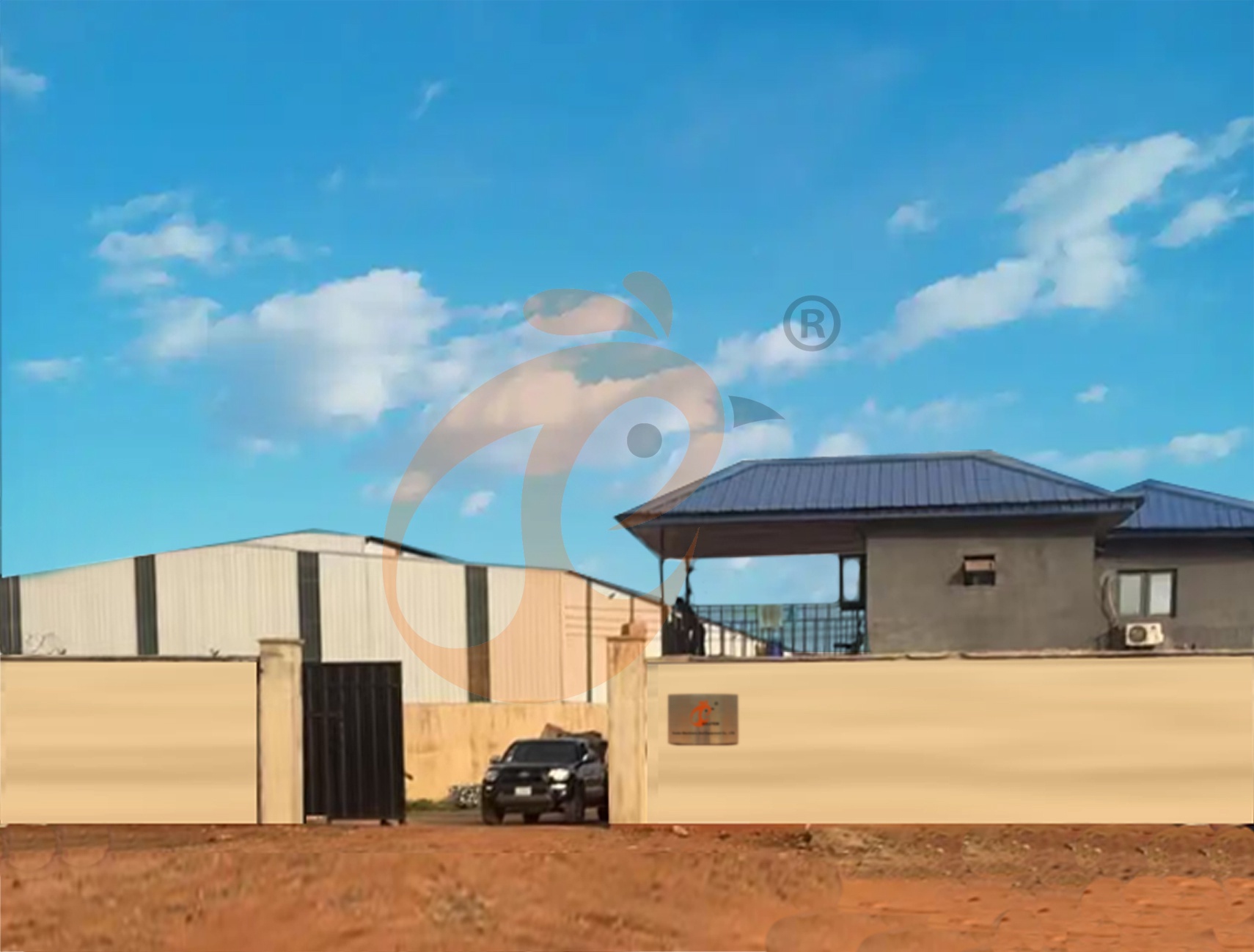
Nigeria Vanke Machinery And Equipment CO., LTD
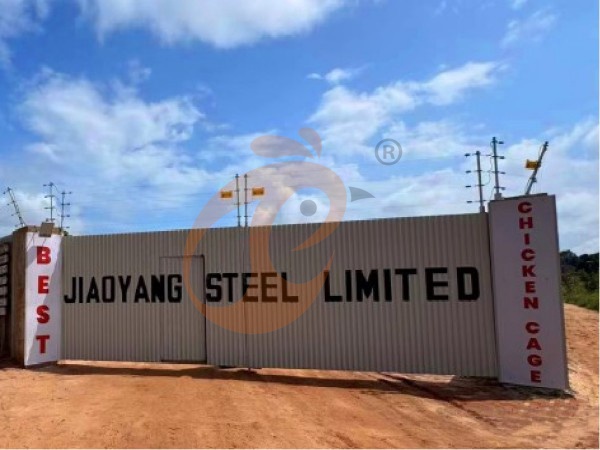
Tanzania Best Machinery And Equipment CO., LTD
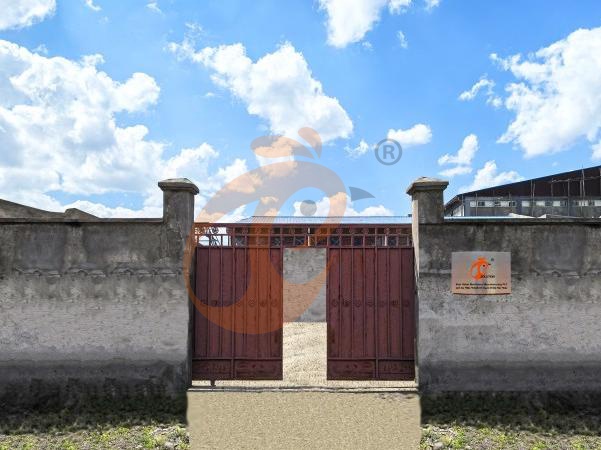
Ethiopia Best Hebei Machinery Manufacturing PLC




Reception /24 WhatsApp NO. : +8618830120193
FAQ
- battery cage
- poultry farm
- chicken cage
- broiler cage
- poultry house
- cage
- poultry farm construction
- chicken cage layout
- chicken cage system
- poultry equipment
- battery cages
- chicken cages
- broiler chicken cage
- broiler cages
- h type battery cages
- chickencage
- bestchickencage
- broiler chicken cages
- cage system
- h type
- cage systems
- h type battery cage
- Nigeria
- poultry equipment manufacturer
- poultry farm plan
- Ethiopia
Message
Products recommended
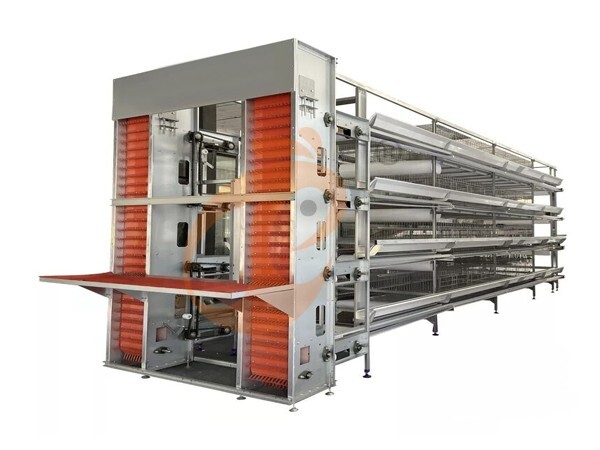
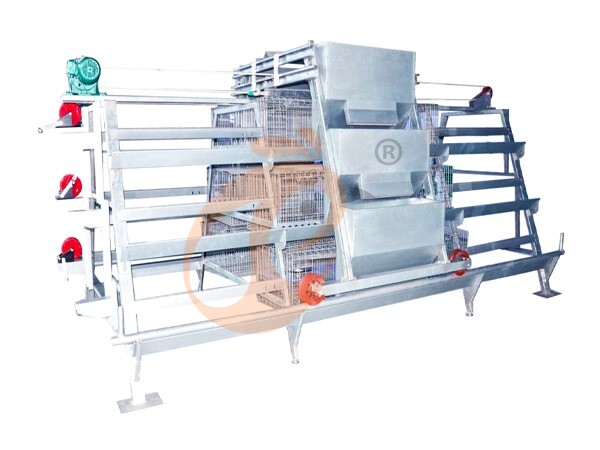
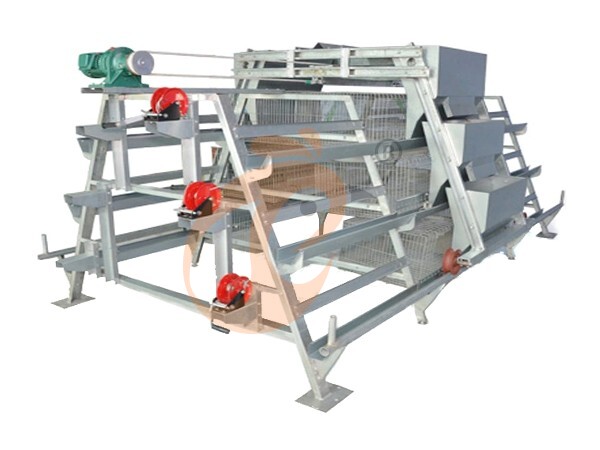
 >30,000 Pullets Automatic H Type Battery Cage1. More than 30,000 pullets a house, choose it.
2. It is designed to rearing older than 1 day old pullets to 12 to 16 weeks old chicken starting laying eggs.
3. Its lifespan is more than 25 years.
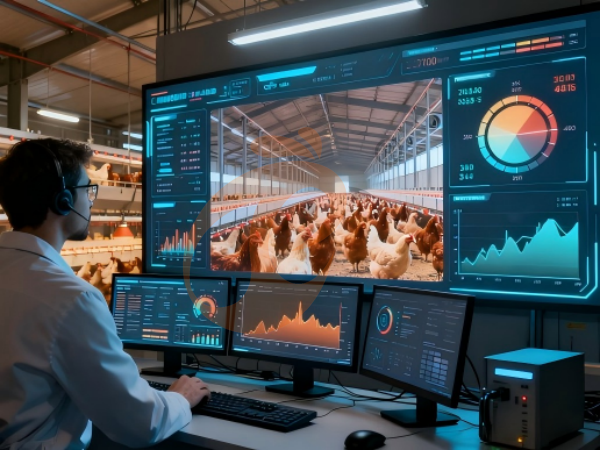
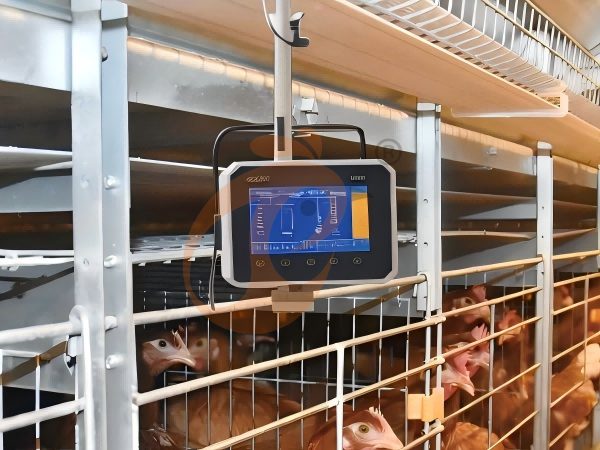
4. Its structure are Vcloud artificial intelligent fusion, electric control cabinet, automatic equipment of drinking, feeding, manure clean, manual harvesting.
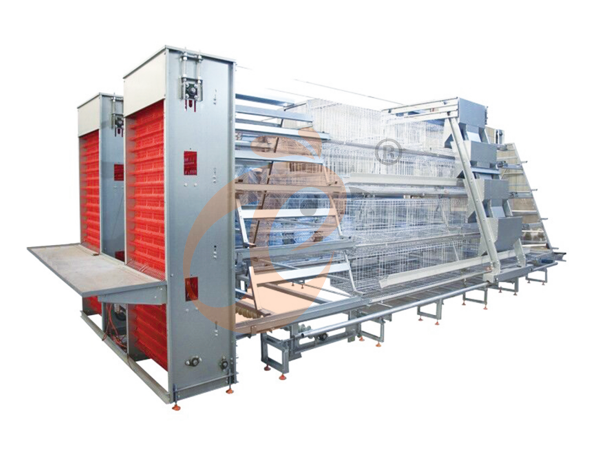
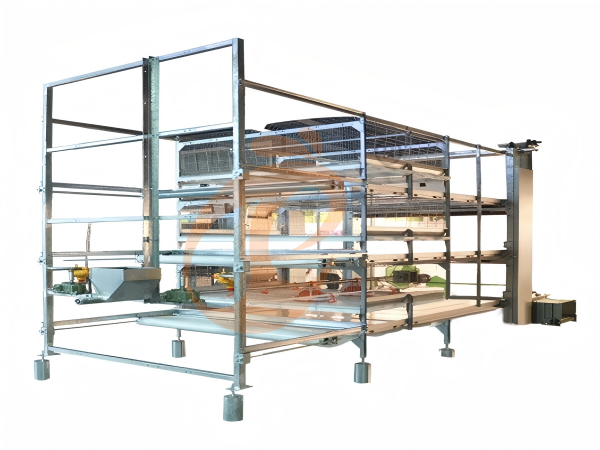
5. Our 24 hour online reception What’sApp NO. is +8618830120193 <30,000 Pullets Automatic A Type Battery Cage1. 10,000 to 30,000 pullets a house, choose it.
2. It is designed to rearing older than 1 day old pullets to 12 to 16 weeks old chicken starting laying eggs.
3. Its lifespan is more than 25 years.
4. Its structure are Vcloud artificial intelligent fusion, electric control cabinet, automatic equipment of drinking, feeding, manure clean, manual harvesting.
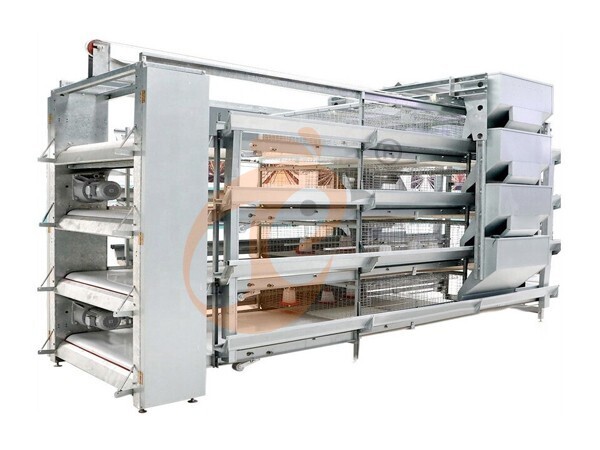
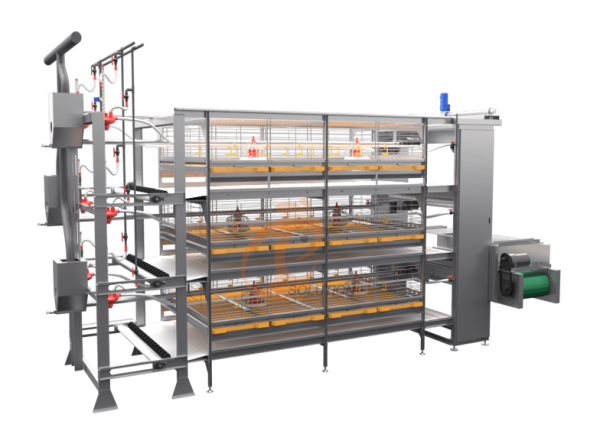
5. Our 24 hour online reception What’sApp NO. is +86 18830120193. >30,000 Broilers Semi-Automatic Harvest H Type Battery Cage1. More than 30,000 broilers a house, choose it.
2. It is designed to rearing 1 to 45 day old adult broiler ready for market.
3. Its lifespan is more than 20 years.
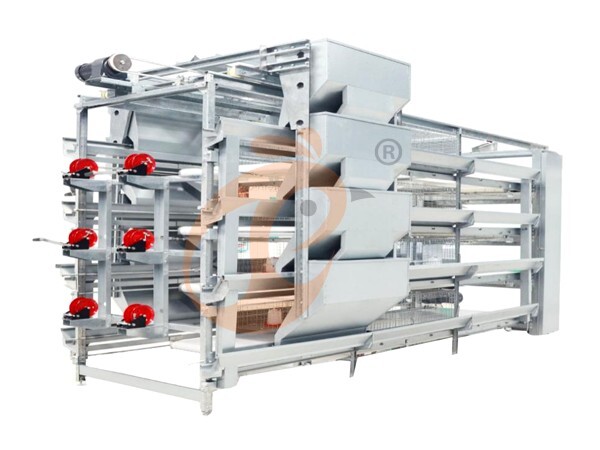
4. Our 24 hour online reception What’sApp NO. is +8618830120193, +234 8111199996. >30,000 Broilers Manual Harvest H Type Battery Cage1. More than 30,000 broilers a house, choose it.
2. It is designed to rearing 1 to 45 day old adult broiler ready for market.
3. Its lifespan is more than 20 years.
4. Its structure are Vcloud artificial intelligent fusion, electric control cabinet, automatic equipment of drinking, feeding and manure clean, manual harvesting.
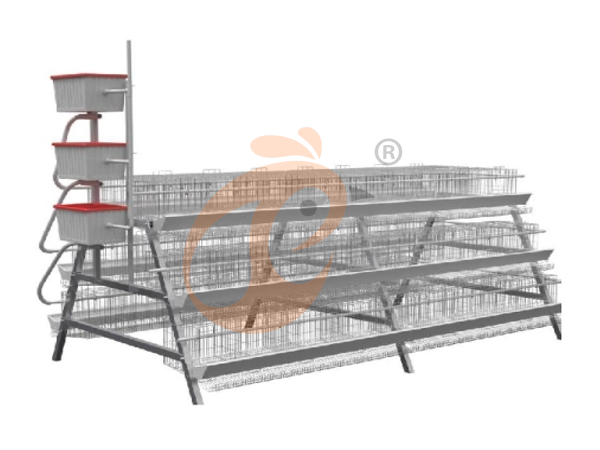
5. Our 24 hour online reception What’sApp NO. is +8618830120193, +234 8111199996. <30,000 Broilers Manual Harvest A Type Battery Cage1. Less 30,000 broilers a house, choose it.
2. It is designed to rearing 1 to 45 day old adult broiler ready for market.
3. Its lifespan is more than 20 years.
4. Its structure are Vcloud artificial intelligent fusion, electric control cabinet, automatic equipment of drinking, feeding and manure clean, manual harvesting.
5. Our 24 hour online reception What’sApp NO. is +8618830120193, +234 8111199996. HK Headquarter Offers EU-standard Poultry Farm Solutions, Manufacture Poultry Farm Equipment1. Continuous communication with the EU and the US
2. China, Nigeria, Ethiopia, Tanzania branch companies and factories
3. The products’ quality is customized for local poultry farms
4. Poultry cage and poultry farm equipment stock for sale
5. 24 online reception Whatsapp NO. : +8618830120193,contact us to get full information China Branch Offer Poultry Farm Business Plan, Manufacture Poultry Farm Equipment1. Address: Flat/RM 2416, 24/F, Runxing Building, Youyi Nan Street, Shijiazhuang City, Hebei Province, China
2. Poultry cage and poultry farm equipment factory and stock for sale
3. Customized for local poultry farms
4. Quality and design are based on Euro
5. 24 online reception Whatsapp NO. : +8618830120193 Nigeria Branch Offer Poultry Farm Business Plan, Manufacture Poultry Farm Equipment1. Address: After Sinoma Office, 200 Meters Near Danco Filling Station, Lagos/Ibadan Expressway, Lagos State, Nigeria
2. Poultry cage and poultry farm equipment factory and stock for sale
3. Customized for Nigerian poultry farms
4. Quality and design are based on Euro
5. 24 online reception Whatsapp NO. : +8618830120193 Ethiopia Branch Offer Poultry Farm Business Plan, Manufacture Poultry Farm Equipment1. Address: Gelan Gura, Akaki-kaliti Sub City, Addis Ababa, Ethiopia
2. Poultry cage and poultry farm equipment stock for sale
3. Customized for Ethiopian poultry farms
4. Quality and design are based on Euro
5. 24 online reception Whatsapp NO. : +8618830120193, contact us to get price list Tanzania Branch Offer Poultry Farm Business Plan, Manufacture Poultry Farm Equipment1. Address: No.8, Sova Road, Msufini, Mlandizi, Kibaha, Pwani, Tanzania
2. Poultry cage and poultry farm equipment factory and stock for sale
3. Customized for Tanzanian poultry farms
4. Quality and design are based on Euro
5. 24 online reception Whatsapp NO. : +8618830120193


Contact