


Blog
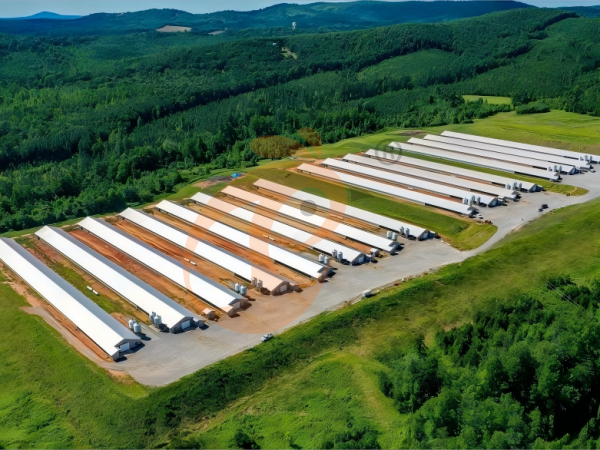
Integrated poultry engineering systems combine ventilation cooling feeding hydration lighting and manure management technologies for intensive commercial farming operations.
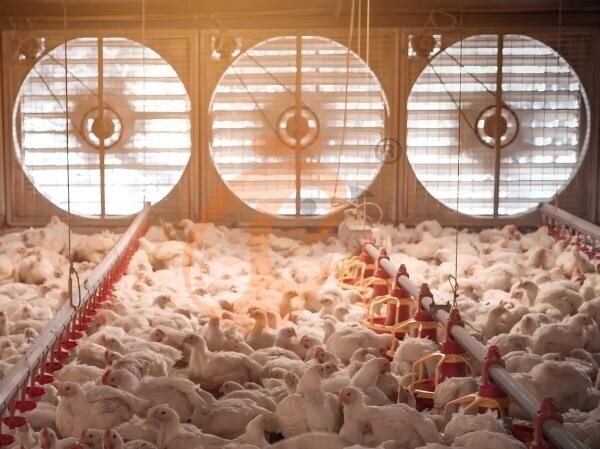
Poultry ventilation system architecture regulates airflow velocity ammonia concentration thermal balance and environmental stability within enclosed poultry production facilities.
Automatic poultry feeding system infrastructure improves feed conversion ratio efficiency material distribution consistency and large-scale operational automation performance.
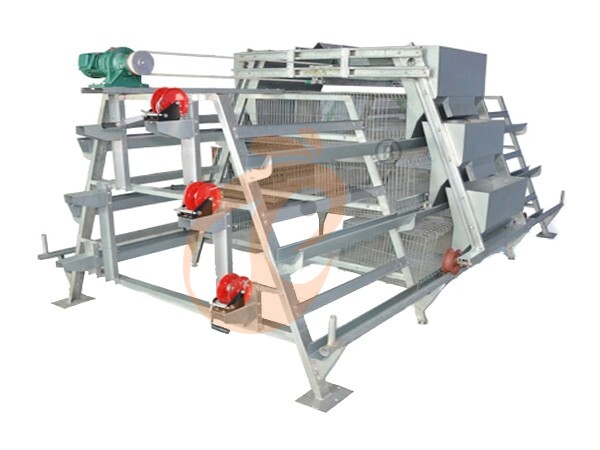
Chicken farm equipment incorporates galvanized structural materials intelligent sensors environmental controllers and energy-efficient mechanical transmission technologies.
Industrial poultry infrastructure investment prioritizes corrosion resistance operational lifespan biosecurity standards and automated environmental regulation for sustainable production profitability.
Get professional poultry farm construction guidance, equipment selection solutions, and the latest price lists, whatsApp to +8618830120193, click to learn more:
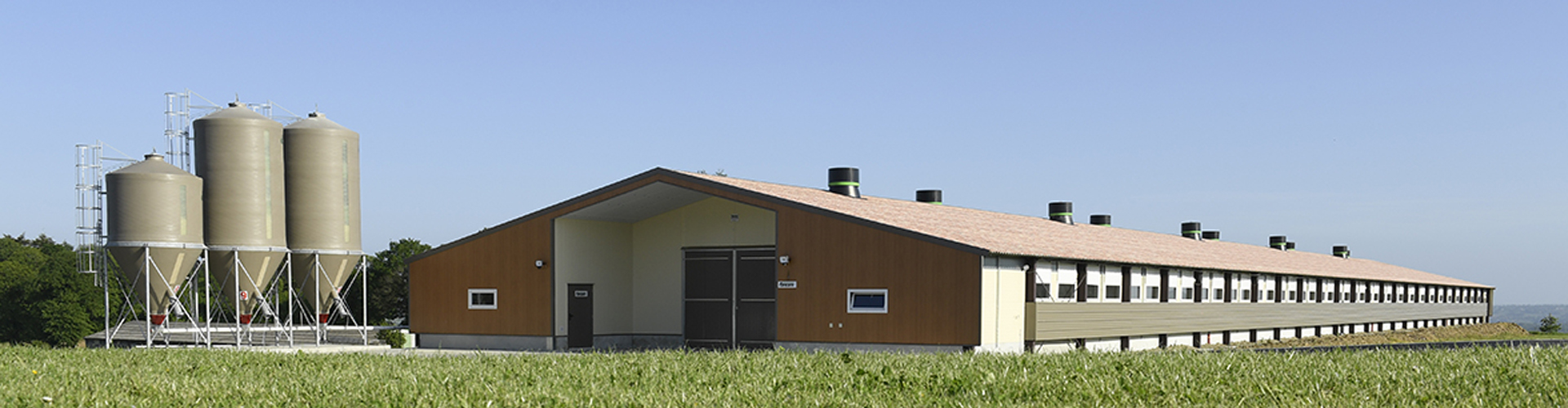
Environmental Dynamics and Ventilation Engineering
The poultry ventilation system is the core subsystem responsible for metabolic heat removal and ammonia dilution within enclosed poultry housing structures.
Air exchange design is based on CFM and static pressure balancing to maintain uniform airflow velocity across long-span buildings.
Data is for reference only.Swipe horizontally to view full table.
Ammonia concentration must remain under 15 ppm to ensure respiratory stability and optimal feed conversion efficiency.
Evaporative Cooling And Thermal Regulation
Evaporative cooling pads utilize controlled adiabatic heat exchange to reduce thermal stress inside poultry housing systems by converting sensible heat into latent heat through continuous water film evaporation across cellulose media.
Air passes through saturated cooling layers where heat absorption efficiency is influenced by external humidity levels inlet air temperature and airflow uniformity across the ventilation corridor.
In optimized poultry environments temperature reduction typically ranges from 6°C to 12°C.
Advanced airflow design can maintain consistent velocity distribution between 2.0–2.8 m/s across flock zones.
This stabilization improves heat dissipation efficiency reduces respiratory stress and supports consistent production performance under high-density farming conditions.
Automated Nutrition And Feed Delivery Systems
The automatic poultry feeding system utilizes auger-driven transport to stabilize feed distribution and reduce mechanical loss across long feeding lines.
Feed silos ensure material protection against humidity UV exposure and microbial contamination.
Data is for reference only.Swipe horizontally to view full table.
Feed conversion ratio (FCR) optimization depends on precise motor RPM regulation and consistent feed particle flow.
Precision Hydration Engineering
Water supply systems regulate pressure gradients across nipple lines to ensure uniform hydration intake per bird density zone.
Flow calibration ensures age-based pressure scaling from starter to mature flock stages.
Data is for reference only.Swipe horizontally to view full table.
Waste Removal And Biosecurity Engineering
Manure belt systems reduce ammonia accumulation and microbial propagation by enabling continuous or scheduled waste extraction cycles.
Polyurethane belt materials improve chemical resistance under high humidity exposure.
Data is for reference only.Swipe horizontally to view full table.
Lighting System And Photoperiod Control
Photoperiod regulation systems control endocrine stimulation through calibrated lux distribution across multi-tier housing systems.
Warm spectrum lighting enhances reproductive hormone secretion efficiency.
Data is for reference only.Swipe horizontally to view full table.
Auxiliary Heating Systems For Brooding
Brooding temperature regulation requires controlled thermal output to maintain 32°C floor-level stability during early-stage development cycles.
Heating efficiency directly impacts survival rate and immune system development.
Data is for reference only.Swipe horizontally to view full table.
Automatic Egg Collection Systems
Egg transport systems use controlled belt velocity and cushioning transitions to minimize mechanical impact stress and reduce breakage rates in high-density production lines.
Data is for reference only.Swipe horizontally to view full table.
Structural Durability And Material Engineering
Hot-dip galvanization technology applies a metallurgical zinc coating layer of ≥275 g/m².
This forms a dense anti-corrosion barrier isolating steel substrates from ammonia moisture and high-salinity poultry environments.
This protective layer significantly reduces oxidation penetration and surface degradation under continuous humidity exposure.
Advanced structural engineering design incorporates load-bearing optimization and fatigue resistance analysis.
This ensures mechanical stability under long-term dynamic stress conditions such as ventilation vibration and equipment operation cycles.
Under standardized maintenance protocols service lifespan can exceed 25+ years.
High-performance coating systems maintain structural integrity and reduce lifecycle replacement costs in intensive poultry production facilities.
Sensor Integration And Environmental Automation
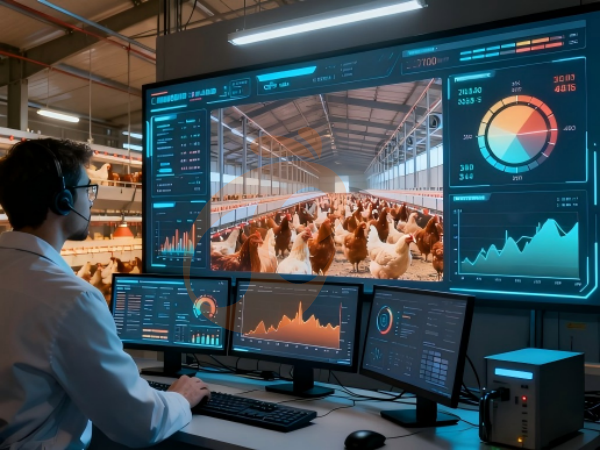
Environmental automation systems utilize distributed sensor architecture to establish continuous monitoring across poultry housing facilities.
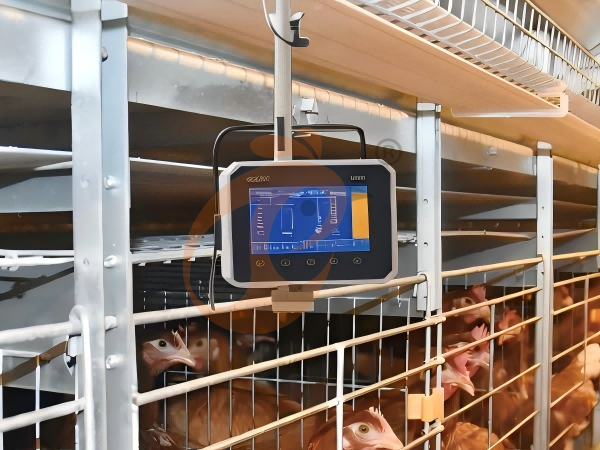
Temperature probes humidity transmitters ammonia detectors and airflow sensors transmit synchronized operational data to centralized control platforms for real-time environmental regulation.
High-precision temperature sensors with ±0.5°C accuracy enable rapid response to thermal fluctuations.
Centralized humidity mapping improves ventilation balance and cooling pad activation efficiency.
Advanced automation logic can reduce unnecessary energy consumption by 12%–18% through intelligent fan staging and adaptive climate control algorithms.
Integrated monitoring systems improve flock stability by minimizing sudden environmental variation.
This operational consistency supports stable feed intake respiratory comfort and production performance under intensive commercial farming conditions.
FAQ
What is the optimal capacity of a poultry ventilation system for large houses?
A properly designed poultry ventilation system achieves full air exchange every 60 seconds under peak load.
Ammonia concentration must be maintained below 15 ppm for optimal flock respiratory health.
How does an automatic poultry feeding system improve production efficiency?
An automatic poultry feeding system stabilizes feed delivery and reduces material loss across long feeding lines.
Feed conversion ratio (FCR) improves through consistent particle flow and controlled motor RPM regulation.
What is the lifespan of modern chicken farm equipment under industrial conditions?
Hot-dip galvanized chicken farm equipment typically achieves 25+ years operational lifespan.
Inferior coating systems may fail within 36 months under high humidity and ammonia exposure environments.
Taiyu (HK) Group - One Of China Largest Auxiliary Equipment Manufacturer
Precision poultry equipment integrates ventilation feeding cooling lighting and manure removal systems for high-density poultry farming.
Factory direct supply provides standardized poultry equipment manufacturing with automated production lines for industrial-scale farms.
Poultry ventilation system and poultry cage system solutions support turn-key engineering projects for broiler and layer production.
Turn-key services include design installation commissioning and long-term technical support for fully automated poultry houses.
Global export manufacturing ensures stable supply chain capability for poultry farming infrastructure and biosecure housing systems worldwide.
Contact Us To Received Your Customized Poultry Farm Plan
Headquarters And Branchs
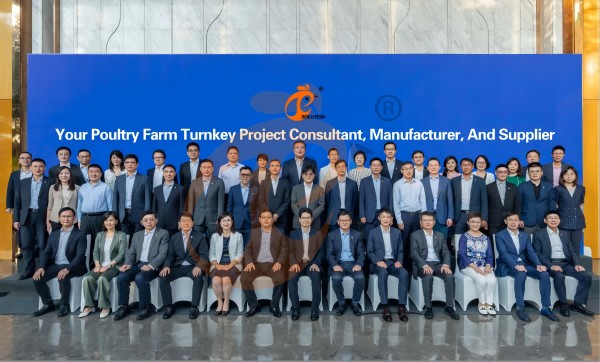
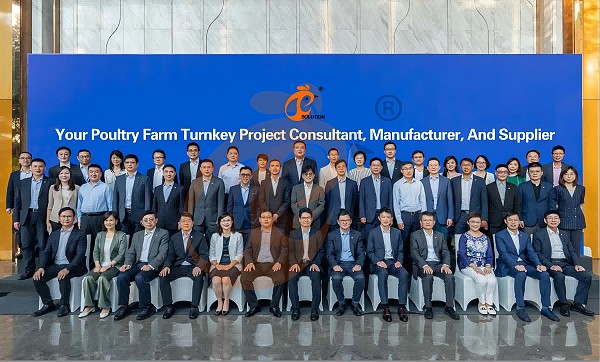
Hong Kong Headquarter Management Team
Hong Kong Headquarter Taiyu Industrial Group CO., LTD
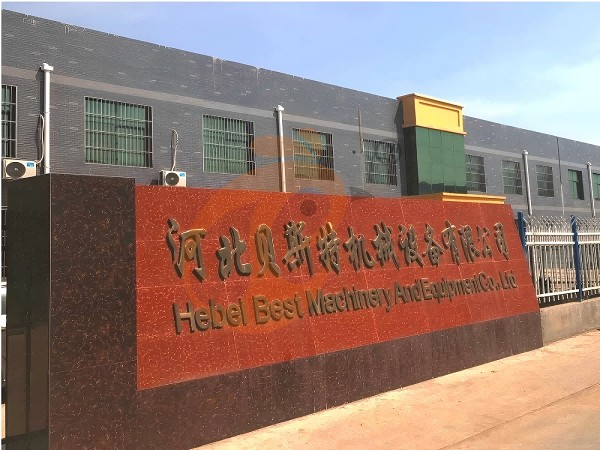
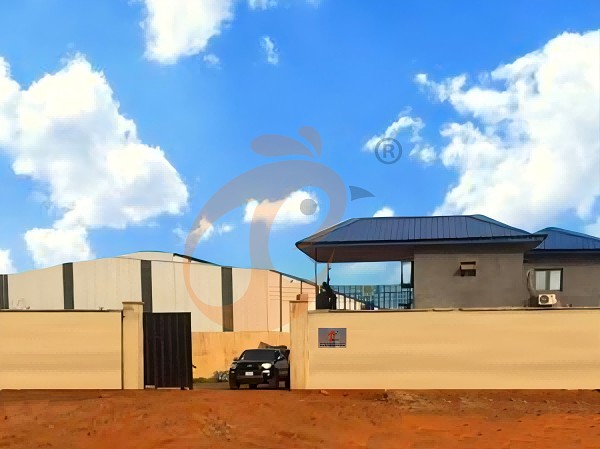
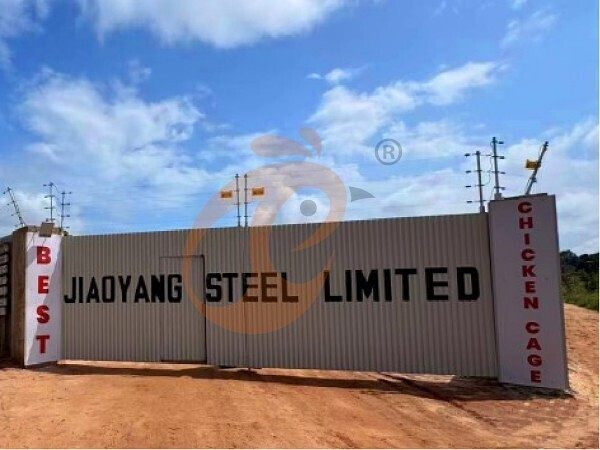
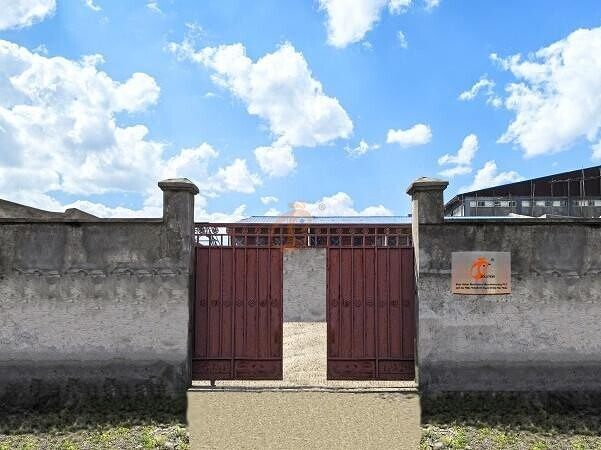
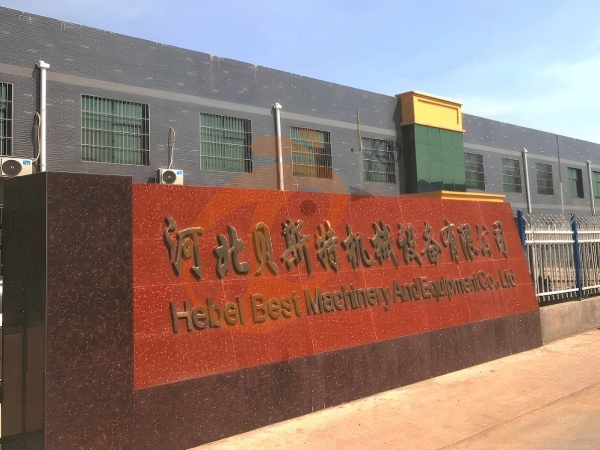
China Hebei Best Machinery And Equipment CO., LTD
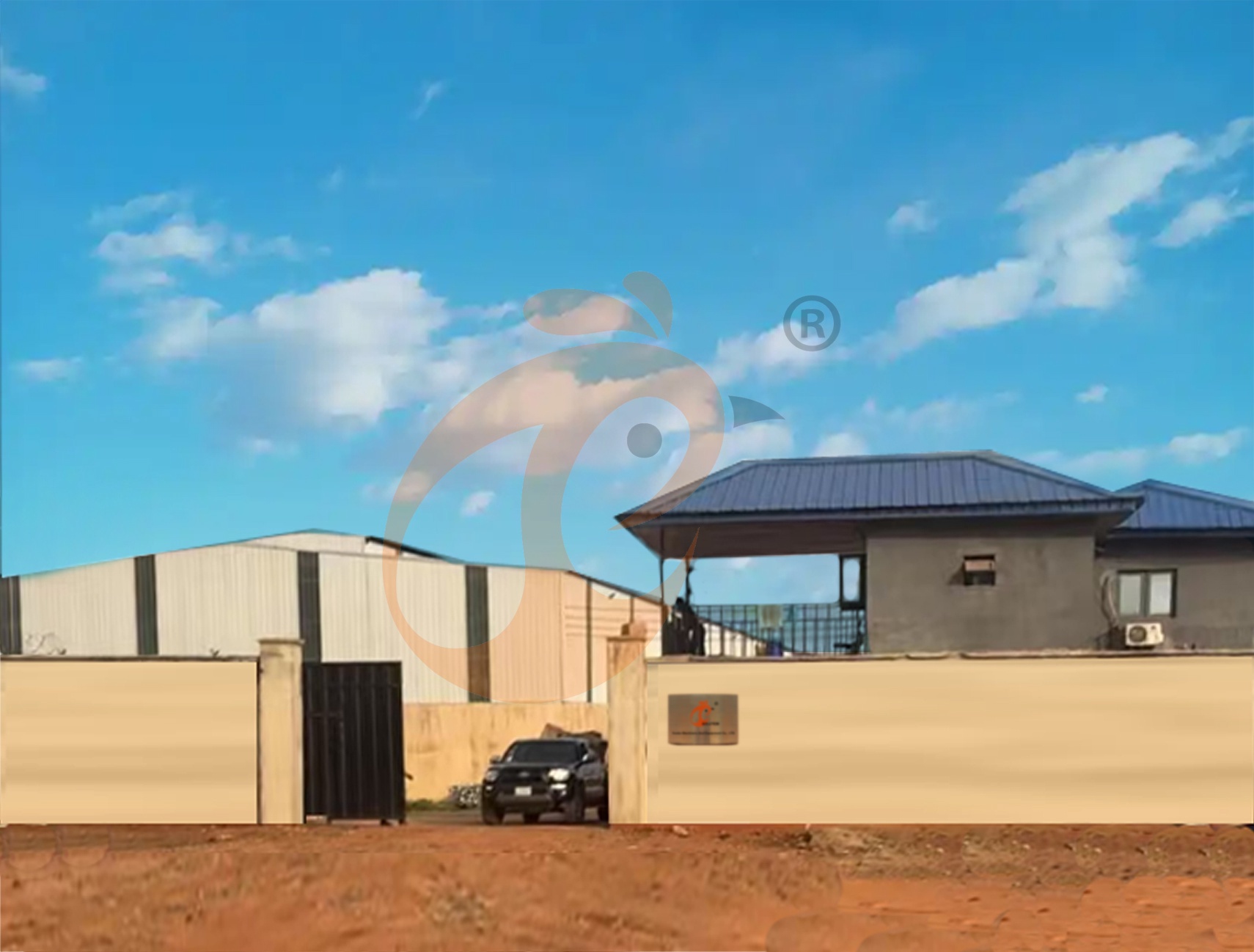
Nigeria Vanke Machinery And Equipment CO., LTD
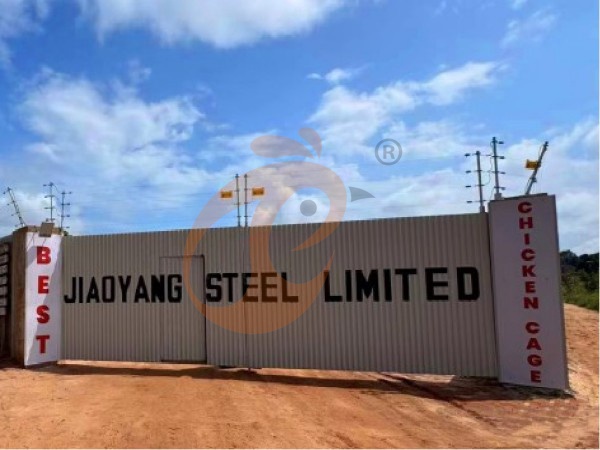
Tanzania Best Machinery And Equipment CO., LTD
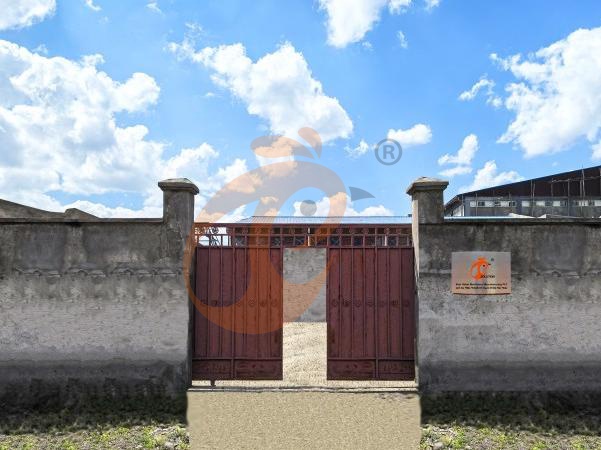
Ethiopia Best Hebei Machinery Manufacturing PLC
Reception /24 WhatsApp NO. : +8618830120193
FAQ
What Functions Are Included In Automated Auxiliary Equipment Systems For Poultry Chicken Houses?
Lighting systems provide intensity adjustment between 5–40 lux for different growth stages.
Automatic controllers manage up to 6–10 subsystems including feeding, watering, and heating integration.
How Does Automated Auxiliary Equipment Improve Environmental Control In Poultry Chicken Farming?
Humidity regulation systems operate within 50%–75% range for optimal poultry health.
Air quality monitoring keeps carbon dioxide levels below 3000 ppm during production cycles.
What Power Consumption Standards Apply To Automated Auxiliary Equipment In Poultry Chicken Houses?
Lighting systems operate at 1.5–3.0 W per square meter for energy-efficient illumination.
Control units maintain standby power consumption below 100 W during idle operation periods.
- poultry farm
- chicken farm
- poultry house
- poultry cage
- cage
- poultry farm construction
- poultry cage system
- poultry housing system
- poultry feeding system
- automatic poultry feeding system
- poultry equipment
- manure removal system
- egg collection system
- automatic egg collection system
- chickencage
- bestchickencage
- cage system
- Nigeria
- chicken coop
- modern chicken farm
- poultry farming
- poultry ventilation system
- poultry housing systems
- chicken farm equipment
- automatic egg collection
- poultry farm plan
- poultry feed
- feed silo
- Ethiopia
Message
Products recommended
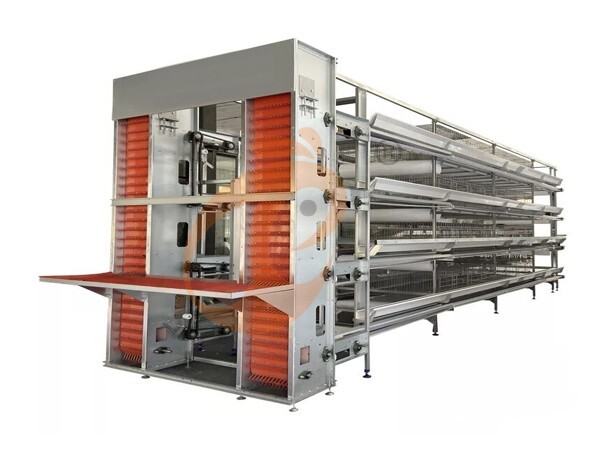
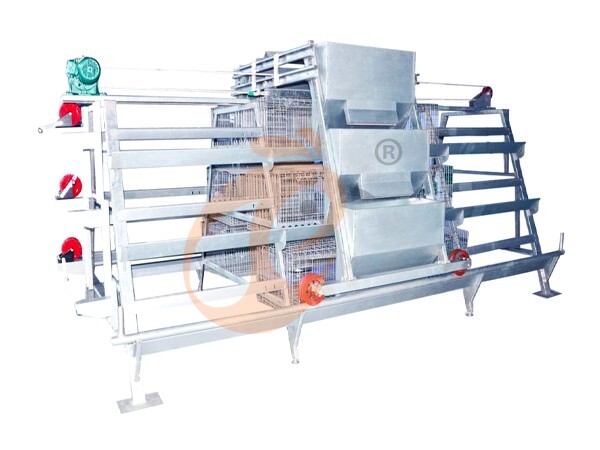
 >30,000 Pullets Automatic H Type Battery Cage1. More than 30,000 pullets a house, choose it.
2. It is designed to rearing older than 1 day old pullets to 12 to 16 weeks old chicken starting laying eggs.
3. Its lifespan is more than 25 years.
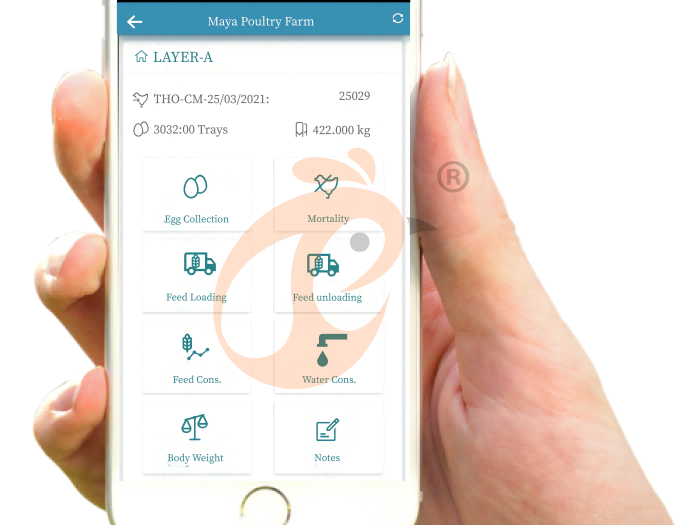
4. Its structure are Vcloud artificial intelligent fusion, electric control cabinet, automatic equipment of drinking, feeding, manure clean, manual harvesting.
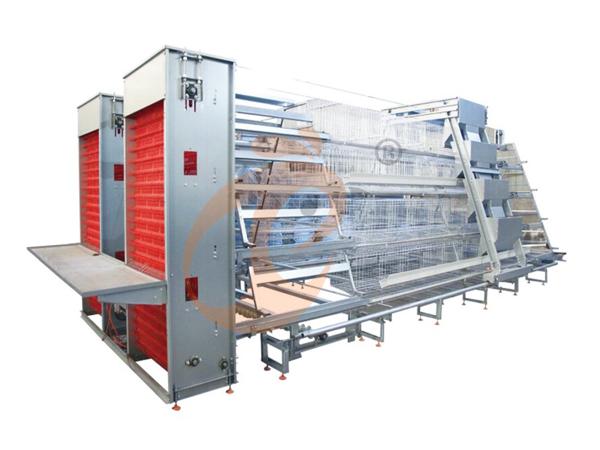
5. Our 24 hour online reception What’sApp NO. is +8618830120193 <30,000 Pullets Automatic A Type Battery Cage1. 10,000 to 30,000 pullets a house, choose it.
2. It is designed to rearing older than 1 day old pullets to 12 to 16 weeks old chicken starting laying eggs.
3. Its lifespan is more than 25 years.
4. Its structure are Vcloud artificial intelligent fusion, electric control cabinet, automatic equipment of drinking, feeding, manure clean, manual harvesting.
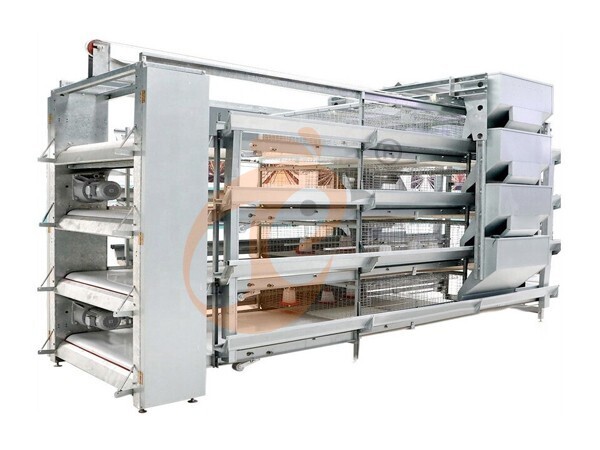
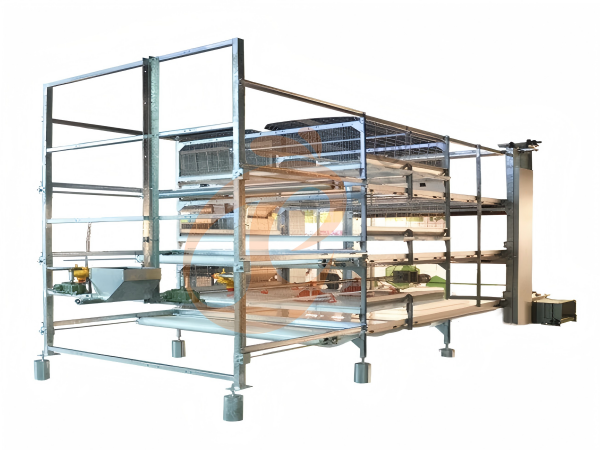
5. Our 24 hour online reception What’sApp NO. is +86 18830120193. >30,000 Broilers Semi-Automatic Harvest H Type Battery Cage1. More than 30,000 broilers a house, choose it.
2. It is designed to rearing 1 to 45 day old adult broiler ready for market.
3. Its lifespan is more than 20 years.
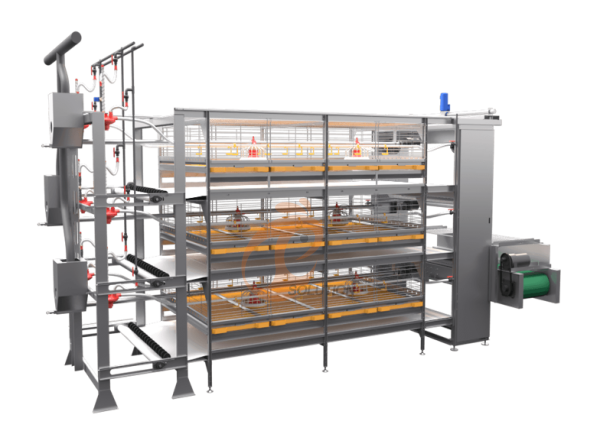
4. Our 24 hour online reception What’sApp NO. is +8618830120193, +234 8111199996. >30,000 Broilers Manual Harvest H Type Battery Cage1. More than 30,000 broilers a house, choose it.
2. It is designed to rearing 1 to 45 day old adult broiler ready for market.
3. Its lifespan is more than 20 years.
4. Its structure are Vcloud artificial intelligent fusion, electric control cabinet, automatic equipment of drinking, feeding and manure clean, manual harvesting.
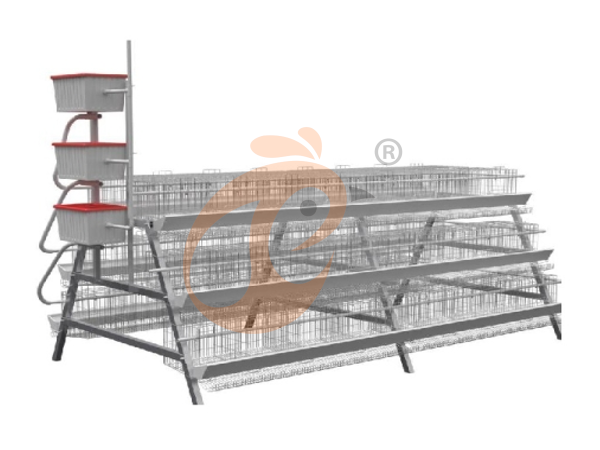
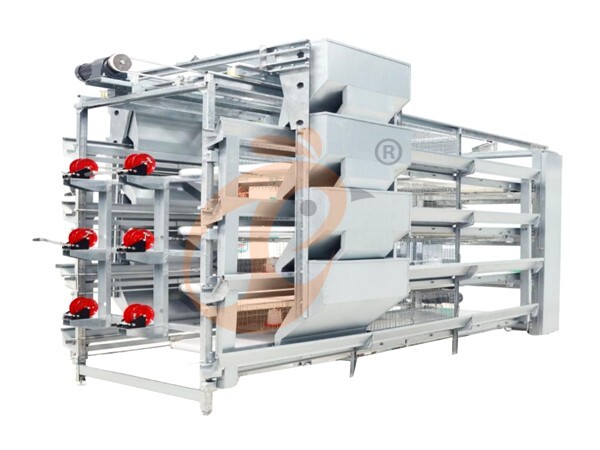
5. Our 24 hour online reception What’sApp NO. is +8618830120193, +234 8111199996. <30,000 Broilers Manual Harvest A Type Battery Cage1. Less 30,000 broilers a house, choose it.
2. It is designed to rearing 1 to 45 day old adult broiler ready for market.
3. Its lifespan is more than 20 years.
4. Its structure are Vcloud artificial intelligent fusion, electric control cabinet, automatic equipment of drinking, feeding and manure clean, manual harvesting.
5. Our 24 hour online reception What’sApp NO. is +8618830120193, +234 8111199996. HK Headquarter Offers EU-standard Poultry Farm Solutions, Manufacture Poultry Farm Equipment1. Continuous communication with the EU and the US
2. China, Nigeria, Ethiopia, Tanzania branch companies and factories
3. The products’ quality is customized for local poultry farms
4. Poultry cage and poultry farm equipment stock for sale
5. 24 online reception Whatsapp NO. : +8618830120193,contact us to get full information China Branch Offer Poultry Farm Business Plan, Manufacture Poultry Farm Equipment1. Address: Flat/RM 2416, 24/F, Runxing Building, Youyi Nan Street, Shijiazhuang City, Hebei Province, China
2. Poultry cage and poultry farm equipment factory and stock for sale
3. Customized for local poultry farms
4. Quality and design are based on Euro
5. 24 online reception Whatsapp NO. : +8618830120193 Nigeria Branch Offer Poultry Farm Business Plan, Manufacture Poultry Farm Equipment1. Address: After Sinoma Office, 200 Meters Near Danco Filling Station, Lagos/Ibadan Expressway, Lagos State, Nigeria
2. Poultry cage and poultry farm equipment factory and stock for sale
3. Customized for Nigerian poultry farms
4. Quality and design are based on Euro
5. 24 online reception Whatsapp NO. : +8618830120193 Ethiopia Branch Offer Poultry Farm Business Plan, Manufacture Poultry Farm Equipment1. Address: Gelan Gura, Akaki-kaliti Sub City, Addis Ababa, Ethiopia
2. Poultry cage and poultry farm equipment stock for sale
3. Customized for Ethiopian poultry farms
4. Quality and design are based on Euro
5. 24 online reception Whatsapp NO. : +8618830120193, contact us to get price list Tanzania Branch Offer Poultry Farm Business Plan, Manufacture Poultry Farm Equipment1. Address: No.8, Sova Road, Msufini, Mlandizi, Kibaha, Pwani, Tanzania
2. Poultry cage and poultry farm equipment factory and stock for sale
3. Customized for Tanzanian poultry farms
4. Quality and design are based on Euro
5. 24 online reception Whatsapp NO. : +8618830120193


Contact