


Blog
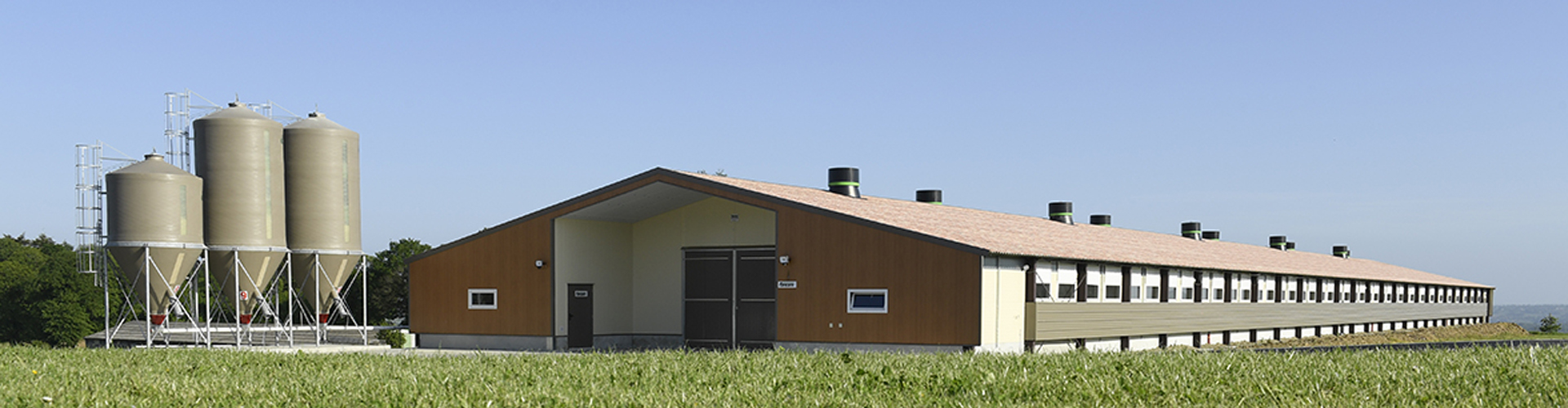
Automatic poultry feeding system engineering defines modern livestock production efficiency through controlled feed delivery architecture, mechanical transmission stability, and precision intake distribution across commercial housing units.
Broiler feeding equipment integrates silo storage modules, auger transport lines, pan feeding terminals, and centralized motor control systems to stabilize feed conversion ratio performance.
Poultry feed line system design ensures uniform nutrient dispersion across stocking density zones, reducing feed segregation and improving growth curve consistency.
System configuration parameters influence operational labor reduction, feed wastage control, and environmental hygiene performance across large-scale poultry production facilities.
Industrial feeding infrastructure supports scalable expansion through modular engineering design and synchronized automation control networks.
Get professional poultry farm construction guidance, equipment selection solutions, and the latest price lists, whatsApp to +8618830120193, click to learn more:
Introduction
Choosing the correct feeding equipment is a core engineering decision in modern poultry and livestock production systems.
Feed delivery equipment determines daily intake stability, growth curve consistency, feed conversion ratio (FCR), labor allocation, and long-term capital return.
In commercial broiler farms, layer farms, and integrated livestock projects, feeding systems are not auxiliary tools but primary production infrastructure.
Modern farm investors increasingly evaluate feeding equipment as a complete system composed of silo storage units, auger transport pipelines, pan feeders, chain feeders, control cabinets, sensors, and suspension structures.
Typical decision questions include feed delivery capacity per hour, line length per house, motor power rating, feed wastage per ton, stocking capacity per feeding point, and installation spacing requirements.
This article provides structured answers based on frequently searched user questions and practical engineering parameters used in commercial poultry house design.
Why Feeding Equipment Is A Core Production System In Poultry Farming
Feeding equipment is responsible for controlled nutrient delivery across all production cycles.
Its engineering structure directly determines feed distribution uniformity, particle integrity, and feeding cycle timing.
In commercial poultry operations, feeding systems replace manual distribution, reducing labor demand per 10,000 birds from multi-worker handling to automated mechanical transmission.
Feed cost typically represents 60%–75% of total production input in broiler farming systems, making feed efficiency optimization a primary profit driver.
Even a 1% reduction in feed loss per ton translates into measurable annual savings at scale.
Feeding System Functional Output Parameters
Data is for reference only.Swipe horizontally to view full table.
Main Categories Of Feeding Equipment Used In Commercial Farms
Feeding equipment selection depends on species physiology, house length, density, and feed formulation type.
Data is for reference only.Swipe horizontally to view full table.
Pan feeding systems dominate broiler production due to uniform feed access geometry across circular feeding pans.
Chain feeding systems are widely applied in cage layer farms where linear feed trough continuity is required.
Auger systems are engineered for enclosed feed transport, reducing contamination exposure during feed transmission.
Manual Feeding System Versus Automatic Feeding System Engineering Comparison
Manual feeding systems rely on physical labor for feed distribution across feeding zones.
Automatic systems use mechanical transmission, motorized augers, sensor feedback loops, and centralized control logic.
Data is for reference only.Swipe horizontally to view full table.
Automatic feeding systems are typically selected for farms exceeding 10,000 birds due to labor efficiency thresholds.
Feeding Equipment Influence On Feed Conversion Ratio FCR
Feed conversion ratio reflects feed input versus biomass output efficiency.
Mechanical feeding systems influence FCR through distribution stability and feed loss control.
Data is for reference only.Swipe horizontally to view full table.
Broiler Feeding Equipment Engineering Configuration
Broiler feeding systems are designed for rapid growth cycles typically ranging from 35 to 45 days.
A standard broiler house of 20000 birds commonly uses 3–5 feed lines with 220–320 pan units per house.
Feed silos are typically configured at 10–25 tons per unit to ensure uninterrupted feed flow.
Auger lines maintain continuous feed delivery from silo to pan feeders without manual intervention.
Data is for reference only.Swipe horizontally to view full table.
Layer Feeding System Structure And Output Control
Layer production requires stable nutrient intake to maintain egg size consistency and shell quality.
Chain feeding systems ensure linear feed movement across cage rows.
Feed synchronization across cages reduces variation in laying performance.
Data is for reference only.Swipe horizontally to view full table.
Feeding Equipment Service Life And Material Engineering
Equipment lifespan is determined by corrosion resistance, mechanical stress, and operating cycles.
Component Lifespan Table
Data is for reference only.Swipe horizontally to view full table.
Feeding Equipment Investment Structure
Investment depends on automation level and farm scale.
Data is for reference only.Swipe horizontally to view full table.
Smart Feeding System Technology Integration
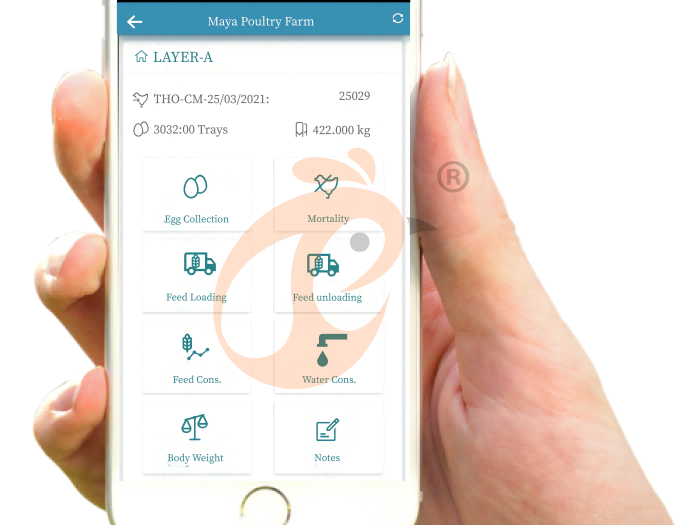
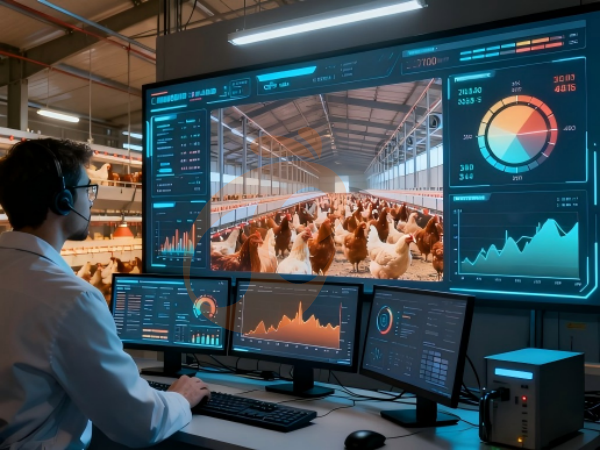
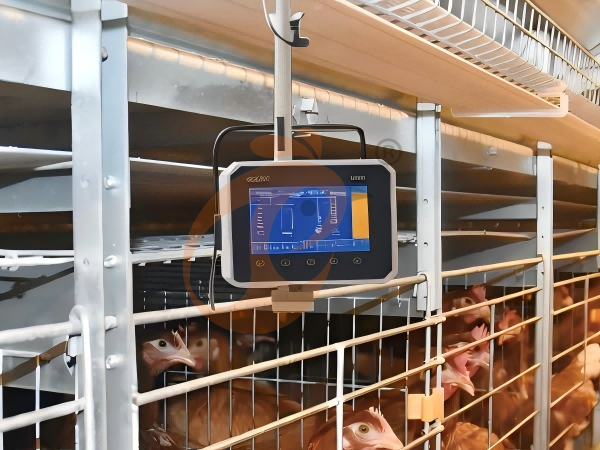
Modern feeding systems integrate IoT monitoring, sensor feedback, and cloud-based control platforms.
Data is for reference only.Swipe horizontally to view full table.
Feed Line Layout Engineering In Poultry Houses
Feed line layout determines spatial feed accessibility across poultry houses.
In a 120-meter broiler house, feed lines are typically spaced 2.5–3.2 meters apart depending on stocking density of 12–18 birds per square meter.
Incorrect spacing increases feed competition and uneven growth distribution.
Proper engineering design ensures equal feeding access distance between 0.6–1.2 meters per bird cluster zone.
Maintenance System And Operation Cycle Control
Maintenance frequency affects mechanical stability and energy consumption.
Data is for reference only.Swipe horizontally to view full table.
Scientific Explanation Feed Uniformity Mechanism
Feed uniformity ensures equal nutrient intake per bird population segment.
Variation above 10 percent feed intake difference increases growth deviation by measurable weight dispersion at slaughter stage.
Controlled feeding systems reduce competition intensity index by distributing feed access points evenly across house geometry.
Biosecurity Engineering In Feeding Systems
Closed feed transport systems reduce exposure time of feed to external contamination sources.
Feed silo sealing reduces moisture intrusion below 2 percent relative humidity variation threshold.
Automated systems reduce human entry frequency by 60–85 percent per production cycle.
Future Development Trends
Future feeding systems will integrate predictive AI control models, robotic inspection units, and energy recovery motors.
Solar-supported feeding systems with 3–8 kW output capacity are increasingly applied in off-grid farms.
Material upgrades focus on reducing structural weight by 15–30 percent while maintaining load-bearing capacity.
Frequently Asked Questions
What Is The Optimal Capacity Of Automatic Poultry Feeding System For 20000 Broilers?
Optimal system requires 3–5 feed lines, 220–320 pans, silo capacity 10–25 tons, and auger output 800–2000 kg per hour to maintain stable feed conversion ratio.
How Much Feed Waste Reduction Can Broiler Feeding Equipment Achieve?
Modern anti spill pan systems reduce feed loss from 80–150 kg per ton to 10–40 kg per ton, improving annual feed savings by 2000–4200 kg in 20000 bird operation.
What Is The Recommended Motor Power For Poultry Feed Line System?
Standard systems use 0.75–2.2 kW motors depending on line length 60–120 meters and feed transport load requirement.
Taiyu (HK) Group - One Of China Largest Feeding Equipment Manufacturer
Automatic poultry feeding system manufacturing with precision engineering for broiler feeding equipment and poultry feed line system applications in industrial farms.
Global factory direct supply structure for poultry equipment and livestock automation system integration projects.
Turn-key engineering solutions for poultry house design, feeding system installation, and farm automation deployment.
Industrial grade poultry cage and feeding system production supporting large scale livestock production facilities.
International export manufacturing capability for commercial poultry feeding equipment systems.
Contact Us To Received Your Customized Poultry Farm Plan
Headquarters And Branchs
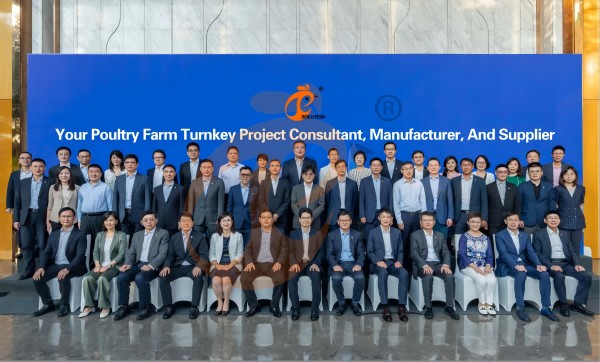
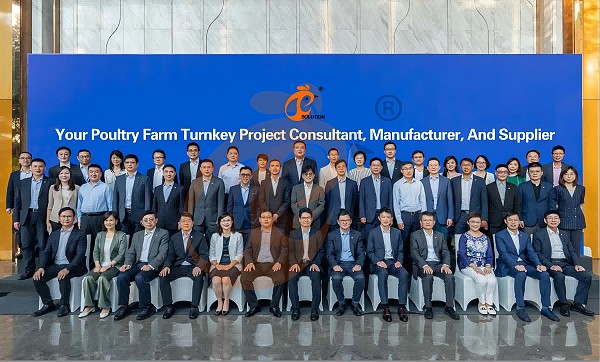
Hong Kong Headquarter Management Team
Hong Kong Headquarter Taiyu Industrial Group CO., LTD
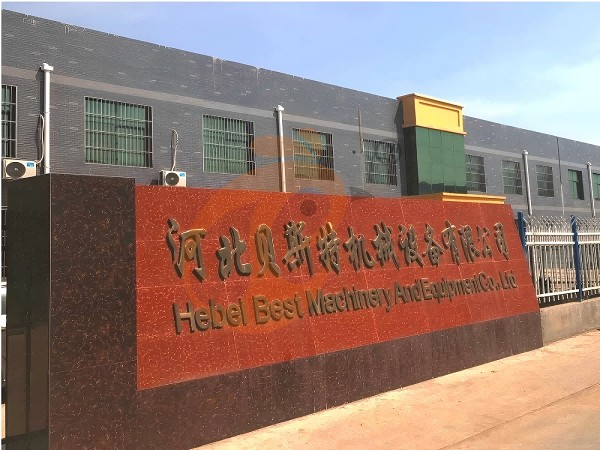
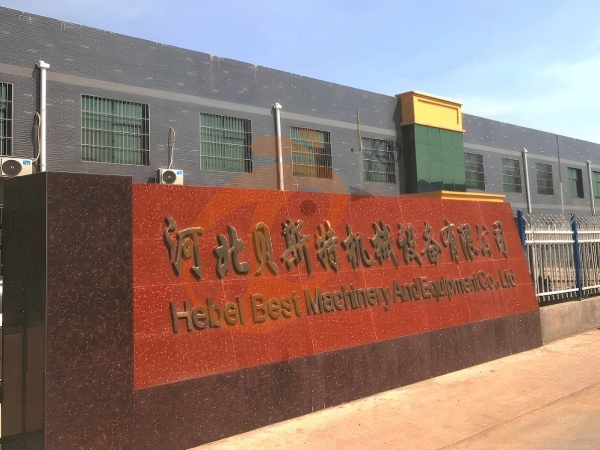
China Hebei Best Machinery And Equipment CO., LTD
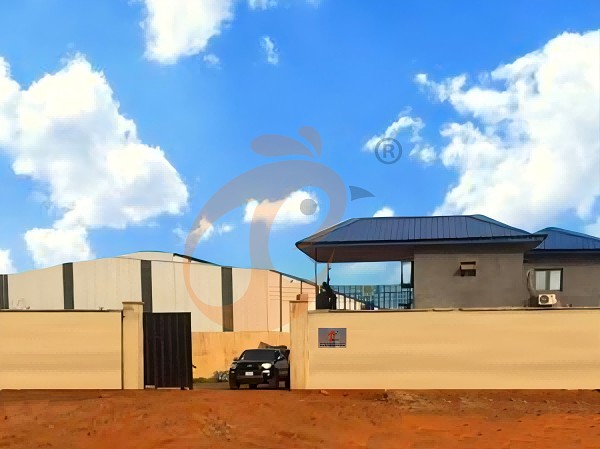
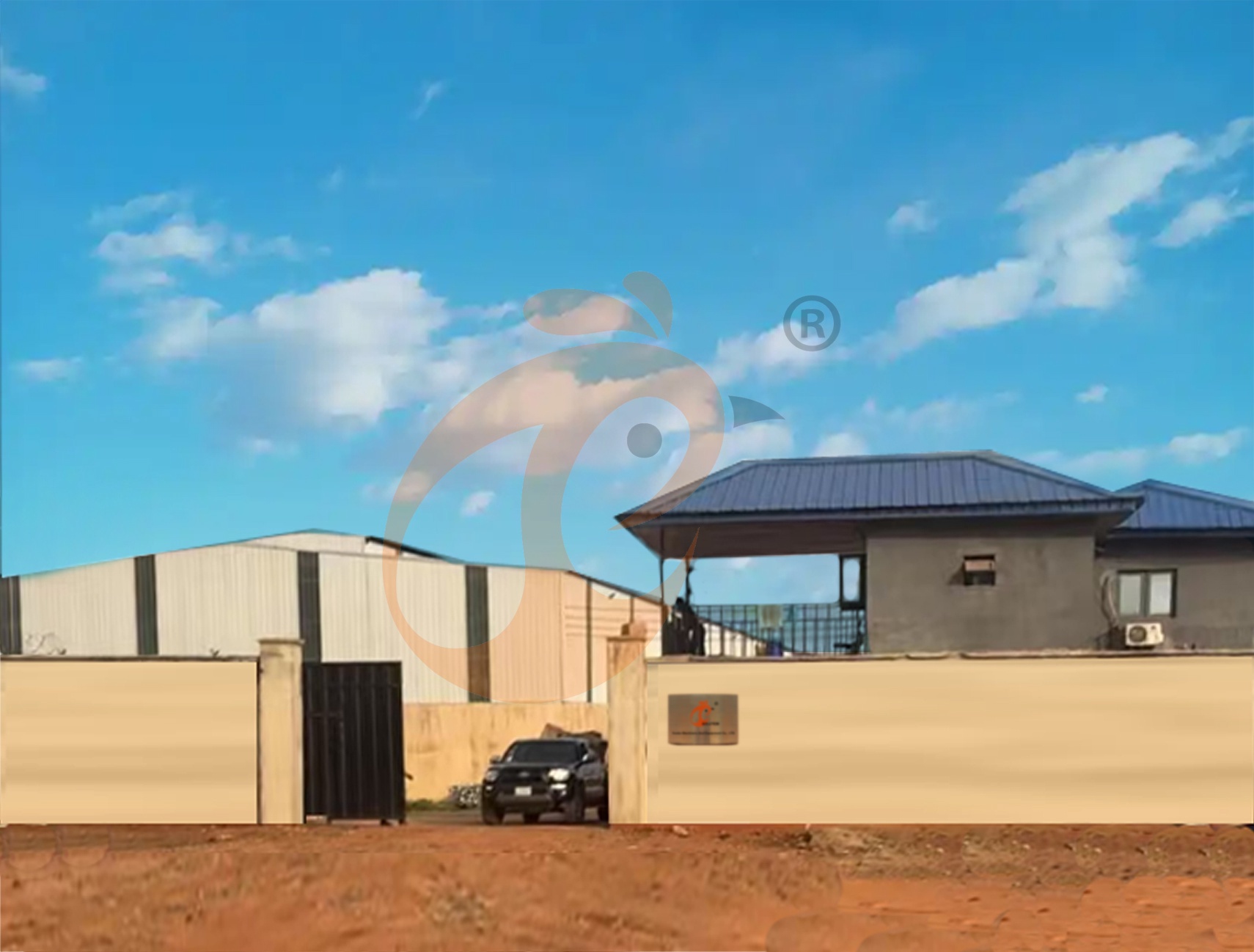
Nigeria Vanke Machinery And Equipment CO., LTD
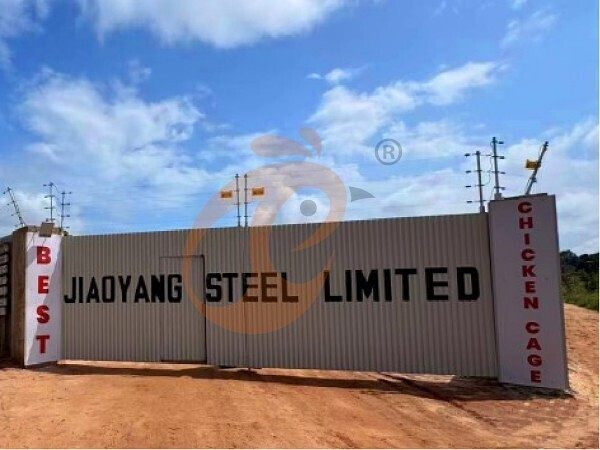
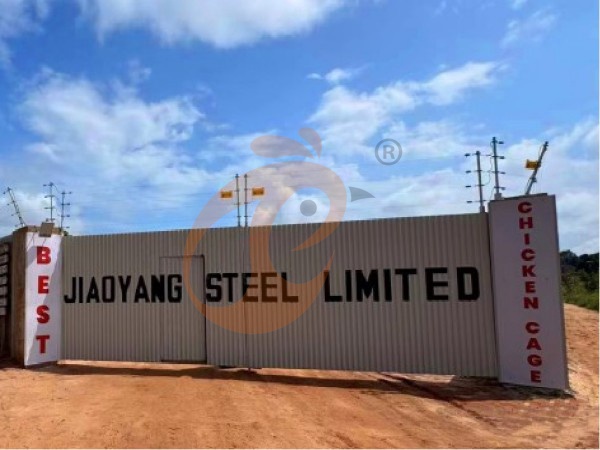
Tanzania Best Machinery And Equipment CO., LTD
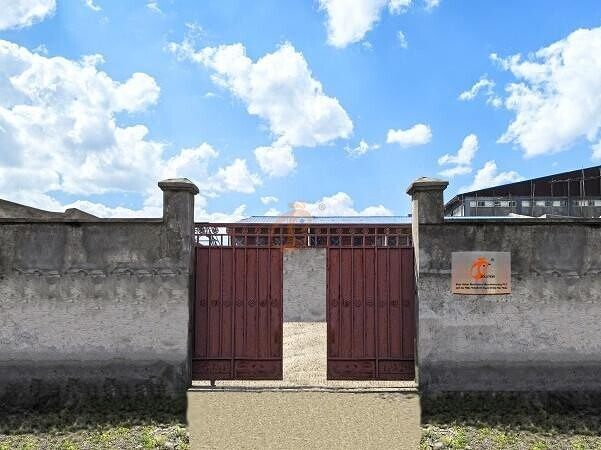
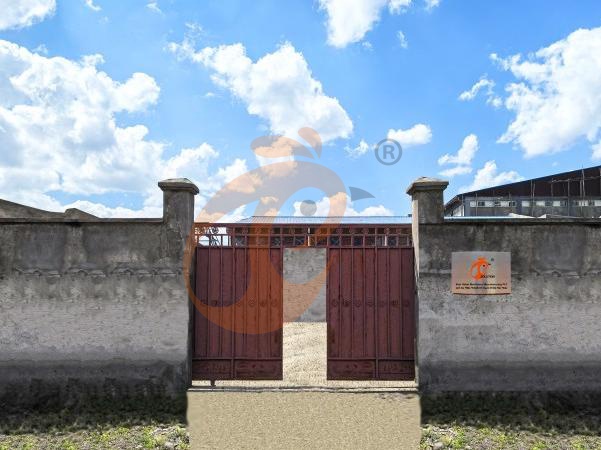
Ethiopia Best Hebei Machinery Manufacturing PLC
Reception /24 WhatsApp NO. : +8618830120193
FAQ
What Is Feeding System Feed Transport Speed And Motor Power Range In Poultry Chicken Production?
Motor power range spans 1.1 to 2.2 kw, delivering torque stability above 88%, maintaining continuous operation efficiency, reducing mechanical failure rate to less than 2% annually under intensive automated feeding system conditions.
Daily feed throughput capacity reaches 1.5 to 3.8 tons per line, supporting flock size scalability, improving feed delivery cycle accuracy within ±6%, ensuring uniform growth performance and optimized production efficiency across commercial poultry farms.
How Does Feeding System Pan Design And Distribution Density Affect Broiler Chicken Feeding Efficiency?
Distribution density configured at 12 to 16 pans per 100 square meters, ensuring feeding access balance, reducing competition index below 0.3, supporting flock uniformity reaching 92% to 96% under controlled poultry house conditions.
Adjustable feed level height maintains 30 to 45 millimeters, optimizing intake behavior, reducing feed wastage rate by 6% to 10%, enabling efficient feed conversion and stable growth performance throughout the production cycle.
What Are Feeding System Control Accuracy And Sensor Response Parameters In Poultry Chicken Farms?
Control system accuracy maintained within ±2%, ensuring precise feed allocation, minimizing overfeeding losses below 3%, improving feed utilization efficiency and reducing operational cost in automated poultry feeding system environments.
Alarm threshold settings trigger at feed deviation exceeding 7%, enabling rapid intervention, reducing mortality rate to below 2.2%, ensuring stable production performance and maintaining high reliability in intensive poultry farming systems.
- poultry farm
- layer cage
- poultry house
- poultry cage
- cage
- poultry farm construction
- poultry house design
- poultry feeding system
- poultry feeding equipment
- automatic feeding system
- automatic poultry feeding system
- poultry equipment
- chickencage
- bestchickencage
- cage layer
- cage layer farm
- Nigeria
- layer farm
- broiler farm
- broiler equipment
- poultry farming
- poultry feed line
- poultry farm plan
- broiler farming system
- poultry feed
- feed silo
- Ethiopia
Message
Products recommended
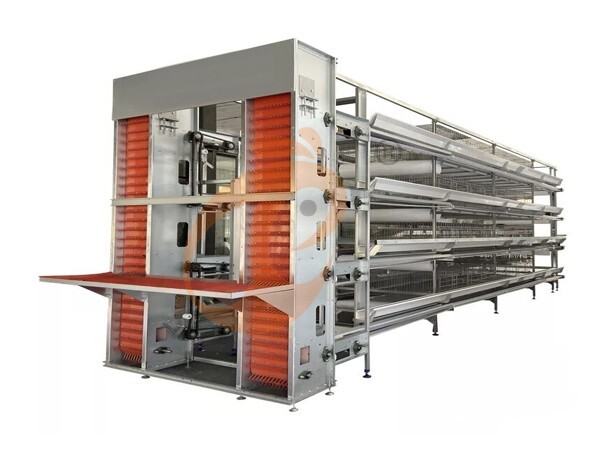
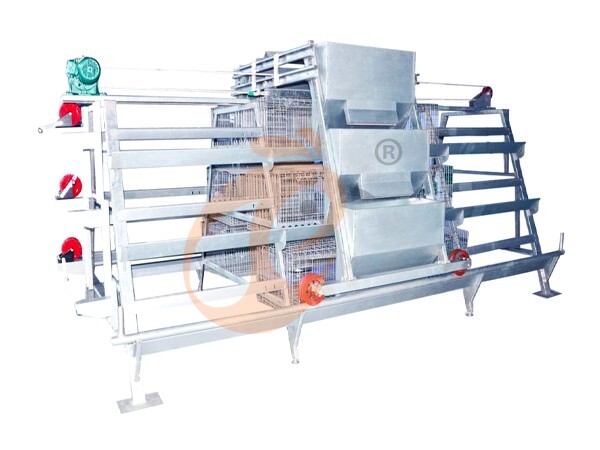
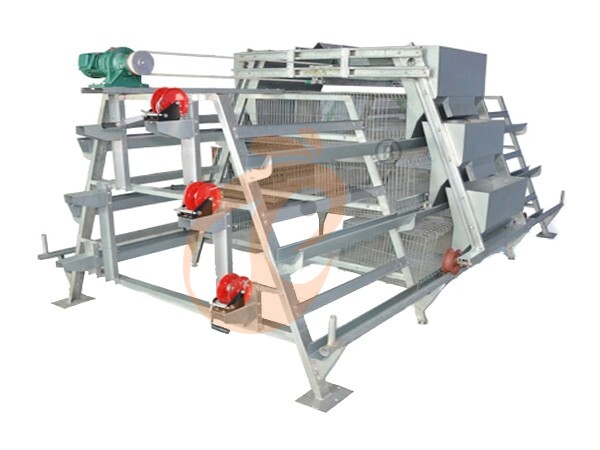
 >30,000 Pullets Automatic H Type Battery Cage1. More than 30,000 pullets a house, choose it.
2. It is designed to rearing older than 1 day old pullets to 12 to 16 weeks old chicken starting laying eggs.
3. Its lifespan is more than 25 years.
4. Its structure are Vcloud artificial intelligent fusion, electric control cabinet, automatic equipment of drinking, feeding, manure clean, manual harvesting.
5. Our 24 hour online reception What’sApp NO. is +8618830120193 <30,000 Pullets Automatic A Type Battery Cage1. 10,000 to 30,000 pullets a house, choose it.
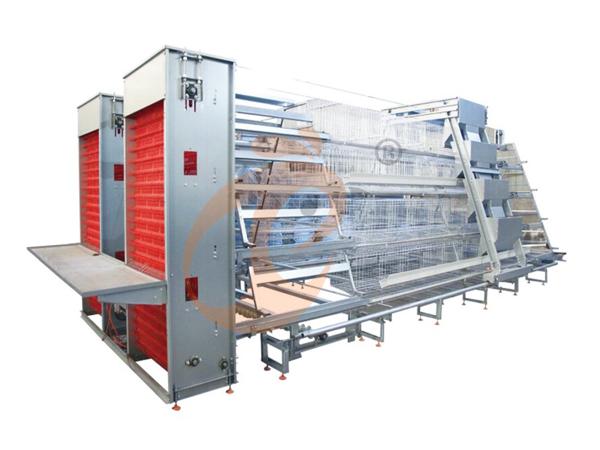
2. It is designed to rearing older than 1 day old pullets to 12 to 16 weeks old chicken starting laying eggs.
3. Its lifespan is more than 25 years.
4. Its structure are Vcloud artificial intelligent fusion, electric control cabinet, automatic equipment of drinking, feeding, manure clean, manual harvesting.
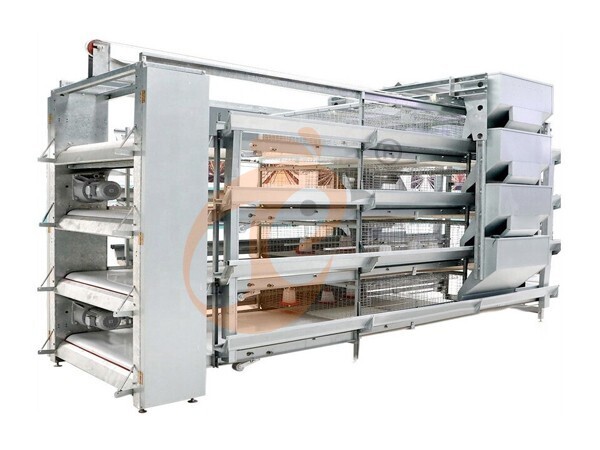
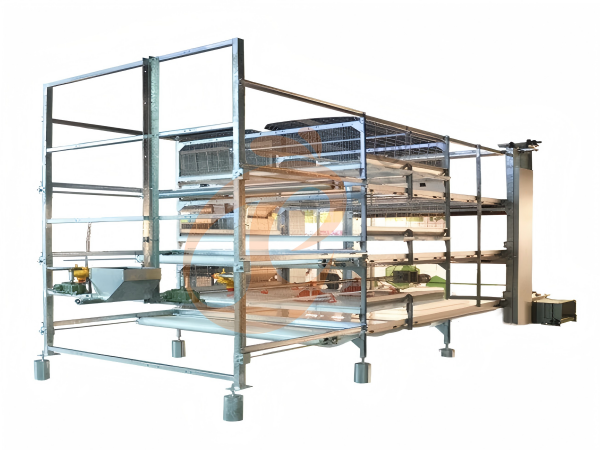
5. Our 24 hour online reception What’sApp NO. is +86 18830120193. >30,000 Broilers Semi-Automatic Harvest H Type Battery Cage1. More than 30,000 broilers a house, choose it.
2. It is designed to rearing 1 to 45 day old adult broiler ready for market.
3. Its lifespan is more than 20 years.
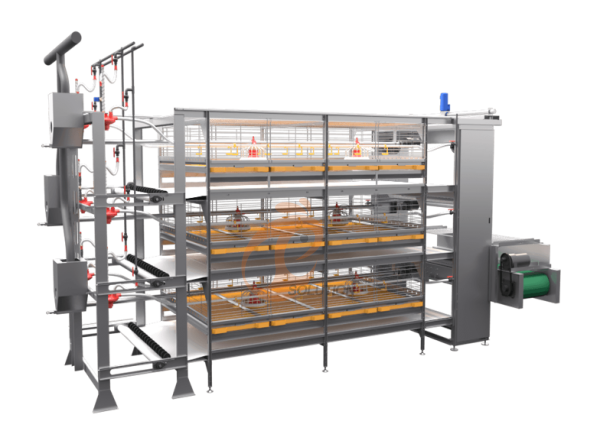
4. Our 24 hour online reception What’sApp NO. is +8618830120193, +234 8111199996. >30,000 Broilers Manual Harvest H Type Battery Cage1. More than 30,000 broilers a house, choose it.
2. It is designed to rearing 1 to 45 day old adult broiler ready for market.
3. Its lifespan is more than 20 years.
4. Its structure are Vcloud artificial intelligent fusion, electric control cabinet, automatic equipment of drinking, feeding and manure clean, manual harvesting.
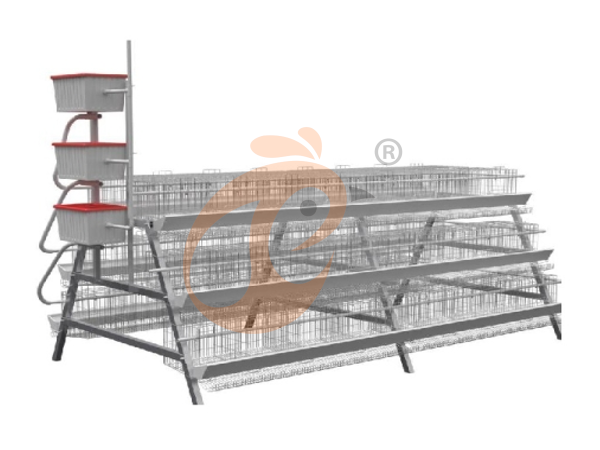
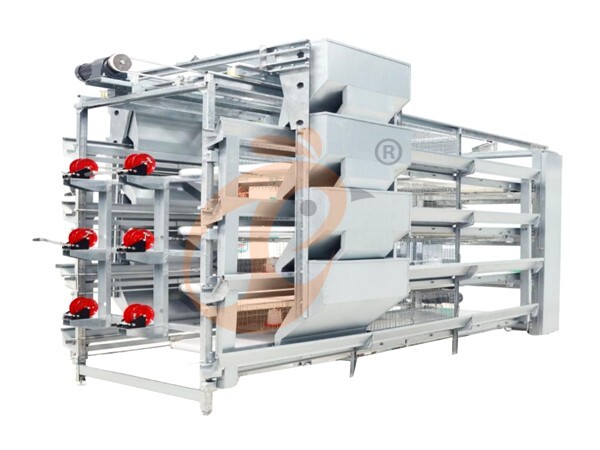
5. Our 24 hour online reception What’sApp NO. is +8618830120193, +234 8111199996. <30,000 Broilers Manual Harvest A Type Battery Cage1. Less 30,000 broilers a house, choose it.
2. It is designed to rearing 1 to 45 day old adult broiler ready for market.
3. Its lifespan is more than 20 years.
4. Its structure are Vcloud artificial intelligent fusion, electric control cabinet, automatic equipment of drinking, feeding and manure clean, manual harvesting.
5. Our 24 hour online reception What’sApp NO. is +8618830120193, +234 8111199996. HK Headquarter Offers EU-standard Poultry Farm Solutions, Manufacture Poultry Farm Equipment1. Continuous communication with the EU and the US
2. China, Nigeria, Ethiopia, Tanzania branch companies and factories
3. The products’ quality is customized for local poultry farms
4. Poultry cage and poultry farm equipment stock for sale
5. 24 online reception Whatsapp NO. : +8618830120193,contact us to get full information China Branch Offer Poultry Farm Business Plan, Manufacture Poultry Farm Equipment1. Address: Flat/RM 2416, 24/F, Runxing Building, Youyi Nan Street, Shijiazhuang City, Hebei Province, China
2. Poultry cage and poultry farm equipment factory and stock for sale
3. Customized for local poultry farms
4. Quality and design are based on Euro
5. 24 online reception Whatsapp NO. : +8618830120193 Nigeria Branch Offer Poultry Farm Business Plan, Manufacture Poultry Farm Equipment1. Address: After Sinoma Office, 200 Meters Near Danco Filling Station, Lagos/Ibadan Expressway, Lagos State, Nigeria
2. Poultry cage and poultry farm equipment factory and stock for sale
3. Customized for Nigerian poultry farms
4. Quality and design are based on Euro
5. 24 online reception Whatsapp NO. : +8618830120193 Ethiopia Branch Offer Poultry Farm Business Plan, Manufacture Poultry Farm Equipment1. Address: Gelan Gura, Akaki-kaliti Sub City, Addis Ababa, Ethiopia
2. Poultry cage and poultry farm equipment stock for sale
3. Customized for Ethiopian poultry farms
4. Quality and design are based on Euro
5. 24 online reception Whatsapp NO. : +8618830120193, contact us to get price list Tanzania Branch Offer Poultry Farm Business Plan, Manufacture Poultry Farm Equipment1. Address: No.8, Sova Road, Msufini, Mlandizi, Kibaha, Pwani, Tanzania
2. Poultry cage and poultry farm equipment factory and stock for sale
3. Customized for Tanzanian poultry farms
4. Quality and design are based on Euro
5. 24 online reception Whatsapp NO. : +8618830120193


Contact