


Blog
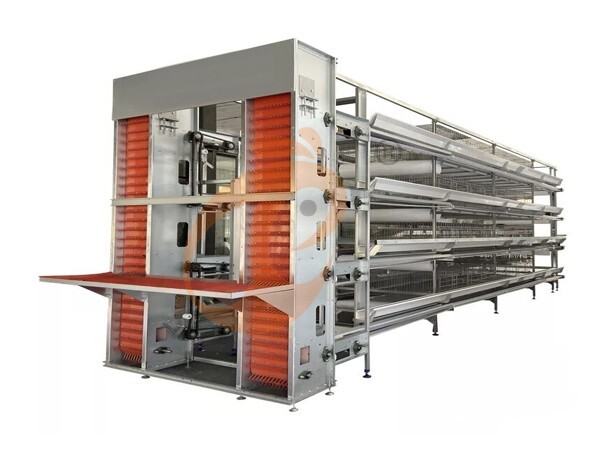
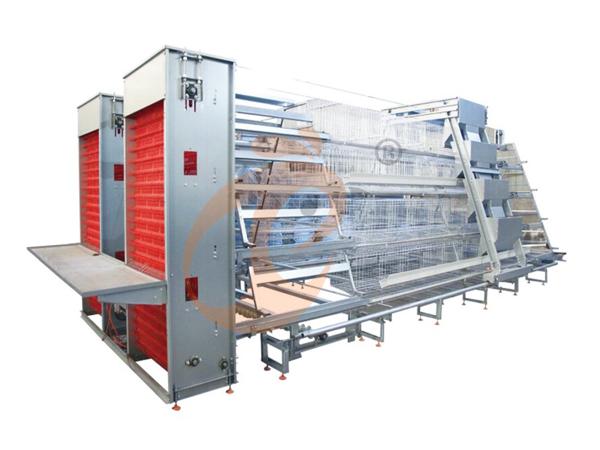
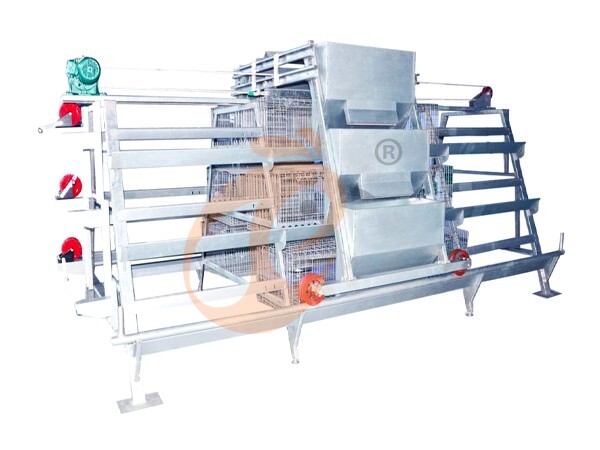
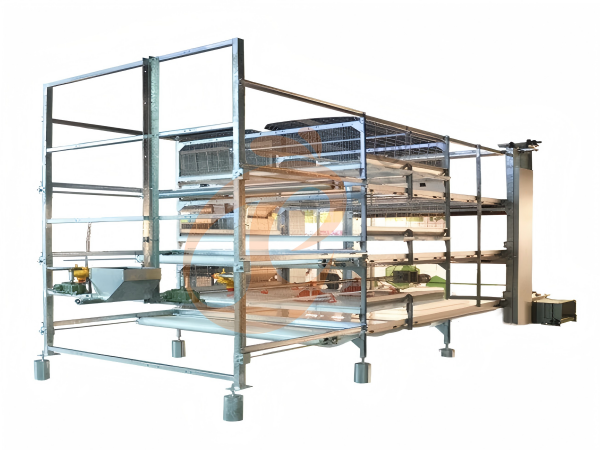
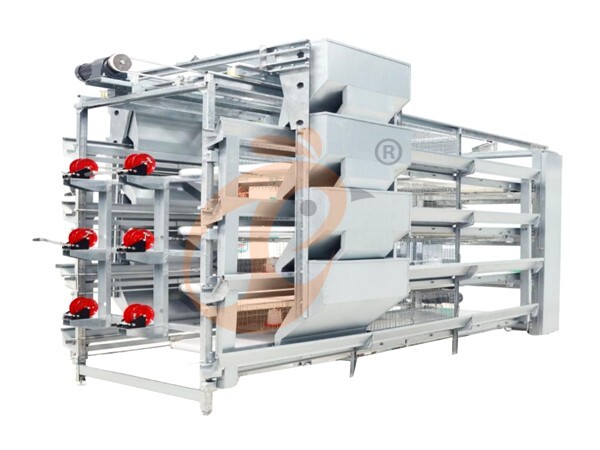
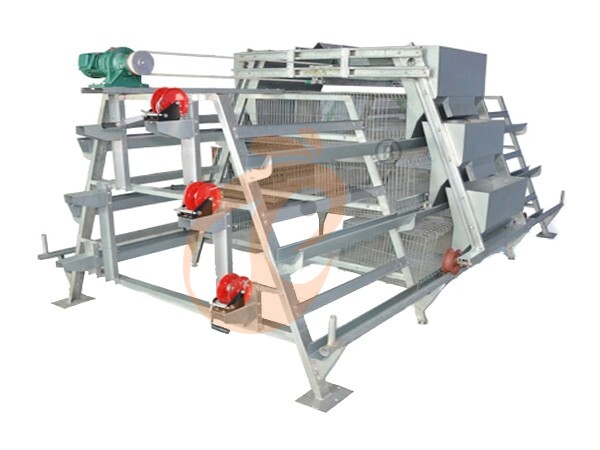
H type chicken cage systems support efficient layer farming through structured housing, automation, and measurable engineering specifications.
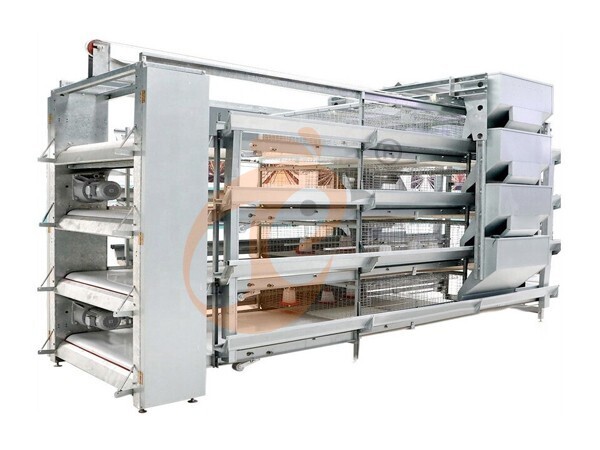
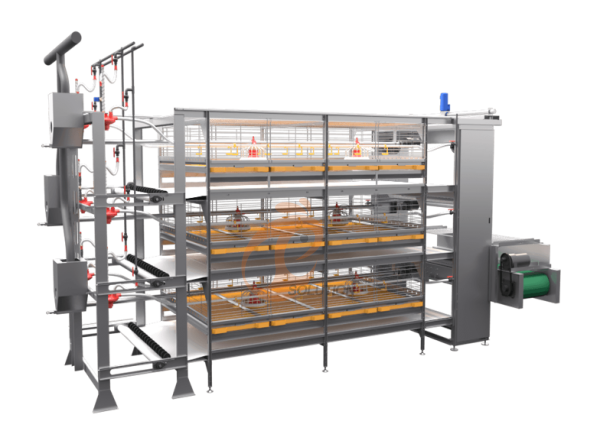
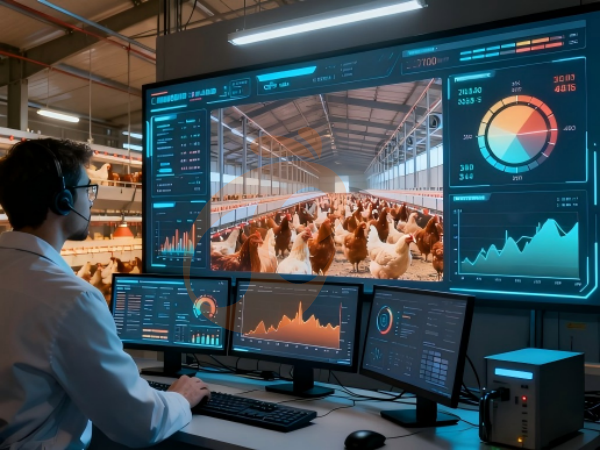
Automatic layer cage system configurations integrate feeding, drinking, manure removal, egg collection, and environmental control within commercial poultry houses.
Poultry cage equipment selection affects installation efficiency, labor requirements, maintenance planning, and long-term production stability across export projects.
Commercial configurations can operate across 72–80-week production cycles when structural design, automation interfaces, and maintenance requirements are properly coordinated.
- Technical purchasing decisions combine capacity, materials, automation, installation, export logistics, and supplier engineering support for complete poultry production projects.
Get professional poultry farm construction guidance, equipment selection solutions, and the latest price lists, whatsApp to +8618830120193, click to learn more:
Start With A Data-Based Cage Configuration
Data is for reference only.Swipe horizontally to view full table.
The configurations above illustrate why H type chicken cage selection should begin with the target flock rather than the cage quotation.
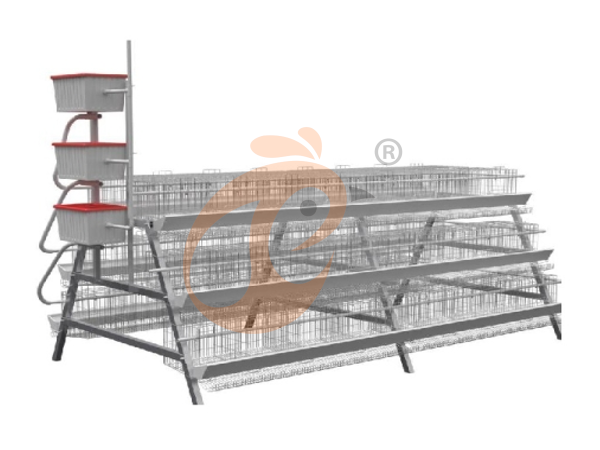
Commercial H type chicken cage systems are commonly designed in 3–8 tiers, while an Automatic Layer Cage System can be configured around specific poultry-house dimensions.
Verify Technical Specifications Before Ordering
Data is for reference only.Swipe horizontally to view full table.
Published H type chicken cage specifications show multiple configurations using approximately 450–494 cm² per bird, demonstrating why the exact model must be confirmed before production.
Poultry cage equipment should therefore be specified from measurable dimensions, while an Automatic Layer Cage System should be matched with the intended flock-management plan.
Material And Corrosion Protection
Engineering Key Points
The poultry-house atmosphere can accelerate metal corrosion, particularly where manure accumulation increases ammonia exposure.
For H type chicken cage projects, specify steel treatment, welding processes, and corrosion-control methods directly within the technical contract.
A galvanized surface with a defined coating mass of 275 g/m² and a salt-spray target of 500 hours provides measurable acceptance criteria.
Poultry cage equipment should also maintain approximately ±2 mm tolerance on critical connection components to simplify field assembly.
Compare Structural And Equipment Parameters
Data is for reference only.Swipe horizontally to view full table.
Equipment specifications should be selected as one integrated package around the H type chicken cage rather than as isolated components.
An automatic layer cage system combines feeding, drinking, manure removal, egg collection, and environmental-control equipment around the cage structure.
Match Automation To Farm Operation
Tips Card
Feeding: Specify the feed-line requirement according to flock size and delivery distance.
An H type chicken cage project can use approximately 36 m/min chain speed as an engineering reference for automatic feeding.
Manure Removal: Confirm belt speed and cleaning frequency before production.
Poultry cage equipment can use approximately 3.5 m/min belt speed as a project reference, with final settings determined by manure load.
Drinking: Specify filtration and regulated pressure together.
An Automatic layer cage system can use 120-mesh filtration and 0.20 MPa regulated pressure as measurable commissioning references.
Automation System Configuration
Data is for reference only.Swipe horizontally to view full table.
The automation package should be engineered together with the H type chicken cage to reduce compatibility problems between feeding, manure, egg-collection,
and environmental-control equipment.
Poultry cage equipment becomes easier to commission when electrical interfaces, conveyor routes, and mechanical connections are confirmed before
manufacturing.
Farm Data To Shipment
Process Structure
Step 1 — Farm Survey
Record building dimensions, flock target, climate data, and utility conditions.
An H type chicken cage layout can use a 100 m building length and 13 m width as an engineering reference.
Step 2 — Layout Engineering
Determine cage rows, service aisles, equipment corridors, and ventilation positions.
Automatic layer cage system interfaces can reserve approximately 300 mm installation clearance around designated maintenance points.
Step 3 — System Matching
Integrate feeding, drinking, manure removal, egg collection, and environmental controls.
Step 4 — Manufacturing & Inspection
Check cage components, equipment assemblies, electrical parts, and packing lists before loading.
Step 5 — Installation & Commissioning
Verify motor rotation, water pressure, conveyor alignment, sensor operation, and emergency-stop functions.
Export Packaging And Installation Support
Data is for reference only.Swipe horizontally to view full table.
Export packaging should account for container utilization, moisture protection, and unloading sequence around the H type chicken cage shipment.
For poultry cage equipment, a 40HQ loading plan should be finalized before production so cage modules and automation components follow the installation sequence.
Calculate Total Cost Of Ownership
Engineering Key Points
A serious H type chicken cage quotation should calculate more than the equipment purchase price.
Electricity consumption, labor input, spare parts, maintenance intervals, and expected service life all influence project economics.
For example, an automatic feeding motor operating 8 hours/day creates a measurable annual operating schedule.
An automatic layer cage system can also use a 1,000-hour preventive-maintenance interval as a measurable inspection-planning reference.
For export projects involving EUR-denominated European union references, equivalent values should be converted and quoted in US dollars.
European union standard reference only.
Supplier Capability And Quality-Control Data
Data is for reference only.Swipe horizontally to view full table.
A professional H type chicken cage manufacturer should provide engineering drawings, component specifications, inspection records, installation instructions, and spare-parts lists.
Poultry cage equipment documentation becomes especially important when overseas customers install systems without continuous factory supervision.
Recommended Equipment Combination
Equipment Combination Recommendation
H Type Chicken Cage
↓
Automatic Feeding Line
↓
Nipple Drinking Line
↓
Automatic Manure Removal
↓
Automatic Egg Collection
↓
Ventilation & Cooling
↓
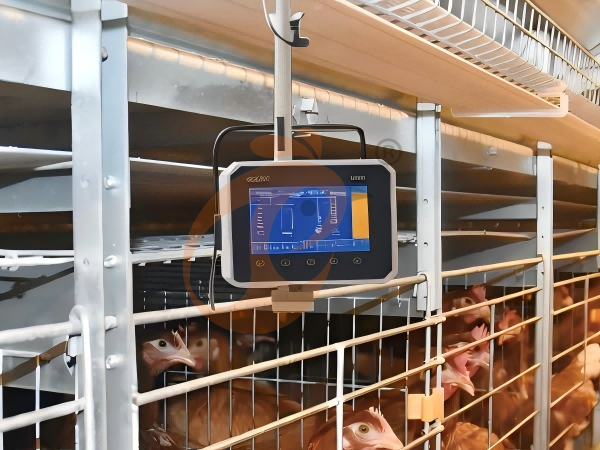
Environmental Control Cabinet
For an H type chicken cage project, an environmental-control design can use a target house temperature range of 18–24°C.
An automatic layer cage system can use a relative-humidity operating range of 50–70%, with final settings adjusted according to flock age and local climate.
This integrated poultry cage equipment approach allows equipment interfaces to be coordinated before shipment instead of being corrected after installation.
Final Export Purchasing Checklist
Data is for reference only.Swipe horizontally to view full table.
Buying an H type chicken cage for export requires measurable engineering specifications at every stage.
The cage configuration determines the physical housing structure, while an automatic layer cage system determines how feeding, drinking, manure removal, and egg handling operate together.
A complete poultry cage equipment supplier should provide engineering design, manufacturing, automation, export packing, installation support, and spare-parts service as one coordinated solution.
For commercial projects, buyers should request a complete technical proposal before ordering, including layout drawings, equipment lists, engineering parameters, inspection requirements, packing plans, and commissioning procedures.
Frequently Asked Questions
Q1: What should be confirmed before ordering an H type chicken cage?
Confirm building dimensions, flock capacity, cage configuration, material specifications, automation interfaces, electrical requirements, and installation conditions.
An H type chicken cage project can then be matched with suitable poultry cage equipment and an automatic layer cage system.
Q2: How does automation affect H type chicken cage selection?
Automation affects cage-row spacing, conveyor positioning, motor arrangement, electrical interfaces, and maintenance access.
For example, an automatic layer cage system may use a 2.2 kW feeding motor, requiring compatible power distribution and control planning.
Q3: What should export buyers request from a poultry equipment supplier?
Request technical drawings, detailed specifications, inspection standards, packing lists, installation instructions, spare-parts recommendations, and commissioning procedures.
A complete H type chicken cage project should define these items before manufacturing begins.
Taiyu (HK) Group - One Of China Largest H Type Chicken Cage Manufacturer
H type chicken cage systems support commercial layer production with modular structures, integrated automation interfaces, and configurable multi-tier engineering.
Global factory direct sales coordinate cage manufacturing, automatic systems, Poultry Equipment packages, export packing, and technical documentation.
Turn-key engineering covers project layout, equipment integration, installation guidance, commissioning procedures, and operational handover.
International projects receive coordinated technical specifications, production inspection, logistics planning, spare-parts support, and engineering communication.
Project solutions can be configured for new poultry houses, capacity expansion, equipment replacement, and complete commercial layer-farm development.
Contact Us To Received Your Customized Poultry Farm Plan
Headquarters And Branchs
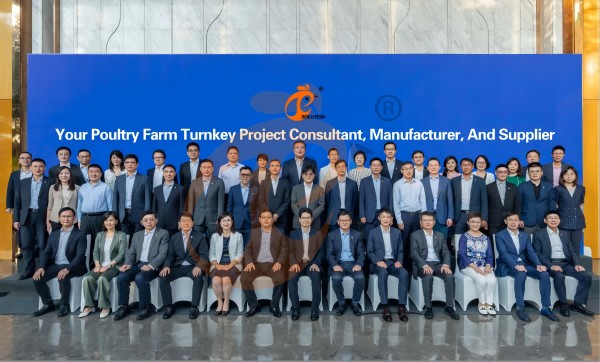
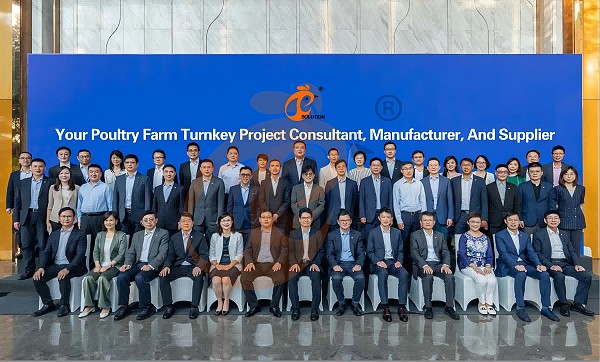
Hong Kong Headquarter Management Team
Hong Kong Headquarter Taiyu Industrial Group CO., LTD
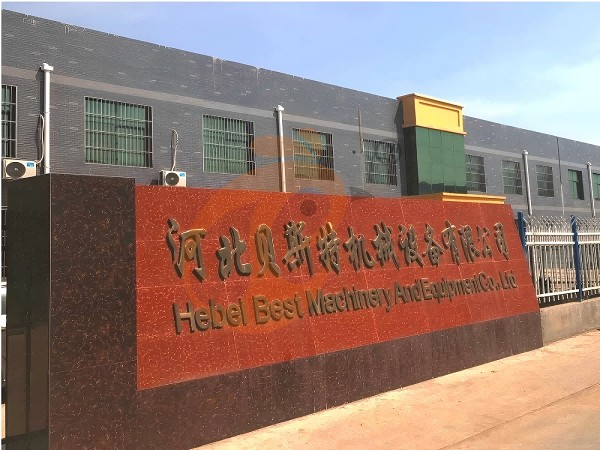
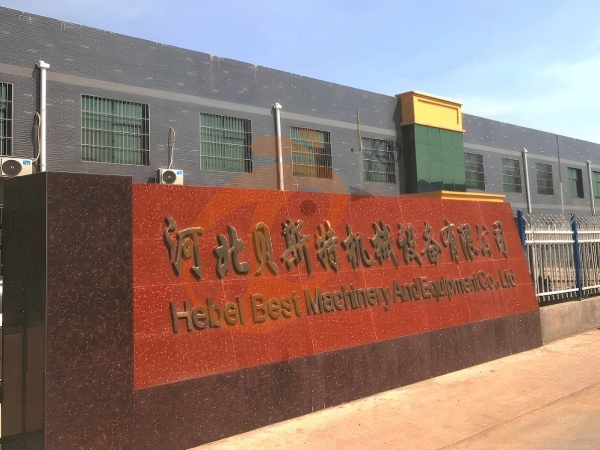
China Hebei Best Machinery And Equipment CO., LTD
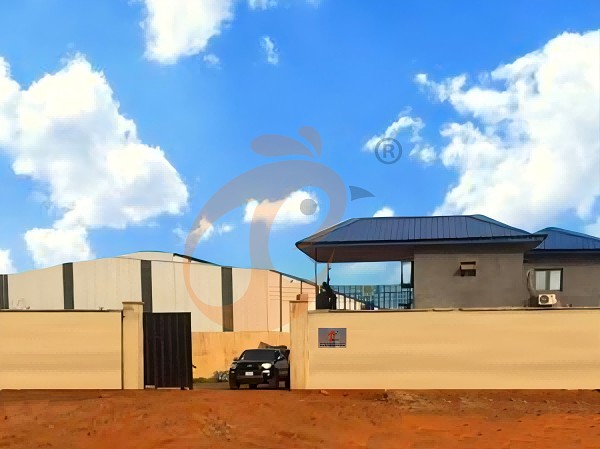
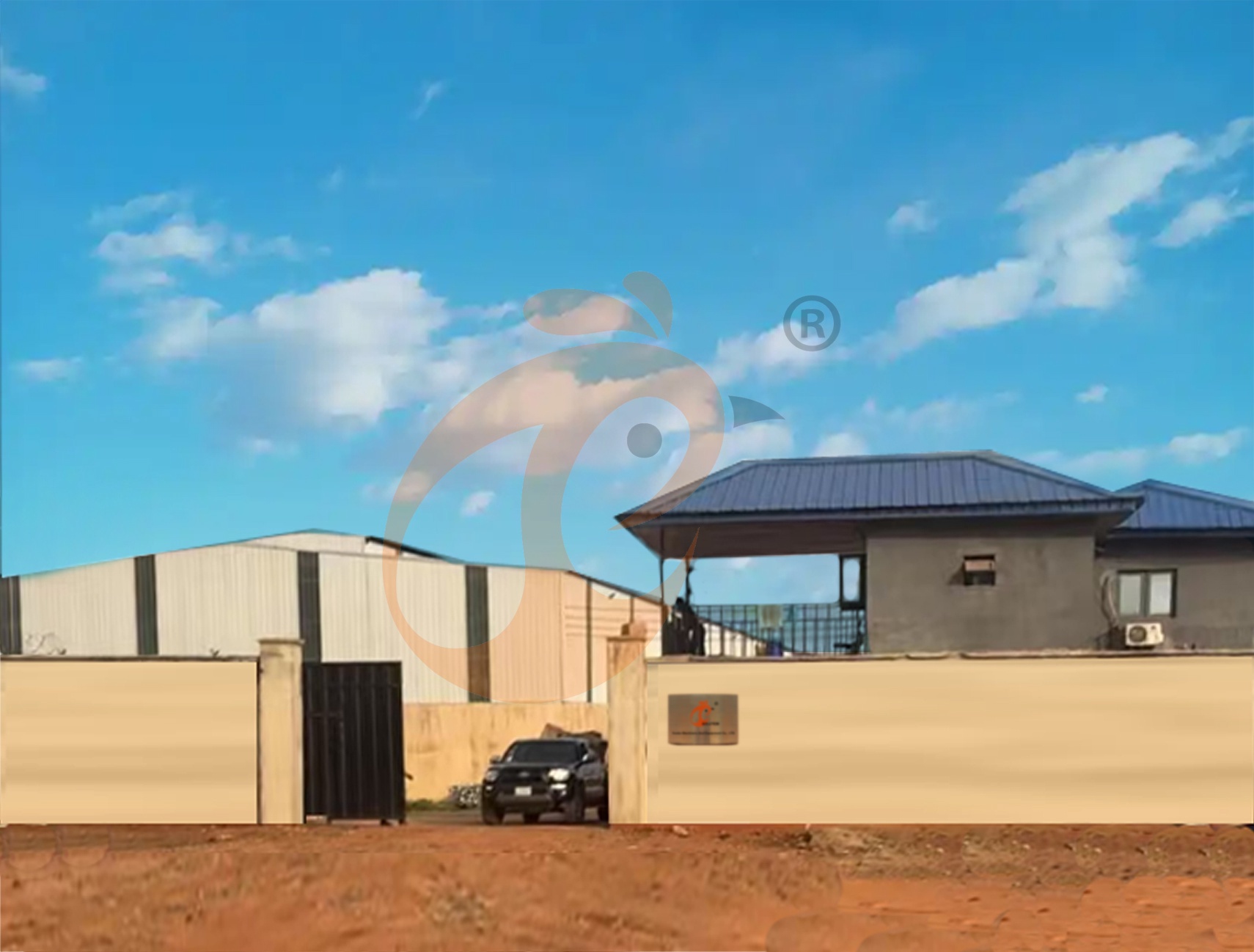
Nigeria Vanke Machinery And Equipment CO., LTD
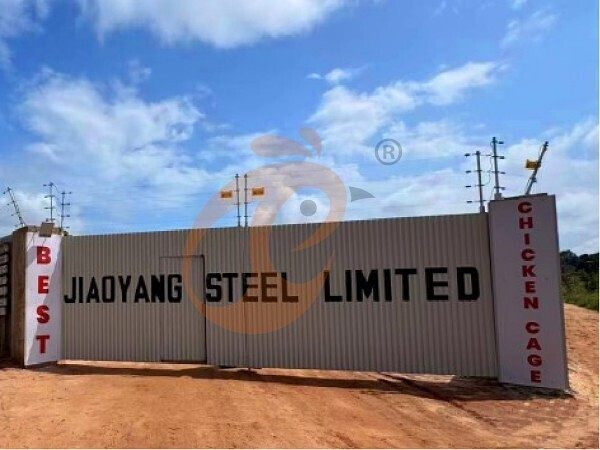
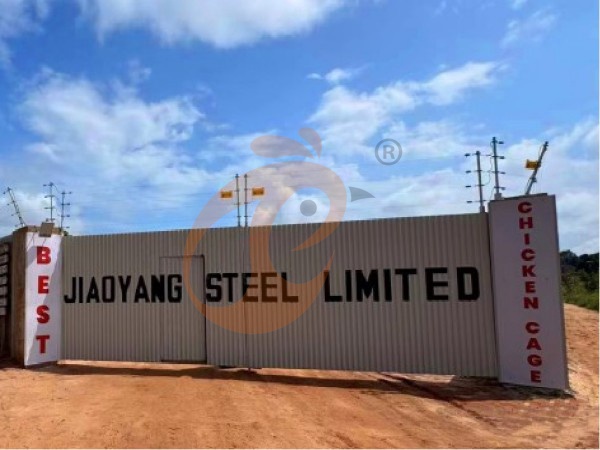
Tanzania Best Machinery And Equipment CO., LTD
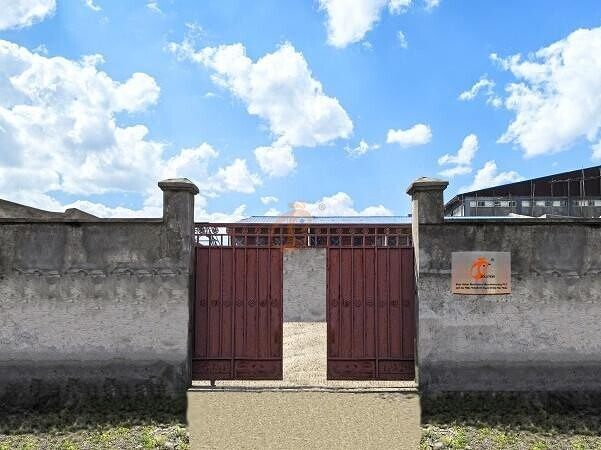
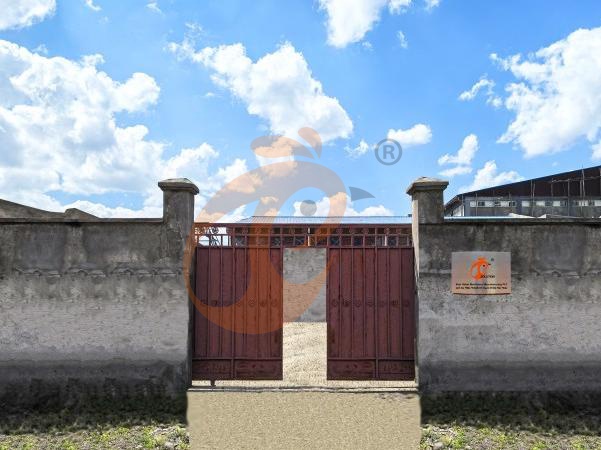
Ethiopia Best Hebei Machinery Manufacturing PLC
Reception /24 WhatsApp NO. : +8618830120193
FAQ
How To Design Cage Width And Depth For A-Type Layer Cage?
Cage depth: 400 mm
Birds per set: 120-200
Egg production rate: 90–96%
FCR: 1.9–2.2
How To Implement Biosecurity Measures In A-Type Chicken Cage Farms?
Use disinfectant doors and footbaths
Regular manure cleaning
Mortality rate: 2–3%
Egg production rate: 90–96%
What Are The Most Durable Materials For A-Type Poultry Cage Frames?
Maintain anti-corrosion coating
Lifespan: more than 25 years
Egg production rate: 90–96%
Labor savings: 50–70%
How To Optimize Feeding And Watering Lines In A-Type Layer Cage System?
Ensure consistent water pressure
FCR: 1.9–2.2
Egg production rate: 90–96%
Mortality rate: 2–3%
- poultry farm
- chicken cage
- layer cage
- automatic layer cage
- poultry house
- poultry cage
- cage
- poultry farm construction
- layer cage system
- poultry cage equipment
- chicken cage layout
- chicken cage manufacturer
- chicken cage system
- chicken cage quotation
- chicken cage specifications
- poultry equipment
- h type chicken cage
- automatic layer cage system
- chickencage
- bestchickencage
- cage system
- h type
- cage systems
- h cage
- Nigeria
- layer farm
- chicken cage specification
- poultry equipment supplier
- cage manufacturer
- automatic egg collection
- chicken cage for export
- poultry farm plan
- Ethiopia
Message
Products recommended
 >30,000 Pullets Automatic H Type Battery Cage1. More than 30,000 pullets a house, choose it.
2. It is designed to rearing older than 1 day old pullets to 12 to 16 weeks old chicken starting laying eggs.
3. Its lifespan is more than 25 years.
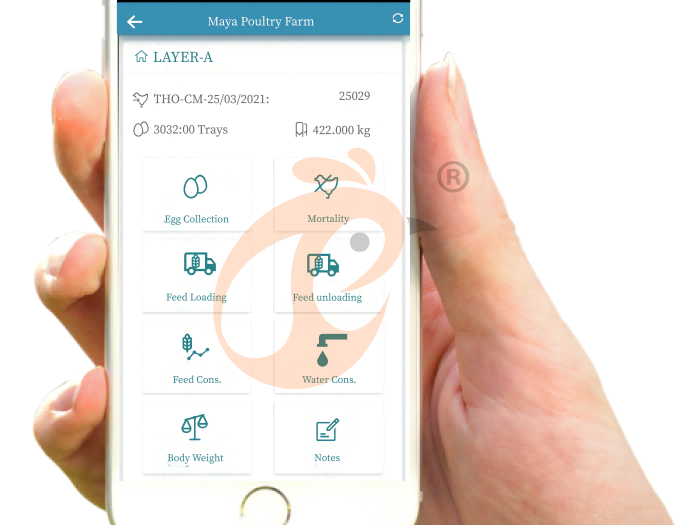
4. Its structure are Vcloud artificial intelligent fusion, electric control cabinet, automatic equipment of drinking, feeding, manure clean, manual harvesting.
5. Our 24 hour online reception What’sApp NO. is +8618830120193 <30,000 Pullets Automatic A Type Battery Cage1. 10,000 to 30,000 pullets a house, choose it.
2. It is designed to rearing older than 1 day old pullets to 12 to 16 weeks old chicken starting laying eggs.
3. Its lifespan is more than 25 years.
4. Its structure are Vcloud artificial intelligent fusion, electric control cabinet, automatic equipment of drinking, feeding, manure clean, manual harvesting.
5. Our 24 hour online reception What’sApp NO. is +86 18830120193. >30,000 Broilers Semi-Automatic Harvest H Type Battery Cage1. More than 30,000 broilers a house, choose it.
2. It is designed to rearing 1 to 45 day old adult broiler ready for market.
3. Its lifespan is more than 20 years.
4. Our 24 hour online reception What’sApp NO. is +8618830120193, +234 8111199996. >30,000 Broilers Manual Harvest H Type Battery Cage1. More than 30,000 broilers a house, choose it.
2. It is designed to rearing 1 to 45 day old adult broiler ready for market.
3. Its lifespan is more than 20 years.
4. Its structure are Vcloud artificial intelligent fusion, electric control cabinet, automatic equipment of drinking, feeding and manure clean, manual harvesting.
5. Our 24 hour online reception What’sApp NO. is +8618830120193, +234 8111199996. <30,000 Broilers Manual Harvest A Type Battery Cage1. Less 30,000 broilers a house, choose it.
2. It is designed to rearing 1 to 45 day old adult broiler ready for market.
3. Its lifespan is more than 20 years.
4. Its structure are Vcloud artificial intelligent fusion, electric control cabinet, automatic equipment of drinking, feeding and manure clean, manual harvesting.
5. Our 24 hour online reception What’sApp NO. is +8618830120193, +234 8111199996. HK Headquarter Offers EU-standard Poultry Farm Solutions, Manufacture Poultry Farm Equipment1. Continuous communication with the EU and the US
2. China, Nigeria, Ethiopia, Tanzania branch companies and factories
3. The products’ quality is customized for local poultry farms
4. Poultry cage and poultry farm equipment stock for sale
5. 24 online reception Whatsapp NO. : +8618830120193,contact us to get full information China Branch Offer Poultry Farm Business Plan, Manufacture Poultry Farm Equipment1. Address: Flat/RM 2416, 24/F, Runxing Building, Youyi Nan Street, Shijiazhuang City, Hebei Province, China
2. Poultry cage and poultry farm equipment factory and stock for sale
3. Customized for local poultry farms
4. Quality and design are based on Euro
5. 24 online reception Whatsapp NO. : +8618830120193 Nigeria Branch Offer Poultry Farm Business Plan, Manufacture Poultry Farm Equipment1. Address: After Sinoma Office, 200 Meters Near Danco Filling Station, Lagos/Ibadan Expressway, Lagos State, Nigeria
2. Poultry cage and poultry farm equipment factory and stock for sale
3. Customized for Nigerian poultry farms
4. Quality and design are based on Euro
5. 24 online reception Whatsapp NO. : +8618830120193 Ethiopia Branch Offer Poultry Farm Business Plan, Manufacture Poultry Farm Equipment1. Address: Gelan Gura, Akaki-kaliti Sub City, Addis Ababa, Ethiopia
2. Poultry cage and poultry farm equipment stock for sale
3. Customized for Ethiopian poultry farms
4. Quality and design are based on Euro
5. 24 online reception Whatsapp NO. : +8618830120193, contact us to get price list Tanzania Branch Offer Poultry Farm Business Plan, Manufacture Poultry Farm Equipment1. Address: No.8, Sova Road, Msufini, Mlandizi, Kibaha, Pwani, Tanzania
2. Poultry cage and poultry farm equipment factory and stock for sale
3. Customized for Tanzanian poultry farms
4. Quality and design are based on Euro
5. 24 online reception Whatsapp NO. : +8618830120193


Contact