


Blog
- Metal auger delivers durable conveying for feed mills, supporting 16–24 operating hours daily while matching poultry feed auger requirements with strength and flow.
Plastic auger provides a lightweight alternative where corrosion resistance, handling, and loading matter, expanding feed mill auger conveyor options across poultry projects.
Material selection connects with diameter, pitch, speed, torque, feed density, moisture, and maintenance planning for dependable auger performance.
Integrated poultry equipment packages combine storage, hoppers, augers, motors, automatic feeding lines, pans, and controls into coordinated production systems.
- Engineering selection balances durability, capacity, service access, and lifecycle cost, helping farms specify auger configurations for feed distribution.
Get professional poultry farm construction guidance, equipment selection solutions, and the latest price lists, whatsApp to +8618830120193, click to learn more:
Engineering Key Points: Durability Starts With Application
In poultry feed mills, auger durability depends on material, geometry, loading conditions, and drive configuration.
A commercial conveying line may operate for 16–24 hours per day, making fatigue resistance an important equipment-selection factor for a poultry feed auger.
Metal augers are commonly specified for demanding feed-handling duties, while engineered plastic components can serve applications where corrosion
resistance and lower weight matter.
Durability Comparison: Mechanical Load
A feed auger experiences repeated torque, vibration, friction, and material impact.
A poultry feed auger operating through 3 feeding cycles per day must maintain stable mechanical transmission during repeated starts and stops.
Metal construction provides a rigid load path for rotating assemblies, while plastic systems can perform effectively when polymer selection and feed mill auger conveyor design match operating conditions.
Engineering Key Points: Match The Auger To Feed Characteristics
Feed composition directly influences wear inside an auger system.
A system handling 4 mm pellets should not automatically use the same internal configuration as a line handling powder or fine mash.
A properly engineered poultry feed auger considers particle distribution, bulk density, inlet loading, and discharge behavior.
Our equipment design process can incorporate these variables before production, helping customers avoid excessive motor loading and unstable conveying.
Application Comparison: Where Each Design Fits
A metal auger is particularly useful when conveying equipment must support substantial mechanical loading over extended production periods.
A typical poultry project may include 6–12 feed lines, requiring consistent material delivery across multiple zones.
Plastic augers can be integrated into selected sections where reduced component mass or environmental compatibility is important.
Tips Card: Five Parameters Buyers Should Check
Tip 1 — Check Motor Loading
A correctly matched drive should maintain stable operation at target throughput, with a 2.2 kW motor potentially serving a specific medium-duty auger configuration.
Tip 2 — Check Conveying Speed
Changing rotational speed affects delivery and feed handling, with some poultry feed auger systems using speeds around 348 rpm.
Tip 3 — Check Cleaning Conditions
Where frequent washing is expected, sealing, bearing location, and motor protection should be incorporated into auger equipment design.
Tip 4 — Check Feed Inlet
An oversized inlet can create uncontrolled loading, while an undersized inlet can restrict feed flow.
Tip 5 — Check Replacement Strategy
For large poultry projects, standardized auger sections can simplify spare-parts management and reduce maintenance interruptions.
Cost And Service-Life Engineering
Initial purchase price should be evaluated together with operating hours, spare-part requirements, maintenance labor, and production downtime.
For a facility operating 300 days annually, even small maintenance differences can influence long-term auger ownership costs.
For European union projects, any applicable cost comparison should use European union standard reference only.
Our poultry equipment packages coordinate augers with motors, reducers, hoppers, silos, feeding lines, and control systems.
Process Structure: From Storage To Poultry House
01 — Storage
Feed enters a silo or storage hopper before the auger conveying stage.
02 — Metering
The outlet regulates material entering the poultry feed auger.
03 — Primary Conveying
The main auger transports feed toward the production or distribution area.
04 — Branch Distribution
Secondary auger lines divide feed flow among poultry-house zones.
05 — Automatic Feeding
Feed reaches pans according to programmed feeding sequences.
06 — Monitoring
Sensors and controls monitor feed status and auger operating conditions.
Integrated process planning allows storage, hopper, auger, motor, feeding line, and controls to operate as one coordinated system.
Performance Comparison: Engineering Data
Actual conveying performance depends on diameter, pitch, rotational speed, feed characteristics, and loading ratio.
Commercial auger systems can cover capacities from approximately 23 kg/min to 113 kg/min, demonstrating why material selection alone cannot define system performance.
Capacity should therefore be calculated from the complete operating point before selecting a poultry feed auger.
Equipment Combination Recommendation
For commercial poultry projects, the auger should be considered one component of an integrated equipment package.
A 100–150 mm main auger can be paired with storage, controlled discharge, automatic feeding lines, and centralized controls for larger installations.
For smaller poultry houses, a compact auger arrangement can reduce installation complexity.
For larger farms, multiple conveying zones can connect through coordinated controls, allowing production capacity to expand systematically.
Recommended Equipment Flow
Feed Storage → Hopper → Main Auger → Distribution Auger → Automatic Feed Line → Feed Pans → Control System
Our poultry equipment solutions can be configured according to house dimensions, bird population, feed demand, conveying distance, and electrical requirements.
Maintenance Engineering Table
Preventive maintenance protects both the auger and surrounding feeding equipment.
Inspection should focus on alignment, bearings, drive components, seals, flight condition, and abnormal vibration.
A structured schedule is especially valuable in systems operating 20 hours per day, because minor mechanical abnormalities can develop into production interruptions.
Tips Card: Extend Auger Service Life
Alignment Control
Keep the auger correctly aligned during installation, with a measured centerline deviation of ≤2 mm per 10 m supporting stable mechanical operation.
Material Entry Control
Control material entry instead of allowing sudden feed surges, particularly during poultry feed auger startup.
Condition Monitoring
Monitor vibration, bearing temperature, and motor current, with a 15°C increase above normal baseline warranting inspection.
Foreign-Object Prevention
Keep stones, metal fragments, and other hard materials outside the auger conveying system.
Replacement Planning
For farms with multiple feeding lines, standardized auger replacement sections can simplify maintenance and reduce equipment downtime.
Final Technical Comparison: Which Is More Durable?
Metal and plastic augers can both serve poultry-feed applications, but durability depends on engineering conditions.
Metal construction is generally selected where mechanical loading, continuous operation, and structural rigidity dominate the specification.
Plastic can suit selected conveying sections where material compatibility and reduced component mass are important.
The purchasing decision should therefore evaluate whether the complete auger system has been engineered around feed characteristics, conveying geometry,
drive requirements, installation conditions, and maintenance access.
For poultry equipment buyers, durability comes from correct material selection, auger engineering, drive matching, installation, and maintenance.
Our auger conveying equipment can be customized with appropriate tube, flight, drive unit, hopper, feeding line, and control configuration.
Frequently Asked Questions
Q1: Can metal augers handle continuous feed-mill operation?
Metal auger systems are commonly specified for demanding conveying duties, with some designs supporting 16–24 operating hours daily when correctly engineered and maintained.
Q2: Are plastic augers suitable for poultry feeding systems?
Plastic augers can suit selected poultry feeding applications where corrosion resistance, handling weight, feed characteristics, and operating loads align with polymer specifications.
Q3: Which parameters should be checked before buying an auger?
Buyers should evaluate feed type, conveying distance, capacity, speed, torque, installation geometry, motor sizing, maintenance access, and complete poultry equipment compatibility.
Taiyu (HK) Group - One Of China Toppest Auger Manufacturer
Metal auger systems provide engineered feed conveying with configurable diameters, drive assemblies, flight geometry, and project-specific capacity requirements.
Global factory-direct supply integrates auger equipment with complete poultry equipment, supporting standardized component selection, production inspection, export packaging, and installation coordination.
Turn-key engineering combines silos, hoppers, feed mill auger conveyor systems, automatic feeding lines, motors, controls, and farm-level material-flow planning.
Project delivery supports commercial poultry farms, feed mills, livestock facilities, and multi-house installations through technical configuration, manufacturing, and equipment integration.
Engineering documentation, component matching, and production coordination provide a structured procurement route from individual auger requirements to complete poultry equipment projects.
Contact Us To Received Your Customized Poultry Farm Plan
Headquarters And Branchs
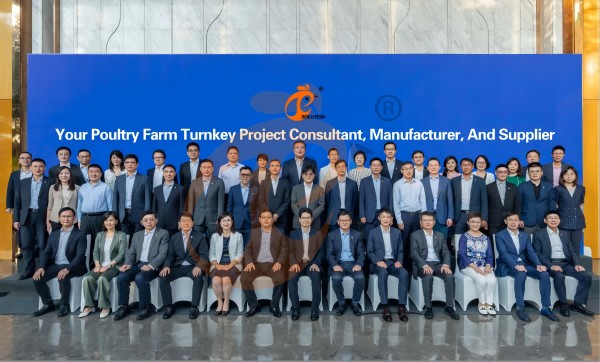
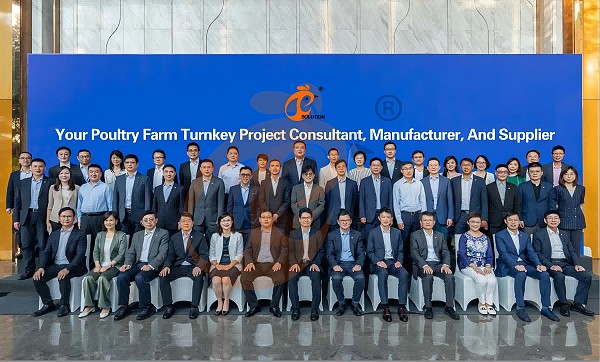
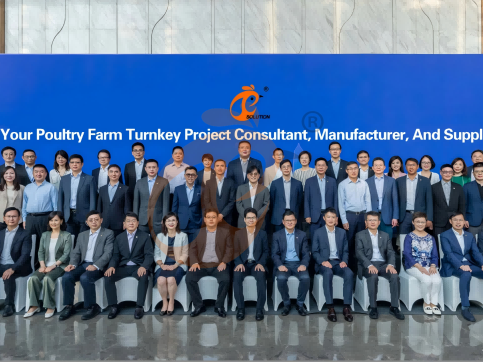
Hong Kong Headquarter Management Team
Hong Kong Headquarter Taiyu Industrial Group CO., LTD
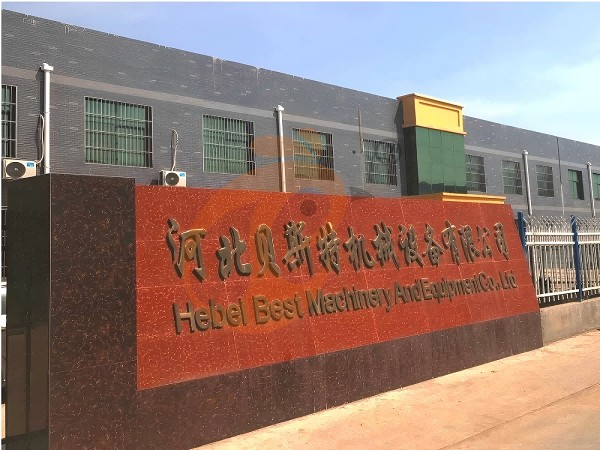
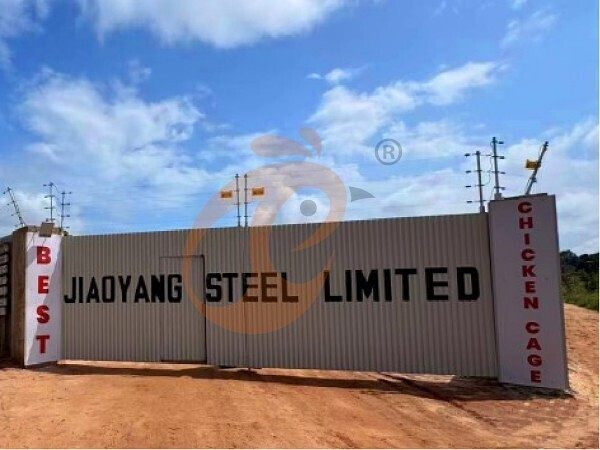
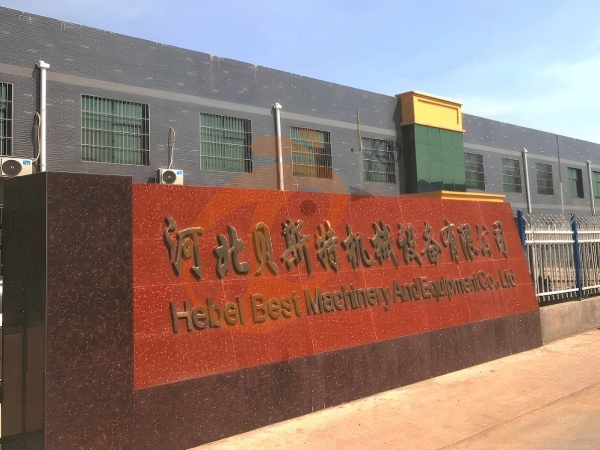
China Hebei Best Machinery And Equipment CO., LTD
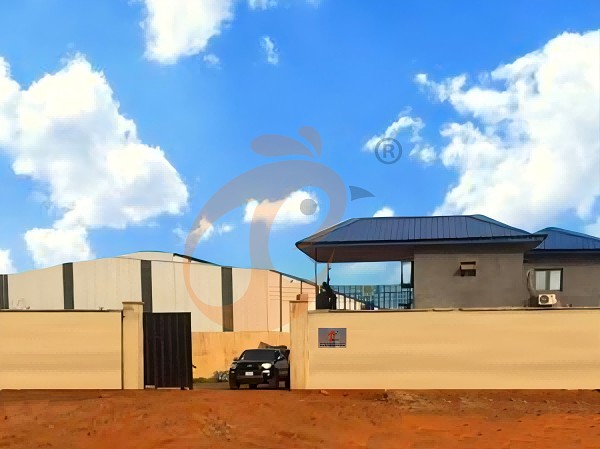
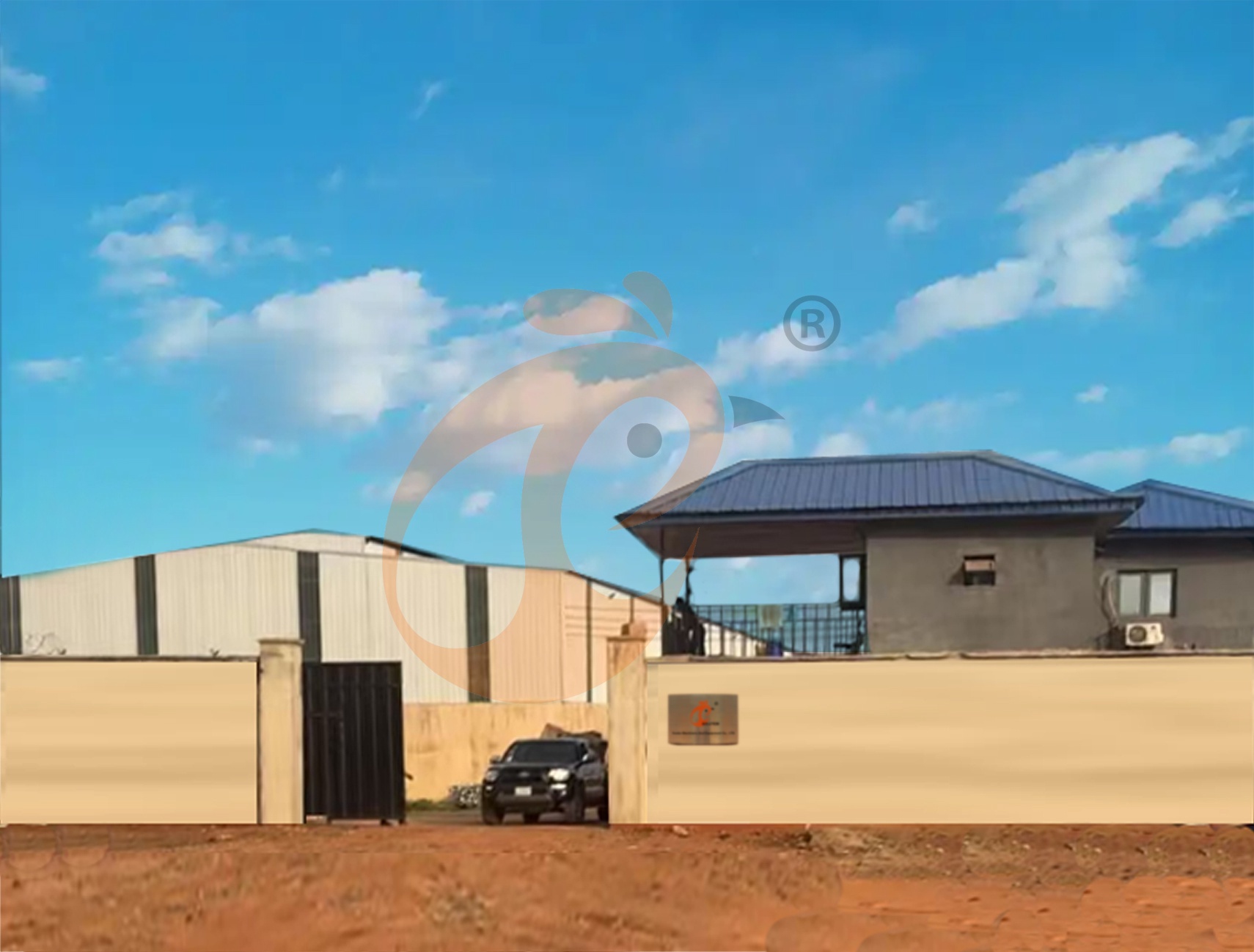
Nigeria Vanke Machinery And Equipment CO., LTD
Tanzania Best Machinery And Equipment CO., LTD
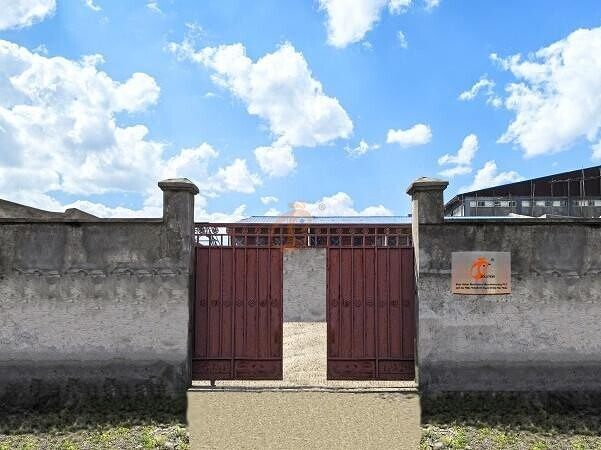
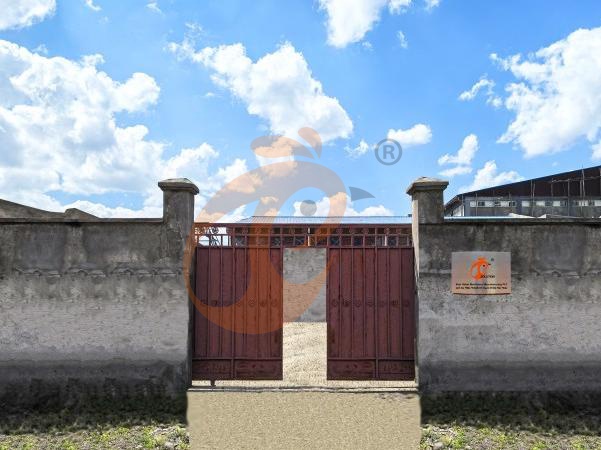
Ethiopia Best Hebei Machinery Manufacturing PLC
Reception /24 WhatsApp NO. : +8618830120193
FAQ
What Are The Most Efficient Feeding Systems For A-Type Layer Cage Farms?
Even feed distribution reduces waste
One worker manages 5,000–10,000 birds
FCR reduced to 1.9–2.2
Egg production rate: 90–96%
How To Select The Best Supplier For A-Type Chicken Cage Systems?
Ensure material quality and anti-corrosion performance
Equipment lifespan: more than 25 years
Egg production rate: 90–96%
Labor savings: 50–70%
How To Integrate Water And Feed Automation In A-Type Layer Cage System?
Automatically control flow and timing
Egg production rate: 90–96%
FCR: 1.9–2.2
Mortality rate: 2–3%
Message
Products recommended
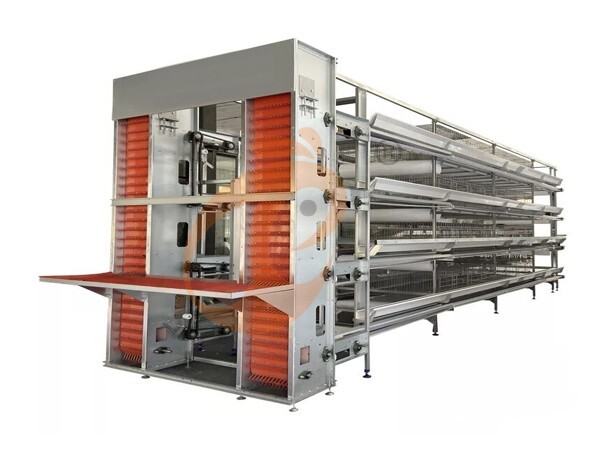
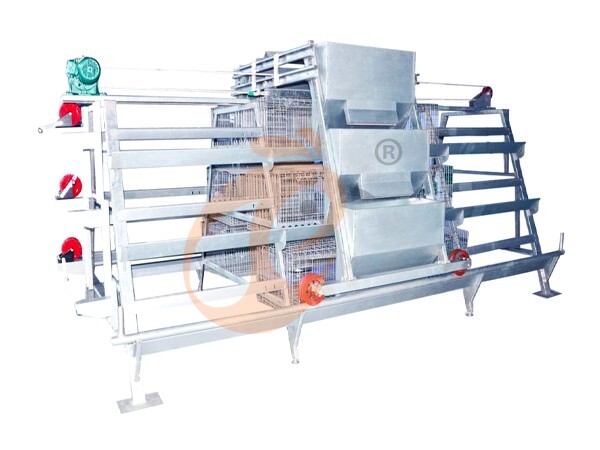
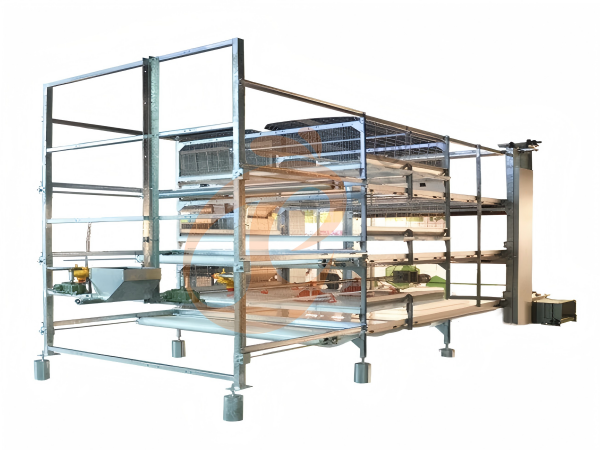
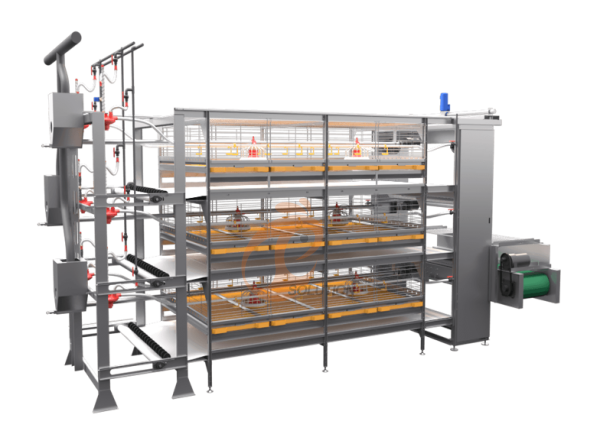
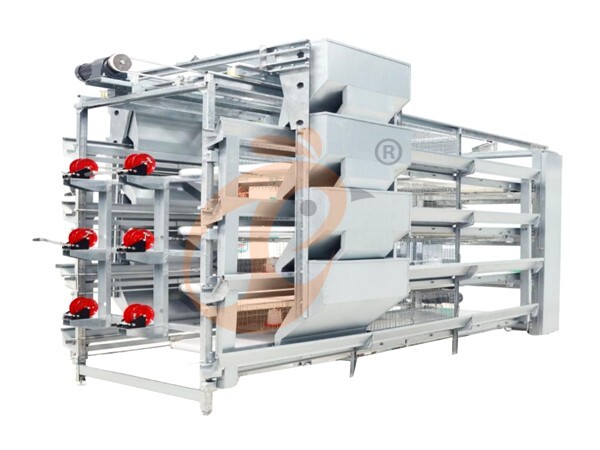
 >30,000 Pullets Automatic H Type Battery Cage1. More than 30,000 pullets a house, choose it.
2. It is designed to rearing older than 1 day old pullets to 12 to 16 weeks old chicken starting laying eggs.
3. Its lifespan is more than 25 years.
4. Its structure are Vcloud artificial intelligent fusion, electric control cabinet, automatic equipment of drinking, feeding, manure clean, manual harvesting.
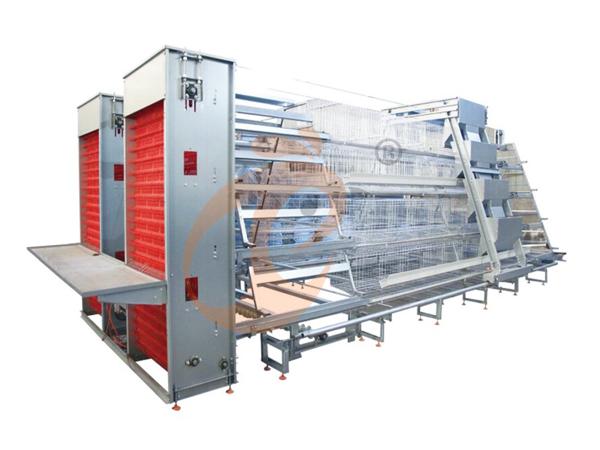
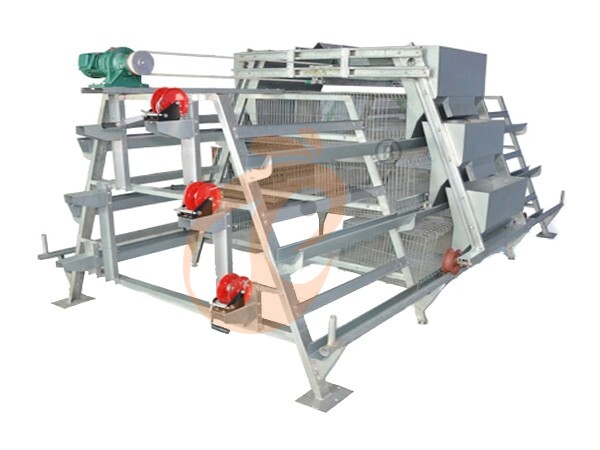
5. Our 24 hour online reception What’sApp NO. is +8618830120193 <30,000 Pullets Automatic A Type Battery Cage1. 10,000 to 30,000 pullets a house, choose it.
2. It is designed to rearing older than 1 day old pullets to 12 to 16 weeks old chicken starting laying eggs.
3. Its lifespan is more than 25 years.
4. Its structure are Vcloud artificial intelligent fusion, electric control cabinet, automatic equipment of drinking, feeding, manure clean, manual harvesting.
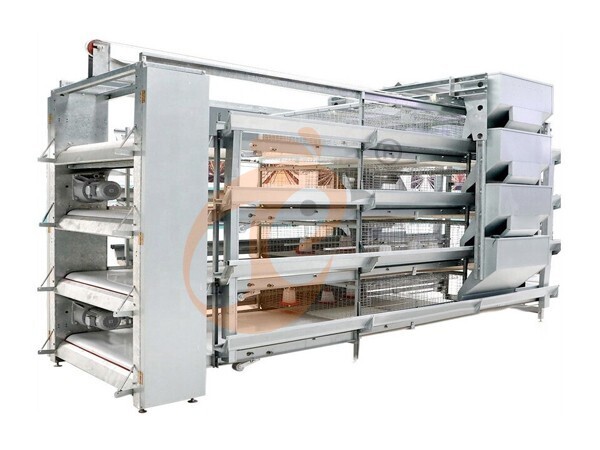
5. Our 24 hour online reception What’sApp NO. is +86 18830120193. >30,000 Broilers Semi-Automatic Harvest H Type Battery Cage1. More than 30,000 broilers a house, choose it.
2. It is designed to rearing 1 to 45 day old adult broiler ready for market.
3. Its lifespan is more than 20 years.
4. Our 24 hour online reception What’sApp NO. is +8618830120193, +234 8111199996. >30,000 Broilers Manual Harvest H Type Battery Cage1. More than 30,000 broilers a house, choose it.
2. It is designed to rearing 1 to 45 day old adult broiler ready for market.
3. Its lifespan is more than 20 years.
4. Its structure are Vcloud artificial intelligent fusion, electric control cabinet, automatic equipment of drinking, feeding and manure clean, manual harvesting.
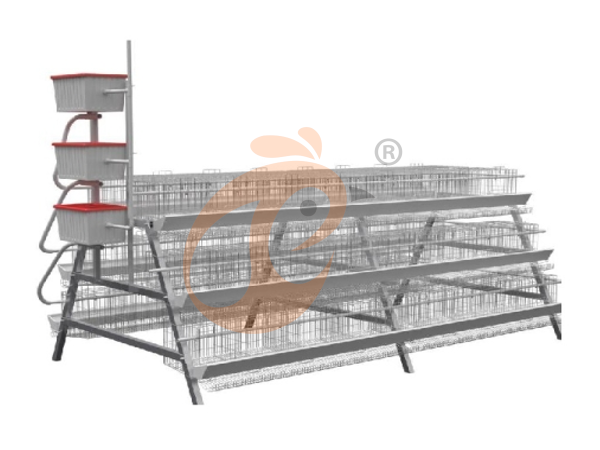
5. Our 24 hour online reception What’sApp NO. is +8618830120193, +234 8111199996. <30,000 Broilers Manual Harvest A Type Battery Cage1. Less 30,000 broilers a house, choose it.
2. It is designed to rearing 1 to 45 day old adult broiler ready for market.
3. Its lifespan is more than 20 years.
4. Its structure are Vcloud artificial intelligent fusion, electric control cabinet, automatic equipment of drinking, feeding and manure clean, manual harvesting.
5. Our 24 hour online reception What’sApp NO. is +8618830120193, +234 8111199996. HK Headquarter Offers EU-standard Poultry Farm Solutions, Manufacture Poultry Farm Equipment1. Continuous communication with the EU and the US
2. China, Nigeria, Ethiopia, Tanzania branch companies and factories
3. The products’ quality is customized for local poultry farms
4. Poultry cage and poultry farm equipment stock for sale
5. 24 online reception Whatsapp NO. : +8618830120193,contact us to get full information China Branch Offer Poultry Farm Business Plan, Manufacture Poultry Farm Equipment1. Address: Flat/RM 2416, 24/F, Runxing Building, Youyi Nan Street, Shijiazhuang City, Hebei Province, China
2. Poultry cage and poultry farm equipment factory and stock for sale
3. Customized for local poultry farms
4. Quality and design are based on Euro
5. 24 online reception Whatsapp NO. : +8618830120193 Nigeria Branch Offer Poultry Farm Business Plan, Manufacture Poultry Farm Equipment1. Address: After Sinoma Office, 200 Meters Near Danco Filling Station, Lagos/Ibadan Expressway, Lagos State, Nigeria
2. Poultry cage and poultry farm equipment factory and stock for sale
3. Customized for Nigerian poultry farms
4. Quality and design are based on Euro
5. 24 online reception Whatsapp NO. : +8618830120193 Ethiopia Branch Offer Poultry Farm Business Plan, Manufacture Poultry Farm Equipment1. Address: Gelan Gura, Akaki-kaliti Sub City, Addis Ababa, Ethiopia
2. Poultry cage and poultry farm equipment stock for sale
3. Customized for Ethiopian poultry farms
4. Quality and design are based on Euro
5. 24 online reception Whatsapp NO. : +8618830120193, contact us to get price list Tanzania Branch Offer Poultry Farm Business Plan, Manufacture Poultry Farm Equipment1. Address: No.8, Sova Road, Msufini, Mlandizi, Kibaha, Pwani, Tanzania
2. Poultry cage and poultry farm equipment factory and stock for sale
3. Customized for Tanzanian poultry farms
4. Quality and design are based on Euro
5. 24 online reception Whatsapp NO. : +8618830120193

Contact