


Blog
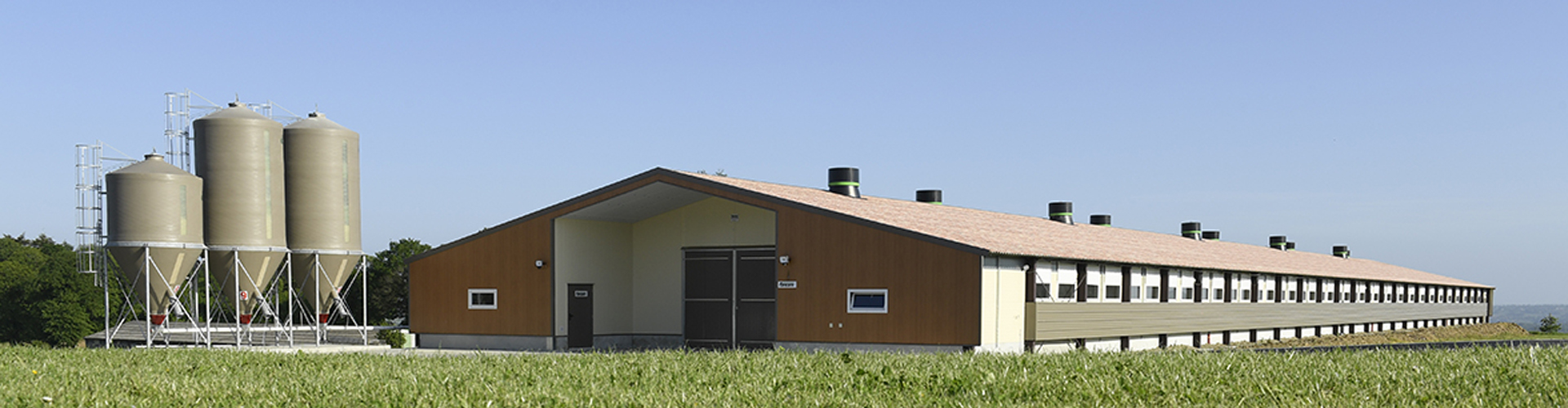
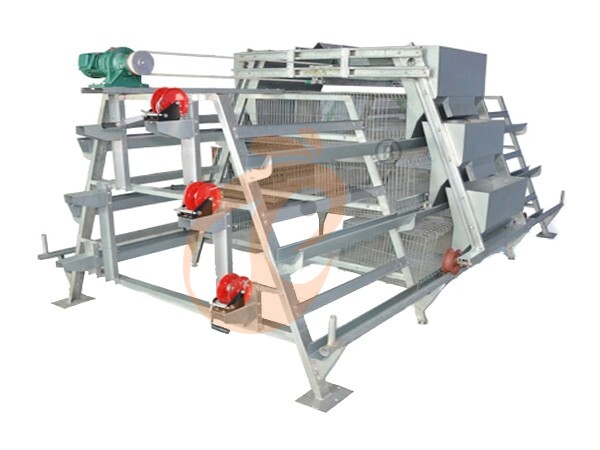
Deep litter layer farming equipment forms the production core, linking feeding, drinking, ventilation, lighting, litter, and egg handling into one measurable system with approximately 5–8 major equipment subsystems.
A properly engineered automatic chicken feeding system converts repetitive manual distribution into controlled feed delivery, while silo, auger, pan, and sensor coordination supports consistent daily operation.
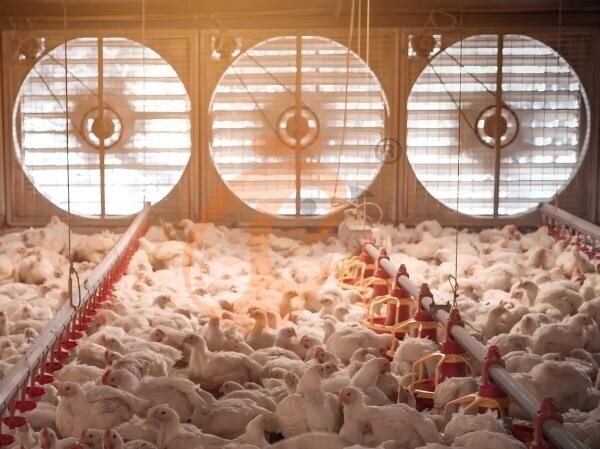
A poultry house ventilation system manages airflow, moisture, temperature, and dust through coordinated fans, inlets, cooling equipment, sensors, and controllers rather than isolated mechanical units.
Equipment investment becomes more meaningful when evaluated through workflow, maintenance, energy demand, labor requirements, expansion capacity, and total cost of ownership across the production cycle.
- Farm-specific dimensions, flock capacity, climate, electrical supply, and automation objectives provide the engineering basis for selecting deep litter layer farming equipment, building practical layouts, and developing turnkey poultry projects.
Get professional poultry farm construction guidance, equipment selection solutions, and the latest price lists, whatsApp to +8618830120193, click to learn more:
Farm Cost Structure: Equipment Determines The Real Budget
Data is for reference only.Swipe horizontally to view full table.
Deep litter layer farming equipment should be budgeted as an integrated production system rather than a floor-housing construction project.
Equipment coordination determines how efficiently feed, water, air, lighting, and eggs move through the house.
For a commercial project, the electrical design should normally reserve approximately 20% spare circuit capacity and maintain around 2.5 m maintenance clearance around major drive assemblies.
These engineering allowances make future equipment replacement and expansion easier.
Start With The House-To-Equipment Interface
A deep litter layer farming equipment project becomes commercially efficient when building dimensions are developed around equipment layout instead of installing equipment after construction.
Engineering sequence:
House geometry → flock allocation → equipment lanes → service access → environmental system → electrical commissioning
A house with an internal ridge height of approximately 4.2 m creates a different airflow requirement from a low-profile building.
Likewise, reserving a service corridor of roughly 1.0 m can make inspection and component replacement substantially easier.
The equipment supplier should therefore receive house length, width, roof configuration, target bird population, climate conditions, and desired automation level before manufacturing begins.
Feeding System: Convert Feed Distribution Into Labor Efficiency
Data is for reference only.Swipe horizontally to view full table.
Feed distribution is one of the clearest areas where deep litter layer farming equipment can convert capital expenditure into operational efficiency.
Manual feeding may appear economical at the purchasing stage, but repetitive feed handling becomes increasingly expensive as flock size increases.
An automatic chicken feeding system can be configured with multiple independent lines, allowing equipment layout to follow house geometry.
A typical installation can maintain approximately 20–30 cm feeder height adjustment to accommodate bird growth and management requirements.
The complete package can include silo, auger, drive motor, feed sensor, suspension system, controller, and commissioning service.
Drinking Equipment Protects Water Supply And Litter
Data is for reference only.Swipe horizontally to view full table.
Water management has a direct engineering relationship with deep litter layer farming equipment and deep-litter conditions.
A leaking drinker does not simply waste water; equipment leakage introduces additional moisture into bedding and increases cleaning requirements.
A well-designed water network should include independent shut-off sections, with approximately 4–8 isolated water zones depending on house geometry.
Filter access should also be positioned for routine inspection, with roughly 20–30 cm of service space around the assembly.
The complete water solution can connect water source, regulator, filtration unit, drinking lines, flushing points, and control cabinet.
Ventilation Investment: Calculate Airflow Before Buying Fans
Data is for reference only.Swipe horizontally to view full table.
A poultry house ventilation system should be treated as an airflow calculation, not a fan-count exercise.
The objective is to establish a controlled route for fresh-air entry, internal movement, moisture removal, and exhaust.
During summer operation, cooling equipment can be integrated with the ventilation controller.
A typical cooling sequence can respond within approximately 30–60 seconds after the controller detects a programmed environmental change.
The complete climate-control package can combine fans, air inlets, cooling pads, sensors, controllers, electrical components, and installation design.
Environmental Control Is A Control-Logic Problem
Consider deep litter layer farming equipment as a feedback system:
Sensor → Controller → Equipment Output → House Condition → Sensor
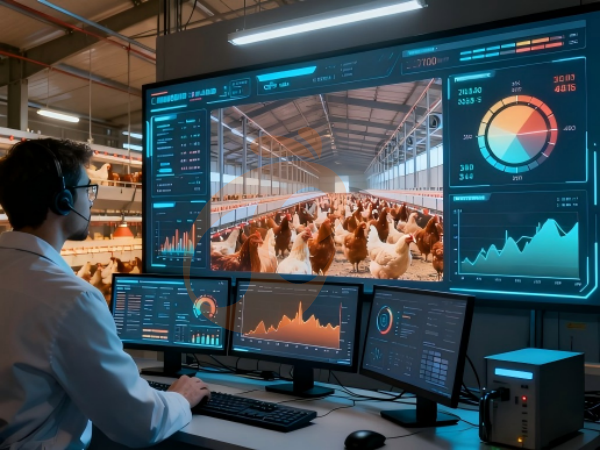
This architecture allows ventilation, cooling, lighting, and alarm functions to operate according to measured conditions rather than fixed manual operation.
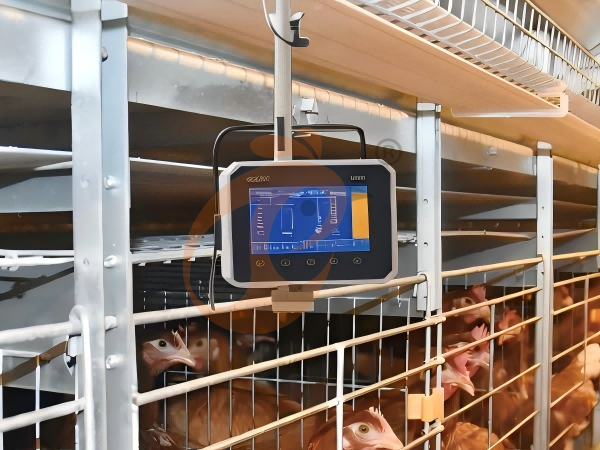
Environmental sensors can be installed approximately 1.2–1.5 m above the litter surface, close to the effective bird-zone environment.
Controller response intervals can be programmed around 5 minutes for routine environmental adjustment.
When temperature rises, the controller can increase ventilation output; when conditions stabilize, output can be reduced.
This approach supports coordinated equipment operation while giving farm managers clearer environmental information.
Lighting And Electrical Infrastructure: Small Components, Large Integration Impact
Data is for reference only.Swipe horizontally to view full table.
Lighting design should be integrated with deep litter layer farming equipment and the poultry house electrical architecture rather than treated as a separate finishing item.
Separate circuits for lighting, feeding, ventilation, and water equipment simplify troubleshooting.
A commercial installation can also allocate approximately 10% spare cable length at major connection points and maintain around 300 mm separation between
power and sensitive control wiring where practical.
These details reduce unnecessary service work later.
When supplying a turnkey project, the equipment company can provide lighting fixtures, distribution cabinets, control wiring, sensors, and commissioning
documentation as one coordinated package.
Egg Handling Defines The Labor Workflow
Egg handling should be designed from the nest outward.
Nest → egg transfer → collection point → inspection → grading → packing
This differs from simply adding an egg conveyor after the house is complete.
The conveyor route, access points, operator position, and collection room must be considered during the original deep litter layer farming equipment layout.
For commercial houses, a conveyor belt speed of approximately 10–20 m/min can be selected according to collection capacity and downstream handling equipment.
A transfer height around 700–900 mm can also be considered when designing the operator interface.
The equipment supplier can integrate nest boxes, egg conveyors, transfer units, collection tables, and packing interfaces.
Deep Litter Management: Control Moisture Through Equipment Integration
Data is for reference only.Swipe horizontally to view full table.
Deep litter management is closely connected with water leakage, ventilation, bird distribution, and bedding condition.
The deep litter layer farming equipment package should therefore prevent moisture problems rather than merely deal with them afterward.
Automated litter turning can be programmed according to operating conditions, while sensors provide additional information for management decisions.
A practical system may divide the house into approximately 3–6 monitoring zones to identify local environmental differences.
Litter equipment can therefore become another automation layer within a complete poultry production package.
Equipment Automation: Compare Investment With Total Cost Of Ownership
Data is for reference only.Swipe horizontally to view full table.
The correct investment decision should use total cost of ownership rather than equipment purchase price alone.
A farm operating 16–24 hours per day during peak production will expose motors, controllers, water systems, and ventilation equipment to substantially more
operating cycles than a small intermittent operation.
Component quality therefore becomes part of the economic calculation.
A professional supplier can calculate equipment capacity, electrical demand, spare-part requirements, installation costs, and operating workflow before the
customer places the order.
Commercial Equipment Package: Build The Farm Around Five Budget Factors
Data is for reference only.Swipe horizontally to view full table.
The five core budget factors are interconnected.
Feeding affects labor; drinking affects litter; ventilation affects environmental stability; egg handling affects collection labor; and automation connects the complete operation.
A turnkey deep litter layer farming equipment package allows these relationships to be calculated before installation.
The result is a project specification based on house dimensions and production objectives rather than a generic equipment list.
Final Investment Logic: Buy A Production System, Not Individual Machines
The most useful way to evaluate deep litter layer farming cost is to ask one engineering question: how does each equipment module change the farm's operating workflow?
A properly engineered system can coordinate feed distribution, water delivery, airflow, lighting, litter management, and egg collection through a unified control structure.
With approximately 5–8 major equipment subsystems working together, the farm becomes easier to monitor and expand.
For equipment buyers, the next step should be a project-specific calculation based on house dimensions, target flock size, local climate, power supply, water source, and automation requirements.
A professional poultry equipment manufacturer can then provide a customized layout, equipment list, technical specifications, quotation, installation plan, and commissioning support.
Frequently Asked Questions
Q1: What determines deep litter layer farming cost?
Deep litter layer farming equipment cost mainly depends on house dimensions, flock capacity, automation level, climate-control requirements, and egg-handling configuration.
Equipment planning should also consider electrical infrastructure and future expansion.
Q2: Is an automatic chicken feeding system suitable for commercial layer farms?
An automatic chicken feeding system is generally designed for projects where repetitive feed distribution creates substantial daily labor demand.
Line configuration can be adjusted according to flock size, house geometry, and feed-storage architecture.
Q3: Why does a poultry house ventilation system matter for deep litter housing?
A poultry house ventilation system controls airflow, moisture removal, and environmental distribution across the bird area.
Fan selection should be based on calculated airflow requirements rather than simply increasing the number of fans.
Taiyu (HK) Group - One Of China Largest Deep Litter Layer Farming Equipment Manufacturer
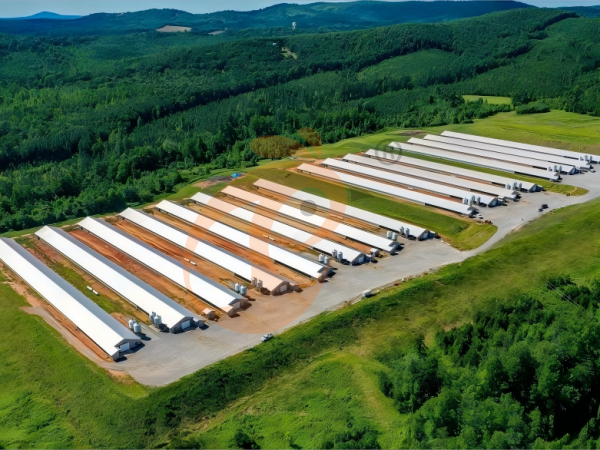
Deep litter layer farming equipment integrates feeding, drinking, ventilation, lighting, litter management, and egg handling into coordinated poultry production architecture, with modular equipment designed for commercial layer houses and expandable layouts.
Global factory-direct supply covers automatic chicken feeding system components, drinking lines, ventilation equipment, environmental controllers, electrical cabinets, and related poultry equipment from one manufacturing source.
Poultry equipment projects are engineered around house dimensions, flock capacity, climate conditions, utility requirements, equipment loads, installation access, and maintenance planning.
Turn-key engineering connects equipment selection, technical drawings, production, delivery, installation guidance, commissioning, operator training, spare-parts planning, and after-sales technical support.
International project supply supports farm developments requiring coordinated equipment packages, standardized specifications, containerized shipment planning, and engineering communication from initial design through system commissioning.
Contact Us To Received Your Customized Poultry Farm Plan
Headquarters And Branchs
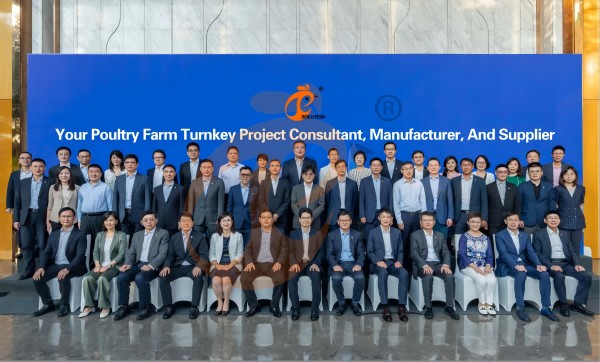
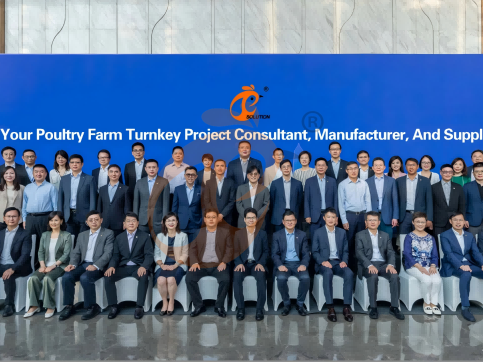
Hong Kong Headquarter Management Team
Hong Kong Headquarter Taiyu Industrial Group CO., LTD
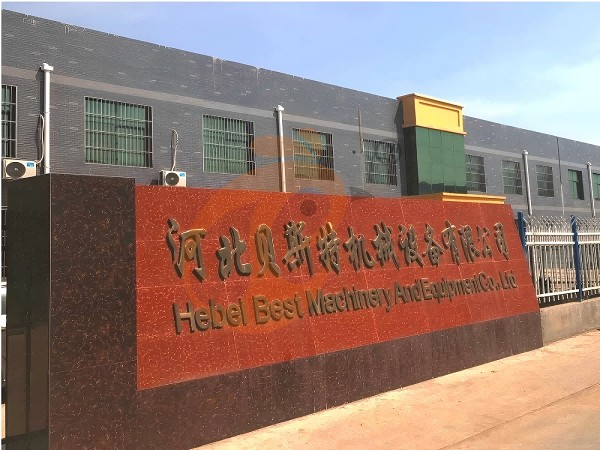
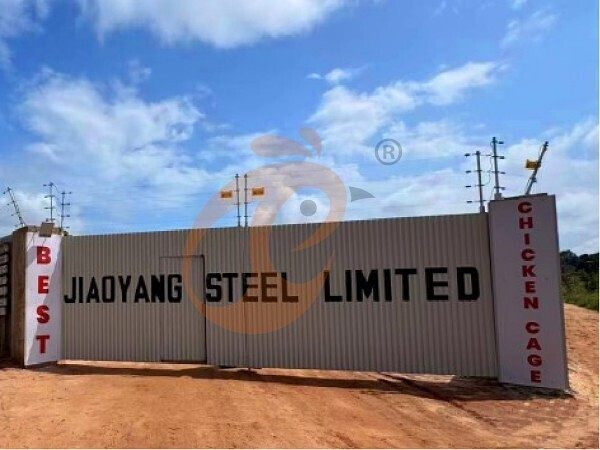
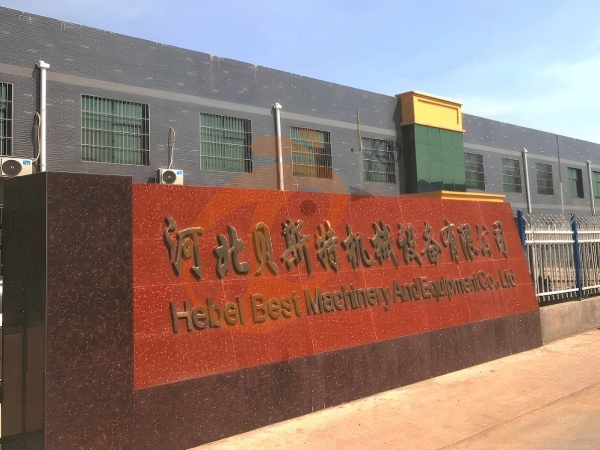
China Hebei Best Machinery And Equipment CO., LTD
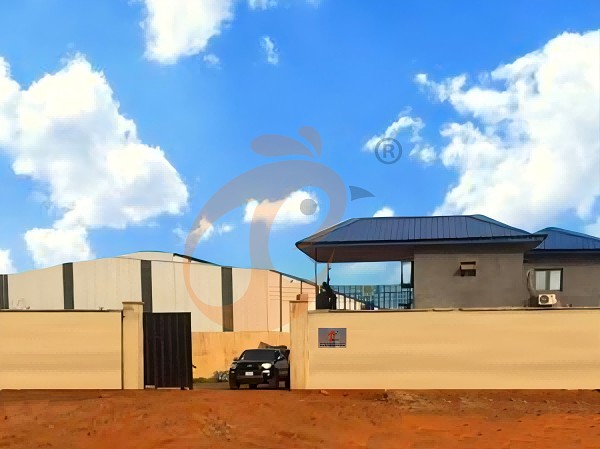
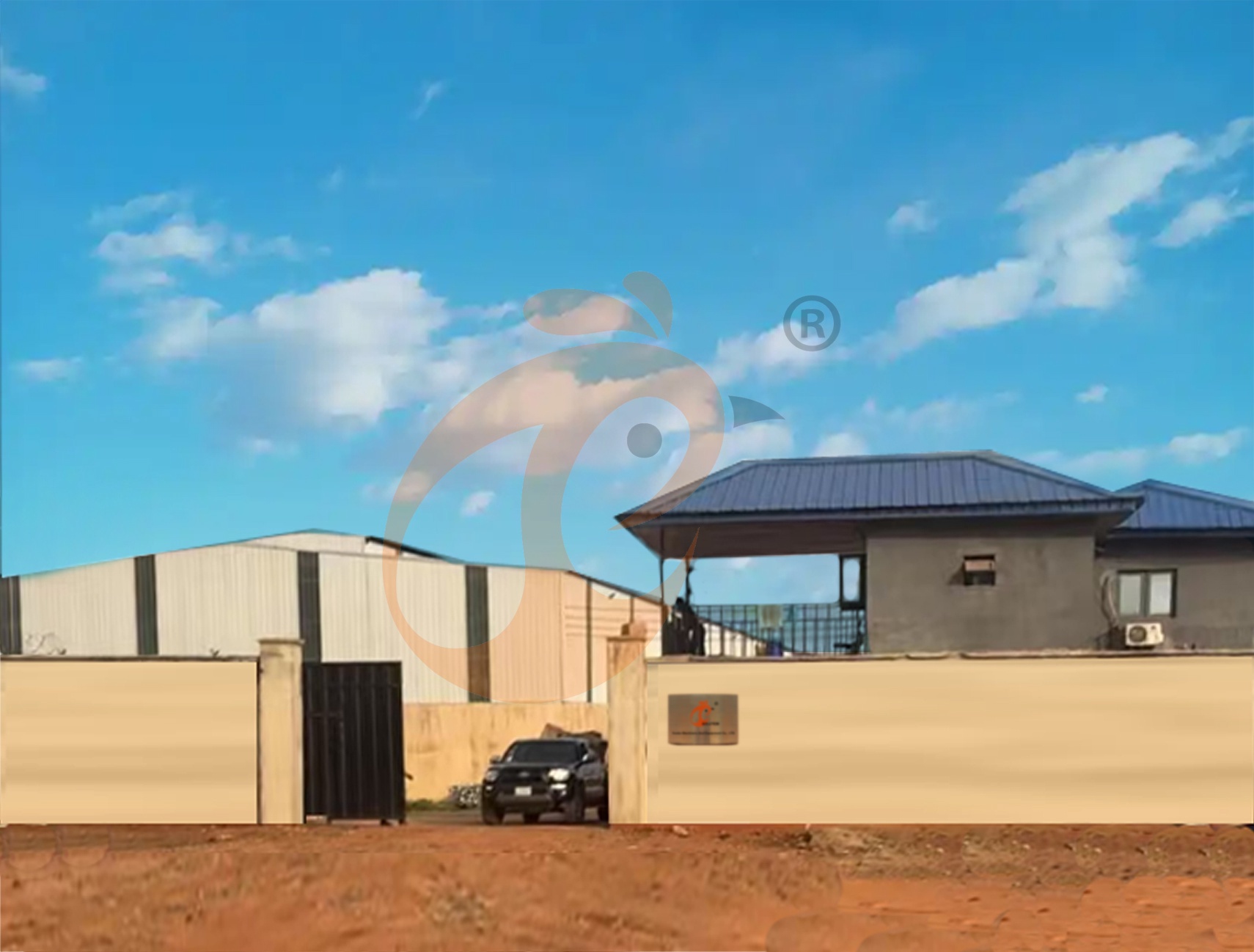
Nigeria Vanke Machinery And Equipment CO., LTD
Tanzania Best Machinery And Equipment CO., LTD
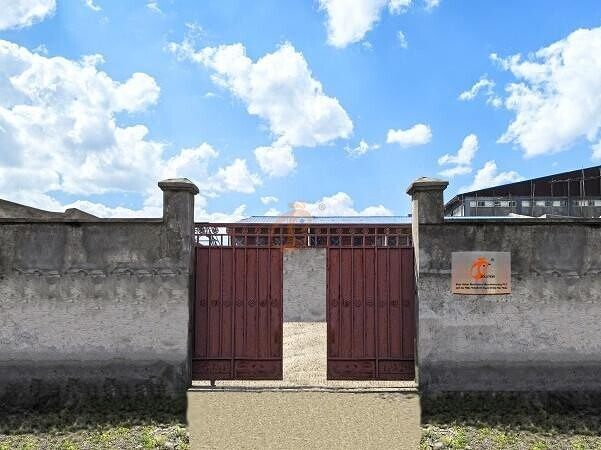
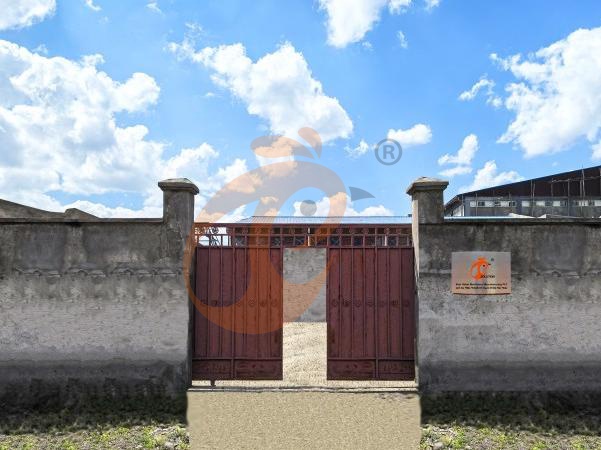
Ethiopia Best Hebei Machinery Manufacturing PLC
Reception /24 WhatsApp NO. : +8618830120193
FAQ
What Are The Growth Performance Benefits In Deep Litter Poultry System?
Feed conversion ratio improves to 1.55–1.78 due to thermal comfort and reduced stress.
Market uniformity rate exceeds 85%–92% within target slaughter weight range.
What Are The Litter Turning And Management Frequency Standards In Deep Litter Poultry System?
Surface leveling is maintained every 3–5 days to prevent compaction zones.
Full litter replacement cycle occurs every 2–3 production batches depending on load intensity.
What Are The Energy Efficiency And Cost Advantages In Deep Litter Poultry System?
Construction cost savings reach 25%–40% compared with fully caged housing systems.
Operational labor demand decreases by 30%–50% through simplified floor-based management.
- poultry farm
- poultry house
- cage
- poultry farm construction
- poultry house ventilation
- poultry house ventilation system
- poultry equipment
- chickencage
- bestchickencage
- Nigeria
- layer farm
- layer farming equipment
- automatic chicken feeding system
- poultry equipment manufacturer
- chicken feeding system
- poultry house ventilation system control
- poultry farm plan
- chicken feed
- Ethiopia
Message
Products recommended
 >30,000 Pullets Automatic H Type Battery Cage1. More than 30,000 pullets a house, choose it.
2. It is designed to rearing older than 1 day old pullets to 12 to 16 weeks old chicken starting laying eggs.
3. Its lifespan is more than 25 years.
4. Its structure are Vcloud artificial intelligent fusion, electric control cabinet, automatic equipment of drinking, feeding, manure clean, manual harvesting.
5. Our 24 hour online reception What’sApp NO. is +8618830120193 <30,000 Pullets Automatic A Type Battery Cage1. 10,000 to 30,000 pullets a house, choose it.
2. It is designed to rearing older than 1 day old pullets to 12 to 16 weeks old chicken starting laying eggs.
3. Its lifespan is more than 25 years.
4. Its structure are Vcloud artificial intelligent fusion, electric control cabinet, automatic equipment of drinking, feeding, manure clean, manual harvesting.
5. Our 24 hour online reception What’sApp NO. is +86 18830120193. >30,000 Broilers Semi-Automatic Harvest H Type Battery Cage1. More than 30,000 broilers a house, choose it.
2. It is designed to rearing 1 to 45 day old adult broiler ready for market.
3. Its lifespan is more than 20 years.
4. Our 24 hour online reception What’sApp NO. is +8618830120193, +234 8111199996. >30,000 Broilers Manual Harvest H Type Battery Cage1. More than 30,000 broilers a house, choose it.
2. It is designed to rearing 1 to 45 day old adult broiler ready for market.
3. Its lifespan is more than 20 years.
4. Its structure are Vcloud artificial intelligent fusion, electric control cabinet, automatic equipment of drinking, feeding and manure clean, manual harvesting.
5. Our 24 hour online reception What’sApp NO. is +8618830120193, +234 8111199996. <30,000 Broilers Manual Harvest A Type Battery Cage1. Less 30,000 broilers a house, choose it.
2. It is designed to rearing 1 to 45 day old adult broiler ready for market.
3. Its lifespan is more than 20 years.
4. Its structure are Vcloud artificial intelligent fusion, electric control cabinet, automatic equipment of drinking, feeding and manure clean, manual harvesting.
5. Our 24 hour online reception What’sApp NO. is +8618830120193, +234 8111199996. HK Headquarter Offers EU-standard Poultry Farm Solutions, Manufacture Poultry Farm Equipment1. Continuous communication with the EU and the US
2. China, Nigeria, Ethiopia, Tanzania branch companies and factories
3. The products’ quality is customized for local poultry farms
4. Poultry cage and poultry farm equipment stock for sale
5. 24 online reception Whatsapp NO. : +8618830120193,contact us to get full information China Branch Offer Poultry Farm Business Plan, Manufacture Poultry Farm Equipment1. Address: Flat/RM 2416, 24/F, Runxing Building, Youyi Nan Street, Shijiazhuang City, Hebei Province, China
2. Poultry cage and poultry farm equipment factory and stock for sale
3. Customized for local poultry farms
4. Quality and design are based on Euro
5. 24 online reception Whatsapp NO. : +8618830120193 Nigeria Branch Offer Poultry Farm Business Plan, Manufacture Poultry Farm Equipment1. Address: After Sinoma Office, 200 Meters Near Danco Filling Station, Lagos/Ibadan Expressway, Lagos State, Nigeria
2. Poultry cage and poultry farm equipment factory and stock for sale
3. Customized for Nigerian poultry farms
4. Quality and design are based on Euro
5. 24 online reception Whatsapp NO. : +8618830120193 Ethiopia Branch Offer Poultry Farm Business Plan, Manufacture Poultry Farm Equipment1. Address: Gelan Gura, Akaki-kaliti Sub City, Addis Ababa, Ethiopia
2. Poultry cage and poultry farm equipment stock for sale
3. Customized for Ethiopian poultry farms
4. Quality and design are based on Euro
5. 24 online reception Whatsapp NO. : +8618830120193, contact us to get price list Tanzania Branch Offer Poultry Farm Business Plan, Manufacture Poultry Farm Equipment1. Address: No.8, Sova Road, Msufini, Mlandizi, Kibaha, Pwani, Tanzania
2. Poultry cage and poultry farm equipment factory and stock for sale
3. Customized for Tanzanian poultry farms
4. Quality and design are based on Euro
5. 24 online reception Whatsapp NO. : +8618830120193

Contact