


Blog
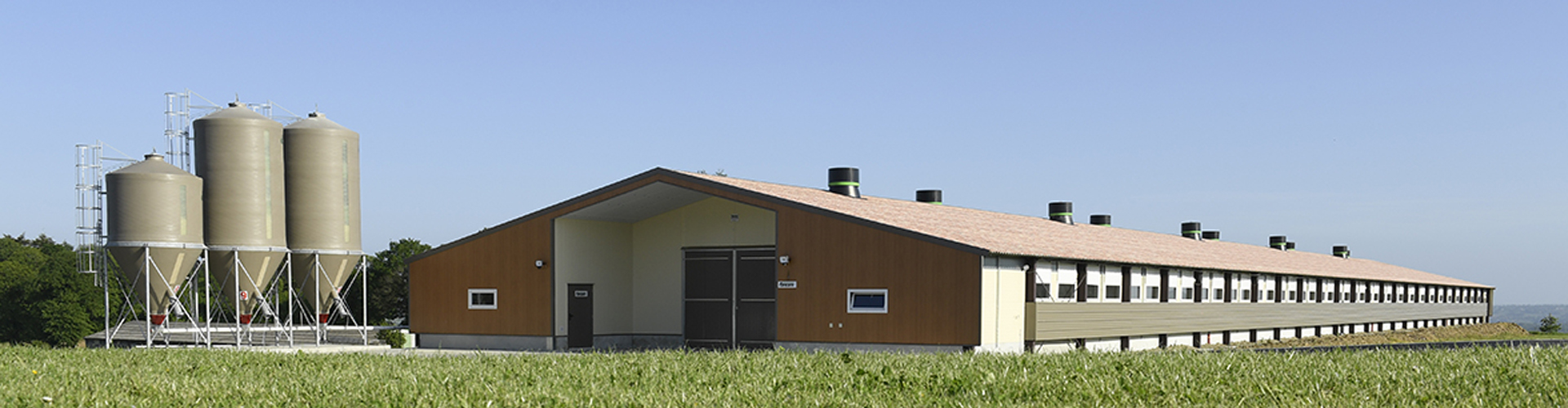
Free range layer farming equipment shapes project economics through feeding, watering, ventilation, egg handling, and automation across commercial farms.
Automatic chicken feeding systems control material flow, while carefully engineered layouts reduce manual handling and support consistent daily production.
Automatic egg collection systems connect nests, conveyors, and packing areas, converting repetitive movement into measurable throughput for growing flocks.
Poultry ventilation systems integrate airflow, cooling, sensors, and controllers, helping maintain operating conditions while managing energy and maintenance requirements.
- A coordinated poultry equipment package links capital planning with operating performance, creating scalable infrastructure for 5,000–100,000+ commercial layer farm projects.
Get professional poultry farm construction guidance, equipment selection solutions, and the latest price lists, whatsApp to +8618830120193, click to learn more:
Start With The Production Architecture
Free range layer farming cost should be calculated as an integrated engineering system rather than as a simple building-and-bird investment.
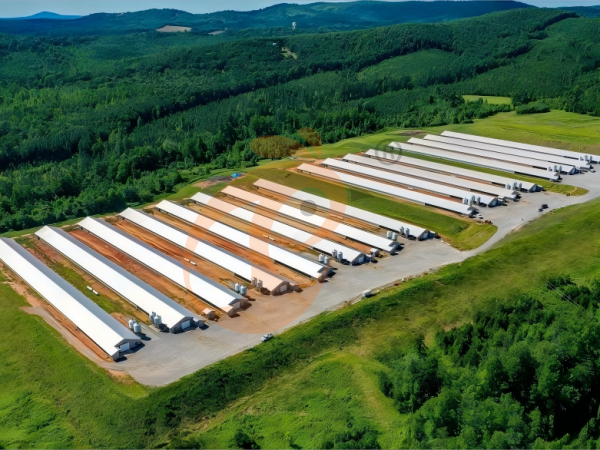
A commercial project normally combines the poultry house, outdoor range, automatic feeding, nipple drinking, nest management, egg collection, manure handling, ventilation, lighting, and control equipment.
The first design checkpoint is flock scale and house geometry.
For example, a 30,000-bird project with a 120 m × 18 m production building requires a completely different equipment configuration from a 5,000-bird farm.
Free range layer farming equipment should therefore be selected after the production layout is defined.
Housing & Automated Equipment Budget
Data is for reference only.Swipe horizontally to view full table.
An integrated free range layer farming equipment package allows the farm to treat feeding, watering, egg collection, and manure handling as one production workflow.
Commercial floor-rearing systems can combine automatic feeding, nipple drinking, roll-away nests, and centralized egg collection.
Budget Factor #1: Feeding System — Follow The Material Flow
Feed storage → conveying → distribution → bird access → refill
This sequence is the core of an automatic chicken feeding system design.
The engineering objective is to eliminate unnecessary manual transfer between storage and the flock.
A practical project can specify a 3.5-ton/hour conveying target for a large automated feed system, while the feed route should be designed with inspection points approximately every 30 m where house geometry requires long conveying distances.
The equipment quotation should include the silo interface, drive assembly, conveying mechanism, hopper, feeding line, control cabinet, and commissioning requirements—not merely the feeder itself.
Feeding & Watering Technical Parameters
Data is for reference only.Swipe horizontally to view full table.
These parameters demonstrate why an automatic chicken feeding system should be engineered as a matched system.
A conveyor, motor, hopper, and feeding line must be selected according to the same material-flow calculation.
Automatic drinking equipment can also incorporate filtration, pressure regulation, water metering, flushing, and medication dosing.
Budget Factor #2: Egg Collection — Convert Labor Into Throughput
Instead of estimating egg collection by worker-hours alone, calculate it as a material-handling process.
Nest → egg belt → longitudinal conveyor → transfer point → packing area
For example, an automatic egg collection system designed around 25,000 eggs/hour should be matched with downstream handling capacity so that the collection system does not become a bottleneck.
A second design parameter is the conveyor transition distance.
Keeping the transfer path within approximately 15 m in a compact collection zone can simplify inspection and reduce unnecessary conveying sections.
For equipment suppliers, the commercial value is not simply the egg belt.
The value is the complete collection architecture.
Egg Collection & Manure Removal Parameters
Data is for reference only.Swipe horizontally to view full table.
An automatic egg collection system uses belts and central conveyors to move eggs from production areas toward the collection point.
Manure systems can use PP belts or scraper arrangements according to house design and cleaning strategy.
Budget Factor #3: Climate Control — Design The Air Path
Climate equipment should be specified from the airflow model, not from the number of fans alone.
Fresh-air inlet → bird zone → exhaust path → cooling section → external discharge
For engineering calculations, the air path can be evaluated using an indicative velocity target of 3–5 m/s through the designed ventilation route.
The control strategy should also consider a humidity operating band of 50–70% when developing the environmental-control program.
This is where a poultry ventilation system becomes a complete engineering package.
Fans, inlets, cooling pads, sensors, controllers, and alarms need to operate as one coordinated system rather than as independent products.
Ventilation & Environmental Control Parameters
Data is for reference only.Swipe horizontally to view full table.
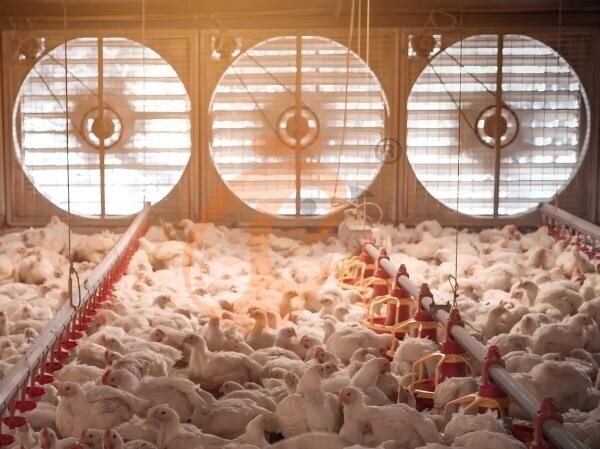
A modern poultry ventilation system can combine exhaust fans, cooling pads, sensors, and digital controllers.
System selection should be based on house dimensions, climate conditions, and the required air-exchange strategy.
Budget Factor #4: Outdoor Range & Farm Infrastructure
Free range production adds another engineering layer: the outdoor range must connect efficiently with the poultry house.
Use this planning logic:
House exits → access corridor → range zoning → fencing → shade → drainage → service route
The distance from the main service road to the house should be minimized where possible.
An illustrative planning target is under 50 m for routine feed and maintenance access.
Range gates can also be positioned to maintain a minimum 1.2 m personnel passage width for daily inspection.
These details may appear small in a quotation, but they influence equipment installation, maintenance logistics, and long-term labor movement.
Range Infrastructure Parameters
Data is for reference only.Swipe horizontally to view full table.
A free range layer farming equipment project should integrate range infrastructure with the equipment layout before construction begins.
Such planning reduces later modification work and provides better access for feed delivery, maintenance, sanitation, and flock management.
Budget Factor #5: Automation, Labor & Control
Automation should be evaluated through operating cycles rather than equipment count.
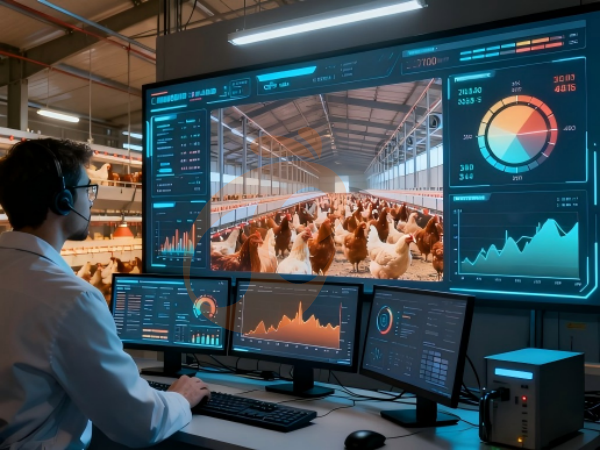
Automatic chicken feeding systems, drinking systems, egg collection, manure removal, lighting, and ventilation can be linked through centralized control architecture.
For equipment manufacturers, this creates a stronger commercial proposition: the supplier delivers one coordinated production system with compatible mechanical, electrical, and control interfaces.
Final Cost Model: Buy The System, Not Individual Machines
Data is for reference only.Swipe horizontally to view full table.
The final free range layer farming cost should be calculated from the complete equipment schedule, building layout, flock capacity, range infrastructure, electrical requirements, installation, commissioning, and maintenance plan.
The strongest purchasing strategy is therefore to request a farm-specific equipment layout and technical quotation rather than comparing individual machine prices.
A professional free range layer farming equipment supplier can calculate feeding capacity, water distribution, egg collection, manure handling, ventilation, and control requirements around actual house dimensions.
Frequently Asked Questions
Q1: What is the biggest equipment cost consideration in free range layer farming?
System integration should be evaluated together with purchase cost because disconnected equipment can create additional installation and maintenance work.
A properly designed automatic chicken feeding system can also connect feed storage, conveying, and distribution into one controlled process.
Q2: Why is automatic egg collection important for commercial farms?
Automatic egg collection reduces repeated manual movement and creates a continuous product-transfer route.
A collection design operating around 25,000 eggs/hour can provide a useful reference point for matching upstream and downstream handling.
Q3: How should ventilation equipment be selected for a free range layer project?
Poultry ventilation system selection should begin with house dimensions, climate conditions, airflow requirements, and control strategy.
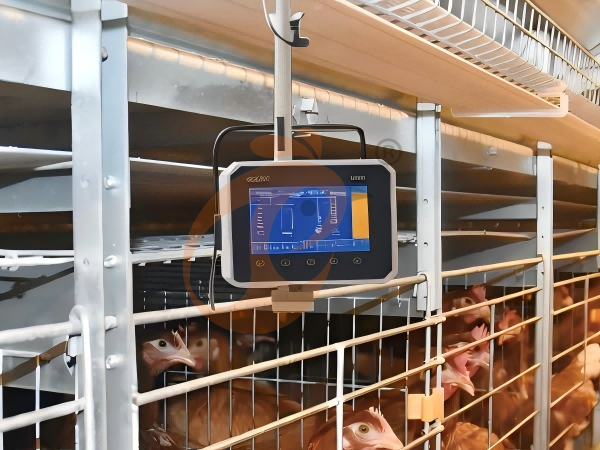
Controller-based operation can coordinate ventilation responses with sensor inputs instead of relying entirely on manual adjustment.
Taiyu (HK) Group - One Of China Toppest Free Range Layer Farming Equipment Manufacturer
Free range layer farming equipment integrates automatic feeding, nipple drinking, egg collection, ventilation, manure handling, and PLC control, supporting commercial projects from 5,000 to 100,000+ birds.
Global factory-direct supply covers complete poultry equipment, with engineering drawings, component configuration, production inspection, packing, and international shipment coordinated through one project interface.
Poultry equipment projects can be structured as Turn-key engineering, connecting house layout, equipment installation, electrical control, commissioning, operator guidance, and after-sales technical support.
Project scenarios cover new layer farms, free-range expansions, equipment replacement, and capacity upgrades, with system configuration adjusted according to house dimensions and production targets.
Technical commercial quotations can combine automatic chicken feeding systems, automatic egg collection systems, and poultry ventilation systems into one integrated procurement package.
Contact Us To Received Your Customized Poultry Farm Plan
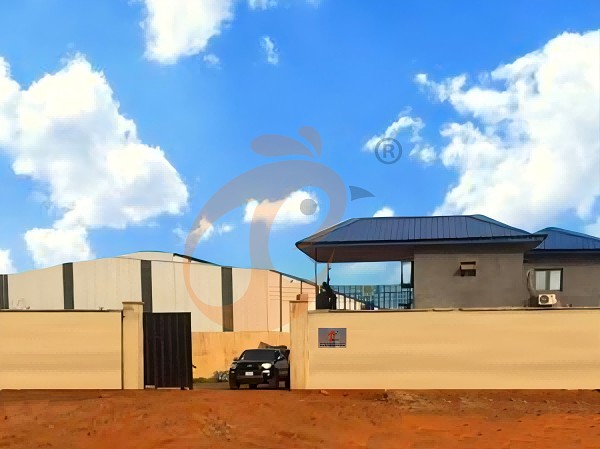
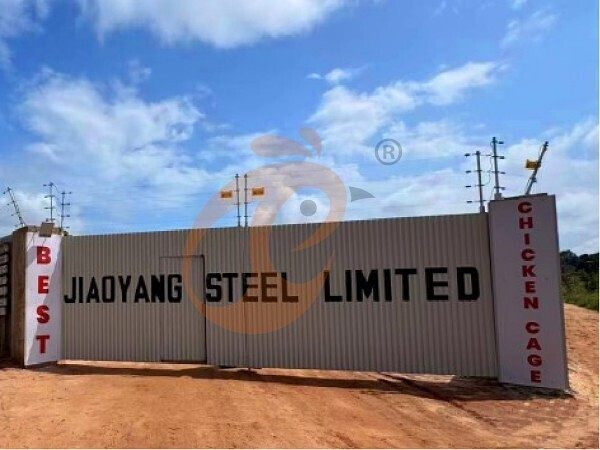
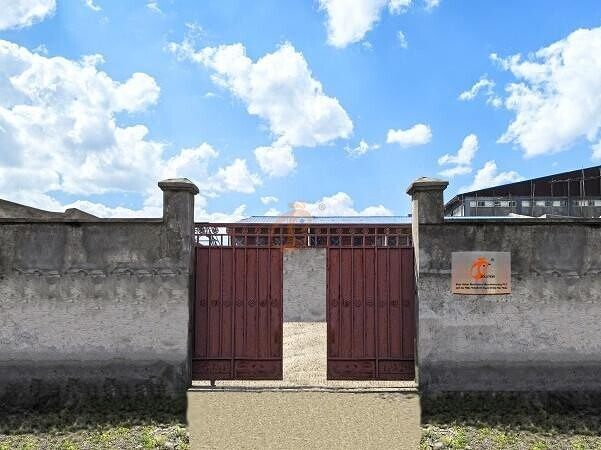
Headquarters And Branchs
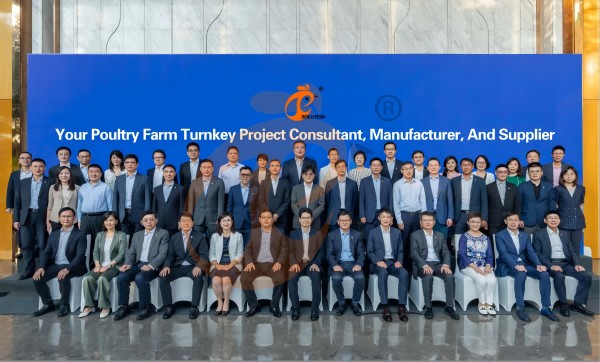
Hong Kong Headquarter Management Team
Hong Kong Headquarter Taiyu Industrial Group CO., LTD
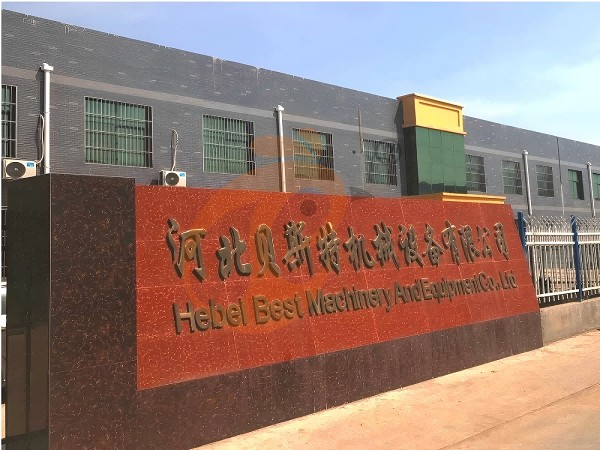
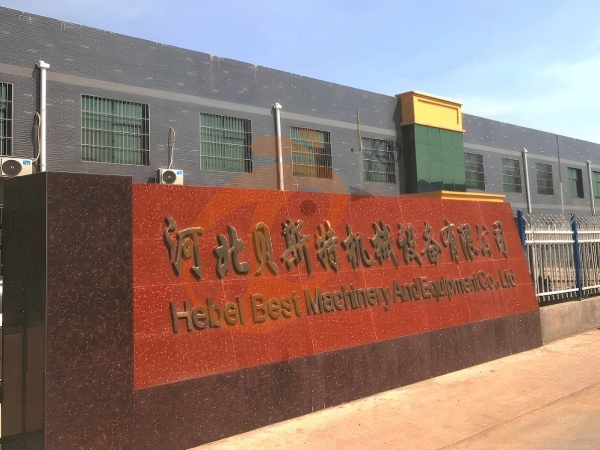
China Hebei Best Machinery And Equipment CO., LTD
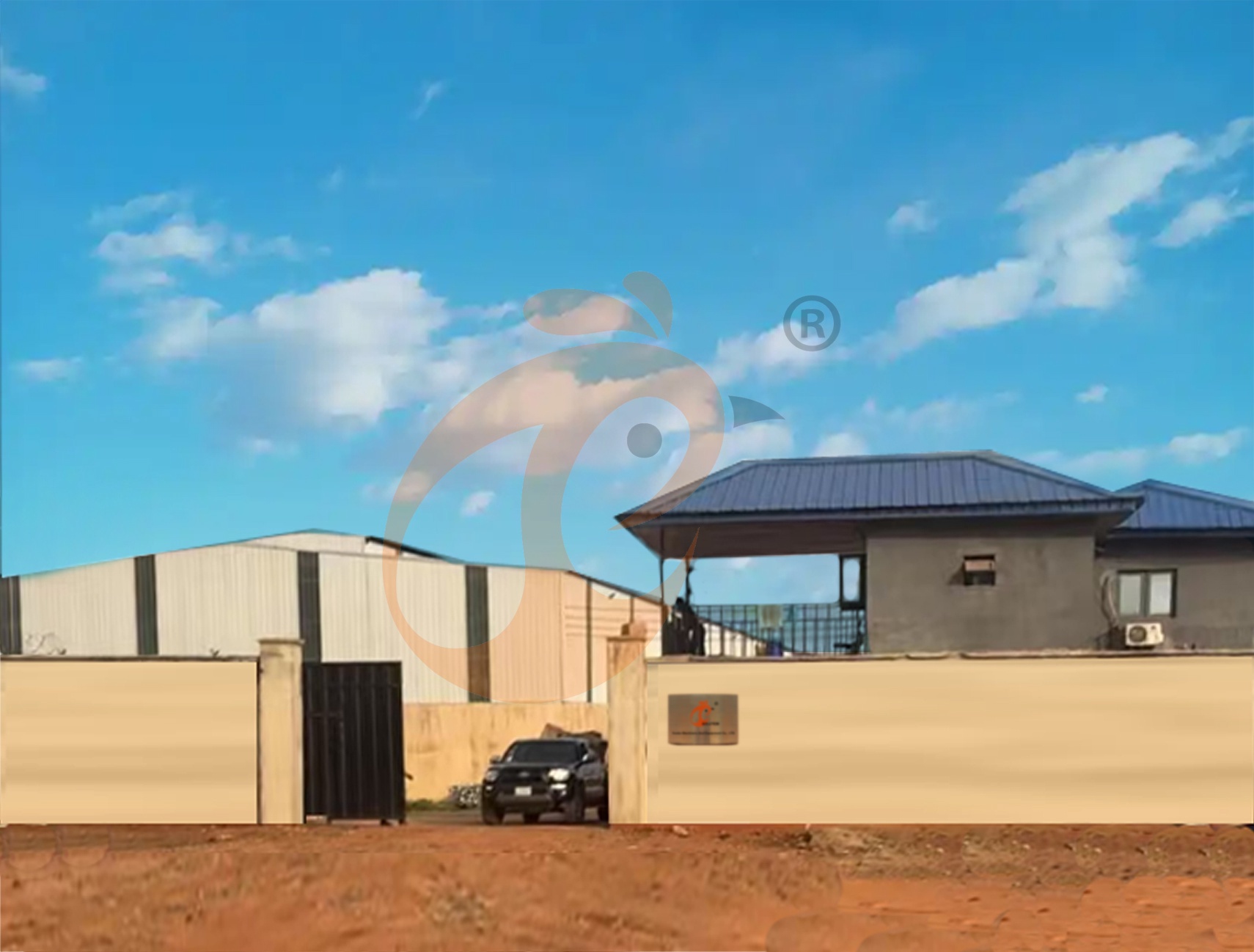
Nigeria Vanke Machinery And Equipment CO., LTD
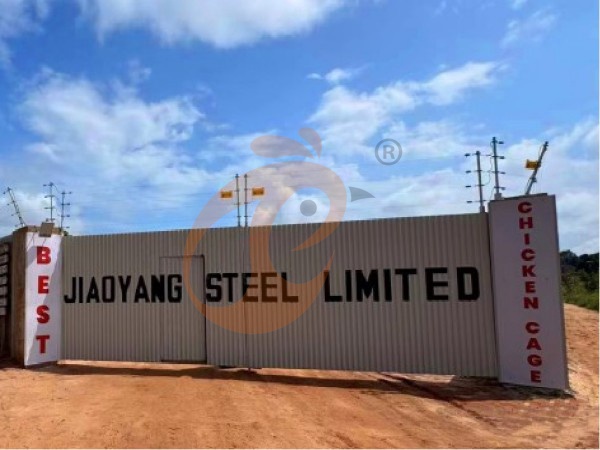
Tanzania Best Machinery And Equipment CO., LTD
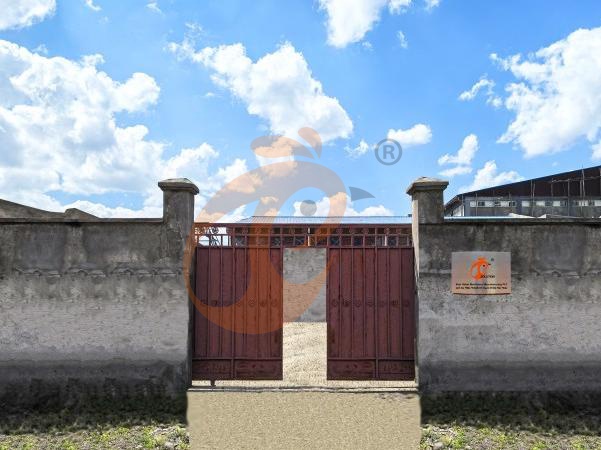
Ethiopia Best Hebei Machinery Manufacturing PLC
Reception /24 WhatsApp NO. : +8618830120193
FAQ
How Does Free Range System Affect Feed Consumption?
Energy expenditure increases daily intake variation by 15%–22% across seasons.
Feed conversion efficiency ranges from 1.9–2.3 depending on grazing intensity.
What Are The Housing Transition Management Standards In Free Range Poultry System?
Indoor-outdoor transition time is controlled within 10–15 minutes per flock movement cycle.
Lighting guidance systems operate at 5–8 lux to direct flock movement behavior.
What Are The Seasonal Adaptation Strategies In Free Range Poultry System?
Summer shade coverage is increased to 60%–80% of grazing area for heat stress reduction.
Rainfall drainage capacity handles 25–40 mm per hour precipitation levels for land usability.
- poultry farm
- poultry house
- cage
- poultry farm construction
- poultry equipment
- egg collection system
- automatic egg collection system
- chickencage
- bestchickencage
- Nigeria
- layer farm
- layer equipment
- layer farm project
- layer farming equipment
- poultry ventilation system
- automatic chicken feeding system
- chicken feeding system
- egg collection system design
- automatic egg collection
- poultry farm plan
- chicken feed
- Ethiopia
Message
Products recommended
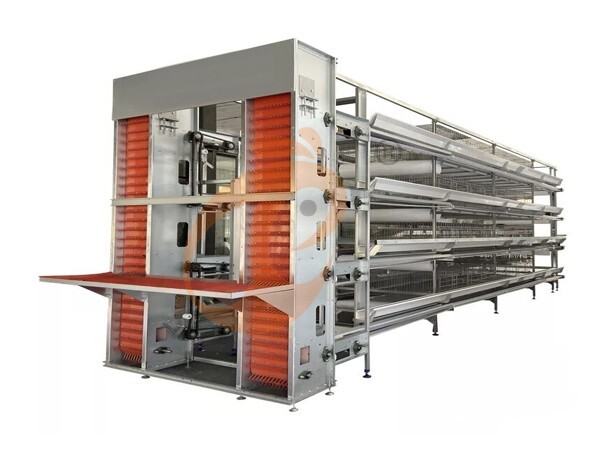
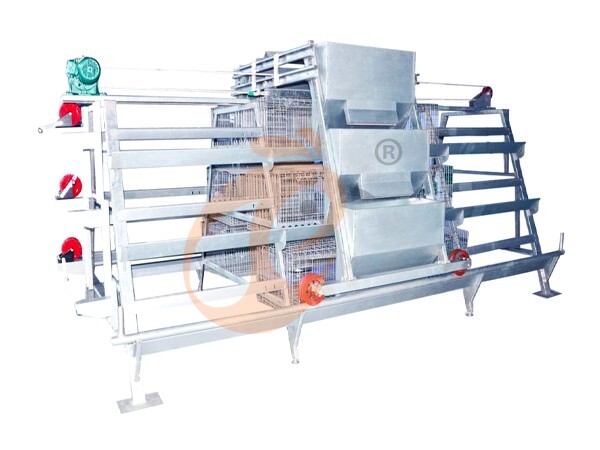
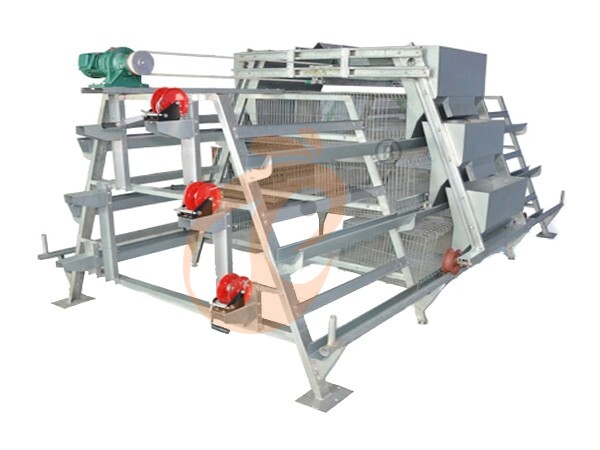
 >30,000 Pullets Automatic H Type Battery Cage1. More than 30,000 pullets a house, choose it.
2. It is designed to rearing older than 1 day old pullets to 12 to 16 weeks old chicken starting laying eggs.
3. Its lifespan is more than 25 years.
4. Its structure are Vcloud artificial intelligent fusion, electric control cabinet, automatic equipment of drinking, feeding, manure clean, manual harvesting.
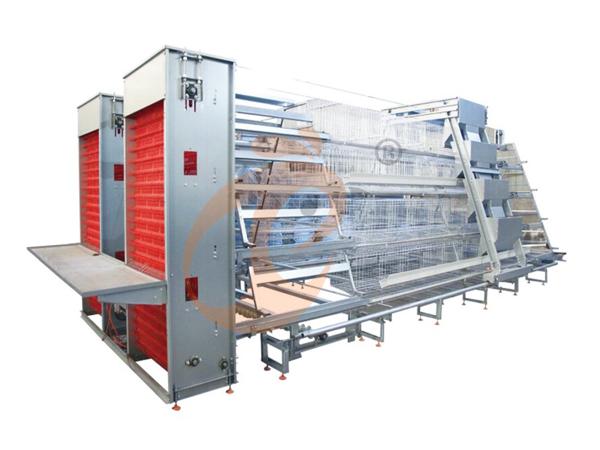
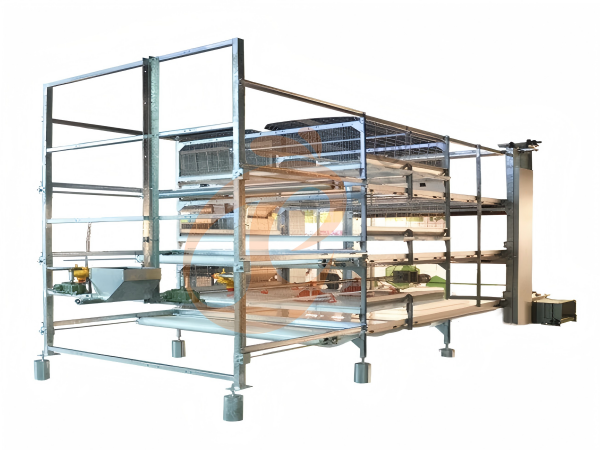
5. Our 24 hour online reception What’sApp NO. is +8618830120193 <30,000 Pullets Automatic A Type Battery Cage1. 10,000 to 30,000 pullets a house, choose it.
2. It is designed to rearing older than 1 day old pullets to 12 to 16 weeks old chicken starting laying eggs.
3. Its lifespan is more than 25 years.
4. Its structure are Vcloud artificial intelligent fusion, electric control cabinet, automatic equipment of drinking, feeding, manure clean, manual harvesting.
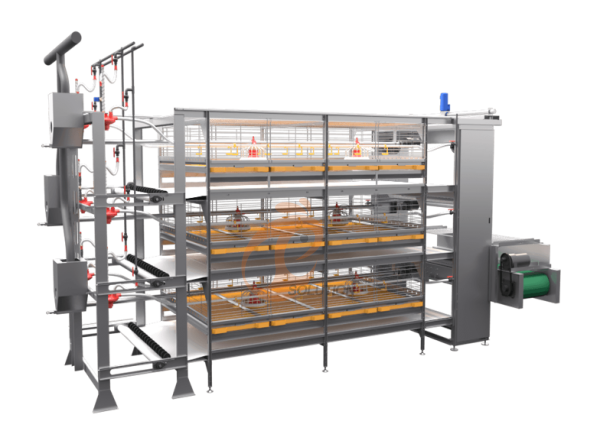
5. Our 24 hour online reception What’sApp NO. is +86 18830120193. >30,000 Broilers Semi-Automatic Harvest H Type Battery Cage1. More than 30,000 broilers a house, choose it.
2. It is designed to rearing 1 to 45 day old adult broiler ready for market.
3. Its lifespan is more than 20 years.
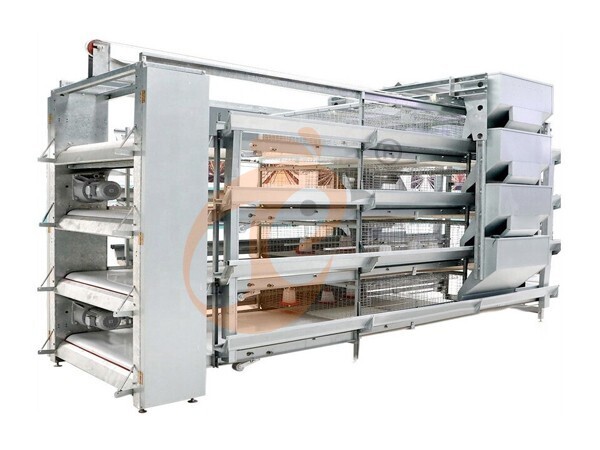
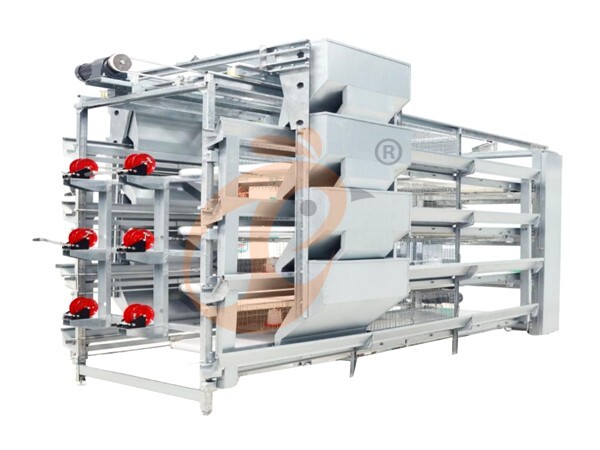
4. Our 24 hour online reception What’sApp NO. is +8618830120193, +234 8111199996. >30,000 Broilers Manual Harvest H Type Battery Cage1. More than 30,000 broilers a house, choose it.
2. It is designed to rearing 1 to 45 day old adult broiler ready for market.
3. Its lifespan is more than 20 years.
4. Its structure are Vcloud artificial intelligent fusion, electric control cabinet, automatic equipment of drinking, feeding and manure clean, manual harvesting.
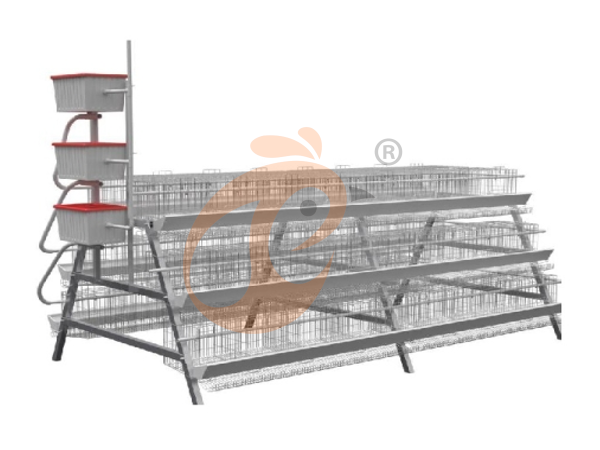
5. Our 24 hour online reception What’sApp NO. is +8618830120193, +234 8111199996. <30,000 Broilers Manual Harvest A Type Battery Cage1. Less 30,000 broilers a house, choose it.
2. It is designed to rearing 1 to 45 day old adult broiler ready for market.
3. Its lifespan is more than 20 years.
4. Its structure are Vcloud artificial intelligent fusion, electric control cabinet, automatic equipment of drinking, feeding and manure clean, manual harvesting.
5. Our 24 hour online reception What’sApp NO. is +8618830120193, +234 8111199996. HK Headquarter Offers EU-standard Poultry Farm Solutions, Manufacture Poultry Farm Equipment1. Continuous communication with the EU and the US
2. China, Nigeria, Ethiopia, Tanzania branch companies and factories
3. The products’ quality is customized for local poultry farms
4. Poultry cage and poultry farm equipment stock for sale
5. 24 online reception Whatsapp NO. : +8618830120193,contact us to get full information China Branch Offer Poultry Farm Business Plan, Manufacture Poultry Farm Equipment1. Address: Flat/RM 2416, 24/F, Runxing Building, Youyi Nan Street, Shijiazhuang City, Hebei Province, China
2. Poultry cage and poultry farm equipment factory and stock for sale
3. Customized for local poultry farms
4. Quality and design are based on Euro
5. 24 online reception Whatsapp NO. : +8618830120193 Nigeria Branch Offer Poultry Farm Business Plan, Manufacture Poultry Farm Equipment1. Address: After Sinoma Office, 200 Meters Near Danco Filling Station, Lagos/Ibadan Expressway, Lagos State, Nigeria
2. Poultry cage and poultry farm equipment factory and stock for sale
3. Customized for Nigerian poultry farms
4. Quality and design are based on Euro
5. 24 online reception Whatsapp NO. : +8618830120193 Ethiopia Branch Offer Poultry Farm Business Plan, Manufacture Poultry Farm Equipment1. Address: Gelan Gura, Akaki-kaliti Sub City, Addis Ababa, Ethiopia
2. Poultry cage and poultry farm equipment stock for sale
3. Customized for Ethiopian poultry farms
4. Quality and design are based on Euro
5. 24 online reception Whatsapp NO. : +8618830120193, contact us to get price list Tanzania Branch Offer Poultry Farm Business Plan, Manufacture Poultry Farm Equipment1. Address: No.8, Sova Road, Msufini, Mlandizi, Kibaha, Pwani, Tanzania
2. Poultry cage and poultry farm equipment factory and stock for sale
3. Customized for Tanzanian poultry farms
4. Quality and design are based on Euro
5. 24 online reception Whatsapp NO. : +8618830120193


Contact