


Blog
Deep litter system cost comparison reveals efficient housing choices with 10-12 birds/m² capacity.
Advanced cage system solutions reduce labor pressure through automated feeding and waste handling.
Commercial poultry farms evaluate investment, operation, and production stability before expansion.
Smart housing selection improves resource utilization with lower long-term management expenses.
Modern poultry projects balance equipment performance, land usage, and profitability factors.
Get professional poultry farm construction guidance, equipment selection solutions, and the latest price lists, whatsApp to +8618830120193, click to learn more:
Deep Litter System Cost Overview
Deep litter system cost analysis focuses on bedding investment, daily labor requirements, and long-term operational expenses.
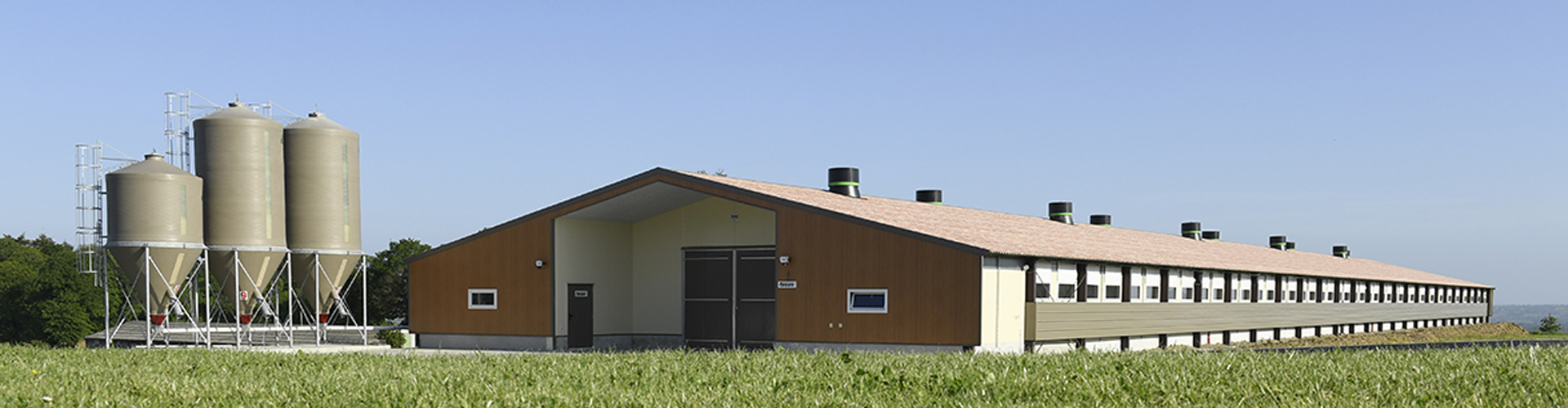
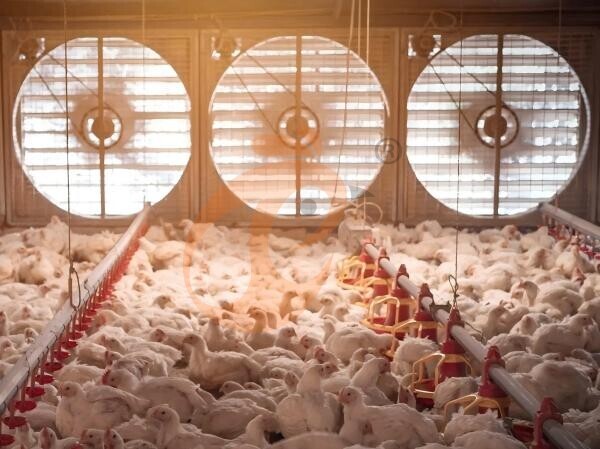
Deep litter poultry farming uses floor-based housing where chickens remain on litter materials such as rice husks, wood shavings, or straw.
The initial investment is usually lower because fewer mechanical structures are required compared with intensive housing solutions.
However, continuous expenses appear through bedding replacement, cleaning operations, labor requirements, and disease prevention management.
For small poultry farms, lower construction costs can provide flexible production entry options.
For large-scale commercial operations, operational efficiency becomes a key factor affecting total production cost.
Data is for reference only.Swipe horizontally to view full table.
Initial Investment Comparison Between Two Systems
The construction cost difference mainly depends on housing structure, automation level, and equipment configuration.
Deep litter production requires basic poultry housing, feeding equipment, drinking equipment, ventilation equipment, and bedding materials.
Cage production requires galvanized structures, automatic feeding systems, manure management equipment, and environmental control components.
Although the initial investment of a cage system is higher, improved space utilization creates stronger commercial production capability.
Professional farms often recover additional investment through reduced labor consumption and improved management accuracy.
Data is for reference only.Swipe horizontally to view full table.
Land Utilization And Capacity Differences
Land utilization directly influences poultry production profitability.
Deep litter systems require larger floor areas because birds move freely inside the house.
Recommended stocking density usually remains around 10-12 birds per square meter depending on ventilation conditions and management level.
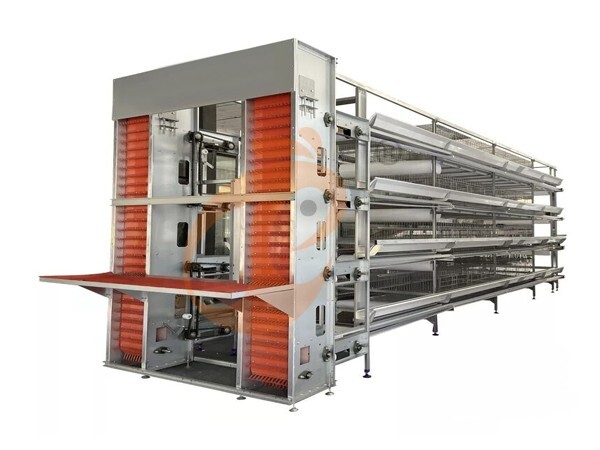
A modern H type chicken cage system provides higher vertical space utilization through multi-tier structural design.
The system supports commercial farms requiring increased bird capacity without expanding land resources.
Efficient cage layouts can improve building utilization by more than 40% compared with traditional floor housing.
Data is for reference only.Swipe horizontally to view full table.
Labor Cost Comparison
Labor expense creates a major difference between deep litter and automated cage production.
Deep litter farms require workers to inspect bedding conditions, remove wet materials, manage manure accumulation, and monitor feeding activities.
Large farms may face increasing labor demand when flock numbers continue growing.
Automatic poultry management equipment reduces repetitive manual operations.
Modern cage system projects commonly integrate feeding lines, drinking systems, manure removal equipment, and climate control solutions.
Data is for reference only.Swipe horizontally to view full table.
Feed Efficiency And Production Cost
Feed represents the largest operating expense in poultry production.
Housing design affects bird movement, energy consumption, and feed conversion performance.
Deep litter chickens generally consume additional energy because of higher activity levels.
Cage systems reduce unnecessary movement and provide more controlled feeding environments.
An efficient H type chicken cage system helps maintain stable feeding conditions and improves production consistency.
Professional farms can combine cage management with precise feeding equipment to optimize output.
Data is for reference only.Swipe horizontally to view full table.
Equipment Cost Analysis
Equipment selection determines the investment difference between two farming systems.
Deep litter farms normally use basic feeders, drinkers, ventilation fans, and lighting equipment.
Cage farms require integrated solutions including automatic feeding systems, manure equipment, and environmental control devices.
Modern poultry projects select reliable equipment based on production scale and operation targets.
Data is for reference only.Swipe horizontally to view full table.
Long-Term Operating Cost Comparison
Short-term investment and long-term operation create different cost results.
Deep litter systems provide lower startup expenses but require continuous bedding consumption and manual management.
Cage systems require higher installation budgets but deliver stronger automation advantages.
For commercial farms, equipment durability and production efficiency influence total ownership cost.
European union standard reference only.
Data is for reference only.Swipe horizontally to view full table.
Water And Environmental Management Cost
Water management affects production stability and daily operating efficiency.
Deep litter housing requires careful humidity control because excessive moisture increases bedding management difficulty.
Cage housing separates birds from waste areas and improves environmental control performance.
Automatic drinking equipment provides stable water supply with reduced inspection workload.
Data is for reference only.Swipe horizontally to view full table.
Which System Has Lower Total Cost?
The cheaper system depends on farm size, production targets, and management capability.
Small farms may prefer deep litters system solutions because of lower initial investment requirements.
Large commercial farms usually select cage system solutions because automation reduces operating expenses.
A complete poultry equipment strategy should evaluate investment recovery instead of only purchasing cost.
Data is for reference only.Swipe horizontally to view full table.
Frequently Asked Questions
Q1: Is deep litter system cheaper than cage system?
Deep litter systems usually require lower initial investment, with housing preparation costs around $8-18 per bird.
Cage systems require more equipment investment but reduce labor expenses through automation.
Q2: Which system provides better commercial production efficiency?
Cage systems provide higher space utilization and stronger management control.
Large farms using automated equipment can reduce daily labor requirements to 1-2 workers per 10000 birds.
Q3: How should farmers choose between two systems?
Farmers should consider land availability, flock size, labor cost, and production goals.
Small farms may select deep litter housing, while large projects often benefit from automated cage solutions.
Taiyu (HK) Group - One Of China Biggest Cage System Manufacturer
Cage system provides integrated poultry housing solutions with automated structures, feeding, and management functions.
Global factory direct supply delivers complete poultry equipment with professional production standards.
Turn-key engineering services support poultry projects from design planning to installation completion.
Advanced manufacturing processes ensure reliable poultry equipment performance for international farms.
Complete project solutions include equipment integration, technical support, and farm development planning.
Contact Us To Received Your Customized Poultry Farm Plan
Headquarters And Branchs

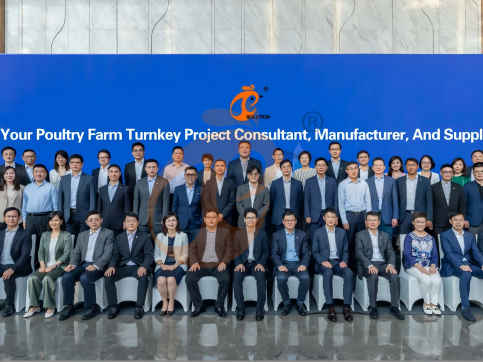
Hong Kong Headquarter Management Team
Hong Kong Headquarter Taiyu Industrial Group CO., LTD
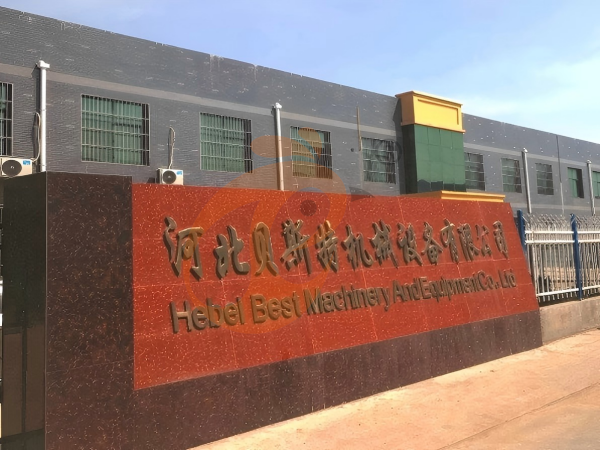
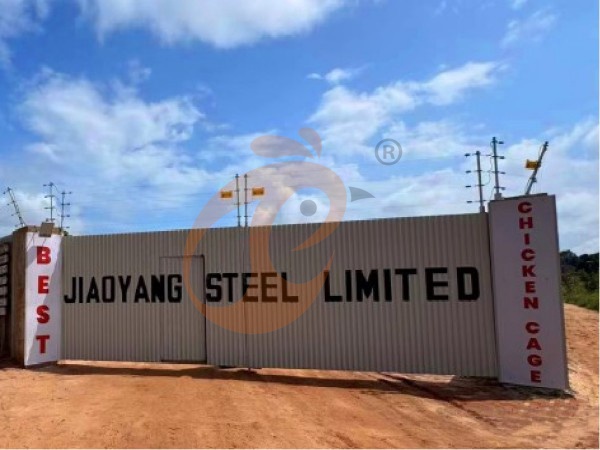
China Hebei Best Machinery And Equipment CO., LTD
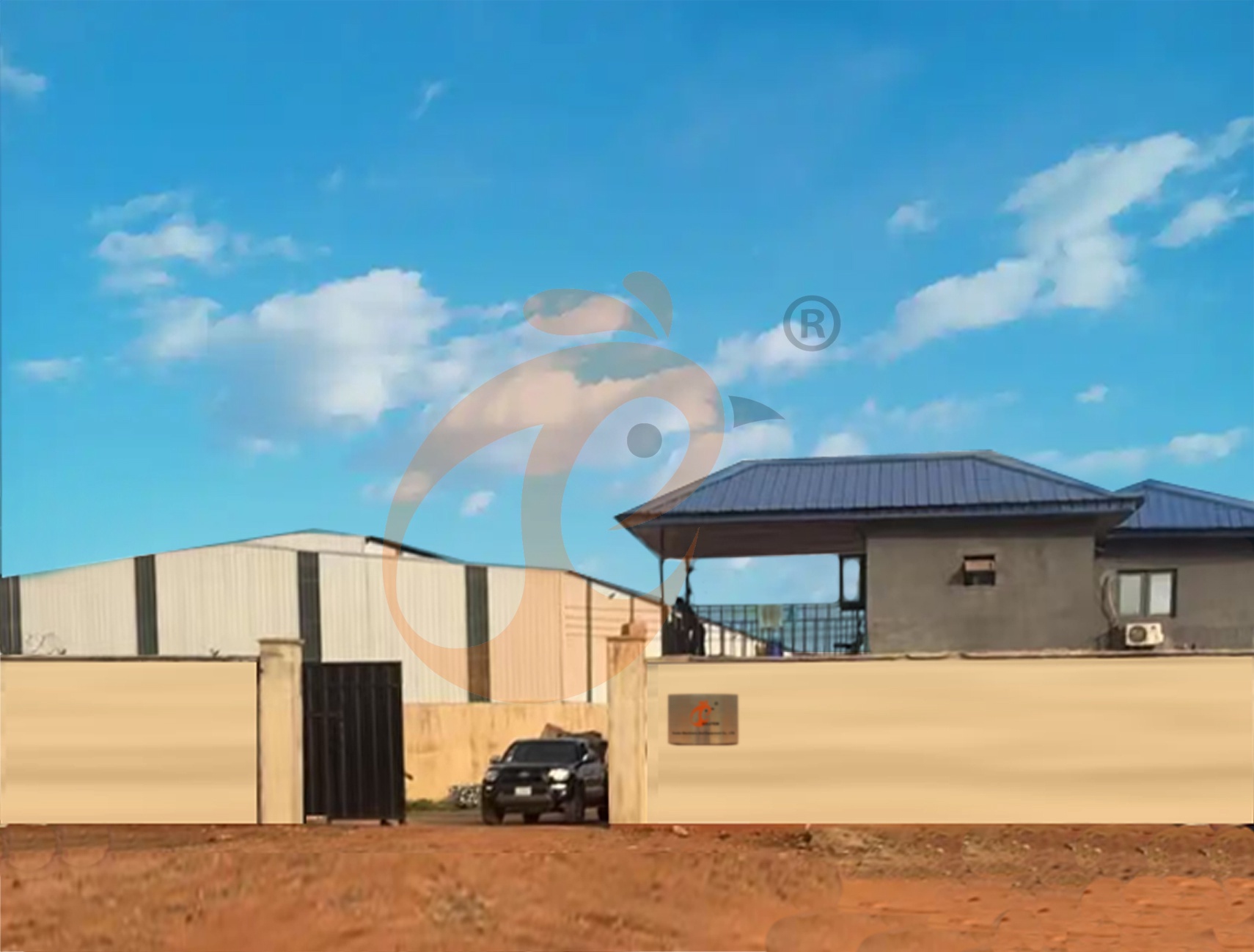
Nigeria Vanke Machinery And Equipment CO., LTD
Tanzania Best Machinery And Equipment CO., LTD
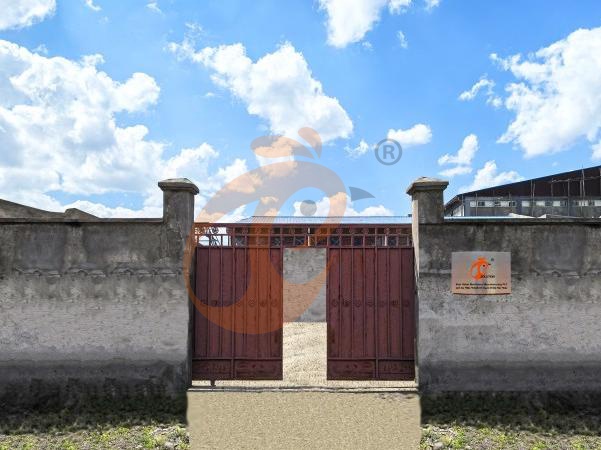
Ethiopia Best Hebei Machinery Manufacturing PLC




Reception /24 WhatsApp NO. : +8618830120193
FAQ
What Are The Growth Performance Benefits In Deep Litter Poultry System?
Feed conversion ratio improves to 1.55–1.78 due to thermal comfort and reduced stress.
Market uniformity rate exceeds 85%–92% within target slaughter weight range.
What Are The Litter Turning And Management Frequency Standards In Deep Litter Poultry System?
Surface leveling is maintained every 3–5 days to prevent compaction zones.
Full litter replacement cycle occurs every 2–3 production batches depending on load intensity.
What Are The Energy Efficiency And Cost Advantages In Deep Litter Poultry System?
Construction cost savings reach 25%–40% compared with fully caged housing systems.
Operational labor demand decreases by 30%–50% through simplified floor-based management.
- poultry farm
- chicken cage
- poultry farms
- broiler cage
- layer cage
- cage
- poultry farm construction
- chicken cage system
- automatic feeding system
- deep litter system
- poultry equipment
- manure removal equipment
- h type chicken cage
- chickencage
- bestchickencage
- cage system
- h type
- cage systems
- Nigeria
- deep litter poultry farming
- deep litter system cost
- commercial poultry farms
- small poultry farms
- poultry farming
- poultry farm plan
- small poultry farm
- Ethiopia
Message
Products recommended
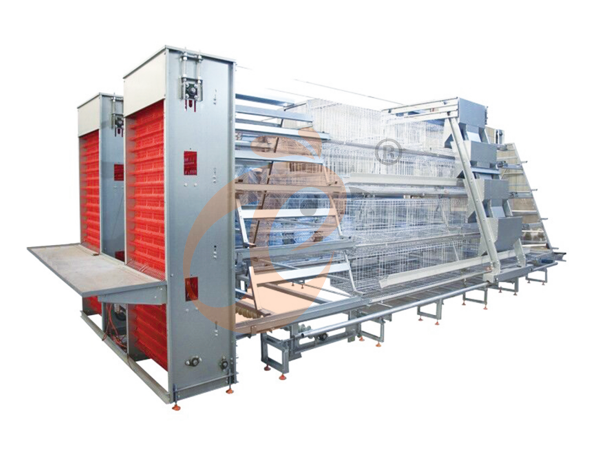
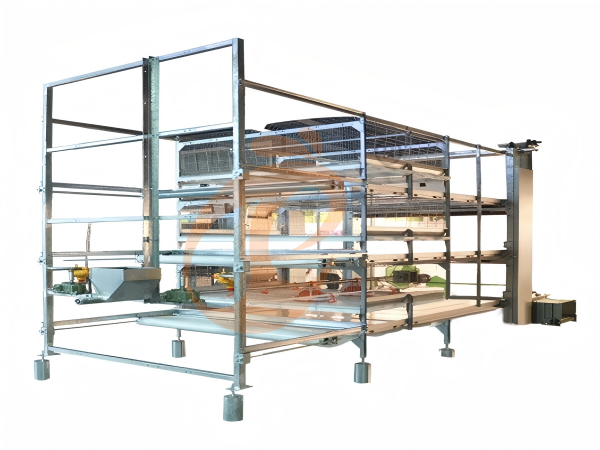
 >30,000 Pullets Automatic H Type Battery Cage1. More than 30,000 pullets a house, choose it.
2. It is designed to rearing older than 1 day old pullets to 12 to 16 weeks old chicken starting laying eggs.
3. Its lifespan is more than 25 years.
4. Its structure are Vcloud artificial intelligent fusion, electric control cabinet, automatic equipment of drinking, feeding, manure clean, manual harvesting.
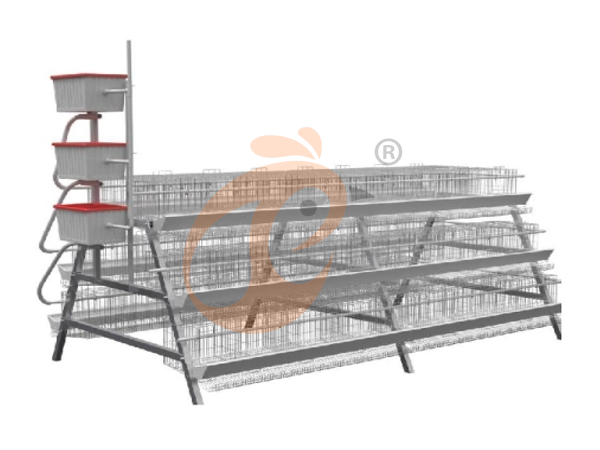
5. Our 24 hour online reception What’sApp NO. is +8618830120193 <30,000 Pullets Automatic A Type Battery Cage1. 10,000 to 30,000 pullets a house, choose it.
2. It is designed to rearing older than 1 day old pullets to 12 to 16 weeks old chicken starting laying eggs.
3. Its lifespan is more than 25 years.
4. Its structure are Vcloud artificial intelligent fusion, electric control cabinet, automatic equipment of drinking, feeding, manure clean, manual harvesting.
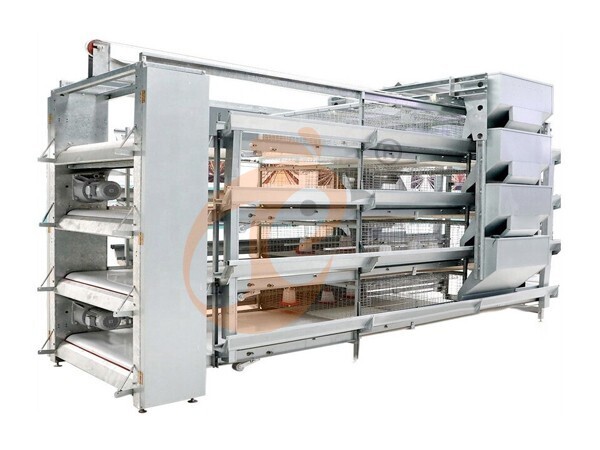
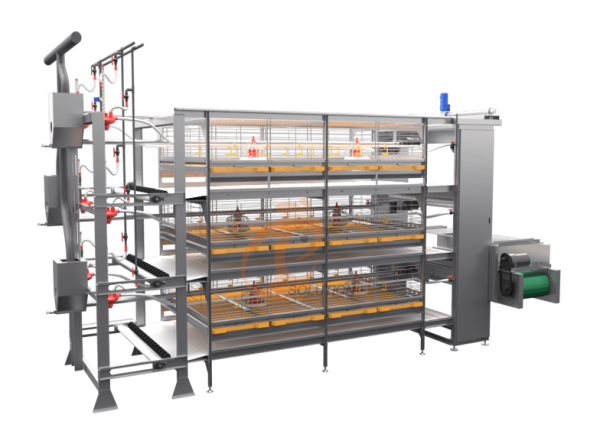
5. Our 24 hour online reception What’sApp NO. is +86 18830120193. >30,000 Broilers Semi-Automatic Harvest H Type Battery Cage1. More than 30,000 broilers a house, choose it.
2. It is designed to rearing 1 to 45 day old adult broiler ready for market.
3. Its lifespan is more than 20 years.
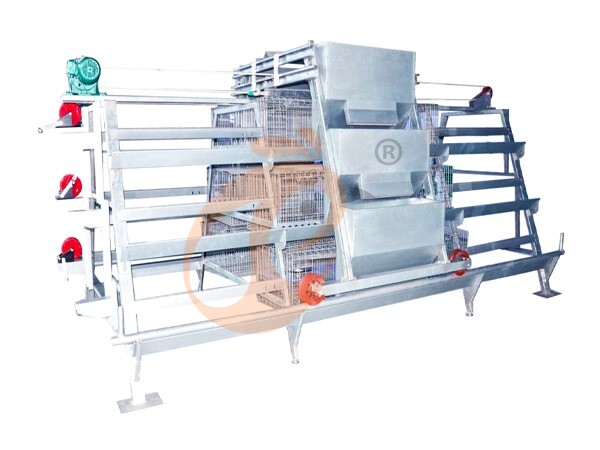
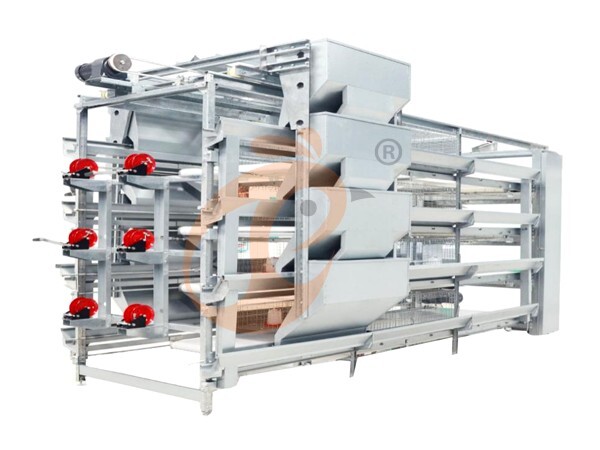
4. Our 24 hour online reception What’sApp NO. is +8618830120193, +234 8111199996. >30,000 Broilers Manual Harvest H Type Battery Cage1. More than 30,000 broilers a house, choose it.
2. It is designed to rearing 1 to 45 day old adult broiler ready for market.
3. Its lifespan is more than 20 years.
4. Its structure are Vcloud artificial intelligent fusion, electric control cabinet, automatic equipment of drinking, feeding and manure clean, manual harvesting.
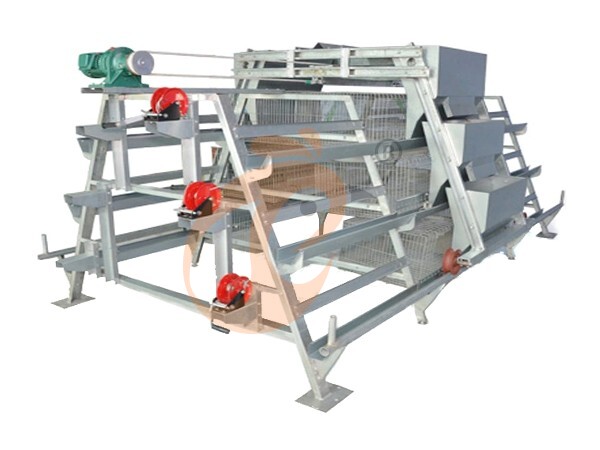
5. Our 24 hour online reception What’sApp NO. is +8618830120193, +234 8111199996. <30,000 Broilers Manual Harvest A Type Battery Cage1. Less 30,000 broilers a house, choose it.
2. It is designed to rearing 1 to 45 day old adult broiler ready for market.
3. Its lifespan is more than 20 years.
4. Its structure are Vcloud artificial intelligent fusion, electric control cabinet, automatic equipment of drinking, feeding and manure clean, manual harvesting.
5. Our 24 hour online reception What’sApp NO. is +8618830120193, +234 8111199996. HK Headquarter Offers EU-standard Poultry Farm Solutions, Manufacture Poultry Farm Equipment1. Continuous communication with the EU and the US
2. China, Nigeria, Ethiopia, Tanzania branch companies and factories
3. The products’ quality is customized for local poultry farms
4. Poultry cage and poultry farm equipment stock for sale
5. 24 online reception Whatsapp NO. : +8618830120193,contact us to get full information China Branch Offer Poultry Farm Business Plan, Manufacture Poultry Farm Equipment1. Address: Flat/RM 2416, 24/F, Runxing Building, Youyi Nan Street, Shijiazhuang City, Hebei Province, China
2. Poultry cage and poultry farm equipment factory and stock for sale
3. Customized for local poultry farms
4. Quality and design are based on Euro
5. 24 online reception Whatsapp NO. : +8618830120193 Nigeria Branch Offer Poultry Farm Business Plan, Manufacture Poultry Farm Equipment1. Address: After Sinoma Office, 200 Meters Near Danco Filling Station, Lagos/Ibadan Expressway, Lagos State, Nigeria
2. Poultry cage and poultry farm equipment factory and stock for sale
3. Customized for Nigerian poultry farms
4. Quality and design are based on Euro
5. 24 online reception Whatsapp NO. : +8618830120193 Ethiopia Branch Offer Poultry Farm Business Plan, Manufacture Poultry Farm Equipment1. Address: Gelan Gura, Akaki-kaliti Sub City, Addis Ababa, Ethiopia
2. Poultry cage and poultry farm equipment stock for sale
3. Customized for Ethiopian poultry farms
4. Quality and design are based on Euro
5. 24 online reception Whatsapp NO. : +8618830120193, contact us to get price list Tanzania Branch Offer Poultry Farm Business Plan, Manufacture Poultry Farm Equipment1. Address: No.8, Sova Road, Msufini, Mlandizi, Kibaha, Pwani, Tanzania
2. Poultry cage and poultry farm equipment factory and stock for sale
3. Customized for Tanzanian poultry farms
4. Quality and design are based on Euro
5. 24 online reception Whatsapp NO. : +8618830120193


Contact