


Blog
Choosing the right battery system in poultry can make daily operation, cleaning, feeding, and egg collection much easier for farm workers. The easiest system to maintain usually depends on cage layout, house size, and management goals. With proper poultry house design and efficient equipment planning, farmers can reduce labor, improve bird health, and achieve a more productive and easy-to-manage chicken farm.
Get professional poultry farm construction guidance, equipment selection solutions, and the latest price lists, whatsApp to +8618830120193, click to learn more:
First Items To Confirm Before Judging Ease Of Maintenance
- Confirm the bird type and age group: layers, chicks, or broilers require different equipment density and service access.
- Measure house length, width, wall height, and aisle space before choosing cage rows and tiers.
- Check whether management is manual, semi-automatic, or fully automatic, because maintenance routines differ greatly.
- Estimate daily labor availability per 1,000 to 10,000 birds and compare it with the service points of the system.
- Review manure discharge direction, feed storage location, water pressure stability, and power reliability.
Core Checklist: How To Judge The Easiest Battery System To Maintain
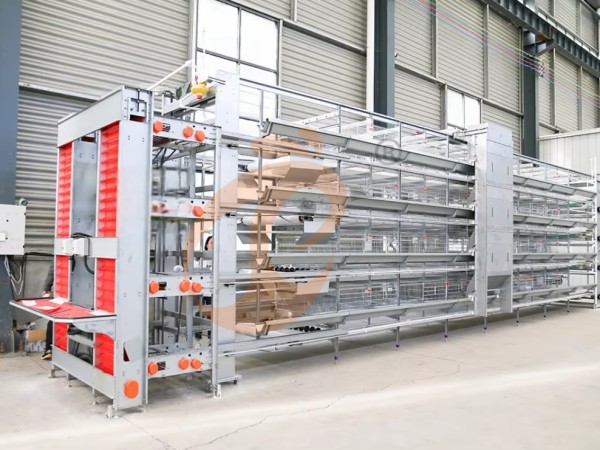
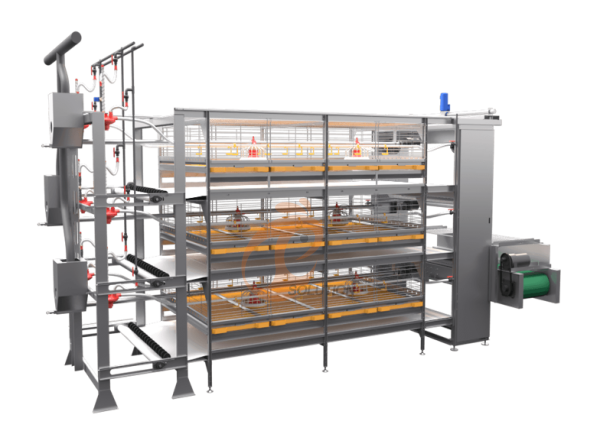
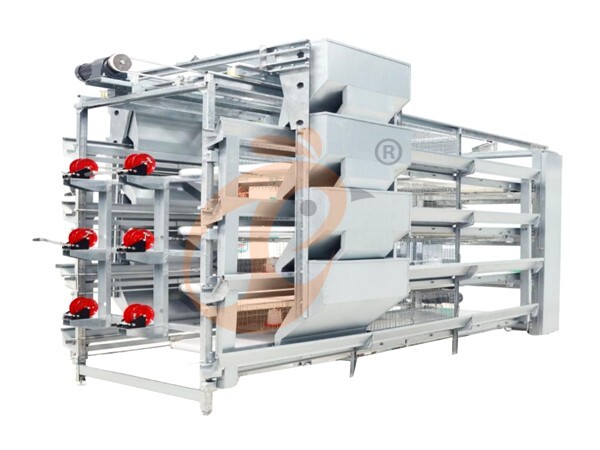
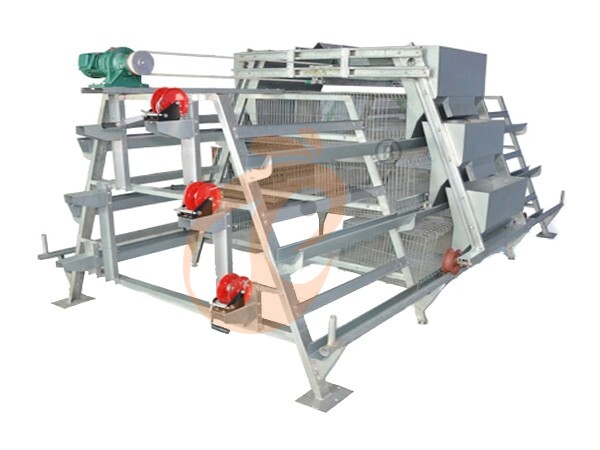
Operators can use the following maintenance checklist to compare A-frame, H-frame, and semi-automatic battery cage systems. The best system is usually the one that reduces daily touch points, shortens cleaning routes, and allows repairs without moving large sections of equipment.
Checklist For Day-To-Day Operator Convenience
If your farm team wants a practical answer, these are the daily checks that matter most. When at least 80% of these items are easy to perform, the battery system is usually manageable for long-term use.
Can one worker inspect one full row in less than 10 minutes without special tools?
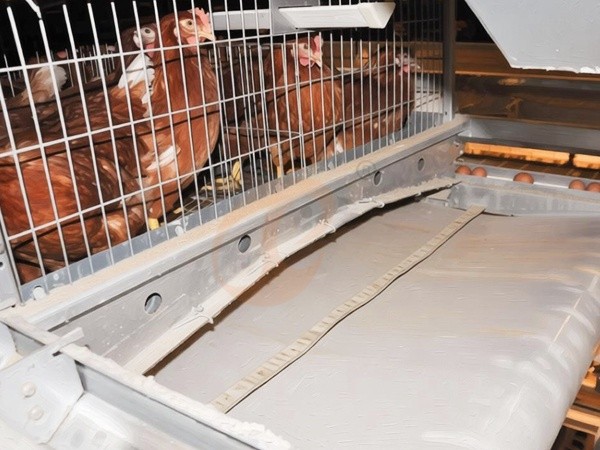
Can manure be removed on schedule without stopping feed or water supply?
Are drinker leaks visible immediately before litter, odor, or corrosion become serious?
Can damaged cage parts be replaced sectionally instead of dismantling a long line?
Is the service aisle wide enough for buckets, carts, or maintenance tools during peak work?
For most medium-size poultry houses, simple maintenance access often brings more value than extreme stocking density. That is why the easiest battery system in poultry is usually a balanced solution, not the densest one.
Which Battery System Is Usually Easiest To Maintain In Different Farm Scenarios
There is no single answer for every farm, because maintenance conditions change with climate, worker skill, land shape, and production target. A small house with manual support may prefer a simpler arrangement. A larger project with a dedicated egg room, feed room, and manure processing area can support more automation and a different maintenance routine.
Scenario comparison table
Use this guide to narrow down which battery system in poultry is easiest to maintain for your operating conditions.
Maintenance Risks Operators Often Overlook
Many farms compare poultry battery systems by price per bird space, but maintenance problems usually come from overlooked details. These issues may not appear on installation day, yet they become serious after 3 to 6 months of real production. When planning for easy maintenance, the hidden trouble points deserve as much attention as the cage frame itself.
One common issue is poor relationship between the cage rows and the building walls. If the side clearance is too narrow, workers cannot clean effectively or inspect end-line components. Another problem is installing a system without considering manure export flow to compost, drying, or organic fertilizer areas. The result is traffic conflict, odor concentration, and wasted labor.
Ventilation is also a maintenance issue, not only an environmental issue. If air movement is weak, wet manure, corrosion, and ammonia rise faster. That increases cleaning frequency and shortens equipment life. Good maintenance planning therefore includes fans, inlets, and worker comfort routes, not just cages.
High-Risk Oversight Checklist
- Aisles below practical service width, making feed inspection and dead bird removal slower than expected.
- No planned separation between egg movement, manure movement, and staff walking routes.
- Water lines installed without easy flushing points, causing more contamination and maintenance time.
- Tier height chosen for capacity only, leaving upper levels difficult to inspect safely.
- No spare access around motors, belts, or control points, increasing downtime during repairs.
- Weak environmental monitoring in young bird areas, leading to uneven growth and later management difficulty.
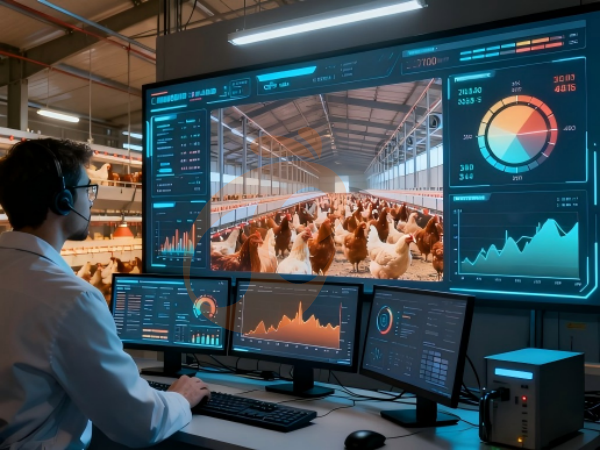
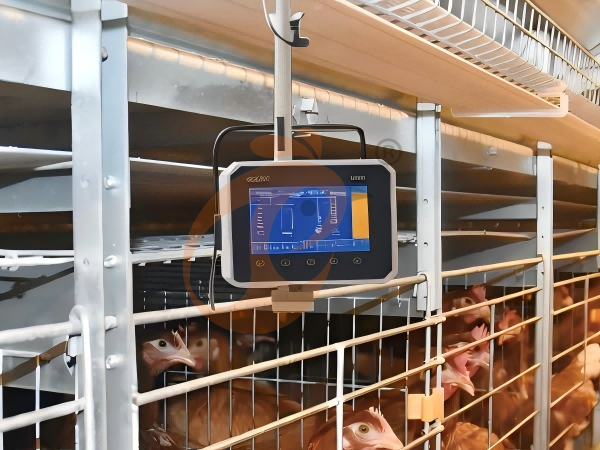
In chick areas, farms that want tighter environmental control may also benefit from systems with sensor-based support. In some layouts, IoT data upload every 10 minutes, temperature sensor accuracy of ±0.8°C, humidity accuracy of ±2%, and alarm thresholds of temperature ±2°C or humidity ±5% can help identify abnormal conditions earlier. This reduces flock stress and lowers the need for reactive labor.
Practical Steps To Choose And Maintain The Right System
If your goal is to choose the easiest battery system to maintain, the most effective process is to start from farm workflow rather than equipment catalog pages. Map the land shape, define house usage, mark feed room and egg room positions, then estimate worker movement from entry to exit. This approach often reveals whether a narrow high-density layout or a cleaner service-oriented layout will perform better.
Step-by-step selection guide
Measure the land and house accurately, including door positions, ventilation side, drainage direction, and service areas.
Define the production target by bird category, batch size, and expected labor per shift.
Compare 2 to 3 cage layouts based on aisle service, manure flow, and egg collection route instead of bird count alone.
Check spare parts access and routine maintenance frequency for feeders, drinkers, belts, and ventilation units.
Plan daily, weekly, and monthly maintenance tasks before finalizing the equipment selection.
Simple maintenance planning table
The following table can help operators organize work after installation and compare whether the system truly remains easy to maintain in practice.
Contact Us To Received Your Customized Poultry Farm Plan
Headquarters And Branchs
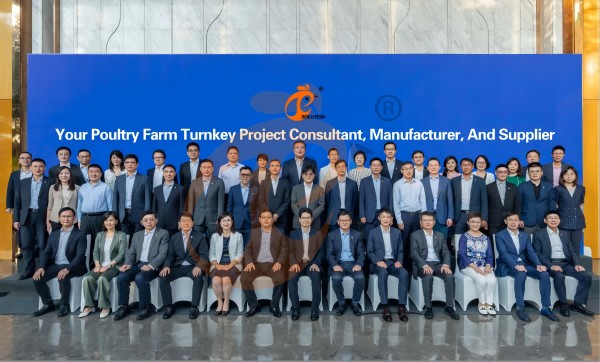
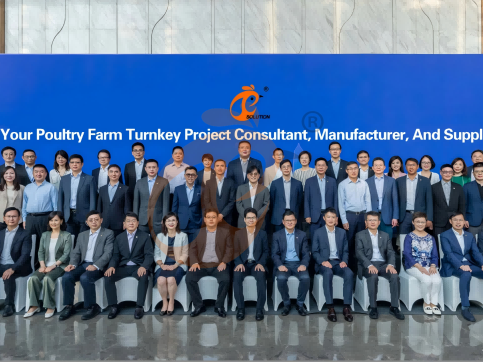
Hong Kong Headquarter Management Team
Hong Kong Headquarter Taiyu Industrial Group CO., LTD
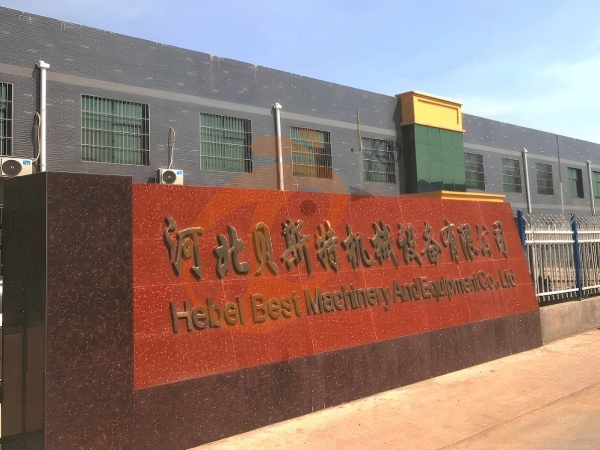
China Hebei Best Machinery And Equipment CO., LTD
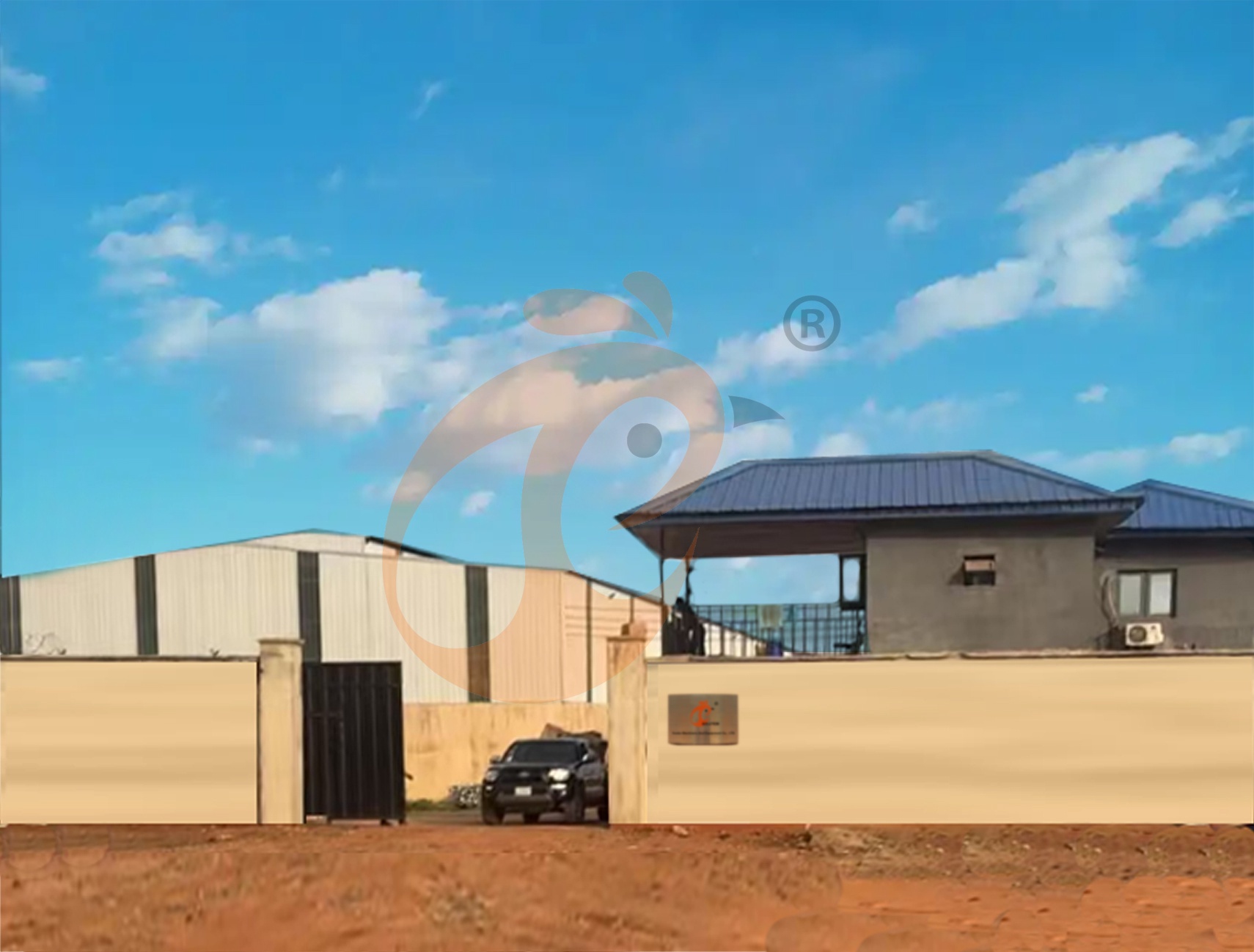
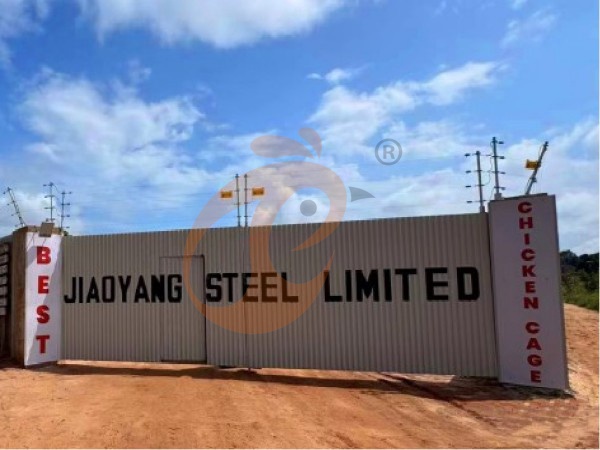
Nigeria Vanke Machinery And Equipment CO., LTD
Tanzania Best Machinery And Equipment CO., LTD
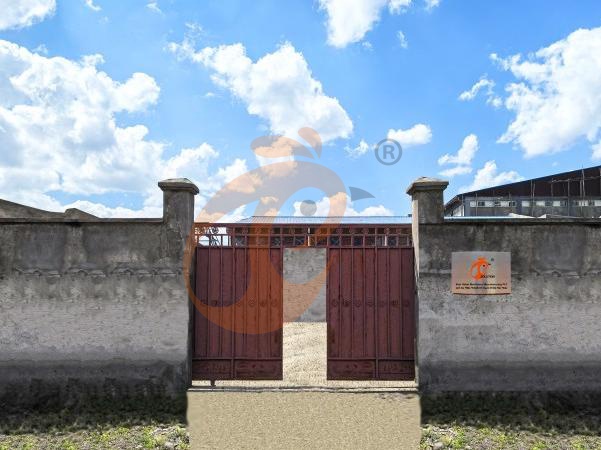
Ethiopia Best Hebei Machinery Manufacturing PLC
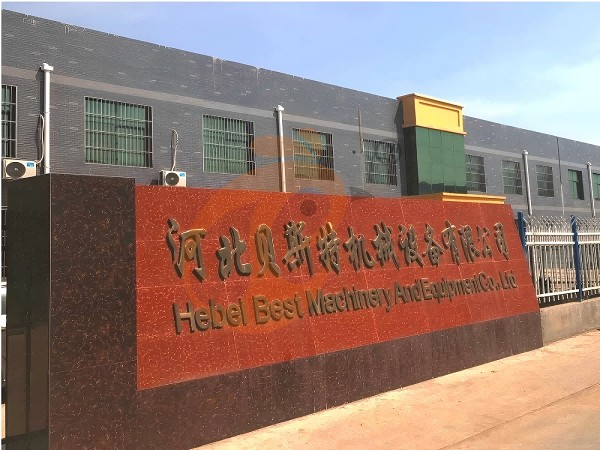
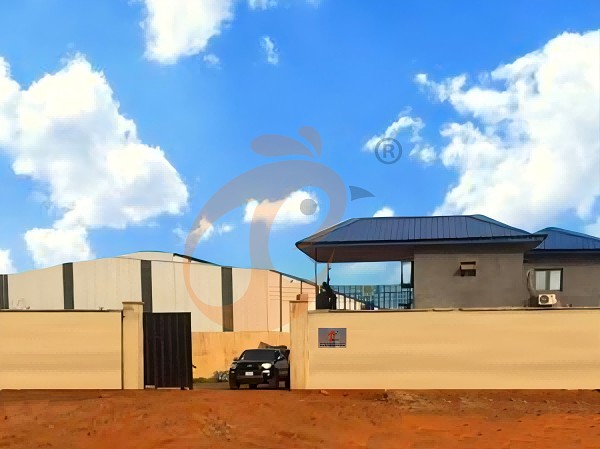
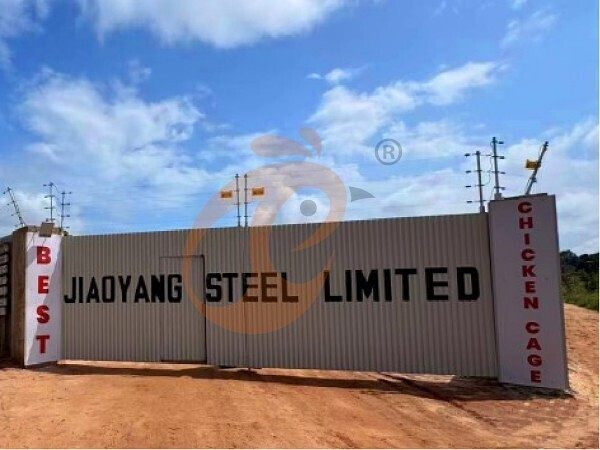
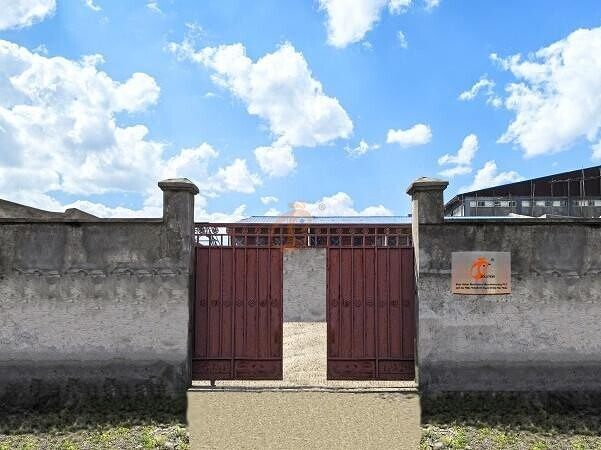
Reception /24 WhatsApp NO. : +8618830120193
FAQ
What Types Of Poultry Farm Equipment Are Essential In Poultry Chicken Production Systems?
Drinking systems provide 200–300 ml water per bird per day maintaining hydration balance, stabilizing metabolism, and improving nutrient absorption efficiency in controlled poultry farming conditions.
Ventilation equipment supports airflow rates of 5–7 m³ per kg live weight per hour ensuring heat removal, gas exchange stability, and maintaining optimal air quality for high-density poultry production systems.
How Does Poultry Farm Equipment Improve Production Efficiency In Poultry Chicken Farming?
Environmental control systems improve feed conversion ratio by 3%–6% through stable temperature and humidity management, supporting consistent broiler growth performance across full production cycles.
Integrated equipment reduces mortality rate by 2%–4% by maintaining controlled living conditions, improving disease prevention, and ensuring stable physiological performance in commercial poultry operations.
What Capacity Standards Are Required For Poultry Farm Equipment In Poultry Chicken Houses?
Water supply systems maintain flow rates of 1.0–1.5 liters per minute per line section ensuring stable pressure and continuous hydration for dense poultry populations.
Ventilation fans provide 25000–40000 m³ per hour airflow per unit ensuring effective heat dissipation and maintaining uniform environmental conditions throughout the poultry house.
- battery cage
- battery cage system
- poultry farm
- chicken farm
- poultry house
- cage
- poultry farm construction
- automatic battery cage
- automatic battery cage system
- battery cage layout
- poultry house design
- chickencage
- bestchickencage
- cage system
- poultry battery
- cage systems
- Nigeria
- modern recycle farm
- poultry farm plan
- Ethiopia
Message
Products recommended
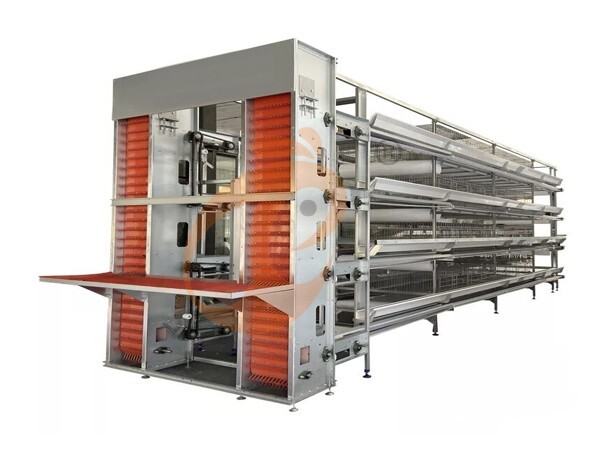
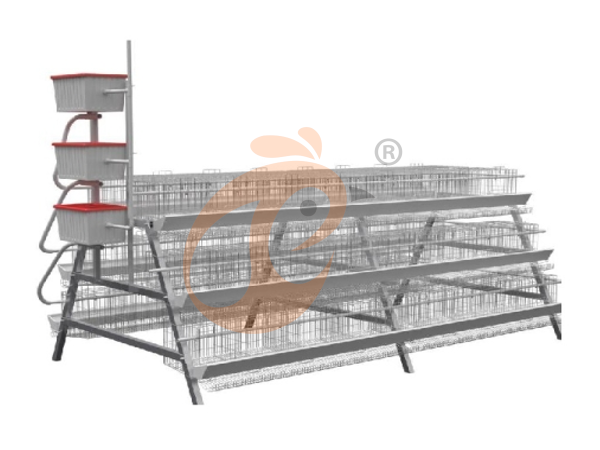
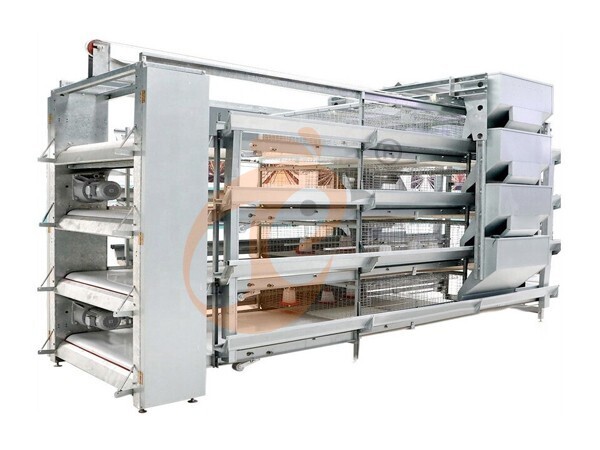
 >30,000 Pullets Automatic H Type Battery Cage1. More than 30,000 pullets a house, choose it.
2. It is designed to rearing older than 1 day old pullets to 12 to 16 weeks old chicken starting laying eggs.
3. Its lifespan is more than 25 years.
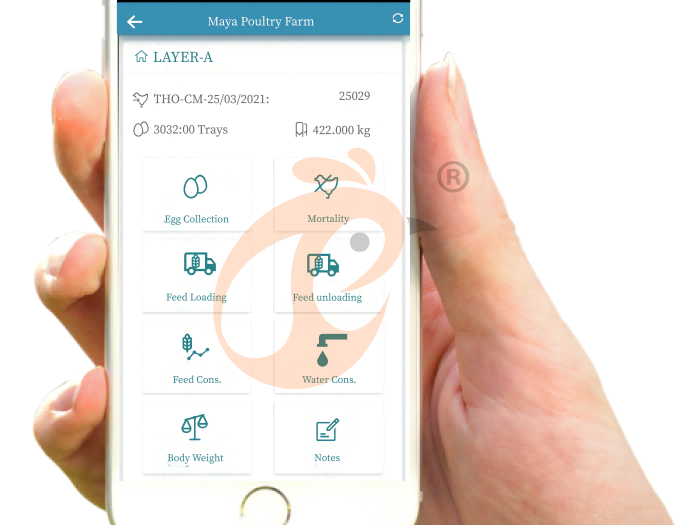
4. Its structure are Vcloud artificial intelligent fusion, electric control cabinet, automatic equipment of drinking, feeding, manure clean, manual harvesting.
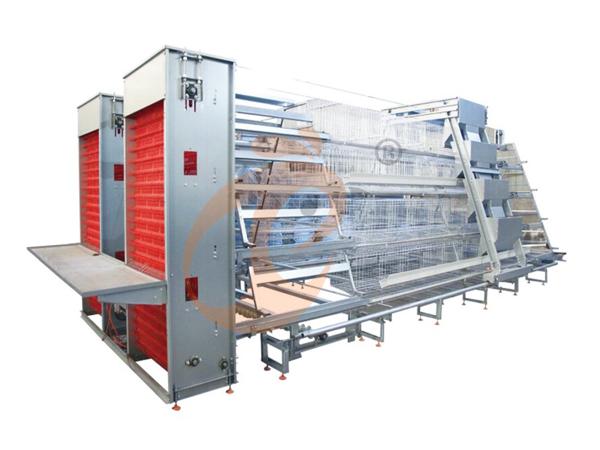
5. Our 24 hour online reception What’sApp NO. is +8618830120193 <30,000 Pullets Automatic A Type Battery Cage1. 10,000 to 30,000 pullets a house, choose it.
2. It is designed to rearing older than 1 day old pullets to 12 to 16 weeks old chicken starting laying eggs.
3. Its lifespan is more than 25 years.
4. Its structure are Vcloud artificial intelligent fusion, electric control cabinet, automatic equipment of drinking, feeding, manure clean, manual harvesting.
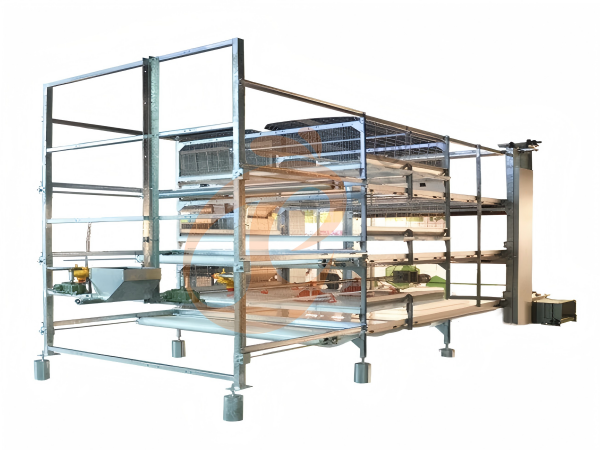
5. Our 24 hour online reception What’sApp NO. is +86 18830120193. >30,000 Broilers Semi-Automatic Harvest H Type Battery Cage1. More than 30,000 broilers a house, choose it.
2. It is designed to rearing 1 to 45 day old adult broiler ready for market.
3. Its lifespan is more than 20 years.
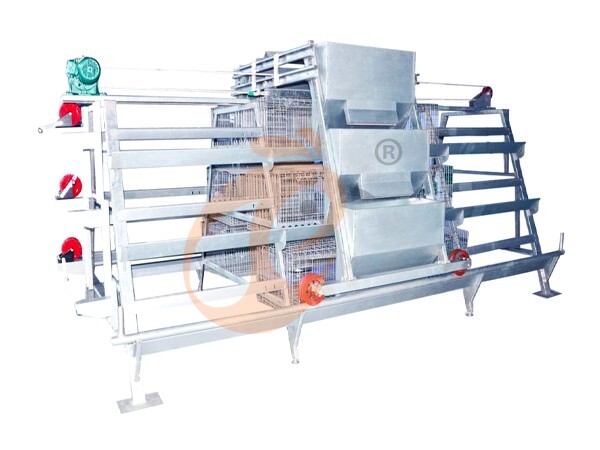
4. Our 24 hour online reception What’sApp NO. is +8618830120193, +234 8111199996. >30,000 Broilers Manual Harvest H Type Battery Cage1. More than 30,000 broilers a house, choose it.
2. It is designed to rearing 1 to 45 day old adult broiler ready for market.
3. Its lifespan is more than 20 years.
4. Its structure are Vcloud artificial intelligent fusion, electric control cabinet, automatic equipment of drinking, feeding and manure clean, manual harvesting.
5. Our 24 hour online reception What’sApp NO. is +8618830120193, +234 8111199996. <30,000 Broilers Manual Harvest A Type Battery Cage1. Less 30,000 broilers a house, choose it.
2. It is designed to rearing 1 to 45 day old adult broiler ready for market.
3. Its lifespan is more than 20 years.
4. Its structure are Vcloud artificial intelligent fusion, electric control cabinet, automatic equipment of drinking, feeding and manure clean, manual harvesting.
5. Our 24 hour online reception What’sApp NO. is +8618830120193, +234 8111199996. HK Headquarter Offers EU-standard Poultry Farm Solutions, Manufacture Poultry Farm Equipment1. Continuous communication with the EU and the US
2. China, Nigeria, Ethiopia, Tanzania branch companies and factories
3. The products’ quality is customized for local poultry farms
4. Poultry cage and poultry farm equipment stock for sale
5. 24 online reception Whatsapp NO. : +8618830120193,contact us to get full information China Branch Offer Poultry Farm Business Plan, Manufacture Poultry Farm Equipment1. Address: Flat/RM 2416, 24/F, Runxing Building, Youyi Nan Street, Shijiazhuang City, Hebei Province, China
2. Poultry cage and poultry farm equipment factory and stock for sale
3. Customized for local poultry farms
4. Quality and design are based on Euro
5. 24 online reception Whatsapp NO. : +8618830120193 Nigeria Branch Offer Poultry Farm Business Plan, Manufacture Poultry Farm Equipment1. Address: After Sinoma Office, 200 Meters Near Danco Filling Station, Lagos/Ibadan Expressway, Lagos State, Nigeria
2. Poultry cage and poultry farm equipment factory and stock for sale
3. Customized for Nigerian poultry farms
4. Quality and design are based on Euro
5. 24 online reception Whatsapp NO. : +8618830120193 Ethiopia Branch Offer Poultry Farm Business Plan, Manufacture Poultry Farm Equipment1. Address: Gelan Gura, Akaki-kaliti Sub City, Addis Ababa, Ethiopia
2. Poultry cage and poultry farm equipment stock for sale
3. Customized for Ethiopian poultry farms
4. Quality and design are based on Euro
5. 24 online reception Whatsapp NO. : +8618830120193, contact us to get price list Tanzania Branch Offer Poultry Farm Business Plan, Manufacture Poultry Farm Equipment1. Address: No.8, Sova Road, Msufini, Mlandizi, Kibaha, Pwani, Tanzania
2. Poultry cage and poultry farm equipment factory and stock for sale
3. Customized for Tanzanian poultry farms
4. Quality and design are based on Euro
5. 24 online reception Whatsapp NO. : +8618830120193


Contact