


Blog
Ethiopian poultry cage system export price is influenced by several cost factors.
Local production challenges include steel procurement, labor, and module assembly efficiency.
Transportation and logistics impact chicken cage export Ethiopia competitiveness in global markets.
Compliance with international poultry cage standards ensures market access and buyer trust.
Exchange rate and warranty terms affect Ethiopian exporters’ financial stability and export reliability.
Get professional poultry farm construction guidance, equipment selection solutions, and the latest price lists, whatsApp to +8618830120193, click to learn more:

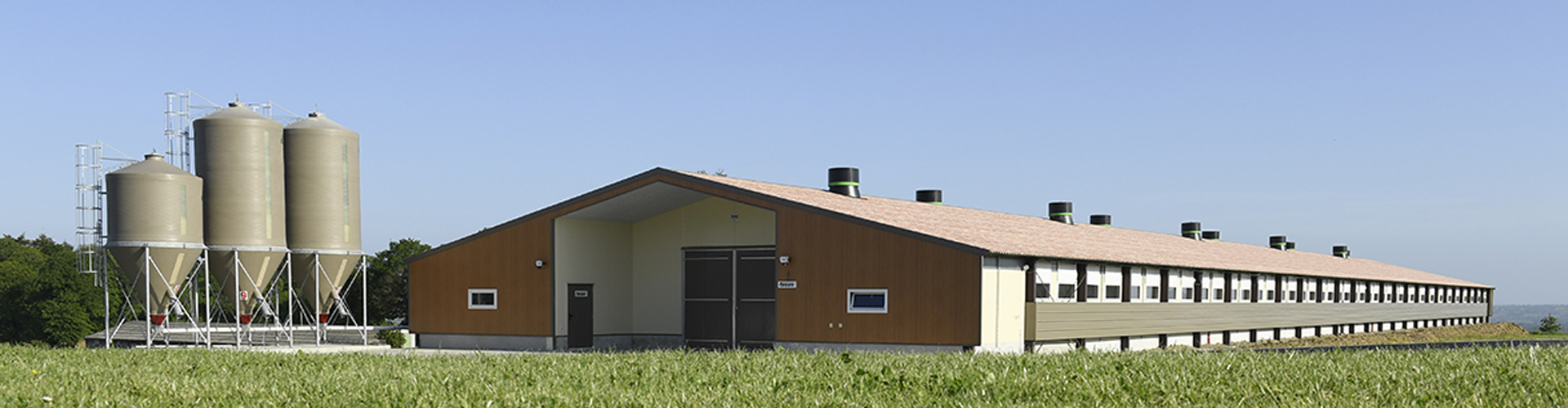
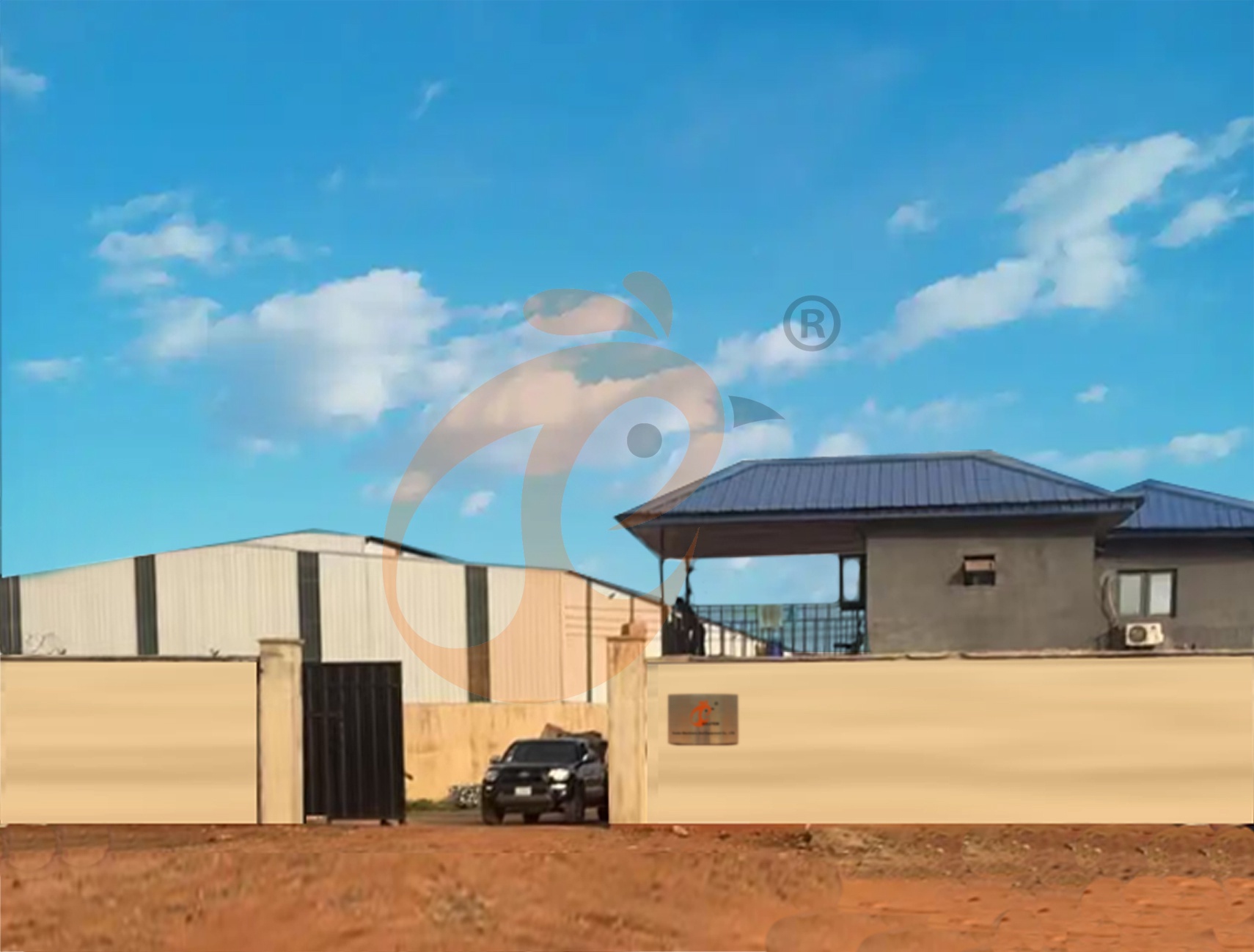
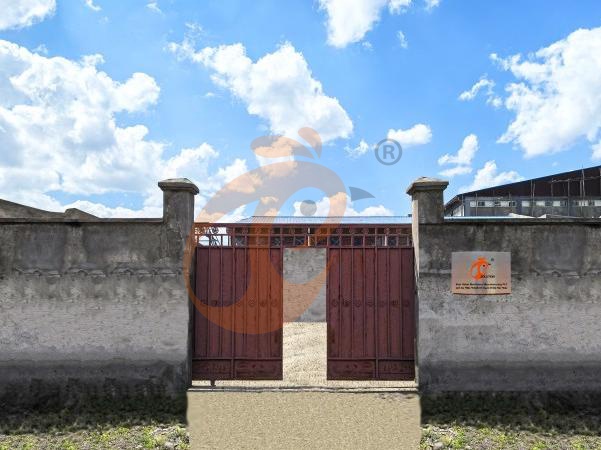
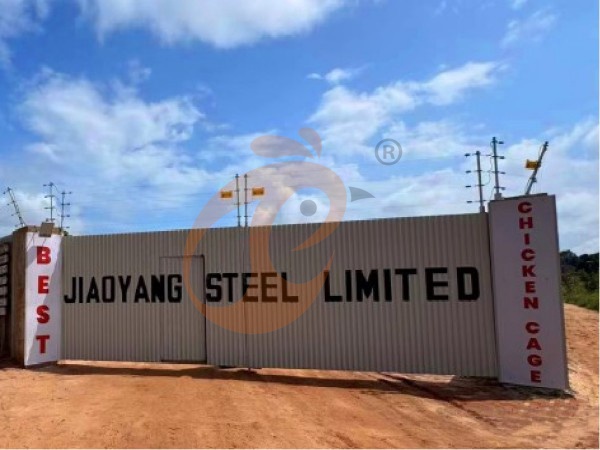
Ethiopia Branch Office And Factory Of Poultry Farm Equipment
Production Cost Of Poultry Cage Systems In Ethiopia
Ethiopia's poultry equipment industry is still in formative stages compared to Asian and European suppliers.
Local manufacturers source raw materials primarily from imports, especially steel and fasteners.
These materials influence the base production cost before export pricing is applied.
Data is for reference only.Swipe horizontally to view full table.
Ethiopian producers experience bottlenecks such as steel procurement delays and inconsistent mesh quality.
Local policy interventions such as tariff adjustment on imported steel and development of local steel mesh manufacturing can directly reduce production costs and improve export price competitiveness.
Currency Exchange And International Price Quotation
Export price from Ethiopia must be quoted in globally accepted currency, usually USD or EUR.
Ethiopia's exchange rate variability affects how competitive an export price appears in target markets like the Middle East or East Africa.
Data is for reference only.Swipe horizontally to view full table.
When exporting, Ethiopian manufacturers often invoice in USD.
However, export contracts also use dynamic pricing clauses tied to Ethiopian Birr currency strength.
If Ethiopian Birr strengthens unexpectedly, Ethiopian exporters may lose pricing competitiveness internationally.
The recommended solution is currency hedging agreements with buyers and coordinated support from Ethiopian commercial banks to offer forward contracts.
This reduces risk for both the exporter and the importer.
Transportation And Logistics Cost To Export Markets
Transport cost represents a key international cost factor, especially for heavy chicken cage systems that require bulk shipping.
Ethiopian exporters largely depend on the Port of Djibouti for maritime freight.
Data is for reference only.Swipe horizontally to view full table.
Given these values, transport cost can constitute up to 15–25% of total export pricing.
Ethiopian exporters often negotiate consolidated shipments or shared containers to reduce per-unit cost.
However, shipping delays, congestion at Djibouti port, and inland trucking costs in Ethiopia remain structural constraints.
Addressing them through logistics corridor optimization agreements with neighboring states could reduce transport costs significantly.
Trade Compliance And Export Documentation Costs
Exporting chicken cage systems requires accurate compliance with both Ethiopian export regulations and import regulations of buyer countries.
Non-conformity results in delayed clearance, fines, or rejection, all affecting effective export price.
Data is for reference only.Swipe horizontally to view full table.
In Ethiopia, exporters often lack dedicated export processing units.
They rely on third-party freight forwarders for document preparation.
This can create inconsistency and cost overruns.
A feasible solution is establishing Export Facilitation Centers (EFCs) in industrial zones where poultry equipment manufacturers are clustered.
These centers can standardize documentation, offer compliance guidance, and reduce turnaround time.
International Buyer Requirements And Warranty Terms
International buyers increasingly demand warranty terms, product performance guarantees, and after-sales service agreements.
These contractual obligations influence price formulation.
Ethiopian producers need to factor in
Warranty coverage duration
On-site installation support (if required)
Replacement part logistics
Spare parts inventory retention
Data is for reference only.Swipe horizontally to view full table.
Export pricing must be designed to cover baseline warranty and support, or offer them as optional upgraded services.
Clear communication with buyers reduces post-shipment disputes that can erode profit margins.
International Standards And Certification Cost
Meeting international product quality standards increases the export price but improves access to regulated markets like the European union and GCC countries.
Ethiopian manufacturers often require third-party testing.
Data is for reference only.Swipe horizontally to view full table.
Achieving these certifications positions Ethiopian cage suppliers as reliable partners.
However, local test labs are limited.
Forming public-private partnerships to develop certified testing labs in Addis Ababa or Mekelle would reduce foreign testing costs and foster pricing stability.
Market Positioning And Price Negotiation Strategy
Export price must also be influenced by competitive positioning in target export markets.
Ethiopia's advantage in labor cost and low overhead can be leaned into, but perception of quality is equally important.
Key elements in price negotiation include:
Volume discounts
Payment terms (Letters of Credit, advance payment)
Freight coverage terms (FOB, CIF, DAP)
Packaging standards
Data is for reference only.Swipe horizontally to view full table.
This price structure demonstrates how component costs accumulate into an export invoice.
Exporters should be transparent with clients about cost drivers.
For instance: material costs in Ethiopia, freight route constraints, warranty coverage.
This transparency builds trust and facilitates smoother negotiation.
Ethiopian Local Challenges And Strategic Solutions
Below are local pain points and linked solutions based on the five cost factors:
Raw Material Dependency on Imports
Issue: Fluctuating material cost and supply chain delays.
Solution: Strengthen local metal fabrication industry and reduce reliance on imported steel.
Currency Risk
Issue: Ethiopian Birr volatility affects pricing predictability.
Solution: Promote currency hedging contracts and improved banking support for exporters.
Infrastructure Limitations
Issue: Inland transport and port delays.
Solution: Public-private cost-sharing for logistics corridor improvement.
Certification Access
Issue: Limited local quality test facilities.
Solution: Develop accredited labs with government and industry funding.
After-Sales Service Capability
Issue: Weak service network outside Ethiopia.
Solution: Partner with regional agents in East Africa and Middle East markets.
Frequently Asked Questions
Q1: Is this chicken cage suitable for Ethiopian farm conditions?
A1: Yes.
The module size and steel mesh are designed for local climate and layer hen density, ensuring durability and comfort in Ethiopian poultry farms.
Q2: How can Ethiopian exporters reduce currency risk for chicken cage exports?
A2: By using forward contracts with banks and invoicing in USD, Ethiopian exporters can stabilize pricing and protect profit margins.
Q3: Are Ethiopian chicken cages compliant with international standards?
A3: Yes.
With ISO 9001 and EN certification, Ethiopian cages meet European union and GCC export requirements, ensuring market acceptance.
Ethiopia Best Hebei Machinery Manufacturing Plc - One Of Ethiopia Largest Poultry Cage Exporter
Global factory direct sales enable competitive pricing and faster delivery for all clients.
Full poultry farm equipment solutions include chicken cage, feeding, and watering systems.
Turn-key engineering projects guarantee complete farm setup from design to operation.
After-sales technical support ensures ongoing operation and spare part availability.
Expertise in poultry cage manufacturing positions the company as a trusted exporter.
Contact Us To Received Your Customized Poultry Farm Plan
Headquarters And Branchs

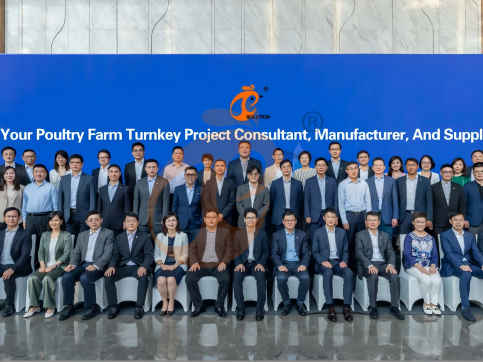
Hong Kong Headquarter Management Team
Hong Kong Headquarter Taiyu Industrial Group CO., LTD
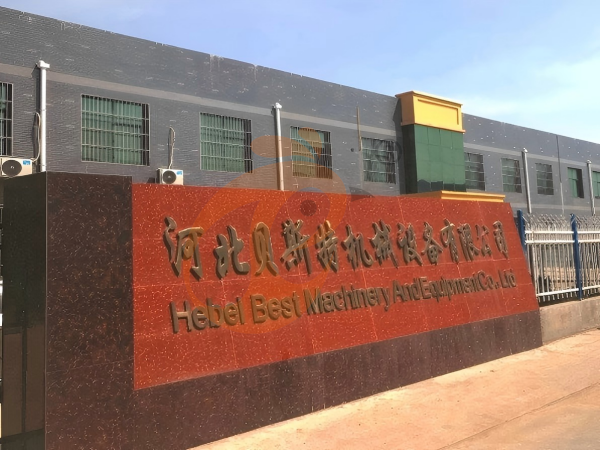
China Hebei Best Machinery And Equipment CO., LTD
Nigeria Vanke Machinery And Equipment CO., LTD
Tanzania Best Machinery And Equipment CO., LTD
Ethiopia Best Hebei Machinery Manufacturing PLC




Reception /24 WhatsApp NO. : +8618830120193
FAQ
How To Reduce Labor Costs In Chicken Cage Farms With Automation?
Save ~70-90% labor per house while maintaining egg production at 90–98%.
Use monitoring systems to track flock health and production in real-time.
What Are The Ultimate Guidelines For Layer Cage Farm Hygiene And Biosecurity?
Regularly clean drinkers, egg belts, and cage surfaces.
Egg production: 90–98%, mortality: 2–3%.
What Are The Top Professional Tips For Egg Collection Efficiency In Poultry Cage Farms?
Each belt can transport 4,000–6,000 eggs per hour, reducing manual handling.
Regularly clean conveyors; breakage rate can be maintained at 2–3%.
- poultry farm
- chicken cage
- poultry farms
- poultry cage
- cage
- poultry farm equipment
- poultry farm construction
- poultry cage exporter
- poultry cage system
- chicken cage system
- poultry cage standard
- poultry cage expo
- poultry equipment
- chicken cages
- chickencage
- bestchickencage
- cage system
- cage systems
- Nigeria
- poultry equipment manufacturer
- poultry cage systems
- cage supplier
- cage exporter
- poultry farm plan
- Ethiopia
Message
Products recommended
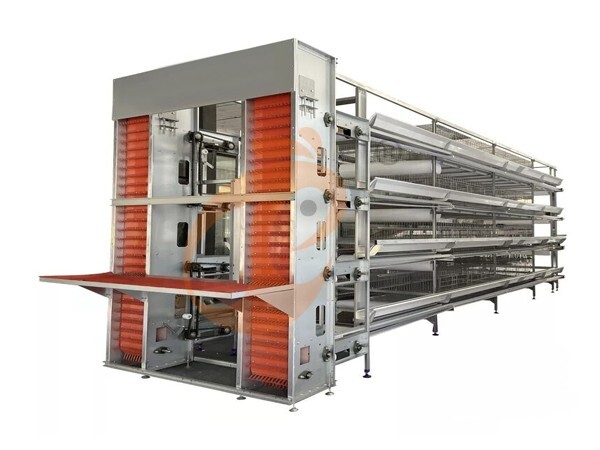
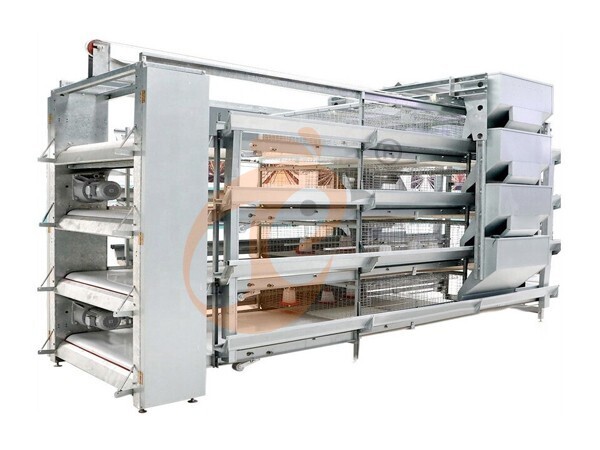
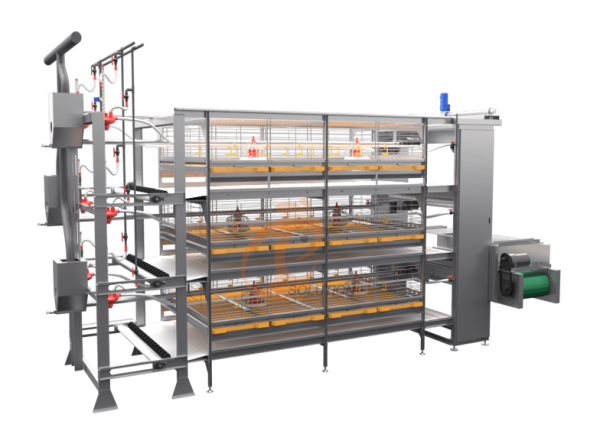
 >30,000 Pullets Automatic H Type Battery Cage1. More than 30,000 pullets a house, choose it.
2. It is designed to rearing older than 1 day old pullets to 12 to 16 weeks old chicken starting laying eggs.
3. Its lifespan is more than 25 years.
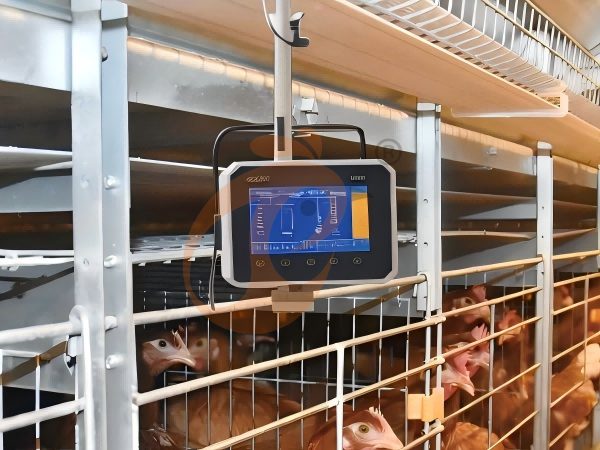
4. Its structure are Vcloud artificial intelligent fusion, electric control cabinet, automatic equipment of drinking, feeding, manure clean, manual harvesting.
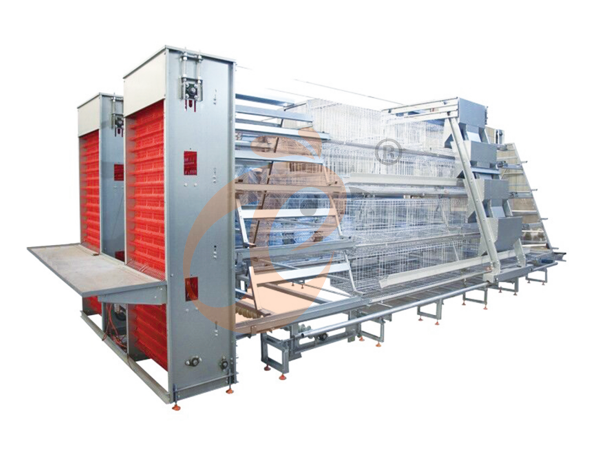
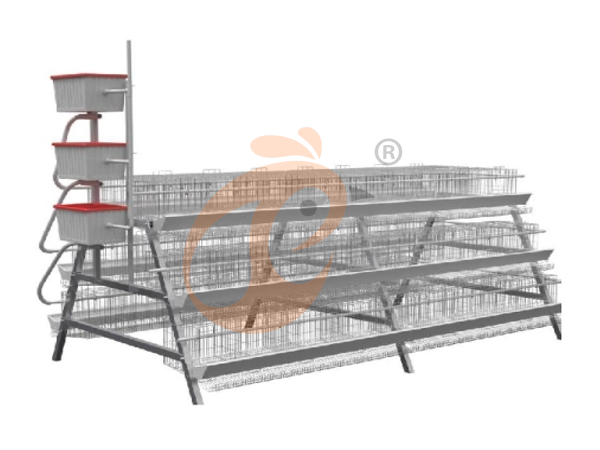
5. Our 24 hour online reception What’sApp NO. is +8618830120193 <30,000 Pullets Automatic A Type Battery Cage1. 10,000 to 30,000 pullets a house, choose it.
2. It is designed to rearing older than 1 day old pullets to 12 to 16 weeks old chicken starting laying eggs.
3. Its lifespan is more than 25 years.
4. Its structure are Vcloud artificial intelligent fusion, electric control cabinet, automatic equipment of drinking, feeding, manure clean, manual harvesting.
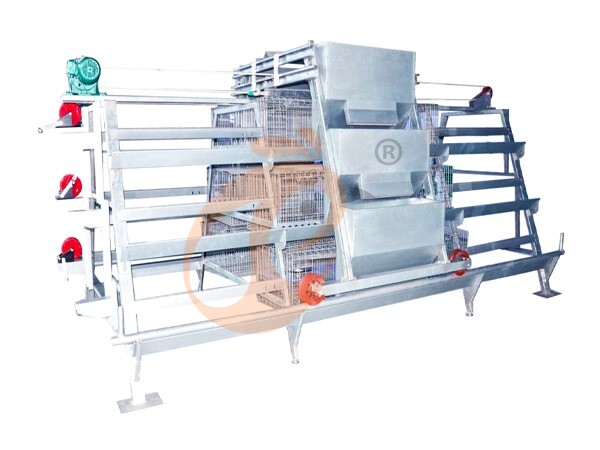
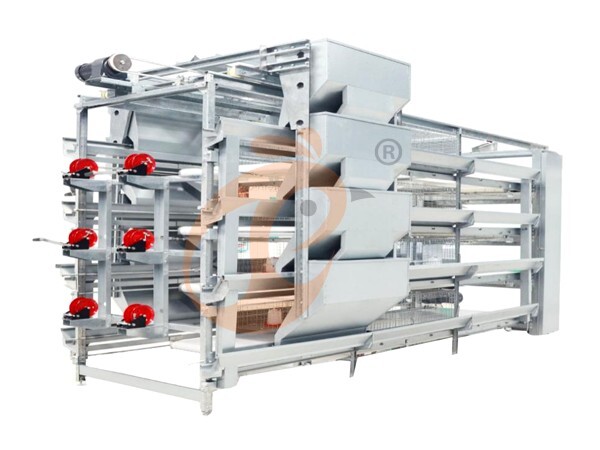
5. Our 24 hour online reception What’sApp NO. is +86 18830120193. >30,000 Broilers Semi-Automatic Harvest H Type Battery Cage1. More than 30,000 broilers a house, choose it.
2. It is designed to rearing 1 to 45 day old adult broiler ready for market.
3. Its lifespan is more than 20 years.
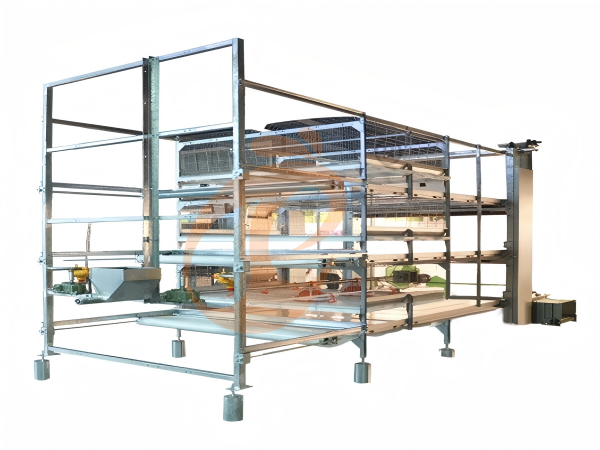
4. Our 24 hour online reception What’sApp NO. is +8618830120193, +234 8111199996. >30,000 Broilers Manual Harvest H Type Battery Cage1. More than 30,000 broilers a house, choose it.
2. It is designed to rearing 1 to 45 day old adult broiler ready for market.
3. Its lifespan is more than 20 years.
4. Its structure are Vcloud artificial intelligent fusion, electric control cabinet, automatic equipment of drinking, feeding and manure clean, manual harvesting.
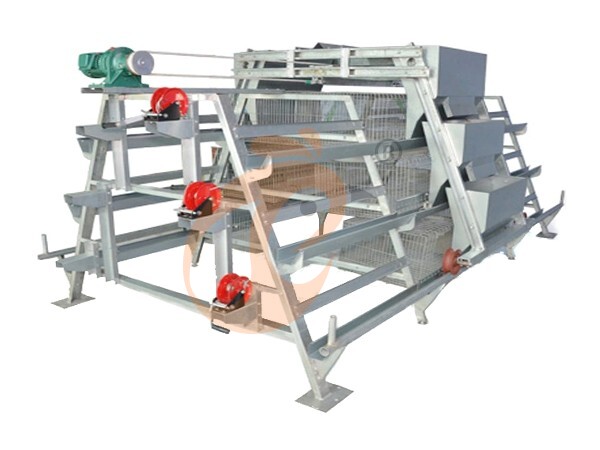
5. Our 24 hour online reception What’sApp NO. is +8618830120193, +234 8111199996. <30,000 Broilers Manual Harvest A Type Battery Cage1. Less 30,000 broilers a house, choose it.
2. It is designed to rearing 1 to 45 day old adult broiler ready for market.
3. Its lifespan is more than 20 years.
4. Its structure are Vcloud artificial intelligent fusion, electric control cabinet, automatic equipment of drinking, feeding and manure clean, manual harvesting.
5. Our 24 hour online reception What’sApp NO. is +8618830120193, +234 8111199996. HK Headquarter Offers EU-standard Poultry Farm Solutions, Manufacture Poultry Farm Equipment1. Continuous communication with the EU and the US
2. China, Nigeria, Ethiopia, Tanzania branch companies and factories
3. The products’ quality is customized for local poultry farms
4. Poultry cage and poultry farm equipment stock for sale
5. 24 online reception Whatsapp NO. : +8618830120193,contact us to get full information China Branch Offer Poultry Farm Business Plan, Manufacture Poultry Farm Equipment1. Address: Flat/RM 2416, 24/F, Runxing Building, Youyi Nan Street, Shijiazhuang City, Hebei Province, China
2. Poultry cage and poultry farm equipment factory and stock for sale
3. Customized for local poultry farms
4. Quality and design are based on Euro
5. 24 online reception Whatsapp NO. : +8618830120193 Nigeria Branch Offer Poultry Farm Business Plan, Manufacture Poultry Farm Equipment1. Address: After Sinoma Office, 200 Meters Near Danco Filling Station, Lagos/Ibadan Expressway, Lagos State, Nigeria
2. Poultry cage and poultry farm equipment factory and stock for sale
3. Customized for Nigerian poultry farms
4. Quality and design are based on Euro
5. 24 online reception Whatsapp NO. : +8618830120193 Ethiopia Branch Offer Poultry Farm Business Plan, Manufacture Poultry Farm Equipment1. Address: WR93+FQ2, Addis Ababa, Ethiopia
2. Poultry cage and poultry farm equipment stock for sale
3. Customized for Ethiopian poultry farms
4. Quality and design are based on Euro
5. 24 online reception Whatsapp NO. : +8618830120193, contact us to get price list Tanzania Branch Offer Poultry Farm Business Plan, Manufacture Poultry Farm Equipment1. Address: No.8, Sova Road, Msufini, Mlandizi, Kibaha, Pwani, Tanzania
2. Poultry cage and poultry farm equipment factory and stock for sale
3. Customized for Tanzanian poultry farms
4. Quality and design are based on Euro
5. 24 online reception Whatsapp NO. : +8618830120193



Contact
By clicking 'Allow All', you agree to the storage of cookies on your device to enhance site navigation, analyze site usage and assist with our marketing efforts.