


Blog
Efficient A-type poultry cage cleaning improves egg production stability in Ethiopian farms.
Water-saving cleaning methods help farmers manage limited rural water resources effectively.
Proper hygiene reduces disease risks common in Ethiopian poultry environments.
Structured labor management lowers operational time and improves workflow consistency.
Local tool optimization minimizes dependency on imported equipment and reduces costs.
Get professional poultry farm construction guidance, equipment selection solutions, and the latest price lists, whatsApp to +8618830120193, click to learn more:

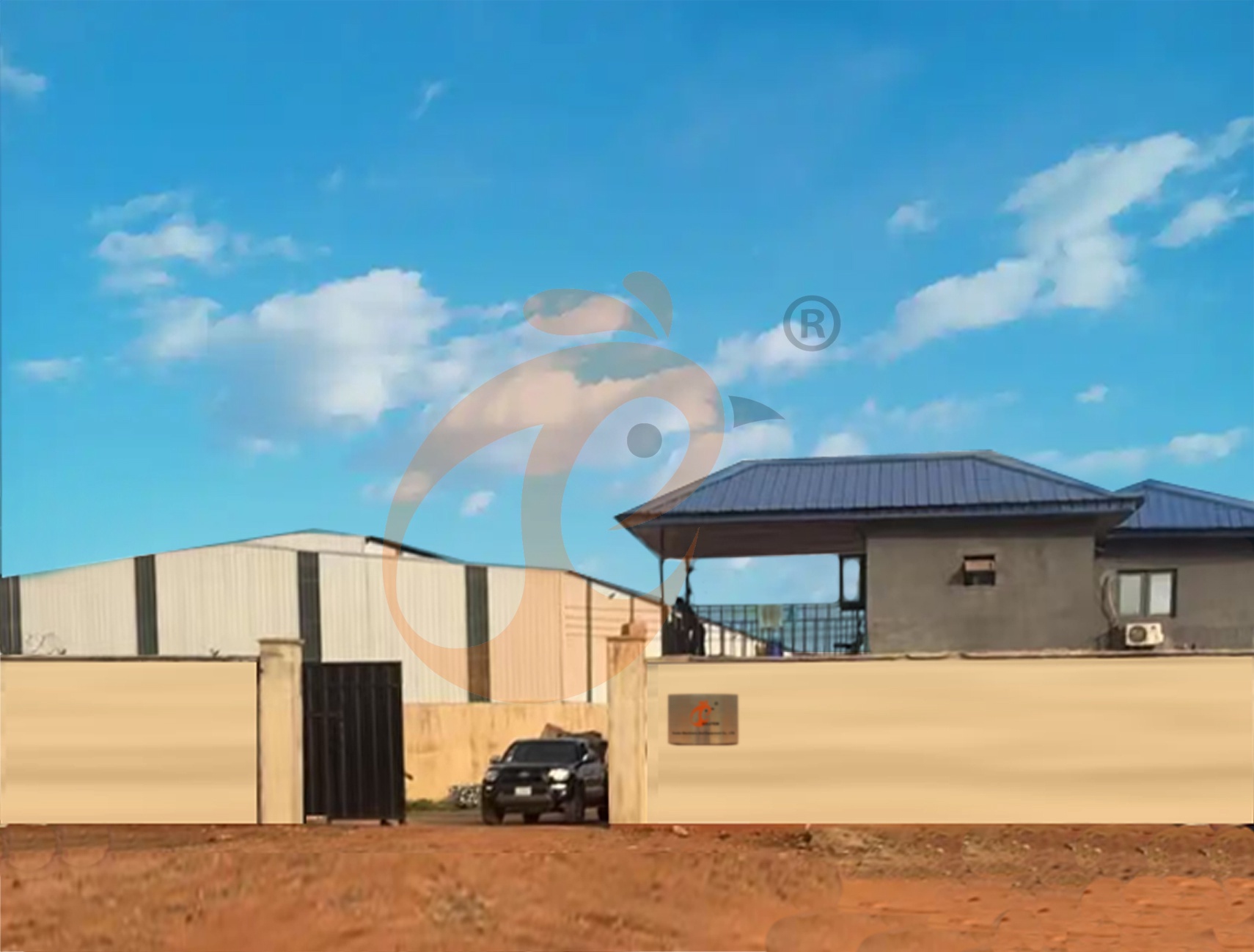
Ethiopia Branch Office And Factory Of Poultry Farm Equipment
Understanding The Cleaning Requirements Of A-Type Poultry Cage Systems
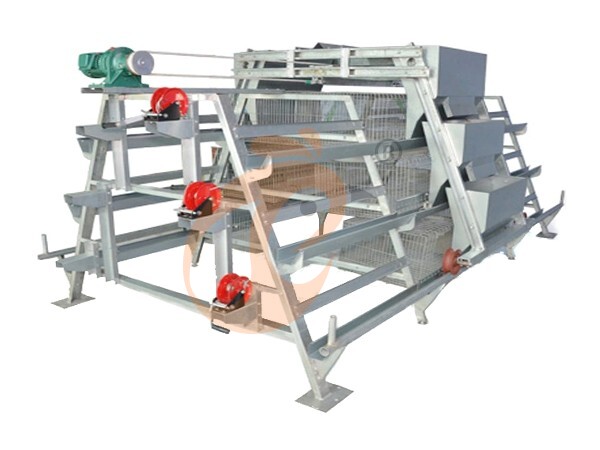
A-type poultry cage systems are widely used in Ethiopia due to their affordability and adaptability for layer farming.
However, environmental factors such as dust, seasonal rainfall, and ventilation limitations increase cleaning complexity.
In areas like Oromia and Amhara, manure accumulation can rapidly elevate ammonia levels, affecting egg production performance.
Data is for reference only.Swipe horizontally to view full table.
Efficient A-type poultry cage cleaning requires understanding these baseline conditions to optimize workflow and minimize labor waste.
Implement Dry Cleaning First For Faster Workflow
Water scarcity remains a major challenge in Ethiopian poultry farming regions.
Starting with dry cleaning reduces water usage and avoids mud formation inside cage systems.
Farmers can scrape manure and brush dust before applying limited water resources.
Data is for reference only.Swipe horizontally to view full table.
This approach significantly improves poultry farm sanitation Ethiopia by reducing both labor hours and water dependency.
Optimize Locally Available Cleaning Tools
Most Ethiopian farms rely on locally fabricated tools due to limited access to imported equipment.
Using standardized tools and assigning them properly increases operational efficiency.
Metal scrapers and brushes produced by local workshops are widely used.
Data is for reference only.Swipe horizontally to view full table.
Cost values are based on European union standard reference only.
Proper tool management directly enhances layer cage cleaning system efficiency in daily farm operations.
Align Cleaning Schedule With Egg Production Cycles
Cleaning schedules must match the biological stages of laying hens to maintain productivity.
In Ethiopia, farms typically operate within a 72-week laying cycle.
Cleaning intensity should increase during peak manure output periods.
Data is for reference only.Swipe horizontally to view full table.
This structured scheduling ensures consistent hygiene without stressing the birds.
Improve Water Efficiency Using Gravity Systems
Electricity instability in rural Ethiopia makes pump-based systems unreliable.
Gravity-fed water tanks provide a consistent and cost-effective solution for cleaning operations.
Elevated tanks allow continuous water flow without energy dependence.
Data is for reference only.Swipe horizontally to view full table.
Cost values are based on European union standard reference only.
This solution is widely adopted in regions with limited grid access.
Apply Disinfection Strategically After Cleaning
Disinfection is essential for disease control but must be applied after physical cleaning.
Improper use of disinfectants increases costs and reduces effectiveness.
Targeted application ensures pathogen control without resource waste.
Data is for reference only.Swipe horizontally to view full table.
This method improves hygiene outcomes and reduces disease transmission risks.
Enhance Labor Efficiency Through Task Specialization
Labor organization is a critical factor in cleaning efficiency.
Assigning specific tasks to workers minimizes redundancy and improves speed.
This approach is increasingly used in farms near Addis Ababa.
Data is for reference only.Swipe horizontally to view full table.
Structured labor significantly reduces cleaning time while maintaining consistency.
Integrate Cleaning With Manure Resource Utilization
Manure generated from layer farms can be repurposed as organic fertilizer.
This provides an additional income stream for Ethiopian farmers.
Proper collection during cleaning ensures better quality manure.
Data is for reference only.Swipe horizontally to view full table.
Cost values are based on European union standard reference only.
This integration supports both sustainability and farm profitability.
Build A Standardized Cleaning Protocol For Long-Term Efficiency
A consistent cleaning protocol is essential for maintaining stable egg production and reducing operational variability in Ethiopian farms.
Unlike irregular cleaning habits, a standardized system ensures predictable results and better labor coordination.
The key objective is to convert cleaning from a reactive task into a controlled routine.
Define fixed cleaning intervals based on cage occupancy and manure accumulation rate.
Assign measurable targets such as cleaning time per 1000 layers within 3 hours.
Monitor ammonia levels regularly to maintain values below 20 ppm for optimal bird health.
Record cleaning frequency and outcomes to improve future efficiency decisions.
Farmers who implement structured protocols often achieve up to 25 percent reduction in labor time while maintaining higher sanitation consistency.
FAQ
Q1: Is an A-type poultry cage suitable for Ethiopian farming conditions?
Yes, A-type systems are widely used because they are cost-effective and adaptable to local infrastructure.
They perform well in both small and medium-scale farms across regions like Oromia and Amhara.
Q2: How can farmers reduce water usage during cleaning in Ethiopia?
Farmers can adopt dry cleaning first, followed by minimal water rinsing.
Using gravity-fed systems also reduces dependence on pumped water sources.
Q3: What is the biggest cleaning challenge in Ethiopian poultry farms?
Water scarcity and labor inefficiency are the main constraints.
Structured cleaning schedules and task specialization provide practical solutions.
Ethiopia Best Hebei Machinery Manufacturing Plc - One Of Ethiopia Largest Poultry Cage Supplier
Global factory direct supply ensures competitive pricing and stable delivery for poultry farm equipment across Ethiopia.
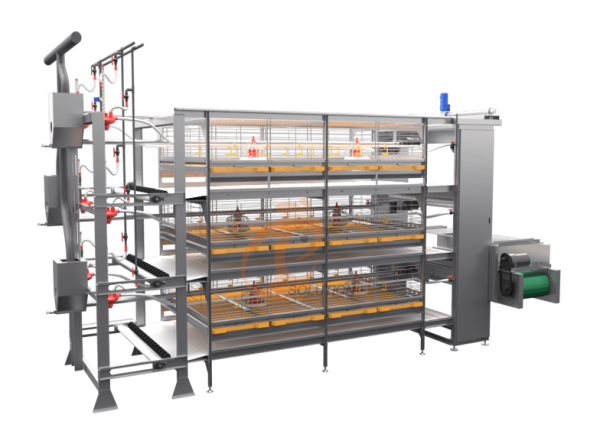
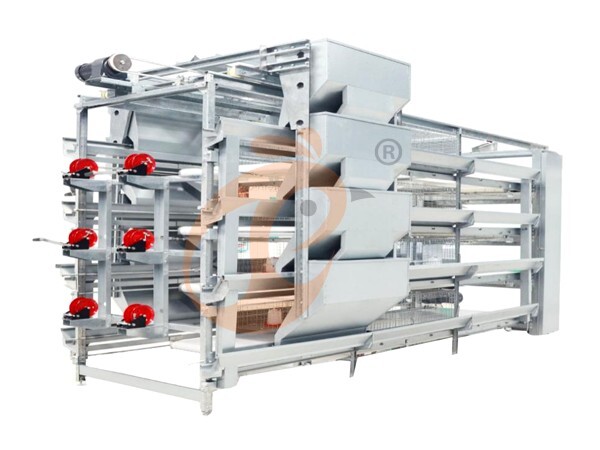
The company provides advanced poultry cage systems designed for layer farms with efficient cleaning structures.
Turn-key project solutions include farm design, installation, and operational training support for local farmers.
Durable poultry farm equipment is engineered to match Ethiopian environmental and operational conditions.
Comprehensive after-sales service ensures long-term performance and technical guidance for poultry cage systems.
Contact Us To Received Your Customized Poultry Farm Plan
Headquarters And Branchs

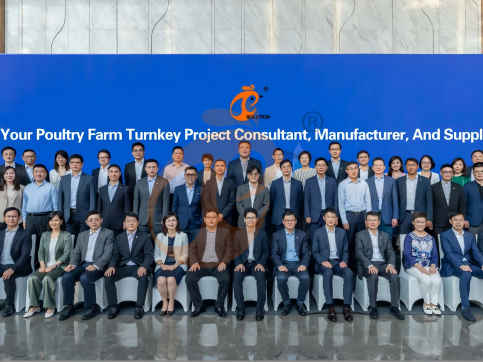
Hong Kong Headquarter Management Team
Hong Kong Headquarter Taiyu Industrial Group CO., LTD
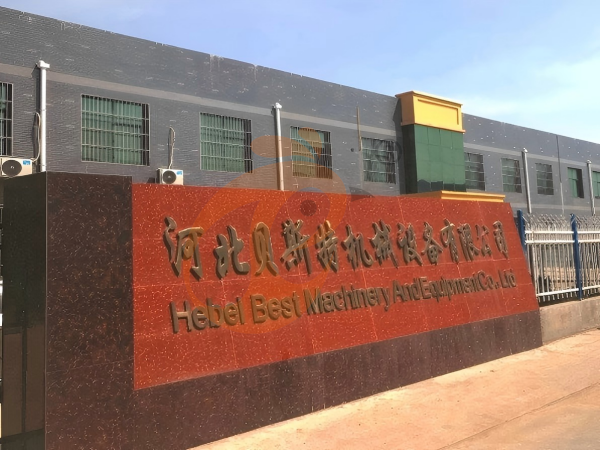
China Hebei Best Machinery And Equipment CO., LTD
Nigeria Vanke Machinery And Equipment CO., LTD
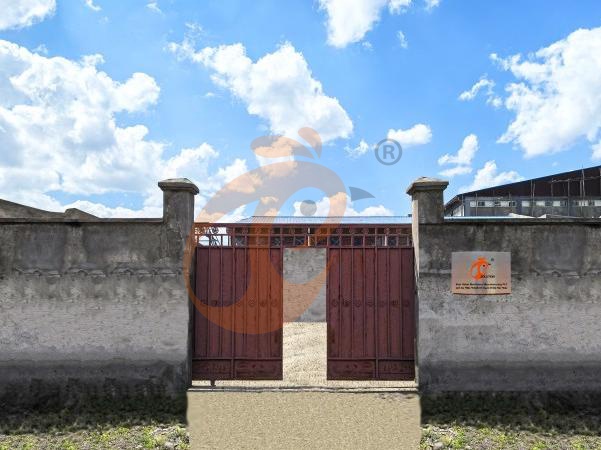
Tanzania Best Machinery And Equipment CO., LTD
Ethiopia Best Hebei Machinery Manufacturing PLC




Reception /24 WhatsApp NO. : +8618830120193
FAQ
How To Implement Semi-Automatic Feeding In A-Type Chicken Cage Farm?
Scheduled feeding ensures even intake
Egg production rate: 90–96%
FCR: 1.9–2.2
Labor savings: 50–70%
How To Ensure Egg Uniformity In A-Type Layer Cage System?
Adequate nutrition and water
Egg weight: 60–65 g
Egg breakage rate <1%
Egg production rate: 90–96%
How To Reduce Mortality In A-Type Chicken Cage Layers?
Even ventilation
Regular manure removal
Mortality rate: 2–3%
Egg production rate: 90–96%
- poultry farm
- poultry farms
- layer cage
- poultry cage
- cage
- poultry farm equipment
- poultry farm construction
- poultry cage supplier
- poultry cage system
- poultry cage cleaning
- chickencage
- bestchickencage
- cage system
- cage systems
- Nigeria
- layer farm
- poultry farming
- poultry cage systems
- cage supplier
- poultry farm sanitation
- poultry farm plan
- Ethiopia
Message
Products recommended
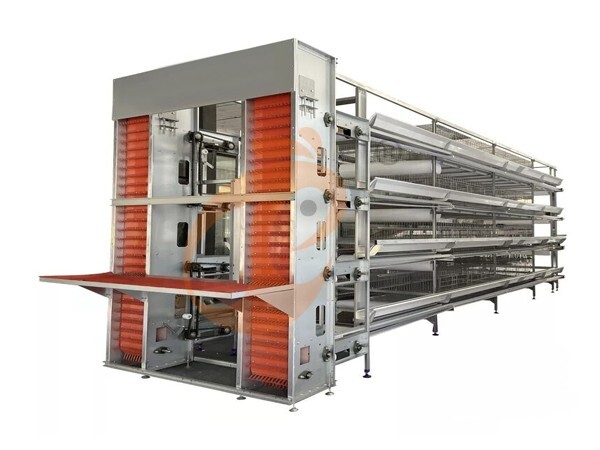
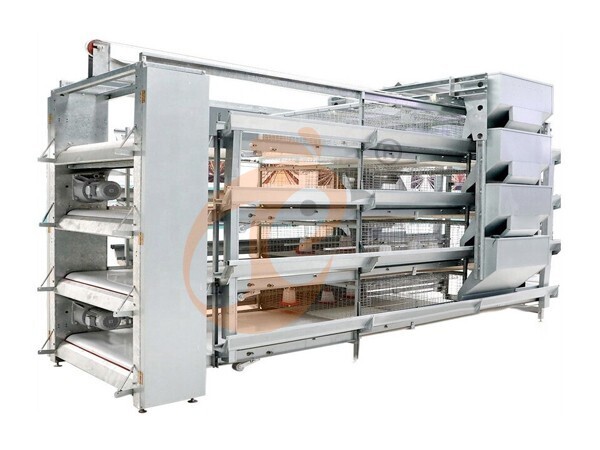
 >30,000 Pullets Automatic H Type Battery Cage1. More than 30,000 pullets a house, choose it.
2. It is designed to rearing older than 1 day old pullets to 12 to 16 weeks old chicken starting laying eggs.
3. Its lifespan is more than 25 years.
4. Its structure are Vcloud artificial intelligent fusion, electric control cabinet, automatic equipment of drinking, feeding, manure clean, manual harvesting.
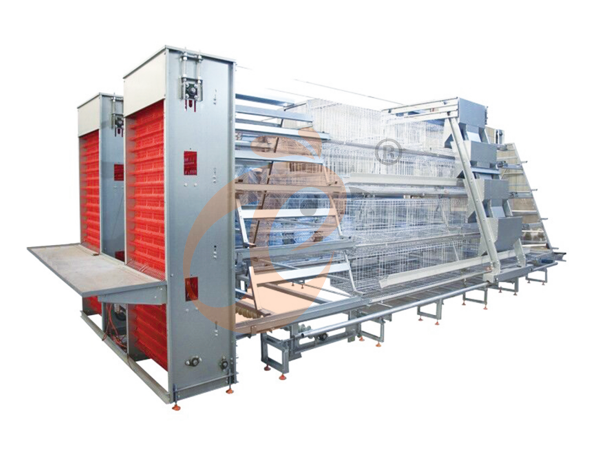
5. Our 24 hour online reception What’sApp NO. is +8618830120193 <30,000 Pullets Automatic A Type Battery Cage1. 10,000 to 30,000 pullets a house, choose it.
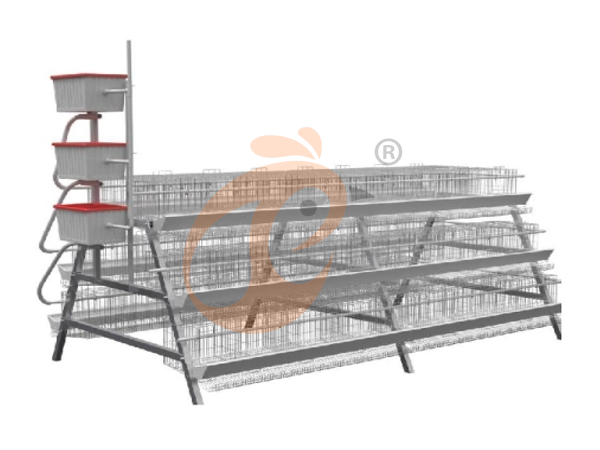
2. It is designed to rearing older than 1 day old pullets to 12 to 16 weeks old chicken starting laying eggs.
3. Its lifespan is more than 25 years.
4. Its structure are Vcloud artificial intelligent fusion, electric control cabinet, automatic equipment of drinking, feeding, manure clean, manual harvesting.
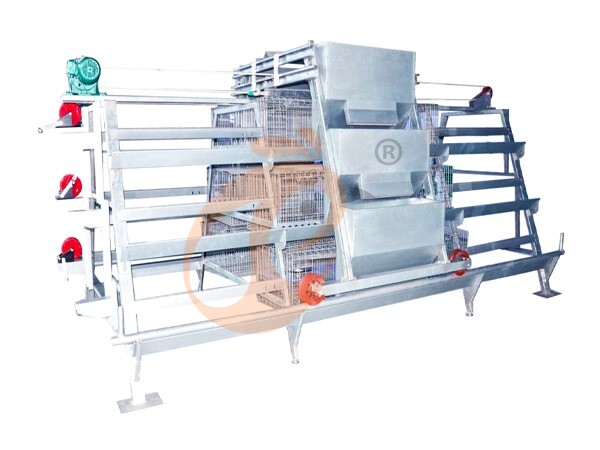
5. Our 24 hour online reception What’sApp NO. is +86 18830120193. >30,000 Broilers Semi-Automatic Harvest H Type Battery Cage1. More than 30,000 broilers a house, choose it.
2. It is designed to rearing 1 to 45 day old adult broiler ready for market.
3. Its lifespan is more than 20 years.
4. Our 24 hour online reception What’sApp NO. is +8618830120193, +234 8111199996. >30,000 Broilers Manual Harvest H Type Battery Cage1. More than 30,000 broilers a house, choose it.
2. It is designed to rearing 1 to 45 day old adult broiler ready for market.
3. Its lifespan is more than 20 years.
4. Its structure are Vcloud artificial intelligent fusion, electric control cabinet, automatic equipment of drinking, feeding and manure clean, manual harvesting.
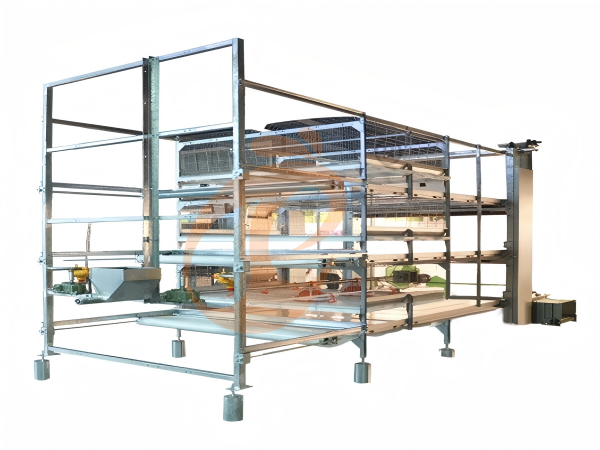
5. Our 24 hour online reception What’sApp NO. is +8618830120193, +234 8111199996. <30,000 Broilers Manual Harvest A Type Battery Cage1. Less 30,000 broilers a house, choose it.
2. It is designed to rearing 1 to 45 day old adult broiler ready for market.
3. Its lifespan is more than 20 years.
4. Its structure are Vcloud artificial intelligent fusion, electric control cabinet, automatic equipment of drinking, feeding and manure clean, manual harvesting.
5. Our 24 hour online reception What’sApp NO. is +8618830120193, +234 8111199996. HK Headquarter Offers EU-standard Poultry Farm Solutions, Manufacture Poultry Farm Equipment1. Continuous communication with the EU and the US
2. China, Nigeria, Ethiopia, Tanzania branch companies and factories
3. The products’ quality is customized for local poultry farms
4. Poultry cage and poultry farm equipment stock for sale
5. 24 online reception Whatsapp NO. : +8618830120193,contact us to get full information China Branch Offer Poultry Farm Business Plan, Manufacture Poultry Farm Equipment1. Address: Flat/RM 2416, 24/F, Runxing Building, Youyi Nan Street, Shijiazhuang City, Hebei Province, China
2. Poultry cage and poultry farm equipment factory and stock for sale
3. Customized for local poultry farms
4. Quality and design are based on Euro
5. 24 online reception Whatsapp NO. : +8618830120193 Nigeria Branch Offer Poultry Farm Business Plan, Manufacture Poultry Farm Equipment1. Address: After Sinoma Office, 200 Meters Near Danco Filling Station, Lagos/Ibadan Expressway, Lagos State, Nigeria
2. Poultry cage and poultry farm equipment factory and stock for sale
3. Customized for Nigerian poultry farms
4. Quality and design are based on Euro
5. 24 online reception Whatsapp NO. : +8618830120193 Ethiopia Branch Offer Poultry Farm Business Plan, Manufacture Poultry Farm Equipment1. Address: WR93+FQ2, Addis Ababa, Ethiopia
2. Poultry cage and poultry farm equipment stock for sale
3. Customized for Ethiopian poultry farms
4. Quality and design are based on Euro
5. 24 online reception Whatsapp NO. : +8618830120193, contact us to get price list Tanzania Branch Offer Poultry Farm Business Plan, Manufacture Poultry Farm Equipment1. Address: No.8, Sova Road, Msufini, Mlandizi, Kibaha, Pwani, Tanzania
2. Poultry cage and poultry farm equipment factory and stock for sale
3. Customized for Tanzanian poultry farms
4. Quality and design are based on Euro
5. 24 online reception Whatsapp NO. : +8618830120193



Contact
By clicking 'Allow All', you agree to the storage of cookies on your device to enhance site navigation, analyze site usage and assist with our marketing efforts.