


Blog
Chicken cage system cost in Ethiopia depends on materials, automation, logistics, and farm scale planning.
Investors evaluate long-term durability, equipment performance, and operational efficiency before final purchasing decisions.
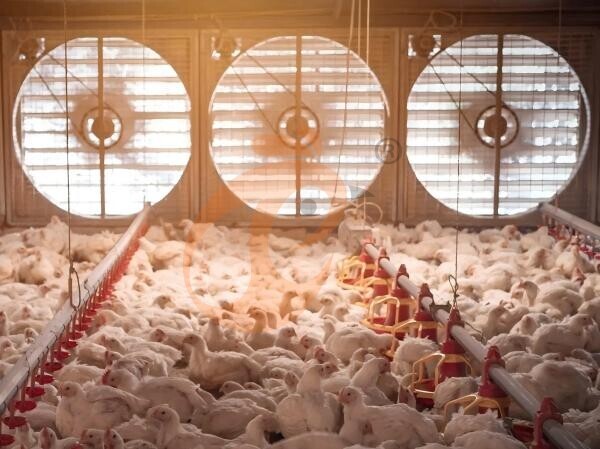
Environmental control, water systems, and ventilation design influence production stability and flock health outcomes.
Transport distance from Djibouti port and inland installation complexity directly affect total investment budgets.
Selecting reliable poultry equipment structures can reduce maintenance expenses and improve egg productivity.
Get professional poultry farm construction guidance, equipment selection solutions, and the latest price lists, whatsApp to +8618830120193, click to learn more:

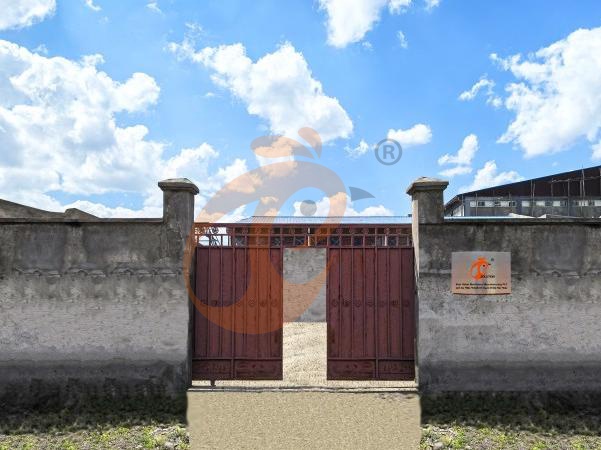
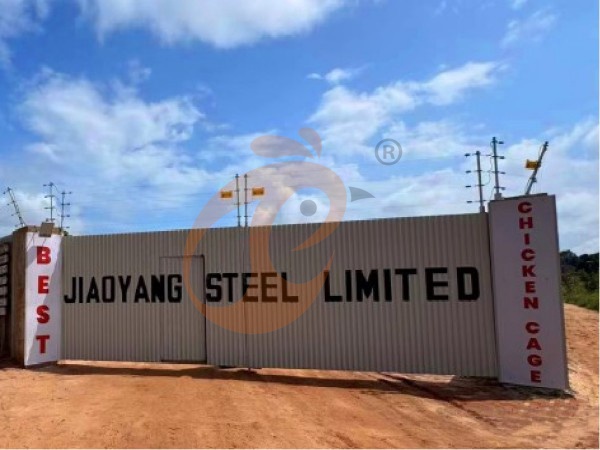
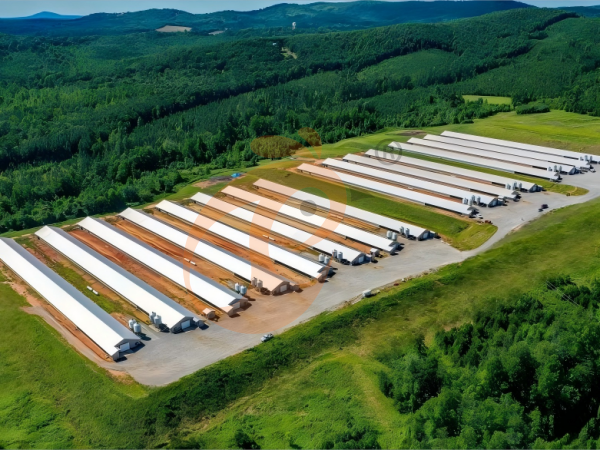
Ethiopia Branch Office And Factory Of Poultry Farm Equipment
Raw Material Specifications And Galvanization Standards
Under Ethiopia's highland climate and the high ammonia concentration commonly found in poultry houses, steel corrosion resistance determines the depreciation cycle of equipment.
Because foreign exchange shortages can delay replacement parts, choosing high-quality hot-dip galvanization at the beginning prevents frequent replacement costs later.
In many Ethiopian poultry farms, investing in stronger chicken cage materials increases durability and reduces maintenance expenditure over the system life cycle.
Data is for reference only.Swipe horizontally to view full table.
Cage Frame Structure And Space Utilization Economics
Land leasing around major cities such as Addis Ababa continues to rise, encouraging poultry farms to adopt higher density production models.
This design allows investors to optimize land usage and increase egg output per production cycle.
Data is for reference only.Swipe horizontally to view full table.
The higher density of H-frame systems means the total project investment may increase by 120,000–300,000 Ethiopian birr depending on building height (European union standard reference only), but production output per building area can increase significantly.
Automation Level And Feed Conversion Efficiency
Feed costs in Ethiopia remain one of the largest operational expenses in poultry farming.
Automated feeding systems can improve feed distribution uniformity and significantly reduce feed waste.
Even small improvements in feed conversion ratio can create large savings for farms operating tens of thousands of laying hens.
This makes automation an important factor influencing the total chicken cage system cost in Ethiopia.
Data is for reference only.Swipe horizontally to view full table.
Drinking Water System And Local Water Quality Adaptation
Water quality varies widely across Ethiopia, particularly in the Rift Valley region where mineral content can be high.
Low-grade drinker components may clog or leak, causing wet manure and increasing ammonia levels inside poultry houses.
Reliable nipple drinkers and filtration systems ensure consistent water flow and maintain hygienic poultry conditions.
High-quality drinking systems also reduce veterinary costs and improve flock health.
Data is for reference only.Swipe horizontally to view full table.
Upgrading water filtration systems may add approximately 20,000–60,000 Ethiopian birr to equipment investment depending on capacity (European union standard reference only), but it protects the overall poultry system.
Environmental Control Systems And Altitude Climate Adaptation
Ethiopia has significant regional climate differences between highland and lowland areas.
Regions such as Dire Dawa experience higher temperatures, requiring stronger ventilation and cooling systems.
In contrast, highland farms must balance ventilation with energy efficiency.
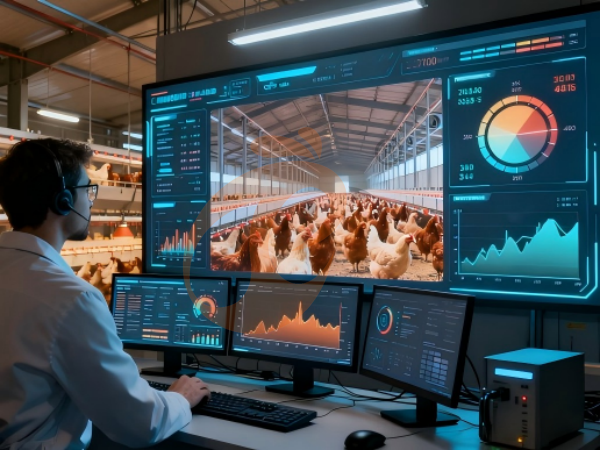
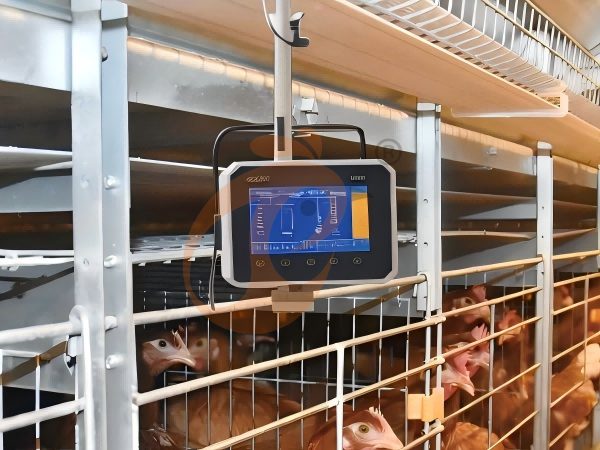
Environmental controllers help maintain stable temperature, humidity, and lighting conditions for optimal egg production.
Data is for reference only.Swipe horizontally to view full table.
Complete ventilation systems may require 80,000–250,000 Ethiopian birr depending on building size and fan quantity (European union standard reference only).
When ventilation, feeding, and lighting are properly controlled, farms can maintain stable flock health and support 90–98% egg production performance.
Logistics Costs And Biosecurity Equipment
As a landlocked country, Ethiopia imports most poultry equipment through Djibouti port before inland transportation to farms.
Shipping, customs clearance, installation labor, and spare parts preparation contribute significantly to the total project budget.
Biosecurity systems such as manure belts also improve hygiene and disease prevention.
Data is for reference only.Swipe horizontally to view full table.
Data is for reference only.Swipe horizontally to view full table.
Transport and installation for a 10,000 bird farm may require 150,000–350,000 Ethiopian birr depending on distance and project size (European union standard reference only).
Ethiopia Best Hebei Machinery Manufacturing Plc - One Of Ethiopia Largest Chicken Cage System Manufacturer
Global factory direct sales model provides reliable poultry farm equipment and competitive project pricing worldwide.
Professional engineering team designs poultry cage systems and complete poultry farm equipment solutions for modern farms.
Experienced installation specialists deliver Turn-key poultry farm projects including housing, feeding, ventilation, and manure management systems.
Manufacturing facilities produce durable poultry cage structures with advanced galvanization and automated production technologies.
International export experience ensures stable supply chains, technical support, and long-term service for poultry farm investors.
Contact Us To Received Your Customized Poultry Farm Plan
Headquarters And Branchs

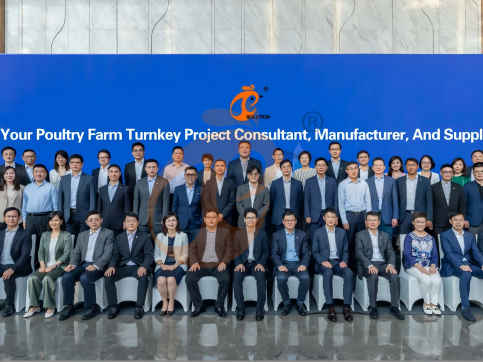
Hong Kong Headquarter Management Team
Hong Kong Headquarter Taiyu Industrial Group CO., LTD
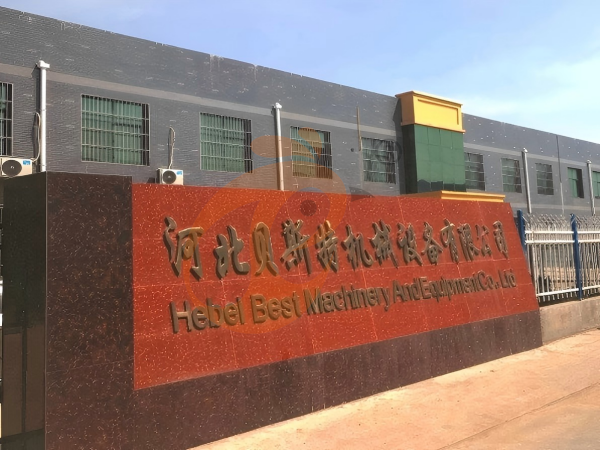
China Hebei Best Machinery And Equipment CO., LTD
Nigeria Vanke Machinery And Equipment CO., LTD
Tanzania Best Machinery And Equipment CO., LTD
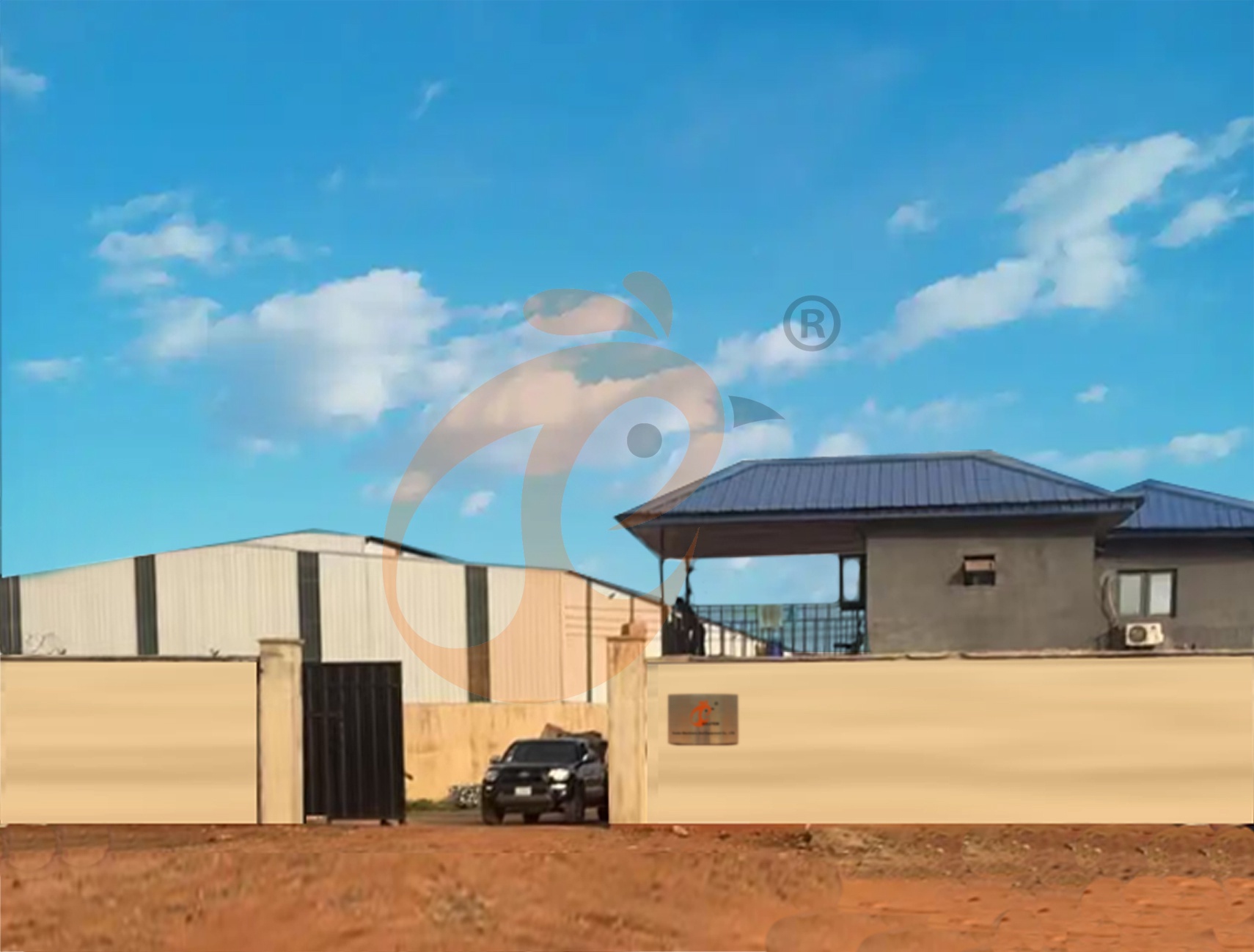
Ethiopia Best Hebei Machinery Manufacturing PLC




Reception /24 WhatsApp NO. : +8618830120193
FAQ
How To Buy The Best Poultry Cage Systems For Large-Scale Farms?
Aisles recommended at 1.2-1.4 m wide for feeding, cleaning, and bird management.
Automatic feeding, drinking, egg collection, and manure cleaning systems save ~70-90% labor.
Egg production rate: 90–98%, daily egg yield: 900–980 eggs/1,000 birds.
FCR 1.9–2.1, mortality 2–3%, breakage rate <3%.
Lifespan: 25+ years, ROI usually recovers in 24–36 months.
What Are The Advanced Tips For Optimizing Feed And Water Management In Chicken Cage Farms?
Reduce feed waste by 5–10% and ensure sufficient water for each bird.
Combined with scheduled lighting and temperature/humidity control, egg production rate can reach 90–98%.
Breakage and mortality rates can be reduced to 2–3% with regular health checks and zoning management.
How To Select The Top Layer Cage Supplier For Commercial Egg Production?
Check steel quality, anti-corrosion treatment, and egg conveyor durability.
Suppliers should provide automation system installation guidance and training.
Price reference: $10–$18 per bird, depending on house size and number of tiers.
- poultry farm
- chicken cage
- poultry farms
- poultry house
- poultry cage
- cage
- poultry farm equipment
- poultry farm construction
- poultry cage system
- chicken cage system
- poultry farm project
- poultry cage structure
- chicken cage system manufacturer
- poultry equipment
- chickencage
- bestchickencage
- cage system
- cage layer
- cage systems
- Nigeria
- layer farm
- chicken cage material
- poultry farming
- poultry cage systems
- chicken cage materials
- poultry farm plan
Message
Products recommended
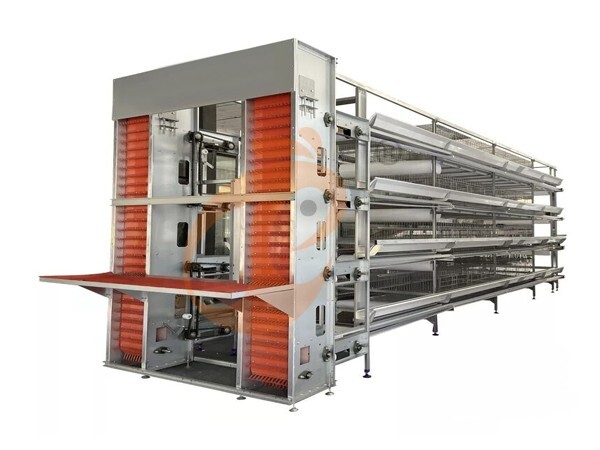
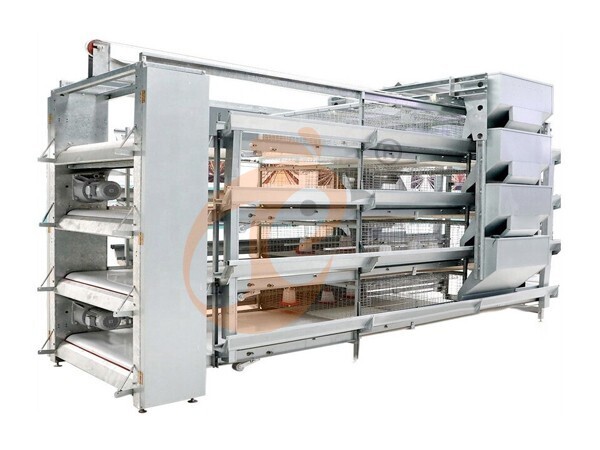
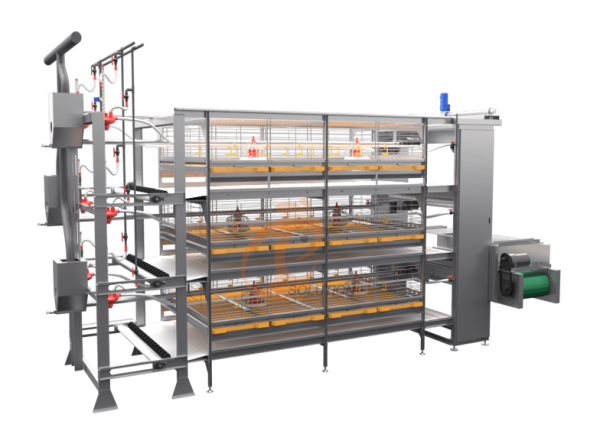
 >30,000 Pullets Automatic H Type Battery Cage1. More than 30,000 pullets a house, choose it.
2. It is designed to rearing older than 1 day old pullets to 12 to 16 weeks old chicken starting laying eggs.
3. Its lifespan is more than 25 years.
4. Its structure are Vcloud artificial intelligent fusion, electric control cabinet, automatic equipment of drinking, feeding, manure clean, manual harvesting.
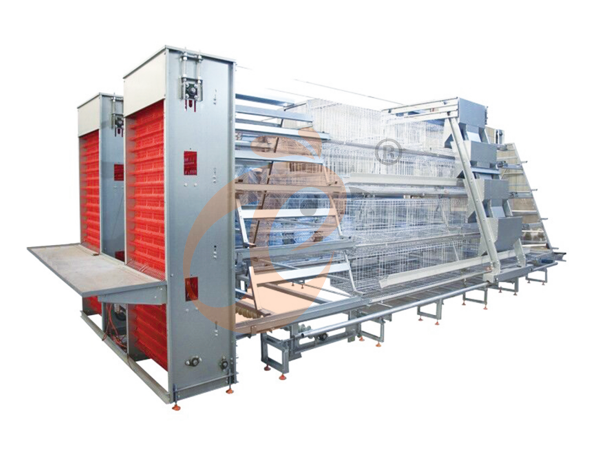
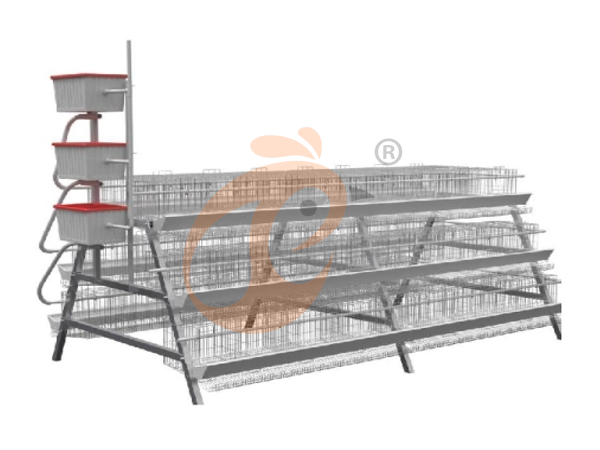
5. Our 24 hour online reception What’sApp NO. is +8618830120193 <30,000 Pullets Automatic A Type Battery Cage1. 10,000 to 30,000 pullets a house, choose it.
2. It is designed to rearing older than 1 day old pullets to 12 to 16 weeks old chicken starting laying eggs.
3. Its lifespan is more than 25 years.
4. Its structure are Vcloud artificial intelligent fusion, electric control cabinet, automatic equipment of drinking, feeding, manure clean, manual harvesting.
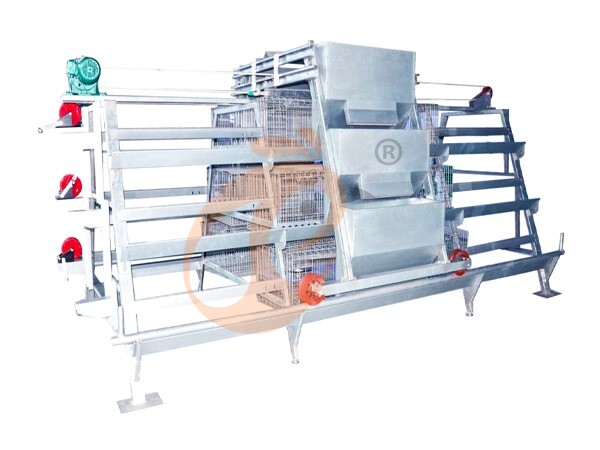
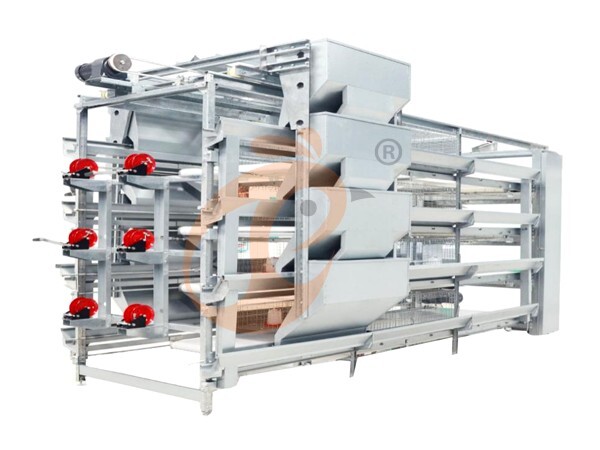
5. Our 24 hour online reception What’sApp NO. is +86 18830120193. >30,000 Broilers Semi-Automatic Harvest H Type Battery Cage1. More than 30,000 broilers a house, choose it.
2. It is designed to rearing 1 to 45 day old adult broiler ready for market.
3. Its lifespan is more than 20 years.
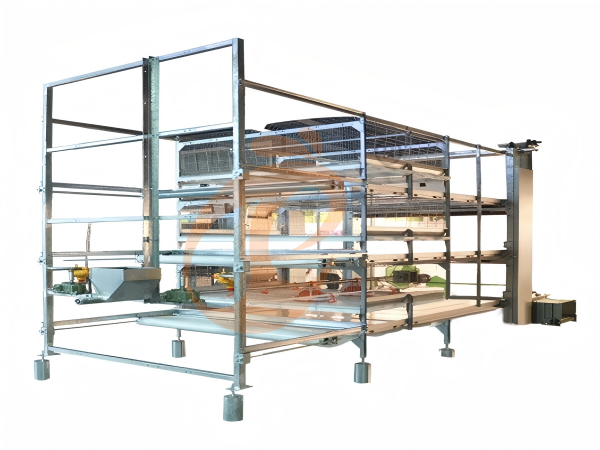
4. Our 24 hour online reception What’sApp NO. is +8618830120193, +234 8111199996. >30,000 Broilers Manual Harvest H Type Battery Cage1. More than 30,000 broilers a house, choose it.
2. It is designed to rearing 1 to 45 day old adult broiler ready for market.
3. Its lifespan is more than 20 years.
4. Its structure are Vcloud artificial intelligent fusion, electric control cabinet, automatic equipment of drinking, feeding and manure clean, manual harvesting.
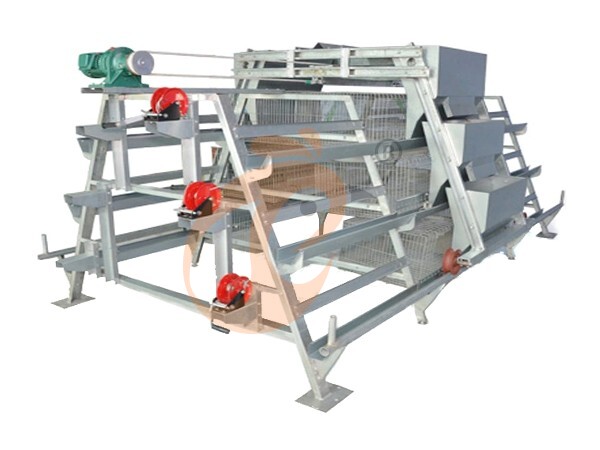
5. Our 24 hour online reception What’sApp NO. is +8618830120193, +234 8111199996. <30,000 Broilers Manual Harvest A Type Battery Cage1. Less 30,000 broilers a house, choose it.
2. It is designed to rearing 1 to 45 day old adult broiler ready for market.
3. Its lifespan is more than 20 years.
4. Its structure are Vcloud artificial intelligent fusion, electric control cabinet, automatic equipment of drinking, feeding and manure clean, manual harvesting.
5. Our 24 hour online reception What’sApp NO. is +8618830120193, +234 8111199996. HK Headquarter Offers EU-standard Poultry Farm Solutions, Manufacture Poultry Farm Equipment1. Continuous communication with the EU and the US
2. China, Nigeria, Ethiopia, Tanzania branch companies and factories
3. The products’ quality is customized for local poultry farms
4. Poultry cage and poultry farm equipment stock for sale
5. 24 online reception Whatsapp NO. : +8618830120193,contact us to get full information China Branch Offer Poultry Farm Business Plan, Manufacture Poultry Farm Equipment1. Address: Flat/RM 2416, 24/F, Runxing Building, Youyi Nan Street, Shijiazhuang City, Hebei Province, China
2. Poultry cage and poultry farm equipment factory and stock for sale
3. Customized for local poultry farms
4. Quality and design are based on Euro
5. 24 online reception Whatsapp NO. : +8618830120193 Nigeria Branch Offer Poultry Farm Business Plan, Manufacture Poultry Farm Equipment1. Address: After Sinoma Office, 200 Meters Near Danco Filling Station, Lagos/Ibadan Expressway, Lagos State, Nigeria
2. Poultry cage and poultry farm equipment factory and stock for sale
3. Customized for Nigerian poultry farms
4. Quality and design are based on Euro
5. 24 online reception Whatsapp NO. : +8618830120193 Ethiopia Branch Offer Poultry Farm Business Plan, Manufacture Poultry Farm Equipment1. Address: WR93+FQ2, Addis Ababa, Ethiopia
2. Poultry cage and poultry farm equipment stock for sale
3. Customized for Ethiopian poultry farms
4. Quality and design are based on Euro
5. 24 online reception Whatsapp NO. : +8618830120193, contact us to get price list Tanzania Branch Offer Poultry Farm Business Plan, Manufacture Poultry Farm Equipment1. Address: No.8, Sova Road, Msufini, Mlandizi, Kibaha, Pwani, Tanzania
2. Poultry cage and poultry farm equipment factory and stock for sale
3. Customized for Tanzanian poultry farms
4. Quality and design are based on Euro
5. 24 online reception Whatsapp NO. : +8618830120193


Contact
By clicking 'Allow All', you agree to the storage of cookies on your device to enhance site navigation, analyze site usage and assist with our marketing efforts.