


Blog
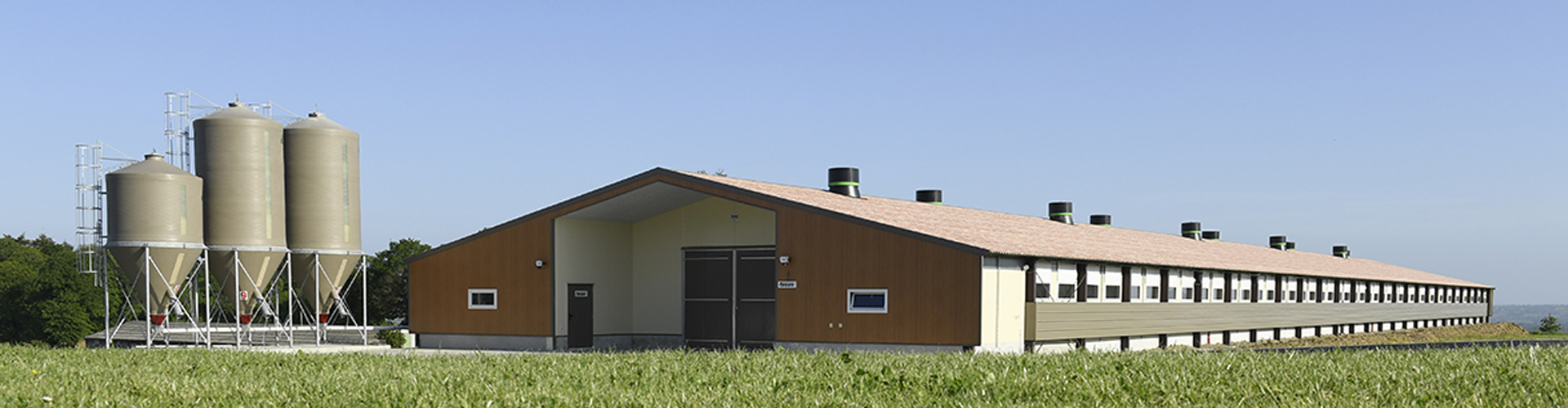
Poultry equipment durability determines farm efficiency, with automatic systems reducing labor demand across modern chicken houses.
Automatic feeding system structures can operate continuously while maintaining stable feed delivery for large-scale farms.
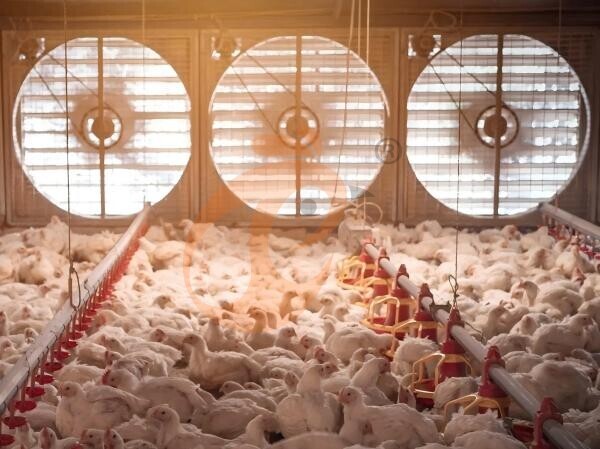
Poultry ventilation system maintenance protects airflow performance and supports healthier poultry environments.
Smart inspection methods can reduce unexpected failures during commercial production cycles lasting several years.
Professional engineering solutions improve equipment value through reliable design, maintenance planning, and global technical support.
Get professional poultry farm construction guidance, equipment selection solutions, and the latest price lists, whatsApp to +8618830120193, click to learn more:
Continue With Preventive Equipment Inspection
Preventive inspection is a practical method for extending poultry equipment lifespan because most failures develop gradually before complete breakdown.
Farm operators should establish inspection records covering electrical systems, mechanical connections, sensors, and structural components.
Regular monitoring helps identify abnormal vibration, unusual noise, temperature changes, or performance reduction before production is affected.
A technical maintenance plan also allows farms to control spare parts inventory and reduce emergency repair expenses.
Data is for reference only.Swipe horizontally to view full table.
Scientific inspection methods are especially important for large farms using multiple production houses.
A complete equipment management system creates predictable operation conditions and supports long-term farm development.
Use Professional Spare Parts And Technical Support
Poultry equipment requires suitable spare parts because incompatible components may reduce system efficiency or create additional damage.
Original components designed by professional manufacturers maintain equipment compatibility and operational accuracy.
Technical support is also valuable during equipment upgrades, farm expansion, and production changes.
A reliable supplier provides engineering recommendations based on actual farm conditions instead of only selling individual machines.
Data is for reference only.Swipe horizontally to view full table.
For international poultry projects, professional suppliers normally provide installation guidance, operation training, and remote technical assistance.
Turn-key engineering service helps farms avoid design mistakes during equipment selection and installation.
Improve Equipment Value Through Smart Management
Extending poultry equipment lifespan requires cooperation between hardware quality and management systems.
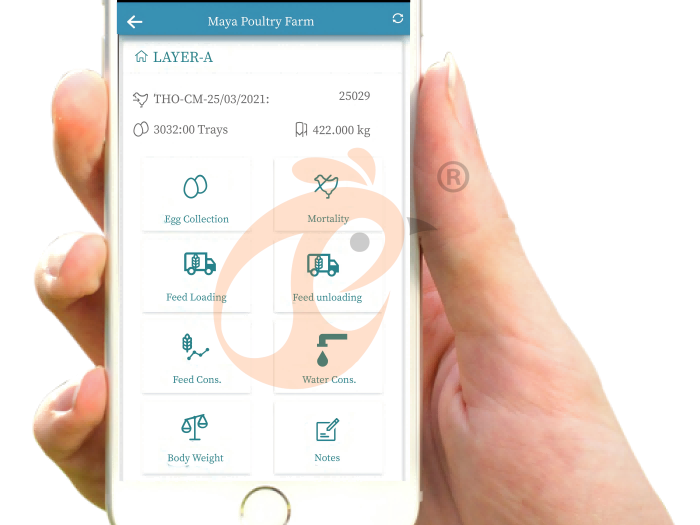
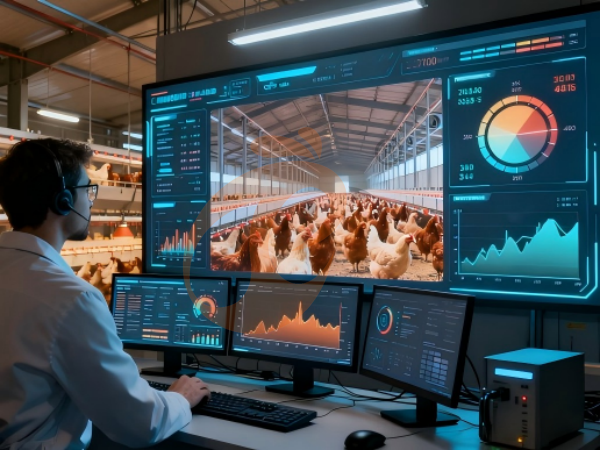
Digital monitoring technology allows farm managers to collect operating information and adjust equipment performance according to real conditions.
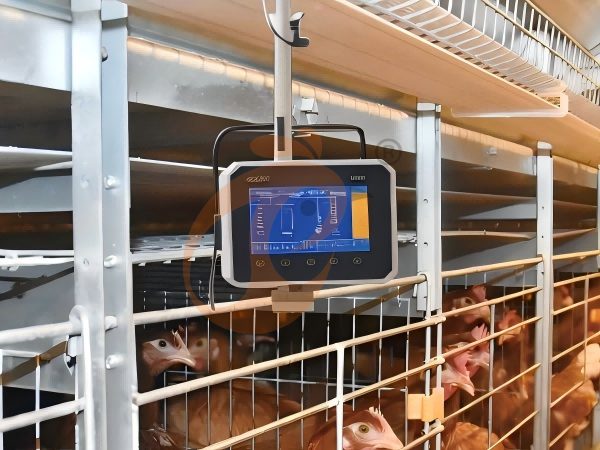
Smart controllers, automatic alarms, and data recording systems improve decision-making efficiency.
Modern poultry equipment solutions are increasingly designed around energy saving, automation, and simplified maintenance.
Data is for reference only.Swipe horizontally to view full table.
Advanced management reduces unnecessary equipment operation and improves production efficiency.
Poultry farms investing in automation can achieve better control over labor requirements and maintenance schedules.
Control Maintenance Costs With Long-Term Planning
Equipment replacement decisions should consider total operating cost rather than only initial purchase price.
High-quality poultry equipment may require higher investment at the beginning, but durable structures and professional service reduce long-term expenses.
For example, a complete ventilation upgrade project may cost around $25000 USD depending on farm size and configuration.
European union standard reference only.
A planned maintenance budget allows farms to prepare replacement components and avoid sudden production interruptions.
Data is for reference only.Swipe horizontally to view full table.
Long-term planning creates stronger financial control for commercial poultry operations.
Reliable equipment management helps farms protect production capacity through changing market conditions.
Professional Poultry Equipment Solutions For Global Farms
Selecting a manufacturer with engineering capability is essential for farms requiring stable production systems.
A professional poultry equipment supplier provides complete solutions including feeding, ventilation, housing, environmental control, and installation services.
Global poultry projects often require customized designs because building structures, climate conditions, and production targets vary between regions.
Taiyu (HK) Group focuses on integrated poultry equipment development with technical specifications designed for modern farming requirements.
Frequently Asked Questions
Q1: How often should poultry equipment be inspected?
Professional inspection schedules usually depend on equipment type and operating environment.
Mechanical parts may require checking every 30 to 90 days, while structural systems can be reviewed every 6 months.
Regular inspection helps identify problems before they create production losses.
Q2: Can automatic feeding system reduce poultry farm operating costs?
Yes.
Automatic feeding system reduces manual feeding requirements and improves feed distribution accuracy.
A properly maintained system can support thousands of birds while reducing unnecessary labor pressure.
Q3: Why is poultry ventilation system maintenance important?
Poultry ventilation system maintenance protects airflow stability and equipment efficiency.
Research indicates that dust accumulation on fan systems can reduce airflow performance significantly, with studies reporting reductions of up to 40% under certain dirt buildup conditions.
Regular cleaning and component adjustment help maintain designed ventilation performance.
Taiyu (HK) Group - One Of China Biggest Poultry Equipment Manufacturer
Poultry equipment provides integrated farm systems combining feeding, ventilation, housing, and environmental control technologies for commercial production facilities.
Global factory direct sales deliver standardized manufacturing, competitive supply chains, and technical documentation for international poultry projects.
Complete poultry equipment solutions support Turn-key engineering projects from farm planning and equipment production to installation guidance.
Professional engineering teams provide customized layouts, technical specifications, and project coordination for different production capacities.
International service networks support customers with maintenance consultation, equipment upgrades, and long-term operational optimization.
Contact Us To Received Your Customized Poultry Farm Plan
Headquarters And Branchs

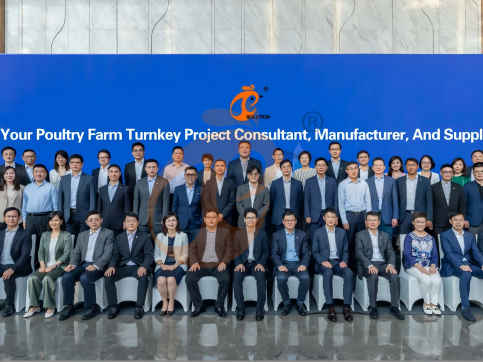
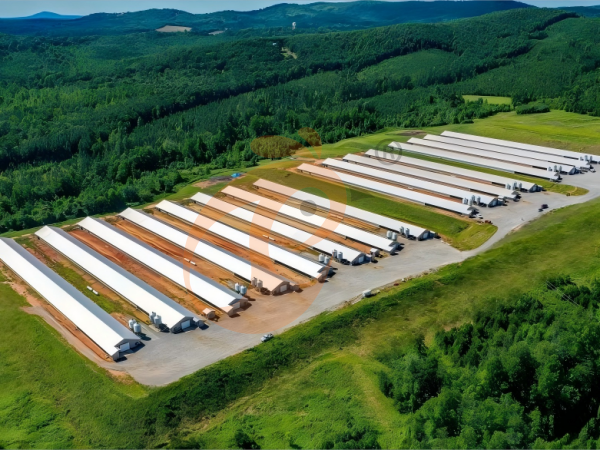
Hong Kong Headquarter Management Team
Hong Kong Headquarter Taiyu Industrial Group CO., LTD
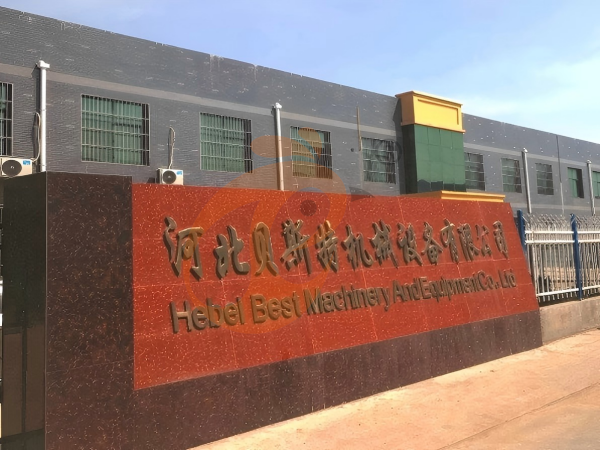
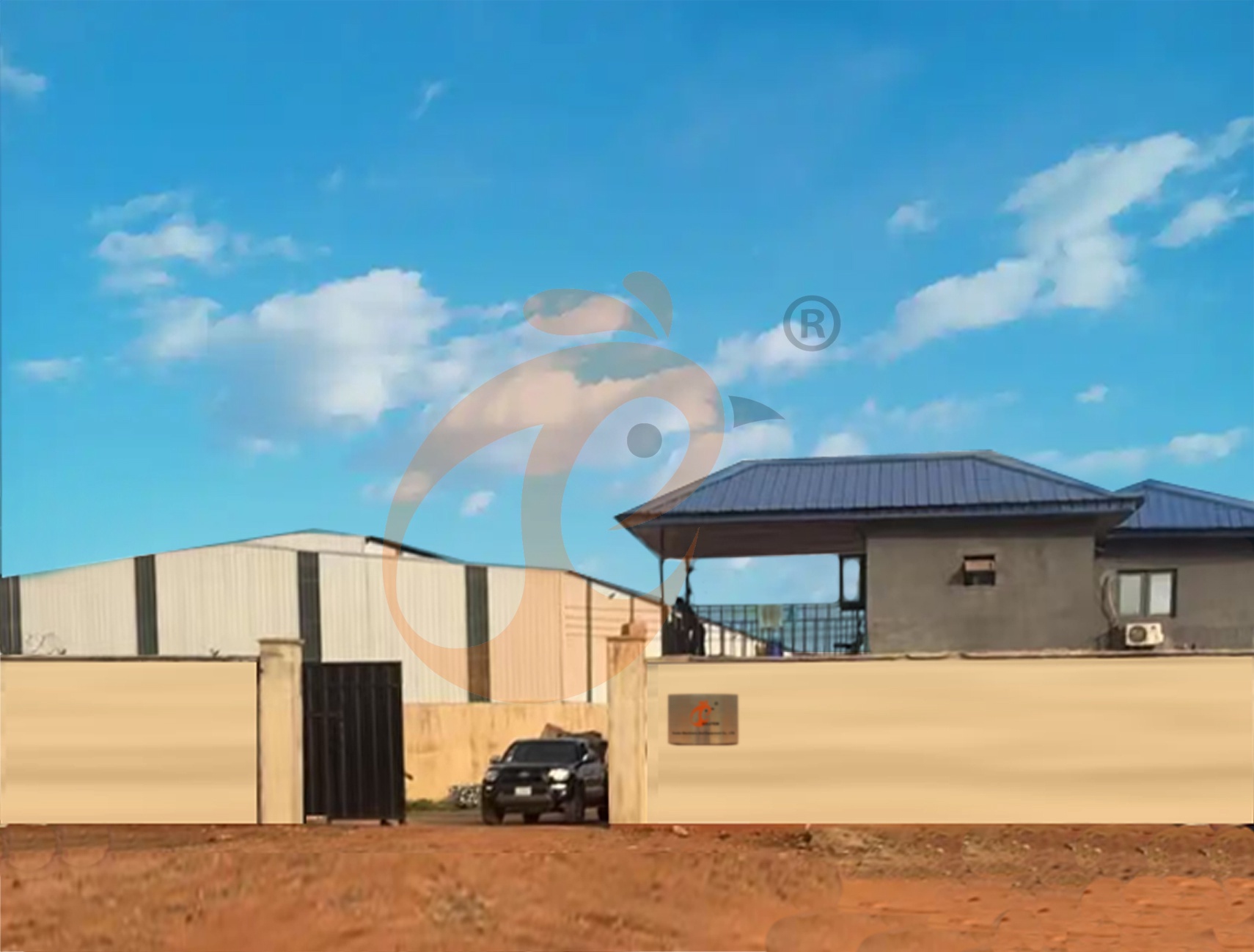
China Hebei Best Machinery And Equipment CO., LTD
Nigeria Vanke Machinery And Equipment CO., LTD
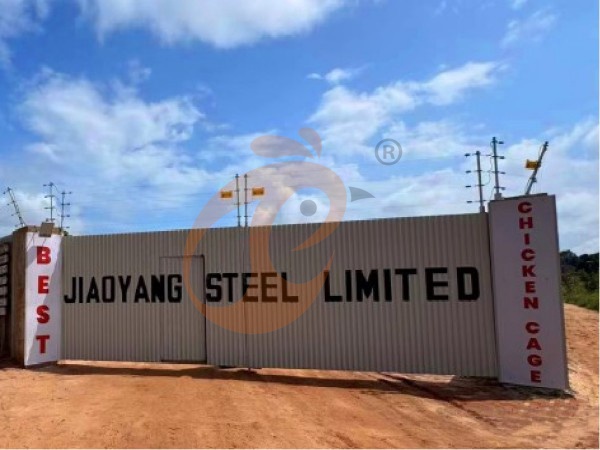
Tanzania Best Machinery And Equipment CO., LTD
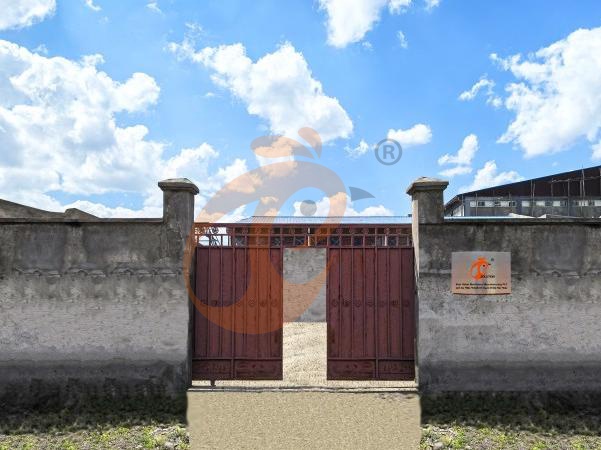
Ethiopia Best Hebei Machinery Manufacturing PLC




Reception /24 WhatsApp NO. : +8618830120193
FAQ
How Is Automation Applied In Complete Poultry Equipment?
Sensor monitoring networks collect environmental data every 5–20 seconds for continuous management accuracy.
Remote monitoring platforms support 24-hour equipment supervision improving operational reliability and response efficiency.
Which Environmental Control Functions Are Managed By Complete Poultry Equipment?
Temperature regulation equipment controls indoor conditions within 18–30°C for optimized poultry growth.
Humidity management systems stabilize relative humidity between 55%–70% reducing respiratory disease risks.
What Installation And Structural Standards Are Required For Complete Poultry Equipment In Poultry Chicken Farms?
Equipment support structures withstand 500–1200 kg load capacity ensuring long-term operational stability.
System installation precision is controlled within ±10 mm reducing mechanical deviation and operational wear.
- poultry farm
- chicken cage
- poultry farms
- chicken house
- poultry house
- cage
- poultry farm construction
- chicken cage system
- chicken cage system design
- automatic feeding system
- poultry equipment
- chickencage
- bestchickencage
- cage system
- cage systems
- Nigeria
- poultry equipment supplier
- modern chicken house
- poultry ventilation system
- poultry equipment manufacturer
- chicken house equipment
- cage manufacturer
- poultry ventilation system maintenance
- poultry ventilation system efficiency
- poultry farm plan
- Ethiopia
Message
Products recommended
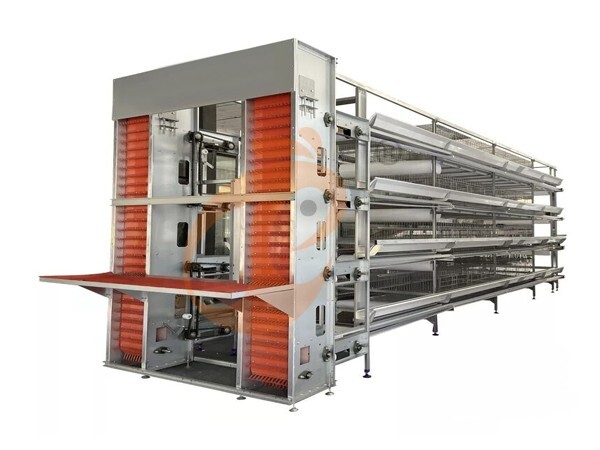
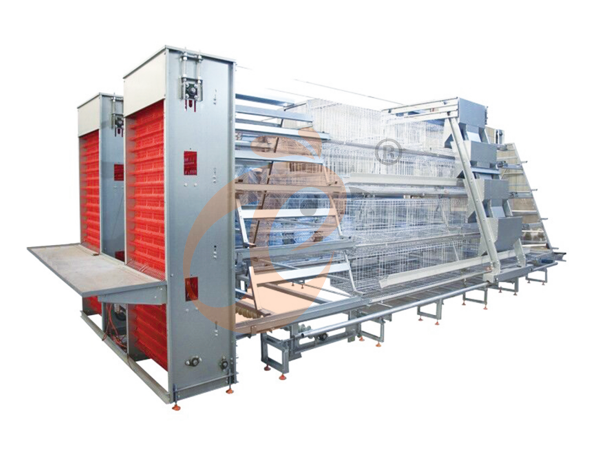
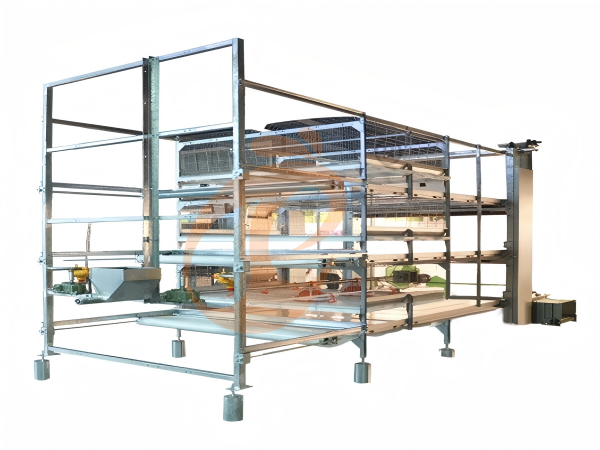
 >30,000 Pullets Automatic H Type Battery Cage1. More than 30,000 pullets a house, choose it.
2. It is designed to rearing older than 1 day old pullets to 12 to 16 weeks old chicken starting laying eggs.
3. Its lifespan is more than 25 years.
4. Its structure are Vcloud artificial intelligent fusion, electric control cabinet, automatic equipment of drinking, feeding, manure clean, manual harvesting.
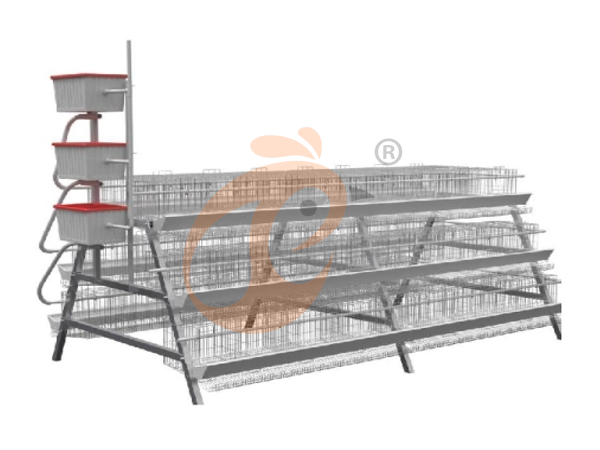
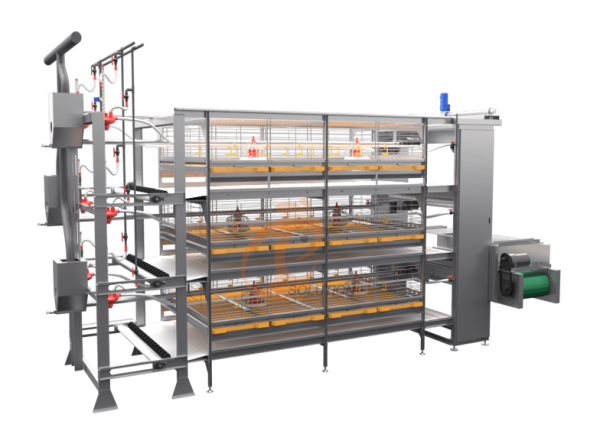
5. Our 24 hour online reception What’sApp NO. is +8618830120193 <30,000 Pullets Automatic A Type Battery Cage1. 10,000 to 30,000 pullets a house, choose it.
2. It is designed to rearing older than 1 day old pullets to 12 to 16 weeks old chicken starting laying eggs.
3. Its lifespan is more than 25 years.
4. Its structure are Vcloud artificial intelligent fusion, electric control cabinet, automatic equipment of drinking, feeding, manure clean, manual harvesting.
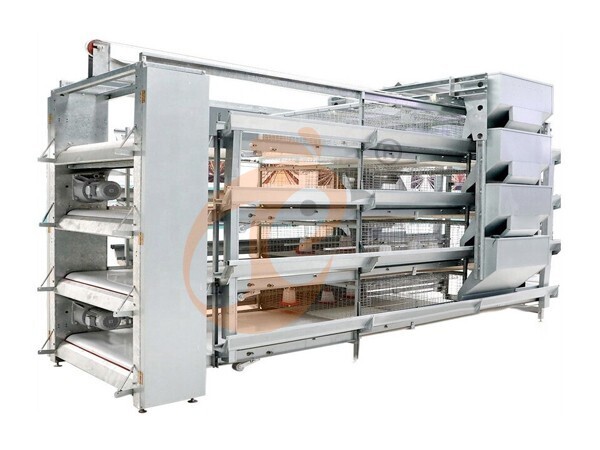
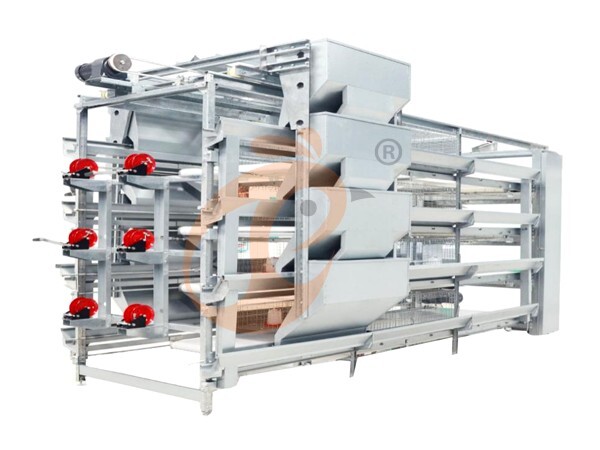
5. Our 24 hour online reception What’sApp NO. is +86 18830120193. >30,000 Broilers Semi-Automatic Harvest H Type Battery Cage1. More than 30,000 broilers a house, choose it.
2. It is designed to rearing 1 to 45 day old adult broiler ready for market.
3. Its lifespan is more than 20 years.
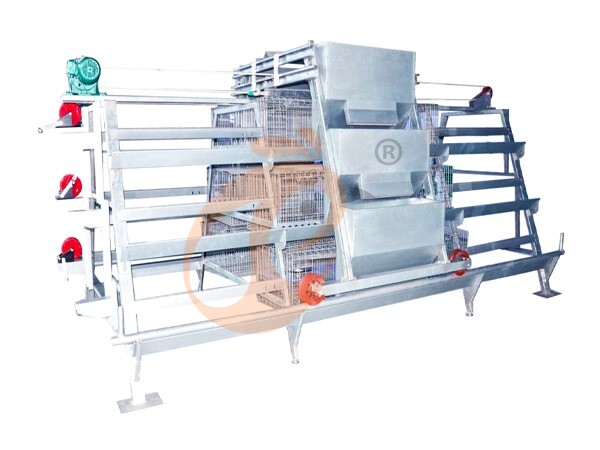
4. Our 24 hour online reception What’sApp NO. is +8618830120193, +234 8111199996. >30,000 Broilers Manual Harvest H Type Battery Cage1. More than 30,000 broilers a house, choose it.
2. It is designed to rearing 1 to 45 day old adult broiler ready for market.
3. Its lifespan is more than 20 years.
4. Its structure are Vcloud artificial intelligent fusion, electric control cabinet, automatic equipment of drinking, feeding and manure clean, manual harvesting.
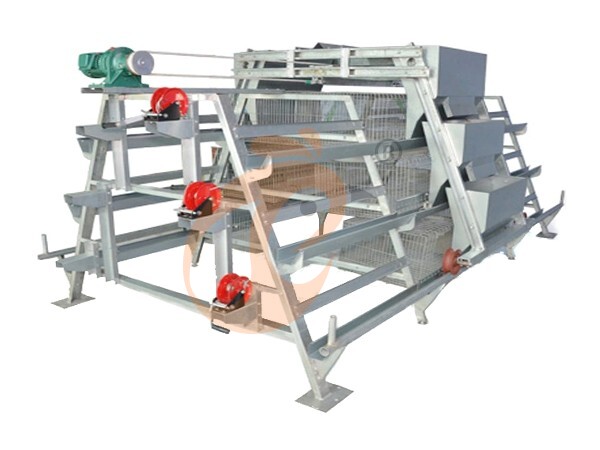
5. Our 24 hour online reception What’sApp NO. is +8618830120193, +234 8111199996. <30,000 Broilers Manual Harvest A Type Battery Cage1. Less 30,000 broilers a house, choose it.
2. It is designed to rearing 1 to 45 day old adult broiler ready for market.
3. Its lifespan is more than 20 years.
4. Its structure are Vcloud artificial intelligent fusion, electric control cabinet, automatic equipment of drinking, feeding and manure clean, manual harvesting.
5. Our 24 hour online reception What’sApp NO. is +8618830120193, +234 8111199996. HK Headquarter Offers EU-standard Poultry Farm Solutions, Manufacture Poultry Farm Equipment1. Continuous communication with the EU and the US
2. China, Nigeria, Ethiopia, Tanzania branch companies and factories
3. The products’ quality is customized for local poultry farms
4. Poultry cage and poultry farm equipment stock for sale
5. 24 online reception Whatsapp NO. : +8618830120193,contact us to get full information China Branch Offer Poultry Farm Business Plan, Manufacture Poultry Farm Equipment1. Address: Flat/RM 2416, 24/F, Runxing Building, Youyi Nan Street, Shijiazhuang City, Hebei Province, China
2. Poultry cage and poultry farm equipment factory and stock for sale
3. Customized for local poultry farms
4. Quality and design are based on Euro
5. 24 online reception Whatsapp NO. : +8618830120193 Nigeria Branch Offer Poultry Farm Business Plan, Manufacture Poultry Farm Equipment1. Address: After Sinoma Office, 200 Meters Near Danco Filling Station, Lagos/Ibadan Expressway, Lagos State, Nigeria
2. Poultry cage and poultry farm equipment factory and stock for sale
3. Customized for Nigerian poultry farms
4. Quality and design are based on Euro
5. 24 online reception Whatsapp NO. : +8618830120193 Ethiopia Branch Offer Poultry Farm Business Plan, Manufacture Poultry Farm Equipment1. Address: WR93+FQ2, Addis Ababa, Ethiopia
2. Poultry cage and poultry farm equipment stock for sale
3. Customized for Ethiopian poultry farms
4. Quality and design are based on Euro
5. 24 online reception Whatsapp NO. : +8618830120193, contact us to get price list Tanzania Branch Offer Poultry Farm Business Plan, Manufacture Poultry Farm Equipment1. Address: No.8, Sova Road, Msufini, Mlandizi, Kibaha, Pwani, Tanzania
2. Poultry cage and poultry farm equipment factory and stock for sale
3. Customized for Tanzanian poultry farms
4. Quality and design are based on Euro
5. 24 online reception Whatsapp NO. : +8618830120193


Contact
By clicking 'Allow All', you agree to the storage of cookies on your device to enhance site navigation, analyze site usage and assist with our marketing efforts.