


Blog
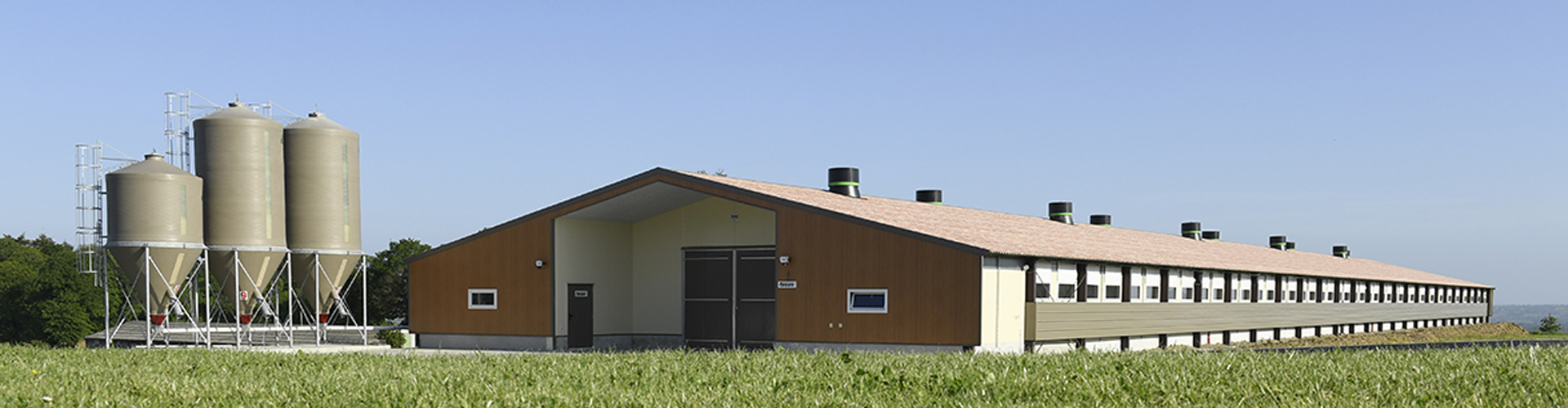
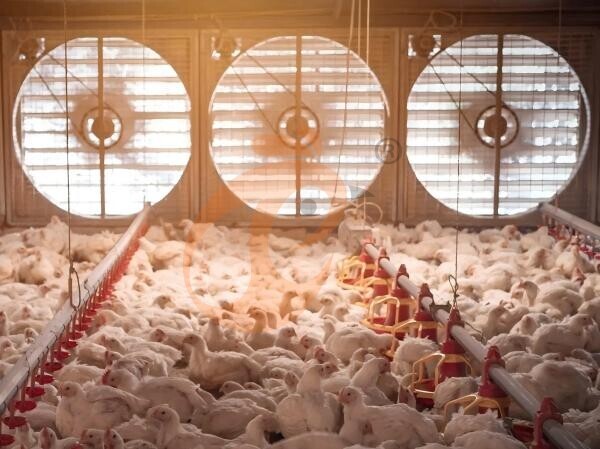
Floor rearing system combined with an automatic floor rearing feeding system supports continuous feed delivery across houses measuring 60–150 m, while automatic scheduling improves daily production consistency.
Commercial poultry farms increasingly select commercial poultry floor rearing system solutions because integrated feeding, drinking, ventilation, and environmental control reduce operational complexity while maintaining stable flock performance.
Precision feed distribution, intelligent automation, durable galvanized components, and reliable engineering design create measurable value throughout broiler production cycles.
Equipment compatibility, installation planning, maintenance efficiency, and scalable expansion all influence long-term investment performance more than individual machine selection.
Smart chicken house feeding equipment combines engineering reliability with commercial productivity, creating practical solutions for modern poultry businesses seeking sustainable production growth.
Get professional poultry farm construction guidance, equipment selection solutions, and the latest price lists, whatsApp to +8618830120193, click to learn more:
Why Feeding Strategy Defines Floor Rearing Success
Modern poultry production requires higher efficiency, stable flock performance, and lower operating costs.
An automatic floor rearing feeding system creates uniform feed distribution while supporting intelligent management throughout the entire production cycle.
Commercial poultry projects increasingly combine feeding, drinking, ventilation, and environmental control into one integrated engineering solution for easier maintenance and future expansion.
Reliable equipment also improves component compatibility, reducing unexpected downtime and simplifying routine servicing.
Data is for reference only.Swipe horizontally to view full table.
Automatic conveying systems maintain continuous feed transportation from silos to feeding pans, improving distribution consistency across the poultry house.
Equipment Selection Checklist
Choosing suitable equipment begins with matching engineering specifications to production targets instead of selecting individual machines independently.
A commercial poultry floor rearing system should remain compatible with future upgrades, including intelligent controllers, environmental automation, and centralized monitoring.
Checklist before purchasing
- House structural dimensions
- Flock capacity planning
- Automation level
- Maintenance accessibility
- Spare parts availability
Data is for reference only.Swipe horizontally to view full table.
Modern feeding pans minimize feed loss while maintaining even access throughout different bird growth stages.
Feeding Schedule Optimization
Different growth stages require different feed allocation strategies.
Programming automatic feeding 3–10 cycles daily keeps feed availability stable while reducing unnecessary competition.
Adjustable feeding height between 0.4–1.0 m supports changing bird sizes without interrupting production.
Data is for reference only.Swipe horizontally to view full table.
Stable drive systems improve conveying efficiency and maintain continuous feed flow during intensive production periods.
Farm Problem Analysis
Uneven body weight usually begins with inconsistent feed access rather than feed quality.
A smart chicken house feeding equipment solution balances feed delivery across every feeding line and minimizes manual intervention.
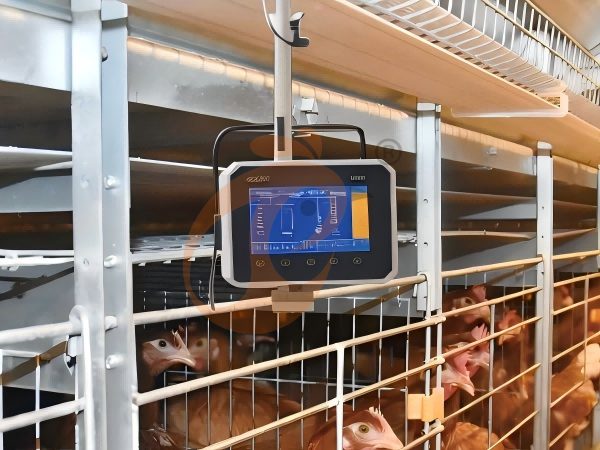
Automatic sensors stop the motor after every feeding cycle, helping maintain continuous operation while reducing unnecessary feed accumulation.
Data is for reference only.Swipe horizontally to view full table.
Routine inspection keeps the automatic feeding system operating efficiently while extending equipment service life.
Smart Integration Strategy
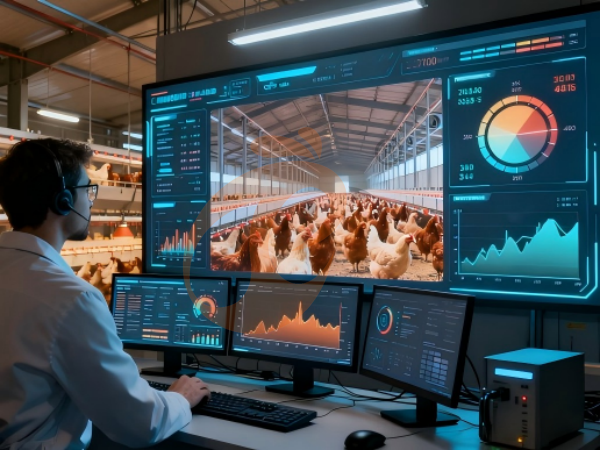
Automation becomes more valuable when multiple poultry equipment systems communicate through one intelligent controller.
Integrated feeding, drinking, ventilation, and environmental control reduce operating complexity while supporting stable flock management.
Remote monitoring also simplifies preventive maintenance planning across commercial poultry projects.
Data is for reference only.Swipe horizontally to view full table.
Automatic control reduces manual supervision while maintaining reliable feeding accuracy across different poultry house layouts.
Future Development Insight
Future-ready poultry farms require equipment that can be expanded without replacing the complete feeding infrastructure.
A modular automatic floor rearing feeding system allows additional feed lines, environmental controllers, and monitoring devices to be integrated as production capacity increases.
Digital management platforms combined with automated feeding equipment simplify data collection and support stable production decisions throughout the flock cycle.
Data is for reference only.Swipe horizontally to view full table.
Corrosion-resistant materials and modular structures reduce maintenance frequency while supporting long-term commercial operation.
Investment Considerations
Equipment selection should focus on total lifecycle value rather than initial purchase cost alone.
Reliable engineering, standardized components, and intelligent control systems reduce maintenance expenses and improve long-term production stability.
Project budgeting commonly includes feeding equipment, drinking systems, ventilation, electrical installation, and commissioning services.
A complete solution may represent an investment ranging from USD 15,000 to USD 120,000 depending on poultry house dimensions and automation level.
European union standard reference only.
Data is for reference only.Swipe horizontally to view full table.
Proper engineering configuration improves installation efficiency while simplifying future expansion projects.
Frequently Asked Questions
Q1: What is the main advantage of a floor rearing system?
An integrated automatic floor rearing feeding system delivers feed uniformly across the poultry house while reducing labor demand and feed waste.
Most commercial installations support houses between 60 m and 150 m, and automatic control helps maintain consistent feed availability throughout the production cycle.
Q2: How many birds can one automatic feed pan serve?
A standard feed pan generally supports 40–70 broilers, depending on bird age, stocking density, and farm management practices.
Proper feeder height adjustment and regular maintenance improve feed access and flock uniformity during every growth stage.
Q3: Can a commercial poultry floor rearing system be customized?
Yes.
Modern poultry equipment can be configured according to poultry house dimensions, flock size, climate conditions, and automation requirements.
Complete projects normally integrate feeding systems, nipple drinking systems, ventilation, environmental control, lighting, and electrical control into one engineering solution for easier installation and management.
Taiyu (HK) Group - One Of China Largest Floor Rearing System Manufacturer
Floor rearing system integrates automatic feeding lines, feed silos, pan feeders, nipple drinking systems, environmental controllers, ventilation equipment, and intelligent automation into one standardized engineering platform for modern poultry production.
Global factory-direct manufacturing supports OEM, ODM, and customized poultry equipment projects with stable quality management and efficient international delivery.
Professional poultry equipment production covers broiler, layer, breeder, and turnkey livestock engineering projects using standardized manufacturing and strict quality inspection.
Turn-key engineering services include poultry house planning, equipment manufacturing, installation guidance, commissioning, technical training, and complete after-sales support for international farms.
Contact Us To Received Your Customized Poultry Farm Plan
Headquarters And Branchs

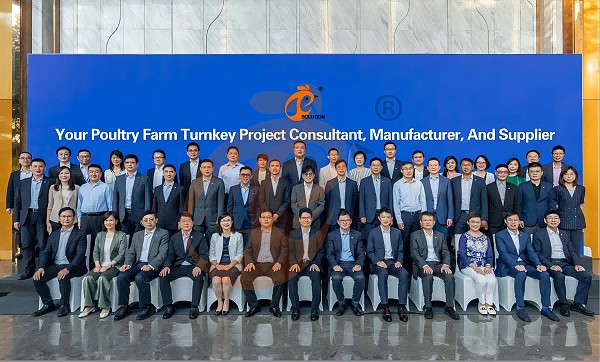
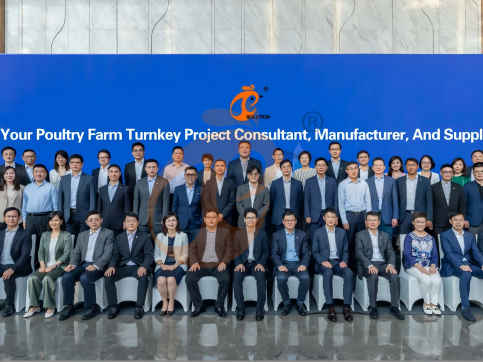
Hong Kong Headquarter Management Team
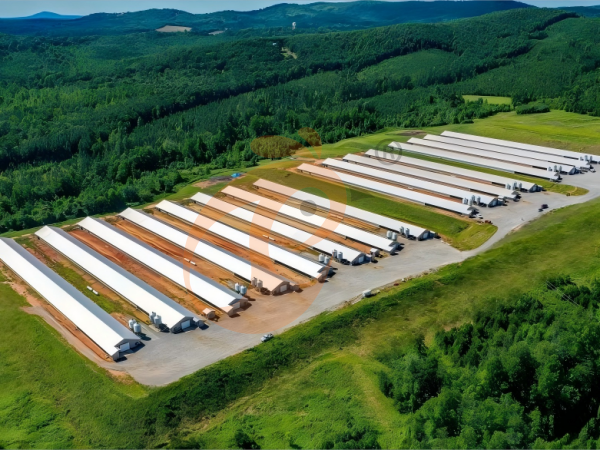
Hong Kong Headquarter Taiyu Industrial Group CO., LTD
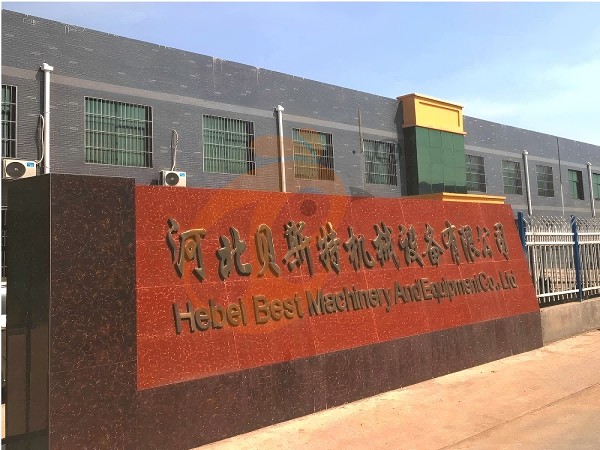
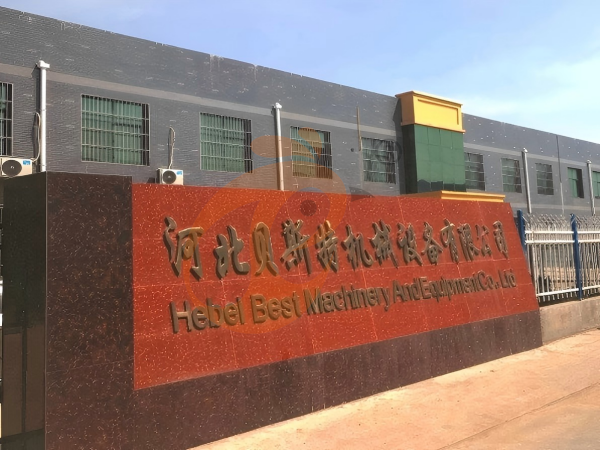
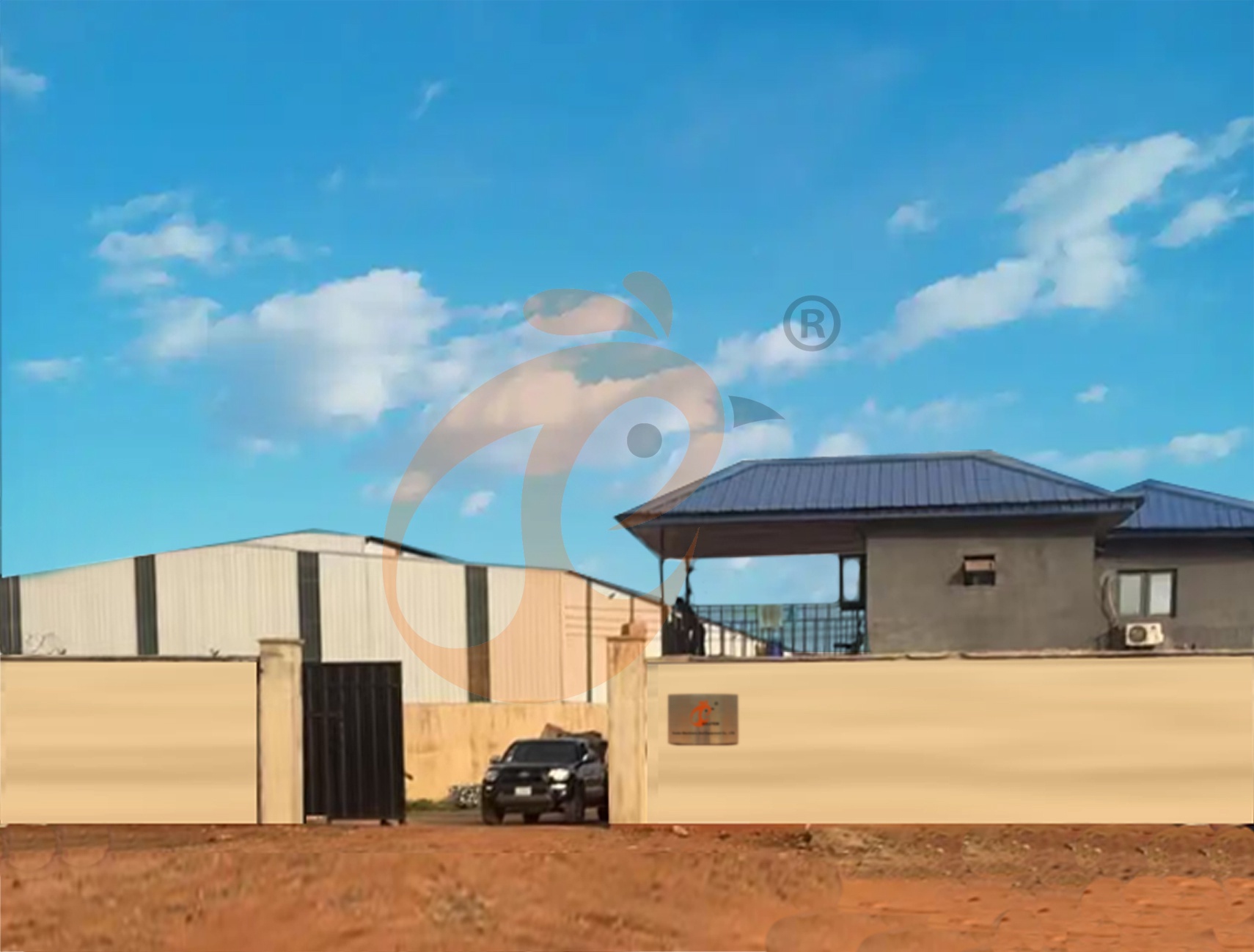
China Hebei Best Machinery And Equipment CO., LTD
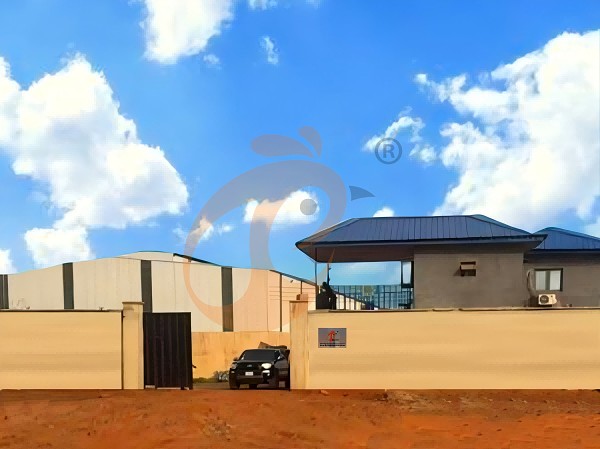
Nigeria Vanke Machinery And Equipment CO., LTD
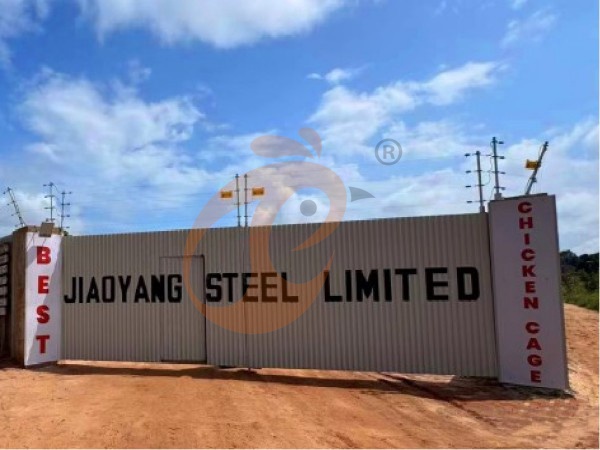
Tanzania Best Machinery And Equipment CO., LTD
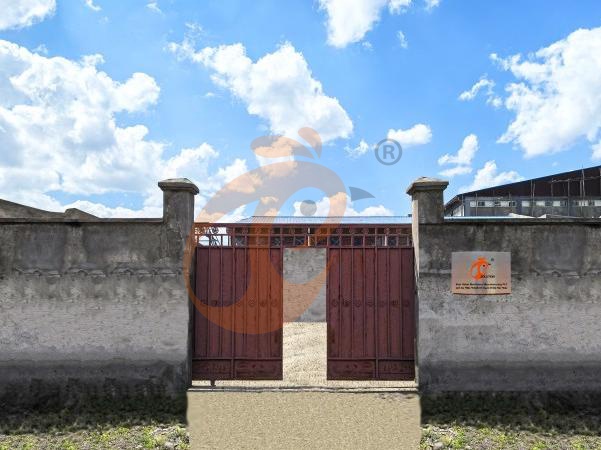
Ethiopia Best Hebei Machinery Manufacturing PLC
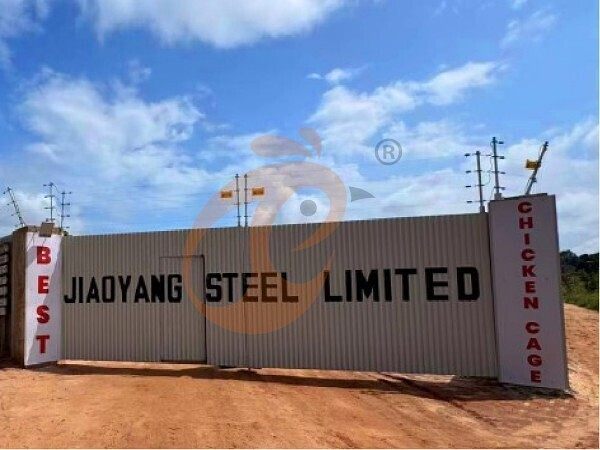
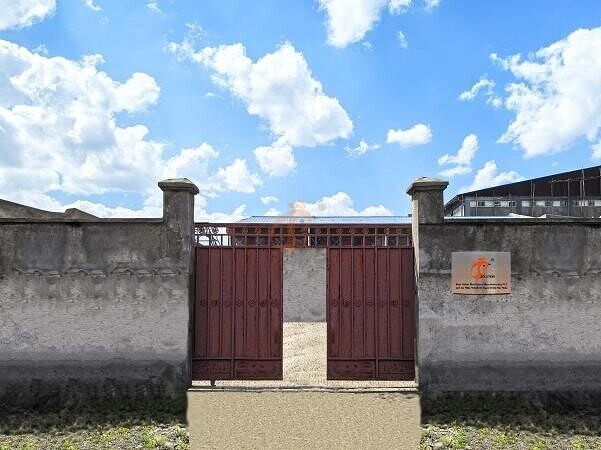
Reception /24 WhatsApp NO. : +8618830120193
FAQ
What Growth Performance Indicators Are Expected In Floor Rearing Poultry System?
Feed conversion ratio is maintained at 1.65–1.85 for commercial broilers.
Market slaughter age ranges from 38–45 days depending on breed selection.
What Disease Control Standards Apply In Floor Rearing Poultry System?
Flock vaccination coverage reaches 90%–98% depending on disease prevention program.
Pathogen reduction targets aim for 80%–90% decrease in bacterial load.
What Are The Manure Management Requirements In Floor Rearing Poultry System?
Ammonia emission control targets remain below 15 ppm through regular cleaning cycles.
Dry matter content is maintained above 65% to improve composting efficiency.
Message
Products recommended
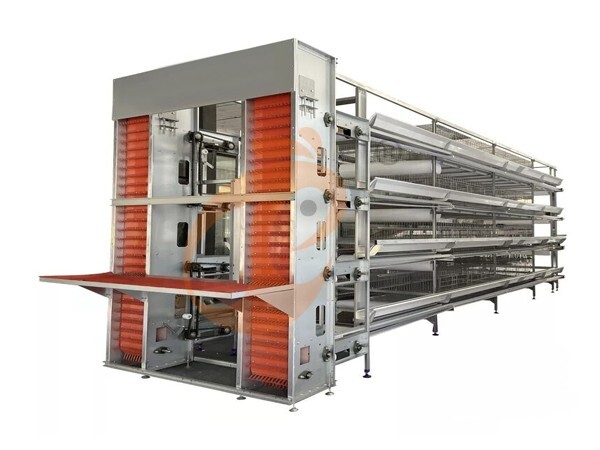
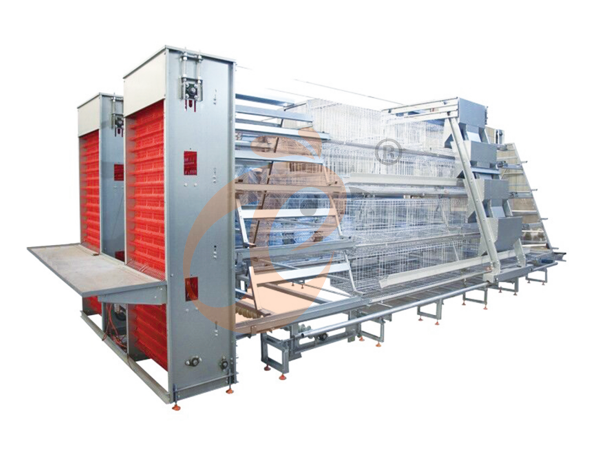
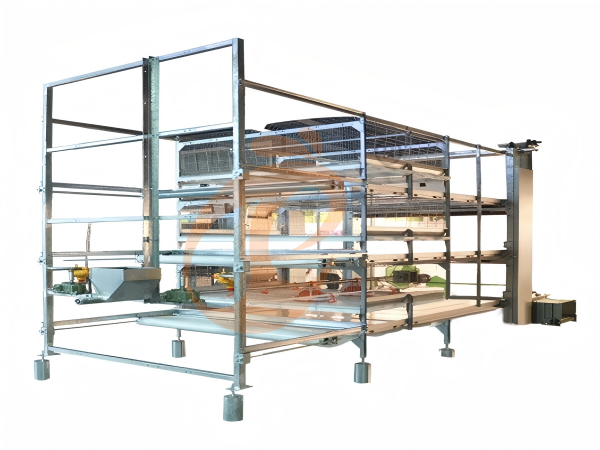
 >30,000 Pullets Automatic H Type Battery Cage1. More than 30,000 pullets a house, choose it.
2. It is designed to rearing older than 1 day old pullets to 12 to 16 weeks old chicken starting laying eggs.
3. Its lifespan is more than 25 years.
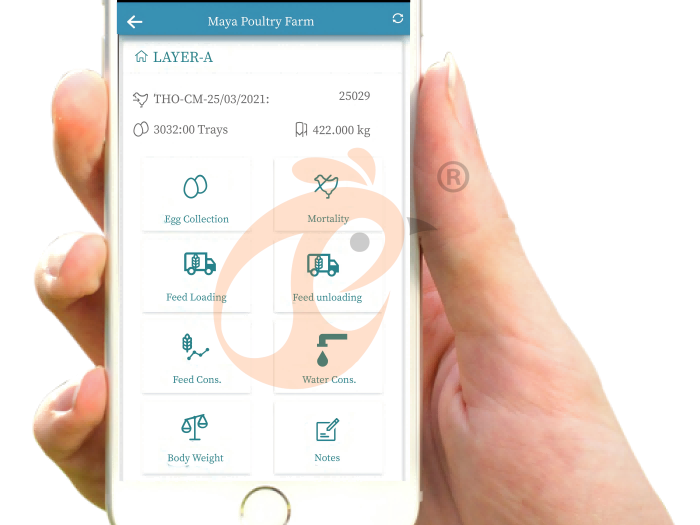
4. Its structure are Vcloud artificial intelligent fusion, electric control cabinet, automatic equipment of drinking, feeding, manure clean, manual harvesting.
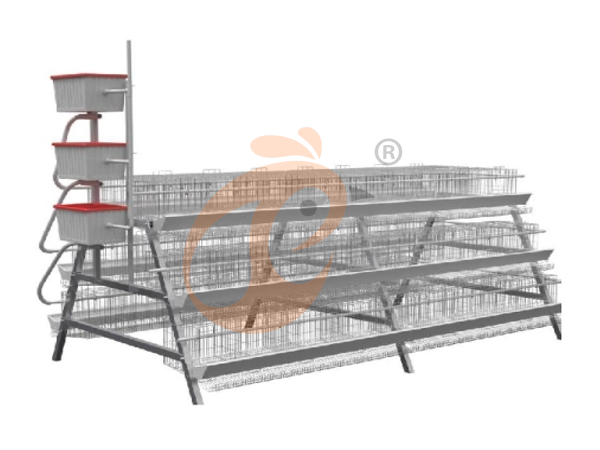
5. Our 24 hour online reception What’sApp NO. is +8618830120193 <30,000 Pullets Automatic A Type Battery Cage1. 10,000 to 30,000 pullets a house, choose it.
2. It is designed to rearing older than 1 day old pullets to 12 to 16 weeks old chicken starting laying eggs.
3. Its lifespan is more than 25 years.
4. Its structure are Vcloud artificial intelligent fusion, electric control cabinet, automatic equipment of drinking, feeding, manure clean, manual harvesting.
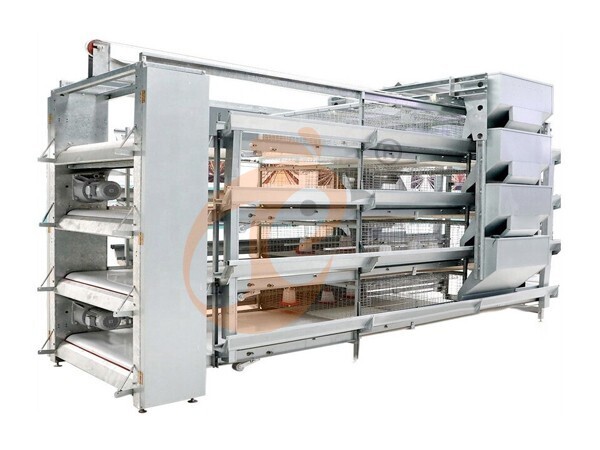
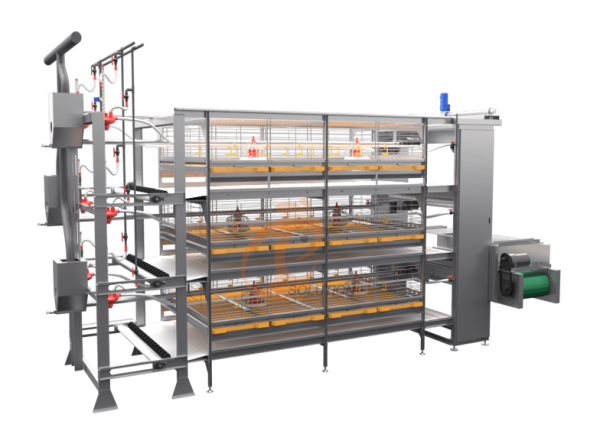
5. Our 24 hour online reception What’sApp NO. is +86 18830120193. >30,000 Broilers Semi-Automatic Harvest H Type Battery Cage1. More than 30,000 broilers a house, choose it.
2. It is designed to rearing 1 to 45 day old adult broiler ready for market.
3. Its lifespan is more than 20 years.
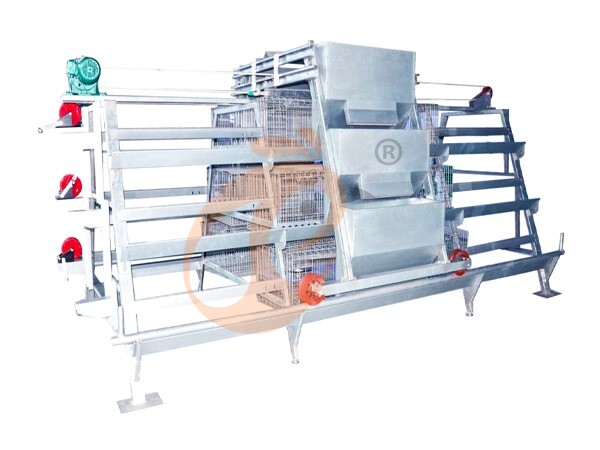
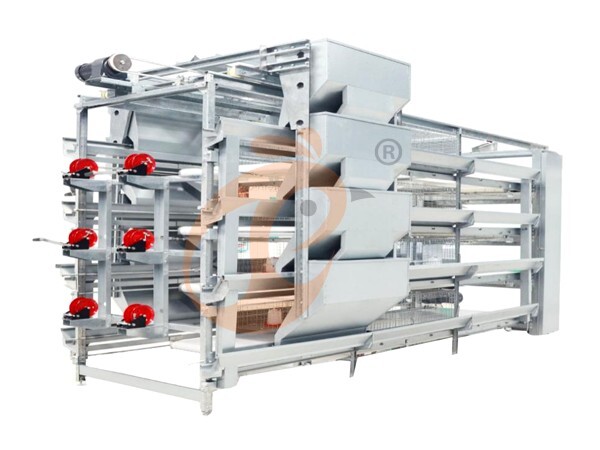
4. Our 24 hour online reception What’sApp NO. is +8618830120193, +234 8111199996. >30,000 Broilers Manual Harvest H Type Battery Cage1. More than 30,000 broilers a house, choose it.
2. It is designed to rearing 1 to 45 day old adult broiler ready for market.
3. Its lifespan is more than 20 years.
4. Its structure are Vcloud artificial intelligent fusion, electric control cabinet, automatic equipment of drinking, feeding and manure clean, manual harvesting.
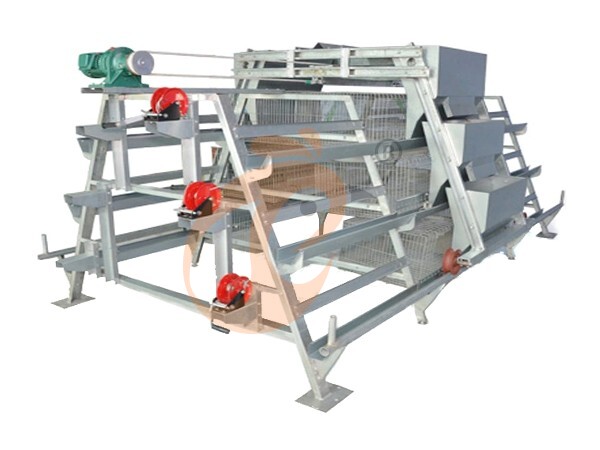
5. Our 24 hour online reception What’sApp NO. is +8618830120193, +234 8111199996. <30,000 Broilers Manual Harvest A Type Battery Cage1. Less 30,000 broilers a house, choose it.
2. It is designed to rearing 1 to 45 day old adult broiler ready for market.
3. Its lifespan is more than 20 years.
4. Its structure are Vcloud artificial intelligent fusion, electric control cabinet, automatic equipment of drinking, feeding and manure clean, manual harvesting.
5. Our 24 hour online reception What’sApp NO. is +8618830120193, +234 8111199996. HK Headquarter Offers EU-standard Poultry Farm Solutions, Manufacture Poultry Farm Equipment1. Continuous communication with the EU and the US
2. China, Nigeria, Ethiopia, Tanzania branch companies and factories
3. The products’ quality is customized for local poultry farms
4. Poultry cage and poultry farm equipment stock for sale
5. 24 online reception Whatsapp NO. : +8618830120193,contact us to get full information China Branch Offer Poultry Farm Business Plan, Manufacture Poultry Farm Equipment1. Address: Flat/RM 2416, 24/F, Runxing Building, Youyi Nan Street, Shijiazhuang City, Hebei Province, China
2. Poultry cage and poultry farm equipment factory and stock for sale
3. Customized for local poultry farms
4. Quality and design are based on Euro
5. 24 online reception Whatsapp NO. : +8618830120193 Nigeria Branch Offer Poultry Farm Business Plan, Manufacture Poultry Farm Equipment1. Address: After Sinoma Office, 200 Meters Near Danco Filling Station, Lagos/Ibadan Expressway, Lagos State, Nigeria
2. Poultry cage and poultry farm equipment factory and stock for sale
3. Customized for Nigerian poultry farms
4. Quality and design are based on Euro
5. 24 online reception Whatsapp NO. : +8618830120193 Ethiopia Branch Offer Poultry Farm Business Plan, Manufacture Poultry Farm Equipment1. Address: WR93+FQ2, Addis Ababa, Ethiopia
2. Poultry cage and poultry farm equipment stock for sale
3. Customized for Ethiopian poultry farms
4. Quality and design are based on Euro
5. 24 online reception Whatsapp NO. : +8618830120193, contact us to get price list Tanzania Branch Offer Poultry Farm Business Plan, Manufacture Poultry Farm Equipment1. Address: No.8, Sova Road, Msufini, Mlandizi, Kibaha, Pwani, Tanzania
2. Poultry cage and poultry farm equipment factory and stock for sale
3. Customized for Tanzanian poultry farms
4. Quality and design are based on Euro
5. 24 online reception Whatsapp NO. : +8618830120193


Contact
By clicking 'Allow All', you agree to the storage of cookies on your device to enhance site navigation, analyze site usage and assist with our marketing efforts.