


Blog
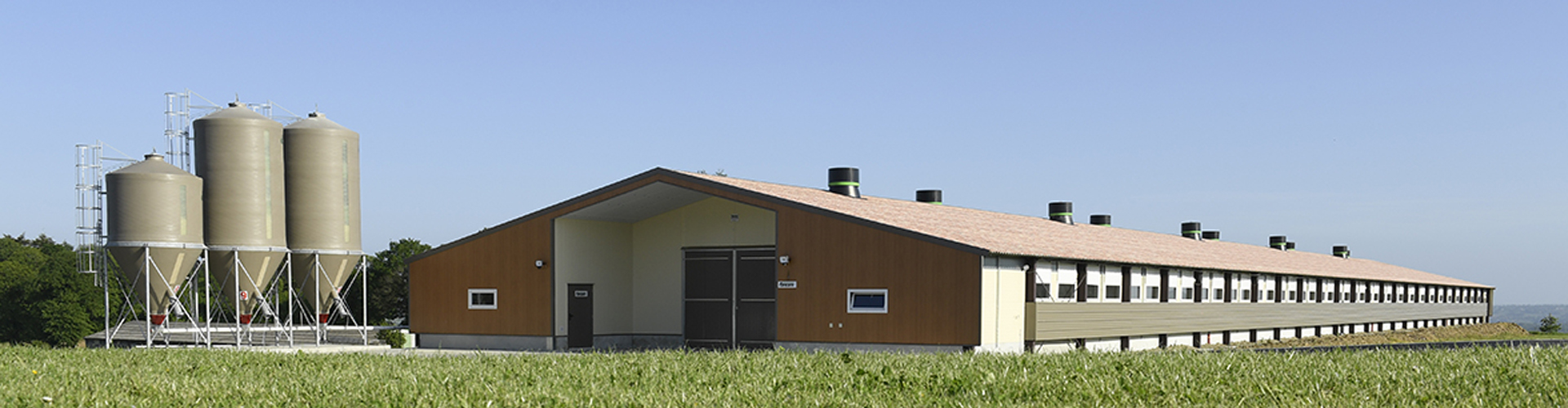
Free range layer system management combines automatic feeding, drinking, nesting, ventilation, and manure handling for organized commercial production with 18–80 week laying cycles.
Automatic layer nest boxes, automatic feeding systems, and poultry nipple drinking systems reduce repetitive labor while supporting consistent flock routines.
Technical equipment parameters covering feed delivery, water supply, egg collection, manure removal, and climate control help engineers configure practical poultry houses.
Integrated automation connects environmental controllers with production equipment, supporting measurable operation, maintenance planning, and efficient daily management across different farm capacities.
- A properly engineered free-range layer system creates coordinated workflows that balance flock movement, equipment reliability, egg quality, hygiene, labor efficiency, and long-term farm development.
Get professional poultry farm construction guidance, equipment selection solutions, and the latest price lists, whatsApp to +8618830120193, click to learn more:
Start With A Free-Range Management Blueprint
Free-range layer system planning combines indoor housing with controlled outdoor access, so equipment must support both flock movement and efficient daily routines.
Before installation, define the production workflow, including flock age from 18–80 weeks and an outdoor access period of 6–10 hours/day.
The objective is not simply to give hens more space.
A commercial system should move feed, water, eggs, manure, and air through clearly designed routes.
When these processes are coordinated, labor becomes more predictable and equipment performance is easier to monitor.
Automatic Feeding Equipment: Key Parameters
Data is for reference only.Swipe horizontally to view full table.
A correctly configured feeding line distributes feed without requiring workers to carry bags through the house.
For farms with multiple production zones, independent feed circuits can also simplify operational control.
Turn Feeding Into A Controlled Daily Process
Feed management should be based on flock behavior rather than simply filling equipment and leaving it unattended.
For example, two to four feeding cycles/day can be programmed around active periods, while feed allocation can be adjusted as hens move between indoor and outdoor areas.
Automatic feeding also helps standardize the working routine.
Instead of spending 30–60 minutes per feeding round on manual distribution, workers can concentrate on checking bird condition, equipment operation, and feed consumption.
For commercial projects, equipment selection should consider future expansion rather than today's flock alone.
A modular feed line allows additional housing sections to be connected without redesigning the entire feeding infrastructure.
Nipple Drinking System: Technical Specifications
Data is for reference only.Swipe horizontally to view full table.
A complete drinking system combines nipples, water pipes, filtration, pressure regulation, and suspension components.
This configuration creates a continuous water supply while reducing the need for open containers that can become contaminated.
Protect Water Quality From The Source To The Hen
Water management starts before the drinking line.
Test source water regularly and keep pH between approximately 6.5 and 8.5 where appropriate for the farm's water source and veterinary recommendations.
During routine inspections, check for leaking nipples, blocked filters, and damaged pipelines.
A practical maintenance cycle is to inspect drinking points at least once every 7 days, while cleaning procedures should follow actual water-quality conditions.
For free-range layer system operation, water access should remain reliable when hens return from pasture.
Positioning indoor drinking lines along predictable flock routes can reduce unnecessary movement and make water consumption easier to monitor.
Automatic Layer Nest Box: Production Parameters
Data is for reference only.Swipe horizontally to view full table.
Nest boxes should be positioned where hens naturally travel between feeding, drinking, resting, and outdoor areas.
A suitable automatic layer nest box can guide eggs onto the collection belt instead of leaving workers to search for floor eggs throughout the house.
Make Egg Collection A Logistics Operation
Egg quality depends heavily on what happens between laying and packing.
A useful management target is to move collected eggs to the handling area within 2–4 hours, particularly during warm production periods.
Automatic egg belts reduce unnecessary handling and can connect nest boxes directly with an egg collection station.
This creates a more organized workflow in which workers supervise collection instead of repeatedly entering individual nesting areas.
For farms selling premium free-range eggs, equipment layout should also leave sufficient room for grading, cleaning where legally permitted, packing, and product inspection.
A well-designed collection route can support both product quality and brand presentation.
Manure Removal System: Engineering Data
Data is for reference only.Swipe horizontally to view full table.
Efficient manure removal reduces the time workers spend cleaning inside the poultry house.
Belt-based systems can transport manure toward a designated discharge point, making subsequent composting, storage, or processing more manageable.
Ventilation Equipment: Technical Configuration
Data is for reference only.Swipe horizontally to view full table.
Ventilation equipment should be selected according to house dimensions, bird density, regional climate, and building structure.
A properly integrated fan-and-inlet system helps remove moisture, dust, carbon dioxide, and excess heat from the indoor environment.
Manage The House Environment Around The Flock
Climate management should respond to actual bird conditions rather than relying on a single fixed setting.
During summer, an indoor temperature increase of 2°C within 30 minutes can be used as a trigger for checking ventilation response and cooling capacity.
Humidity also deserves attention because excessive moisture can affect litter quality and air conditions.
Keeping a routine record of environmental readings at 15-minute intervals gives farm managers a clearer picture of daily fluctuations and equipment performance.
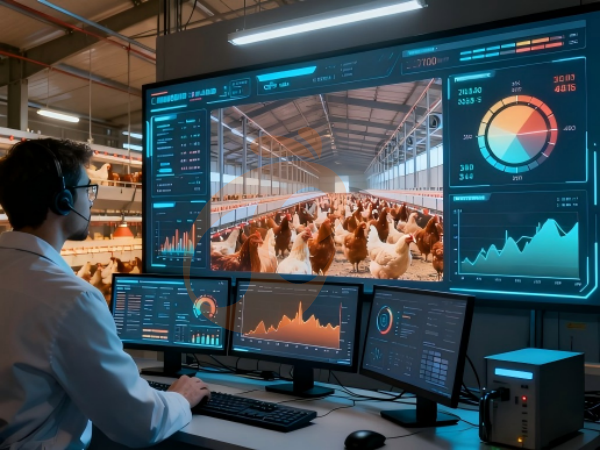
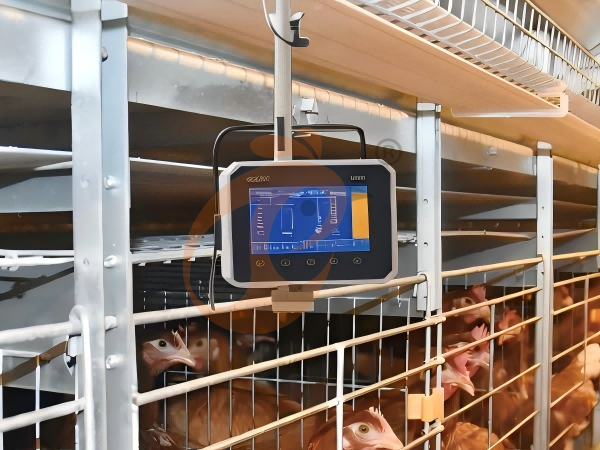
An automatic controller can coordinate fans, cooling systems, alarms, and other equipment.
This reduces manual adjustments and allows operators to focus on flock observation and preventive maintenance.
Environmental Control System: Control Parameters
Data is for reference only.Swipe horizontally to view full table.
A centralized controller can connect multiple equipment systems into one operating platform.
Farmers can set operating sequences for ventilation, cooling, lighting, and alarms instead of adjusting each device independently.
Complete Free-Range Layer Equipment Package
Data is for reference only.Swipe horizontally to view full table.
Build A More Efficient Free-Range Layer Farm
Free-range layer system management requires coordination between bird welfare, production efficiency, labor organization, and equipment reliability.
The six practical priorities are efficient feeding, reliable drinking, controlled nesting, organized egg collection, effective manure handling, and stable
environmental management.
The right poultry equipment does more than automate individual tasks.
Integrated automatic feeding systems, automatic layer nest boxes, and poultry nipple drinking systems create measurable production workflows for commercial
operations.
For farmers planning a new free-range layer house or upgrading an existing operation, customized equipment can be configured around flock capacity, building
dimensions, climate, labor availability, and production goals.
A professional equipment manufacturer can provide feeding, drinking, nesting, egg collection, manure removal, ventilation, cooling, and automatic control as an integrated solution.
Frequently Asked Questions
Q1: How does an automatic layer nest box support free-range layer system management?
An automatic layer nest box provides designated laying areas and transfers eggs through an egg belt, reducing manual collection requirements and unnecessary egg handling.
Q2: Which equipment should be prioritized when building a free-range layer system?
Automatic feeding, nipple drinking, nesting, ventilation, and manure removal should be engineered as one workflow, with equipment capacity matched to the planned flock size.
Q3: How can poultry equipment reduce daily labor requirements?
Automatic conveyors and controllers replace repetitive manual transportation and adjustment tasks, allowing workers to concentrate on flock inspection, maintenance, and production monitoring.
Taiyu (HK) Group - One Of China Biggest Automatic Layer Nest Box Manufacturer
Automatic layer nest boxes integrate colony nesting and egg-belt collection, with modular capacity designed around 100–120 hens/module for commercial free-range layer system projects.
Global factory-direct supply provides poultry equipment covering automatic feeding, nipple drinking, egg collection, manure handling, ventilation, and environmental control from one engineering source.
Poultry equipment projects can be configured as Turn-key solutions, connecting equipment selection, house layout, electrical control, installation guidance, commissioning, and production workflow planning.
International project engineering supports different house dimensions, flock capacities, climate conditions, and automation requirements through modular equipment specifications and system integration.
Factory manufacturing enables coordinated equipment production, technical documentation, spare-parts planning, and project delivery for commercial layer farms across multiple international markets.
Contact Us To Received Your Customized Poultry Farm Plan
Headquarters And Branchs
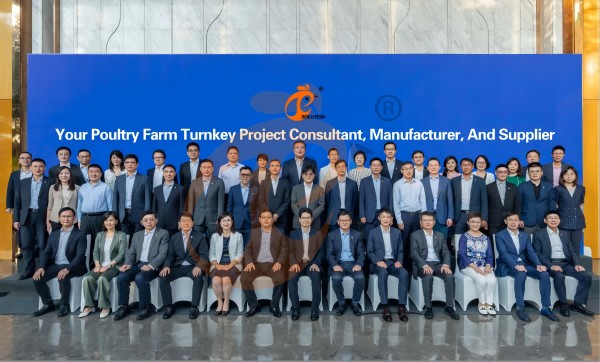
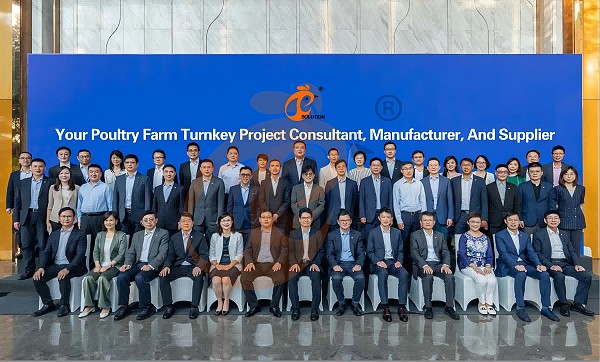
Hong Kong Headquarter Management Team
Hong Kong Headquarter Taiyu Industrial Group CO., LTD
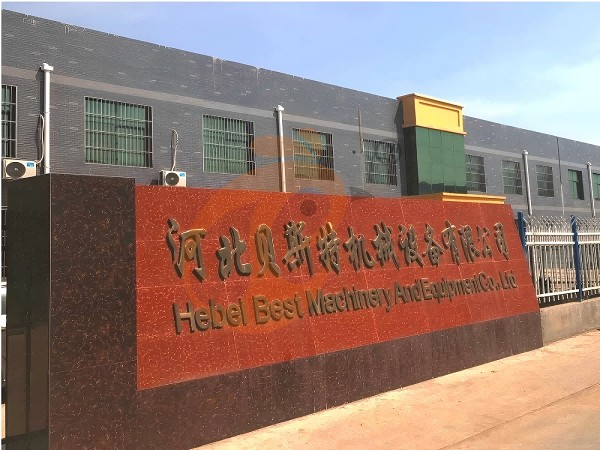
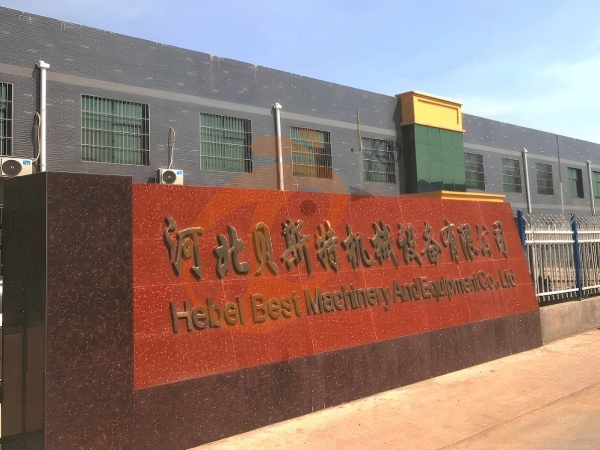
China Hebei Best Machinery And Equipment CO., LTD
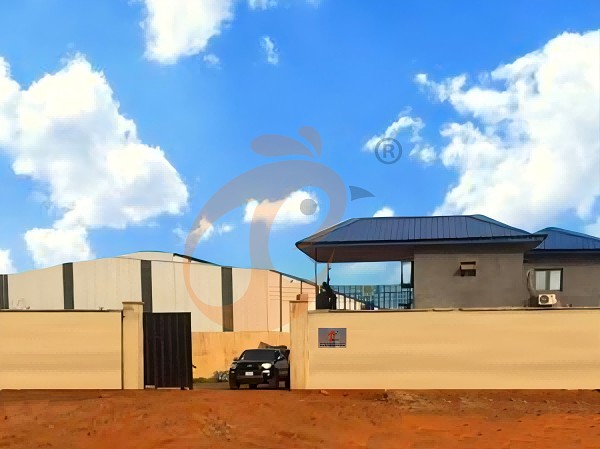
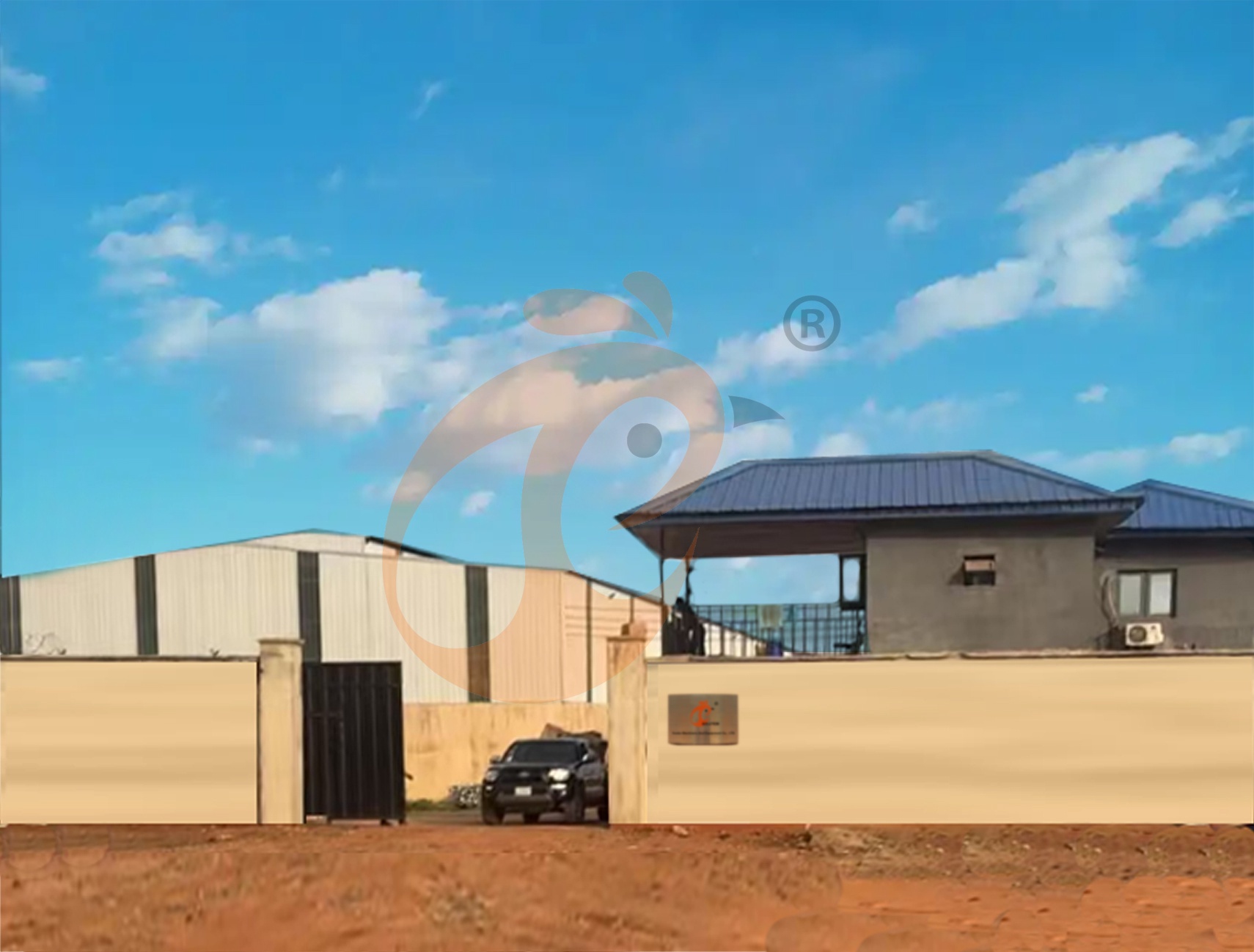
Nigeria Vanke Machinery And Equipment CO., LTD
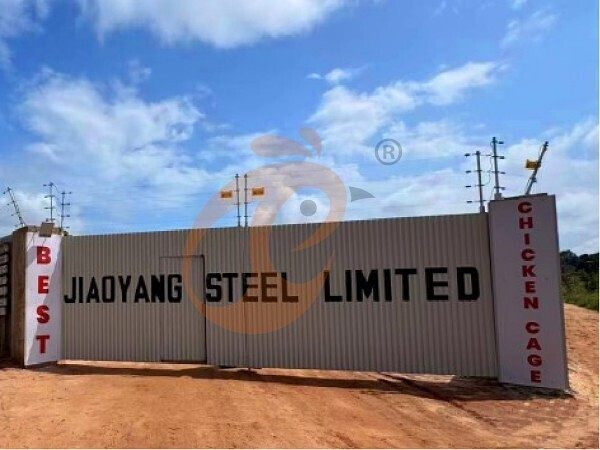
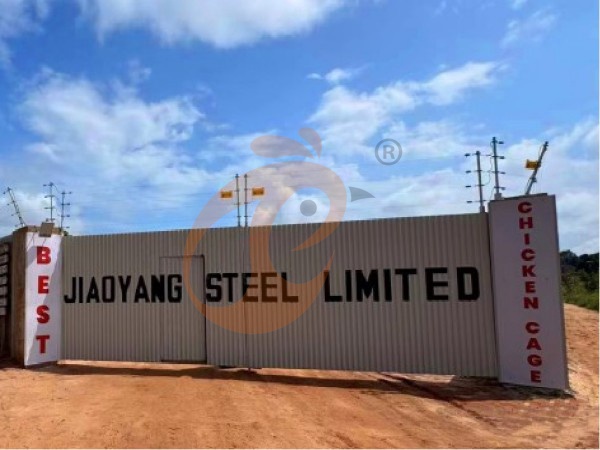
Tanzania Best Machinery And Equipment CO., LTD
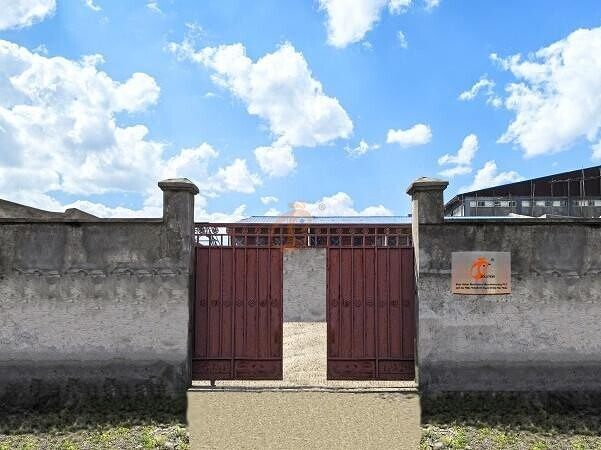
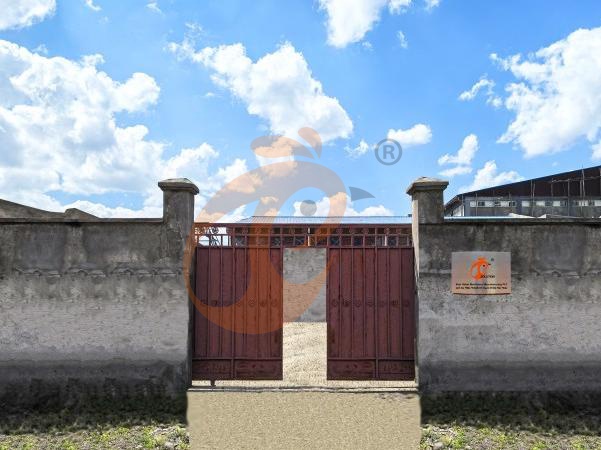
Ethiopia Best Hebei Machinery Manufacturing PLC
Reception /24 WhatsApp NO. : +8618830120193
FAQ
How Does Free Range System Affect Feed Consumption?
Energy expenditure increases daily intake variation by 15%–22% across seasons.
Feed conversion efficiency ranges from 1.9–2.3 depending on grazing intensity.
What Are The Housing Transition Management Standards In Free Range Poultry System?
Indoor-outdoor transition time is controlled within 10–15 minutes per flock movement cycle.
Lighting guidance systems operate at 5–8 lux to direct flock movement behavior.
What Are The Seasonal Adaptation Strategies In Free Range Poultry System?
Summer shade coverage is increased to 60%–80% of grazing area for heat stress reduction.
Rainfall drainage capacity handles 25–40 mm per hour precipitation levels for land usability.
Message
Products recommended
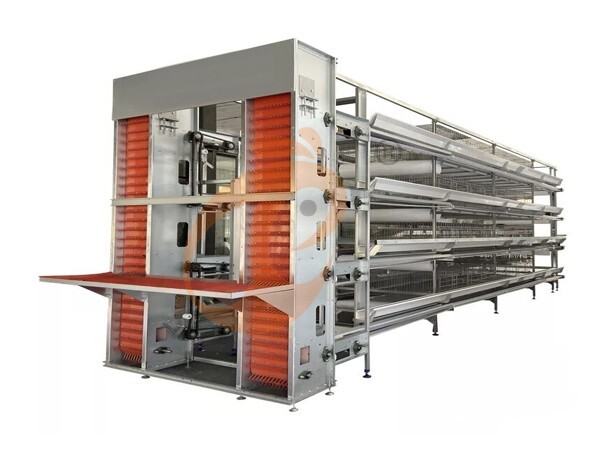
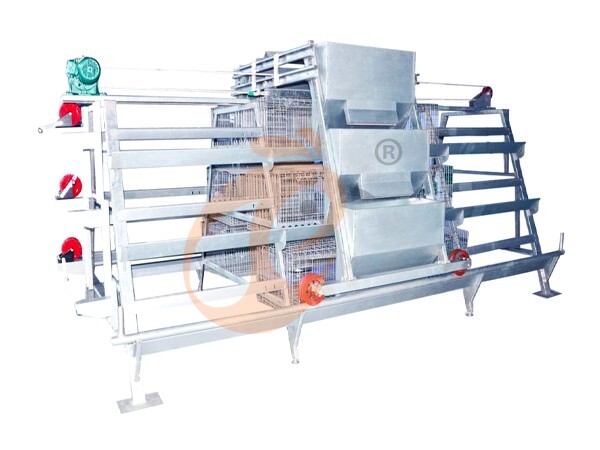
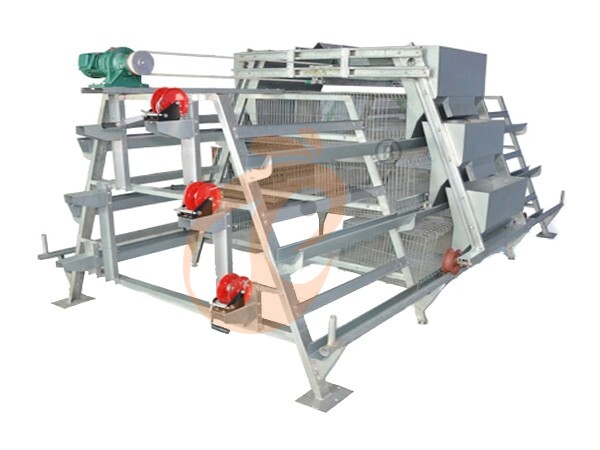
 >30,000 Pullets Automatic H Type Battery Cage1. More than 30,000 pullets a house, choose it.
2. It is designed to rearing older than 1 day old pullets to 12 to 16 weeks old chicken starting laying eggs.
3. Its lifespan is more than 25 years.
4. Its structure are Vcloud artificial intelligent fusion, electric control cabinet, automatic equipment of drinking, feeding, manure clean, manual harvesting.
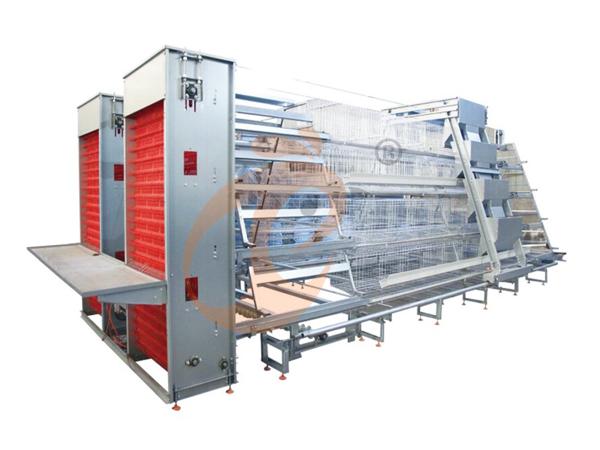
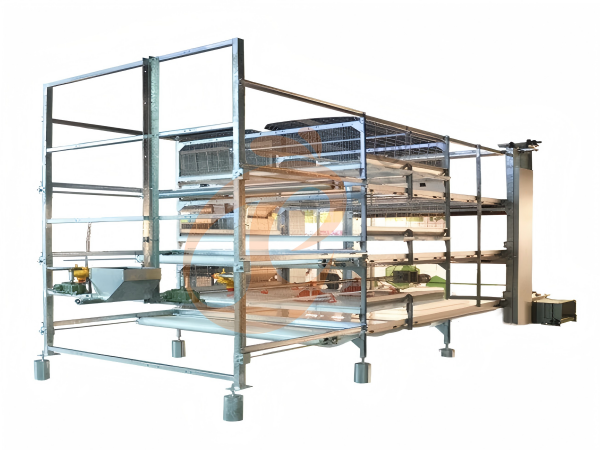
5. Our 24 hour online reception What’sApp NO. is +8618830120193 <30,000 Pullets Automatic A Type Battery Cage1. 10,000 to 30,000 pullets a house, choose it.
2. It is designed to rearing older than 1 day old pullets to 12 to 16 weeks old chicken starting laying eggs.
3. Its lifespan is more than 25 years.
4. Its structure are Vcloud artificial intelligent fusion, electric control cabinet, automatic equipment of drinking, feeding, manure clean, manual harvesting.
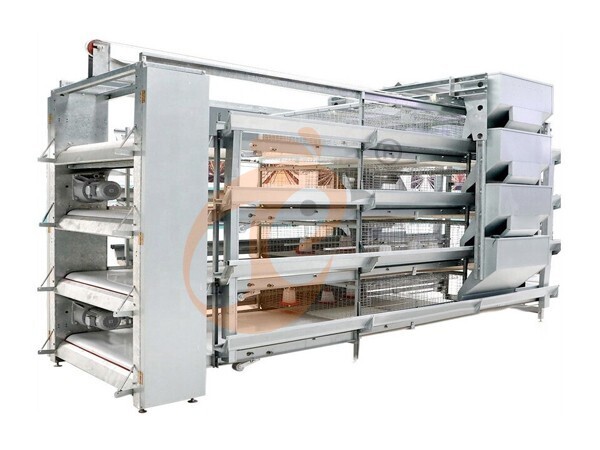
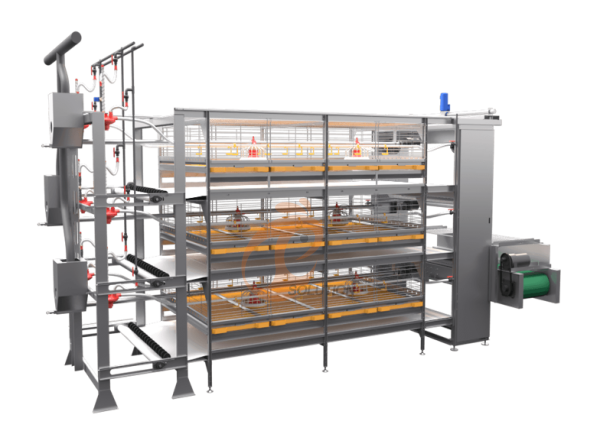
5. Our 24 hour online reception What’sApp NO. is +86 18830120193. >30,000 Broilers Semi-Automatic Harvest H Type Battery Cage1. More than 30,000 broilers a house, choose it.
2. It is designed to rearing 1 to 45 day old adult broiler ready for market.
3. Its lifespan is more than 20 years.
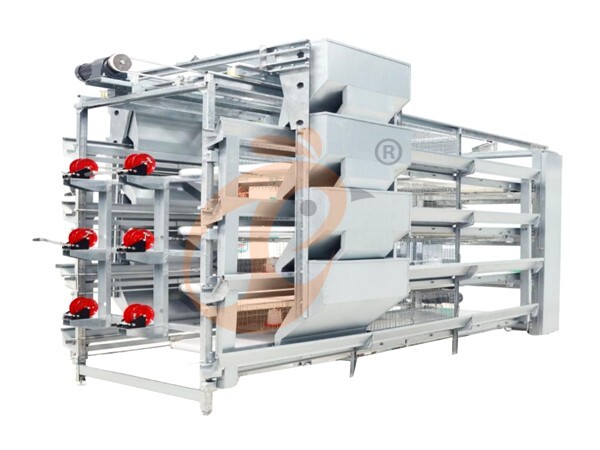
4. Our 24 hour online reception What’sApp NO. is +8618830120193, +234 8111199996. >30,000 Broilers Manual Harvest H Type Battery Cage1. More than 30,000 broilers a house, choose it.
2. It is designed to rearing 1 to 45 day old adult broiler ready for market.
3. Its lifespan is more than 20 years.
4. Its structure are Vcloud artificial intelligent fusion, electric control cabinet, automatic equipment of drinking, feeding and manure clean, manual harvesting.
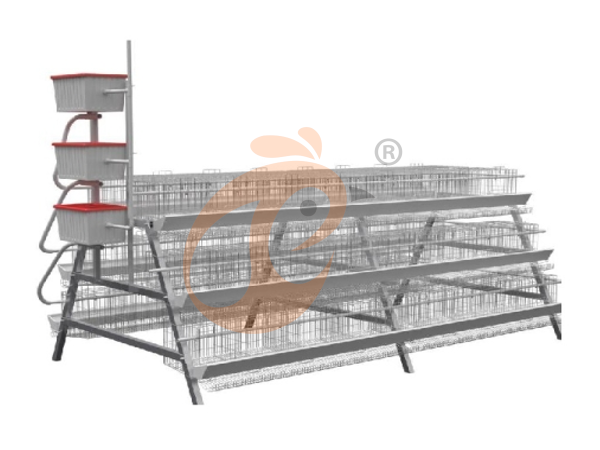
5. Our 24 hour online reception What’sApp NO. is +8618830120193, +234 8111199996. <30,000 Broilers Manual Harvest A Type Battery Cage1. Less 30,000 broilers a house, choose it.
2. It is designed to rearing 1 to 45 day old adult broiler ready for market.
3. Its lifespan is more than 20 years.
4. Its structure are Vcloud artificial intelligent fusion, electric control cabinet, automatic equipment of drinking, feeding and manure clean, manual harvesting.
5. Our 24 hour online reception What’sApp NO. is +8618830120193, +234 8111199996. HK Headquarter Offers EU-standard Poultry Farm Solutions, Manufacture Poultry Farm Equipment1. Continuous communication with the EU and the US
2. China, Nigeria, Ethiopia, Tanzania branch companies and factories
3. The products’ quality is customized for local poultry farms
4. Poultry cage and poultry farm equipment stock for sale
5. 24 online reception Whatsapp NO. : +8618830120193,contact us to get full information China Branch Offer Poultry Farm Business Plan, Manufacture Poultry Farm Equipment1. Address: Flat/RM 2416, 24/F, Runxing Building, Youyi Nan Street, Shijiazhuang City, Hebei Province, China
2. Poultry cage and poultry farm equipment factory and stock for sale
3. Customized for local poultry farms
4. Quality and design are based on Euro
5. 24 online reception Whatsapp NO. : +8618830120193 Nigeria Branch Offer Poultry Farm Business Plan, Manufacture Poultry Farm Equipment1. Address: After Sinoma Office, 200 Meters Near Danco Filling Station, Lagos/Ibadan Expressway, Lagos State, Nigeria
2. Poultry cage and poultry farm equipment factory and stock for sale
3. Customized for Nigerian poultry farms
4. Quality and design are based on Euro
5. 24 online reception Whatsapp NO. : +8618830120193 Ethiopia Branch Offer Poultry Farm Business Plan, Manufacture Poultry Farm Equipment1. Address: Gelan Gura, Akaki-kaliti Sub City, Addis Ababa, Ethiopia
2. Poultry cage and poultry farm equipment stock for sale
3. Customized for Ethiopian poultry farms
4. Quality and design are based on Euro
5. 24 online reception Whatsapp NO. : +8618830120193, contact us to get price list Tanzania Branch Offer Poultry Farm Business Plan, Manufacture Poultry Farm Equipment1. Address: No.8, Sova Road, Msufini, Mlandizi, Kibaha, Pwani, Tanzania
2. Poultry cage and poultry farm equipment factory and stock for sale
3. Customized for Tanzanian poultry farms
4. Quality and design are based on Euro
5. 24 online reception Whatsapp NO. : +8618830120193


Contact