


Blog
Free range poultry farming return on investment improves when poultry equipment controls daily production costs and flock performance.
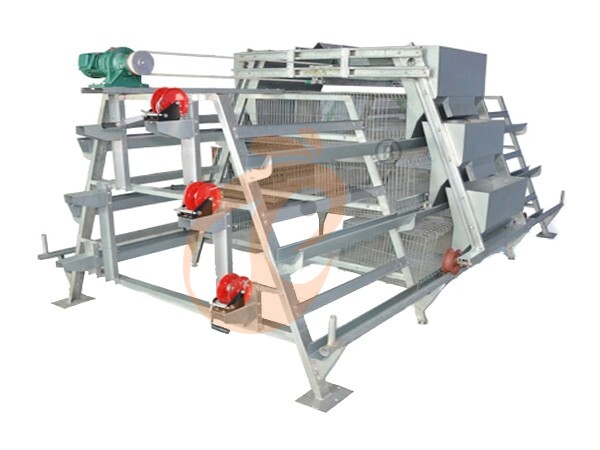
Automatic feeding, drinking, ventilation, cooling, nesting, and manure systems create measurable operational efficiency.
Carefully engineered chicken house equipment supports consistent production across changing flock sizes.
Energy use, labor requirements, maintenance cycles, and equipment lifespan directly influence investment recovery.
Integrated poultry equipment solutions provide practical foundations for scalable farm development and long-term commercial profitability.
Get professional poultry farm construction guidance, equipment selection solutions, and the latest price lists, whatsApp to +8618830120193, click to learn more:
Free Range Poultry Farming Return On Investment At A Glance
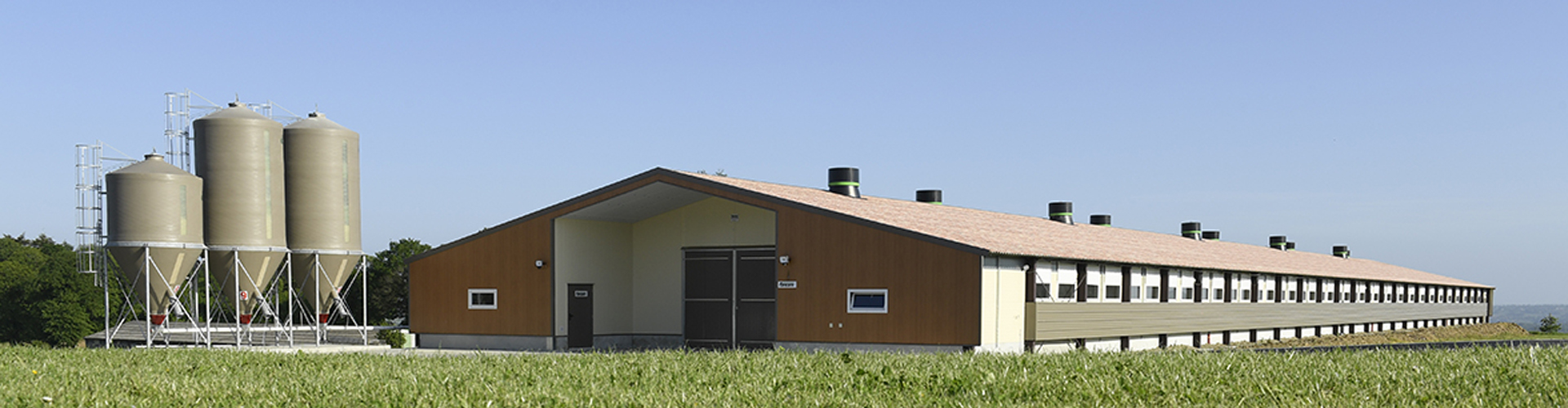
Free range poultry farming can generate attractive returns when housing, feeding, drinking, ventilation, and labor are designed as one production system.
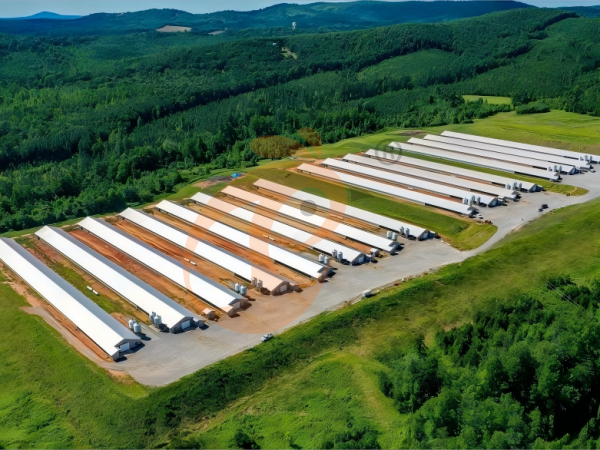
A commercial house holding 5,000 layers may require approximately 450–650 m² of covered housing area, depending on the production model and local regulations.
Equipment selection directly affects operating efficiency, flock consistency, and long-term investment recovery.
The objective is not simply to reduce the initial equipment invoice.
A properly selected automatic poultry equipment package can organize daily operations around approximately 24-hour production cycles.
Housing Investment And Equipment Configuration
A free range flock still requires a controlled indoor environment for nighttime housing, feeding, laying, weather protection, and biosecurity.
A properly engineered poultry house can combine natural bird movement with automated production equipment.
Integrating these systems during construction can reduce later modification work by approximately 10–15% of the original installation budget.
Equipment layout should also reserve at least 1.0 m of service clearance around major maintenance points.
Profit Tip: Control Feed Costs
Feed commonly represents the largest controllable production expense.
The goal is to deliver the required quantity to every bird while minimizing spillage and uneven distribution.
A 5,000-layer flock consuming approximately 110 g of feed per bird each day requires around 550 kg of feed daily.
At an assumed feed cost of $0.35/kg, daily feed expenditure reaches approximately $192.50.
European union standard reference only.
This creates a simple optimization equation:
Feed Cost = Bird Population × Daily Intake × Feed Price
Automatic feeding equipment improves consistency by moving feed through enclosed delivery lines rather than relying on repeated manual distribution.
Properly adjusted feed pans can also prevent birds from excessive scratching and scattering feed.
The commercial objective is straightforward: every kilogram of feed should contribute as much as possible to egg production or flock growth.
A precision poultry feeding system can maintain programmed delivery intervals of approximately 20–40 minutes between feeding cycles.
Feeding Equipment And Measurable Efficiency
A properly designed automatic feeding system can reduce routine feeding labor to approximately 0.5–1.0 labor-hour per 1,000 birds per day, depending on house configuration.
The system also allows producers to synchronize feeding schedules with lighting programs and flock-management routines.
Modern feed delivery equipment can maintain approximately 95% distribution uniformity when correctly installed and adjusted.
Profit Tip: Treat Water Management As Production Infrastructure
Water quality and delivery consistency influence feed intake, digestion, thermoregulation, and laying performance.
A modern drinking system should therefore be engineered around flow stability rather than simply installing enough drinkers.
A layer can consume roughly 180–250 ml of water per day under moderate environmental conditions, while consumption may increase significantly during hot weather.
Think of the system as a continuous pipeline:
Water source → filtration → pressure regulation → drinking line → nipple valve → bird
Each stage has a specific purpose.
Filtration protects valves from sediment, pressure regulation stabilizes delivery, and nipple drinkers reduce exposure to litter contamination.
For a commercial house, installing a pressure gauge at both the inlet and end of the drinking line provides a practical way to identify pressure loss before affecting flock access.
A commercial poultry drinking system can also support water-temperature monitoring around 18–24°C under controlled indoor conditions.
Drinking System Engineering
A 1,000 L reserve tank can provide approximately four to five hours of baseline water demand for a 5,000-bird flock, assuming moderate consumption.
Automatic water systems also make it easier to identify leaks because unexpected changes in water usage can be monitored against normal daily patterns.
Profit Tip: Convert Ventilation Into Return On Investment
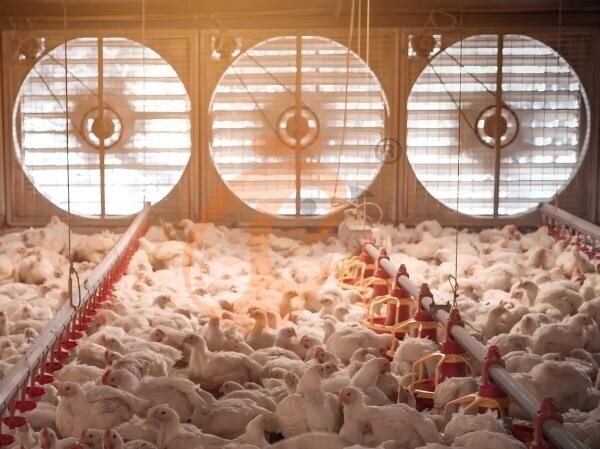
Ventilation directly affects the thermal environment inside the poultry house.
Birds generate heat, moisture, and carbon dioxide continuously, so equipment must remove these loads without creating excessive drafts.
For example, a 5,000-layer house with an average bird mass of 1.8 kg contains approximately 9,000 kg of live weight.
At an air-exchange requirement of 10 m³/h/kg, the system needs approximately 90,000 m³/h of ventilation capacity.
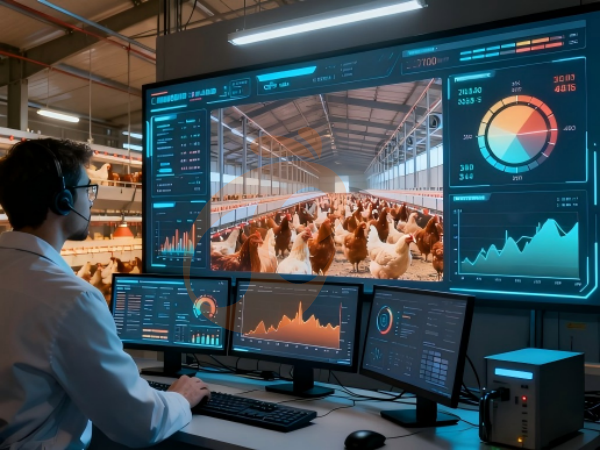
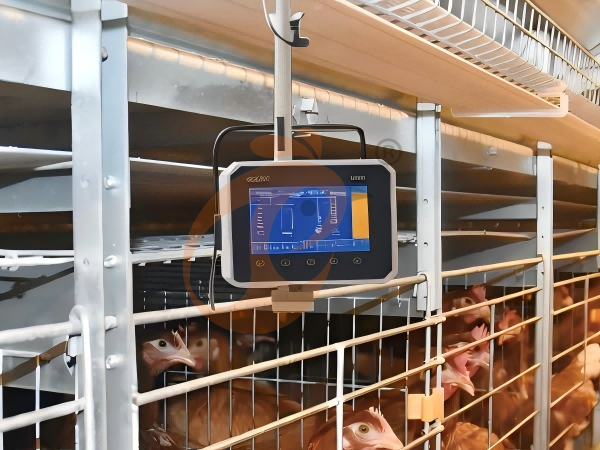
Automated controllers can coordinate fan stages, inlet positions, cooling pumps, and temperature sensors.
This turns ventilation from a manual task into a repeatable environmental-management process.
A complete poultry ventilation system can respond to environmental changes within approximately 30–60 seconds after sensor detection.
Profit Tip: Reduce Labor Through Automation
Labor becomes increasingly important as flock size grows.
Manual Workflow
Inspect → Measure → Carry → Distribute → Clean → Repeat
Automated Workflow
Sensor reading → Controller signal → Motor activation → Scheduled operation → System monitoring
A farm with 10,000 birds may perform thousands of repetitive feeding, watering, and environmental-control actions every production day.
Automation transfers many of these repetitive tasks from workers to equipment.
The labor benefit is not limited to payroll.
Automated systems create more consistent operating routines and allow workers to spend more time inspecting bird behavior, checking equipment, and
identifying abnormalities.
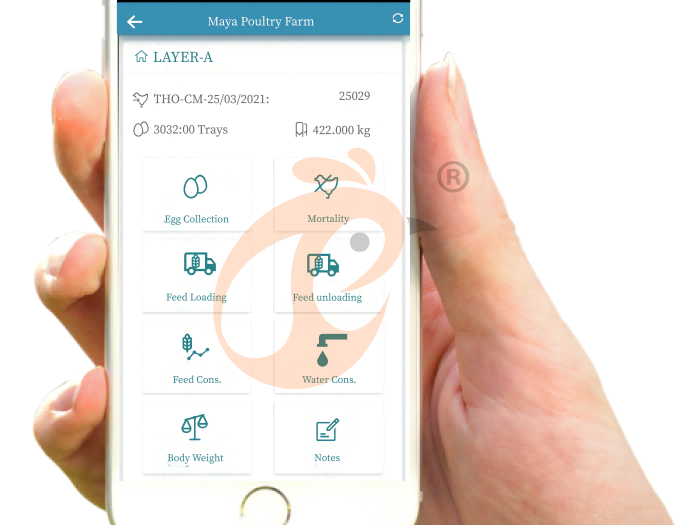
An integrated control cabinet can also consolidate operating information from several house systems, reducing the need for separate manual inspections.
Labor And Automation Comparison
Automation becomes particularly valuable when the farm expands because equipment capacity can increase without adding the same number of repetitive labor hours.
Modular poultry equipment can support expansion projects involving additional houses of approximately 2,000–10,000 birds per building.
Profit Tip: Calculate Equipment Return On Investment Beyond Purchase Price
The correct investment calculation should include the equipment's useful life, labor savings, maintenance requirements, energy consumption, production
improvements, and replacement-part costs.
Use this framework
Annual Equipment Benefit = Labor Savings + Feed Savings + Reduced Losses + Additional Production Revenue
Then
Payback Period = Equipment Investment ÷ Annual Equipment Benefit
For example, if a poultry equipment package costs $80,000 and generates $24,000 in measurable annual operating benefits, the simple payback period is approximately 3.33 years.
European union standard reference only.
This calculation gives farm owners a more practical basis for comparing equipment suppliers.
A cheaper system may have a longer payback period if the equipment operates for 16 hours daily and requires frequent component replacement.
Professional Poultry Equipment Supplier Evaluation
A supplier should be evaluated as an engineering partner rather than only as a product vendor.
Project drawings, equipment calculations, installation guidance, commissioning support, spare parts, and after-sales service can significantly affect the total return from a poultry house investment.
Engineering-based poultry equipment procurement should match bird capacity, building dimensions, electrical load, water availability, and planned expansion.
Build Return On Investment Through An Integrated Poultry House System
The strongest free range poultry operation combines outdoor access with controlled indoor production infrastructure.
Five Practical Profit Principles
Feed efficiently.
Use automatic feeding lines to control distribution and reduce repetitive labor.
Deliver clean water.
Use filtered nipple drinking systems with stable pressure and accessible maintenance points.
Manage the environment.
Combine fans, air inlets, cooling pads, sensors, and controllers into one ventilation strategy.
Automate repetitive work.
Feeding, watering, ventilation, egg handling, and manure management can be coordinated through mechanized systems.
Measure lifetime return on investment.
Compare energy use, labor requirements, maintenance, durability, and production performance instead of focusing only on purchase price.
A professionally designed poultry house can convert equipment investment into recurring operational value.
For free range farms seeking scalable production, the most effective approach is to select feeding, drinking, ventilation, cooling, nesting, manure-management, and control equipment as one integrated package.
When each system is engineered around flock capacity and house dimensions, equipment becomes a long-term production asset rather than a collection of individual machines.
The result is a poultry operation with more predictable labor requirements, controlled operating costs, and a stronger foundation for profitable expansion.
Frequently Asked Questions
Q1: What equipment has the greatest effect on poultry farm return on investment?
Automatic feeding, drinking, ventilation, and environmental-control equipment generally create the strongest operational impact because systems operate throughout every production day.
Q2: How should poultry equipment investment be calculated?
Calculate purchase cost together with labor savings, energy consumption, maintenance, production changes, replacement parts, and expected service life.
Q3: Can free range farms use automated poultry equipment?
Yes.
Automated equipment can operate inside free range housing while birds retain outdoor access, with system capacity commonly designed around flock size and building dimensions.
Taiyu (HK) Group - One Of China Largest Poultry Equipment Manufacturer
Poultry equipment integrates feeding, drinking, ventilation, cooling, nesting, manure handling, and environmental control into engineered production systems.
Global factory-direct supply supports standardized component manufacturing, project-based configuration, and international poultry equipment procurement requirements.
Turn-key poultry equipment engineering covers layout planning, equipment matching, installation coordination, commissioning, and technical project support.
Commercial poultry projects can be configured for free range farms, layer houses, broiler houses, breeding facilities, and multi-house expansion programs.
Factory-based manufacturing supports equipment customization around flock capacity, house dimensions, electrical conditions, water systems, and planned production expansion.
Contact Us To Received Your Customized Poultry Farm Plan
Headquarters And Branchs
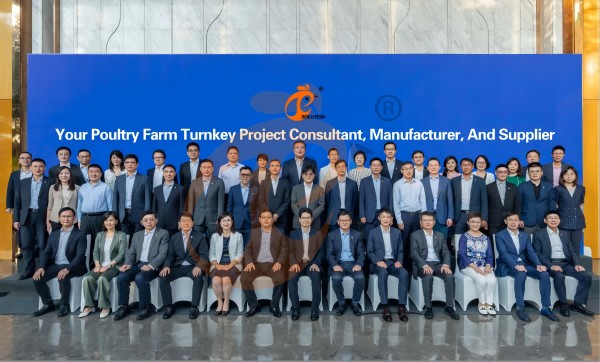
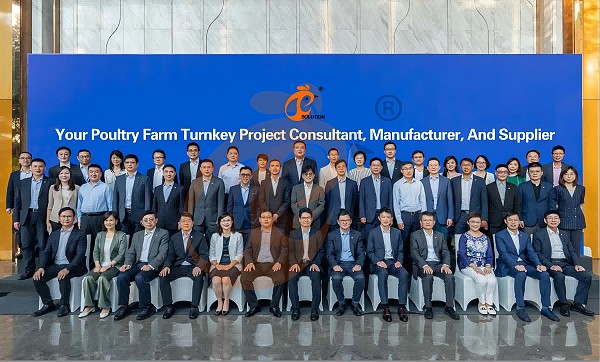
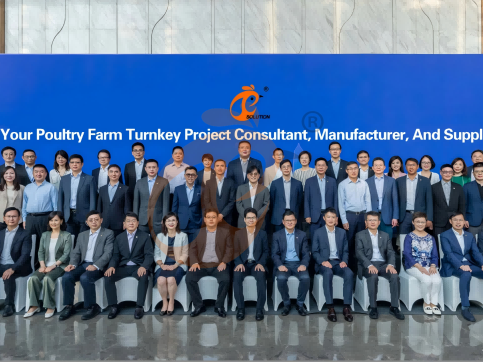
Hong Kong Headquarter Management Team
Hong Kong Headquarter Taiyu Industrial Group CO., LTD
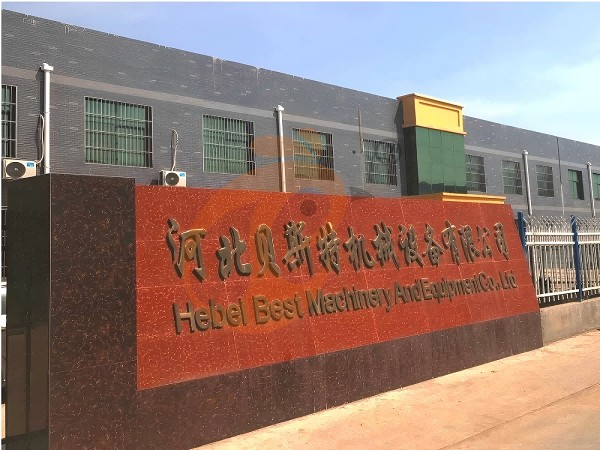
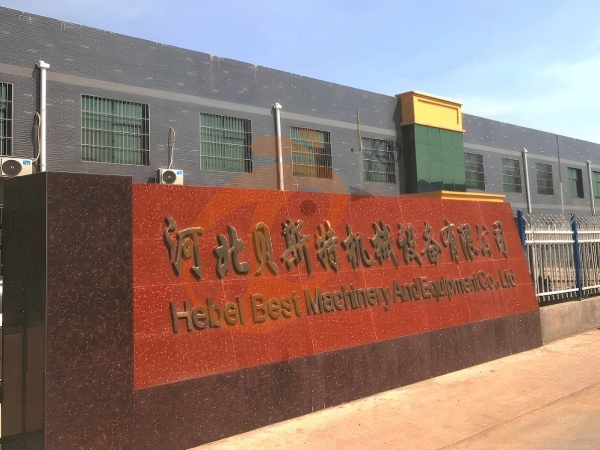
China Hebei Best Machinery And Equipment CO., LTD
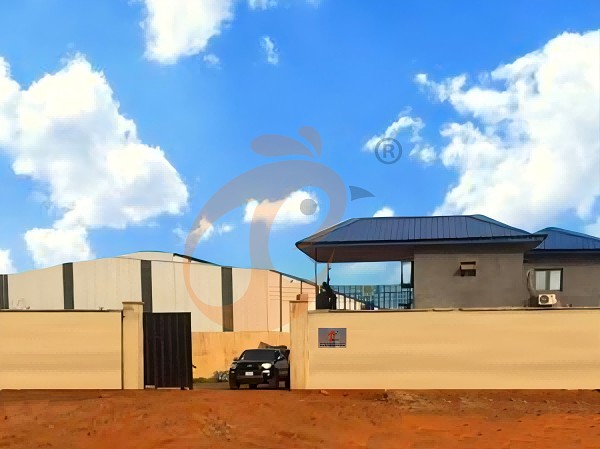
Nigeria Vanke Machinery And Equipment CO., LTD
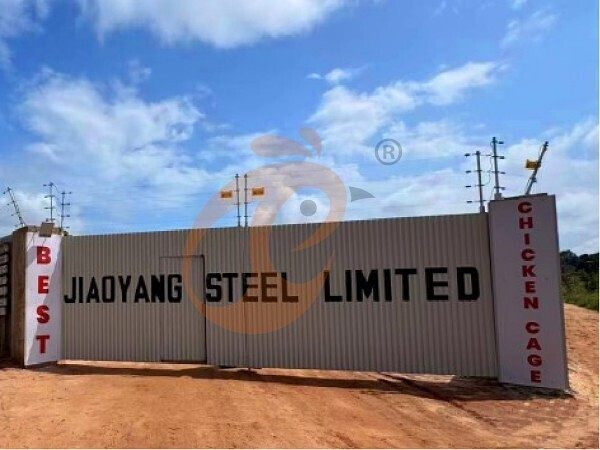
Tanzania Best Machinery And Equipment CO., LTD
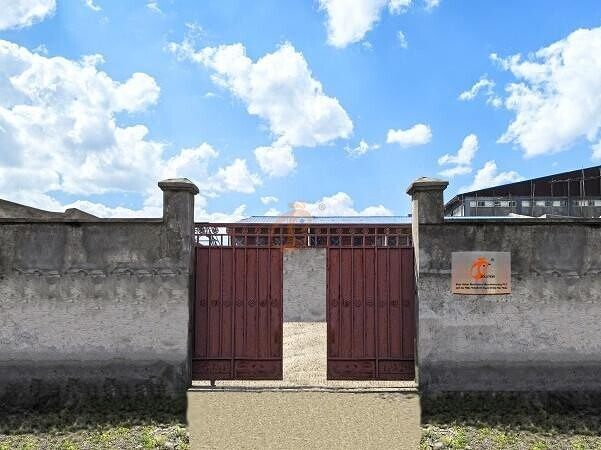
Ethiopia Best Hebei Machinery Manufacturing PLC
Reception /24 WhatsApp NO. : +8618830120193
FAQ
How Does Free Range System Affect Feed Consumption?
Energy expenditure increases daily intake variation by 15%–22% across seasons.
Feed conversion efficiency ranges from 1.9–2.3 depending on grazing intensity.
What Are The Housing Transition Management Standards In Free Range Poultry System?
Indoor-outdoor transition time is controlled within 10–15 minutes per flock movement cycle.
Lighting guidance systems operate at 5–8 lux to direct flock movement behavior.
What Are The Seasonal Adaptation Strategies In Free Range Poultry System?
Summer shade coverage is increased to 60%–80% of grazing area for heat stress reduction.
Rainfall drainage capacity handles 25–40 mm per hour precipitation levels for land usability.
- poultry farm
- chicken house
- poultry house
- cage
- poultry farm construction
- poultry drinking system
- poultry feeding system
- automatic feeding system
- poultry equipment
- chickencage
- bestchickencage
- Nigeria
- poultry farming
- poultry equipment supplier
- automated poultry equipment
- poultry house system
- poultry ventilation system
- poultry equipment manufacturer
- chicken house equipment
- poultry farm ROI
- poultry farm plan
- poultry feed
- Ethiopia
Message
Products recommended
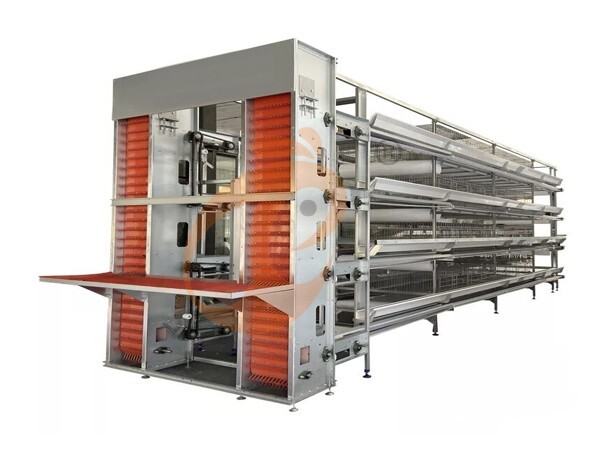
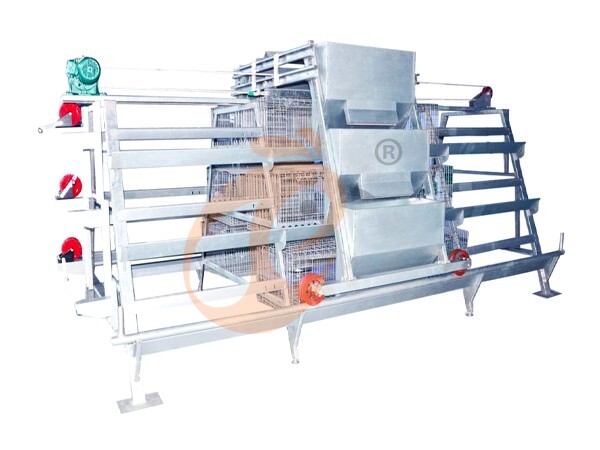
 >30,000 Pullets Automatic H Type Battery Cage1. More than 30,000 pullets a house, choose it.
2. It is designed to rearing older than 1 day old pullets to 12 to 16 weeks old chicken starting laying eggs.
3. Its lifespan is more than 25 years.
4. Its structure are Vcloud artificial intelligent fusion, electric control cabinet, automatic equipment of drinking, feeding, manure clean, manual harvesting.
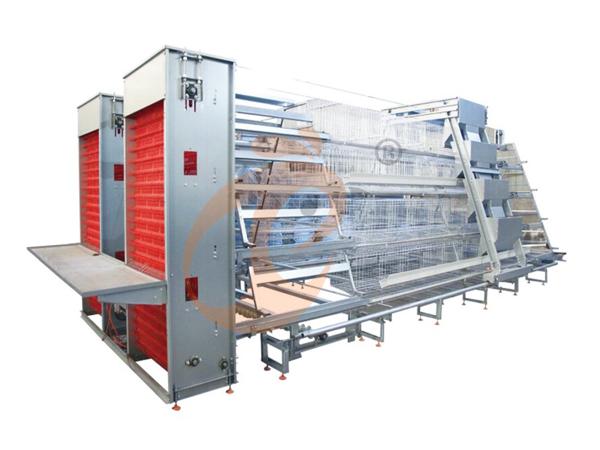
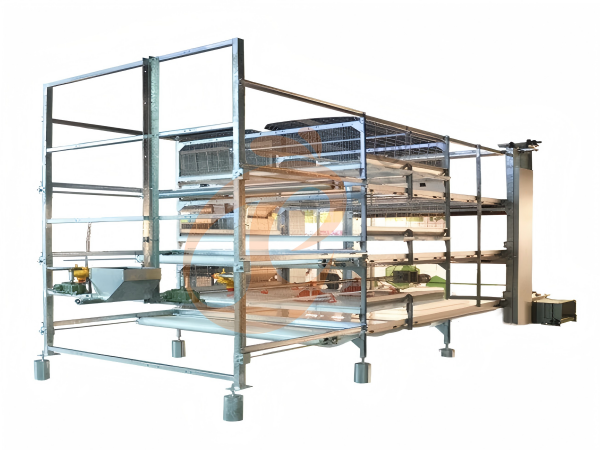
5. Our 24 hour online reception What’sApp NO. is +8618830120193 <30,000 Pullets Automatic A Type Battery Cage1. 10,000 to 30,000 pullets a house, choose it.
2. It is designed to rearing older than 1 day old pullets to 12 to 16 weeks old chicken starting laying eggs.
3. Its lifespan is more than 25 years.
4. Its structure are Vcloud artificial intelligent fusion, electric control cabinet, automatic equipment of drinking, feeding, manure clean, manual harvesting.
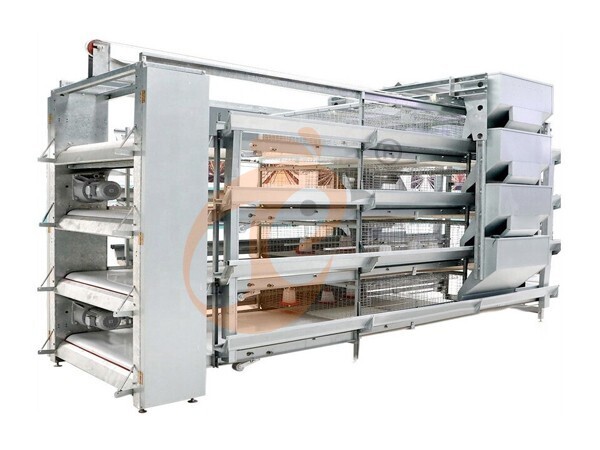
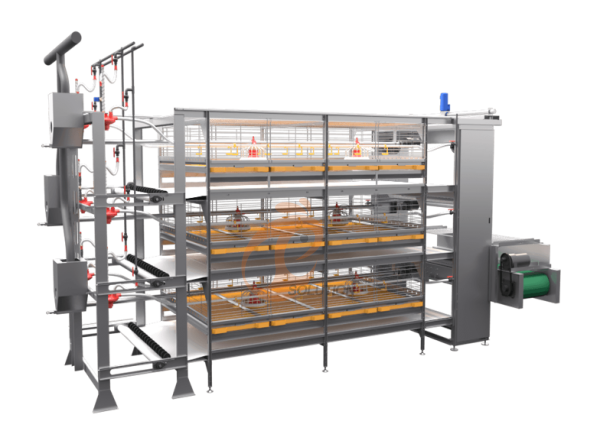
5. Our 24 hour online reception What’sApp NO. is +86 18830120193. >30,000 Broilers Semi-Automatic Harvest H Type Battery Cage1. More than 30,000 broilers a house, choose it.
2. It is designed to rearing 1 to 45 day old adult broiler ready for market.
3. Its lifespan is more than 20 years.
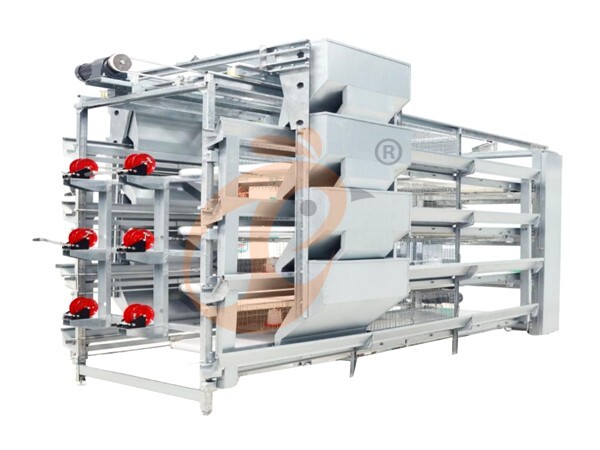
4. Our 24 hour online reception What’sApp NO. is +8618830120193, +234 8111199996. >30,000 Broilers Manual Harvest H Type Battery Cage1. More than 30,000 broilers a house, choose it.
2. It is designed to rearing 1 to 45 day old adult broiler ready for market.
3. Its lifespan is more than 20 years.
4. Its structure are Vcloud artificial intelligent fusion, electric control cabinet, automatic equipment of drinking, feeding and manure clean, manual harvesting.
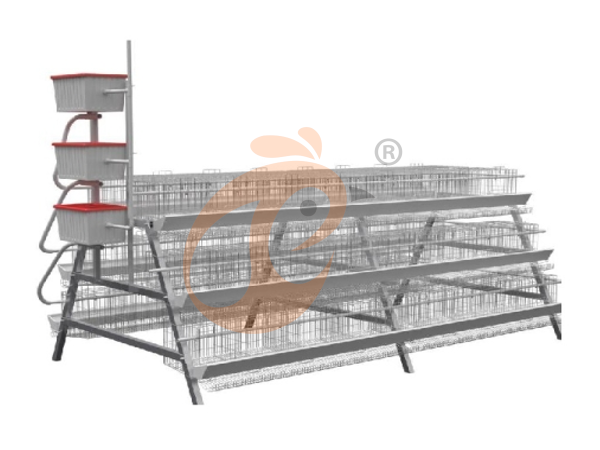
5. Our 24 hour online reception What’sApp NO. is +8618830120193, +234 8111199996. <30,000 Broilers Manual Harvest A Type Battery Cage1. Less 30,000 broilers a house, choose it.
2. It is designed to rearing 1 to 45 day old adult broiler ready for market.
3. Its lifespan is more than 20 years.
4. Its structure are Vcloud artificial intelligent fusion, electric control cabinet, automatic equipment of drinking, feeding and manure clean, manual harvesting.
5. Our 24 hour online reception What’sApp NO. is +8618830120193, +234 8111199996. HK Headquarter Offers EU-standard Poultry Farm Solutions, Manufacture Poultry Farm Equipment1. Continuous communication with the EU and the US
2. China, Nigeria, Ethiopia, Tanzania branch companies and factories
3. The products’ quality is customized for local poultry farms
4. Poultry cage and poultry farm equipment stock for sale
5. 24 online reception Whatsapp NO. : +8618830120193,contact us to get full information China Branch Offer Poultry Farm Business Plan, Manufacture Poultry Farm Equipment1. Address: Flat/RM 2416, 24/F, Runxing Building, Youyi Nan Street, Shijiazhuang City, Hebei Province, China
2. Poultry cage and poultry farm equipment factory and stock for sale
3. Customized for local poultry farms
4. Quality and design are based on Euro
5. 24 online reception Whatsapp NO. : +8618830120193 Nigeria Branch Offer Poultry Farm Business Plan, Manufacture Poultry Farm Equipment1. Address: After Sinoma Office, 200 Meters Near Danco Filling Station, Lagos/Ibadan Expressway, Lagos State, Nigeria
2. Poultry cage and poultry farm equipment factory and stock for sale
3. Customized for Nigerian poultry farms
4. Quality and design are based on Euro
5. 24 online reception Whatsapp NO. : +8618830120193 Ethiopia Branch Offer Poultry Farm Business Plan, Manufacture Poultry Farm Equipment1. Address: Gelan Gura, Akaki-kaliti Sub City, Addis Ababa, Ethiopia
2. Poultry cage and poultry farm equipment stock for sale
3. Customized for Ethiopian poultry farms
4. Quality and design are based on Euro
5. 24 online reception Whatsapp NO. : +8618830120193, contact us to get price list Tanzania Branch Offer Poultry Farm Business Plan, Manufacture Poultry Farm Equipment1. Address: No.8, Sova Road, Msufini, Mlandizi, Kibaha, Pwani, Tanzania
2. Poultry cage and poultry farm equipment factory and stock for sale
3. Customized for Tanzanian poultry farms
4. Quality and design are based on Euro
5. 24 online reception Whatsapp NO. : +8618830120193


Contact