


Blog
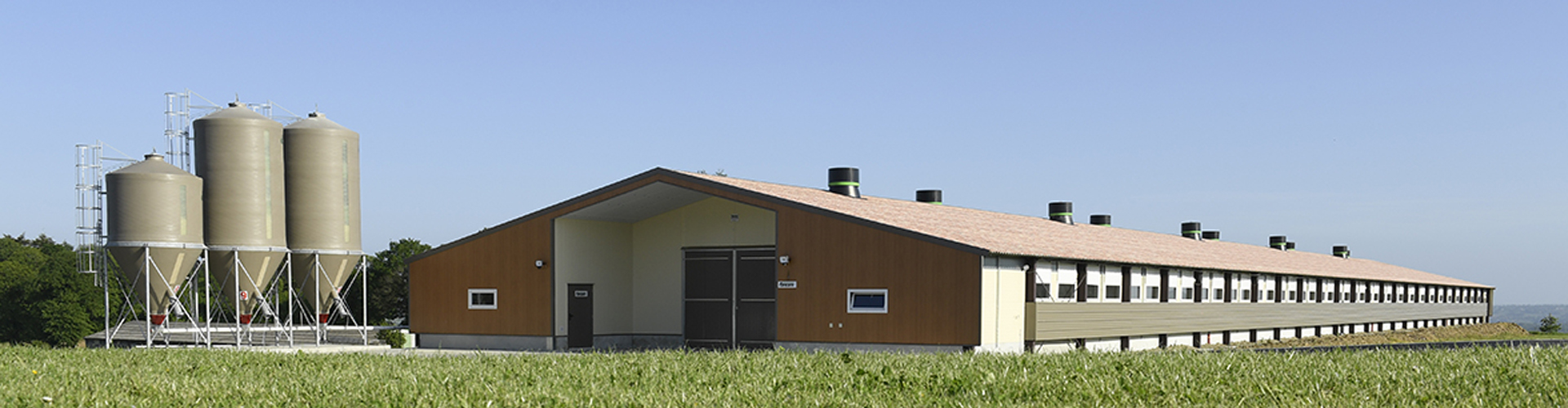
Floor rearing system investment combines housing layout, feeding precision, environmental control, and labor efficiency within one measurable production framework.
Correct equipment sizing connects flock capacity with practical operating parameters, supporting stable feed access and efficient daily management.
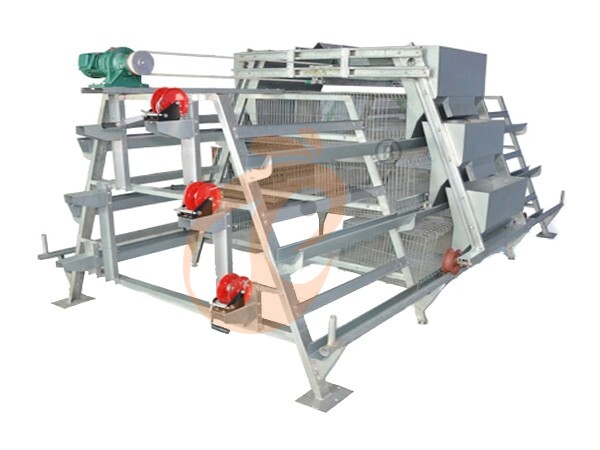
Automated poultry equipment reduces repetitive work while coordinated ventilation, cooling, drinking, lighting, and control systems improve operational consistency.
Durable components, climate-specific engineering, and scalable layouts protect capital investment while simplifying maintenance across multiple production cycles.
Professional engineering support transforms equipment purchasing into a structured project covering design, manufacturing, commissioning, training, service, and future expansion.
Get professional poultry farm construction guidance, equipment selection solutions, and the latest price lists, whatsApp to +8618830120193, click to learn more:
Define The Production Target Before Buying Equipment
A floor rearing system project should begin with production calculations rather than equipment selection.
A complete design considers flock size, house geometry, ventilation demand, feeding routes, drinking points, manure handling, and automation requirements.
For example, a 12,000-bird house may require approximately 1,200–1,500 m² of usable floor area depending on the production program and flock management plan.
Data is for reference only.Swipe horizontally to view full table.
The objective is to create equipment in which every component contributes to production efficiency.
Our poultry house equipment solutions can be configured around actual building drawings, with installation tolerances commonly maintained within ±5 mm for critical mounting positions.
Tip 1: Calculate Total Investment, Not Purchase Price
Equipment cost represents only one part of the investment.
A proper financial model should include installation, electricity, replacement parts, cleaning labor, maintenance, and equipment service life.
A feeding motor operating at 0.75 kW can be evaluated against expected daily operating hours to estimate annual energy consumption.
Data is for reference only.Swipe horizontally to view full table.
A supplier should therefore explain not only the quotation but also expected operating requirements.
Integrated feeding, drinking, ventilation, lighting, and environmental-control equipment can simplify calculations because complete systems are engineered around one production model.
All currency calculations should use USD, with any European union standard reference only treated as technical reference rather than regional certification.
A Practical Return On Investment Formula
Instead of asking whether a system is expensive, calculate potential return through a simple sequence:
Capital Cost → Annual Operating Cost → Labor Saving → Production Stability → Payback Period
Reducing manual feeding work from 4 hours to 1.5 hours per day can produce a measurable labor benefit over a full production year.
Automatic environmental adjustment can reduce manual interventions during a 24-hour production cycle, while control accuracy can be maintained around ±0.5°C under suitable sensor conditions.
The most useful investment comparison is therefore based on cost per bird, annual operating cost, maintenance frequency, and expected service life rather than purchase price alone.
Tip 2: Match Equipment Capacity To Flock Requirements
Equipment should be calculated according to bird numbers and operating conditions.
A system designed for 10,000 birds should not automatically serve 20,000 birds simply by extending one line.
Feed delivery, water distribution, airflow, and controller capacity must remain balanced.
Data is for reference only.Swipe horizontally to view full table.
Professional poultry equipment manufacturers should calculate values from flock size and feeding programs.
Correct sizing prevents unnecessary equipment purchases while supporting consistent access to feed and water, with line height commonly adjustable within approximately 50 mm.
Build The System Around Bird Movement
A floor rearing system should be designed according to how birds actually use available space.
Map the usable floor area.
Remove service zones, structural columns, and maintenance areas from the calculation.
Establish feeding routes.
Feeding lines should provide practical access without creating concentrated traffic zones.
Position drinking points.
Water lines should be distributed so birds do not need to cross unnecessary distances.
Coordinate ventilation.
Air inlets and exhaust fans should work together rather than operate as independent components.
Connect the control system.
Sensors should provide real-time information for automatic adjustment.
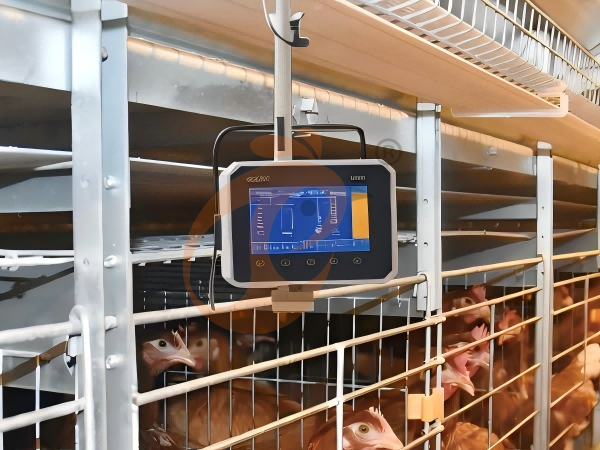
Integrated floor rearing equipment can combine mechanical systems and intelligent controls into a single operating platform, while electrical control cabinets can support response times below 10 seconds for programmed alarm functions.
Tip 3: Automate The Repetitive Work
Labor efficiency remains an important part of poultry farm profitability.
Automation is particularly valuable for processes repeated several times every day.
An automatic feeding system can operate according to programmed schedules, while environmental controllers can respond to sensor readings without
continuous manual adjustment.
Data is for reference only.Swipe horizontally to view full table.
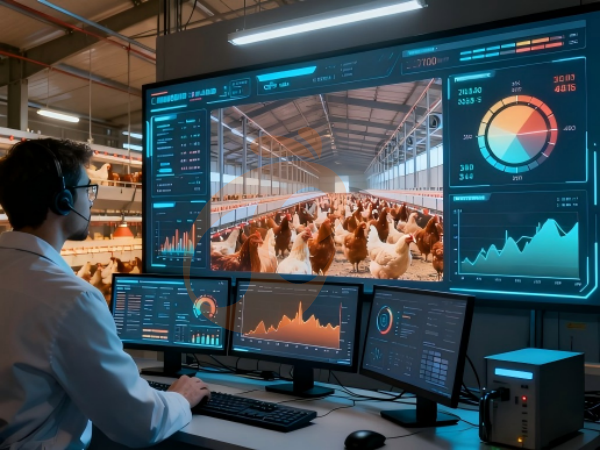
Automatic feeding, nipple drinking, ventilation control, and environmental monitoring can reduce repetitive tasks and provide operators more time for flock observation.
A centralized poultry equipment controller can also record operating events for approximately 30 days, supporting troubleshooting and production review.
The Five-Question Supplier Test
Before signing a contract, evaluate the supplier through five practical questions.
Q1: Can the supplier engineer the entire house?
A capable manufacturer should convert building drawings into equipment layouts and technical calculations.
Q2: Can equipment be commissioned efficiently?
Clear installation procedures can reduce project delays, with commissioning commonly requiring 3–5 functional tests per equipment group.
Q3: Are replacement components standardized?
Motors, controllers, sensors, drinker assemblies, and drive components should have traceable specifications.
Q4: Can the system expand?
Modular control architecture allows additional equipment to be integrated without rebuilding the complete system.
Q5: Does technical support continue after delivery?
A long-term equipment partner should provide operation guidance, troubleshooting assistance, and spare-parts coordination.
These questions help distinguish a complete poultry equipment manufacturer from a supplier that simply sells individual components.
Tip 4: Evaluate Durability And Maintenance
Poultry houses contain dust, moisture, feed particles, and corrosive gases.
Equipment must therefore be selected for continuous agricultural operation.
Galvanized steel, sealed bearings, protected electrical connections, and replaceable wearing parts can improve maintainability.
Data is for reference only.Swipe horizontally to view full table.
Equipment reliability directly affects farm continuity.
Our floor rearing system components emphasize accessible maintenance and practical replacement procedures, while critical fasteners can use corrosion-resistant hardware for prolonged service conditions.
Tip 5: Design For The Local Climate
Environmental equipment must correspond to the climate in which the poultry house operates.
A farm in a hot region may require tunnel ventilation and evaporative cooling, while colder projects need controlled fresh-air exchange and heating management.
Data is for reference only.Swipe horizontally to view full table.
Environmental control should be treated as one interconnected system.
A properly configured controller can coordinate fans, cooling equipment, sensors, and alarms according to changing house conditions, with temperature correction commonly programmed at 30–120-second intervals.
Supplier Comparison Matrix
Price comparisons become more useful when technical specifications are evaluated alongside commercial terms.
A farm owner can assign numerical scores based on measurable specifications rather than marketing descriptions.
Data is for reference only.Swipe horizontally to view full table.
This method makes supplier selection more transparent.
The final decision should combine technical performance, installation capability, service support, and lifetime operating cost, with project documentation typically covering drawings, wiring diagrams, and commissioning records.
From Equipment Supplier To Project Partner
A successful poultry equipment project follows a continuous workflow:
House Drawing → Engineering Design → Equipment Manufacturing → Factory Inspection → Shipment → Installation → Commissioning → Operator Training
The value of an experienced manufacturer is most visible during transitions between these stages.
A manufacturer that understands feeding, drinking, ventilation, cooling, lighting, and control systems can coordinate interfaces before equipment reaches the farm.
An integrated controller may manage 24 independent outputs while receiving data from multiple monitoring points, creating a coordinated operating environment instead of disconnected equipment.
Final Investment Checklist
Data is for reference only.Swipe horizontally to view full table.
A floor rearing investment should ultimately be judged by how effectively equipment supports daily production.
Five practical decisions remain central: calculate lifetime cost, match system capacity, automate repetitive work, select durable components, and design environmental control around local climate.
A professional poultry equipment manufacturer can turn these principles into a complete project solution covering automatic feeding, nipple drinking, ventilation, cooling, lighting, environmental control, and intelligent monitoring.
Frequently Asked Questions
Q1: What equipment should be included in a floor rearing system?
A complete configuration normally includes feeding lines, nipple drinking lines, ventilation equipment, cooling or heating equipment, lighting, sensors, and environmental controls.
Q2: How should floor rearing equipment capacity be calculated?
Capacity should be calculated from flock size, house dimensions, feed demand, water demand, airflow requirements, and operating schedules rather than from building area alone.
Q3: Why choose an integrated poultry equipment supplier?
Integrated engineering reduces interface problems between systems and provides one technical framework for design, installation, commissioning, training, and after-sales support.
Taiyu (HK) Group - One Of China Toppest Floor Rearing System Manufacturer
Floor rearing system solutions integrate automatic feeding, nipple drinking, ventilation, cooling, lighting, and environmental control into engineered poultry production lines, with equipment layouts developed from house drawings and flock capacity calculations.
Global factory direct supply supports standardized manufacturing, technical documentation, component coordination, and international project delivery for commercial poultry farms requiring controlled equipment procurement.
Poultry equipment packages cover individual machines and integrated systems, allowing project specifications to align with building dimensions, regional climate conditions, electrical standards, and planned production capacity.
Turn-key engineering connects design, manufacturing, shipment, installation, commissioning, operator training, and technical support within one project workflow, reducing coordination gaps between separate equipment vendors.
International project service supports farm development through engineering communication, spare-parts coordination, equipment documentation, and scalable system planning for future poultry house expansion.
Contact Us To Received Your Customized Poultry Farm Plan
Headquarters And Branchs
Hong Kong Headquarter Management Team
Hong Kong Headquarter Taiyu Industrial Group CO., LTD
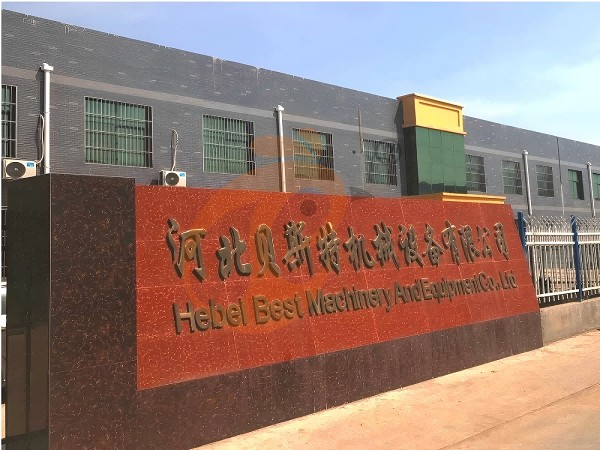
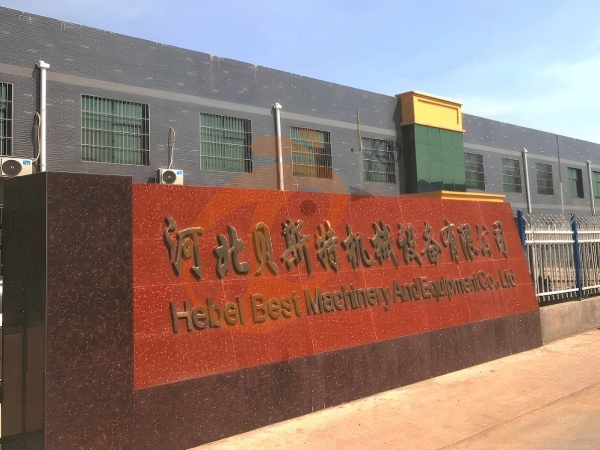
China Hebei Best Machinery And Equipment CO., LTD
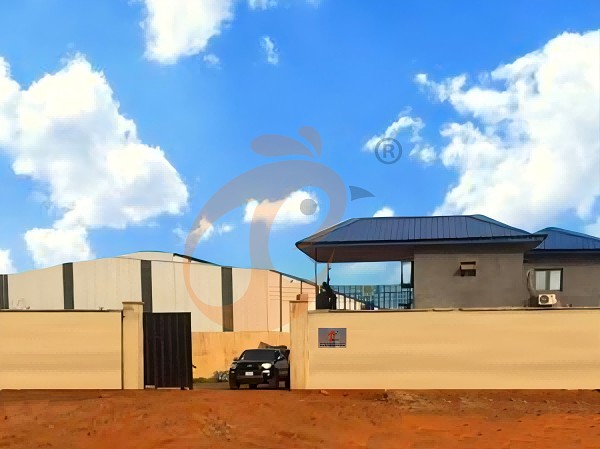
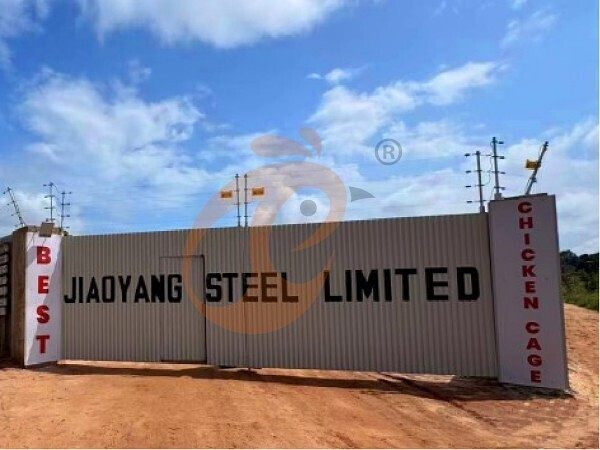
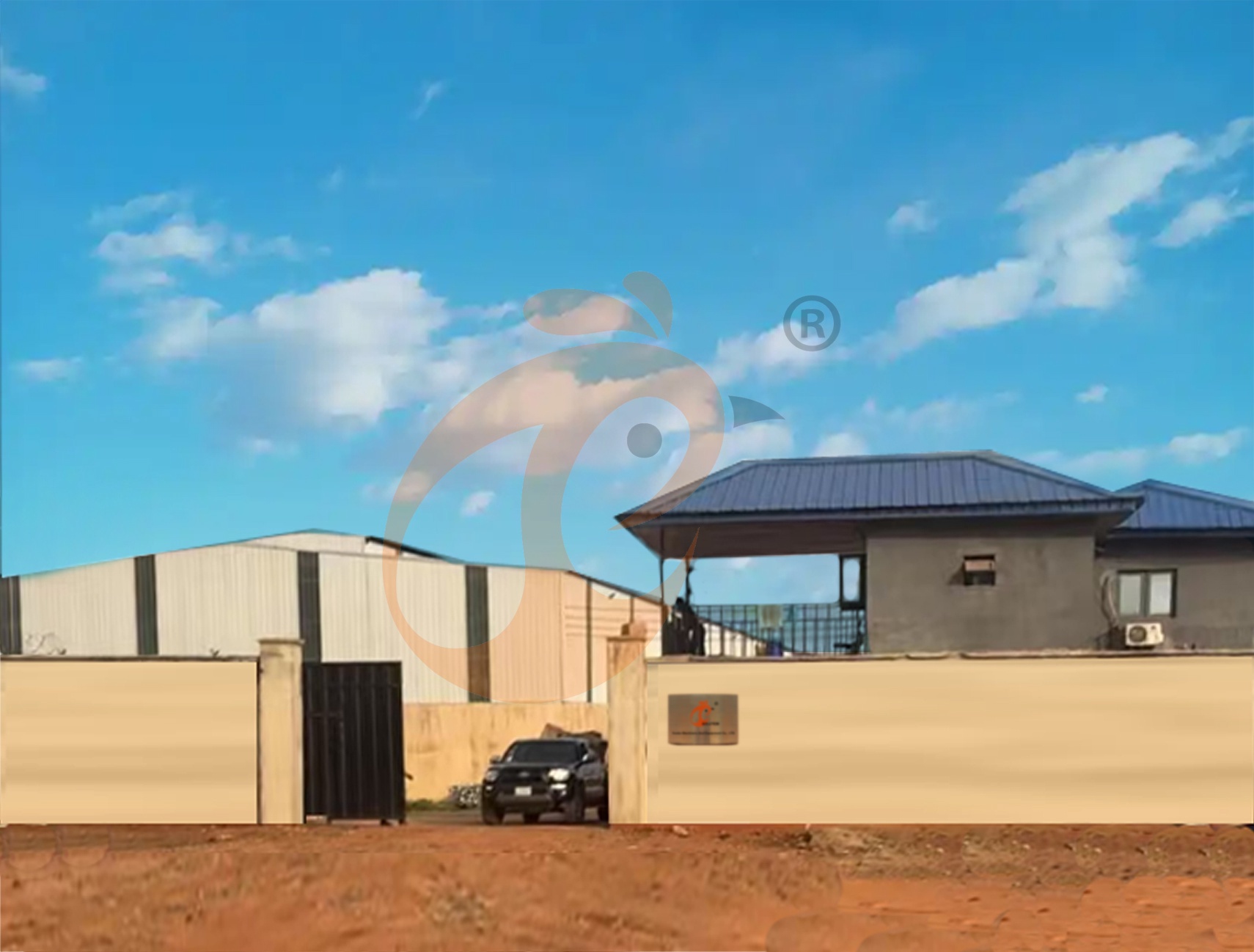
Nigeria Vanke Machinery And Equipment CO., LTD
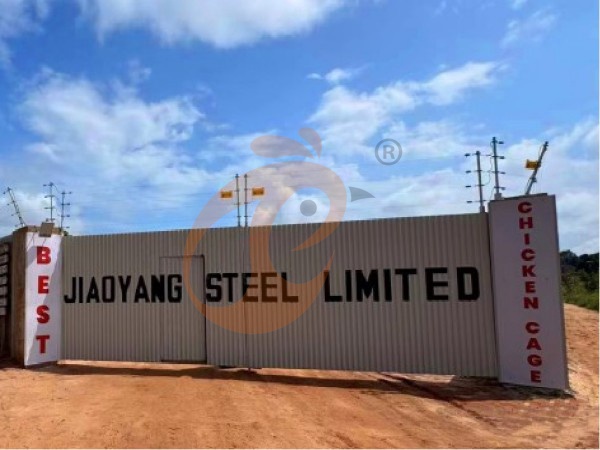
Tanzania Best Machinery And Equipment CO., LTD
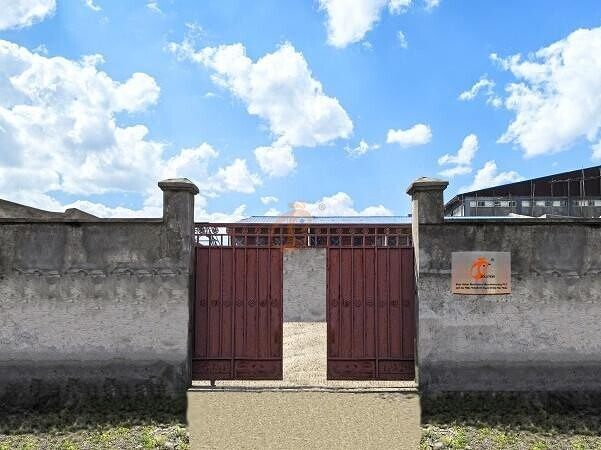
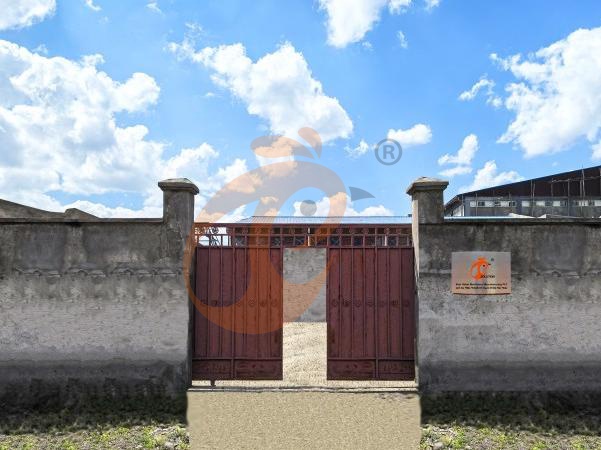
Ethiopia Best Hebei Machinery Manufacturing PLC
Reception /24 WhatsApp NO. : +8618830120193
FAQ
What Growth Performance Indicators Are Expected In Floor Rearing Poultry System?
Feed conversion ratio is maintained at 1.65–1.85 for commercial broilers.
Market slaughter age ranges from 38–45 days depending on breed selection.
What Disease Control Standards Apply In Floor Rearing Poultry System?
Flock vaccination coverage reaches 90%–98% depending on disease prevention program.
Pathogen reduction targets aim for 80%–90% decrease in bacterial load.
What Are The Manure Management Requirements In Floor Rearing Poultry System?
Ammonia emission control targets remain below 15 ppm through regular cleaning cycles.
Dry matter content is maintained above 65% to improve composting efficiency.
- poultry farm
- poultry farms
- poultry house
- cage
- poultry farm construction
- poultry house equipment
- automatic feeding system
- poultry equipment
- chickencage
- bestchickencage
- Nigeria
- commercial poultry farms
- poultry equipment supplier
- automated poultry equipment
- poultry equipment manufacturer
- poultry farm plan
- poultry farm profit
- poultry farm profitability
- Ethiopia
Message
Products recommended
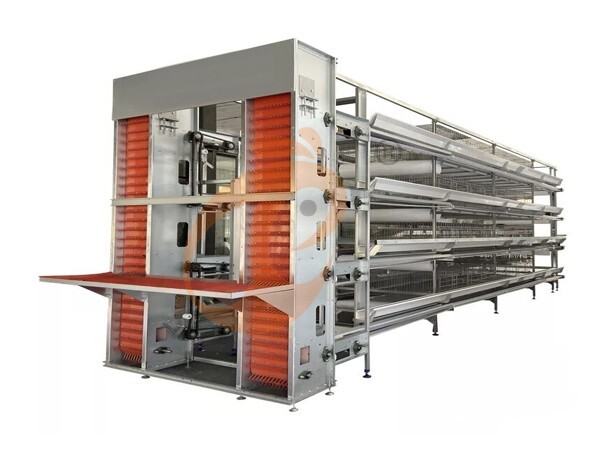
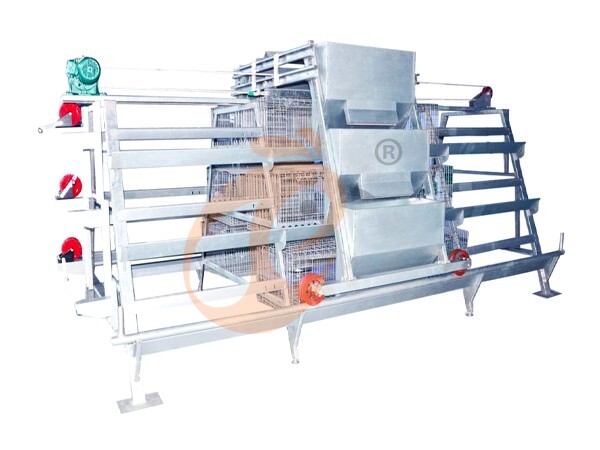
 >30,000 Pullets Automatic H Type Battery Cage1. More than 30,000 pullets a house, choose it.
2. It is designed to rearing older than 1 day old pullets to 12 to 16 weeks old chicken starting laying eggs.
3. Its lifespan is more than 25 years.
4. Its structure are Vcloud artificial intelligent fusion, electric control cabinet, automatic equipment of drinking, feeding, manure clean, manual harvesting.
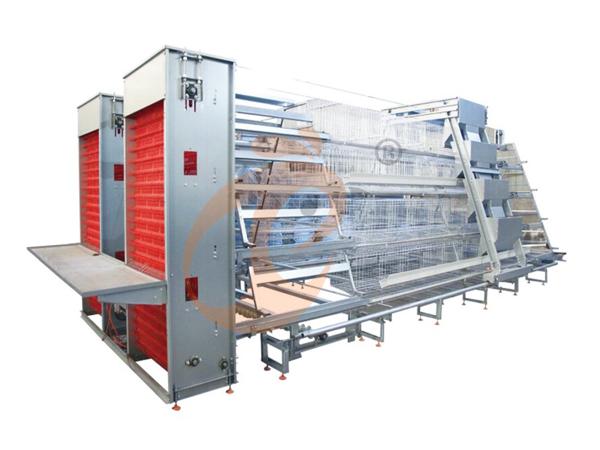
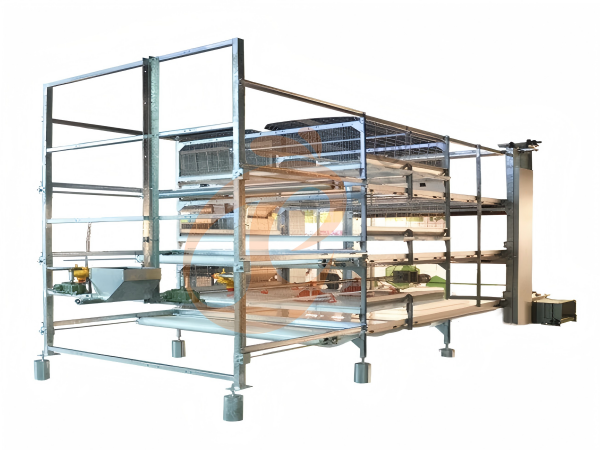
5. Our 24 hour online reception What’sApp NO. is +8618830120193 <30,000 Pullets Automatic A Type Battery Cage1. 10,000 to 30,000 pullets a house, choose it.
2. It is designed to rearing older than 1 day old pullets to 12 to 16 weeks old chicken starting laying eggs.
3. Its lifespan is more than 25 years.
4. Its structure are Vcloud artificial intelligent fusion, electric control cabinet, automatic equipment of drinking, feeding, manure clean, manual harvesting.
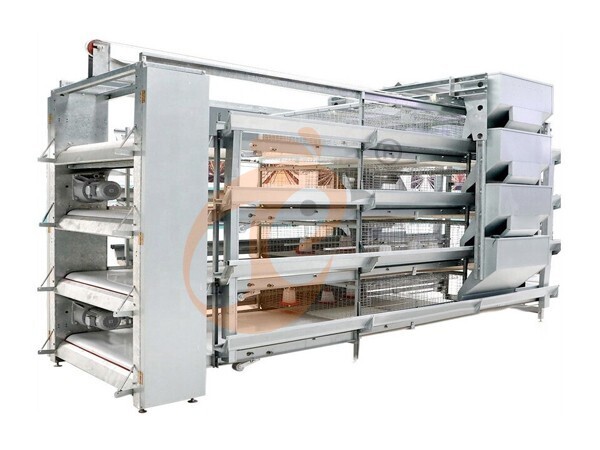
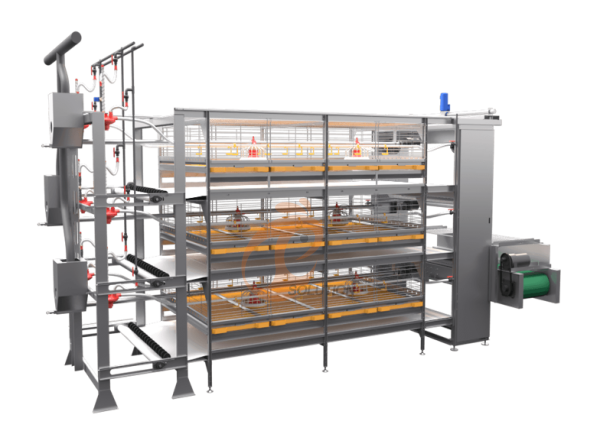
5. Our 24 hour online reception What’sApp NO. is +86 18830120193. >30,000 Broilers Semi-Automatic Harvest H Type Battery Cage1. More than 30,000 broilers a house, choose it.
2. It is designed to rearing 1 to 45 day old adult broiler ready for market.
3. Its lifespan is more than 20 years.
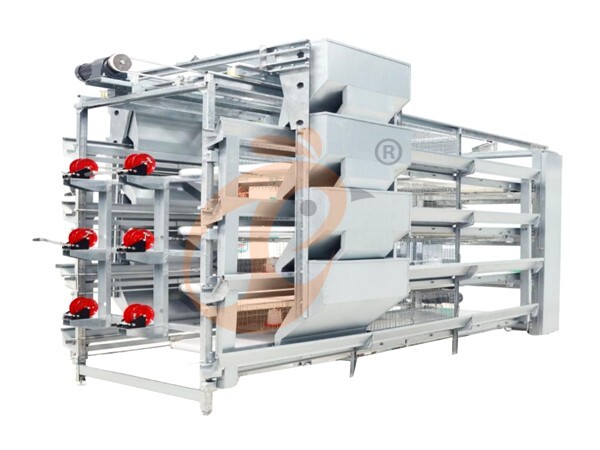
4. Our 24 hour online reception What’sApp NO. is +8618830120193, +234 8111199996. >30,000 Broilers Manual Harvest H Type Battery Cage1. More than 30,000 broilers a house, choose it.
2. It is designed to rearing 1 to 45 day old adult broiler ready for market.
3. Its lifespan is more than 20 years.
4. Its structure are Vcloud artificial intelligent fusion, electric control cabinet, automatic equipment of drinking, feeding and manure clean, manual harvesting.
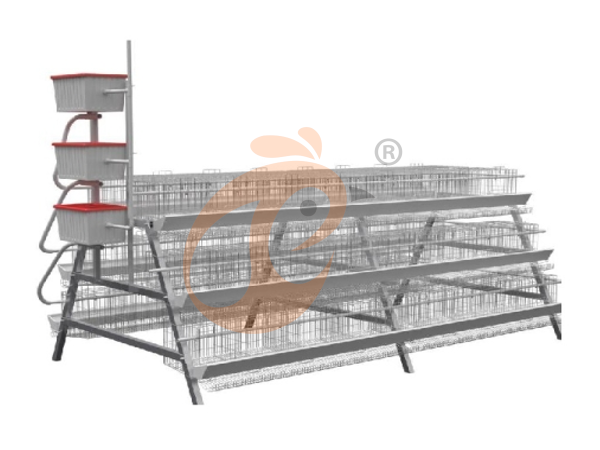
5. Our 24 hour online reception What’sApp NO. is +8618830120193, +234 8111199996. <30,000 Broilers Manual Harvest A Type Battery Cage1. Less 30,000 broilers a house, choose it.
2. It is designed to rearing 1 to 45 day old adult broiler ready for market.
3. Its lifespan is more than 20 years.
4. Its structure are Vcloud artificial intelligent fusion, electric control cabinet, automatic equipment of drinking, feeding and manure clean, manual harvesting.
5. Our 24 hour online reception What’sApp NO. is +8618830120193, +234 8111199996. HK Headquarter Offers EU-standard Poultry Farm Solutions, Manufacture Poultry Farm Equipment1. Continuous communication with the EU and the US
2. China, Nigeria, Ethiopia, Tanzania branch companies and factories
3. The products’ quality is customized for local poultry farms
4. Poultry cage and poultry farm equipment stock for sale
5. 24 online reception Whatsapp NO. : +8618830120193,contact us to get full information China Branch Offer Poultry Farm Business Plan, Manufacture Poultry Farm Equipment1. Address: Flat/RM 2416, 24/F, Runxing Building, Youyi Nan Street, Shijiazhuang City, Hebei Province, China
2. Poultry cage and poultry farm equipment factory and stock for sale
3. Customized for local poultry farms
4. Quality and design are based on Euro
5. 24 online reception Whatsapp NO. : +8618830120193 Nigeria Branch Offer Poultry Farm Business Plan, Manufacture Poultry Farm Equipment1. Address: After Sinoma Office, 200 Meters Near Danco Filling Station, Lagos/Ibadan Expressway, Lagos State, Nigeria
2. Poultry cage and poultry farm equipment factory and stock for sale
3. Customized for Nigerian poultry farms
4. Quality and design are based on Euro
5. 24 online reception Whatsapp NO. : +8618830120193 Ethiopia Branch Offer Poultry Farm Business Plan, Manufacture Poultry Farm Equipment1. Address: Gelan Gura, Akaki-kaliti Sub City, Addis Ababa, Ethiopia
2. Poultry cage and poultry farm equipment stock for sale
3. Customized for Ethiopian poultry farms
4. Quality and design are based on Euro
5. 24 online reception Whatsapp NO. : +8618830120193, contact us to get price list Tanzania Branch Offer Poultry Farm Business Plan, Manufacture Poultry Farm Equipment1. Address: No.8, Sova Road, Msufini, Mlandizi, Kibaha, Pwani, Tanzania
2. Poultry cage and poultry farm equipment factory and stock for sale
3. Customized for Tanzanian poultry farms
4. Quality and design are based on Euro
5. 24 online reception Whatsapp NO. : +8618830120193


Contact