


Blog
Free range poultry system price analysis defines capital allocation for modern poultry infrastructure development.
Poultry farm setup cost structure integrates housing engineering, feeding systems, and automation modules.
Free range chicken farming cost optimization focuses on feed efficiency, welfare compliance, and operational stability.
Investment planning includes land utilization models and rotational grazing system design.
Production scalability depends on controlled environmental parameters and digital monitoring integration.
Get professional poultry farm construction guidance, equipment selection solutions, and the latest price lists, whatsApp to +8618830120193, click to learn more:
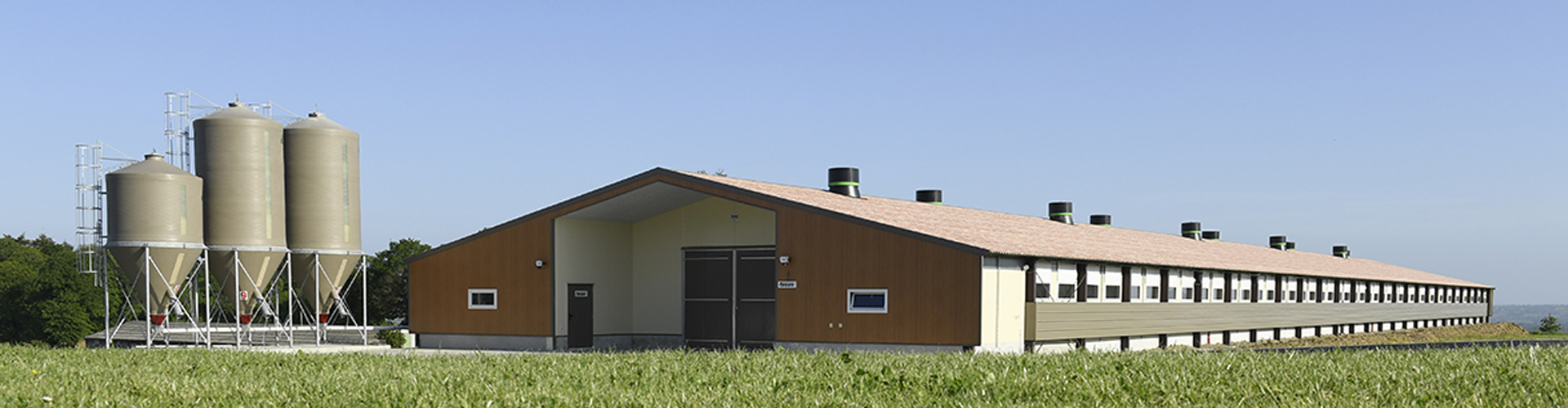
Free Range Poultry System Investment Overview And Cost Structure Framework
The global transition toward animal welfare-centric farming has positioned the free range poultry system as the gold standard for sustainable agriculture in 2026.
Unlike intensive cage operations, a free-range system integrates complex biological needs with mechanical precision.
Investing in such a system requires a granular understanding of capital expenditure (CAPEX) and operational expenditure (OPEX).
This guide dissects the five primary cost drivers, utilizing empirical data and engineering specifications to provide a roadmap for commercial viability.
Structural Engineering And Housing Infrastructure
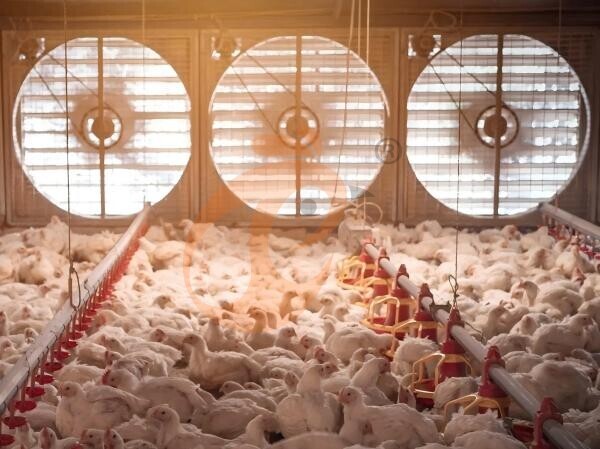
The poultry house in a free-range system serves as a nocturnal shelter and climate-controlled environment for nesting or resting.
The cost is dictated by the structural integrity and the R-value of insulation used to mitigate external thermal fluctuations.
Modern systems favor galvanized steel frames with a minimum zinc coating of 275g/m² to resist ammonia corrosion.
Free range poultry system price dynamics strongly depend on housing material selection and insulation efficiency.
Data is for reference only.Swipe horizontally to view full table.
Land Management And Pasture Fencing Metrics
The definition of free range is legally tied to stocking density regulation.
Rotational grazing prevents nitrogen overload and maintains pasture regeneration cycles.
Fencing functions as biosecurity infrastructure rather than simple boundary marking.
Poultry farm setup cost increases with perimeter reinforcement and energizer system deployment.
Data is for reference only.Swipe horizontally to view full table.
Nutritional Optimization And Feed Conversion Efficiency
Feed cost represents approximately 65% of total production expenditure.
Controlled nutrient intake is required even under free-range foraging conditions.
Feed wastage control systems reduce contamination from external biological agents.
Free range chicken farming cost is directly influenced by feed conversion efficiency and protein balancing systems.
Data is for reference only.Swipe horizontally to view full table.
Hydration Systems And Environmental Control
Water distribution stability is critical for gastrointestinal health performance.
Dual-zone water access improves intake stability across housing and pasture areas.
Filtration systems remove particulate contamination down to micron-level precision.
Data is for reference only.Swipe horizontally to view full table.
Automation, IoT, And Biosecurity Monitoring
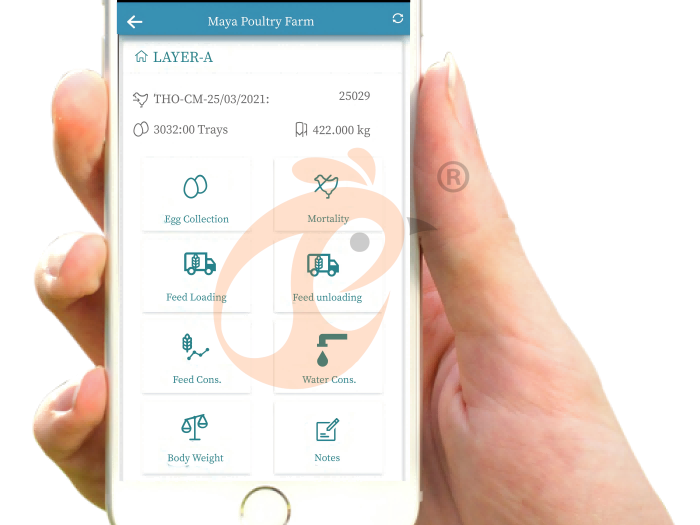
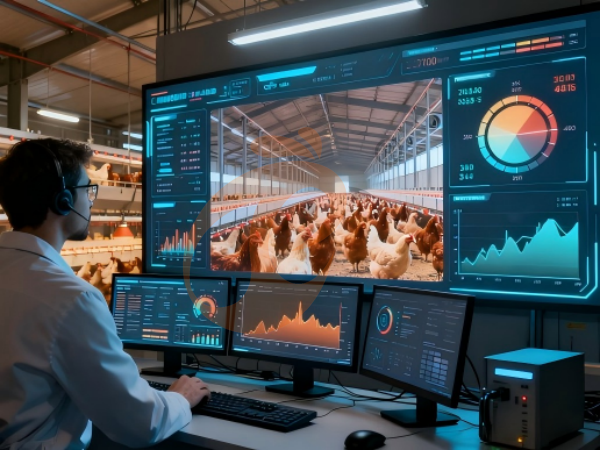
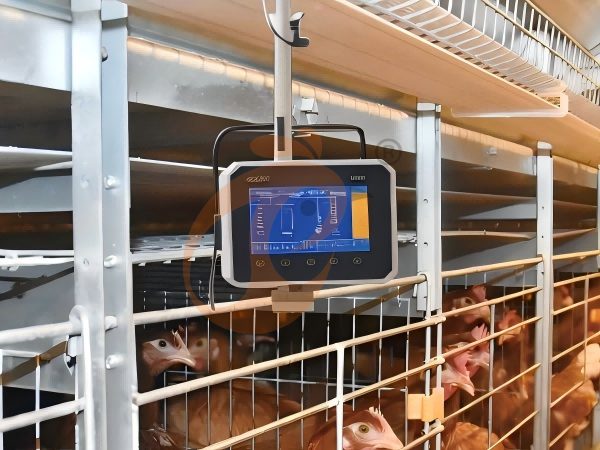
IoT deployment reduces labor dependency and improves environmental control precision.
Sensor arrays track gas concentration, humidity, and bird biometric indicators.
Biosecurity infrastructure reduces outbreak probability in high-density production systems.
Data is for reference only.Swipe horizontally to view full table.
Financial Modeling CAPEX Vs OPEX
Free range system pricing is structured around per-bird lifecycle cost modeling.
Capital expenditure defines infrastructure durability while operational expenditure determines feed and energy efficiency.
Scale expansion increases infrastructure complexity and waste handling requirements.
Poultry farm setup cost modeling directly impacts long-term profitability structure.
Data is for reference only.Swipe horizontally to view full table.
Comparative Analysis Of Production Outputs
Production efficiency is measured through standardized biological output metrics.
Hen-day production and feed conversion ratio define operational performance efficiency.
System design stability ensures reduced deviation under environmental stress conditions.
Data is for reference only.Swipe horizontally to view full table.
Strategic Conclusion On System Selection
System design determines feed efficiency, thermal stability, and mortality control performance.
Infrastructure quality directly affects long-term operational expenditure efficiency.
Higher specification systems reduce biological stress and improve production stability.
Free range poultry system price must be evaluated through lifecycle performance modeling.
Frequently Asked Questions Free Range Poultry System Price
Q1: What determines free range poultry system price structure?
Housing engineering, feed efficiency systems, and automation infrastructure define total cost structure.
Material specification and climate control systems directly affect operational expenditure levels.
Q2: How does poultry farm setup cost scale with capacity?
Higher bird capacity increases housing modules, ventilation load, and feeding infrastructure scale.
Biosecurity and waste handling systems expand proportionally with production density.
Q3: Why does free range chicken farming cost differ across systems?
Cost variation originates from automation level, material durability, and environmental control precision.
Feed conversion efficiency and energy consumption also create structural cost differences.
Taiyu (HK) Group - One Of China Biggest Free Range Poultry System Manufacturer
Free range poultry system engineered for industrial-scale poultry production and environmental stability control.
Global factory direct supply enables standardized poultry equipment manufacturing and export logistics optimization.
Integrated poultry engineering covers housing, feeding, drinking, ventilation, and climate regulation systems.
Turn-key poultry farm construction supports full lifecycle project design and operational deployment.
Industrial poultry equipment solutions include cage systems and free range hybrid farming configurations.
Contact Us To Received Your Customized Poultry Farm Plan
Headquarters And Branchs

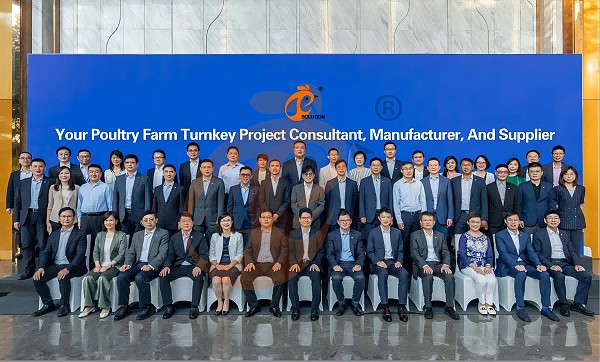
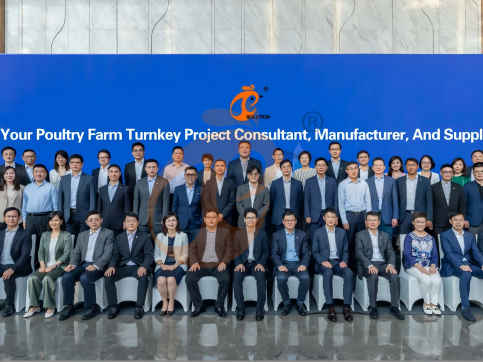
Hong Kong Headquarter Management Team
Hong Kong Headquarter Taiyu Industrial Group CO., LTD
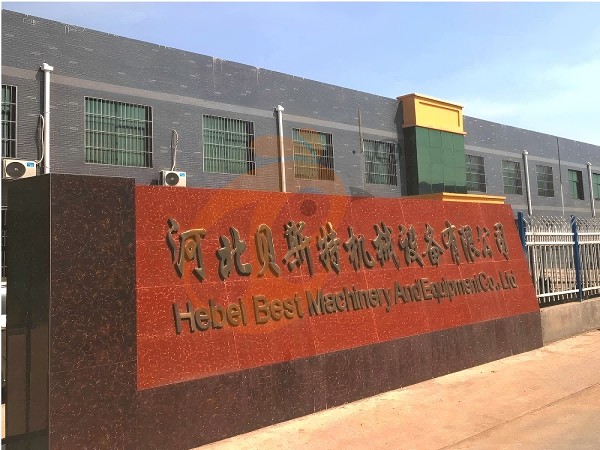
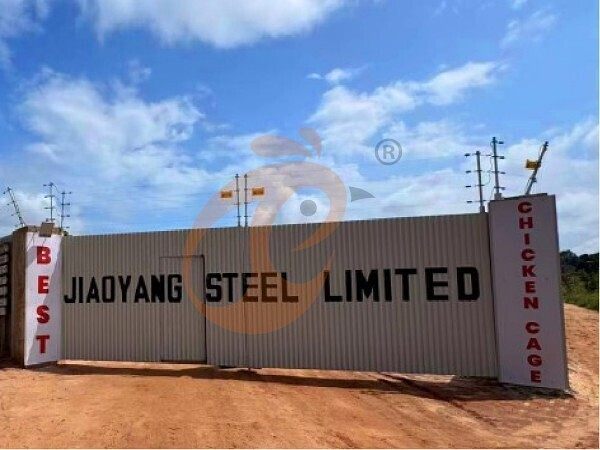
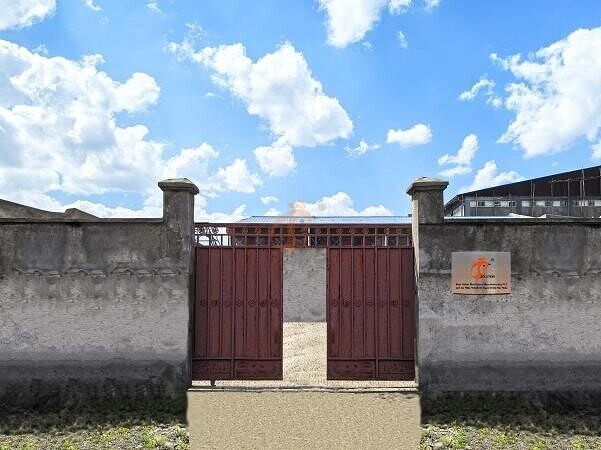
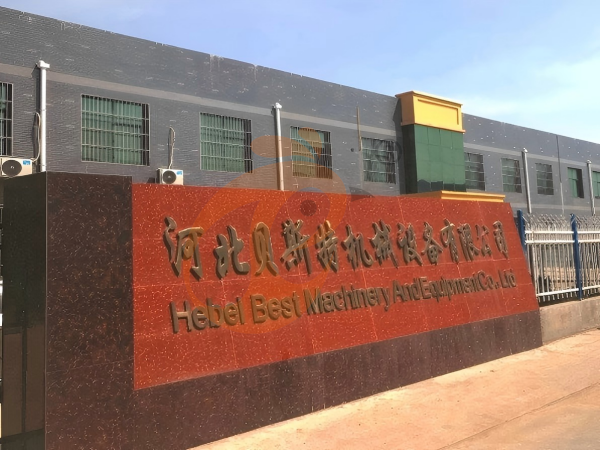
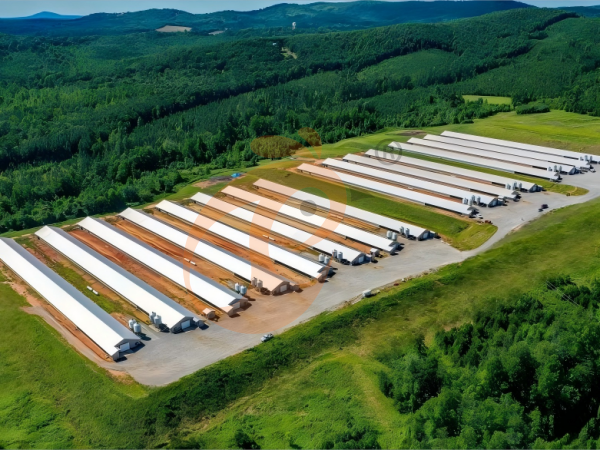
China Hebei Best Machinery And Equipment CO., LTD
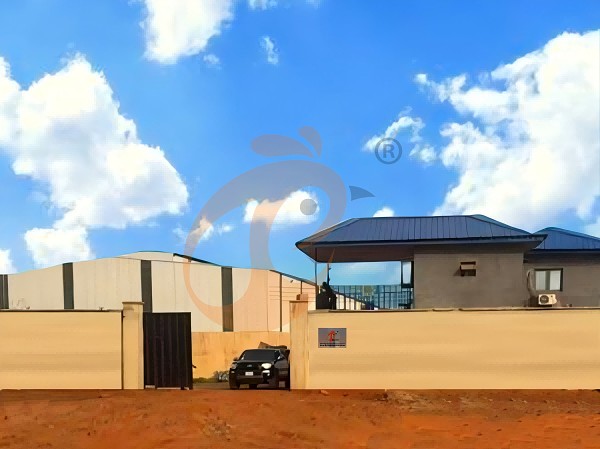
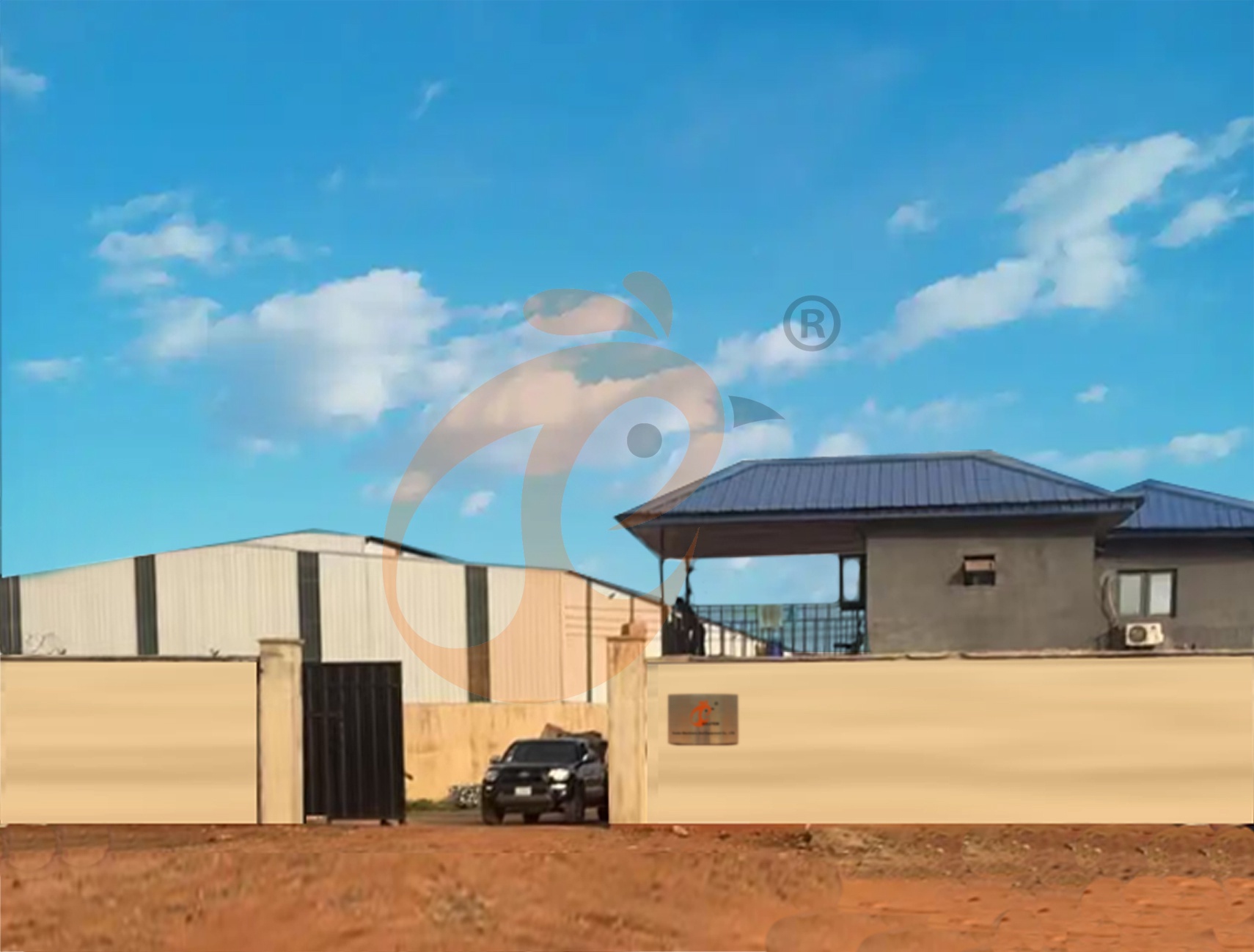
Nigeria Vanke Machinery And Equipment CO., LTD
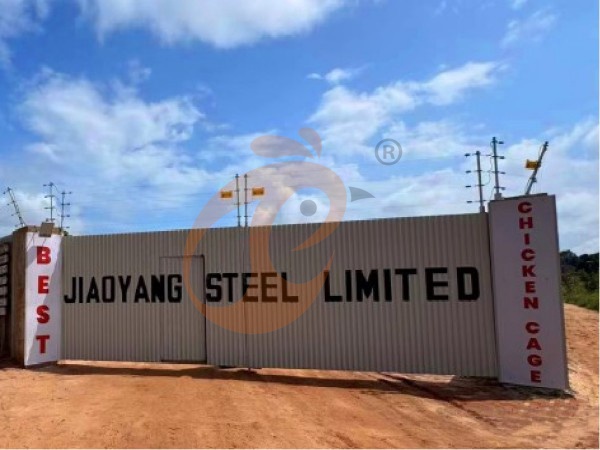
Tanzania Best Machinery And Equipment CO., LTD
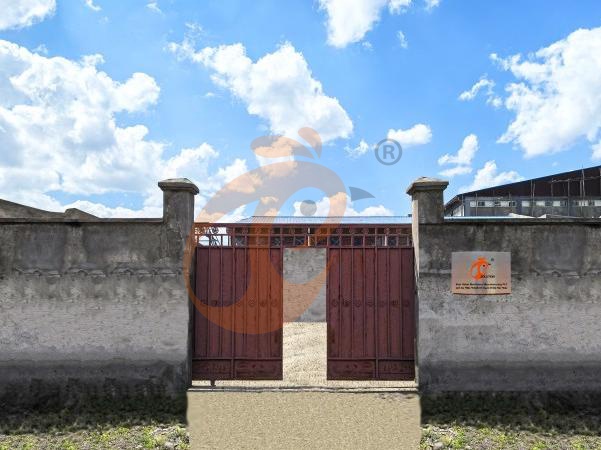
Ethiopia Best Hebei Machinery Manufacturing PLC
Reception /24 WhatsApp NO. : +8618830120193
FAQ
How Does Free Range Poultry System Enhance Natural Behavior In Poultry Chicken Production?
Foraging behavior accounts for 30%–45% of daily time under open grazing conditions.
Social interaction frequency increases by 20%–35% compared with confined systems.
What Are The Movement And Activity Space Standards In Free Range Poultry System For Poultry Chicken Production?
Activity zone radius is maintained at 15–25 meters from shelter to ensure return habit formation.
Daily roaming distance reaches 300–600 meters per bird under open grazing conditions.
What Are The Foraging Nutrition Contribution Levels In Free Range Poultry System For Poultry Chicken Diets?
Green plant consumption accounts for 18%–25% of daily fiber and micronutrients.
Soil mineral ingestion provides 3%–6% of trace element supplementation naturally.
Message
Products recommended
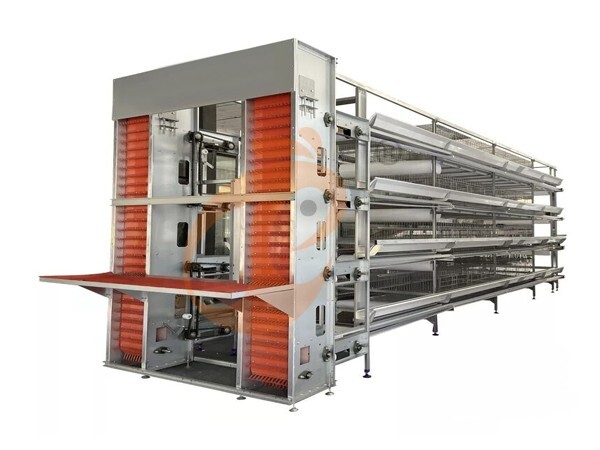
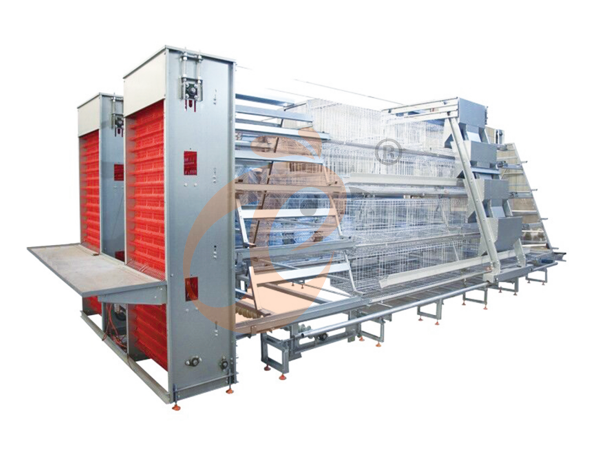
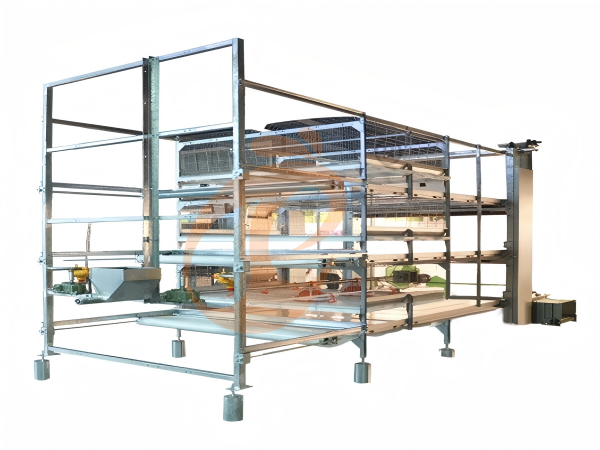
 >30,000 Pullets Automatic H Type Battery Cage1. More than 30,000 pullets a house, choose it.
2. It is designed to rearing older than 1 day old pullets to 12 to 16 weeks old chicken starting laying eggs.
3. Its lifespan is more than 25 years.
4. Its structure are Vcloud artificial intelligent fusion, electric control cabinet, automatic equipment of drinking, feeding, manure clean, manual harvesting.
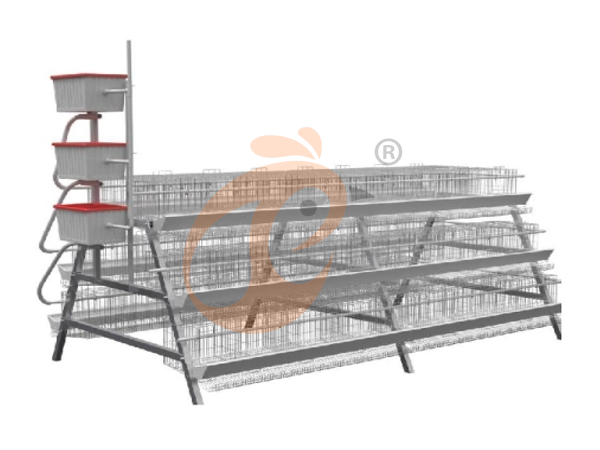
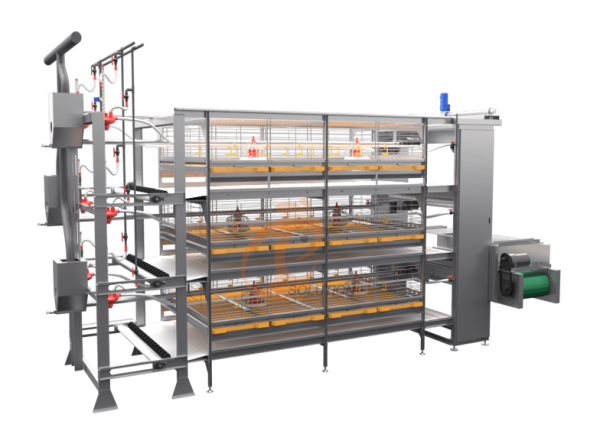
5. Our 24 hour online reception What’sApp NO. is +8618830120193 <30,000 Pullets Automatic A Type Battery Cage1. 10,000 to 30,000 pullets a house, choose it.
2. It is designed to rearing older than 1 day old pullets to 12 to 16 weeks old chicken starting laying eggs.
3. Its lifespan is more than 25 years.
4. Its structure are Vcloud artificial intelligent fusion, electric control cabinet, automatic equipment of drinking, feeding, manure clean, manual harvesting.
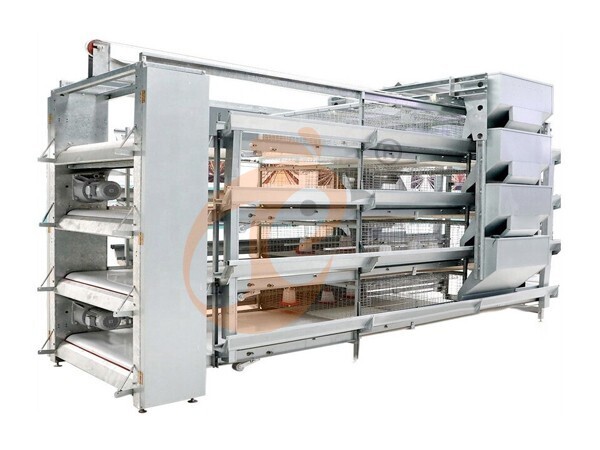
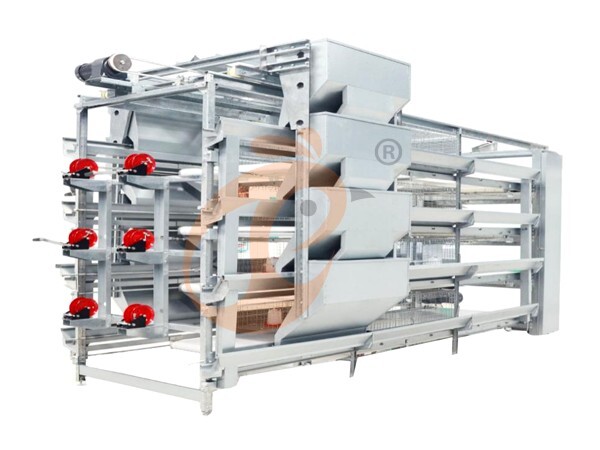
5. Our 24 hour online reception What’sApp NO. is +86 18830120193. >30,000 Broilers Semi-Automatic Harvest H Type Battery Cage1. More than 30,000 broilers a house, choose it.
2. It is designed to rearing 1 to 45 day old adult broiler ready for market.
3. Its lifespan is more than 20 years.
4. Our 24 hour online reception What’sApp NO. is +8618830120193, +234 8111199996. >30,000 Broilers Manual Harvest H Type Battery Cage1. More than 30,000 broilers a house, choose it.
2. It is designed to rearing 1 to 45 day old adult broiler ready for market.
3. Its lifespan is more than 20 years.
4. Its structure are Vcloud artificial intelligent fusion, electric control cabinet, automatic equipment of drinking, feeding and manure clean, manual harvesting.
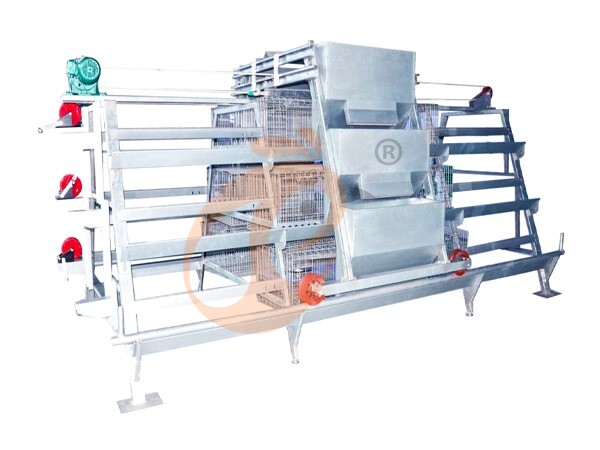
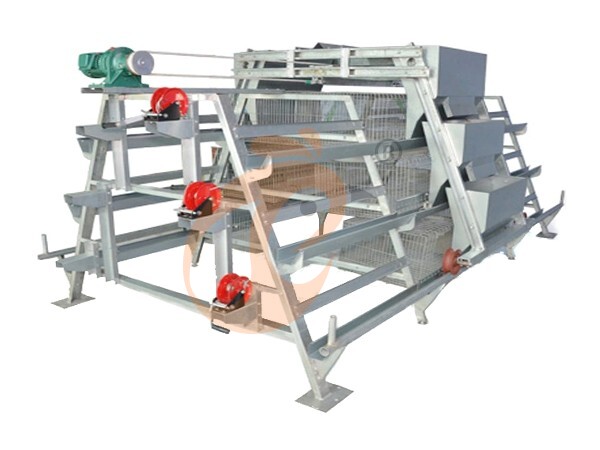
5. Our 24 hour online reception What’sApp NO. is +8618830120193, +234 8111199996. <30,000 Broilers Manual Harvest A Type Battery Cage1. Less 30,000 broilers a house, choose it.
2. It is designed to rearing 1 to 45 day old adult broiler ready for market.
3. Its lifespan is more than 20 years.
4. Its structure are Vcloud artificial intelligent fusion, electric control cabinet, automatic equipment of drinking, feeding and manure clean, manual harvesting.
5. Our 24 hour online reception What’sApp NO. is +8618830120193, +234 8111199996. HK Headquarter Offers EU-standard Poultry Farm Solutions, Manufacture Poultry Farm Equipment1. Continuous communication with the EU and the US
2. China, Nigeria, Ethiopia, Tanzania branch companies and factories
3. The products’ quality is customized for local poultry farms
4. Poultry cage and poultry farm equipment stock for sale
5. 24 online reception Whatsapp NO. : +8618830120193,contact us to get full information China Branch Offer Poultry Farm Business Plan, Manufacture Poultry Farm Equipment1. Address: Flat/RM 2416, 24/F, Runxing Building, Youyi Nan Street, Shijiazhuang City, Hebei Province, China
2. Poultry cage and poultry farm equipment factory and stock for sale
3. Customized for local poultry farms
4. Quality and design are based on Euro
5. 24 online reception Whatsapp NO. : +8618830120193 Nigeria Branch Offer Poultry Farm Business Plan, Manufacture Poultry Farm Equipment1. Address: After Sinoma Office, 200 Meters Near Danco Filling Station, Lagos/Ibadan Expressway, Lagos State, Nigeria
2. Poultry cage and poultry farm equipment factory and stock for sale
3. Customized for Nigerian poultry farms
4. Quality and design are based on Euro
5. 24 online reception Whatsapp NO. : +8618830120193 Ethiopia Branch Offer Poultry Farm Business Plan, Manufacture Poultry Farm Equipment1. Address: WR93+FQ2, Addis Ababa, Ethiopia
2. Poultry cage and poultry farm equipment stock for sale
3. Customized for Ethiopian poultry farms
4. Quality and design are based on Euro
5. 24 online reception Whatsapp NO. : +8618830120193, contact us to get price list Tanzania Branch Offer Poultry Farm Business Plan, Manufacture Poultry Farm Equipment1. Address: No.8, Sova Road, Msufini, Mlandizi, Kibaha, Pwani, Tanzania
2. Poultry cage and poultry farm equipment factory and stock for sale
3. Customized for Tanzanian poultry farms
4. Quality and design are based on Euro
5. 24 online reception Whatsapp NO. : +8618830120193


Contact
By clicking 'Allow All', you agree to the storage of cookies on your device to enhance site navigation, analyze site usage and assist with our marketing efforts.