


Blog
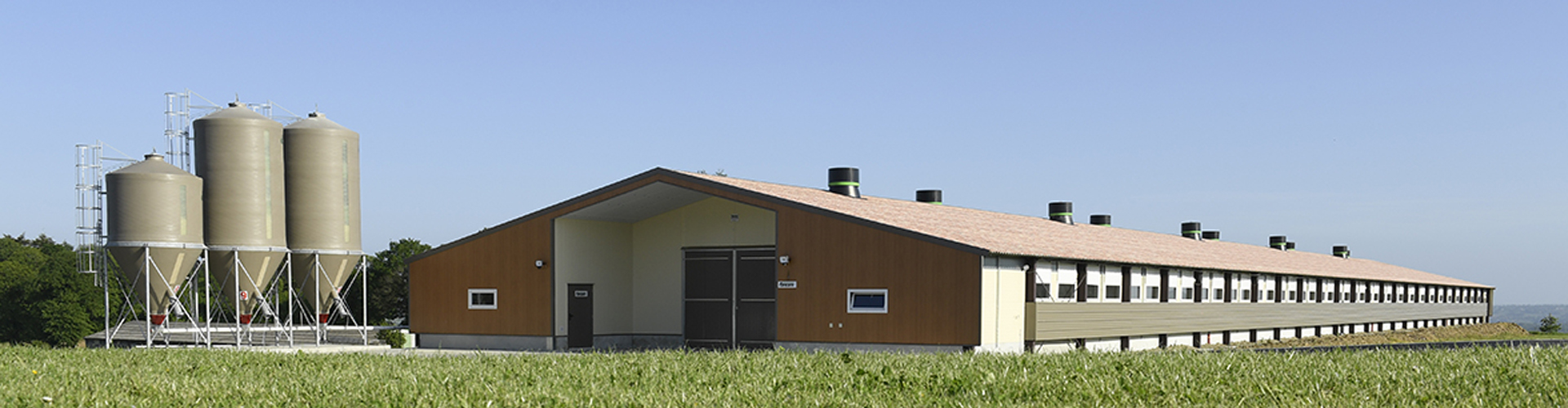
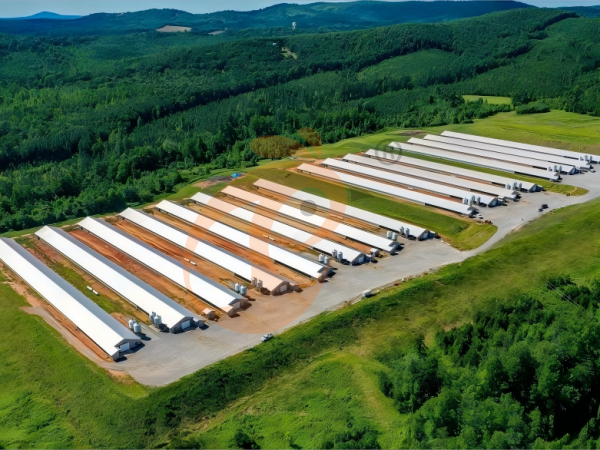
- Free range poultry system delivers modern poultry housing solutions with welfare design, commercial efficiency, and 4.5 hectares planning models.
Poultry production comparison covers cost structure, equipment integration, resource usage, and operational management across different farming systems.
Advanced poultry equipment supports automated feeding, drinking, ventilation, and management control with 180-meter production line examples.
Cage system evaluation combines investment analysis, production planning, labor optimization, and technical specifications for global farms.
- Professional farm projects require balanced decisions between welfare requirements, commercial output, and sustainable engineering development.
Get professional poultry farm construction guidance, equipment selection solutions, and the latest price lists, whatsApp to +8618830120193, click to learn more:
Structural Comparison Parameters
Data is for reference only.Swipe horizontally to view full table.
Free range poultry system integrates outdoor activity zones, environmental adaptation structures, and welfare-oriented management processes.
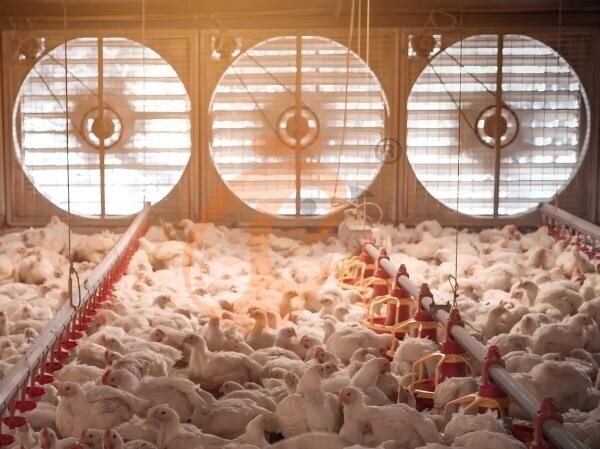
Modern poultry projects normally combine feeding equipment, drinking systems, ventilation units, and automated monitoring components.
Commercial farms selecting a cage system usually focus on precise environmental management with controlled production procedures.
A complete poultry equipment solution can include automatic feeding lines, manure removal structures, and climate control modules for different farm scales.
Investment And Construction Cost Analysis
Data is for reference only.Swipe horizontally to view full table.
Investment planning for free range poultry system requires land preparation, protection structures, and outdoor management facilities.
Cage system projects normally allocate financial resources toward steel structures, automation equipment, and internal control systems.
A commercial poultry farm installation with Turn-key engineering support may combine building design, equipment supply, and commissioning services.
Financial calculations should include equipment lifespan, maintenance schedules, and production targets.
The investment reference includes European union standard reference only.
Production Performance Evaluation
Free range poultry system performance depends on breed selection, nutrition programs, pasture conditions, and farm management capability.
Cage system operation provides stable production environments through automated control technology and standardized feeding procedures.
Modern layer poultry equipment allows farms to integrate egg collection, feeding, and environmental regulation into one production platform.
Production planning normally evaluates parameters such as flock cycle management, product quality, and market requirements.
Farm operators select housing systems according to project goals, regional conditions, and commercial strategies.
Feed Utilization And Resource Consumption
Data is for reference only.Swipe horizontally to view full table.
Feed management directly influences operating costs and production stability.
Free range farms may combine commercial feed with natural foraging resources.
Cage-based farms normally use automated feeding equipment to maintain consistent nutrient delivery.
Advanced poultry equipment design improves feed distribution accuracy through mechanical systems and monitoring technology.
Modern farms evaluate feed usage together with labor requirements and environmental management.
Animal Welfare Indicators And Behavioral Factors
Animal welfare assessment includes movement ability, environmental interaction, health monitoring, and behavioral expression.
Free range systems provide additional spaces for walking, nesting, and natural activities.
Cage systems require engineering improvements to provide suitable resting areas and efficient management conditions.
Cage-free poultry system technology has developed as an alternative housing approach integrating feeding, drinking, ventilation, and manure management systems.
Professional farm design balances welfare objectives with production requirements through equipment selection and operational planning.
Welfare Measurement Data Comparison
Data is for reference only.Swipe horizontally to view full table.
Welfare measurement programs evaluate physical condition, environmental interaction, and behavioral performance through multiple inspection methods.
Free range poultry system projects normally include outdoor planning, shelter design, and monitoring procedures to support bird activity.
Cage system facilities use controlled housing structures and integrated management technology to maintain stable production conditions.
Professional poultry equipment manufacturers develop solutions combining feeding, drinking, ventilation, and environmental monitoring for commercial farms.
Scientific comparisons show that non-cage systems provide additional environmental complexity, while management challenges related to hygiene and production control require careful engineering solutions.
Labor Requirement And Management Differences
Data is for reference only.Swipe horizontally to view full table.
Farm labor planning depends on automation level, flock size, and production objectives.
Free range operations require additional field inspections, environmental observations, and outdoor facility maintenance.
Cage system farms generally integrate automatic systems that reduce manual handling requirements.
A complete Turn-key poultry project includes equipment installation, electrical integration, technical commissioning, and operation training.
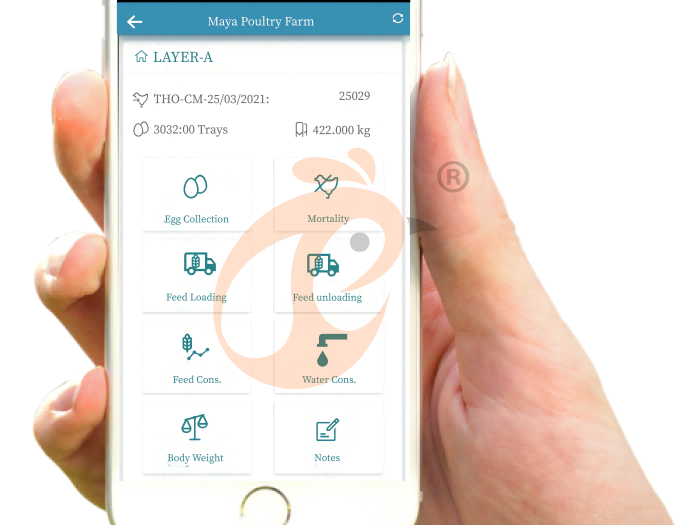
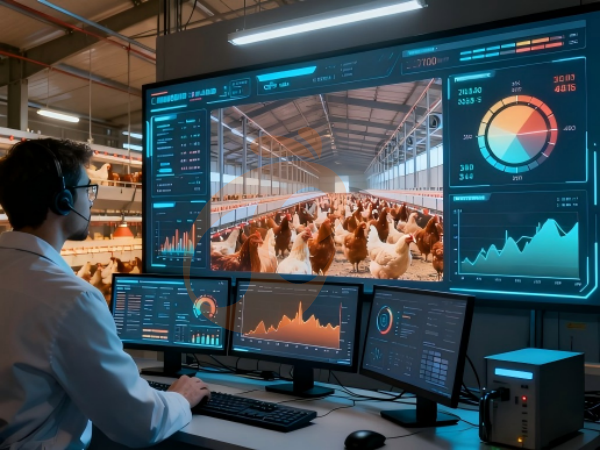
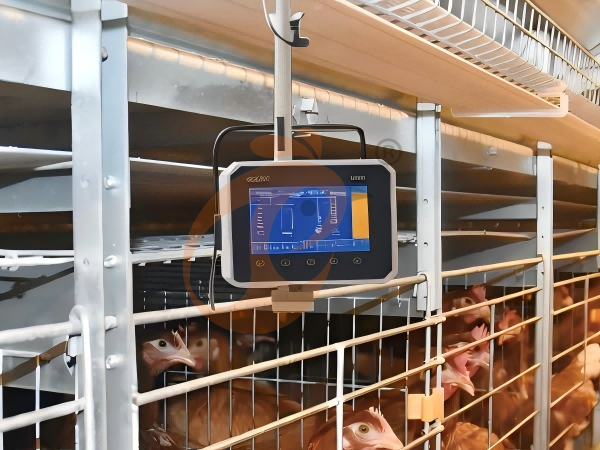
Global poultry farms increasingly apply digital monitoring platforms to improve production records and management efficiency.
Disease Control And Biosecurity Management
Biosecurity management represents a major engineering factor in poultry production.
Free range farms require stronger control procedures because birds interact with soil, vegetation, weather changes, and external environments.
Cage system farms normally use enclosed structures that simplify environmental separation and sanitation planning.
Modern cage-free poultry system designs combine ventilation technology, feeding automation, and health monitoring equipment to create balanced production environments.
Farm operators need vaccination programs, cleaning procedures, and daily inspection standards to maintain flock stability.
Research indicates that different housing systems create different welfare, health, and hygiene management challenges rather than a single universal solution.
Environmental Impact Assessment
Data is for reference only.Swipe horizontally to view full table.
Environmental planning requires evaluation of land usage, waste processing, energy consumption, and resource circulation.
Free range systems depend on larger outdoor areas and vegetation management strategies.
Cage system projects focus on concentrated waste collection, mechanical removal, and controlled facility operation.
Modern poultry equipment suppliers provide manure handling systems and environmental control solutions for commercial installations.
Sustainable farm development requires combining engineering design with responsible resource management.
Market Value And Consumer Preference Analysis
Data is for reference only.Swipe horizontally to view full table.
Market positioning influences poultry production decisions.
Free range products often connect with welfare-focused consumers and specialized retail channels.
Cage system production supports standardized supply chains with consistent delivery requirements.
Commercial farms select equipment according to target markets, production volume, and investment planning.
Different regions apply different certification standards and consumer expectations for poultry products.
Final Comparison And Future Development
Data is for reference only.Swipe horizontally to view full table.
Future poultry development requires integration between animal management, automation technology, and commercial engineering.
Free range poultry system solutions focus on environmental design and behavioral management.
Cage system solutions emphasize automation efficiency, production control, and facility optimization.
Advanced poultry equipment development continues toward intelligent monitoring, energy management, and precision farming.
Successful poultry projects depend on matching equipment specifications with farm objectives and regional requirements.
Frequently Asked Questions
Q1: What is the main difference between free range poultry system and cage system?
Free range poultry system provides outdoor access and additional environmental interaction, while cage system uses controlled housing structures with automated management.
Q2: Which equipment is required for commercial poultry farms?
Commercial farms usually require feeding systems, drinking systems, ventilation equipment, manure handling units, and environmental monitoring devices.
Q3: How can farms balance welfare and production efficiency?
Farms can combine suitable housing design, technical equipment, health management procedures, and production monitoring to achieve balanced results.
Taiyu (HK) Group - One Of China Biggest Poultry Equipment Manufacturer
Free range poultry system provides integrated commercial poultry housing equipment with engineering design, automated operation, and scalable farm solutions for global production projects.
- Global factory direct supply delivers poultry equipment including feeding systems, cage structures, ventilation units, and environmental control components.
- Turn-key engineering services cover project planning, equipment manufacturing, installation guidance, commissioning support, and technical consultation.
- International poultry farm projects receive customized production solutions based on capacity requirements, climate conditions, and operational specifications.
- Professional manufacturing capability supports complete poultry equipment supply chains with technical documentation and long-term service cooperation.
Contact Us To Received Your Customized Poultry Farm Plan
Headquarters And Branchs
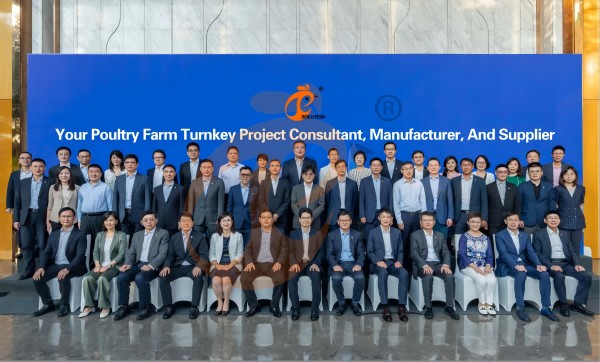
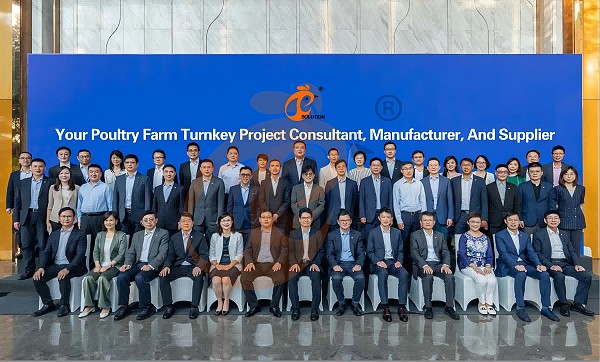
Hong Kong Headquarter Management Team
Hong Kong Headquarter Taiyu Industrial Group CO., LTD
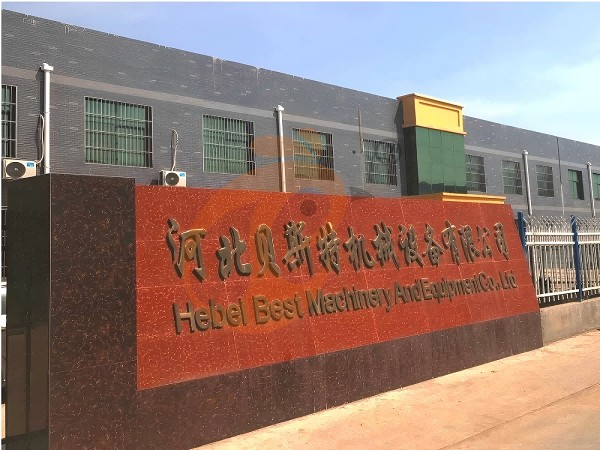
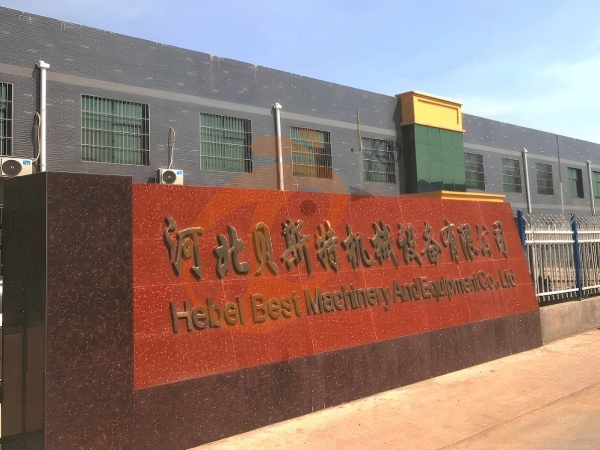
China Hebei Best Machinery And Equipment CO., LTD
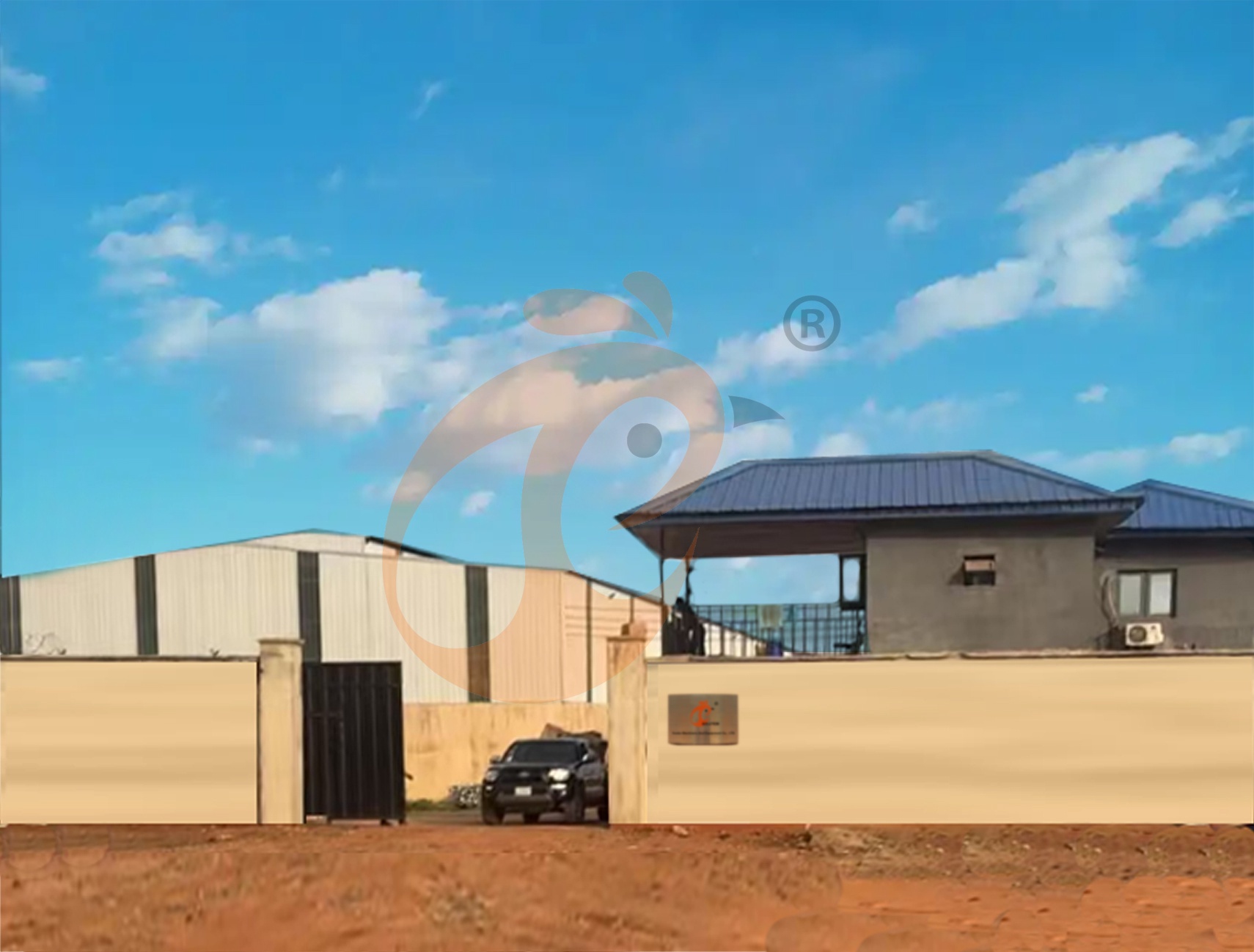
Nigeria Vanke Machinery And Equipment CO., LTD
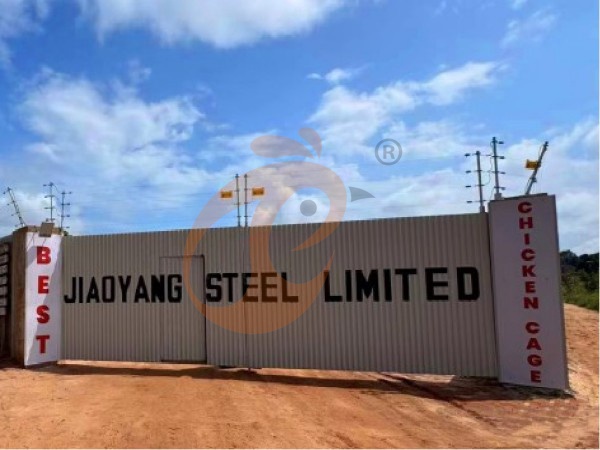
Tanzania Best Machinery And Equipment CO., LTD
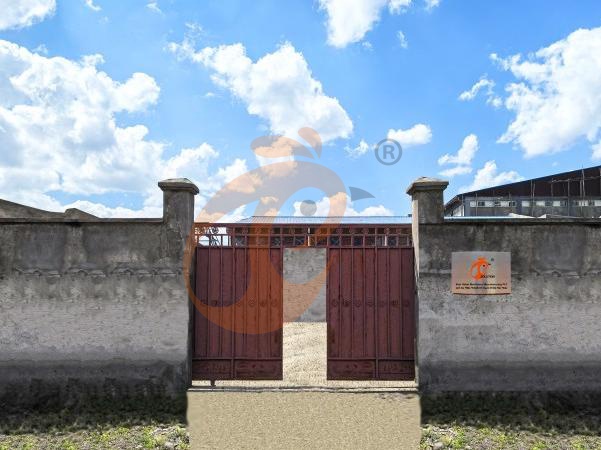
Ethiopia Best Hebei Machinery Manufacturing PLC
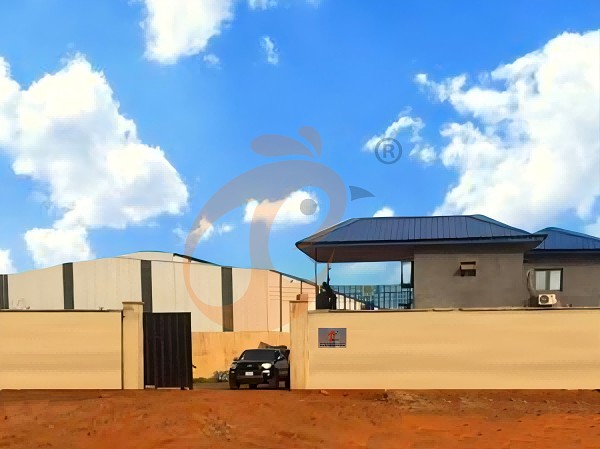
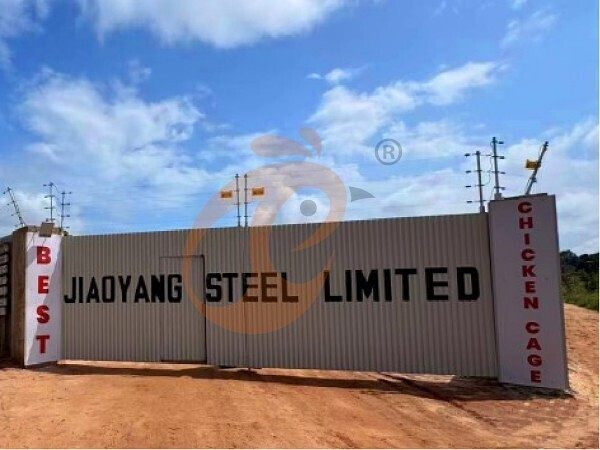
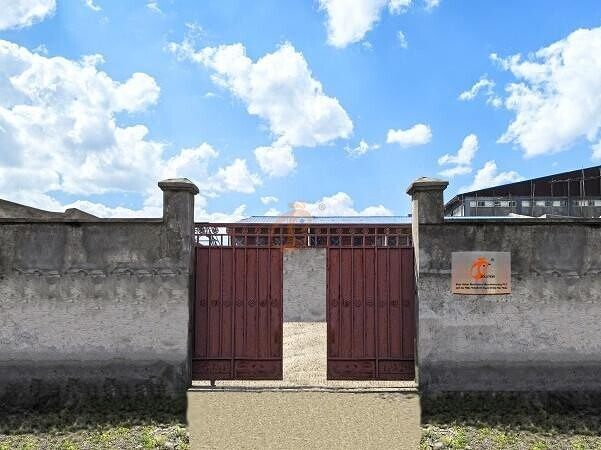
Reception /24 WhatsApp NO. : +8618830120193
FAQ
- poultry farm
- poultry farms
- cage
- poultry farm construction
- poultry farm project
- poultry equipment
- chickencage
- bestchickencage
- cage system
- cage systems
- Nigeria
- layer poultry equipment
- commercial poultry farms
- poultry equipment supplier
- modern layer poultry equipment
- poultry equipment manufacturer
- poultry housing equipment
- modern poultry housing
- poultry farm plan
- poultry equipment suppliers
- Ethiopia
Message
Products recommended
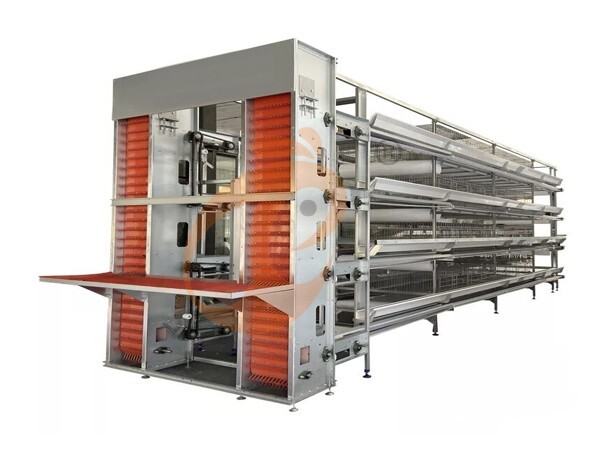
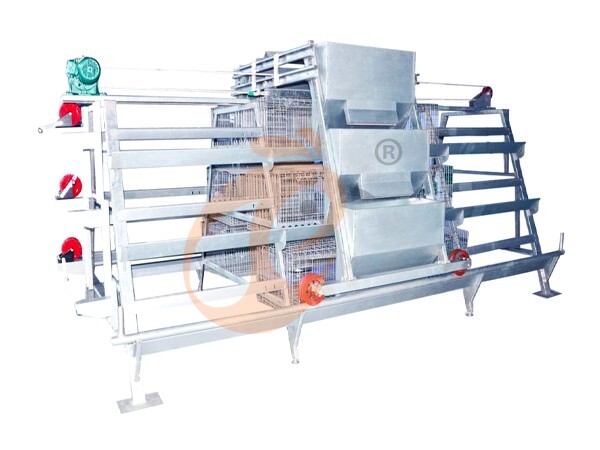
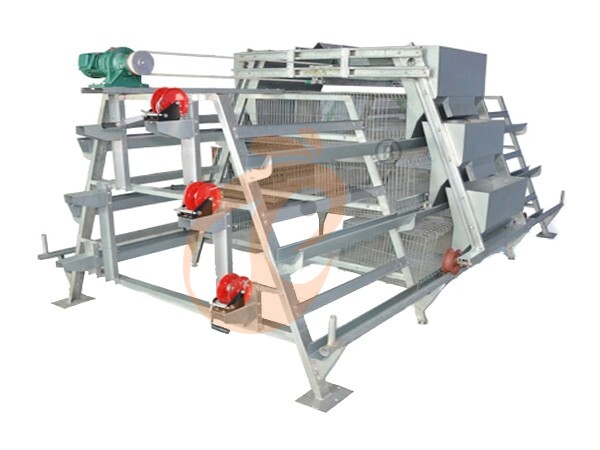
 >30,000 Pullets Automatic H Type Battery Cage1. More than 30,000 pullets a house, choose it.
2. It is designed to rearing older than 1 day old pullets to 12 to 16 weeks old chicken starting laying eggs.
3. Its lifespan is more than 25 years.
4. Its structure are Vcloud artificial intelligent fusion, electric control cabinet, automatic equipment of drinking, feeding, manure clean, manual harvesting.
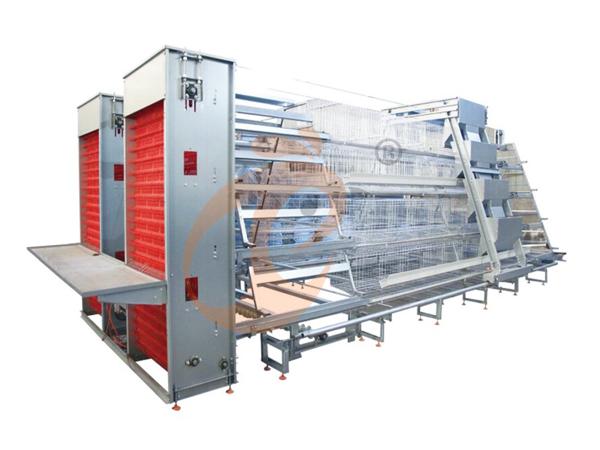
5. Our 24 hour online reception What’sApp NO. is +8618830120193 <30,000 Pullets Automatic A Type Battery Cage1. 10,000 to 30,000 pullets a house, choose it.
2. It is designed to rearing older than 1 day old pullets to 12 to 16 weeks old chicken starting laying eggs.
3. Its lifespan is more than 25 years.
4. Its structure are Vcloud artificial intelligent fusion, electric control cabinet, automatic equipment of drinking, feeding, manure clean, manual harvesting.
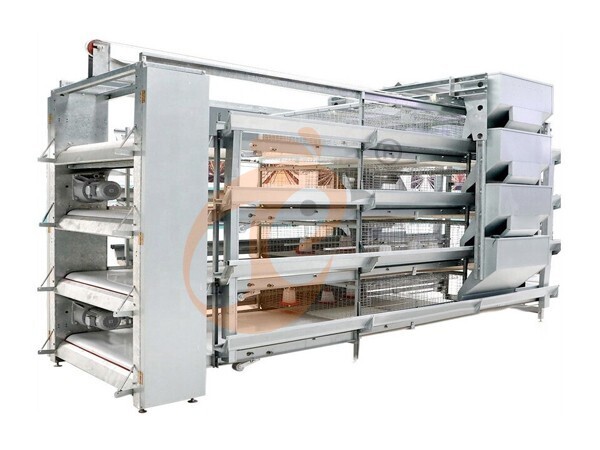
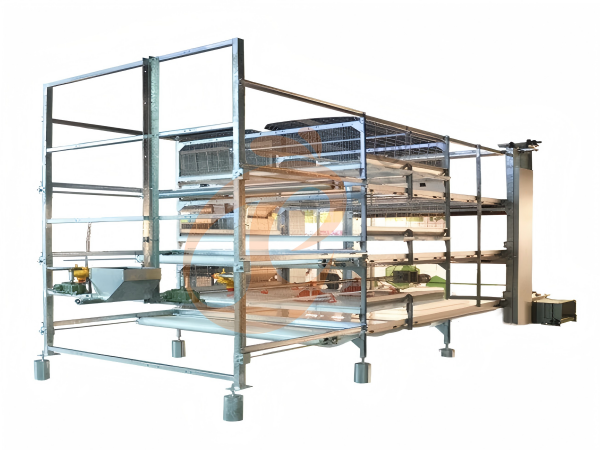
5. Our 24 hour online reception What’sApp NO. is +86 18830120193. >30,000 Broilers Semi-Automatic Harvest H Type Battery Cage1. More than 30,000 broilers a house, choose it.
2. It is designed to rearing 1 to 45 day old adult broiler ready for market.
3. Its lifespan is more than 20 years.
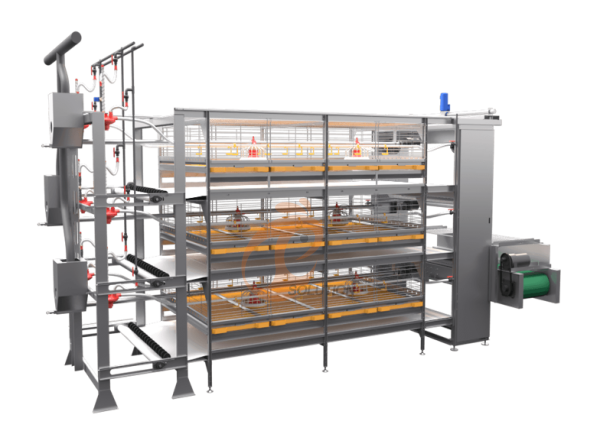
4. Our 24 hour online reception What’sApp NO. is +8618830120193, +234 8111199996. >30,000 Broilers Manual Harvest H Type Battery Cage1. More than 30,000 broilers a house, choose it.
2. It is designed to rearing 1 to 45 day old adult broiler ready for market.
3. Its lifespan is more than 20 years.
4. Its structure are Vcloud artificial intelligent fusion, electric control cabinet, automatic equipment of drinking, feeding and manure clean, manual harvesting.
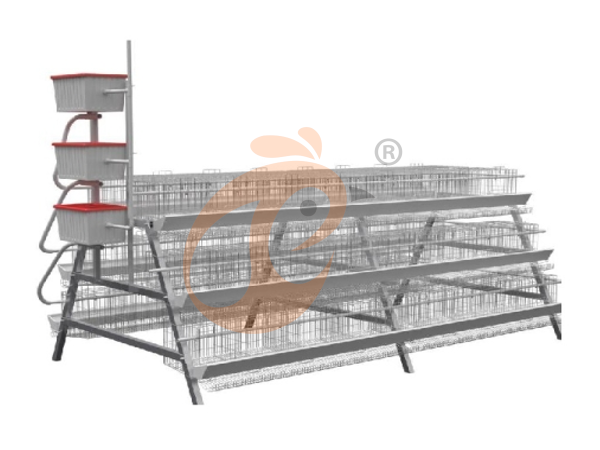
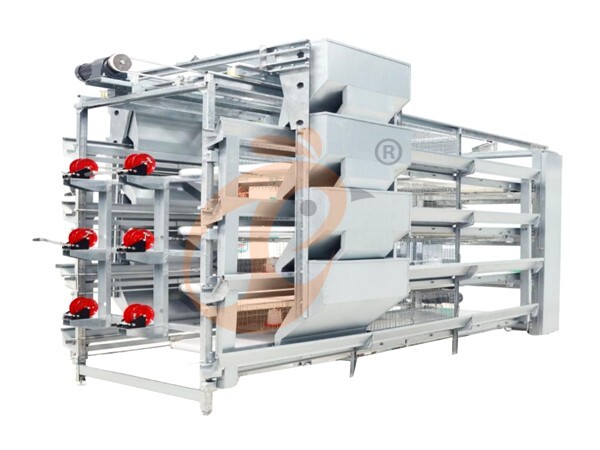
5. Our 24 hour online reception What’sApp NO. is +8618830120193, +234 8111199996. <30,000 Broilers Manual Harvest A Type Battery Cage1. Less 30,000 broilers a house, choose it.
2. It is designed to rearing 1 to 45 day old adult broiler ready for market.
3. Its lifespan is more than 20 years.
4. Its structure are Vcloud artificial intelligent fusion, electric control cabinet, automatic equipment of drinking, feeding and manure clean, manual harvesting.
5. Our 24 hour online reception What’sApp NO. is +8618830120193, +234 8111199996. HK Headquarter Offers EU-standard Poultry Farm Solutions, Manufacture Poultry Farm Equipment1. Continuous communication with the EU and the US
2. China, Nigeria, Ethiopia, Tanzania branch companies and factories
3. The products’ quality is customized for local poultry farms
4. Poultry cage and poultry farm equipment stock for sale
5. 24 online reception Whatsapp NO. : +8618830120193,contact us to get full information China Branch Offer Poultry Farm Business Plan, Manufacture Poultry Farm Equipment1. Address: Flat/RM 2416, 24/F, Runxing Building, Youyi Nan Street, Shijiazhuang City, Hebei Province, China
2. Poultry cage and poultry farm equipment factory and stock for sale
3. Customized for local poultry farms
4. Quality and design are based on Euro
5. 24 online reception Whatsapp NO. : +8618830120193 Nigeria Branch Offer Poultry Farm Business Plan, Manufacture Poultry Farm Equipment1. Address: After Sinoma Office, 200 Meters Near Danco Filling Station, Lagos/Ibadan Expressway, Lagos State, Nigeria
2. Poultry cage and poultry farm equipment factory and stock for sale
3. Customized for Nigerian poultry farms
4. Quality and design are based on Euro
5. 24 online reception Whatsapp NO. : +8618830120193 Ethiopia Branch Offer Poultry Farm Business Plan, Manufacture Poultry Farm Equipment1. Address: Gelan Gura, Akaki-kaliti Sub City, Addis Ababa, Ethiopia
2. Poultry cage and poultry farm equipment stock for sale
3. Customized for Ethiopian poultry farms
4. Quality and design are based on Euro
5. 24 online reception Whatsapp NO. : +8618830120193, contact us to get price list Tanzania Branch Offer Poultry Farm Business Plan, Manufacture Poultry Farm Equipment1. Address: No.8, Sova Road, Msufini, Mlandizi, Kibaha, Pwani, Tanzania
2. Poultry cage and poultry farm equipment factory and stock for sale
3. Customized for Tanzanian poultry farms
4. Quality and design are based on Euro
5. 24 online reception Whatsapp NO. : +8618830120193


Contact