


Blog
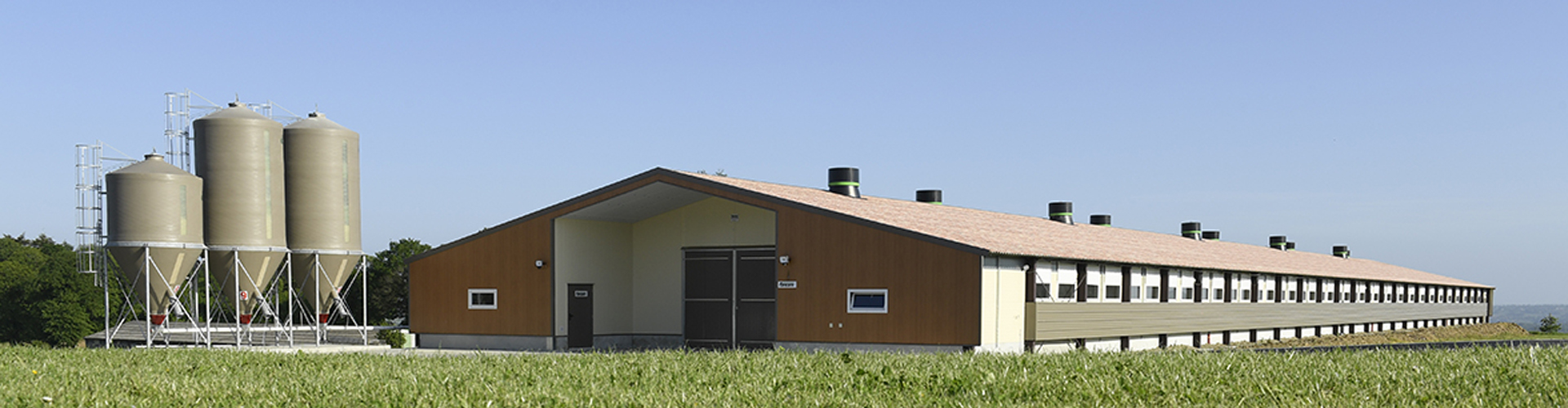
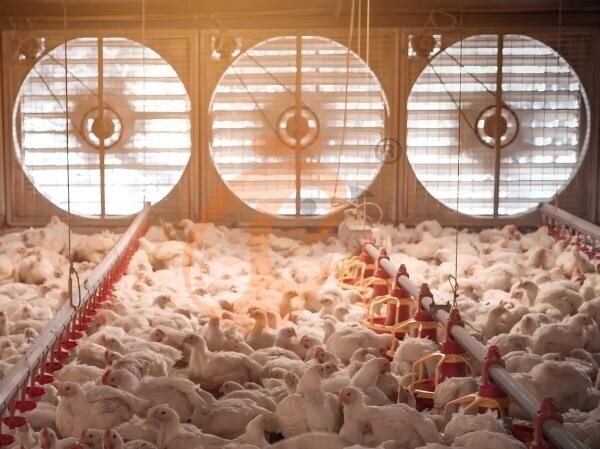
Free range poultry ventilation system improves fresh air circulation while supporting healthier birds and stable production performance across commercial poultry farms.
Poultry house ventilation equipment combines intelligent airflow management, environmental control, and energy efficiency for different climate conditions and production capacities.
Commercial poultry house design integrates ventilation, feeding, drinking, manure removal, and environmental monitoring into one coordinated engineering solution.
Proper ventilation reduces moisture accumulation, airborne dust, ammonia concentration, and respiratory challenges throughout every production cycle.
Professional equipment selection and scientific system layout help poultry producers increase productivity, lower operating costs, and simplify long-term farm management.
Get professional poultry farm construction guidance, equipment selection solutions, and the latest price lists, whatsApp to +8618830120193, click to learn more:
Design The House Around Natural Airflow
The first design rule begins before construction starts.
Poultry houses should be positioned according to prevailing wind direction and local climate.
Proper orientation reduces heat accumulation and improves fresh air exchange without increasing electricity consumption.
A well-planned free range poultry ventilation system also creates better compatibility with automated environmental control equipment and future production expansion.
Proper ventilation removes excessive heat, moisture, carbon dioxide, dust, and ammonia generated during poultry production while maintaining healthier indoor conditions.
Data is for reference only.Swipe horizontally to view full table.
Careful building orientation also improves the performance of tunnel ventilation systems installed later while reducing seasonal environmental fluctuations.
Select Proper Ventilation Equipment
Mechanical ventilation maintains consistent environmental conditions regardless of seasonal weather changes.
Commercial poultry farms typically combine exhaust fans, air inlets, circulation fans, and environmental controllers.
Automatic regulation minimizes manual adjustment while keeping fresh air continuously moving.
Data is for reference only.Swipe horizontally to view full table.
Mechanical ventilation systems help maintain stable airflow distribution and environmental consistency throughout every production season while improving overall poultry house efficiency.
Maintain Stable Environmental Parameters
Ventilation is not simply about moving air.
The objective is maintaining stable environmental conditions that encourage bird growth.
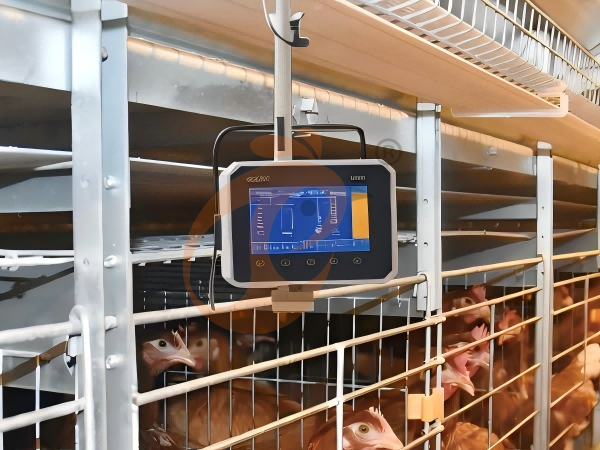
Continuous monitoring enables automatic adjustment according to bird age, stocking density, and outdoor weather.
A professional commercial poultry house design integrates environmental sensors with automatic ventilation equipment to maintain consistent production conditions and reduce unnecessary energy consumption.
Proper air exchange also helps maintain acceptable concentrations of moisture, carbon dioxide, and ammonia throughout the production cycle.
Data is for reference only.Swipe horizontally to view full table.
Stable environmental control reduces respiratory stress, supports flock uniformity, improves litter conditions, and enhances overall production efficiency.
Proper ventilation management also helps maintain acceptable ammonia concentrations during different production stages.
Poultry Ventilation Science
Birds continuously consume oxygen while producing heat, moisture, carbon dioxide, airborne dust, and water vapor.
Manure decomposition generates ammonia, making continuous fresh air replacement essential for maintaining bird health.
Scientific ventilation balances temperature, humidity, airflow, and gas concentration rather than simply increasing fan capacity.
Proper airflow distribution removes contaminants evenly throughout the poultry house instead of creating localized dead zones.
Engineered ventilation also maintains drier litter, suppresses bacterial multiplication, improves footpad condition, and reduces respiratory irritation.
Hybrid ventilation systems combining natural airflow with mechanical exhaust equipment have become common solutions for modern commercial poultry farms.
Integrate Ventilation With Poultry Equipment
Modern poultry farms operate as integrated engineering systems instead of independent machines.
Ventilation equipment performs more efficiently when coordinated with automatic feeding systems, nipple drinking lines, manure removal equipment, environmental controllers, and poultry cage systems.
Equipment compatibility simplifies installation while improving long-term operational reliability.
Data is for reference only.Swipe horizontally to view full table.
Integrated equipment engineering shortens project installation time while improving production management efficiency and reducing
future maintenance complexity.
Control Moisture Before Ammonia Develops
Excess moisture is one of the primary causes of poor indoor air quality.
Wet litter accelerates microbial activity, increases ammonia production, and elevates disease pressure throughout the poultry house.
Proper ventilation removes water vapor before condensation forms on ceilings, walls, or equipment surfaces.
Data is for reference only.Swipe horizontally to view full table.
Maintaining dry litter extends bedding service life, improves bird comfort, reduces cleaning frequency, and lowers environmental
management costs.
Scientific ventilation also minimizes ammonia accumulation that may negatively affect bird performance.
Intelligent Environmental Control
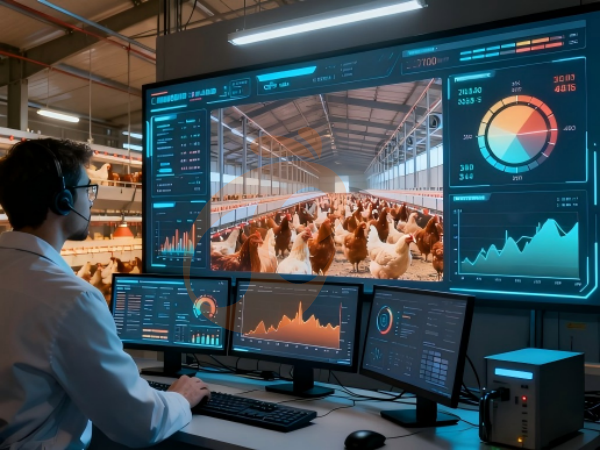
Modern commercial poultry farms increasingly rely on intelligent environmental control systems to achieve consistent production performance.
Temperature, humidity, static pressure, carbon dioxide concentration, and ventilation stages can all be monitored continuously through integrated controllers.
Automatic adjustments improve environmental stability while reducing manual intervention and unnecessary energy consumption.
Intelligent systems also coordinate fans, cooling pads, air inlets, heaters, and alarms into one centralized management platform.
Data is for reference only.Swipe horizontally to view full table.
Remote monitoring enables farm managers to supervise multiple poultry houses simultaneously while maintaining stable environmental
conditions throughout different production stages.
Intelligent automation also improves equipment coordination and reduces labor requirements for commercial poultry operations.
Ventilation During Different Growth Stages
Birds require different ventilation capacities as body weight and metabolic heat increase throughout the production cycle.
Young chicks benefit from gentle airflow that maintains thermal comfort, while older birds require higher ventilation rates to remove excess heat, moisture, and airborne contaminants.
Automatic environmental controllers simplify these adjustments by regulating fan speed and air inlet positions according to preset production programs.
Data is for reference only.Swipe horizontally to view full table.
Matching ventilation capacity with bird growth helps maintain comfortable environmental conditions, improves feed utilization, and
supports consistent flock development during every production phase.
Equipment Maintenance Extends Service Life
Regular maintenance keeps ventilation equipment operating efficiently throughout long production cycles.
Fan blades should be cleaned regularly to prevent dust accumulation that reduces airflow efficiency.
Belt tension, motor bearings, shutters, electrical connections, and air inlets should be inspected according to preventive maintenance schedules.
Well-maintained ventilation equipment consumes less electricity while providing more stable airflow and environmental control.
Studies have shown that accumulated dust and worn components can significantly reduce fan performance if maintenance is neglected.
Data is for reference only.Swipe horizontally to view full table.
Preventive maintenance reduces unexpected equipment downtime, extends service life, improves energy efficiency, and protects long-
term investment in commercial poultry house ventilation systems.
Why Complete Poultry House Solutions Matter
Modern poultry farms increasingly prefer integrated engineering solutions instead of purchasing individual machines from multiple suppliers.
A coordinated system improves installation efficiency, simplifies maintenance planning, and enhances long-term production stability.
Combining ventilation equipment with feeding, drinking, manure removal, and housing systems creates a complete infrastructure that
supports continuous flock performance and future farm expansion.
Proper equipment compatibility also reduces commissioning time and minimizes operational risks throughout the production cycle.
Data is for reference only.Swipe horizontally to view full table.
Complete engineering solutions provide higher installation consistency, simplified technical support, and better long-term equipment
performance for commercial poultry production projects.
Frequently Asked Questions
Q1: How often should poultry house ventilation equipment be inspected?
Routine inspection every 30 to 90 days helps maintain stable airflow, fan efficiency, and environmental performance.
Electrical components, shutters, bearings, and sensors should also be checked according to preventive maintenance schedules to reduce unexpected downtime.
Q2: Why is balanced airflow more important than fan quantity?
Proper airflow distribution allows fresh air to reach every production area while removing heat, moisture, dust, carbon dioxide, and ammonia evenly.
Air velocity around 2.2 m/s under appropriate operating conditions is generally more effective than simply installing additional fans without engineering design.
Q3: Can ventilation systems be integrated with other poultry equipment?
Yes.
Modern ventilation equipment is designed to operate together with chicken cages, automatic feeding systems, nipple drinking systems,
manure removal systems, environmental controllers, cooling pads, and monitoring software, creating a coordinated poultry production
environment with improved management efficiency.
Taiyu (HK) Group - One Of China Largest Free Range System Manufacturer
Professional poultry house ventilation equipment engineered for commercial poultry houses, integrating exhaust fans, cooling pads, intelligent controllers, air inlets, and complete climate management systems.
Global factory direct supply provides reliable poultry equipment with standardized manufacturing, strict quality inspection, and efficient international project delivery.
Complete Turn-key poultry engineering solutions include poultry houses, chicken cages, feeding systems, drinking systems, manure removal equipment, ventilation systems, and environmental automation.
Experienced engineering teams support customized project design, equipment configuration, installation guidance, commissioning, and comprehensive after-sales technical service for worldwide customers.
Integrated commercial specifications ensure equipment compatibility, stable operation, scalable production capacity, and optimized lifecycle performance for modern poultry farming projects.
Contact Us To Received Your Customized Poultry Farm Plan
Headquarters And Branchs

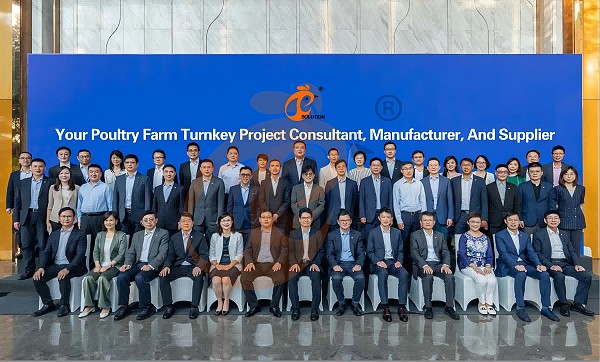
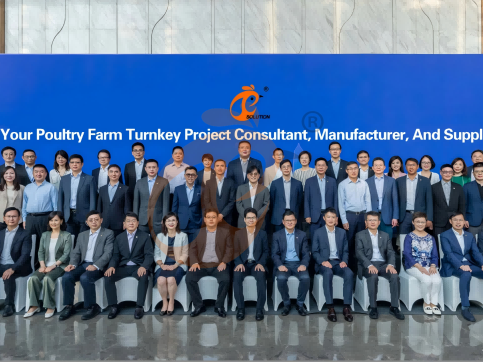
Hong Kong Headquarter Management Team
Hong Kong Headquarter Taiyu Industrial Group CO., LTD
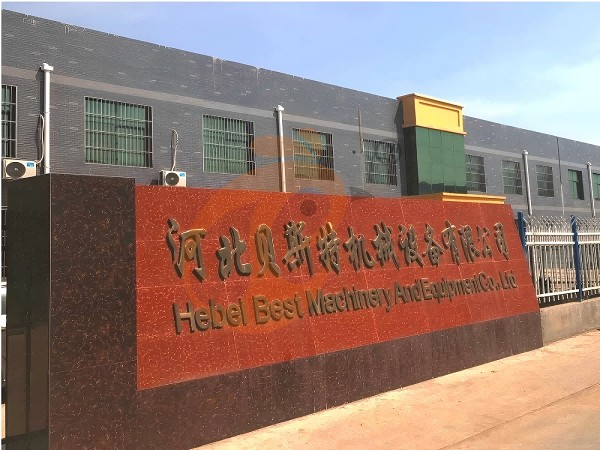
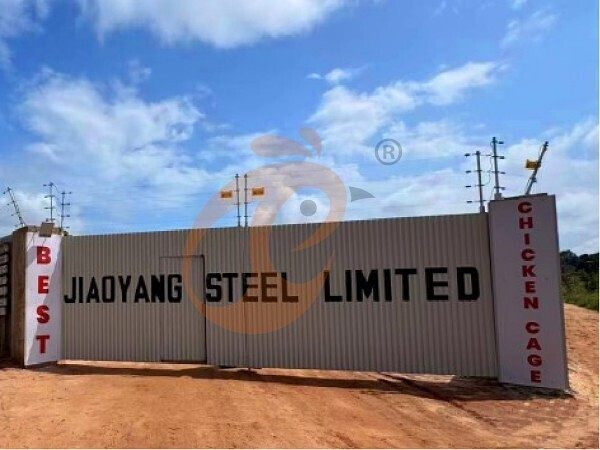
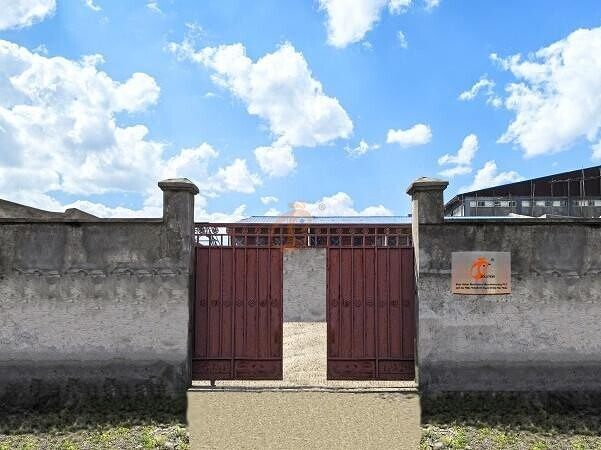
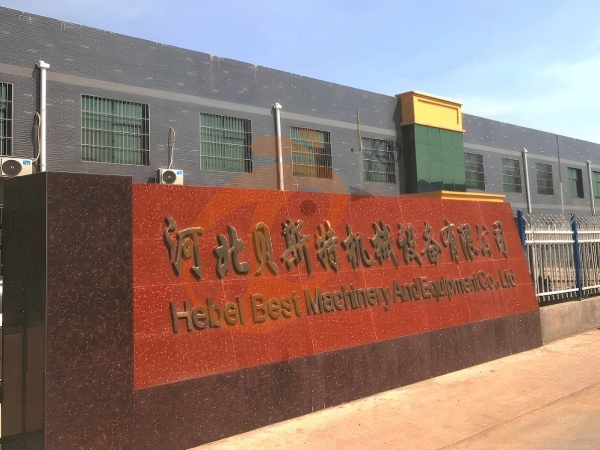
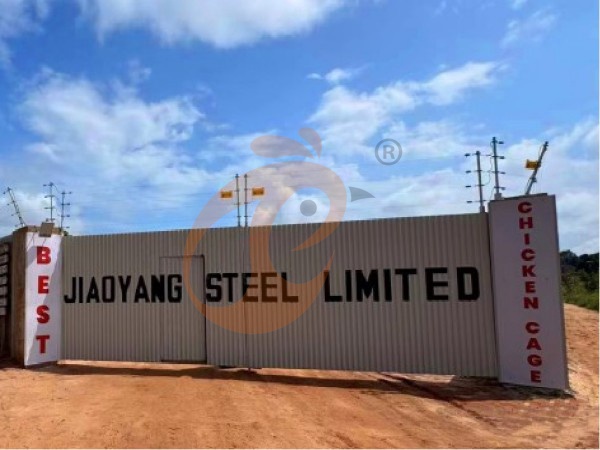
China Hebei Best Machinery And Equipment CO., LTD
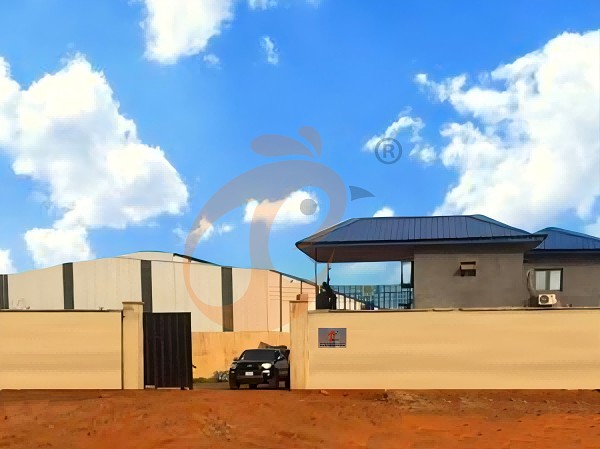
Nigeria Vanke Machinery And Equipment CO., LTD
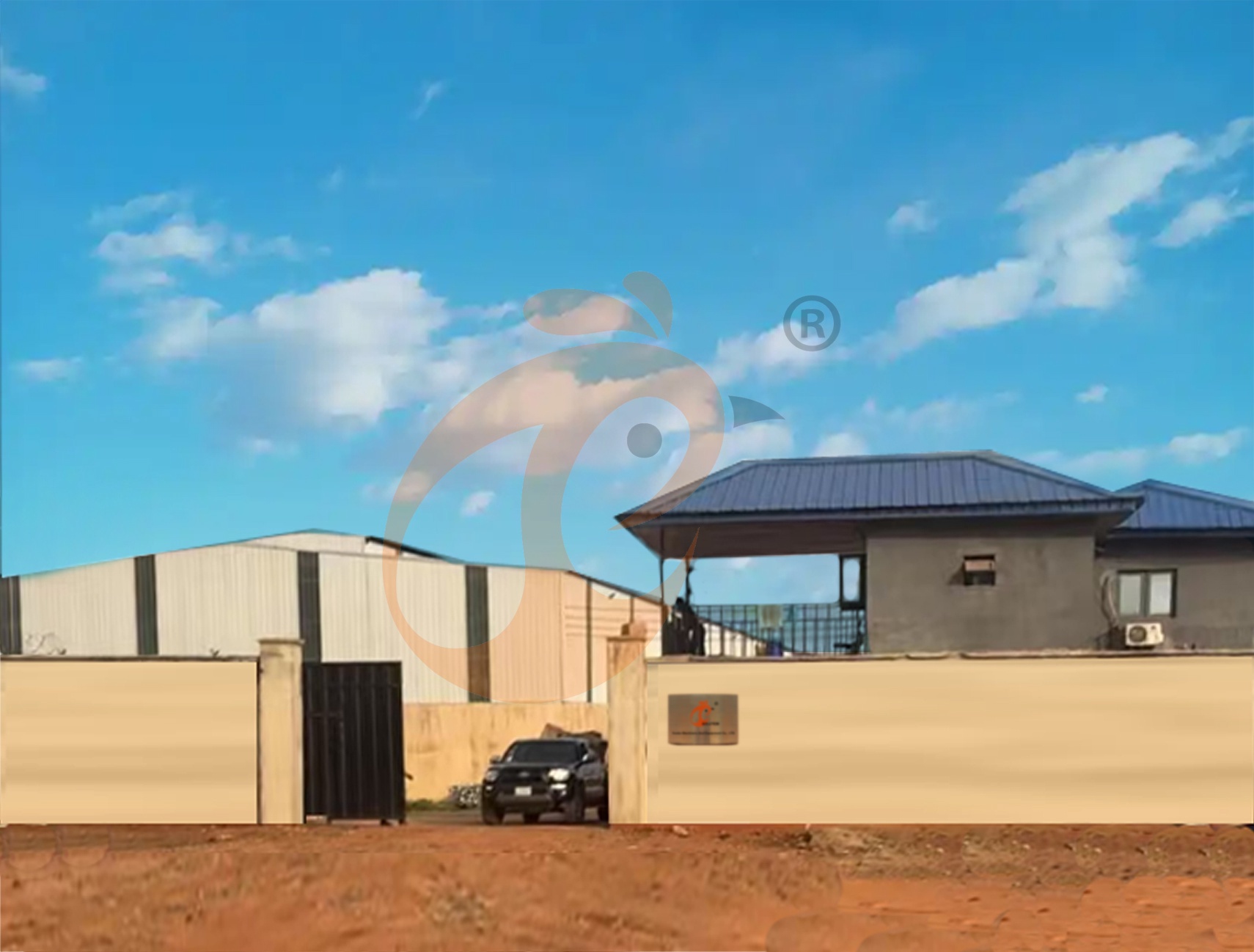
Tanzania Best Machinery And Equipment CO., LTD
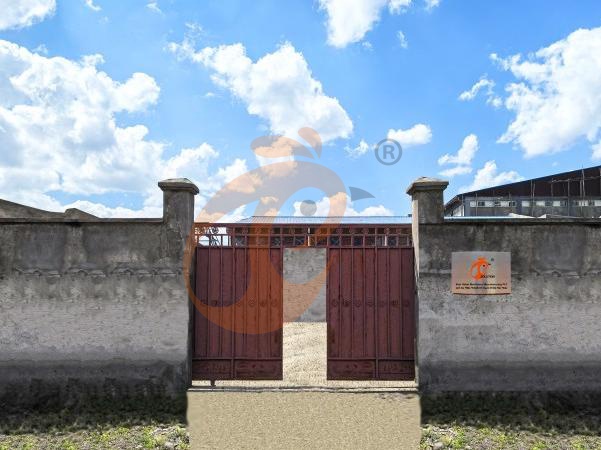
Ethiopia Best Hebei Machinery Manufacturing PLC
Reception /24 WhatsApp NO. : +8618830120193
FAQ
How Does Free Range System Affect Feed Consumption?
Energy expenditure increases daily intake variation by 15%–22% across seasons.
Feed conversion efficiency ranges from 1.9–2.3 depending on grazing intensity.
What Are The Housing Transition Management Standards In Free Range Poultry System?
Indoor-outdoor transition time is controlled within 10–15 minutes per flock movement cycle.
Lighting guidance systems operate at 5–8 lux to direct flock movement behavior.
What Are The Seasonal Adaptation Strategies In Free Range Poultry System?
Summer shade coverage is increased to 60%–80% of grazing area for heat stress reduction.
Rainfall drainage capacity handles 25–40 mm per hour precipitation levels for land usability.
- poultry farm
- chicken cage
- poultry farms
- poultry house
- poultry cage
- cage
- poultry farm construction
- poultry cage system
- poultry house design
- poultry house ventilation
- poultry house ventilation system
- poultry house ventilation equipment
- automatic feeding system
- poultry equipment
- manure removal system
- manure removal equipment
- chicken cages
- poultry cages
- chickencage
- bestchickencage
- cage system
- cage systems
- layer chicken cage
- Nigeria
- modern poultry farms
- commercial poultry farms
- poultry farming
- poultry ventilation system
- poultry cage systems
- modern poultry farm
- poultry house solutions
- modern poultry farming
- poultry house efficiency
- manure removal conveyor
- poultry farm plan
- Ethiopia
Message
Products recommended
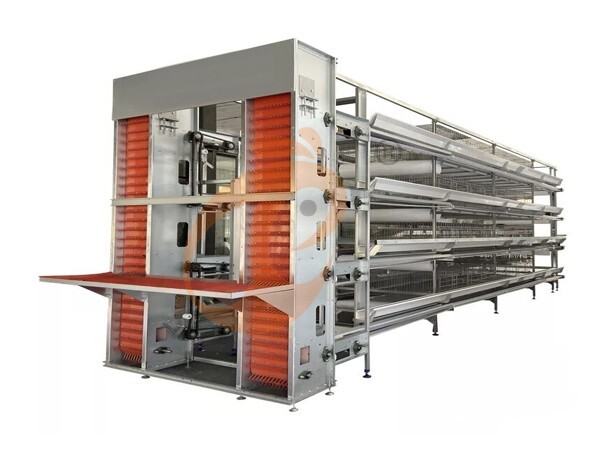
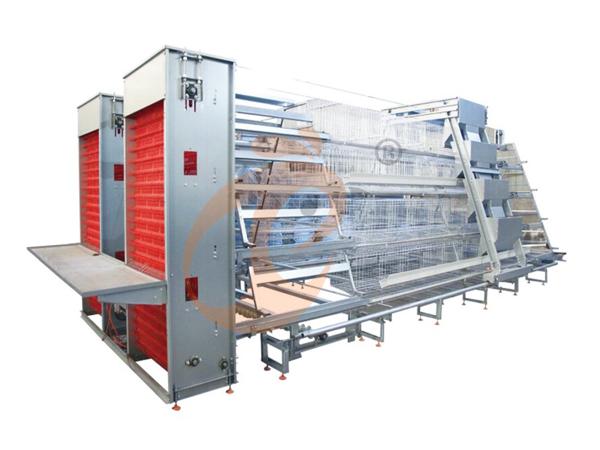
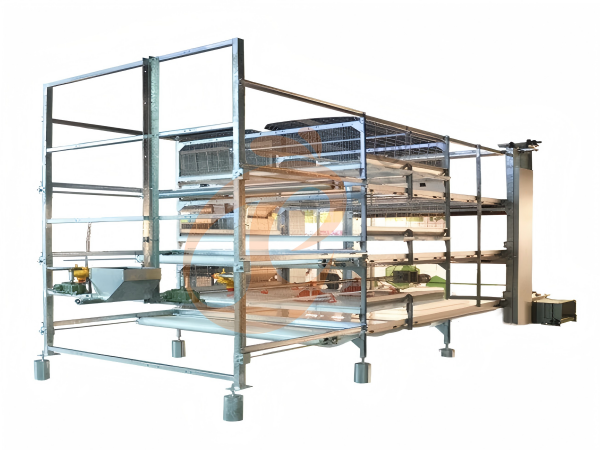
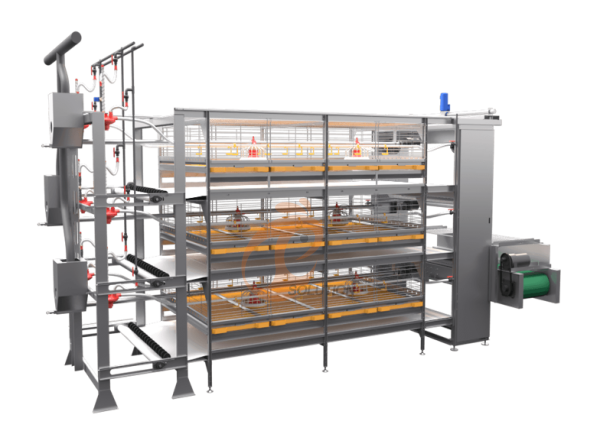
 >30,000 Pullets Automatic H Type Battery Cage1. More than 30,000 pullets a house, choose it.
2. It is designed to rearing older than 1 day old pullets to 12 to 16 weeks old chicken starting laying eggs.
3. Its lifespan is more than 25 years.
4. Its structure are Vcloud artificial intelligent fusion, electric control cabinet, automatic equipment of drinking, feeding, manure clean, manual harvesting.
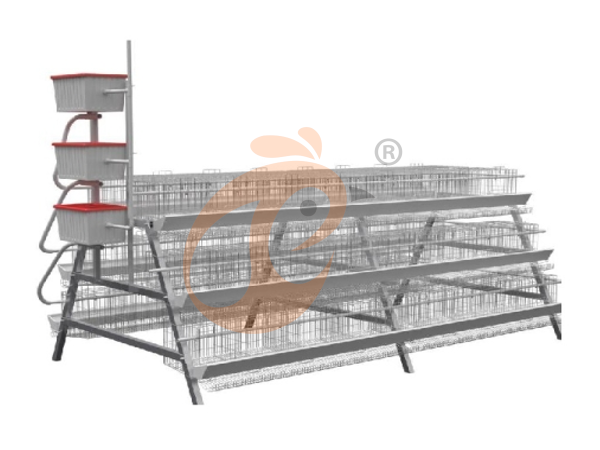
5. Our 24 hour online reception What’sApp NO. is +8618830120193 <30,000 Pullets Automatic A Type Battery Cage1. 10,000 to 30,000 pullets a house, choose it.
2. It is designed to rearing older than 1 day old pullets to 12 to 16 weeks old chicken starting laying eggs.
3. Its lifespan is more than 25 years.
4. Its structure are Vcloud artificial intelligent fusion, electric control cabinet, automatic equipment of drinking, feeding, manure clean, manual harvesting.
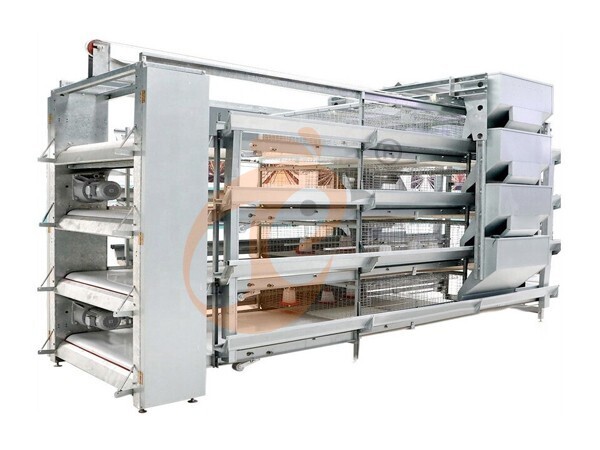
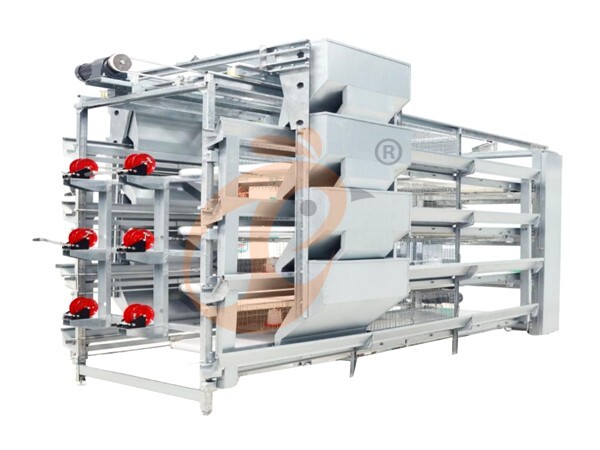
5. Our 24 hour online reception What’sApp NO. is +86 18830120193. >30,000 Broilers Semi-Automatic Harvest H Type Battery Cage1. More than 30,000 broilers a house, choose it.
2. It is designed to rearing 1 to 45 day old adult broiler ready for market.
3. Its lifespan is more than 20 years.
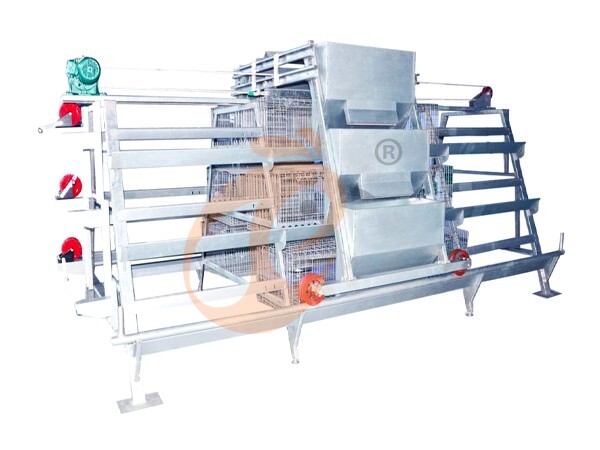
4. Our 24 hour online reception What’sApp NO. is +8618830120193, +234 8111199996. >30,000 Broilers Manual Harvest H Type Battery Cage1. More than 30,000 broilers a house, choose it.
2. It is designed to rearing 1 to 45 day old adult broiler ready for market.
3. Its lifespan is more than 20 years.
4. Its structure are Vcloud artificial intelligent fusion, electric control cabinet, automatic equipment of drinking, feeding and manure clean, manual harvesting.
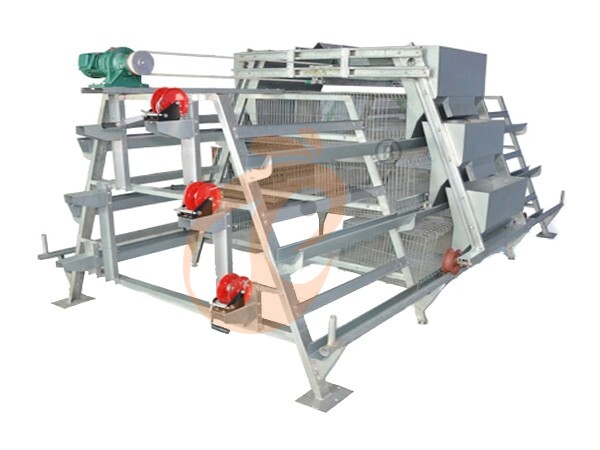
5. Our 24 hour online reception What’sApp NO. is +8618830120193, +234 8111199996. <30,000 Broilers Manual Harvest A Type Battery Cage1. Less 30,000 broilers a house, choose it.
2. It is designed to rearing 1 to 45 day old adult broiler ready for market.
3. Its lifespan is more than 20 years.
4. Its structure are Vcloud artificial intelligent fusion, electric control cabinet, automatic equipment of drinking, feeding and manure clean, manual harvesting.
5. Our 24 hour online reception What’sApp NO. is +8618830120193, +234 8111199996. HK Headquarter Offers EU-standard Poultry Farm Solutions, Manufacture Poultry Farm Equipment1. Continuous communication with the EU and the US
2. China, Nigeria, Ethiopia, Tanzania branch companies and factories
3. The products’ quality is customized for local poultry farms
4. Poultry cage and poultry farm equipment stock for sale
5. 24 online reception Whatsapp NO. : +8618830120193,contact us to get full information China Branch Offer Poultry Farm Business Plan, Manufacture Poultry Farm Equipment1. Address: Flat/RM 2416, 24/F, Runxing Building, Youyi Nan Street, Shijiazhuang City, Hebei Province, China
2. Poultry cage and poultry farm equipment factory and stock for sale
3. Customized for local poultry farms
4. Quality and design are based on Euro
5. 24 online reception Whatsapp NO. : +8618830120193 Nigeria Branch Offer Poultry Farm Business Plan, Manufacture Poultry Farm Equipment1. Address: After Sinoma Office, 200 Meters Near Danco Filling Station, Lagos/Ibadan Expressway, Lagos State, Nigeria
2. Poultry cage and poultry farm equipment factory and stock for sale
3. Customized for Nigerian poultry farms
4. Quality and design are based on Euro
5. 24 online reception Whatsapp NO. : +8618830120193 Ethiopia Branch Offer Poultry Farm Business Plan, Manufacture Poultry Farm Equipment1. Address: Gelan Gura, Akaki-kaliti Sub City, Addis Ababa, Ethiopia
2. Poultry cage and poultry farm equipment stock for sale
3. Customized for Ethiopian poultry farms
4. Quality and design are based on Euro
5. 24 online reception Whatsapp NO. : +8618830120193, contact us to get price list Tanzania Branch Offer Poultry Farm Business Plan, Manufacture Poultry Farm Equipment1. Address: No.8, Sova Road, Msufini, Mlandizi, Kibaha, Pwani, Tanzania
2. Poultry cage and poultry farm equipment factory and stock for sale
3. Customized for Tanzanian poultry farms
4. Quality and design are based on Euro
5. 24 online reception Whatsapp NO. : +8618830120193


Contact