


Blog
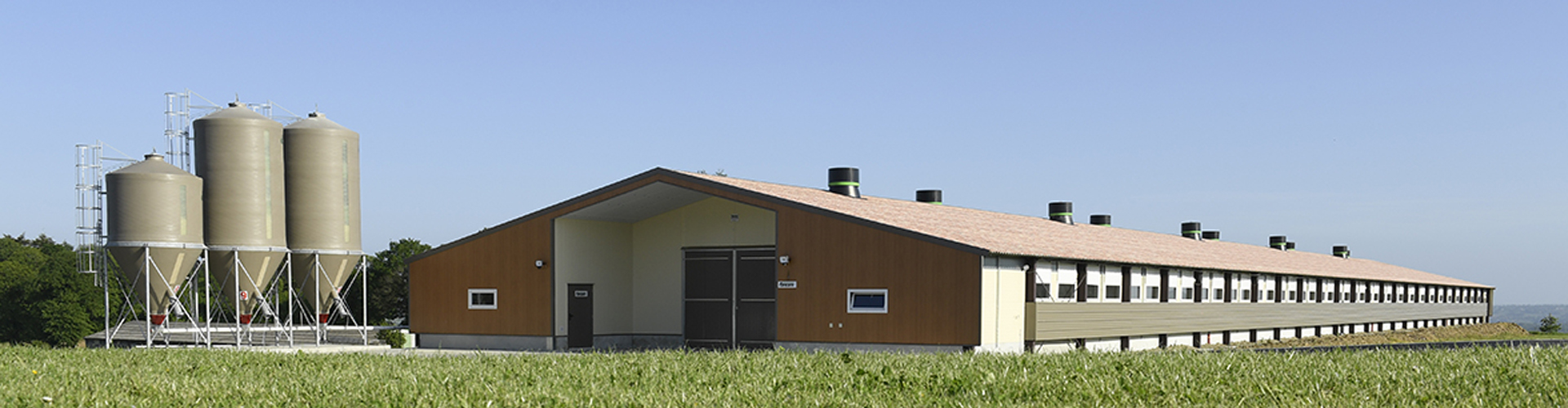
Modern poultry farming requires automated egg production systems with stable flock management, controlled environmental conditions, efficient feed distribution, and reduced labor dependency.
H type battery cage systems combine layer chicken cage technology, automatic poultry farming equipment, and commercial egg production systems into integrated housing solutions for high-capacity poultry farms.
Advanced cage structures improve ventilation performance, manure removal efficiency, egg collection accuracy, production consistency, and farm profitability.
Commercial poultry investors increasingly adopt automated layer cage systems to reduce operational costs and increase annual egg output.
This article explains structural advantages, engineering specifications, production performance, financial returns, environmental benefits, and commercial farming applications.
Get professional poultry farm construction guidance, equipment selection solutions, and the latest price lists, whatsApp to +8618830120193, click to learn more:
What Is an H Type Battery Cage System?
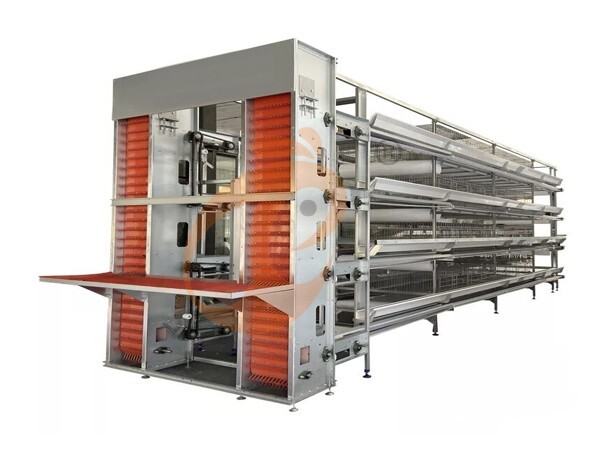
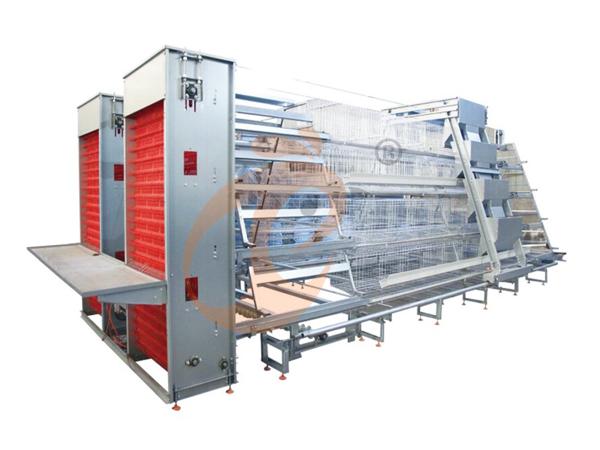
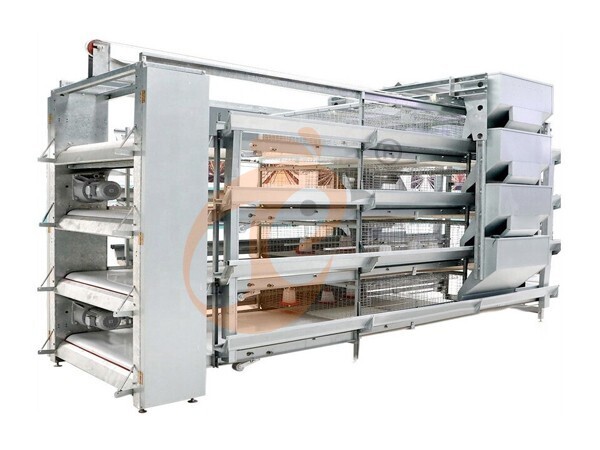
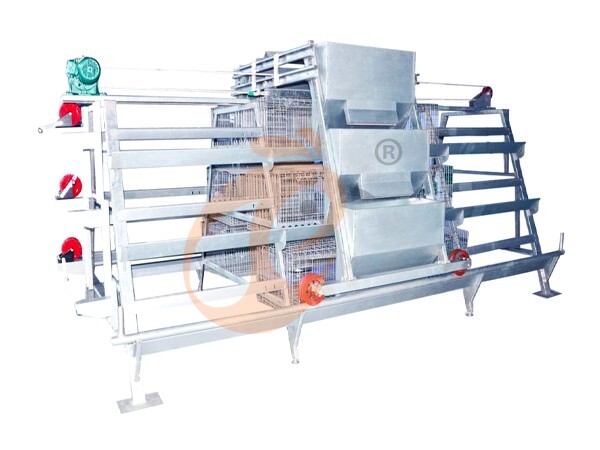
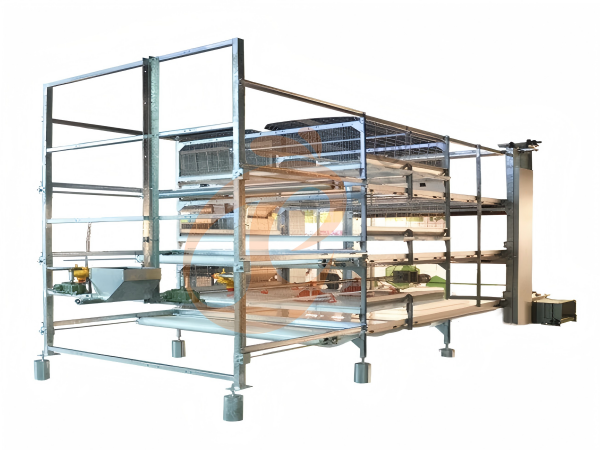
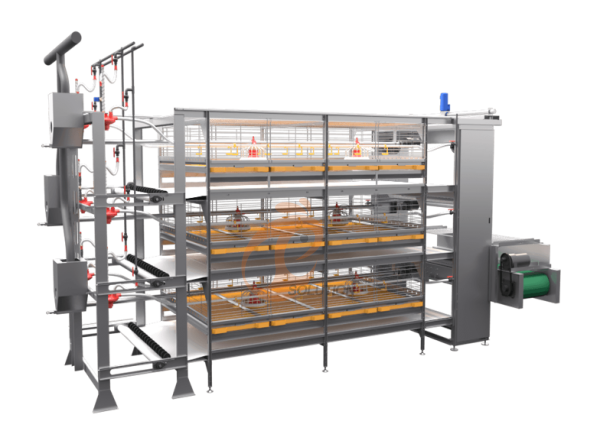
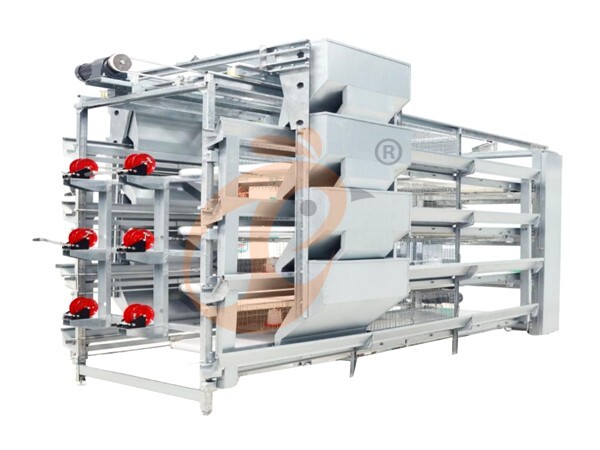
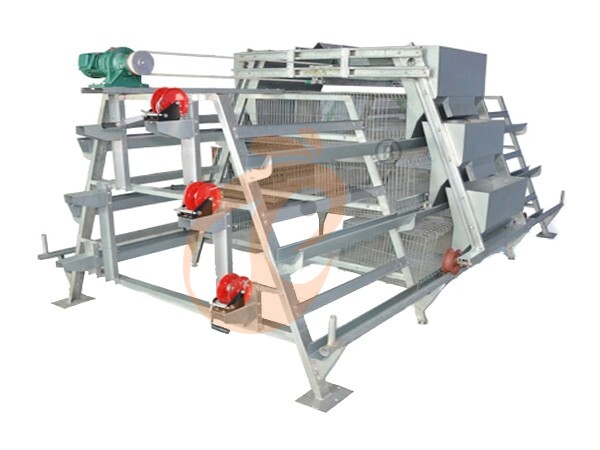
An H type battery cage system is a vertically stacked poultry housing structure designed specifically for intensive egg production farms.
Unlike traditional step-style cages, the H-shaped framework allows cage rows to be aligned directly above each other, creating a compact and highly organized poultry environment.
The structure normally includes multiple automated subsystems connected into a centralized operation platform.
These systems reduce manual work and improve consistency in feeding, water supply, manure removal, and egg handling.
A standardized modular engineering layout ensures compatibility with large-scale commercial poultry house planning and expansion projects.
Main Technical Components
Integrated mechanical design determines overall production stability and long-term operational efficiency in modern poultry housing systems.
Data is for reference only.Swipe horizontally to view full table.
Engineering integration across all subsystems improves synchronization of feed intake, egg output, and waste removal cycles.
The compact vertical structure is especially valuable for farms operating in regions where land cost and building expenses continue to rise.
Structural Difference Between H Type And Traditional Cage Systems
Structural engineering design directly influences airflow organization, flock accessibility, and mechanical automation performance in poultry housing systems.
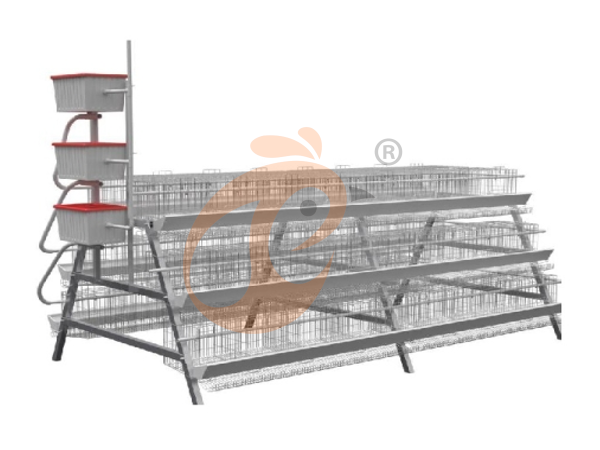
Traditional battery cages typically use stair-step layouts.
Although functional, these systems occupy more building width and provide limited compatibility with high-level automation.
H type systems were developed to solve these structural inefficiencies.
The aligned vertical framework allows manure belts, feeding lines, and egg conveyors to operate more efficiently across multiple tiers.
Structural Comparison Data
Building geometry and internal spacing design determine total flock capacity and operational efficiency in commercial egg production systems.
Data is for reference only.Swipe horizontally to view full table.
Structural efficiency improvements reduce long-term expansion costs for industrial poultry farms.
Automatic poultry farming equipment integrated into vertical cage layouts also simplifies future automation upgrades.
Higher Bird Density Without Increasing Building Size
Land utilization efficiency becomes a critical economic factor in large-scale poultry investment planning.
One of the strongest advantages of H type battery cage systems is their ability to increase bird capacity within the same construction footprint.
Because cages are vertically stacked without staircase offsets, farms can install additional tiers while maintaining workable access aisles and ventilation channels.
Stocking Density Comparison
Floor utilization efficiency directly determines capital return rate in commercial poultry housing investments.
Data is for reference only.Swipe horizontally to view full table.
Higher stocking density reduces per-unit infrastructure investment and improves capital efficiency.
Commercial egg production systems benefit from higher flock density without proportional building expansion.
Automated Feeding Improves Feed Utilization
Feed conversion optimization is one of the most important cost-control factors in commercial layer production.
Feed typically accounts for 60–70 percent of total egg production cost.
Even small improvements in feed efficiency can generate major annual savings.
Traditional cage systems often rely on semi-manual feeding methods.
This results in uneven feed distribution and greater feed wastage.
H type battery cage systems use motorized feeding conveyors that deliver feed uniformly across every cage row.
This consistency helps birds maintain stable feed intake and supports more uniform egg production.
Feed Efficiency Data
Feed utilization consistency directly influences production stability and long-term profitability in poultry operations.
Data is for reference only.Swipe horizontally to view full table.
Feed distribution accuracy directly impacts overall flock performance and production uniformity.
Lower feed waste directly improves profitability during volatile grain price periods.
Advanced Egg Collection Reduces Product Loss
Egg handling efficiency determines final market value in commercial egg production systems.
Egg breakage is one of the most underestimated financial losses in poultry production.
Manual collection methods expose eggs to repeated handling and impact collisions.
H type battery cage systems solve this problem using synchronized conveyor collection systems.
Eggs roll gently onto collection belts before being transported to grading or packing areas.
Egg Collection Performance
Egg flow efficiency is critical for maintaining product integrity across large-scale commercial egg farms.
Data is for reference only.Swipe horizontally to view full table.
Reduced handling frequency improves hygiene control and market-grade egg output consistency.
For farms producing millions of eggs annually, reducing breakage by even 1 percent can translate into substantial revenue retention.
Manure Removal Technology And Air Quality Control
Environmental hygiene management directly affects respiratory health and production efficiency in poultry housing systems.
Ammonia accumulation is one of the primary environmental problems inside poultry houses.
Traditional cage systems often allow manure to remain beneath cages for extended periods.
H type systems use automatic manure belts that remove waste regularly.
This continuous cleaning process improves air quality and flock health.
Environmental Control Data
Air quality stability is essential for maintaining consistent egg production rates and worker safety inside poultry houses.
Data is for reference only.Swipe horizontally to view full table.
Stable environmental parameters reduce disease risk and improve long-term flock sustainability.
Lower ammonia levels improve respiratory health and production consistency.
Better air quality also improves working conditions in poultry houses.
Poultry Science Section Why Ventilation Directly Affects Egg Production
Ventilation engineering determines oxygen exchange efficiency, heat regulation, and gas concentration balance inside poultry facilities.
Ventilation influences oxygen supply, humidity balance, temperature stability, and ammonia dilution.
When ventilation becomes insufficient, hens experience heat stress and respiratory irritation.
H type battery cage systems integrate tunnel ventilation or cross ventilation systems with controlled airflow distribution.
Recommended Layer House Environmental Standards
Environmental control thresholds directly correlate with egg production efficiency and flock health stability.
Data is for reference only.Swipe horizontally to view full table.
Environmental stability ensures predictable laying performance and reduced physiological stress.
Maintaining these conditions consistently is easier in automated H type poultry houses.
Health And Production Indicators
Flock performance metrics determine long-term commercial viability of egg production enterprises.
Data is for reference only.Swipe horizontally to view full table.
Consistent production metrics support long-term supply chain stability and contract reliability.
Improved flock uniformity supports stable commercial supply contracts.
Labor Efficiency Comparison
Operational labor optimization is a key determinant of scalability in industrial poultry farming systems.
Data is for reference only.Swipe horizontally to view full table.
Labor optimization improves operational scalability and reduces human error rate.
Automation reduces repetitive labor requirements and improves operational consistency.
Material Durability Comparison
Equipment lifespan directly affects total investment return in commercial poultry infrastructure projects.
Data is for reference only.Swipe horizontally to view full table.
Durability improvements reduce replacement frequency and lifecycle cost.
Longer equipment lifespan improves total return on investment.
European union standard reference only.
Intelligent Monitoring Functions
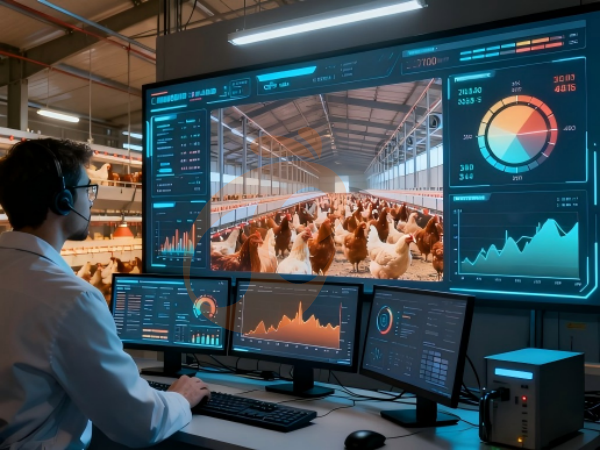
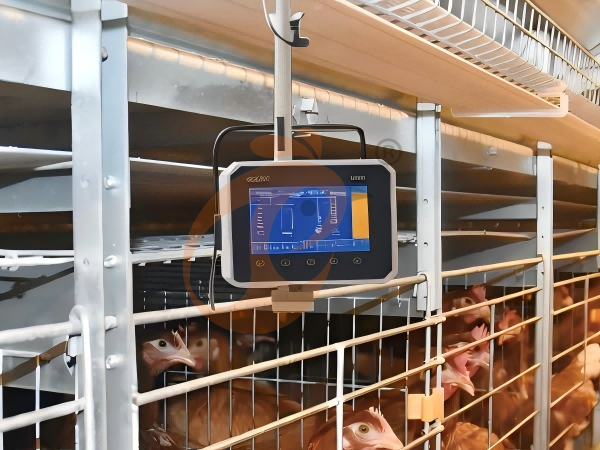
Digital monitoring systems enable predictive management strategies in modern poultry farming.
Data is for reference only.Swipe horizontally to view full table.
Real-time data acquisition improves decision accuracy and reduces operational risks.
Digital systems support predictive farm management.
Sustainability Performance Metrics
Resource efficiency metrics define environmental compliance and long-term operational viability.
Data is for reference only.Swipe horizontally to view full table.
Efficient resource utilization supports environmental compliance and cost reduction.
Improved resource efficiency supports environmental compliance.
Estimated Financial Comparison For 50,000-Layer Farm
Investment planning requires integrated cost-benefit evaluation across capital, labor, and feed efficiency parameters.
Data is for reference only.Swipe horizontally to view full table.
European union standard reference only.
Key Supplier Evaluation Standards
Supplier qualification directly influences installation quality, system stability, and long-term maintenance cost.
Data is for reference only.Swipe horizontally to view full table.
Proper supplier selection reduces operational risk and improves system reliability.
Future Technology Trends
Automation and data-driven management continue to reshape modern poultry production systems.
Data is for reference only.Swipe horizontally to view full table.
Technology integration improves scalability and reduces operational uncertainty.
Frequently Asked Questions
Q1: What production advantage does an H type battery cage system provide?
H type systems increase bird density and reduce feed waste.
They improve egg collection efficiency and lower labor requirements.
Q2: Why do commercial farms prefer automatic poultry farming equipment?
Automation reduces operational errors.
It improves production consistency across large poultry houses.
Q3: How long can galvanized cage systems operate?
Service life typically ranges from 15 to 25 years.
Maintenance and ventilation management extend lifespan.
Taiyu (HK) Group - One Of China Largest H Type Battery Cage Systems Exporter
H type battery cage systems designed for commercial egg production farms worldwide.
Global factory-direct poultry equipment supply supports project cost control.
Automatic poultry cage systems support 20,000 to 200,000 layer capacity farms.
Turn-key poultry engineering solutions include installation and technical guidance.
Integrated poultry equipment supports feeding, ventilation, and manure systems.
Efficient vertical housing improves commercial poultry productivity.
Contact Us To Received Your Customized Poultry Farm Plan
Headquarters And Branchs
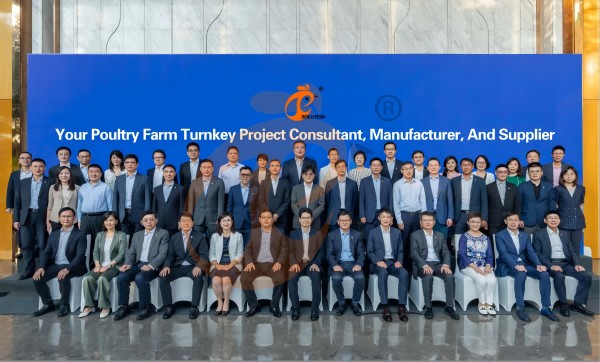
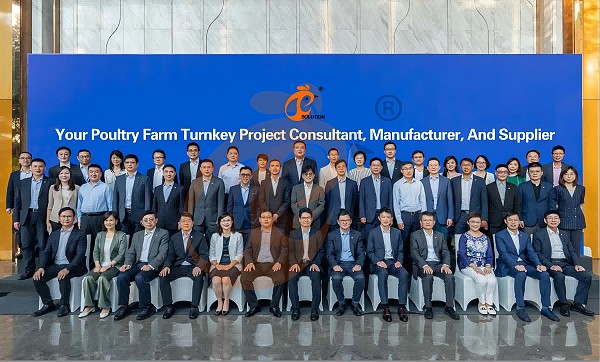
Hong Kong Headquarter Management Team
Hong Kong Headquarter Taiyu Industrial Group CO., LTD
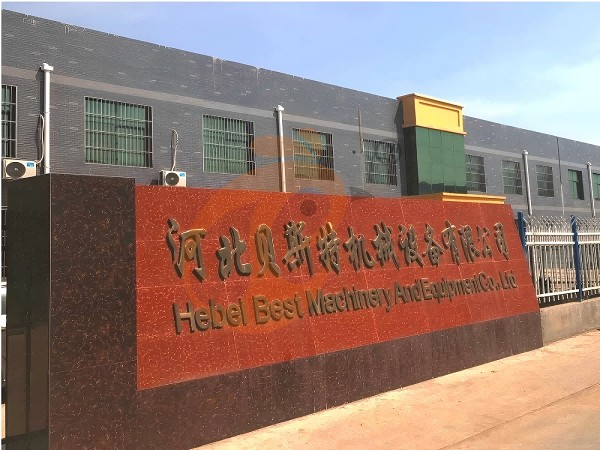
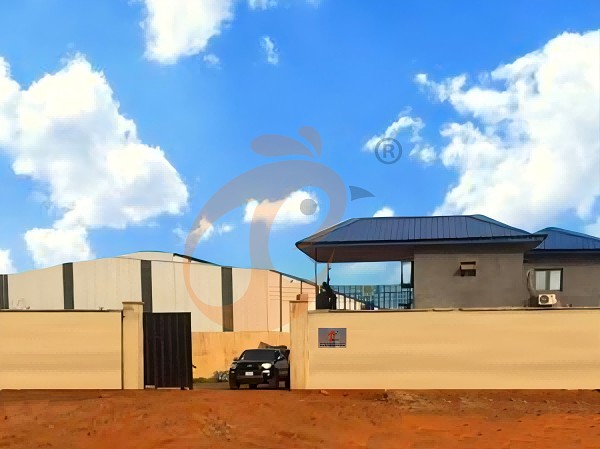
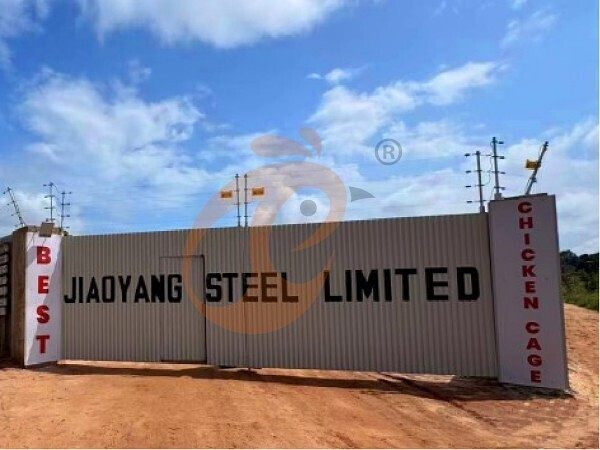
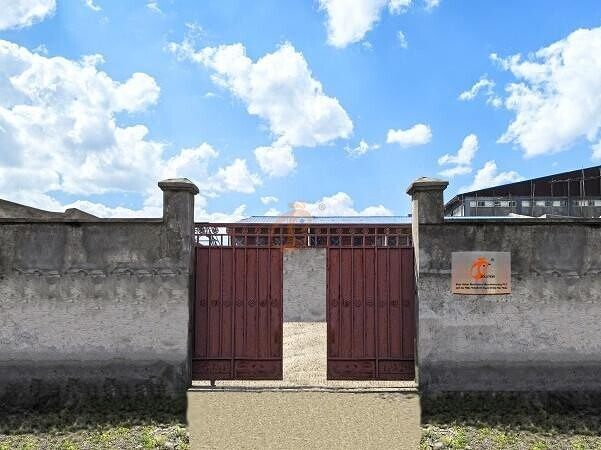
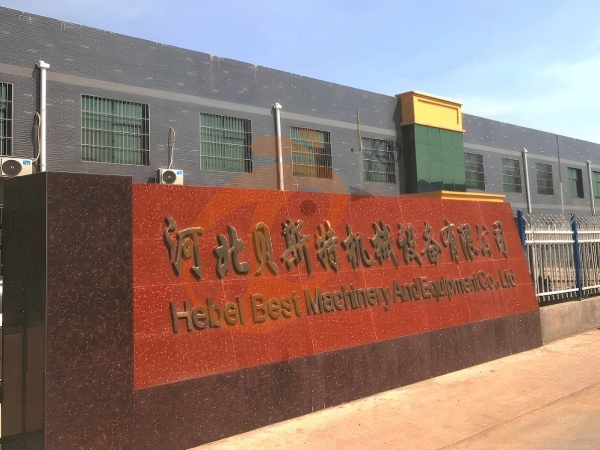
China Hebei Best Machinery And Equipment CO., LTD
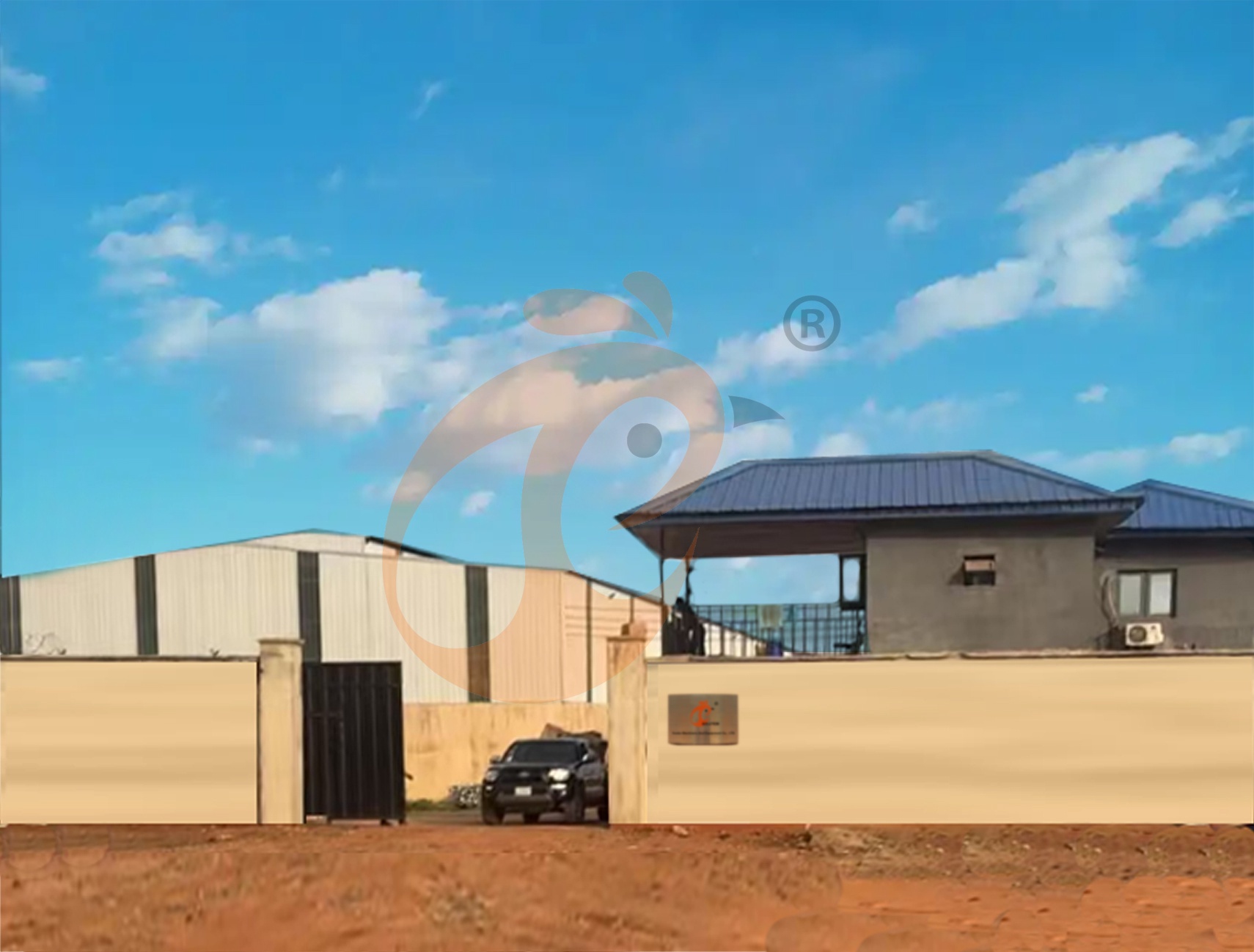
Nigeria Vanke Machinery And Equipment CO., LTD
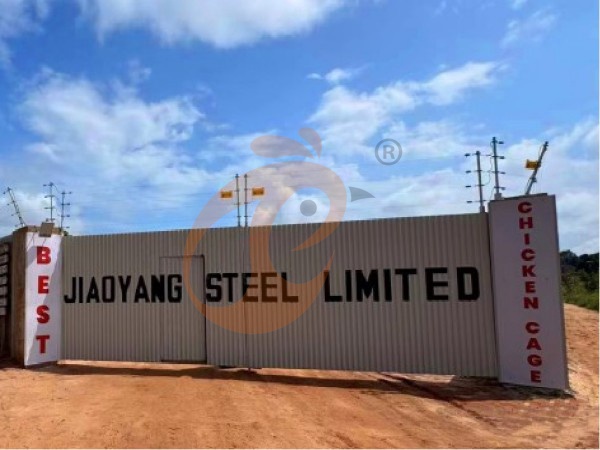
Tanzania Best Machinery And Equipment CO., LTD
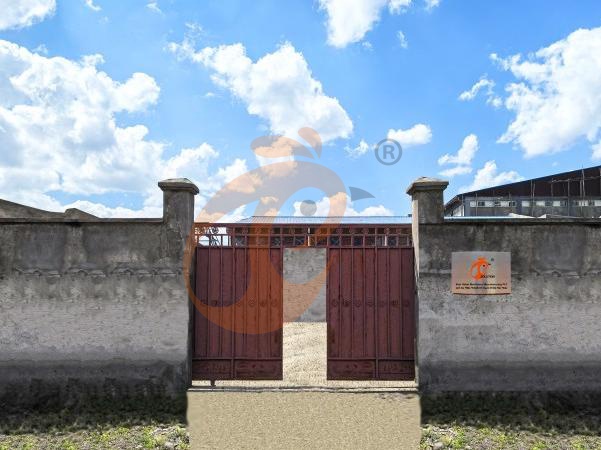
Ethiopia Best Hebei Machinery Manufacturing PLC
Reception /24 WhatsApp NO. : +8618830120193
FAQ
How To Monitor Egg Quality In H-Type Layer Cage System?
Check shell thickness and weight
Egg production rate: 90-98%
Egg breakage rate <1%
Labor savings: 70-90%
What Are The Best Materials For H-Type Poultry Cage Construction?
Anti-corrosion coating for durability
Equipment lifespan: more than 25 years
Easy to clean and maintain
Egg production rate: 90-98%
How To Improve Air Quality In H-Type Chicken Cage Houses?
Install air filtration systems
Control temperature and humidity at 20–25°C
Mortality rate <3%
Egg production rate: 90-98%
- battery cage
- battery cage system
- poultry farm
- chicken cage
- poultry farms
- layer cage
- poultry house
- poultry cage
- cage
- galvanized cage
- poultry farm construction
- layer cage system
- poultry cage system
- poultry farming equipment
- automatic poultry cage system
- automatic poultry cage
- poultry housing system
- poultry equipment
- battery cages
- chickencage
- h type cage
- bestchickencage
- h type battery cage system
- cage system
- h type
- cage systems
- h cage
- h type battery cage
- layer chicken cage
- Nigeria
- layer farm
- commercial egg farm
- egg production farm
- egg production system
- poultry farming
- poultry cage systems
- poultry housing systems
- modern poultry farm
- modern poultry housing
- modern poultry farming
- galvanized cage system
- poultry farm plan
- poultry house planning
- automated layer cage
- automated layer cage system
- poultry farming system
- Ethiopia
Message
Products recommended
 >30,000 Pullets Automatic H Type Battery Cage1. More than 30,000 pullets a house, choose it.
2. It is designed to rearing older than 1 day old pullets to 12 to 16 weeks old chicken starting laying eggs.
3. Its lifespan is more than 25 years.
4. Its structure are Vcloud artificial intelligent fusion, electric control cabinet, automatic equipment of drinking, feeding, manure clean, manual harvesting.
5. Our 24 hour online reception What’sApp NO. is +8618830120193 <30,000 Pullets Automatic A Type Battery Cage1. 10,000 to 30,000 pullets a house, choose it.
2. It is designed to rearing older than 1 day old pullets to 12 to 16 weeks old chicken starting laying eggs.
3. Its lifespan is more than 25 years.
4. Its structure are Vcloud artificial intelligent fusion, electric control cabinet, automatic equipment of drinking, feeding, manure clean, manual harvesting.
5. Our 24 hour online reception What’sApp NO. is +86 18830120193. >30,000 Broilers Semi-Automatic Harvest H Type Battery Cage1. More than 30,000 broilers a house, choose it.
2. It is designed to rearing 1 to 45 day old adult broiler ready for market.
3. Its lifespan is more than 20 years.
4. Our 24 hour online reception What’sApp NO. is +8618830120193, +234 8111199996. >30,000 Broilers Manual Harvest H Type Battery Cage1. More than 30,000 broilers a house, choose it.
2. It is designed to rearing 1 to 45 day old adult broiler ready for market.
3. Its lifespan is more than 20 years.
4. Its structure are Vcloud artificial intelligent fusion, electric control cabinet, automatic equipment of drinking, feeding and manure clean, manual harvesting.
5. Our 24 hour online reception What’sApp NO. is +8618830120193, +234 8111199996. <30,000 Broilers Manual Harvest A Type Battery Cage1. Less 30,000 broilers a house, choose it.
2. It is designed to rearing 1 to 45 day old adult broiler ready for market.
3. Its lifespan is more than 20 years.
4. Its structure are Vcloud artificial intelligent fusion, electric control cabinet, automatic equipment of drinking, feeding and manure clean, manual harvesting.
5. Our 24 hour online reception What’sApp NO. is +8618830120193, +234 8111199996. HK Headquarter Offers EU-standard Poultry Farm Solutions, Manufacture Poultry Farm Equipment1. Continuous communication with the EU and the US
2. China, Nigeria, Ethiopia, Tanzania branch companies and factories
3. The products’ quality is customized for local poultry farms
4. Poultry cage and poultry farm equipment stock for sale
5. 24 online reception Whatsapp NO. : +8618830120193,contact us to get full information China Branch Offer Poultry Farm Business Plan, Manufacture Poultry Farm Equipment1. Address: Flat/RM 2416, 24/F, Runxing Building, Youyi Nan Street, Shijiazhuang City, Hebei Province, China
2. Poultry cage and poultry farm equipment factory and stock for sale
3. Customized for local poultry farms
4. Quality and design are based on Euro
5. 24 online reception Whatsapp NO. : +8618830120193 Nigeria Branch Offer Poultry Farm Business Plan, Manufacture Poultry Farm Equipment1. Address: After Sinoma Office, 200 Meters Near Danco Filling Station, Lagos/Ibadan Expressway, Lagos State, Nigeria
2. Poultry cage and poultry farm equipment factory and stock for sale
3. Customized for Nigerian poultry farms
4. Quality and design are based on Euro
5. 24 online reception Whatsapp NO. : +8618830120193 Ethiopia Branch Offer Poultry Farm Business Plan, Manufacture Poultry Farm Equipment1. Address: Gelan Gura, Akaki-kaliti Sub City, Addis Ababa, Ethiopia
2. Poultry cage and poultry farm equipment stock for sale
3. Customized for Ethiopian poultry farms
4. Quality and design are based on Euro
5. 24 online reception Whatsapp NO. : +8618830120193, contact us to get price list Tanzania Branch Offer Poultry Farm Business Plan, Manufacture Poultry Farm Equipment1. Address: No.8, Sova Road, Msufini, Mlandizi, Kibaha, Pwani, Tanzania
2. Poultry cage and poultry farm equipment factory and stock for sale
3. Customized for Tanzanian poultry farms
4. Quality and design are based on Euro
5. 24 online reception Whatsapp NO. : +8618830120193


Contact