


Blog
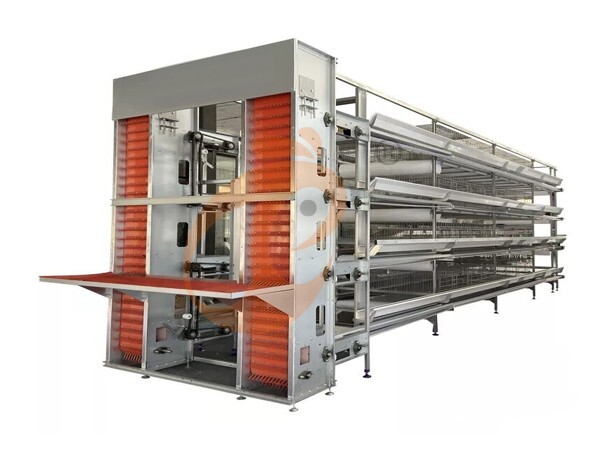
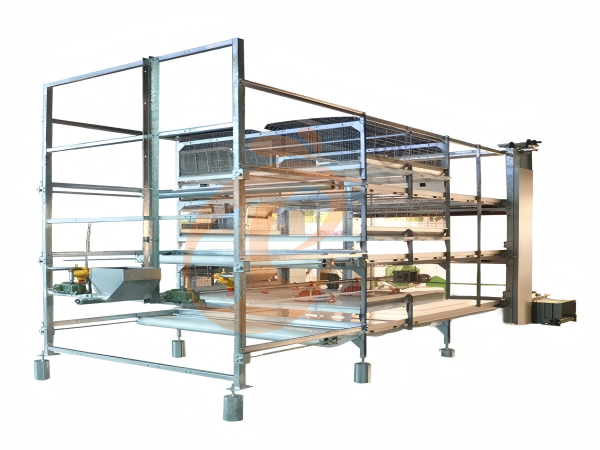
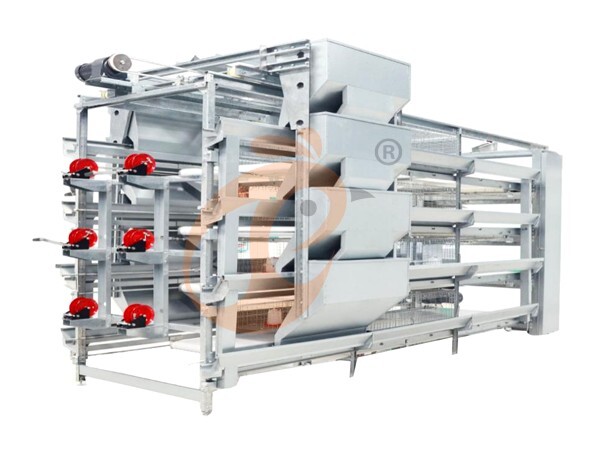
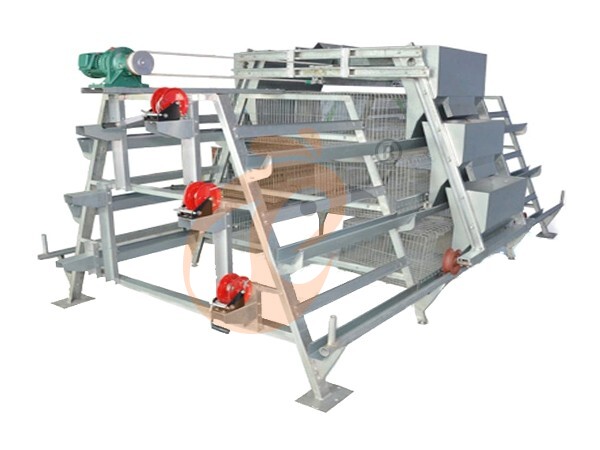
- H type chicken cages connect housing, automation, capacity planning, and commercial layer production through one integrated equipment concept.
Vertical layer systems utilize building height to accommodate additional production without proportionally expanding the land footprint.
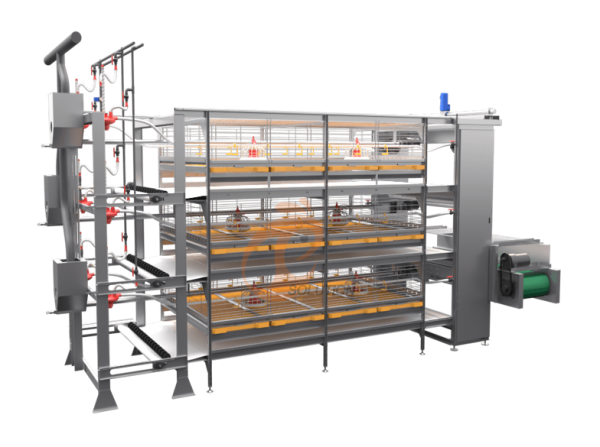
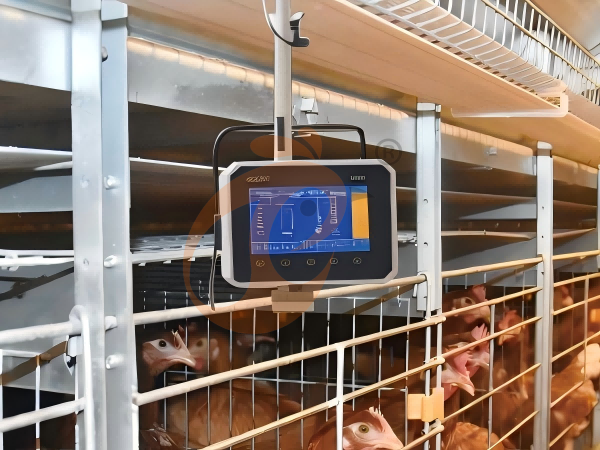
Automatic layer cage systems coordinate feeding, drinking, egg collection, and manure removal to reduce repetitive handling.
Reference engineering parameters include 3–8 tiers and 450–494 cm²/bird for selected configurations.
- Complete poultry equipment planning combines cage dimensions, labor requirements, automation levels, building structure, and expansion objectives.
Get professional poultry farm construction guidance, equipment selection solutions, and the latest price lists, whatsApp to +8618830120193, click to learn more:
The Real Cost Of Layer Farm Expansion
H type chicken cages affect more than bird housing, because cage selection determines production density, labor requirements, equipment integration, and long-term operating structure.
An H type chicken cages project should evaluate a planned operating period of 15–20 years rather than comparing only the initial equipment quotation.
A vertical layer chicken cage arrangement can use building height for additional production capacity, making structural planning important when available land is restricted.
The commercial objective combines egg production, labor organization, usable building area, and equipment serviceability into one engineering calculation.
H Type Chicken Cages Vs Vertical Layer Systems: Technical Comparison
Data is for reference only.Swipe horizontally to view full table.
H type chicken cages can be engineered around target bird capacity, house dimensions, and automation requirements.
Vertical layer chicken cages can be configured according to available building volume and required production density.
Automatic layer cage systems provide an equipment framework for integrating feeding, drinking, egg collection, and manure handling.
Why H Type Cage Design Changes Daily Farm Management
Production Workflow
H type chicken cages work as part of an integrated production platform rather than as an isolated housing structure.
→ Feed Delivery: Automatic feeding lines distribute feed along cage rows.
→ Water Supply: Nipple drinking systems provide controlled water delivery.
→ Egg Handling: Egg conveyors transfer eggs from cage rows toward centralized collection points.
→ Manure Removal: Manure belts transport waste away from cage tiers.
→ Environmental Control: Ventilation and cooling equipment support controlled house conditions.
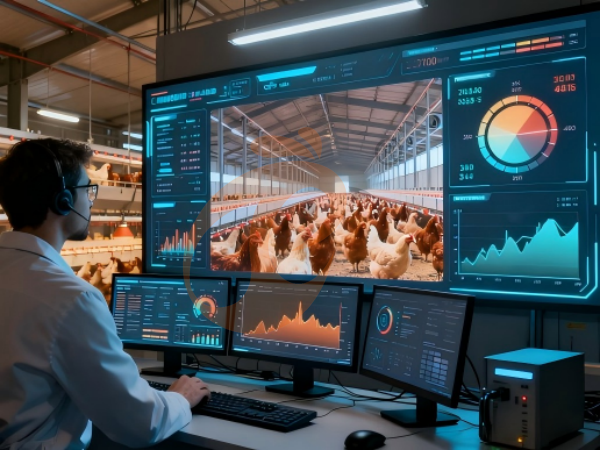
An automatic layer cage system can reduce repetitive physical handling when feeding, egg collection, and manure removal are mechanically integrated.
For example, feeding equipment may operate around 15–30 m/min, while centralized controls coordinate individual drive systems.
A vertical layer chicken cage project requires the same workflow assessment because cage height alone does not determine total labor demand.
The Labor-Saving Question: A Workflow Test
H type chicken cages should be evaluated by the number of manual operations remaining after automation.
Step 1 — Feeding: Workers should not repeatedly transport and distribute feed across every production row when an automatic layer cage system is specified.
Step 2 — Drinking: Nipple systems provide water delivery through dedicated pipelines rather than manual watering.
Step 3 — Egg Collection: Automatic conveyors can move eggs from cage rows toward a centralized collection area.
Step 4 — Manure Handling: Belt equipment can transfer manure away from production tiers.
Step 5 — Inspection: Workers remain responsible for flock observation, equipment checks, and maintenance.
A vertical layer chicken cage configuration can deliver a different labor profile when multiple production tiers are combined with centralized automation.
The commercial calculation should therefore compare the complete equipment package rather than the cage structure alone.
Automatic Equipment Parameters For Commercial Layer Farms
Data is for reference only.Swipe horizontally to view full table.
H type chicken cages should be matched with feeding, drinking, egg collection, and manure equipment according to actual cage-row requirements.
Automatic layer cage systems should use equipment capacities that correspond with feed demand, water delivery, egg movement, and manure discharge requirements.
Vertical layer chicken cages require coordinated drive and control specifications when multiple tiers operate as one production system.
Space Utilization: Build Upward, Not Only Outward
H type chicken cages can increase production capacity through multi-tier installation while retaining organized service aisles and equipment routes.
A vertical layer chicken cage system places greater emphasis on building height because additional tiers can increase production capacity without requiring proportional land expansion.
For example, an internal usable building height of approximately 3.5–6.0 m can be evaluated for multi-tier cage installation.
Automatic layer cage systems also require clearance for feeding equipment, egg conveyors, manure belts, ventilation equipment, lighting, and maintenance access.
The engineering sequence should therefore begin with building dimensions and target capacity before selecting the final cage configuration.
Building And Cage Layout Parameters
Data is for reference only.Swipe horizontally to view full table.
H type chicken cages can use different tier configurations according to the selected commercial project design.
Vertical layer chicken cages should be checked against building height, maintenance clearance, ventilation position, and structural loading before installation.
Automatic layer cage systems require equipment routes to remain accessible after all cage tiers and conveyors are installed.
Manure Removal: The Hidden Labor Factor
H type chicken cages become more practical for commercial production when manure removal is designed as part of the original equipment layout.
A vertical layer chicken cage project must consider belt alignment, discharge direction, cleaning access, and drive positioning across every production tier.
For example, manure belts may operate around 4–8 m/min depending on system configuration and operating requirements.
Automatic layer cage systems can move manure toward centralized discharge areas, reducing repeated manual cleaning inside the production house.
For a complete project, manure handling should be designed together with cage rows, building dimensions, external collection areas, and maintenance access.
Manure System Parameters
Data is for reference only.Swipe horizontally to view full table.
H type chicken cages should use manure equipment selected according to cage configuration and waste-discharge requirements.
Automatic layer cage systems can incorporate belt collection into centralized manure-management workflows.
Vertical layer chicken cages require accurate belt routing because multiple tiers increase the importance of synchronized mechanical operation.
Investment Logic: Calculate The Complete System
H type chicken cages should be evaluated through total project economics rather than equipment purchase price alone.
The investment calculation should include cage structures, automatic feeding, drinking equipment, egg collection, manure removal, environmental control, electrical systems, installation, and commissioning.
Automatic layer cage systems can change the labor structure of a farm, so automation investment should be compared with projected operating requirements.
For commercial budgeting, a 15–20 year equipment planning horizon can provide a broader basis for evaluating initial investment and operating costs.
European union standard reference only.
Complete Equipment Investment Framework
Data is for reference only.Swipe horizontally to view full table.
H type chicken cages should be quoted according to actual cage model, bird capacity, automation level, and installation requirements.
Vertical layer chicken cages may require additional structural evaluation when existing buildings are converted to multi-tier production.
Automatic layer cage systems should be priced as a coordinated equipment package when labor-saving automation is part of the project objective.
Choose The System Through Five Engineering Questions
Project Filter
01 — Target Capacity
Define the required layer population before choosing H type chicken cages or vertical layer chicken cages.
02 — Building Geometry
Measure building length, width, internal height, column positions, doors, ventilation openings, and service areas.
03 — Automation Scope
Specify whether automatic feeding, egg collection, manure removal, environmental control, and centralized control are required.
04 — Labor Structure
Calculate daily manual operations and maintenance responsibilities instead of evaluating equipment solely by purchase price.
05 — Expansion Strategy
Select an automatic layer cage system that can accommodate additional rows or equipment when future production plans require expansion.
A project using H type chicken cages should be engineered around the actual building rather than a generic equipment package.
Integrated Poultry Equipment Package: Technical Specifications
Data is for reference only.Swipe horizontally to view full table.
H type chicken cages can be combined with automatic feeding, nipple drinking, egg collection, manure removal, and environmental-control equipment.
Automatic layer cage systems provide a coordinated equipment structure for commercial layer houses requiring mechanical handling.
Vertical layer chicken cages can be incorporated into projects where production capacity must be balanced against building volume and equipment-access requirements.
Final Decision: Match Cage Design To Farm Economics
Data is for reference only.Swipe horizontally to view full table.
Engineering Selection Summary
H type chicken cages provide a configurable foundation for commercial layer-house projects where cage arrangement and automation must be coordinated.
Vertical layer chicken cages focus on utilizing available building volume through stacked production levels and carefully planned service access.
Automatic layer cage systems connect housing with mechanical feeding, egg handling, manure removal, and centralized control.
For limited land, building height becomes an important engineering variable.
For labor-sensitive projects, automation scope should be evaluated together with daily operating procedures.
For expansion-oriented farms, modular cage rows and equipment interfaces can simplify future capacity planning.
The final selection should combine target flock size, building dimensions, labor structure, automation requirements, and long-term operating objectives.
Frequently Asked Questions
Q1: What is the main difference between H type chicken cages and vertical layer systems?
H type chicken cages use H-frame multi-tier structures, while vertical layer chicken cages emphasize stacked production levels and building-volume utilization.
Selected systems may use 3–8 tiers depending on project design.
Q2: Which equipment reduces manual layer-farm work most effectively?
An automatic layer cage system can coordinate feeding, egg collection, and manure removal through mechanical equipment.
A feeding line may operate around 10–15 m/min, while other equipment requires separate engineering calculations.
Q3: How should a farm choose between the two systems?
H type chicken cages should be selected after evaluating target capacity, building dimensions, labor requirements, automation scope, and future expansion.
Vertical layer chicken cages become particularly relevant when available building volume is a major design constraint.
Taiyu (HK) Group - One Of China Toppest H Type Chicken Cages Manufacturer
H type chicken cages provide multi-tier commercial layer housing with configurations reaching 3–8 tiers and integrated automation options for feeding, egg collection, drinking, and manure handling
Global factory-direct supply covers complete poultry equipment packages, engineering drawings, production coordination, quality inspection, loading, and international shipment
Turn-key engineering integrates cage structures, automatic feeding, nipple drinking, egg collection, manure removal, ventilation, electrical control, installation, and commissioning
Project support follows site dimensions, target flock capacity, local electrical requirements, equipment configuration, and future expansion planning for commercial layer farms
Factory manufacturing enables direct technical communication, equipment customization, container planning, spare-parts coordination, and project-based delivery for international customers
Contact Us To Received Your Customized Poultry Farm Plan
Headquarters And Branchs

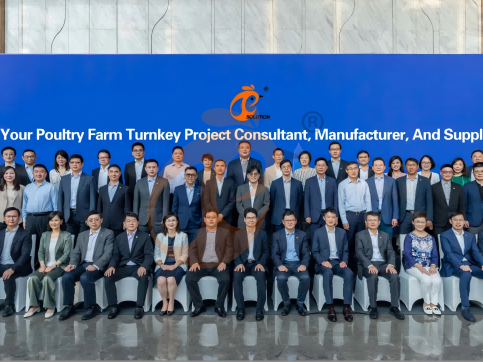
Hong Kong Headquarter Management Team
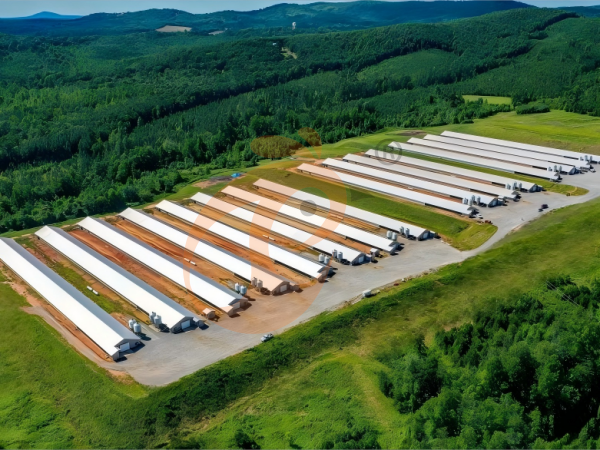
Hong Kong Headquarter Taiyu Industrial Group CO., LTD
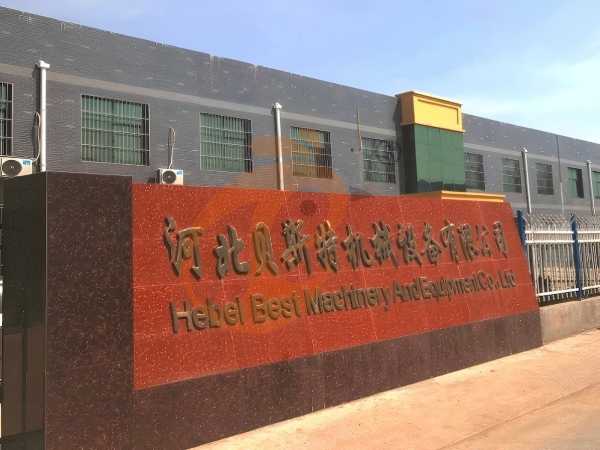
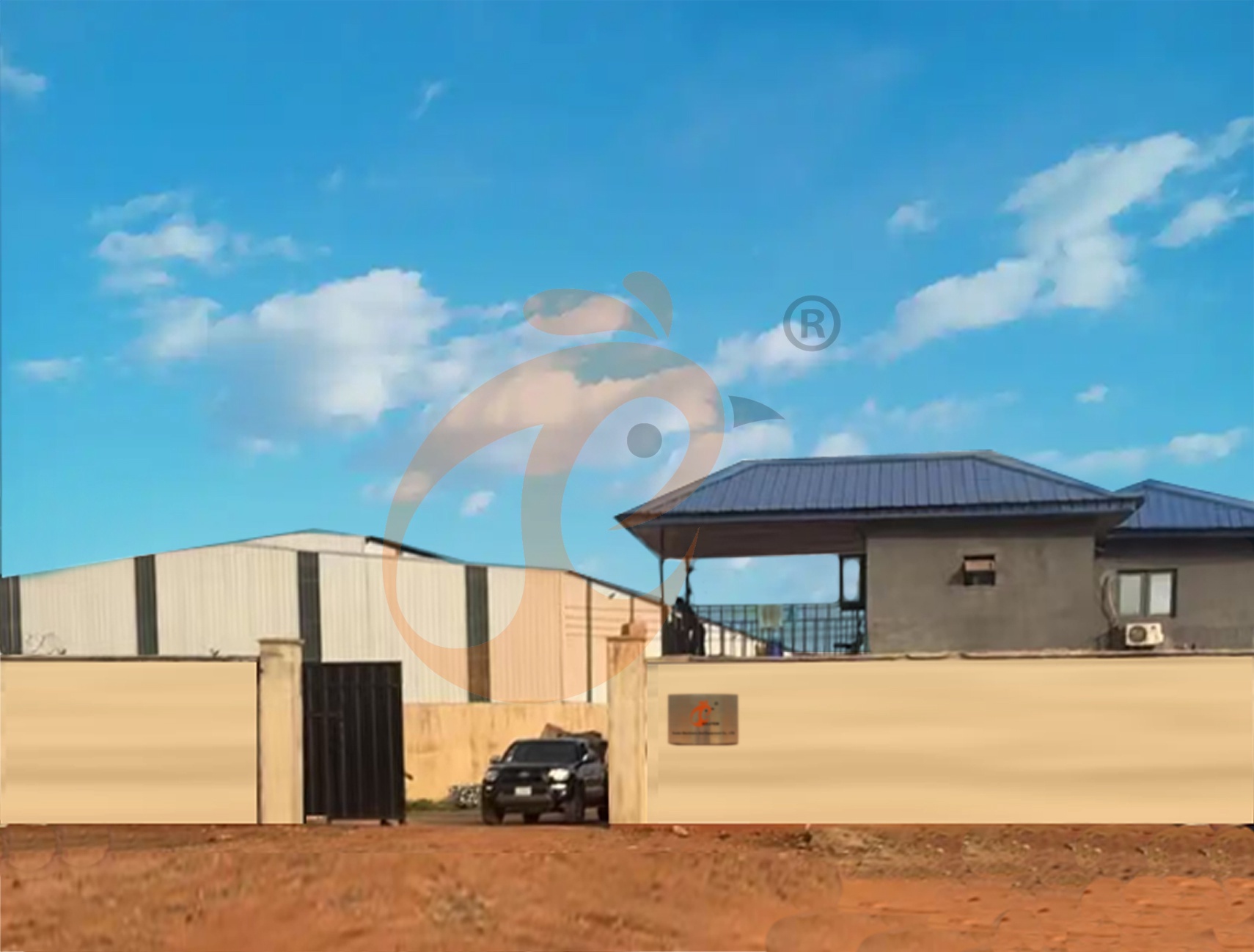
China Hebei Best Machinery And Equipment CO., LTD
Nigeria Vanke Machinery And Equipment CO., LTD
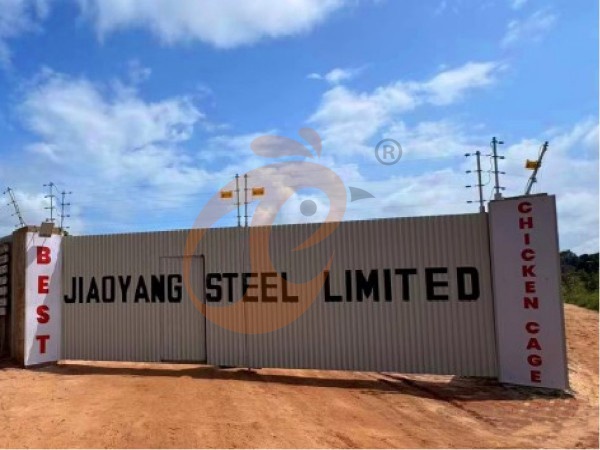
Tanzania Best Machinery And Equipment CO., LTD
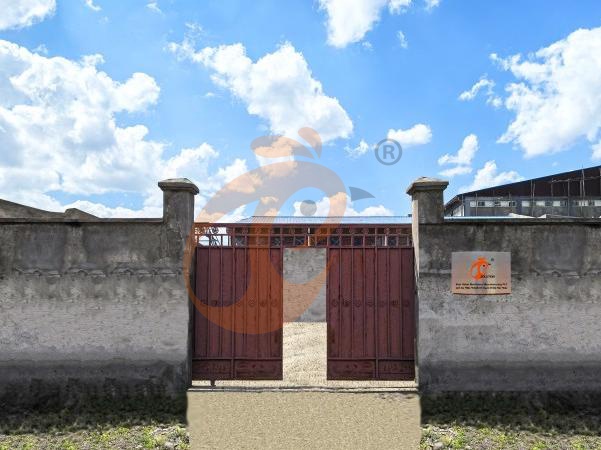
Ethiopia Best Hebei Machinery Manufacturing PLC




Reception /24 WhatsApp NO. : +8618830120193
FAQ
How To Implement Automated Feeding In H-Type Layer Cage System?
Even feed distribution per tier
Reduces feed waste by 10–15%
FCR optimized to 1.9–2.1
Labor savings: 70-90%
How To Optimize H-Type Chicken Cage Design For Disease Prevention?
Easy-to-clean design reduces bacterial buildup
Automatic manure removal reduces infection sources
Mortality rate: 2–3%
Egg production rate: 90-98%
What Is The Cost Of H-Type Battery Cage For 50,000 Layers?
Total cost for 50,000 birds: $500,000–$900,000
Equipment lifespan: more than 25 years
ROI: ~2–3 years
Labor savings: 70-90%
- poultry farm
- chicken cage
- layer cage
- automatic layer cage
- cage
- poultry farm construction
- layer cage system
- chicken cage system
- poultry equipment
- chicken cages
- h type layer cage
- h type chicken cage
- automatic layer cage system
- chickencage
- h type cage
- bestchickencage
- cage system
- h type
- cage systems
- h cage
- layer chicken cage
- Nigeria
- layer chicken cages
- layer farm
- layer chicken cage system
- cage design
- poultry farm plan
- Ethiopia
Message
Products recommended
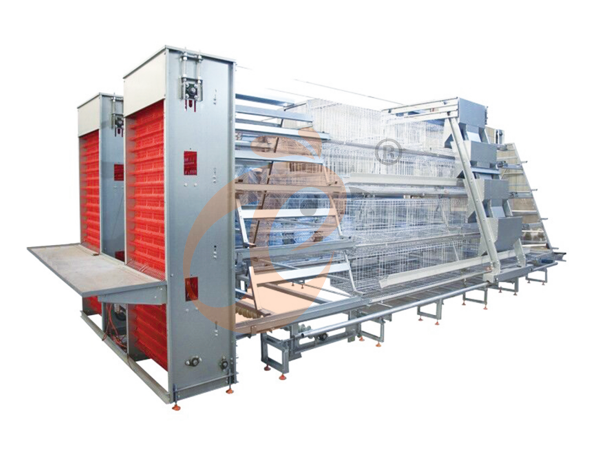
 >30,000 Pullets Automatic H Type Battery Cage1. More than 30,000 pullets a house, choose it.
2. It is designed to rearing older than 1 day old pullets to 12 to 16 weeks old chicken starting laying eggs.
3. Its lifespan is more than 25 years.
4. Its structure are Vcloud artificial intelligent fusion, electric control cabinet, automatic equipment of drinking, feeding, manure clean, manual harvesting.
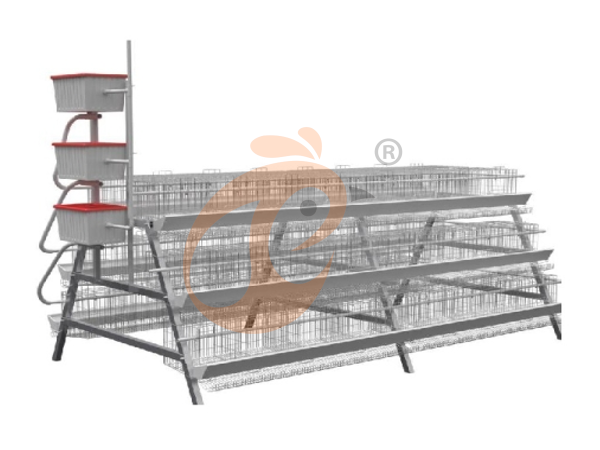
5. Our 24 hour online reception What’sApp NO. is +8618830120193 <30,000 Pullets Automatic A Type Battery Cage1. 10,000 to 30,000 pullets a house, choose it.
2. It is designed to rearing older than 1 day old pullets to 12 to 16 weeks old chicken starting laying eggs.
3. Its lifespan is more than 25 years.
4. Its structure are Vcloud artificial intelligent fusion, electric control cabinet, automatic equipment of drinking, feeding, manure clean, manual harvesting.
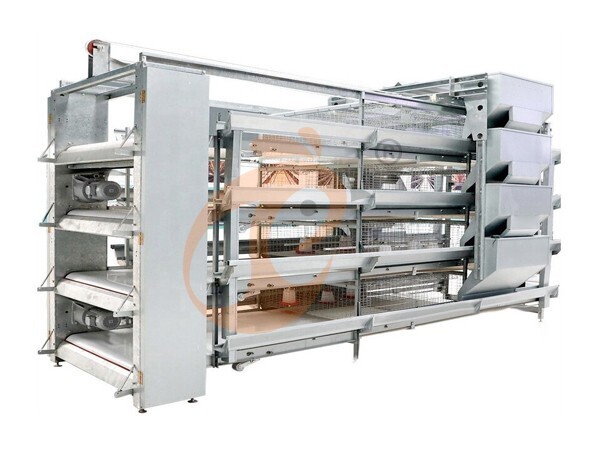
5. Our 24 hour online reception What’sApp NO. is +86 18830120193. >30,000 Broilers Semi-Automatic Harvest H Type Battery Cage1. More than 30,000 broilers a house, choose it.
2. It is designed to rearing 1 to 45 day old adult broiler ready for market.
3. Its lifespan is more than 20 years.
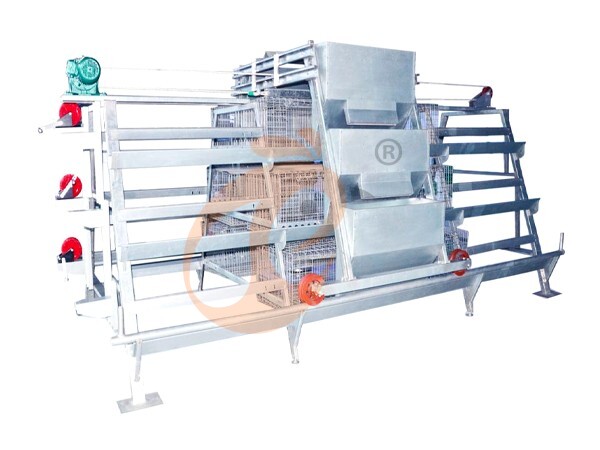
4. Our 24 hour online reception What’sApp NO. is +8618830120193, +234 8111199996. >30,000 Broilers Manual Harvest H Type Battery Cage1. More than 30,000 broilers a house, choose it.
2. It is designed to rearing 1 to 45 day old adult broiler ready for market.
3. Its lifespan is more than 20 years.
4. Its structure are Vcloud artificial intelligent fusion, electric control cabinet, automatic equipment of drinking, feeding and manure clean, manual harvesting.
5. Our 24 hour online reception What’sApp NO. is +8618830120193, +234 8111199996. <30,000 Broilers Manual Harvest A Type Battery Cage1. Less 30,000 broilers a house, choose it.
2. It is designed to rearing 1 to 45 day old adult broiler ready for market.
3. Its lifespan is more than 20 years.
4. Its structure are Vcloud artificial intelligent fusion, electric control cabinet, automatic equipment of drinking, feeding and manure clean, manual harvesting.
5. Our 24 hour online reception What’sApp NO. is +8618830120193, +234 8111199996. HK Headquarter Offers EU-standard Poultry Farm Solutions, Manufacture Poultry Farm Equipment1. Continuous communication with the EU and the US
2. China, Nigeria, Ethiopia, Tanzania branch companies and factories
3. The products’ quality is customized for local poultry farms
4. Poultry cage and poultry farm equipment stock for sale
5. 24 online reception Whatsapp NO. : +8618830120193,contact us to get full information China Branch Offer Poultry Farm Business Plan, Manufacture Poultry Farm Equipment1. Address: Flat/RM 2416, 24/F, Runxing Building, Youyi Nan Street, Shijiazhuang City, Hebei Province, China
2. Poultry cage and poultry farm equipment factory and stock for sale
3. Customized for local poultry farms
4. Quality and design are based on Euro
5. 24 online reception Whatsapp NO. : +8618830120193 Nigeria Branch Offer Poultry Farm Business Plan, Manufacture Poultry Farm Equipment1. Address: After Sinoma Office, 200 Meters Near Danco Filling Station, Lagos/Ibadan Expressway, Lagos State, Nigeria
2. Poultry cage and poultry farm equipment factory and stock for sale
3. Customized for Nigerian poultry farms
4. Quality and design are based on Euro
5. 24 online reception Whatsapp NO. : +8618830120193 Ethiopia Branch Offer Poultry Farm Business Plan, Manufacture Poultry Farm Equipment1. Address: Gelan Gura, Akaki-kaliti Sub City, Addis Ababa, Ethiopia
2. Poultry cage and poultry farm equipment stock for sale
3. Customized for Ethiopian poultry farms
4. Quality and design are based on Euro
5. 24 online reception Whatsapp NO. : +8618830120193, contact us to get price list Tanzania Branch Offer Poultry Farm Business Plan, Manufacture Poultry Farm Equipment1. Address: No.8, Sova Road, Msufini, Mlandizi, Kibaha, Pwani, Tanzania
2. Poultry cage and poultry farm equipment factory and stock for sale
3. Customized for Tanzanian poultry farms
4. Quality and design are based on Euro
5. 24 online reception Whatsapp NO. : +8618830120193


Contact