


Blog
Feed mixer selection directly affects poultry feed uniformity, processing speed, energy use, and final production stability, while internal material movement can be engineered around a peripheral velocity of 2.5–5.0 m/s.
A poultry feed mixer must accommodate changing ingredient densities, particle sizes, moisture levels, and formulation structures without sacrificing batch consistency, with operating temperatures commonly maintained below 45°C during normal mixing.
A chicken feed mixer also needs appropriate rotor geometry, loading conditions, drive configuration, and discharge design for reliable daily operation, while structural surfaces can use Ra ≤3.2 μm finishing for easier cleaning.
Commercial feed production requires measurable indicators including coefficient of variation, specific energy consumption, batch capacity, and production throughput rather than RPM alone, while mixer noise can be controlled around ≤80 dB(A) at the operator position.
- Correct feed mixer engineering connects mixing equipment with batching, conveying, crushing, pelletizing, and automated control systems for a coordinated poultry-feed process, with equipment installation generally allowing ≥800 mm service clearance around accessible maintenance areas.
Get professional poultry farm construction guidance, equipment selection solutions, and the latest price lists, whatsApp to +8618830120193, click to learn more:
Mixing Speed Is A Process-Control Variable
In poultry feed production, feed mixer speed is not simply a motor specification; it determines how quickly particles circulate, collide, and redistribute inside the
mixing chamber.
A properly engineered poultry feed mixer should achieve the target blend without unnecessary mechanical stress, while shaft-bearing housing temperatures can
be monitored against a practical ≤70°C operating limit.
A properly selected chicken feed mixer should also maintain stable material movement throughout the working cycle, with lubrication intervals commonly
established around 500 operating hours according to bearing and gearbox requirements.
Data is for reference only.Swipe horizontally to view full table.
What Actually Happens Inside A Fast-Cycle Mixer?
Inside a fast-cycle feed mixer, stronger mechanical acceleration increases particle displacement and repeated circulation.
A poultry feed mixer can therefore distribute corn, soybean meal, mineral carriers, and micro-ingredients within a relatively short residence period, while rotor balancing can be controlled to approximately G6.3 for vibration management.
However, speed must be matched to chamber geometry.
If material is accelerated excessively, fine particles can become airborne and segregation may occur during discharge.
A well-designed chicken feed mixer should control feed trajectory rather than simply increase shaft rotation, while the internal contact surface can be fabricated from 304 stainless steel when corrosion resistance and cleaning requirements demand it.
Data is for reference only.Swipe horizontally to view full table.
Why Controlled Rotation Can Still Produce Uniform Feed
A controlled rotational regime does not automatically mean inferior mixing.
Instead, a feed mixer can rely on axial movement, lifting, folding, and repeated redistribution.
A poultry feed mixer becomes particularly useful when formulations contain ingredients with different physical behaviors, while internal material temperature should generally remain within approximately 20–35°C to avoid unnecessary heat accumulation.
A chicken feed mixer with suitable ribbon or paddle geometry can create multiple circulation paths inside one chamber, while discharge residue can be monitored against a practical target below 0.5% of the processed material.
Data is for reference only.Swipe horizontally to view full table.
Uniformity Is The Real Mixing Performance Indicator
The correct question for a feed mixer is not simply how quickly the shaft rotates.
Feed manufacturers should evaluate whether finished batches achieve acceptable nutrient distribution, while laboratory instruments may use analytical repeatability within approximately ±2% for controlled testing procedures.
For demanding poultry formulations, a poultry feed mixer should be validated through representative sampling rather than relying only on visual inspection.
A chicken feed mixer should also be evaluated through repeated samples rather than one discharge-point sample, with testing commonly performed after at least three consecutive production runs.
Multiple sampling positions provide a more meaningful indication of process stability.
Data is for reference only.Swipe horizontally to view full table.
Ingredient Characteristics Decide The Mixing Strategy
Chicken-feed ingredients vary significantly in particle size, density, moisture, and flowability.
A feed mixer must therefore handle corn, soybean meal, limestone, salt, vitamin premixes, and amino acids according to their individual material behavior, while ingredient temperature can be monitored within a 15–30°C handling window before processing.
A formulation with different physical characteristics can create substantially different mixing behavior from a narrow-size formulation.
Our poultry feed mixer configurations can consequently be adapted through rotor geometry, chamber dimensions, drive arrangement, discharge design, and
liquid-addition options, while optional liquid spray systems can achieve nozzle droplet sizes around 100–300 μm.
Data is for reference only.Swipe horizontally to view full table.
Where Short Mixing Cycles Create A Production Advantage
For commercial poultry-feed plants, cycle duration directly affects achievable hourly output.
A feed mixer can support higher production when loading, ingredient dosing, discharge, and downstream conveying are properly synchronized, while automated valve positioning can achieve approximately ±1 mm repeatability.
A plant cannot fully benefit from rapid mixing when weighing or conveying creates a bottleneck.
Our poultry feed mixer systems can integrate batching scales, screw conveyors, crushers, storage bins, pellet mills, and automated controls, with conveyor transfer points commonly designed around 30–45° inclination where layout permits.
Data is for reference only.Swipe horizontally to view full table.
Mechanical Loading Must Be Matched To The Mixer
A feed mixer drive system requires more than a correctly sized motor.
Torque requirements change with batch mass, bulk density, blade geometry, filling condition, and material resistance.
For demanding operating conditions, a gearbox service factor around 1.4–1.8 can provide additional mechanical allowance, while gearbox oil temperature can be monitored below approximately 85°C during continuous operation.
A properly engineered poultry feed mixer should maintain sufficient torque during loaded operation without creating excessive electrical demand.
A chicken feed mixer should also integrate the transmission, shaft, bearings, seals, and rotor as one mechanical system, with shaft runout controlled to approximately ≤0.05 mm at critical alignment locations.
Data is for reference only.Swipe horizontally to view full table.
Energy Consumption Should Be Measured Per Ton
Comparing motor ratings alone can produce misleading conclusions.
A feed mixer with a larger motor may complete a cycle faster, while another configuration may consume less energy during longer operation.
For commercial feed plants, the useful indicator is specific energy consumption expressed as kWh per ton of finished feed.
A practical target depends on mixer configuration, formulation, batch size, and operating conditions, while electrical cabinet ambient temperature can be maintained around 5–40°C for reliable control-system operation.
This calculation gives poultry producers a clearer basis for evaluating poultry feed mixer operating costs, while motor insulation systems can be specified to Class F for appropriate industrial-duty applications.
Data is for reference only.Swipe horizontally to view full table.
Mixer Geometry Can Outperform RPM Changes
Increasing RPM is not always the most efficient way to improve mixing.
A feed mixer depends on rotor geometry to lift, fold, convey, and redistribute material through the chamber.
An optimized rotor arrangement can improve material exchange across the chamber, while fabrication tolerances around ±1 mm help maintain consistent mechanical clearances during assembly.
Rotor geometry can also be adjusted according to chamber dimensions and formulation behavior.
Our poultry feed mixer design therefore considers blade arrangement and internal circulation before selecting the drive system, while inspection-port sealing can be designed for leakage rates below 0.1% under normal operating conditions.
A properly engineered chicken feed mixer can achieve repeatable mixing performance without relying solely on rotational acceleration.
Data is for reference only.Swipe horizontally to view full table.
Choosing The Mixer Through Production Data
A rational equipment-selection process starts with measurable operating requirements.
A feed mixer project should identify required output, formulation characteristics, batch frequency, installation space, automation level, and required uniformity, while equipment foundation flatness can be controlled within approximately 3 mm/m.
A plant with frequent formulation changes has a substantially different production profile from a farm producing a stable feed formula.
Our poultry feed mixer equipment can therefore be sized around actual production scheduling rather than nominal chamber volume, while recommended preventive inspections can be organized at approximately 250 operating hours.
The complete chicken feed mixer system should reflect real production conditions before equipment specifications are finalized.
Data is for reference only.Swipe horizontally to view full table.
Our Feed Mixers Are Designed As Part Of The Production Line
A feed mixer delivers its best process performance when upstream and downstream equipment are correctly synchronized.
Ingredient weighing, conveying, mixing, discharge, storage, and pelletizing must operate within a compatible process window.
An automated poultry feed mixer system can use PLC response times suitable for routine control signals, while control cabinets can be designed with
approximately 20% spare I/O capacity for future expansion.
Our equipment can integrate batching, conveying, mixing, pelletizing, and control systems according to the customer's production architecture.
For poultry farms and commercial feed factories, our chicken feed mixer solutions can be configured around capacity, formulation, automation, and installation
requirements, with cable routing typically separated into power and control paths by at least 300 mm where practical.
Data is for reference only.Swipe horizontally to view full table.
Which Mixing System Fits Your Poultry Operation?
The engineering answer depends on the complete process.
A feed mixer with faster material movement can shorten residence time, while controlled circulation can support stable ingredient redistribution.
Neither characteristic should be evaluated independently from formulation, batch size, rotor geometry, and production capacity.
A production system should therefore evaluate installation altitude, ambient conditions, maintenance access, and formulation behavior before final equipment selection, with standard electrical designs commonly supporting an altitude below 1,000 m.
Our chicken feed mixer equipment can be customized around mixer configuration, drive architecture, feeding method, discharge design, and automated control.
Frequently Asked Questions
Q1: What determines feed mixer mixing quality?
Mixing quality depends on rotor geometry, formulation characteristics, loading conditions, and operating time.
A properly configured feed mixer should be validated through representative production samples and controlled laboratory analysis.
Q2: Is a poultry feed mixer suitable for different feed formulations?
Yes.
A poultry feed mixer can be configured for different ingredient densities, particle distributions, moisture levels, and additive ratios.
Production testing should verify uniformity before establishing the final operating cycle.
Q3: How should a chicken feed mixer be selected for a feed plant?
Start with production throughput, formulation data, available space, maintenance requirements, and automation requirements.
A chicken feed mixer should be evaluated together with upstream batching and downstream conveying equipment rather than as an isolated machine.
Taiyu (HK) Group - One Of China Most Famous Feed Mixer Manufacturer
Feed mixer systems combine engineered rotor geometry, controlled material circulation, configurable drive systems, and corrosion-resistant construction for poultry feed production, with internal contact surfaces available in 304 stainless steel.
Global factory-direct supply covers poultry equipment manufacturing, engineering configuration, quality inspection, technical documentation, and international project coordination for different production requirements.
Turn-key engineering integrates crushing, batching, conveying, mixing, pelletizing, cooling, screening, and packing into coordinated poultry-feed production lines.
Project engineering supports farm-scale installations and commercial feed factories through equipment layout, process matching, electrical integration, commissioning, and technical support.
Factory-direct project execution provides equipment selection around formulation, output, installation conditions, automation requirements, and long-term production objectives.
Contact Us To Received Your Customized Poultry Farm Plan
Headquarters And Branchs
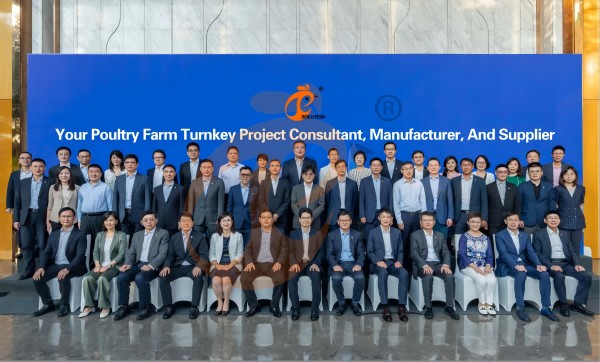
Hong Kong Headquarter Management Team
Hong Kong Headquarter Taiyu Industrial Group CO., LTD
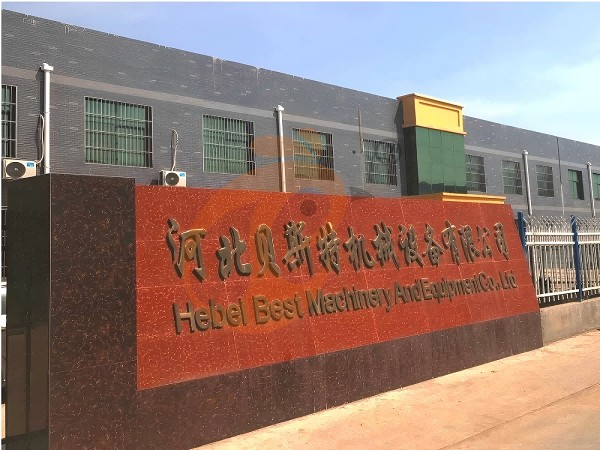
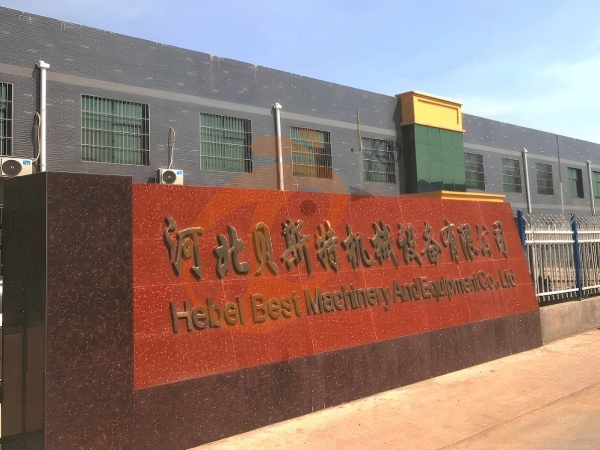
China Hebei Best Machinery And Equipment CO., LTD
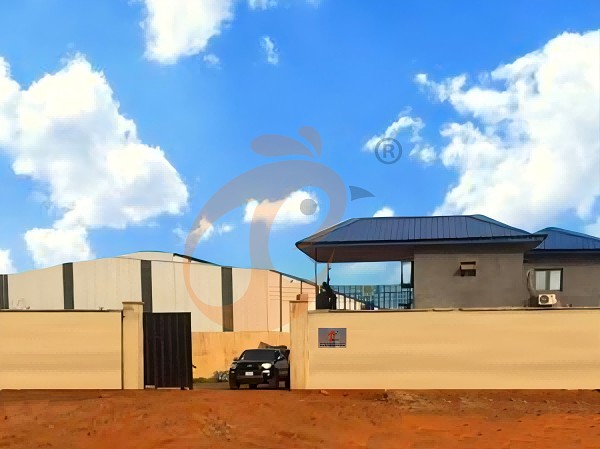
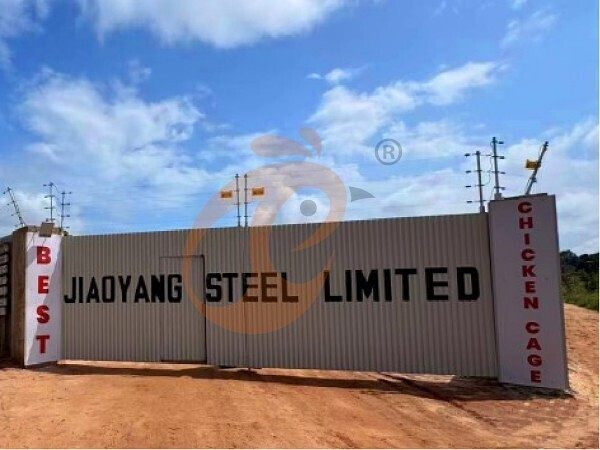
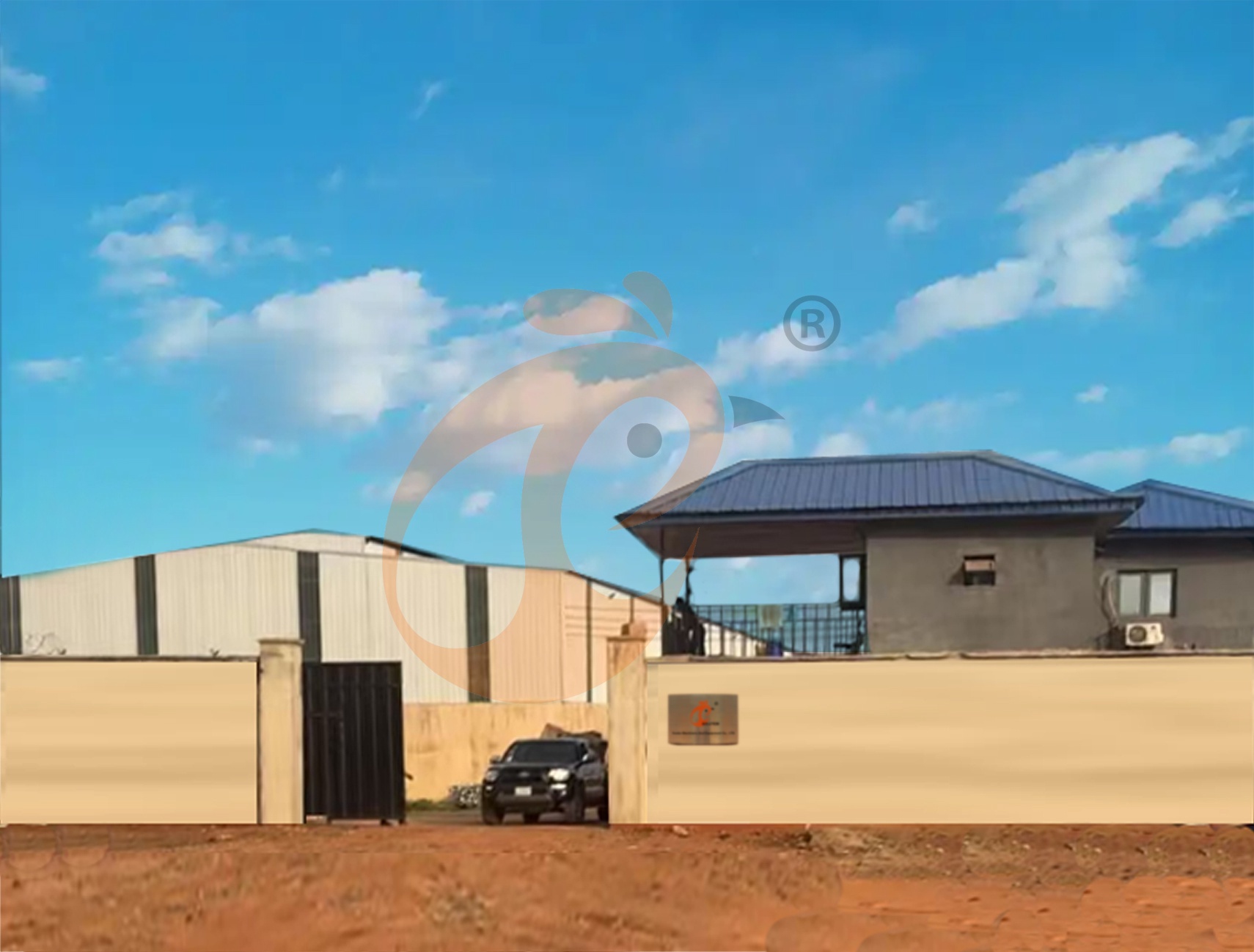
Nigeria Vanke Machinery And Equipment CO., LTD
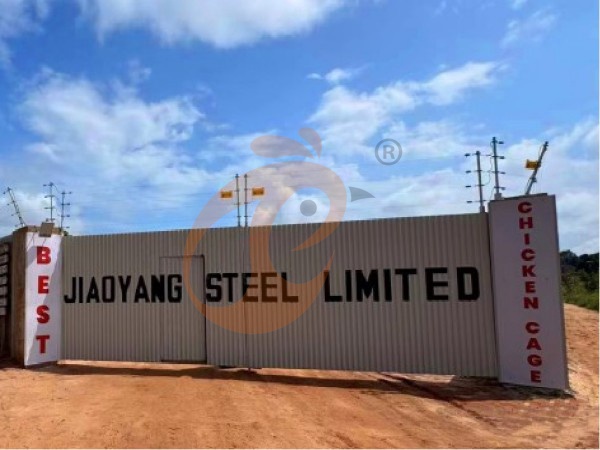
Tanzania Best Machinery And Equipment CO., LTD
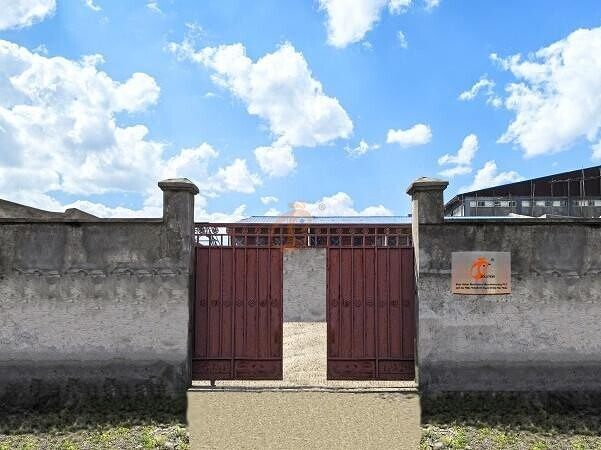
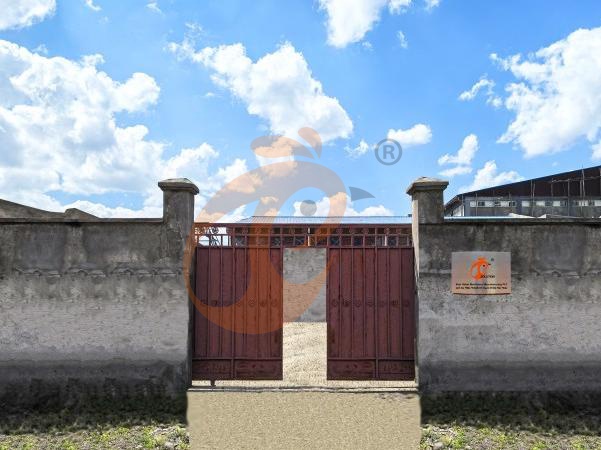
Ethiopia Best Hebei Machinery Manufacturing PLC
Reception /24 WhatsApp NO. : +8618830120193
FAQ
What Are The Main Equipment Components In Feed Mill And Feed Mixer Systems For Poultry Chicken Production?
Hammer mill units operate with rotor speeds of 2800–3600 rpm for efficient grain size reduction.
Twin-shaft mixers achieve batch capacities of 500–2000 kg per cycle for uniform poultry feed blending.
What Dust Control Requirements Are Needed In Feed Mill Operations For Poultry Chicken Farms?
Cyclone separators remove 85%–92% of airborne particles during grinding and conveying processes.
Negative pressure systems maintain airflow velocity between 0.8–1.2 m/s to prevent dust leakage.
What Temperature Parameters Are Used In Feed Mill Processing For Poultry Chicken Feed?
Conditioning temperature reaches 75–85°C to improve pellet durability and pathogen reduction.
Cooling stage reduces pellet temperature to within 5°C of ambient conditions for safe storage.
Message
Products recommended
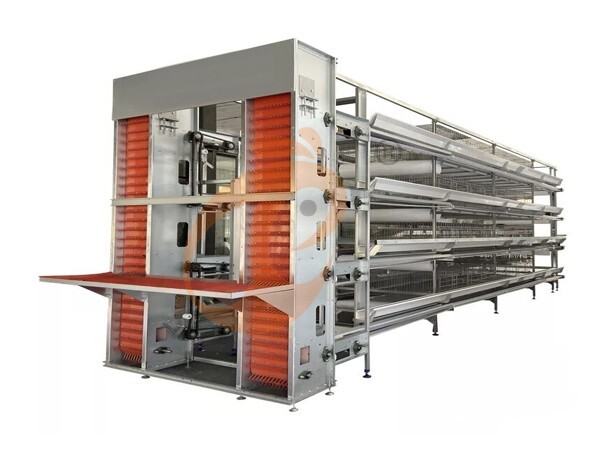
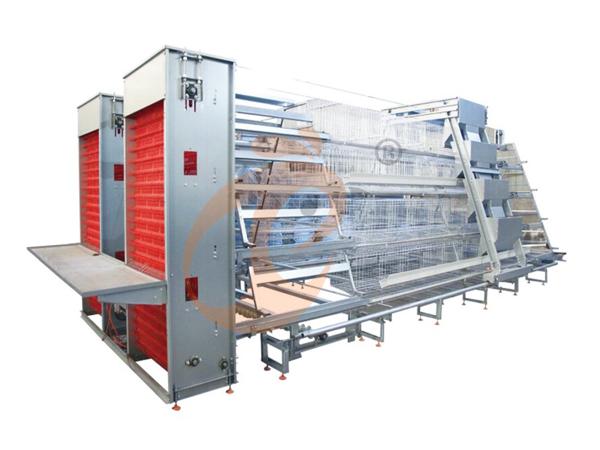
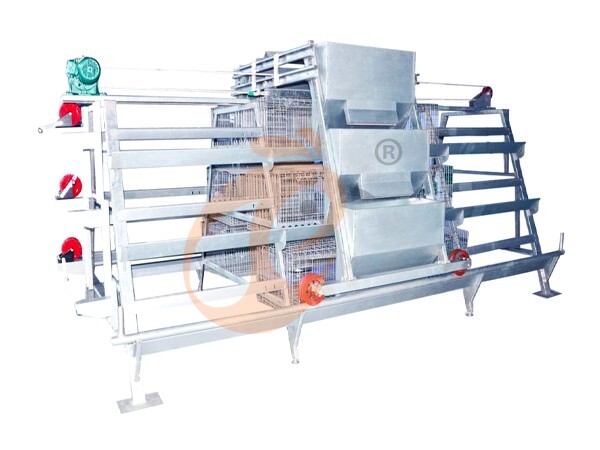
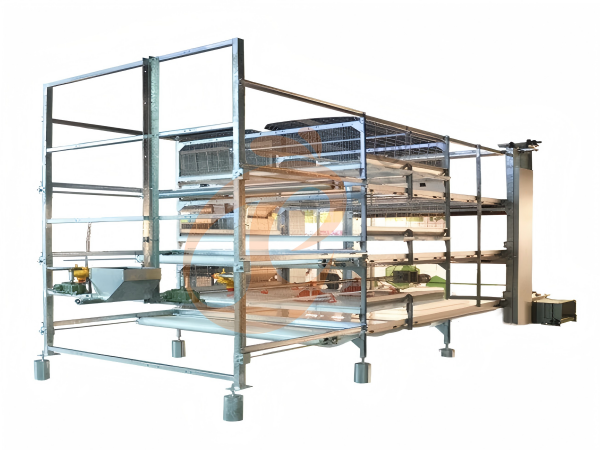
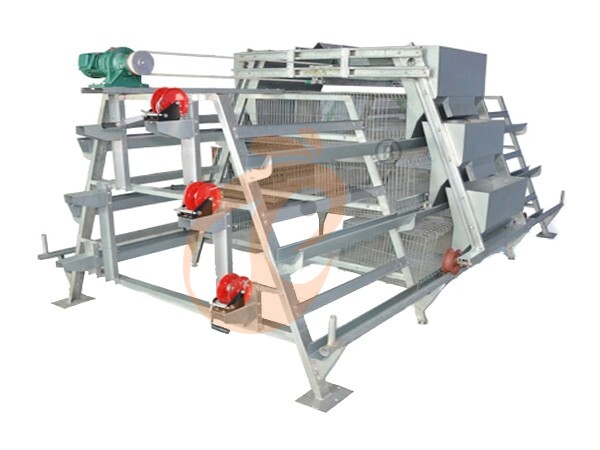
 >30,000 Pullets Automatic H Type Battery Cage1. More than 30,000 pullets a house, choose it.
2. It is designed to rearing older than 1 day old pullets to 12 to 16 weeks old chicken starting laying eggs.
3. Its lifespan is more than 25 years.
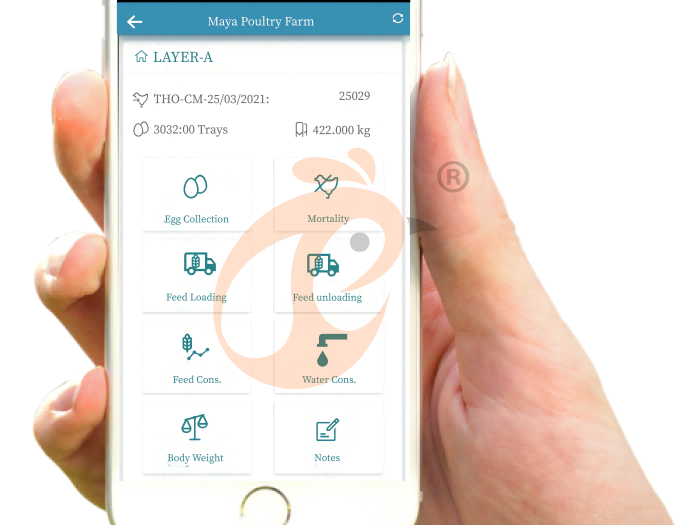
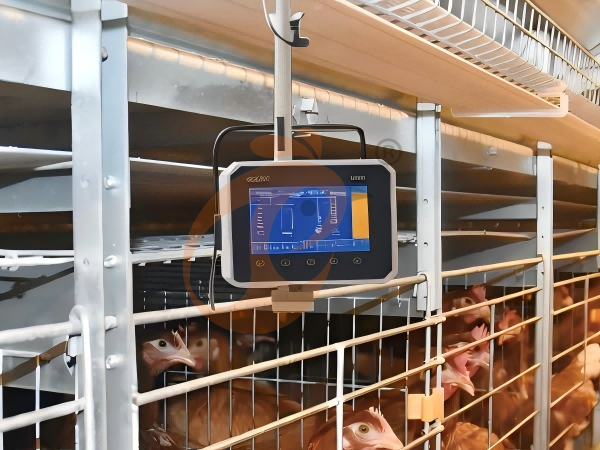
4. Its structure are Vcloud artificial intelligent fusion, electric control cabinet, automatic equipment of drinking, feeding, manure clean, manual harvesting.
5. Our 24 hour online reception What’sApp NO. is +8618830120193 <30,000 Pullets Automatic A Type Battery Cage1. 10,000 to 30,000 pullets a house, choose it.
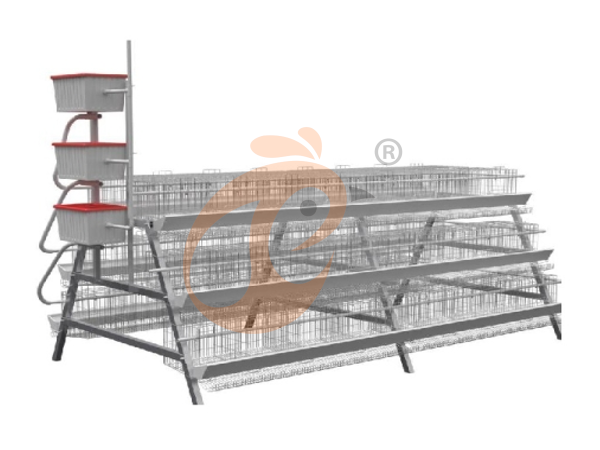
2. It is designed to rearing older than 1 day old pullets to 12 to 16 weeks old chicken starting laying eggs.
3. Its lifespan is more than 25 years.
4. Its structure are Vcloud artificial intelligent fusion, electric control cabinet, automatic equipment of drinking, feeding, manure clean, manual harvesting.
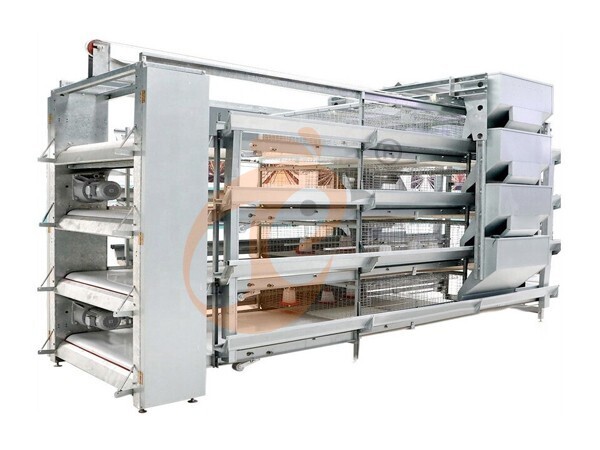
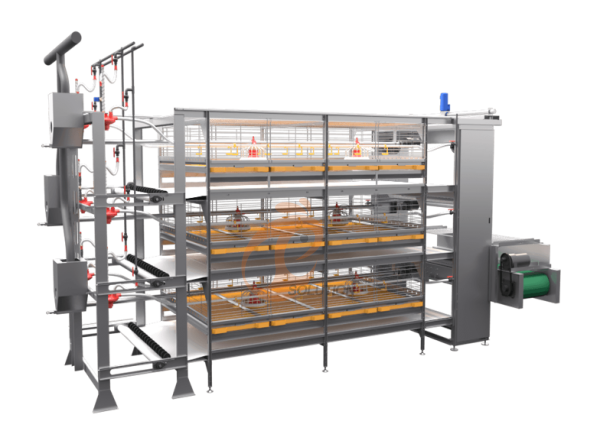
5. Our 24 hour online reception What’sApp NO. is +86 18830120193. >30,000 Broilers Semi-Automatic Harvest H Type Battery Cage1. More than 30,000 broilers a house, choose it.
2. It is designed to rearing 1 to 45 day old adult broiler ready for market.
3. Its lifespan is more than 20 years.
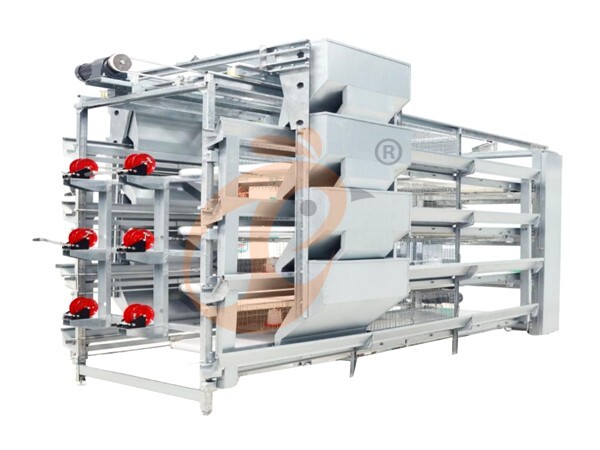
4. Our 24 hour online reception What’sApp NO. is +8618830120193, +234 8111199996. >30,000 Broilers Manual Harvest H Type Battery Cage1. More than 30,000 broilers a house, choose it.
2. It is designed to rearing 1 to 45 day old adult broiler ready for market.
3. Its lifespan is more than 20 years.
4. Its structure are Vcloud artificial intelligent fusion, electric control cabinet, automatic equipment of drinking, feeding and manure clean, manual harvesting.
5. Our 24 hour online reception What’sApp NO. is +8618830120193, +234 8111199996. <30,000 Broilers Manual Harvest A Type Battery Cage1. Less 30,000 broilers a house, choose it.
2. It is designed to rearing 1 to 45 day old adult broiler ready for market.
3. Its lifespan is more than 20 years.
4. Its structure are Vcloud artificial intelligent fusion, electric control cabinet, automatic equipment of drinking, feeding and manure clean, manual harvesting.
5. Our 24 hour online reception What’sApp NO. is +8618830120193, +234 8111199996. HK Headquarter Offers EU-standard Poultry Farm Solutions, Manufacture Poultry Farm Equipment1. Continuous communication with the EU and the US
2. China, Nigeria, Ethiopia, Tanzania branch companies and factories
3. The products’ quality is customized for local poultry farms
4. Poultry cage and poultry farm equipment stock for sale
5. 24 online reception Whatsapp NO. : +8618830120193,contact us to get full information China Branch Offer Poultry Farm Business Plan, Manufacture Poultry Farm Equipment1. Address: Flat/RM 2416, 24/F, Runxing Building, Youyi Nan Street, Shijiazhuang City, Hebei Province, China
2. Poultry cage and poultry farm equipment factory and stock for sale
3. Customized for local poultry farms
4. Quality and design are based on Euro
5. 24 online reception Whatsapp NO. : +8618830120193 Nigeria Branch Offer Poultry Farm Business Plan, Manufacture Poultry Farm Equipment1. Address: After Sinoma Office, 200 Meters Near Danco Filling Station, Lagos/Ibadan Expressway, Lagos State, Nigeria
2. Poultry cage and poultry farm equipment factory and stock for sale
3. Customized for Nigerian poultry farms
4. Quality and design are based on Euro
5. 24 online reception Whatsapp NO. : +8618830120193 Ethiopia Branch Offer Poultry Farm Business Plan, Manufacture Poultry Farm Equipment1. Address: Gelan Gura, Akaki-kaliti Sub City, Addis Ababa, Ethiopia
2. Poultry cage and poultry farm equipment stock for sale
3. Customized for Ethiopian poultry farms
4. Quality and design are based on Euro
5. 24 online reception Whatsapp NO. : +8618830120193, contact us to get price list Tanzania Branch Offer Poultry Farm Business Plan, Manufacture Poultry Farm Equipment1. Address: No.8, Sova Road, Msufini, Mlandizi, Kibaha, Pwani, Tanzania
2. Poultry cage and poultry farm equipment factory and stock for sale
3. Customized for Tanzanian poultry farms
4. Quality and design are based on Euro
5. 24 online reception Whatsapp NO. : +8618830120193


Contact