


Blog
Poultry equipment supplier selection directly affects project efficiency, with commercial houses often requiring integrated systems across multiple production stages and 5–7 core equipment categories.
Poultry farming equipment should match building structure, flock objectives, climate conditions, and automation requirements, with project planning commonly beginning 3–6 months before installation.
Automatic poultry equipment can reduce repetitive management work while improving operational consistency, particularly across farms operating multiple houses and continuous production cycles.
Technical comparison should consider engineering compatibility, lifecycle economics, customization, documentation, and service support, with supplier evaluations commonly involving 3–4 qualified manufacturers.
- A technically capable poultry equipment supplier combines manufacturing, system integration, farm design, commissioning, and expansion planning into one commercial solution with clearly defined project responsibilities.
Get professional poultry farm construction guidance, equipment selection solutions, and the latest price lists, whatsApp to +8618830120193, click to learn more:
Start With Your Farm, Not The Supplier
The right poultry equipment supplier should begin with farm layout, production target, bird type, and climate rather than simply presenting a catalog.
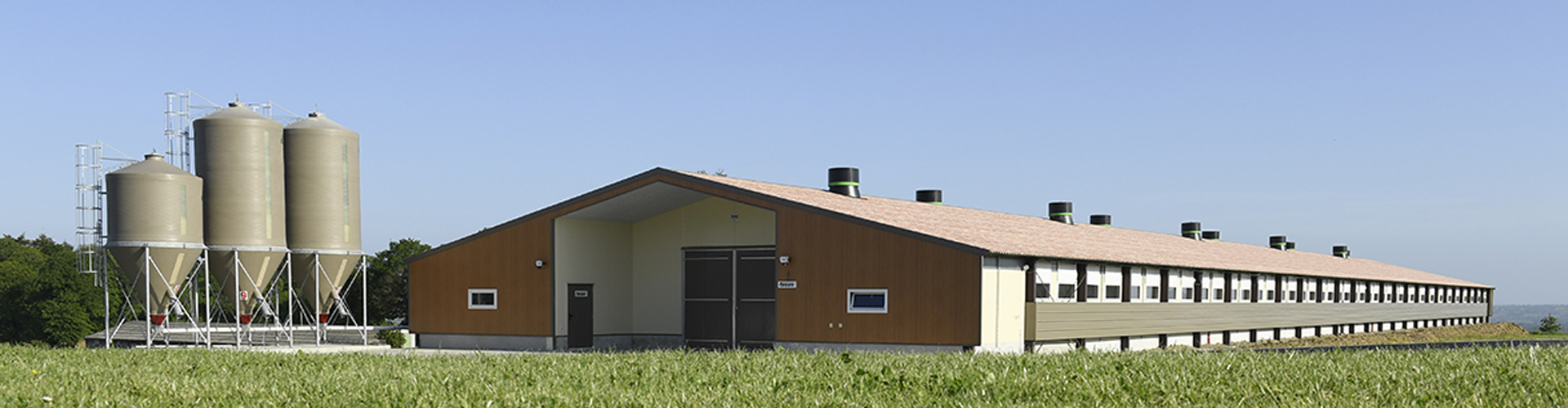
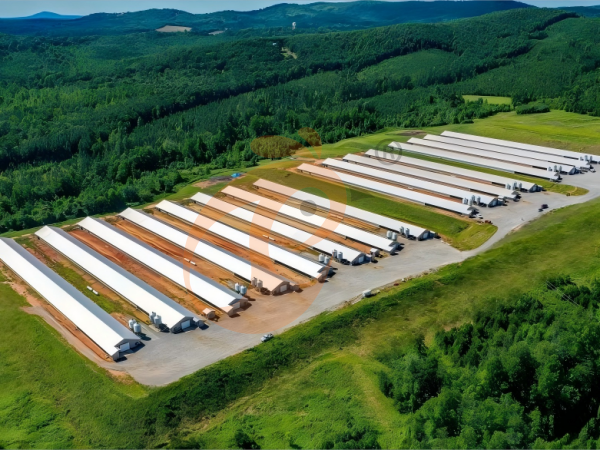
A commercial broiler house may require feeding, drinking, ventilation, cooling, heating, lighting, and environmental-control systems, while building dimensions can reach 20 m in width and 180 m in length.
Prepare house drawings, bird capacity, target market weight, climate information, power supply, and expansion plans before requesting quotations.
A complete poultry farming equipment proposal can then be engineered around actual building conditions instead of generic product quantities.
Compare Product Range And System Compatibility
Do not evaluate a poultry equipment supplier by catalog size alone.
Evaluate whether feeding, drinking, ventilation, cooling, and environmental-control equipment can operate as one coordinated system.
Data is for reference only.Swipe horizontally to view full table.
A professional poultry equipment supplier can coordinate mechanical and electrical interfaces across the complete installation.
Integrated automatic poultry equipment also simplifies project responsibility when several systems must operate through one control architecture.
Evaluate Equipment Quality Through Specifications
Do not judge poultry equipment by appearance.
Use measurable engineering information when comparing a poultry equipment supplier, including material construction, transmission design, electrical
configuration, and operating durability.
Data is for reference only.Swipe horizontally to view full table.
Request material grades, electrical drawings, installation drawings, and replacement-part information from every poultry equipment supplier.
For poultry farming equipment, documented component specifications provide a more reliable purchasing basis than photographs or general quality claims.
Look Beyond The Initial Purchase Price
A poultry equipment supplier quotation represents only the initial investment.
Operating economics should also consider electricity, labor, maintenance, replacement components, and production interruptions.
For example, ventilation equipment operating across 24-hour production cycles can materially influence annual operating expenditure.
Data is for reference only.Swipe horizontally to view full table.
A technically capable poultry equipment supplier should provide enough information to estimate lifecycle requirements before contract approval.
Lifecycle evaluation becomes particularly important when automatic poultry equipment operates continuously across several production batches.
Check Customization And Farm-Design Capability
Ask for an engineering proposal—not just a product list.
A professional poultry equipment supplier should convert house dimensions into an equipment layout covering system positions, service areas, control
locations, and installation requirements.
Data is for reference only.Swipe horizontally to view full table.
Custom poultry farming equipment can be configured according to building geometry and production objectives.
Detailed ventilation engineering may also consider 2–5 air-inlet rows and approximately 0.8–1.5 m/s inlet velocity where applicable.
Test The Supplier's After-Sales Service
The sales contract is not the end of the supplier relationship.
Before ordering from a poultry equipment supplier, establish responsibilities for installation guidance, commissioning, training, warranty handling,
troubleshooting, and spare-parts support.
Data is for reference only.Swipe horizontally to view full table.
A reliable poultry equipment supplier should provide traceable documentation for installation, operation, maintenance, and replacement procedures.
For automatic poultry equipment, operator training should cover system inspection and adjustment during different production stages.
Use A Technical Supplier Scoring Method
When several poultry equipment supplier quotations appear similar, use technical scoring instead of selecting the lowest price.
Data is for reference only.Swipe horizontally to view full table.
A qualified poultry equipment supplier should support major evaluation categories with verifiable technical documents.
Request a complete equipment list, farm-layout drawing, and detailed quotation containing model information before purchase approval.
What A Strong Supplier Should Demonstrate
Look for engineering evidence.
A capable poultry equipment supplier should demonstrate manufacturing capability through technical drawings, product samples, quality-control records, project photographs, and installation documentation.
Data is for reference only.Swipe horizontally to view full table.
A complete poultry farming equipment manufacturer should explain how individual systems interact within one production installation.
Project references should include house dimensions, flock capacity, equipment configuration, and installation scope for meaningful comparison.
Identify Technical Red Flags
Technical gaps are often more important than sales promises.
If a poultry equipment supplier quotation contains product names without model information or engineering documentation, verification becomes difficult.
Data is for reference only.Swipe horizontally to view full table.
Every major poultry farming equipment component should have measurable technical information before commercial approval.
Ventilation evaluation should consider operating conditions alongside airflow, with commercial systems commonly assessed around 60–120 Pa static pressure depending on design.
Think In Terms Of Production Results
The key question for a poultry equipment supplier is not simply, “How much does the equipment cost?”
Ask instead, “What measurable production requirement does the equipment control?”
Data is for reference only.Swipe horizontally to view full table.
A professional poultry equipment supplier connects equipment selection with defined production objectives.
Well-configured automatic poultry equipment can support consistent daily management across different flock stages.
Make The Final Decision With A Technical Check
Before signing the purchase order, check five areas.
Product: Confirm model numbers, dimensions, materials, electrical ratings, and operating specifications.
System: Confirm coordinated operation between feeding, drinking, ventilation, cooling, and control equipment.
Engineering: Confirm that the supplier has produced a layout based on actual building information.
Economics: Confirm energy, labor, maintenance, replacement-part, and installation costs.
Service: Confirm installation, commissioning, warranty, technical support, and spare-parts responsibilities.
Data is for reference only.Swipe horizontally to view full table.
A complete poultry equipment supplier should provide a traceable project sequence from design through commissioning.
A structured poultry farming equipment evaluation also reduces specification gaps between purchasing, installation, and operation.
Choose A Supplier That Can Grow With Your Farm
The best poultry equipment supplier can support equipment selection, engineering, installation, operation, and future expansion.
A commercial poultry house can contain 5,000–50,000 birds per building, requiring equipment configurations that remain technically scalable.
Data is for reference only.Swipe horizontally to view full table.
A capable poultry equipment supplier should offer standard products alongside customized engineering for different farm sizes.
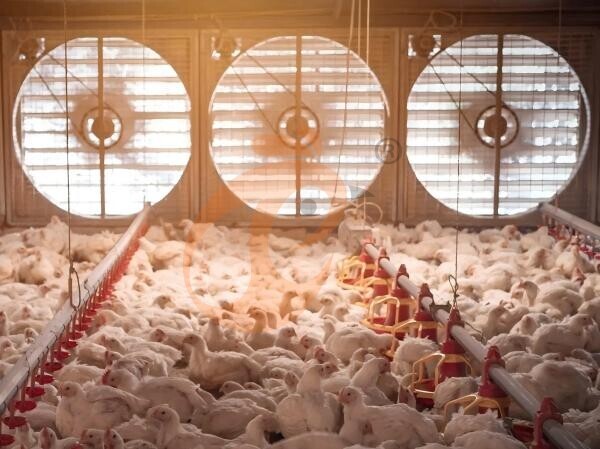
From automatic feeding and nipple drinking to ventilation, cooling, environmental control, and farm layouts, each automatic poultry equipment component should have a defined engineering role.
Frequently Asked Questions
Q1: What should i check first when choosing a poultry equipment supplier?
Start with system compatibility, engineering capability, specifications, and service responsibilities.
A project involving 5–7 major equipment categories requires coordinated technical planning rather than isolated purchasing.
Q2: Is the lowest poultry equipment supplier quotation the best choice?
Not necessarily.
Compare equipment specifications, installation requirements, energy demand, maintenance arrangements, and spare-parts support before selecting a supplier.
A difference of 10–20% in initial price can become less meaningful when lifecycle operating costs are included.
Q3: Can a poultry equipment supplier customize equipment for different farm sizes?
Yes, qualified manufacturers can adjust system configuration according to house dimensions, flock capacity, climate, and automation requirements.
Customization may involve equipment quantity, layout, control architecture, and installation details across multiple production houses.
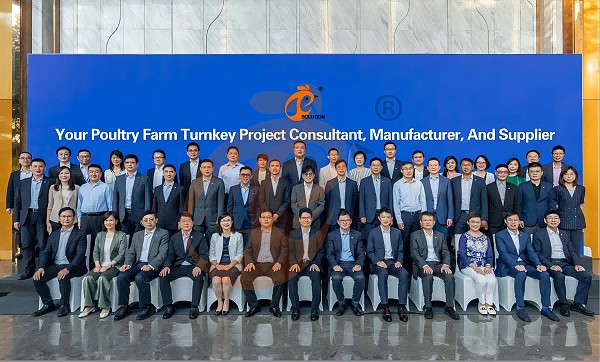
Taiyu (HK) Group - One Of China Toppest Poultry Equipment Manufacturer
Poultry equipment covers integrated feeding, drinking, ventilation, cooling, environmental control, and housing solutions, with project configurations engineered around house dimensions, flock capacity, and operating conditions.
Global factory direct sales provide manufacturer-level project coordination, technical documentation, component sourcing, and direct communication for international poultry farm developments.
Poultry equipment projects can combine standardized components with customized engineering, supporting overseas farms requiring coordinated equipment packages and documented specifications.
Turn-key engineering connects farm layout, equipment configuration, production, delivery, installation guidance, commissioning, and technical support within one project workflow.
International project supply supports commercial farms requiring scalable equipment systems, technical drawings, spare-parts planning, and structured after-sales service.
Contact Us To Received Your Customized Poultry Farm Plan
Headquarters And Branchs

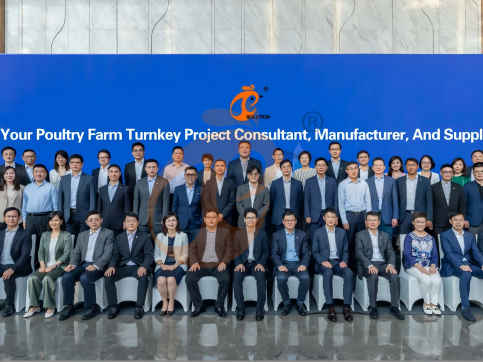
Hong Kong Headquarter Management Team
Hong Kong Headquarter Taiyu Industrial Group CO., LTD
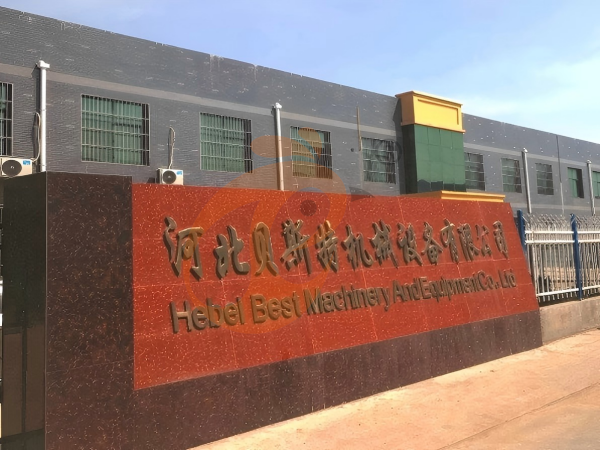
China Hebei Best Machinery And Equipment CO., LTD
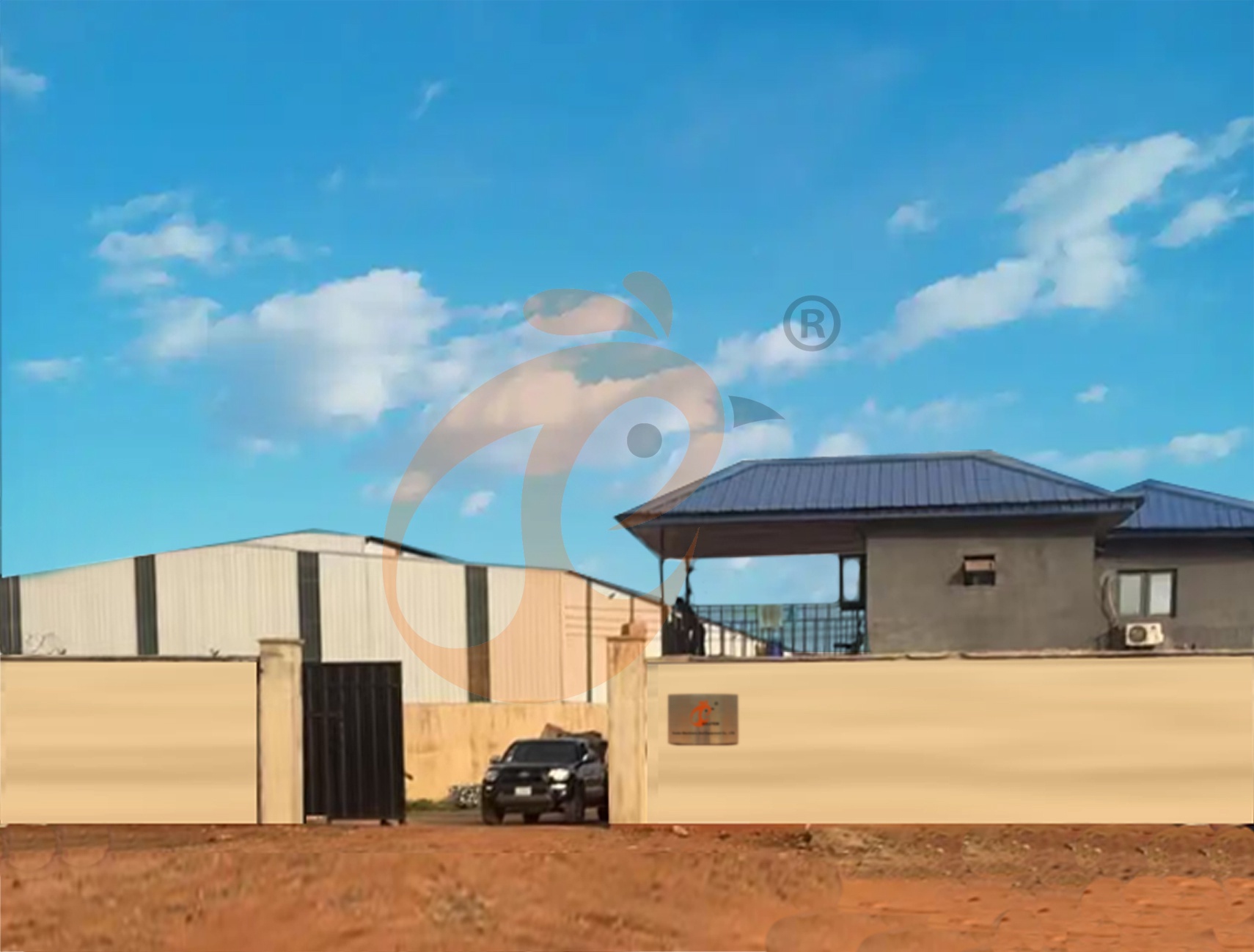
Nigeria Vanke Machinery And Equipment CO., LTD
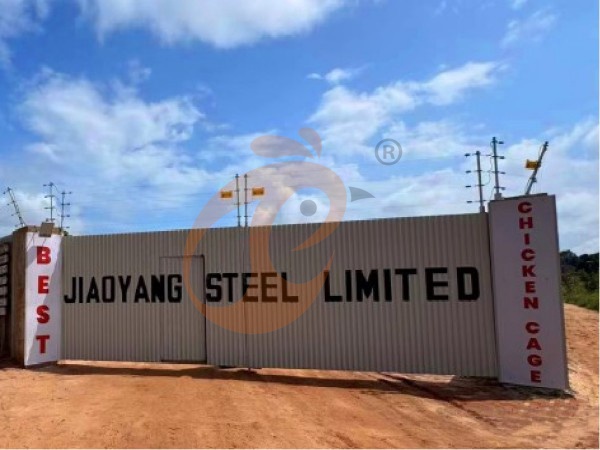
Tanzania Best Machinery And Equipment CO., LTD
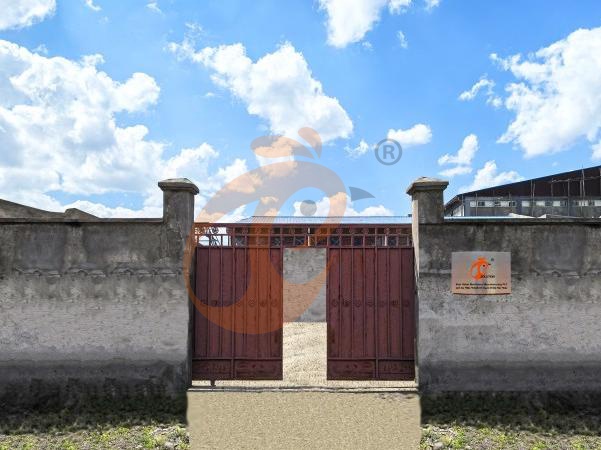
Ethiopia Best Hebei Machinery Manufacturing PLC




Reception /24 WhatsApp NO. : +8618830120193
FAQ
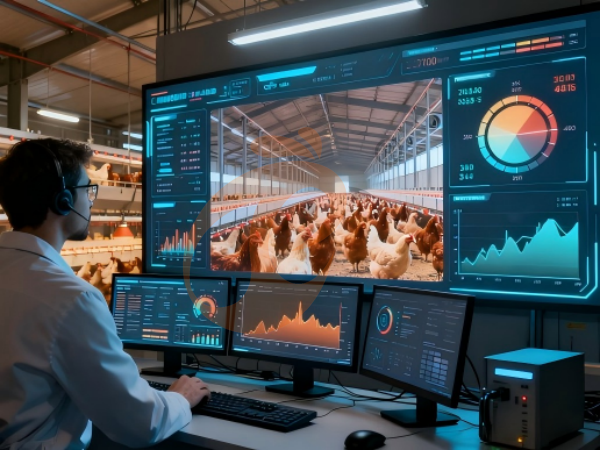
What Sensor Types Are Integrated In Smart Chicken House Equipment For Poultry Chicken Monitoring Systems?
Humidity sensors measure 0%–100% relative humidity for precise climate control.
Ammonia sensors detect 0–100 ppm gas concentration supporting air quality management.
How Does Camera Monitoring Work In Smart Chicken House Equipment For Poultry Chicken Farms?
Infrared night vision operates within 15–25 meters range for low-light monitoring.
Frame capture rate reaches 25–30 fps enabling real-time movement analysis.
What Environmental Monitoring Parameters Are Measured In Smart Chicken House Equipment For Poultry Chicken Systems?
Light intensity sensors detect 0–20000 lux for precise illumination control.
Airflow sensors measure 0–10 m/s supporting ventilation optimization performance.
Message
Products recommended
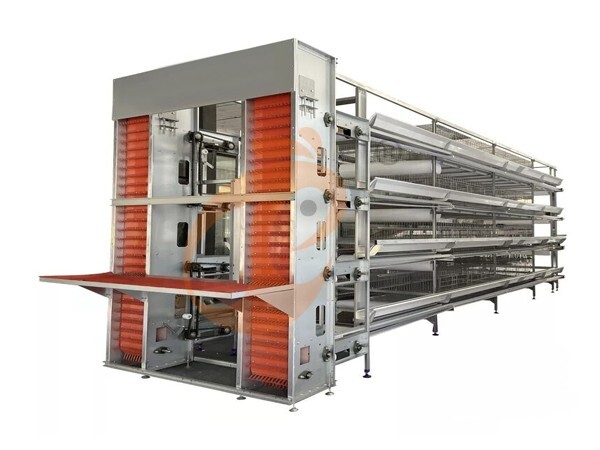
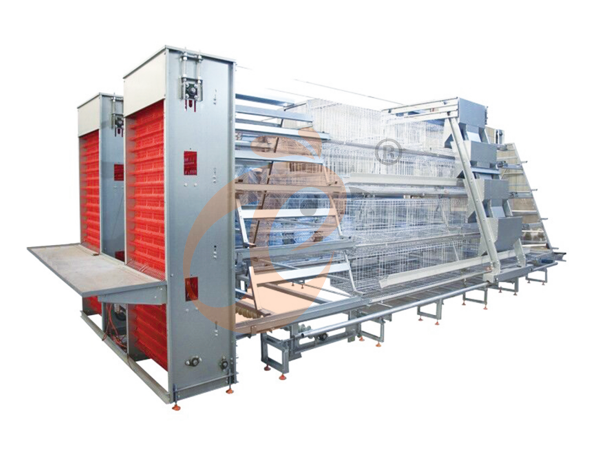
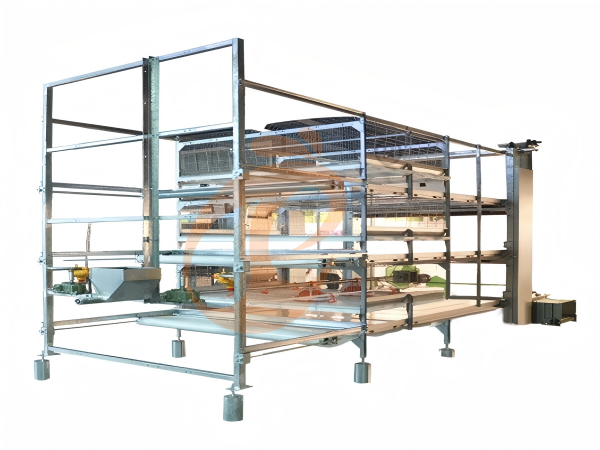
 >30,000 Pullets Automatic H Type Battery Cage1. More than 30,000 pullets a house, choose it.
2. It is designed to rearing older than 1 day old pullets to 12 to 16 weeks old chicken starting laying eggs.
3. Its lifespan is more than 25 years.
4. Its structure are Vcloud artificial intelligent fusion, electric control cabinet, automatic equipment of drinking, feeding, manure clean, manual harvesting.
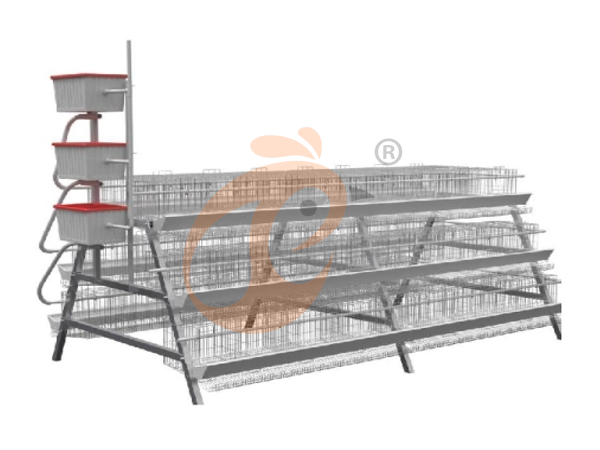
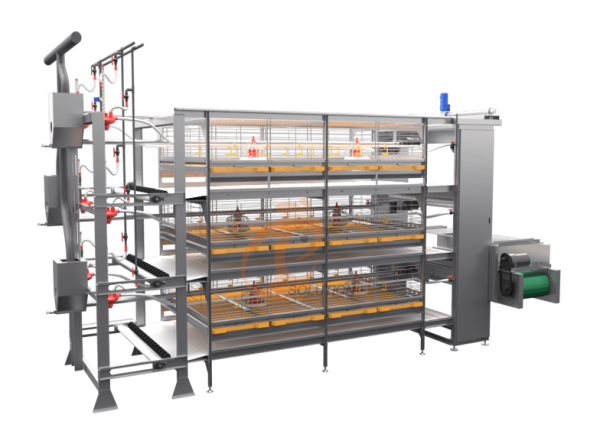
5. Our 24 hour online reception What’sApp NO. is +8618830120193 <30,000 Pullets Automatic A Type Battery Cage1. 10,000 to 30,000 pullets a house, choose it.
2. It is designed to rearing older than 1 day old pullets to 12 to 16 weeks old chicken starting laying eggs.
3. Its lifespan is more than 25 years.
4. Its structure are Vcloud artificial intelligent fusion, electric control cabinet, automatic equipment of drinking, feeding, manure clean, manual harvesting.
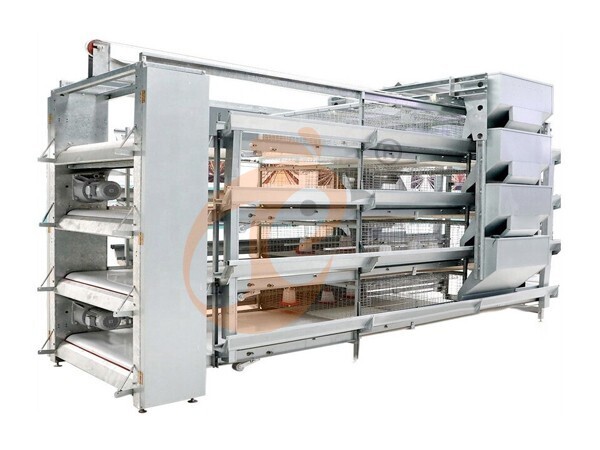
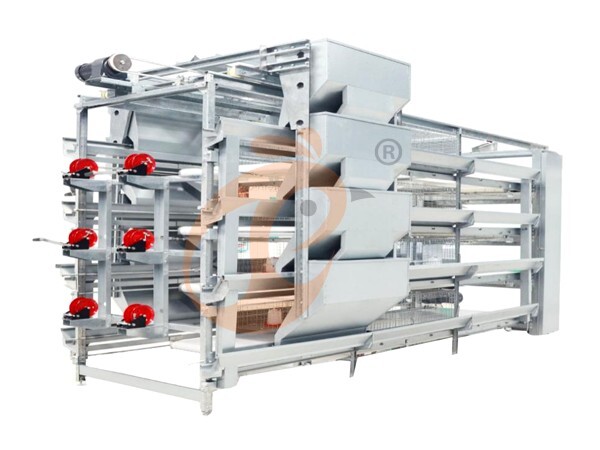
5. Our 24 hour online reception What’sApp NO. is +86 18830120193. >30,000 Broilers Semi-Automatic Harvest H Type Battery Cage1. More than 30,000 broilers a house, choose it.
2. It is designed to rearing 1 to 45 day old adult broiler ready for market.
3. Its lifespan is more than 20 years.
4. Our 24 hour online reception What’sApp NO. is +8618830120193, +234 8111199996. >30,000 Broilers Manual Harvest H Type Battery Cage1. More than 30,000 broilers a house, choose it.
2. It is designed to rearing 1 to 45 day old adult broiler ready for market.
3. Its lifespan is more than 20 years.
4. Its structure are Vcloud artificial intelligent fusion, electric control cabinet, automatic equipment of drinking, feeding and manure clean, manual harvesting.
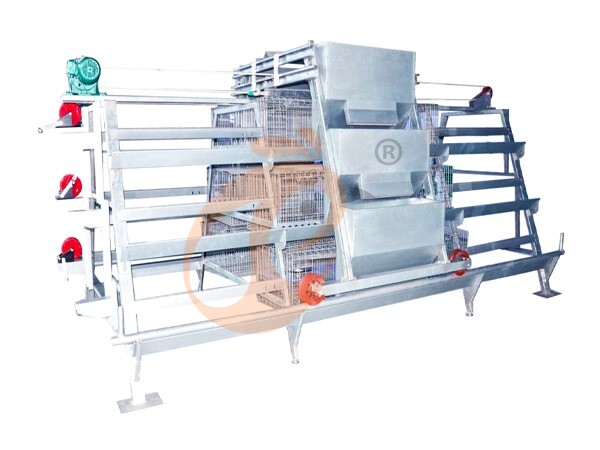
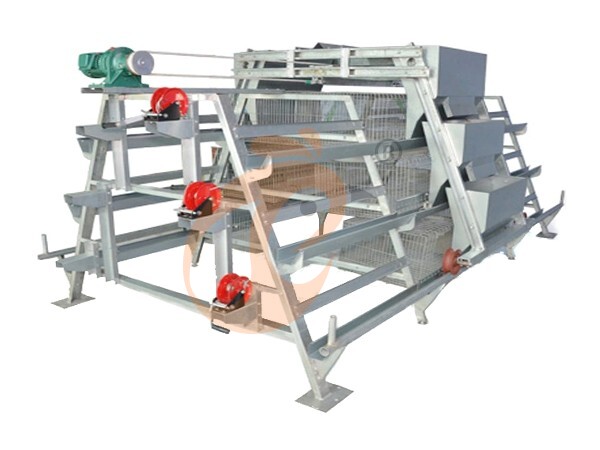
5. Our 24 hour online reception What’sApp NO. is +8618830120193, +234 8111199996. <30,000 Broilers Manual Harvest A Type Battery Cage1. Less 30,000 broilers a house, choose it.
2. It is designed to rearing 1 to 45 day old adult broiler ready for market.
3. Its lifespan is more than 20 years.
4. Its structure are Vcloud artificial intelligent fusion, electric control cabinet, automatic equipment of drinking, feeding and manure clean, manual harvesting.
5. Our 24 hour online reception What’sApp NO. is +8618830120193, +234 8111199996. HK Headquarter Offers EU-standard Poultry Farm Solutions, Manufacture Poultry Farm Equipment1. Continuous communication with the EU and the US
2. China, Nigeria, Ethiopia, Tanzania branch companies and factories
3. The products’ quality is customized for local poultry farms
4. Poultry cage and poultry farm equipment stock for sale
5. 24 online reception Whatsapp NO. : +8618830120193,contact us to get full information China Branch Offer Poultry Farm Business Plan, Manufacture Poultry Farm Equipment1. Address: Flat/RM 2416, 24/F, Runxing Building, Youyi Nan Street, Shijiazhuang City, Hebei Province, China
2. Poultry cage and poultry farm equipment factory and stock for sale
3. Customized for local poultry farms
4. Quality and design are based on Euro
5. 24 online reception Whatsapp NO. : +8618830120193 Nigeria Branch Offer Poultry Farm Business Plan, Manufacture Poultry Farm Equipment1. Address: After Sinoma Office, 200 Meters Near Danco Filling Station, Lagos/Ibadan Expressway, Lagos State, Nigeria
2. Poultry cage and poultry farm equipment factory and stock for sale
3. Customized for Nigerian poultry farms
4. Quality and design are based on Euro
5. 24 online reception Whatsapp NO. : +8618830120193 Ethiopia Branch Offer Poultry Farm Business Plan, Manufacture Poultry Farm Equipment1. Address: Gelan Gura, Akaki-kaliti Sub City, Addis Ababa, Ethiopia
2. Poultry cage and poultry farm equipment stock for sale
3. Customized for Ethiopian poultry farms
4. Quality and design are based on Euro
5. 24 online reception Whatsapp NO. : +8618830120193, contact us to get price list Tanzania Branch Offer Poultry Farm Business Plan, Manufacture Poultry Farm Equipment1. Address: No.8, Sova Road, Msufini, Mlandizi, Kibaha, Pwani, Tanzania
2. Poultry cage and poultry farm equipment factory and stock for sale
3. Customized for Tanzanian poultry farms
4. Quality and design are based on Euro
5. 24 online reception Whatsapp NO. : +8618830120193

Contact