


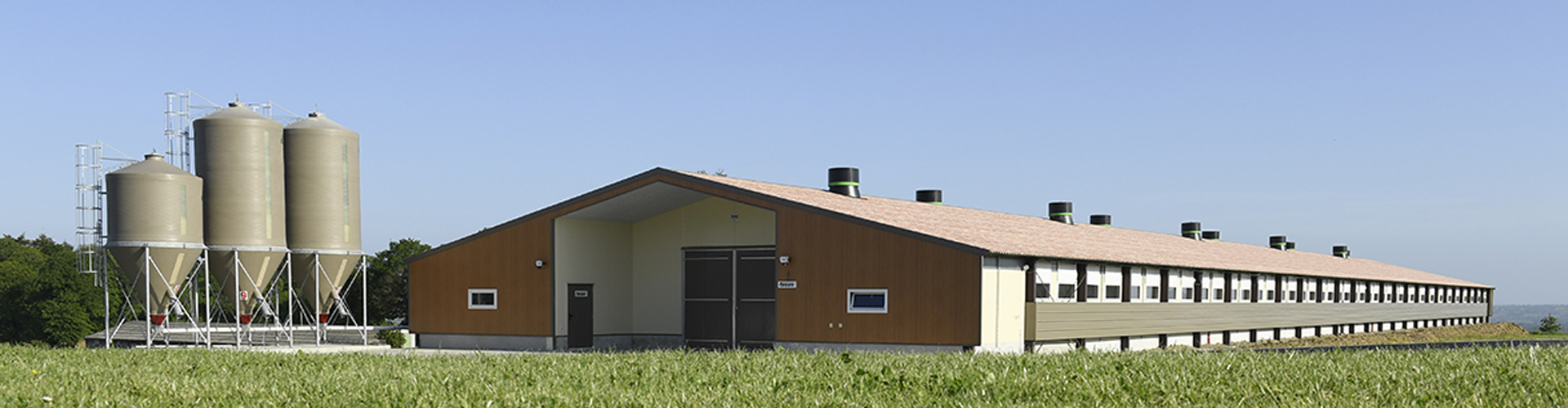
Blog
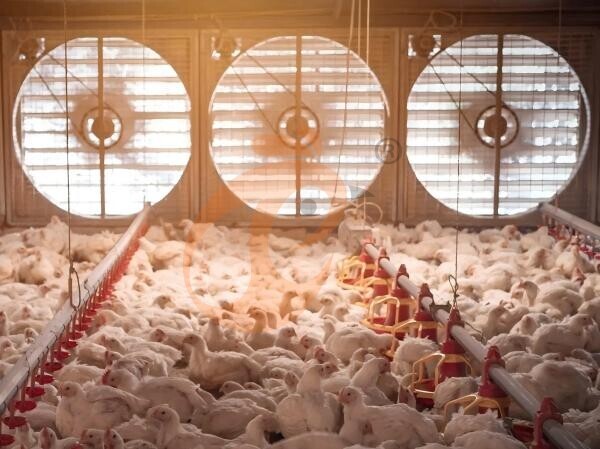
Pralson feeder components provide reliable feeding control for modern poultry farms with technical stability and 98% system availability targets.
Automated feeding inspection methods help identify mechanical risks, improve production planning, and support efficient chicken house management.
Professional poultry feeding equipment requires accurate checking of structure, movement, sanitation, and replacement cycles.
Commercial farms can reduce maintenance pressure through systematic inspections and optimized equipment management.
Advanced feeder solutions combine durable engineering, practical design, and long-term value for global poultry production projects.
Get professional poultry farm construction guidance, equipment selection solutions, and the latest price lists, whatsApp to +8618830120193, click to learn more:
Inspect Feed Pan Structure
Feed pan inspection is the first step for maintaining stable feeding performance in commercial chicken houses.
The feeding surface directly influences feed accessibility, waste control, and bird interaction during daily operation.
Pralson feeder components are manufactured for intensive farming conditions where continuous operation and structural reliability are required.
A complete inspection should focus on connection points, feeding edges, and material conditions before production begins.
Data is for reference only.Swipe horizontally to view full table.
A professional poultry feeder system requires precise component matching to maintain smooth feed distribution.
Farm operators should replace damaged parts immediately when deformation affects feeding balance.
Check Feed Line Installation
Feed transportation depends on accurate installation of pipes, brackets, and suspension structures.
Incorrect positioning may create uneven delivery pressure along long feeding routes.
Regular checking helps maintain stable operation throughout different poultry production stages.
Data is for reference only.Swipe horizontally to view full table.
Modern poultry farms often select automated feeding solutions because consistent delivery reduces manual workload.
Pralson feeder components support flexible installation layouts for different house dimensions and production requirements.
Examine Motor And Drive Performance
Drive systems control the movement of feed inside automated equipment.
Motor inspection should include operating sound, rotation condition, and connection stability.
Unexpected vibration or irregular movement may indicate internal wear or adjustment problems.
Data is for reference only.Swipe horizontally to view full table.
Reliable chicken feeding equipment depends on coordinated performance between motors, drive units, and feeder structures.
Engineering teams usually recommend scheduled checks to prevent production interruption.
Verify Feed Distribution Accuracy
Uniform feed distribution is important for flock management and production consistency.
A properly adjusted system allows birds to access feed efficiently throughout the poultry house.
Operators should test feed movement from the beginning section to the final feeding point.
Data is for reference only.Swipe horizontally to view full table.
Scientific poultry production emphasizes balanced feeding because uneven supply may influence flock development.
Pralson automatic feeding equipment provides engineering advantages for farms requiring controlled feeding procedures and stable operation.
Review Cleaning And Sanitation
Cleaning inspection protects equipment performance and supports poultry house hygiene management.
Feed residue, moisture accumulation, and dust should be removed according to farm maintenance procedures.
A clean feeding environment helps maintain better equipment conditions.
Data is for reference only.Swipe horizontally to view full table.
High-quality feeder designs simplify maintenance processes and reduce unnecessary labor consumption.
For large poultry projects, equipment selection should consider both operating efficiency and cleaning convenience.
Record Component Wear Conditions
Maintenance records provide valuable information for future equipment planning.
Farm managers can analyze replacement cycles and improve spare part preparation.
A structured inspection system supports stable production and reduces emergency repair costs.
Data is for reference only.Swipe horizontally to view full table.
Pralson feeder components help poultry producers establish professional maintenance systems with practical operational standards.
Equipment records also support better project management during long-term farm operation.
Identify Common Equipment Problems
Feeder problems usually appear gradually before complete failure occurs.
Operators should recognize early signals including abnormal sounds, blocked feed paths, and unstable movement.
Quick response helps protect production schedules.
Data is for reference only.Swipe horizontally to view full table.
Technical inspection creates better control over poultry equipment performance.
Commercial farms can improve reliability by combining professional equipment with preventive maintenance procedures.
Select Durable Feeder Components
Material quality directly affects equipment service life in demanding chicken house environments.
Humidity, dust, and continuous operation require components with strong structural performance.
Choosing suitable equipment reduces replacement frequency and improves investment efficiency.
Data is for reference only.Swipe horizontally to view full table.
Pralson feeder components are suitable for farms seeking dependable poultry equipment solutions with engineering-focused design.
Professional suppliers provide customized options according to farm capacity and project requirements.
Improve Farm Automation Efficiency
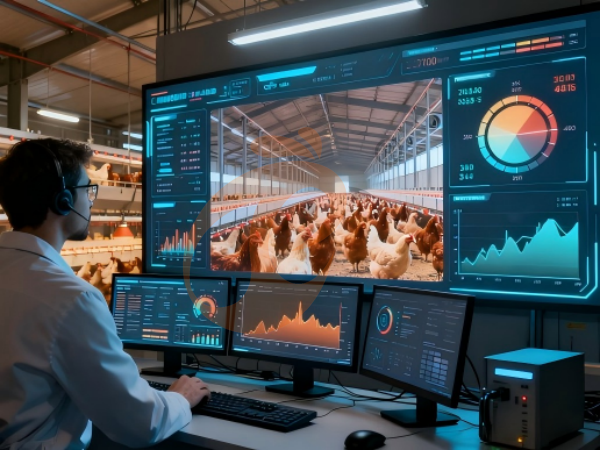
Automation technology has changed modern poultry production by reducing manual feeding operations.
A well-designed feeding system improves scheduling accuracy and supports better resource management.
Pralson automatic feeding equipment helps farms create organized production workflows with stable technical performance.
Data is for reference only.Swipe horizontally to view full table.
Commercial poultry farms require equipment that can operate consistently under different environmental conditions.
Advanced feeding systems provide practical advantages for large-scale projects where labor efficiency and production control are important.
Develop A Professional Inspection Schedule
A planned inspection schedule improves equipment reliability and extends service periods.
Farm technicians should combine daily observations with regular technical evaluations.
Different inspection levels help identify minor issues before they become major maintenance challenges.
Data is for reference only.Swipe horizontally to view full table.
A structured maintenance approach allows poultry producers to manage equipment conditions more effectively.
Professional poultry equipment projects often include operation guidance, installation support, and maintenance recommendations.
Understand The Value Of Technical Equipment Design
Modern chicken house equipment requires precise engineering because production environments are constantly changing.
Feeder structures must handle continuous operation, different bird sizes, and various farm layouts.
Pralson feeder components combine practical construction with production-focused design principles.
Data is for reference only.Swipe horizontally to view full table.
The European union standard reference only.
Equipment specifications may vary according to project design, installation requirements, and regional standards.
Selecting professional feeding equipment helps farms achieve better operational planning and long-term production stability.
Frequently Asked Questions
Q1: What should be checked first during pralson feeder components inspection?
The first inspection should focus on feeder structure, connection points, and visible damage.
Checking the main feeding parts before operation helps prevent distribution problems.
A standard inspection can begin with a 350 mm feeder pan measurement and connection condition review.
Q2: How often should poultry feeding equipment be inspected?
Inspection frequency depends on farm size, operating hours, and production conditions.
Many commercial farms perform visual checks daily and complete detailed evaluations every 30 days.
Regular inspection helps maintain stable equipment performance and reduces unexpected downtime.
Q3: Why is professional feeder maintenance important for chicken farms?
Professional maintenance improves feeding accuracy, equipment lifespan, and farm management efficiency.
A properly maintained system supports consistent feed delivery and reduces unnecessary replacement costs.
Technical service planning is especially important for large poultry projects using automated feeding systems.
Taiyu (HK) Group - One Of China Largest Pralson Feeder Components Manufacturer
Pralson feeder components are engineered poultry feeding solutions designed with precision structures, stable operation, and commercial farming adaptability.
Global factory direct sales provide integrated poultry equipment supply with manufacturing control, quality inspection procedures, and competitive project support.
Turn-key engineering projects deliver complete poultry equipment solutions including system planning, production coordination, installation guidance, and technical service.
International poultry farms receive customized equipment packages based on house dimensions, production capacity, and operational requirements.
Professional engineering teams support worldwide customers through project consultation, equipment configuration, and long-term technical cooperation.
Contact Us To Received Your Customized Poultry Farm Plan
Headquarters And Branchs

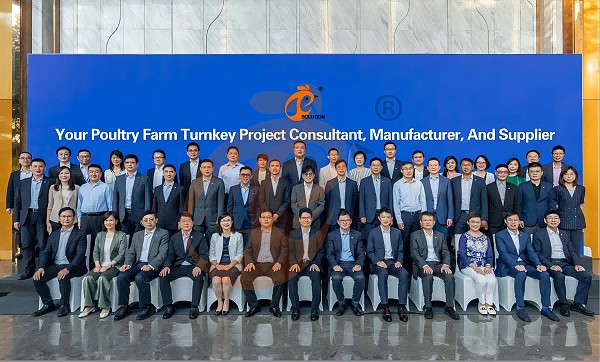
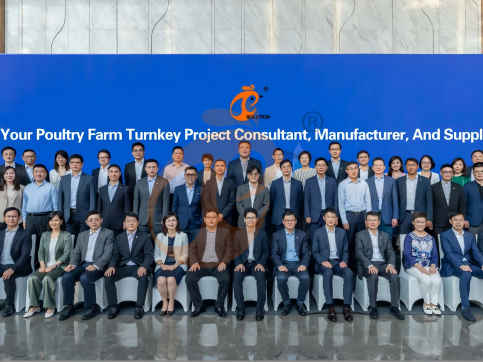
Hong Kong Headquarter Management Team
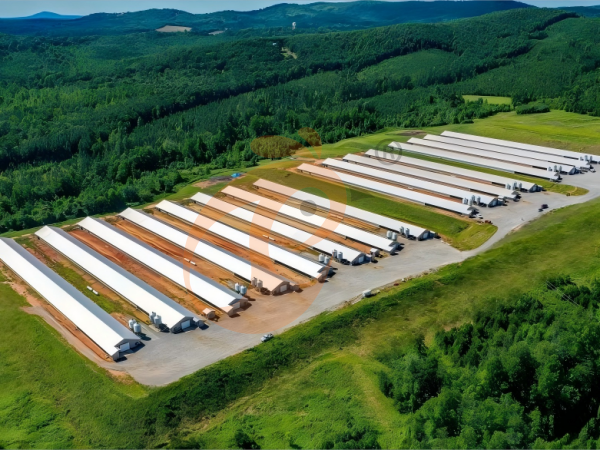
Hong Kong Headquarter Taiyu Industrial Group CO., LTD
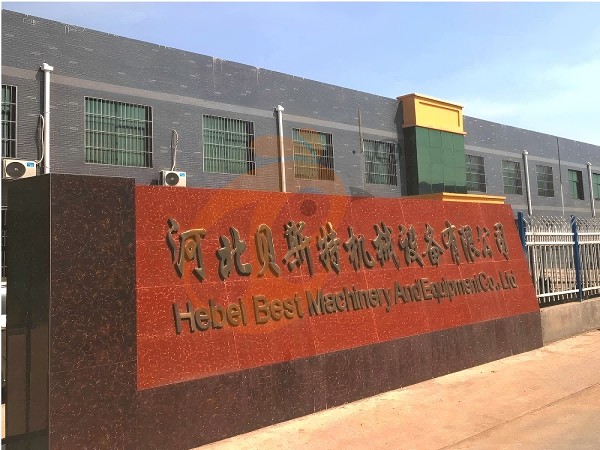
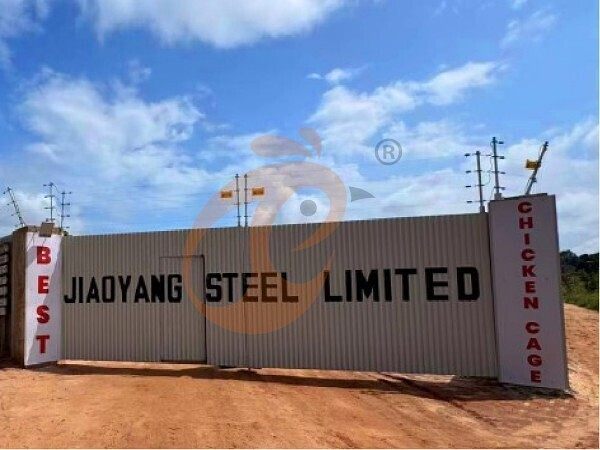
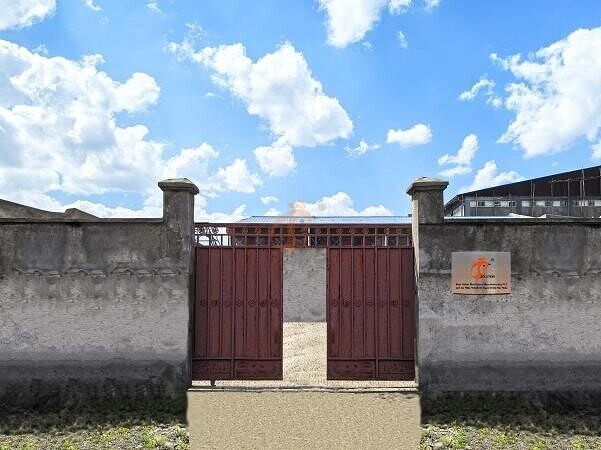
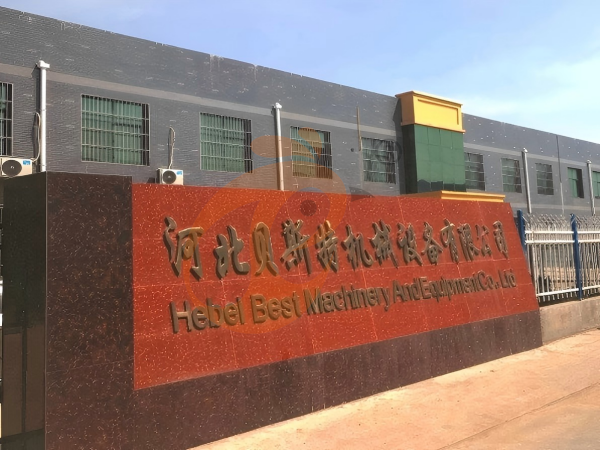
China Hebei Best Machinery And Equipment CO., LTD
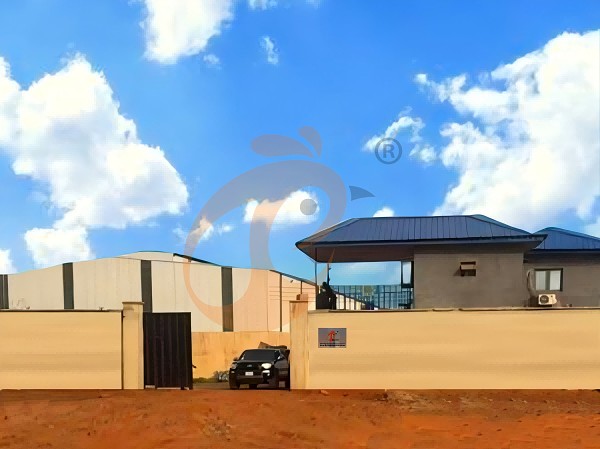
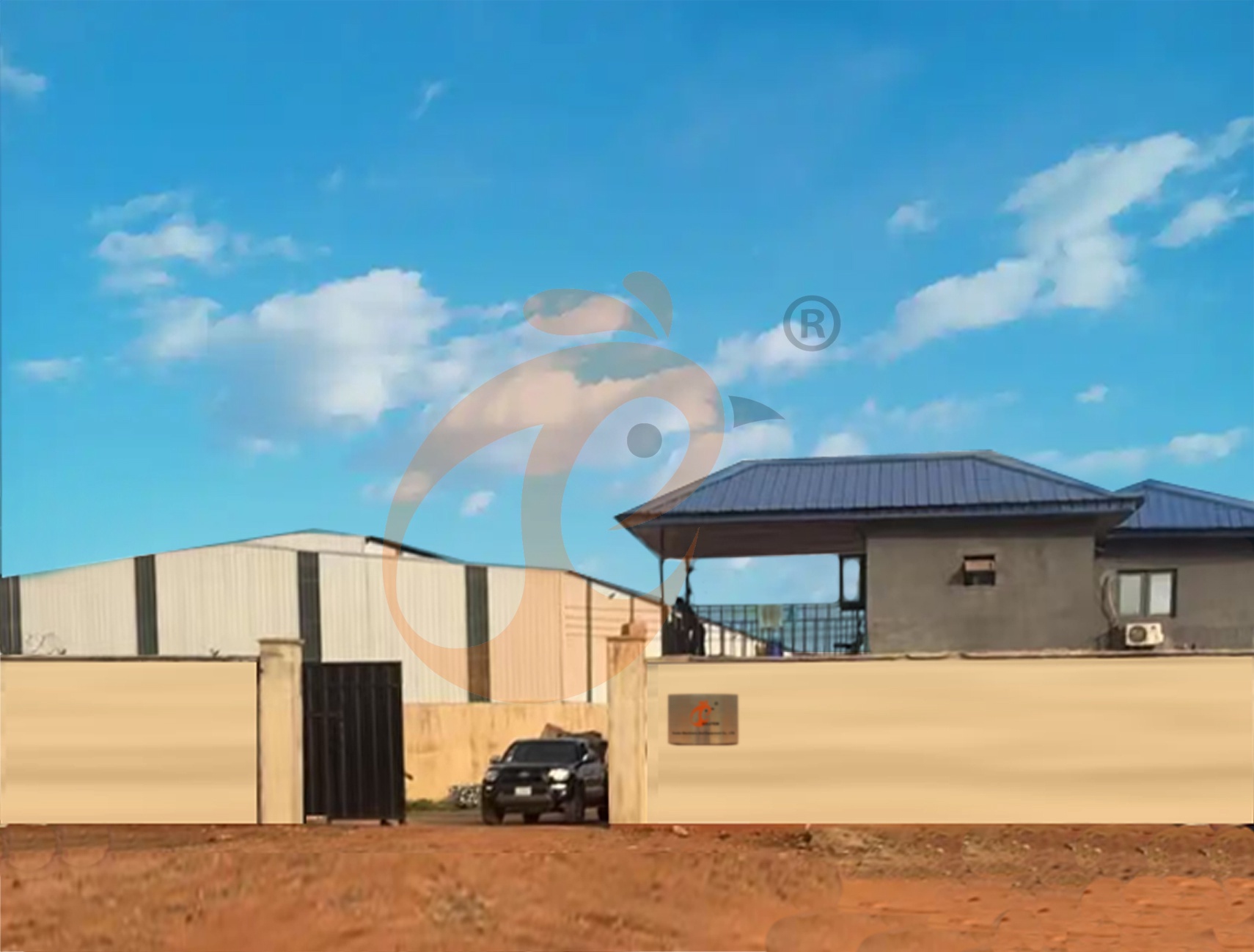
Nigeria Vanke Machinery And Equipment CO., LTD
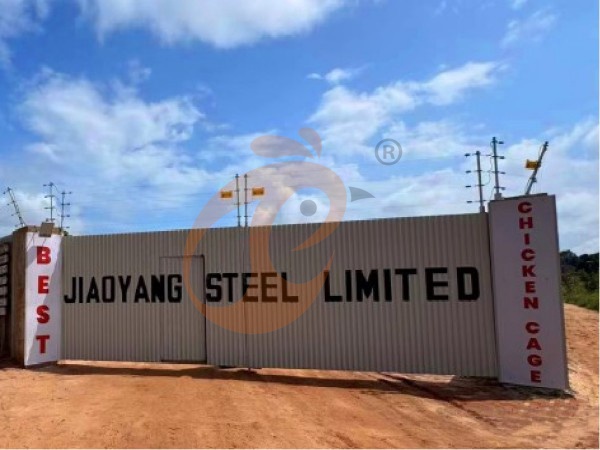
Tanzania Best Machinery And Equipment CO., LTD
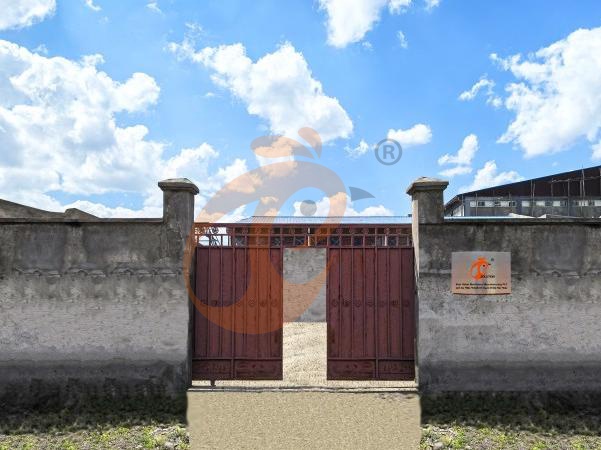
Ethiopia Best Hebei Machinery Manufacturing PLC
Reception /24 WhatsApp NO. : +8618830120193
FAQ
What Are The Water Filtration Requirements For Plasson Poultry Equipment?
Suspended solid concentration is controlled below 40 mg per liter for system stability.
Backwash flow rate reaches 1.5–2.0 m³ per hour for effective filter regeneration.
What Are The Pipeline Dimension Standards In Plasson Poultry Equipment?
Branch lines operate with 16–20 mm diameter for balanced pressure across drinking points.
Maximum pipeline length per zone reaches 80–120 meters without pressure loss impact.
What Are The Bird Age Adaptation Settings In Plasson Poultry Equipment
Water flow sensitivity is adjusted to 60–100 ml per minute for different age groups.
Bird access spacing is optimized at 8–15 birds per nipple depending on growth phase.
- poultry farm
- poultry farms
- chicken farm
- chicken house
- poultry house
- cage
- poultry farm construction
- poultry feeding equipment
- poultry equipment
- chickencage
- bestchickencage
- Nigeria
- modern poultry farms
- commercial poultry farms
- modern chicken house
- chicken house equipment
- poultry feeder system
- modern poultry farm
- poultry farm plan
- poultry house hygiene
- poultry feed
- chicken feed
- Ethiopia
Message
Products recommended
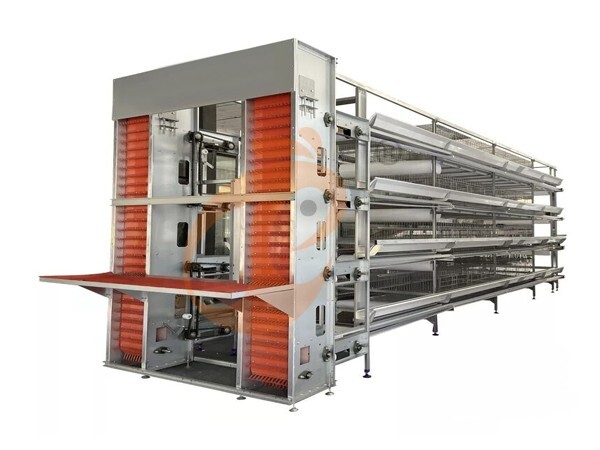
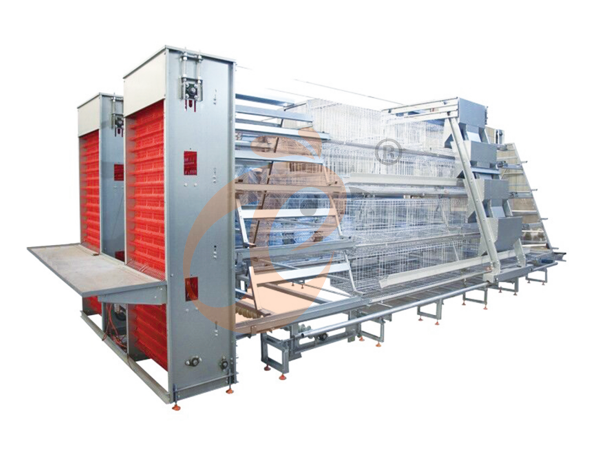
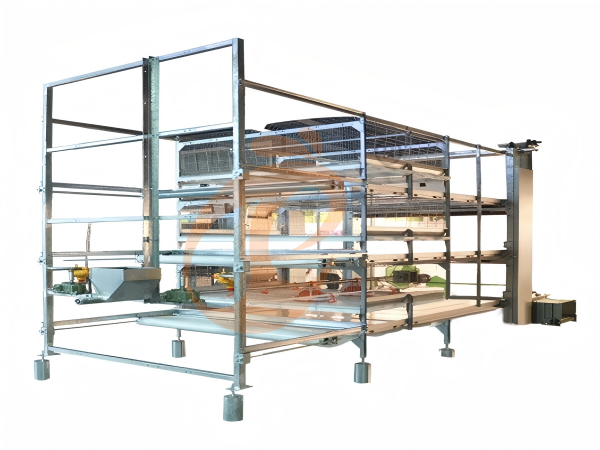
 >30,000 Pullets Automatic H Type Battery Cage1. More than 30,000 pullets a house, choose it.
2. It is designed to rearing older than 1 day old pullets to 12 to 16 weeks old chicken starting laying eggs.
3. Its lifespan is more than 25 years.
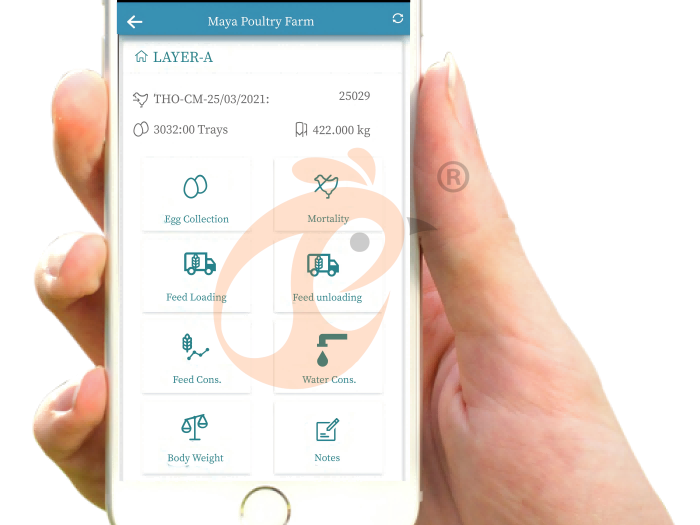
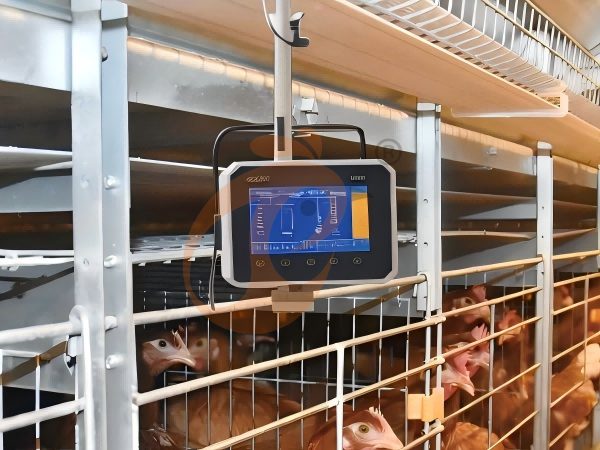
4. Its structure are Vcloud artificial intelligent fusion, electric control cabinet, automatic equipment of drinking, feeding, manure clean, manual harvesting.
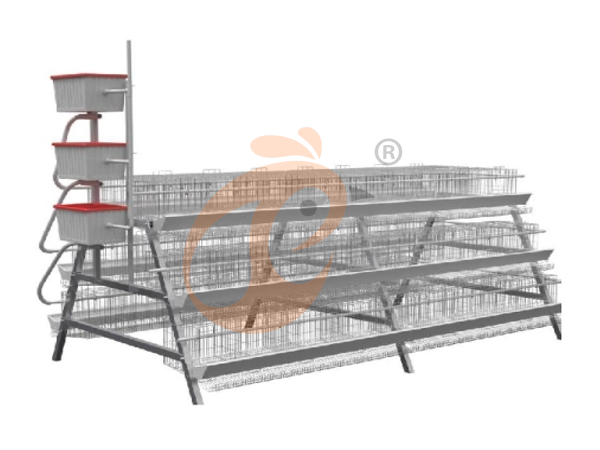
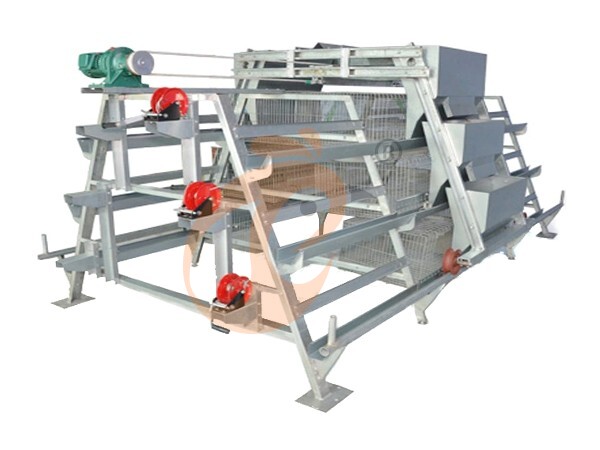
5. Our 24 hour online reception What’sApp NO. is +8618830120193 <30,000 Pullets Automatic A Type Battery Cage1. 10,000 to 30,000 pullets a house, choose it.
2. It is designed to rearing older than 1 day old pullets to 12 to 16 weeks old chicken starting laying eggs.
3. Its lifespan is more than 25 years.
4. Its structure are Vcloud artificial intelligent fusion, electric control cabinet, automatic equipment of drinking, feeding, manure clean, manual harvesting.
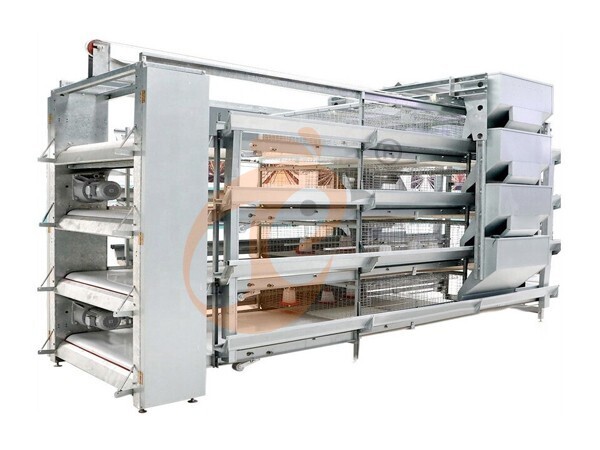
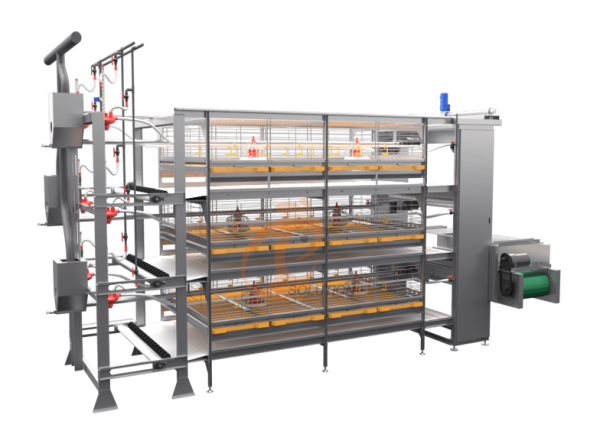
5. Our 24 hour online reception What’sApp NO. is +86 18830120193. >30,000 Broilers Semi-Automatic Harvest H Type Battery Cage1. More than 30,000 broilers a house, choose it.
2. It is designed to rearing 1 to 45 day old adult broiler ready for market.
3. Its lifespan is more than 20 years.
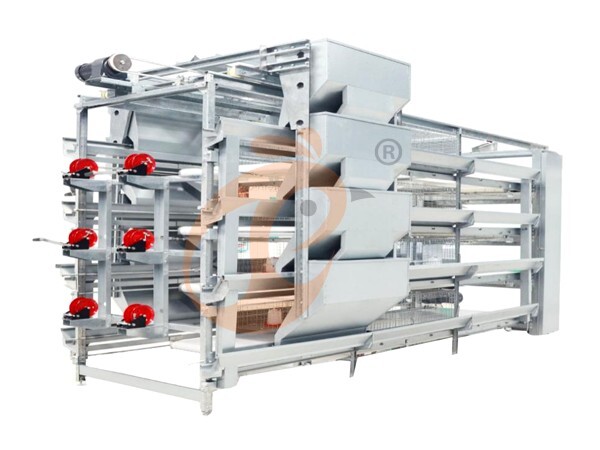
4. Our 24 hour online reception What’sApp NO. is +8618830120193, +234 8111199996. >30,000 Broilers Manual Harvest H Type Battery Cage1. More than 30,000 broilers a house, choose it.
2. It is designed to rearing 1 to 45 day old adult broiler ready for market.
3. Its lifespan is more than 20 years.
4. Its structure are Vcloud artificial intelligent fusion, electric control cabinet, automatic equipment of drinking, feeding and manure clean, manual harvesting.
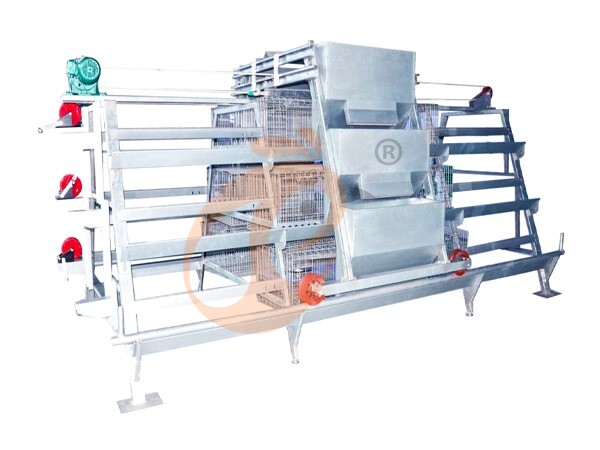
5. Our 24 hour online reception What’sApp NO. is +8618830120193, +234 8111199996. <30,000 Broilers Manual Harvest A Type Battery Cage1. Less 30,000 broilers a house, choose it.
2. It is designed to rearing 1 to 45 day old adult broiler ready for market.
3. Its lifespan is more than 20 years.
4. Its structure are Vcloud artificial intelligent fusion, electric control cabinet, automatic equipment of drinking, feeding and manure clean, manual harvesting.
5. Our 24 hour online reception What’sApp NO. is +8618830120193, +234 8111199996. HK Headquarter Offers EU-standard Poultry Farm Solutions, Manufacture Poultry Farm Equipment1. Continuous communication with the EU and the US
2. China, Nigeria, Ethiopia, Tanzania branch companies and factories
3. The products’ quality is customized for local poultry farms
4. Poultry cage and poultry farm equipment stock for sale
5. 24 online reception Whatsapp NO. : +8618830120193,contact us to get full information China Branch Offer Poultry Farm Business Plan, Manufacture Poultry Farm Equipment1. Address: Flat/RM 2416, 24/F, Runxing Building, Youyi Nan Street, Shijiazhuang City, Hebei Province, China
2. Poultry cage and poultry farm equipment factory and stock for sale
3. Customized for local poultry farms
4. Quality and design are based on Euro
5. 24 online reception Whatsapp NO. : +8618830120193 Nigeria Branch Offer Poultry Farm Business Plan, Manufacture Poultry Farm Equipment1. Address: After Sinoma Office, 200 Meters Near Danco Filling Station, Lagos/Ibadan Expressway, Lagos State, Nigeria
2. Poultry cage and poultry farm equipment factory and stock for sale
3. Customized for Nigerian poultry farms
4. Quality and design are based on Euro
5. 24 online reception Whatsapp NO. : +8618830120193 Ethiopia Branch Offer Poultry Farm Business Plan, Manufacture Poultry Farm Equipment1. Address: WR93+FQ2, Addis Ababa, Ethiopia
2. Poultry cage and poultry farm equipment stock for sale
3. Customized for Ethiopian poultry farms
4. Quality and design are based on Euro
5. 24 online reception Whatsapp NO. : +8618830120193, contact us to get price list Tanzania Branch Offer Poultry Farm Business Plan, Manufacture Poultry Farm Equipment1. Address: No.8, Sova Road, Msufini, Mlandizi, Kibaha, Pwani, Tanzania
2. Poultry cage and poultry farm equipment factory and stock for sale
3. Customized for Tanzanian poultry farms
4. Quality and design are based on Euro
5. 24 online reception Whatsapp NO. : +8618830120193


Contact
By clicking 'Allow All', you agree to the storage of cookies on your device to enhance site navigation, analyze site usage and assist with our marketing efforts.