


Blog
A-type galvanized chicken cage corrosion prevention is essential for Ethiopian layer farms aiming to sustain productivity and reduce long-term costs.
This article analyzes environmental corrosion factors specific to Ethiopian poultry housing systems.
It outlines four effective methods combining engineering, management, and operational strategies.
Practical data tables provide measurable parameters suitable for local farming conditions.
Solutions are aligned with water scarcity, ventilation limitations, and ammonia control challenges in Ethiopia.
Get professional poultry farm construction guidance, equipment selection solutions, and the latest price lists, whatsApp to +8618830120193, click to learn more:

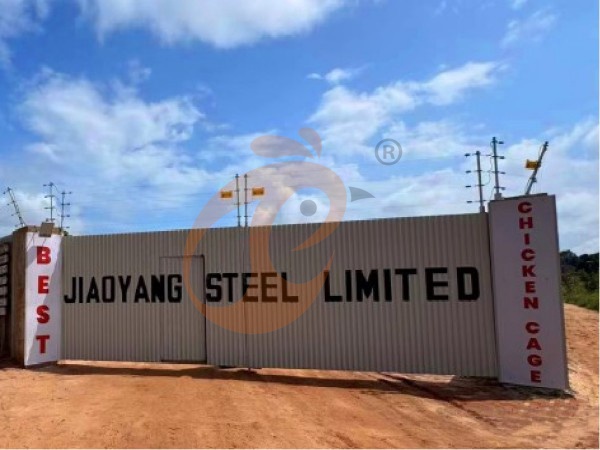
Ethiopia Branch Office And Factory Of Poultry Farm Equipment
Industry Context In Ethiopia
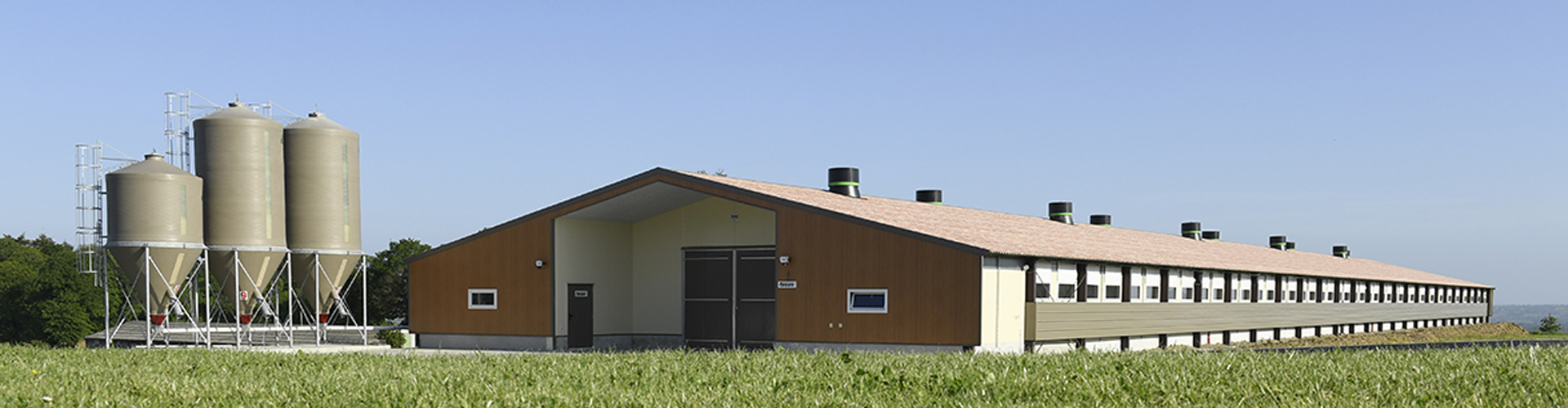
Ethiopia's layer poultry sector is expanding rapidly around Addis Ababa, Oromia, and Amhara regions.
Commercial farms increasingly adopt A-type galvanized chicken cage systems to improve stocking density and egg collection efficiency.
However, environmental conditions such as seasonal humidity and limited infrastructure create a strong need for corrosion-resistant poultry cage systems.
Why Rust Is A Critical Problem In Ethiopian Farms
Rust significantly reduces cage lifespan and increases operational risk.
Highland areas experience moderate humidity, while lowland regions face heat combined with ammonia accumulation.
These factors accelerate zinc degradation in galvanized chicken cage systems, especially when manure management is insufficient.
Data is for reference only.Swipe horizontally to view full table.
Cage Material Determines Rust Resistance
Material selection is the foundation of corrosion prevention.
Hot-dip galvanized poultry cage structures provide thicker zinc layers compared to electro-galvanized alternatives.
This directly influences durability in Ethiopian poultry environments.
Data is for reference only.Swipe horizontally to view full table.
Method One Use High Grade Hot Dip Galvanization
Selecting high-grade hot-dip galvanized A-type systems ensures long-term performance.
The zinc coating forms a metallurgical bond, offering resistance to Ethiopian climate conditions.
In regions with higher humidity, thicker coatings improve durability.
Data is for reference only.Swipe horizontally to view full table.
Method Two Optimize Ventilation To Reduce Moisture
Ventilation plays a direct role in reducing corrosion.
Natural airflow systems are common in Ethiopia, but improper design increases humidity retention.
Improving airflow reduces ammonia and moisture buildup inside chicken cage systems.
Data is for reference only.Swipe horizontally to view full table.
Link Between Ventilation And Cage Lifespan
Proper ventilation extends cage lifespan significantly.
Farms in Ethiopian highlands with better airflow report slower corrosion progression.
This shows that environmental control is essential for poultry cage system longevity.
Method Three Implement Regular Cleaning And Maintenance
Routine cleaning removes corrosive substances such as manure acids and moisture.
Ethiopian farms must balance cleaning frequency with water availability constraints.
Dry cleaning combined with controlled washing is an effective strategy.
Data is for reference only.Swipe horizontally to view full table.
Cleaning Practices Suitable For Ethiopia
Water scarcity in regions such as Afar and Somali requires efficient resource use.
Farmers should adopt dry scraping before limited water spraying to reduce corrosion risks.
This approach minimizes water usage while maintaining cage hygiene.
Method Four Control Manure Management And Ammonia
Manure management is critical in corrosion control.
In A-type systems, manure accumulation increases ammonia levels, accelerating zinc degradation.
Regular removal and drying significantly reduce corrosion risk.
Data is for reference only.Swipe horizontally to view full table.
Integration Of Feeding And Water Systems
Water leakage is a hidden contributor to rust formation.
Poor-quality drinkers cause localized corrosion in chicken cage joints.
Using reliable nipple drinkers ensures dry cage surfaces.
Data is for reference only.Swipe horizontally to view full table.
Economic Impact Of Rust Prevention
Investing in high-quality poultry cage systems reduces long-term expenses.
Although initial costs are higher, maintenance and replacement costs are significantly reduced over time.
Typical A-type cage investment ranges between 3,500–6,500 Ethiopian Birr (ETB) per bird capacity depending on material quality.
European union standard reference only
Data is for reference only.Swipe horizontally to view full table.
Strategic Recommendations For Ethiopian Farmers
Farmers should adopt a system-based approach combining material quality, ventilation, and maintenance.
Using hot-dip galvanized A-type chicken cage systems, optimizing airflow, and maintaining dry manure conditions will significantly improve durability.
Localized adaptation is essential for different Ethiopian climates and farm scales.
Frequently Asked Questions
Q1: Is A-type galvanized chicken cage suitable for Ethiopian conditions?
Yes, A-type systems are widely used in Ethiopia due to simplicity and cost efficiency.
However, selecting hot-dip galvanized materials and proper ventilation is necessary to adapt to local humidity and ammonia challenges.
Q2: How can Ethiopian farmers reduce rust with limited water resources?
Farmers should prioritize dry cleaning methods such as scraping manure before using minimal water spraying.
This approach aligns with water scarcity conditions in regions like Afar while still preventing corrosion.
Q3: What is the most cost effective rust prevention method in Ethiopia?
Using hot-dip galvanized poultry cage systems combined with proper manure management provides the most stable long-term results.
This reduces maintenance frequency and extends equipment lifespan under Ethiopian farming conditions.
Ethiopia Best Hebei Machinery Manufacturing Plc - One Of Ethiopia Largest Galvanized Chicken Cage Supplier
Global factory direct supply ensures competitive pricing and stable equipment quality for poultry farm equipment projects.
Comprehensive poultry cage solutions include A-type systems designed for Ethiopian environmental conditions and farm requirements.
Turn-key engineering services support full poultry farm construction including layout design, installation, and technical training.
Advanced manufacturing processes guarantee durable galvanized structures suitable for long-term poultry production.
Strong after-sales support provides maintenance guidance, spare parts supply, and technical consultation for farm efficiency improvement.
Contact Us To Received Your Customized Poultry Farm Plan
Headquarters And Branchs

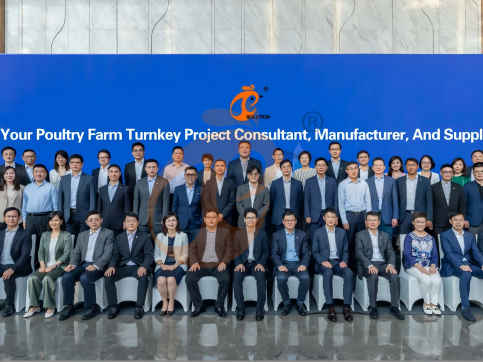
Hong Kong Headquarter Management Team
Hong Kong Headquarter Taiyu Industrial Group CO., LTD
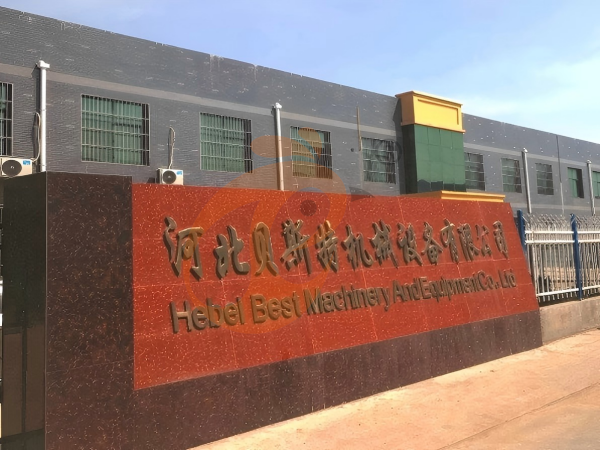
China Hebei Best Machinery And Equipment CO., LTD
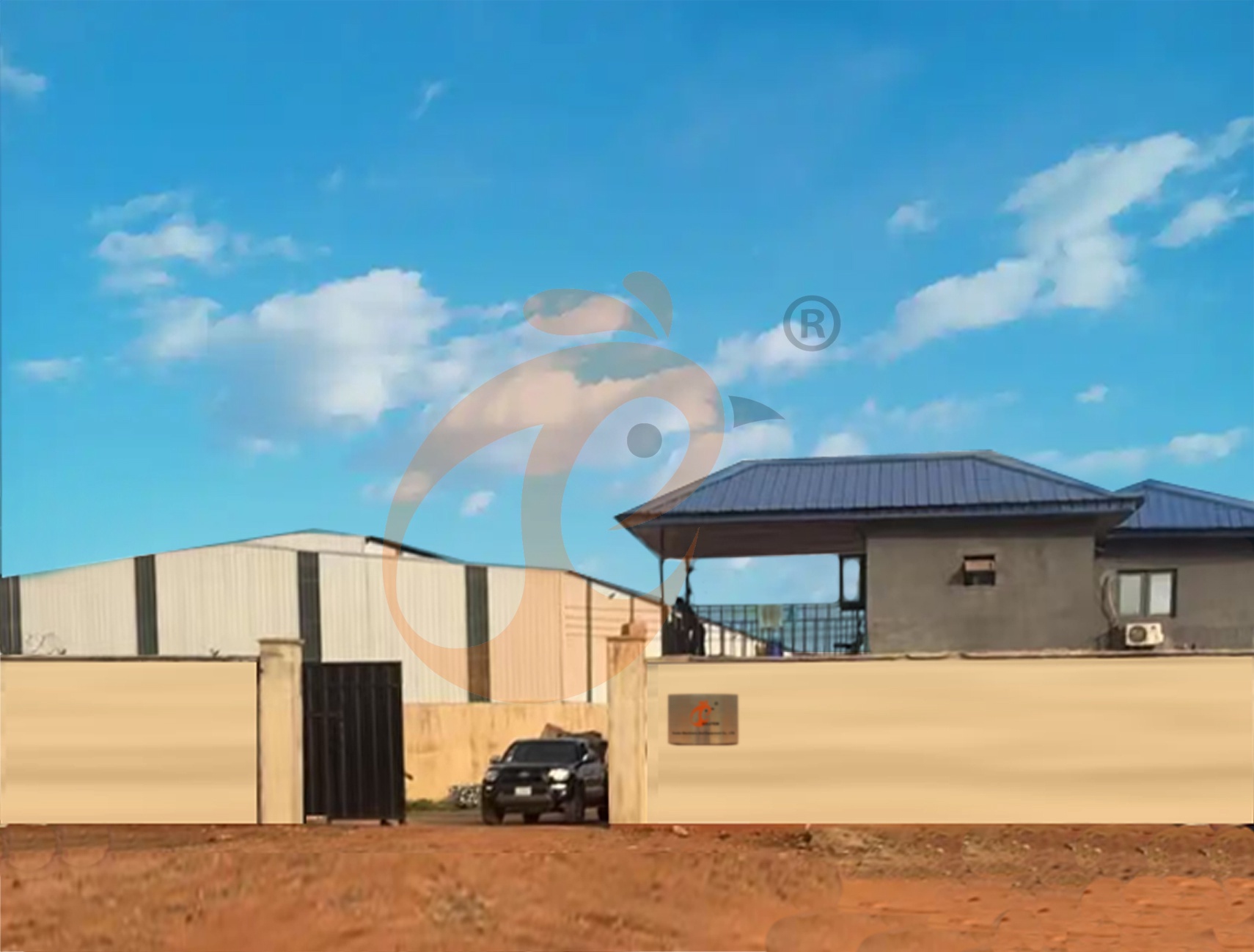
Nigeria Vanke Machinery And Equipment CO., LTD
Tanzania Best Machinery And Equipment CO., LTD
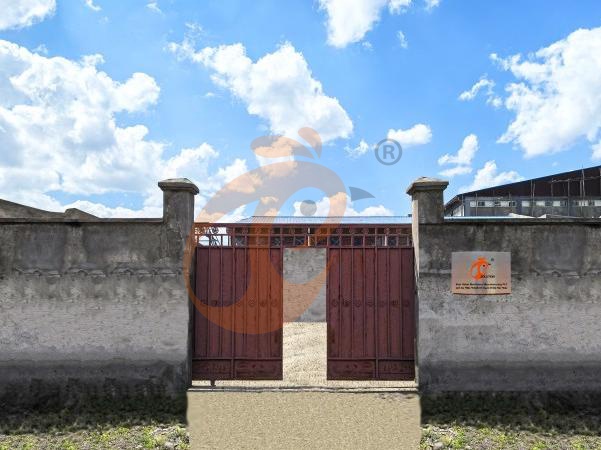
Ethiopia Best Hebei Machinery Manufacturing PLC




Reception /24 WhatsApp NO. : +8618830120193
FAQ
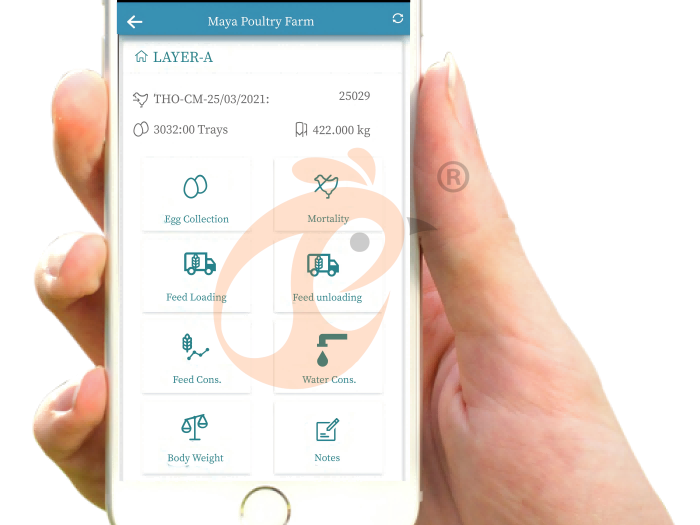
How To Reduce Labor Costs In Chicken Cage Farms With Automation?
Save ~70-90% labor per house while maintaining egg production at 90–98%.
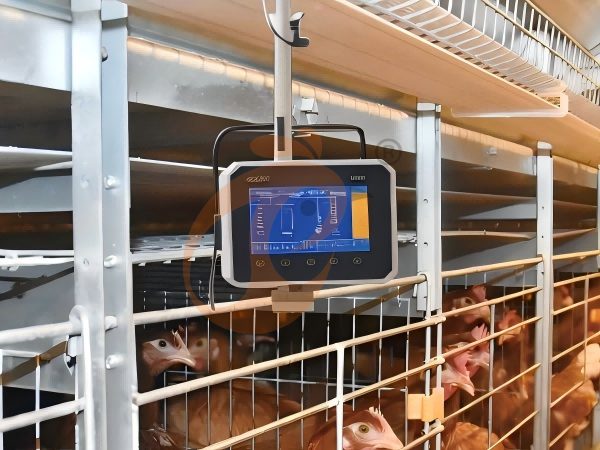
Use monitoring systems to track flock health and production in real-time.
What Are The Ultimate Guidelines For Layer Cage Farm Hygiene And Biosecurity?
Regularly clean drinkers, egg belts, and cage surfaces.
Egg production: 90–98%, mortality: 2–3%.
What Are The Top Professional Tips For Egg Collection Efficiency In Poultry Cage Farms?
Each belt can transport 4,000–6,000 eggs per hour, reducing manual handling.
Regularly clean conveyors; breakage rate can be maintained at 2–3%.
- poultry farm
- chicken cage
- poultry cage
- cage
- galvanized cage
- poultry farm equipment
- poultry farm construction
- poultry cage system
- chicken cage system
- chicken cage supplier
- poultry cage solution
- poultry cage structure
- poultry housing system
- chickencage
- bestchickencage
- cage system
- galvanized chicken cage
- galvanized cages
- cage systems
- Nigeria
- layer farm
- poultry cage systems
- poultry housing systems
- cage supplier
- galvanized poultry cage
- poultry cage solutions
- poultry farm plan
- Ethiopia
Message
Products recommended
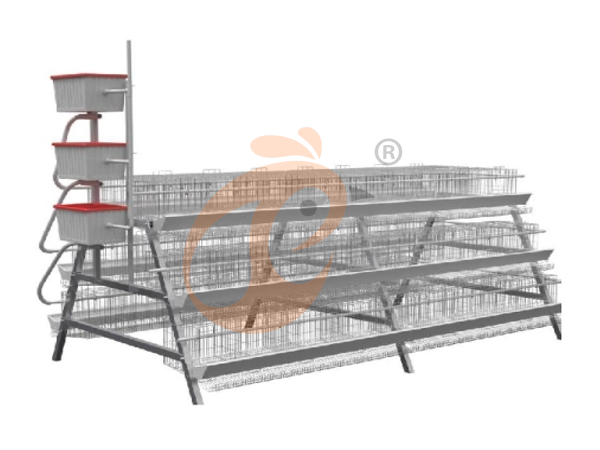
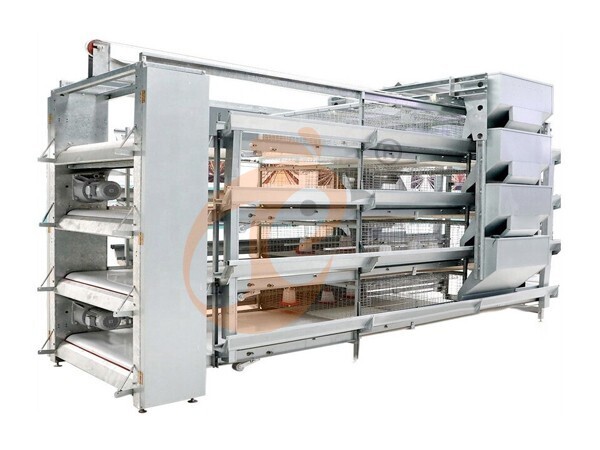
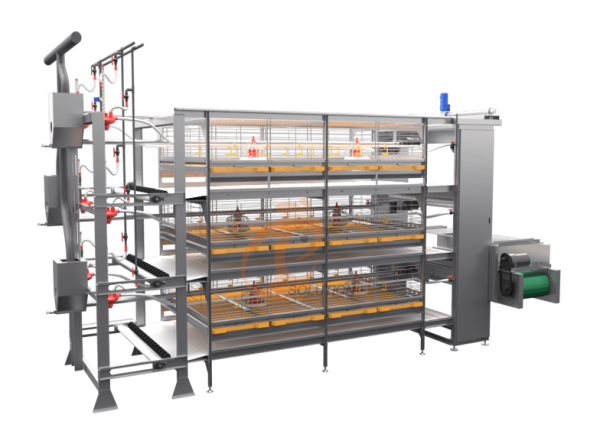
 >30,000 Pullets Automatic H Type Battery Cage1. More than 30,000 pullets a house, choose it.
2. It is designed to rearing older than 1 day old pullets to 12 to 16 weeks old chicken starting laying eggs.
3. Its lifespan is more than 25 years.
4. Its structure are Vcloud artificial intelligent fusion, electric control cabinet, automatic equipment of drinking, feeding, manure clean, manual harvesting.
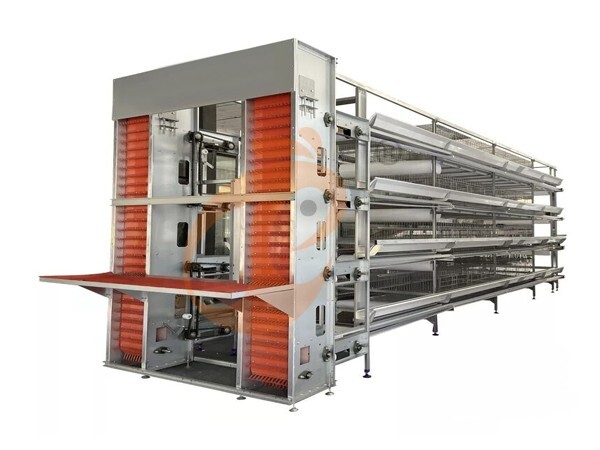
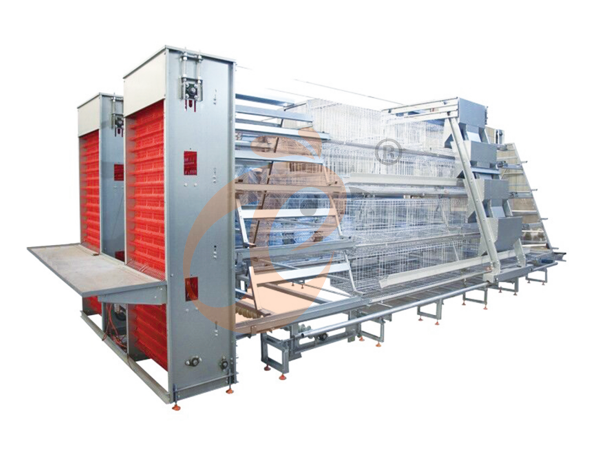
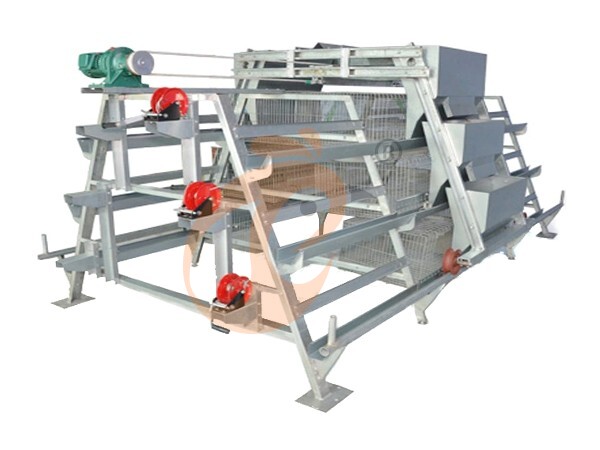
5. Our 24 hour online reception What’sApp NO. is +8618830120193 <30,000 Pullets Automatic A Type Battery Cage1. 10,000 to 30,000 pullets a house, choose it.
2. It is designed to rearing older than 1 day old pullets to 12 to 16 weeks old chicken starting laying eggs.
3. Its lifespan is more than 25 years.
4. Its structure are Vcloud artificial intelligent fusion, electric control cabinet, automatic equipment of drinking, feeding, manure clean, manual harvesting.
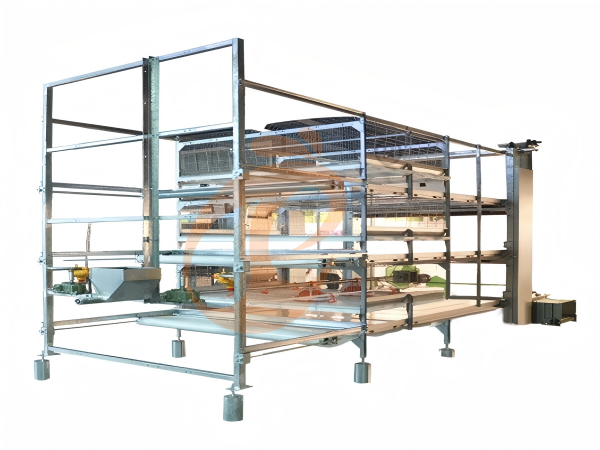
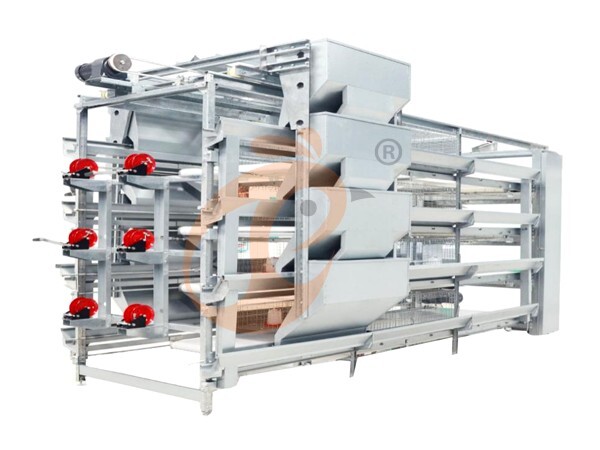
5. Our 24 hour online reception What’sApp NO. is +86 18830120193. >30,000 Broilers Semi-Automatic Harvest H Type Battery Cage1. More than 30,000 broilers a house, choose it.
2. It is designed to rearing 1 to 45 day old adult broiler ready for market.
3. Its lifespan is more than 20 years.
4. Our 24 hour online reception What’sApp NO. is +8618830120193, +234 8111199996. >30,000 Broilers Manual Harvest H Type Battery Cage1. More than 30,000 broilers a house, choose it.
2. It is designed to rearing 1 to 45 day old adult broiler ready for market.
3. Its lifespan is more than 20 years.
4. Its structure are Vcloud artificial intelligent fusion, electric control cabinet, automatic equipment of drinking, feeding and manure clean, manual harvesting.
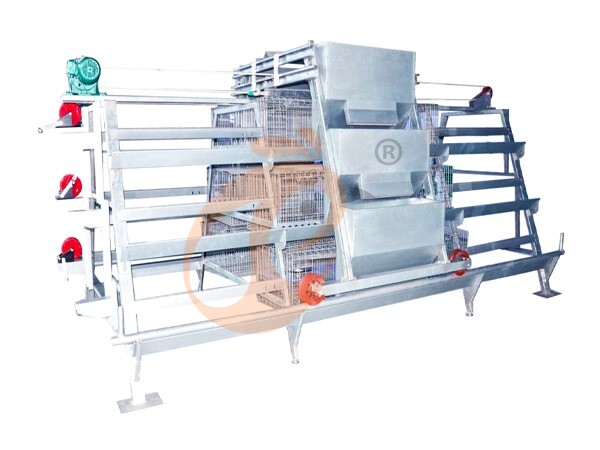
5. Our 24 hour online reception What’sApp NO. is +8618830120193, +234 8111199996. <30,000 Broilers Manual Harvest A Type Battery Cage1. Less 30,000 broilers a house, choose it.
2. It is designed to rearing 1 to 45 day old adult broiler ready for market.
3. Its lifespan is more than 20 years.
4. Its structure are Vcloud artificial intelligent fusion, electric control cabinet, automatic equipment of drinking, feeding and manure clean, manual harvesting.
5. Our 24 hour online reception What’sApp NO. is +8618830120193, +234 8111199996. HK Headquarter Offers EU-standard Poultry Farm Solutions, Manufacture Poultry Farm Equipment1. Continuous communication with the EU and the US
2. China, Nigeria, Ethiopia, Tanzania branch companies and factories
3. The products’ quality is customized for local poultry farms
4. Poultry cage and poultry farm equipment stock for sale
5. 24 online reception Whatsapp NO. : +8618830120193,contact us to get full information China Branch Offer Poultry Farm Business Plan, Manufacture Poultry Farm Equipment1. Address: Flat/RM 2416, 24/F, Runxing Building, Youyi Nan Street, Shijiazhuang City, Hebei Province, China
2. Poultry cage and poultry farm equipment factory and stock for sale
3. Customized for local poultry farms
4. Quality and design are based on Euro
5. 24 online reception Whatsapp NO. : +8618830120193 Nigeria Branch Offer Poultry Farm Business Plan, Manufacture Poultry Farm Equipment1. Address: After Sinoma Office, 200 Meters Near Danco Filling Station, Lagos/Ibadan Expressway, Lagos State, Nigeria
2. Poultry cage and poultry farm equipment factory and stock for sale
3. Customized for Nigerian poultry farms
4. Quality and design are based on Euro
5. 24 online reception Whatsapp NO. : +8618830120193 Ethiopia Branch Offer Poultry Farm Business Plan, Manufacture Poultry Farm Equipment1. Address: WR93+FQ2, Addis Ababa, Ethiopia
2. Poultry cage and poultry farm equipment stock for sale
3. Customized for Ethiopian poultry farms
4. Quality and design are based on Euro
5. 24 online reception Whatsapp NO. : +8618830120193, contact us to get price list Tanzania Branch Offer Poultry Farm Business Plan, Manufacture Poultry Farm Equipment1. Address: No.8, Sova Road, Msufini, Mlandizi, Kibaha, Pwani, Tanzania
2. Poultry cage and poultry farm equipment factory and stock for sale
3. Customized for Tanzanian poultry farms
4. Quality and design are based on Euro
5. 24 online reception Whatsapp NO. : +8618830120193



Contact
By clicking 'Allow All', you agree to the storage of cookies on your device to enhance site navigation, analyze site usage and assist with our marketing efforts.