


Blog
Commercial layer farming requires accurate cage density calculation for stable egg production and controlled operating costs.
A-type battery cage systems improve poultry house capacity, simplify feeding management, increase egg collection efficiency, support automated poultry equipment integration, and reduce labor input.
Proper stocking density inside layer chicken cage systems directly affects ventilation performance, feed conversion ratio, eggshell quality, mortality percentage, and daily egg output.
Scientific cage allocation standards help poultry farms maintain long production cycles with balanced flock health.
Correct density planning also supports modern poultry farming investment optimization and long-term commercial egg farm profitability.
Get professional poultry farm construction guidance, equipment selection solutions, and the latest price lists, whatsApp to +8618830120193, click to learn more:
What Is An A-Type Battery Cage?
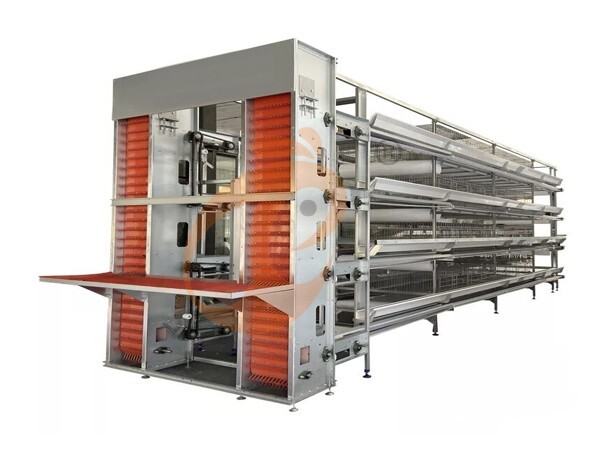
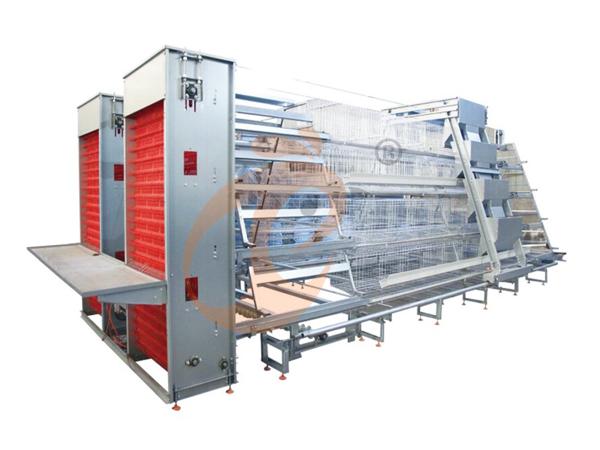
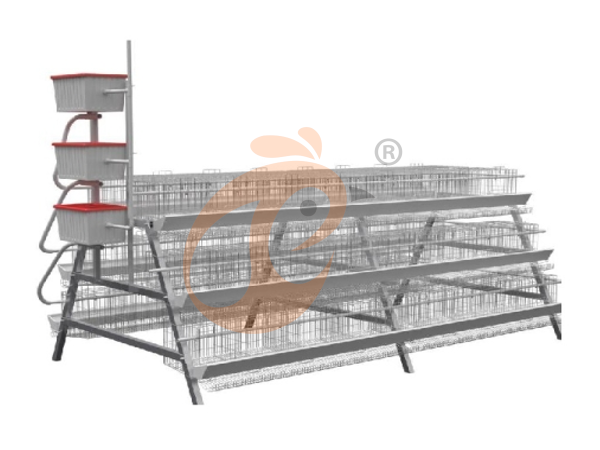
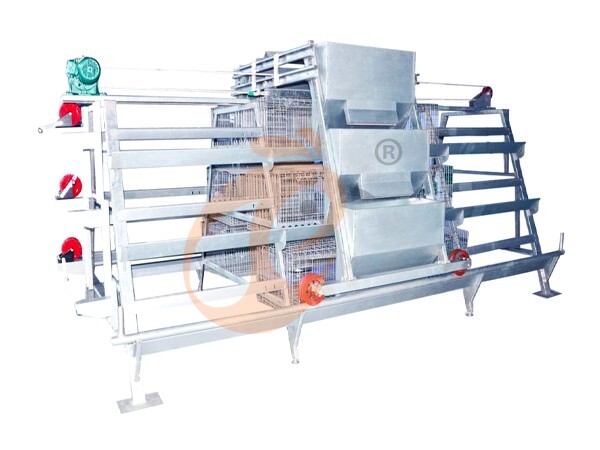
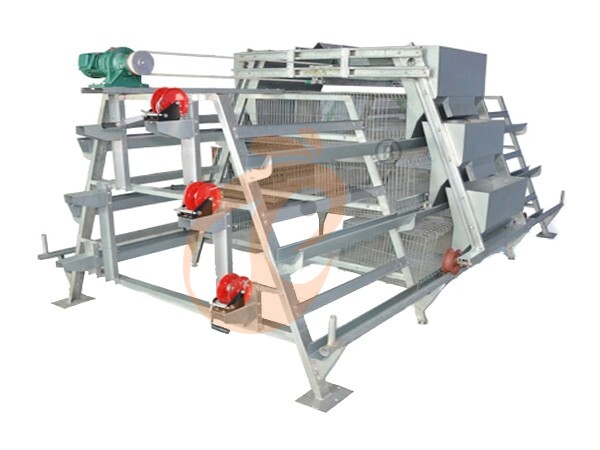
An A-type battery cage is a sloped cage system arranged like the letter ''A.''
Feed troughs and water lines are installed along the front of the cages, while manure falls beneath the system for easier cleaning.
These systems are commonly used for
Commercial egg production farms with medium and large flock capacity
Tropical poultry houses requiring natural airflow circulation design
Layer farming projects using semi-automatic feeding and watering systems
Poultry farm expansion projects focused on production efficiency optimization
Integrated poultry farming operations using automated poultry equipment
Data is for reference only.Swipe horizontally to view full table.
The correct stocking quantity depends on bird weight, ventilation quality, environmental temperature, and poultry cage layout design.
Understanding Stocking Density
Stocking density refers to the available cage area for each hen.
- A cage measuring 43 cm × 38 cm provides 1,634 cm² total floor space
- If 4 hens are placed inside, each bird receives approximately 408–418 cm²
- Cage allocation directly affects airflow movement and feeding accessibility
The difference directly affects movement, feeding access, body temperature control, and egg production stability inside commercial layer cage systems.
Recommended Space Allocation For Layer Hens
Commercial poultry farms usually calculate density according to the age and body weight of the birds.
Data is for reference only.Swipe horizontally to view full table.
Farmers should always calculate cage allocation according to the mature weight of the flock rather than chick size.
Why Proper Cage Density Matters
Layer hens spend almost the entire production cycle inside poultry cage systems.
Even small space adjustments can influence flock performance during long laying periods.
A properly balanced cage environment improves:
- Uniform feed distribution throughout the cage row
- Stable airflow movement between cage compartments
- Cleaner feather condition during peak laying periods
- Better eggshell consistency during summer production
- Reduced physical stress during daily feeding activity
- More efficient operation inside automated poultry farming systems
When cages become crowded, body heat accumulation rises rapidly during summer production periods.
Data is for reference only.Swipe horizontally to view full table.
Inside a poorly ventilated poultry house, excess body heat can increase cage temperature several degrees above ambient temperature.
Practical Tip: Match Cage Density With Breed Size
Different layer breeds have different body structures and feed consumption rates.
White Leghorns are smaller and lighter than many brown commercial hybrids.
Using the same density standard for both breeds can reduce production efficiency.
Data is for reference only.Swipe horizontally to view full table.
Larger birds require more feeder space and generate more metabolic heat inside layer chicken cage systems.
Practical Tip: Adjust Density According To Climate
Climate has a direct effect on poultry farming management.
In tropical poultry houses, birds consume less feed during hot periods.
Overcrowding further reduces feed intake because birds struggle to release body heat.
Data is for reference only.Swipe horizontally to view full table.
Reducing cage density during hot seasons helps maintain airflow around birds and stabilizes laying performance.
Poultry Science Corner
Data is for reference only.Swipe horizontally to view full table.
Proper ventilation and stocking density operate together inside modern poultry equipment systems.
Practical Tip: Monitor Feeding Space Carefully
Even when cage area looks sufficient, inadequate feeder space creates competition between hens.
Smaller birds often receive less feed when feeder access becomes restricted.
Data is for reference only.Swipe horizontally to view full table.
Uniform feed access helps maintain stable body weight across the flock.
When body weights become uneven, egg sizes also become inconsistent.
Practical Tip: Maintain Correct Drinker Distribution
Water availability becomes increasingly important as laying percentage rises.
Commercial layer hens produce eggs containing nearly 65% water, making continuous hydration essential.
Data is for reference only.Swipe horizontally to view full table.
Water pressure should remain stable throughout the poultry house to avoid unequal water access between cages.
Practical Tip: Monitor Production Data Weekly
Successful poultry farmers rely on measurable production records instead of visual estimation alone.
Tracking weekly data allows poultry farms to identify density-related problems before major losses occur.
Data is for reference only.Swipe horizontally to view full table.
Consistent record keeping transforms poultry management from estimation into measurable production control.
The Relationship Between Density And Eggshell Quality
Eggshell formation depends heavily on calcium metabolism and stable feed intake.
Overcrowded hens often consume feed irregularly during hot afternoons.
Reduced feed intake decreases nighttime calcium availability during shell formation.
Data is for reference only.Swipe horizontally to view full table.
Even small shell thickness differences can influence breakage percentage during transportation.
Ventilation And Ammonia Control
Cage density also affects manure moisture and ammonia concentration.
When bird quantities increase, manure accumulation accelerates rapidly inside poultry houses.
Data is for reference only.Swipe horizontally to view full table.
Good ventilation systems remove excess moisture and maintain cleaner air inside poultry farming buildings.
Economic Impact Of Correct Stocking Density
Many poultry farms focus only on bird quantity inside production houses.
Actual profitability depends on long-term production efficiency and operational stability.
Equipment investment for automated poultry equipment and environmental control systems generally ranges from $8,000 to $50,000 according to farm scale.
European union standard reference only.
Data is for reference only.Swipe horizontally to view full table.
Higher cage density may initially appear profitable, but lower production efficiency often increases operational cost per egg.
Common Density Management Mistakes
Several management problems repeatedly appear in commercial layer farms.
These include:
- Mixing different bird sizes inside one cage
- Using incorrect feeder height
- Poor airflow distribution
- Delayed manure removal
- Uneven water pressure
Data is for reference only.Swipe horizontally to view full table.
Small technical problems frequently combine into larger production losses over time.
Future Trends In Layer Cage Farming
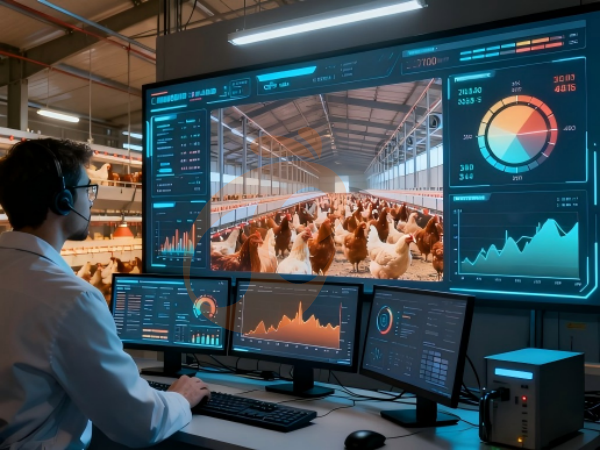
Modern poultry farms increasingly use automated environmental control systems.
New-generation poultry farming projects now integrate:
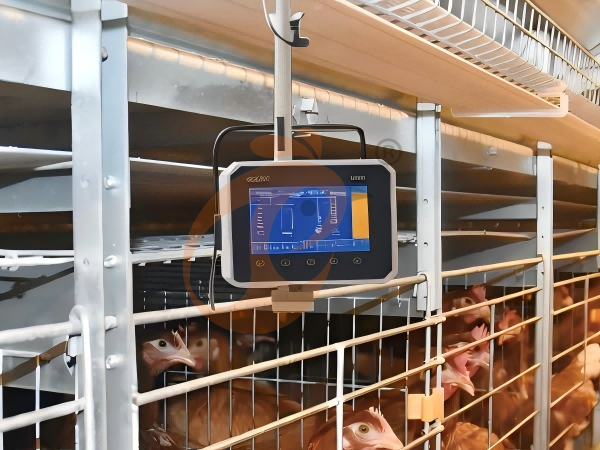
- Temperature sensors connected with climate monitoring software
- Automated fans supporting stable airflow inside long poultry houses
- Feed monitoring systems reducing material waste during daily operation
- Water flow meters maintaining uniform drinking line pressure stability
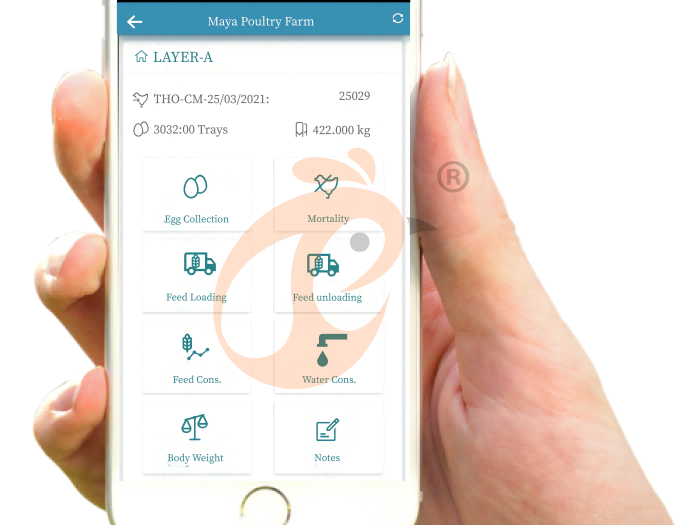
- Egg counting software improving commercial production data management
- Climate-controlled poultry equipment supporting intensive poultry farming capacity
Some smart poultry houses can detect abnormal flock movement patterns through camera systems and artificial intelligence technologies.
Future poultry farming facilities may resemble precision-controlled biological production centers equipped with automated ventilation tunnels, synchronized feeding systems, and digital flock management platforms.
Frequently Asked Questions
Q1: What is the best cage density for commercial layer farming?
Commercial layer farming generally uses 400–500 cm² per bird according to breed size, ventilation performance, and climate conditions.
Brown layers usually require larger cage space than white egg layers because of higher mature body weight.
Q2: How does overcrowding affect egg production?
Overcrowding increases heat accumulation, reduces feed intake, and limits feeder access.
Egg production percentage, eggshell thickness, and feed conversion ratio often decline under excessive cage density conditions.
Q3: Can automated poultry equipment improve density management?
Automated poultry equipment improves airflow distribution, feed delivery consistency, water supply stability, and manure removal efficiency.
These systems help poultry farms maintain more stable environmental conditions inside high-capacity poultry houses.
Taiyu (HK) Group - One Of China Largest A Type Battery Cage Supplier
A-type battery cage systems support high-density commercial layer farming with stable structural durability
Factory direct poultry equipment solutions reduce transportation and procurement management complexity
Integrated poultry cage systems support automated feeding, drinking, and manure removal operations
Professional Turn-key poultry farm construction services include layout planning and technical installation guidance
International export experience supports commercial poultry farming projects across multiple global markets
Contact Us To Received Your Customized Poultry Farm Plan
Headquarters And Branchs
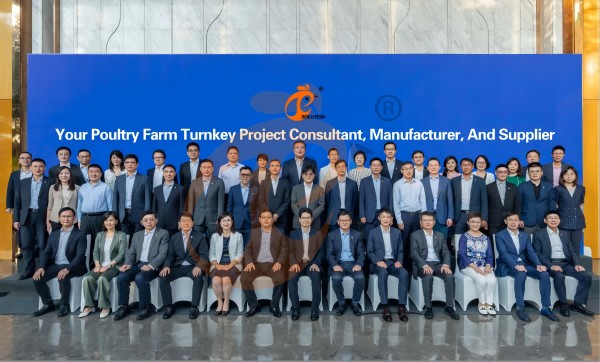
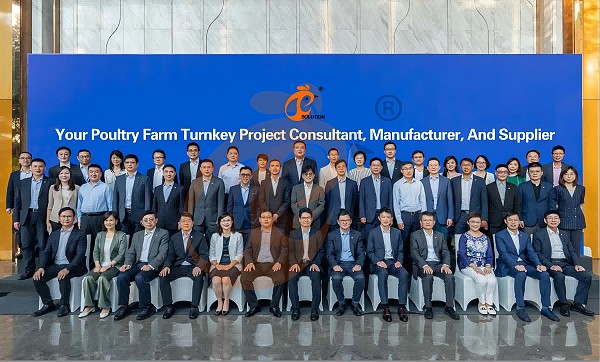
Hong Kong Headquarter Management Team
Hong Kong Headquarter Taiyu Industrial Group CO., LTD
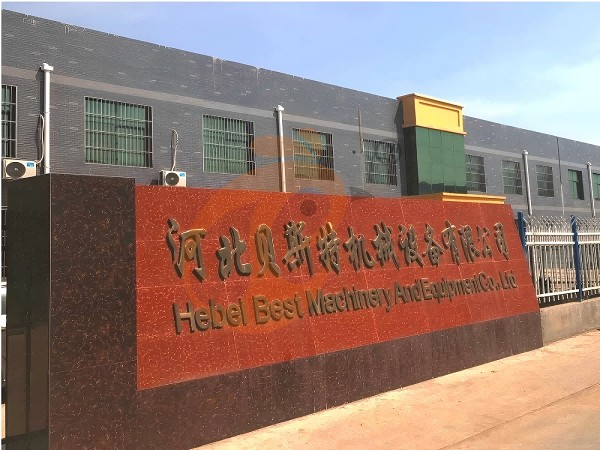
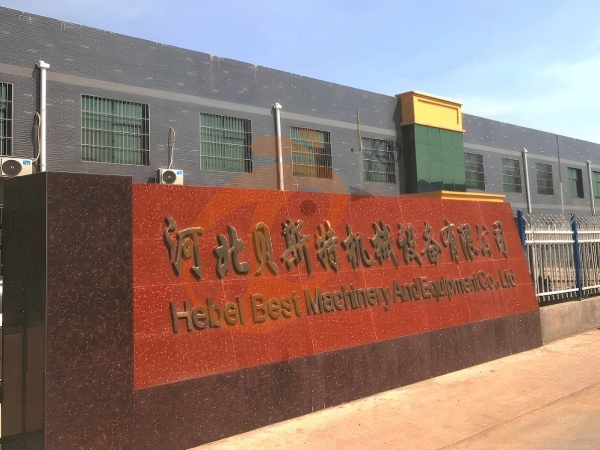
China Hebei Best Machinery And Equipment CO., LTD
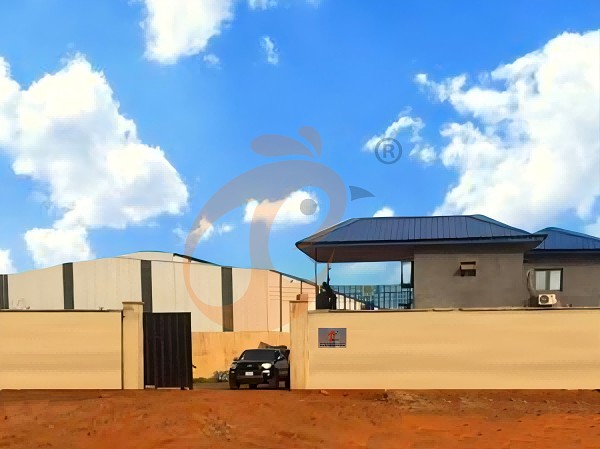
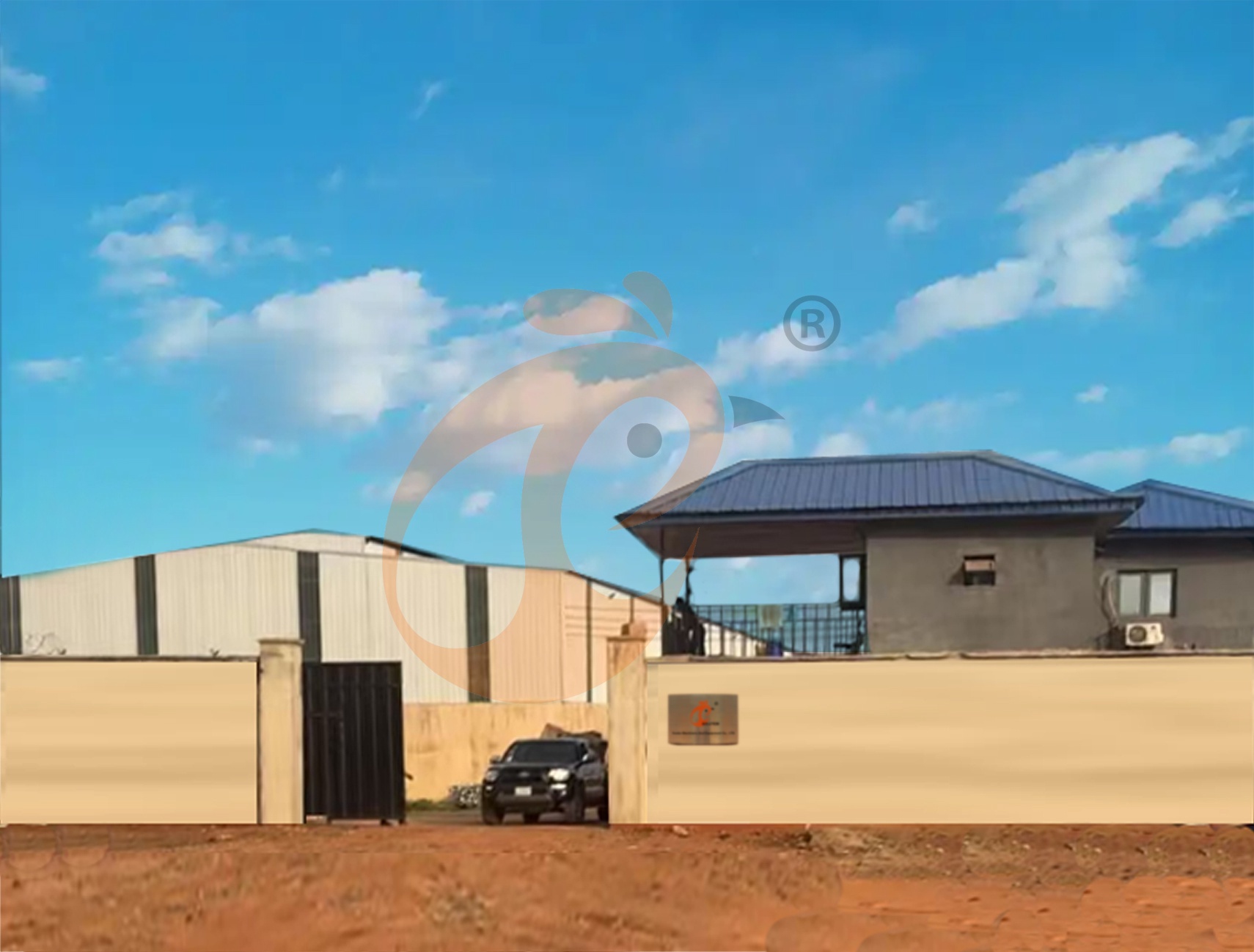
Nigeria Vanke Machinery And Equipment CO., LTD
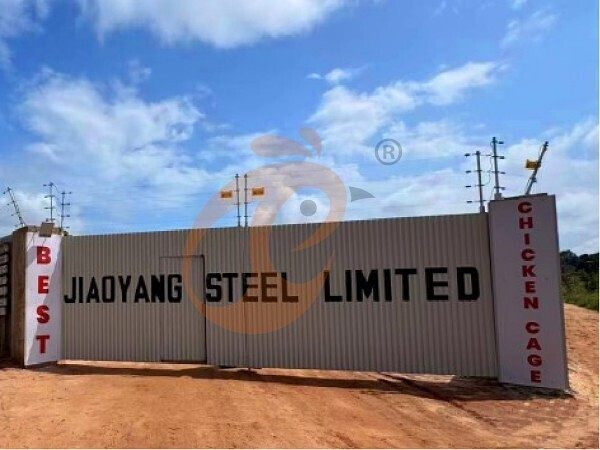
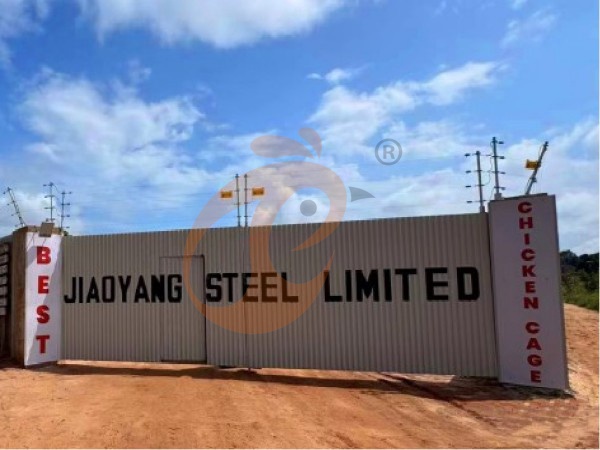
Tanzania Best Machinery And Equipment CO., LTD
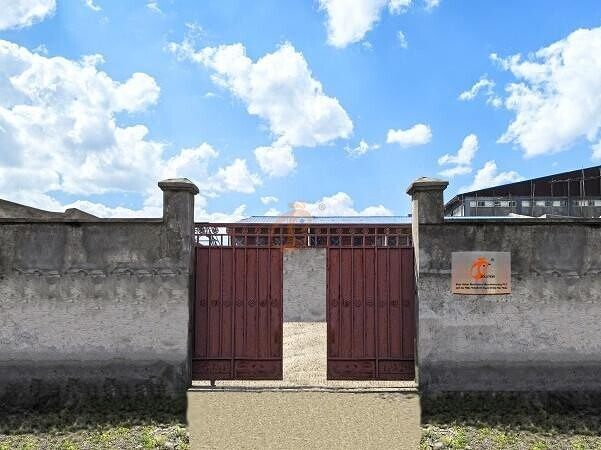
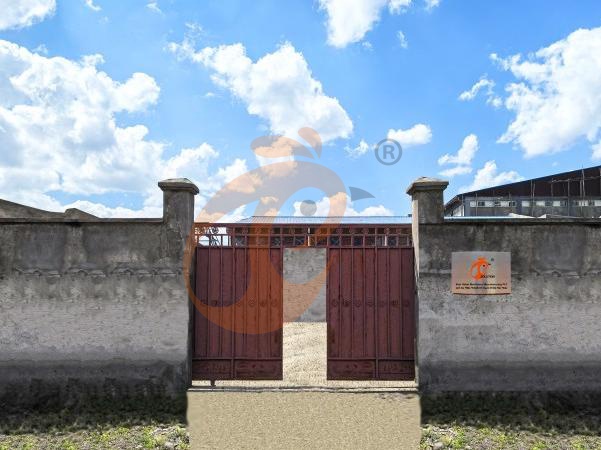
Ethiopia Best Hebei Machinery Manufacturing PLC
Reception /24 WhatsApp NO. : +8618830120193
FAQ
What Are The Advantages Of A-Type Poultry Cage For Medium-Sized Farms?
Farm capacity per house: 10,000–50,000 birds
Egg production rate: 90–96%
FCR: 1.9–2.2
Labor savings: 50–70%
How To Reduce Egg Breakage Rate In A-Type Layer Cage Farms?
Control conveyor speed
Egg breakage rate <1%
Daily egg yield: 900–960 eggs/1,000 birds
Egg production rate: 90–96%
How To Improve Egg Production Stability In A-Type Layer Cage System?
Scheduled feeding and drinking
Temperature 20–25°C, humidity 50–60%
Egg production rate: 90–96%
FCR: 1.9–2.2
- battery cage
- battery cage system
- poultry farmers
- poultry farm
- chicken cage
- poultry farms
- poultry farmer
- layer cage
- poultry house
- poultry cage
- cage
- poultry farm construction
- battery cage supplier
- layer cage system
- poultry cage layout
- poultry cage system
- chicken cage system
- poultry equipment
- hen cage
- a type battery cage
- hen cages
- chickencage
- bestchickencage
- cage system
- cage systems
- h cage
- layer chicken cage
- Nigeria
- automated poultry farm
- layer farm
- commercial egg farm
- egg production farm
- layer chicken cage system
- modern poultry farms
- commercial poultry farms
- poultry farming
- automated poultry farming system
- automated poultry equipment
- poultry cage systems
- poultry cage layout design
- cage supplier
- poultry farm construction services
- layer cage farming
- modern poultry farm
- modern poultry farming
- poultry farm plan
- poultry farming system
- Ethiopia
Message
Products recommended
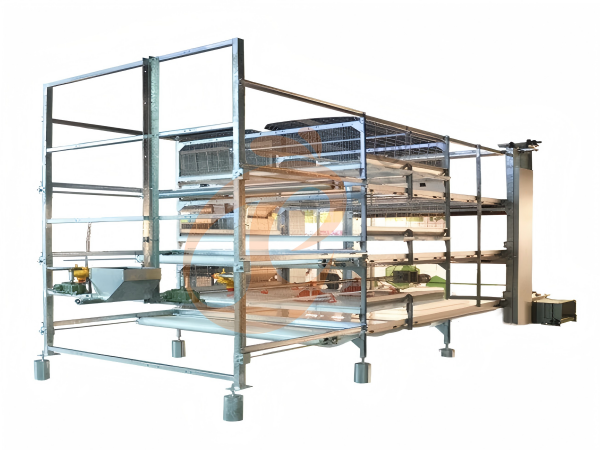
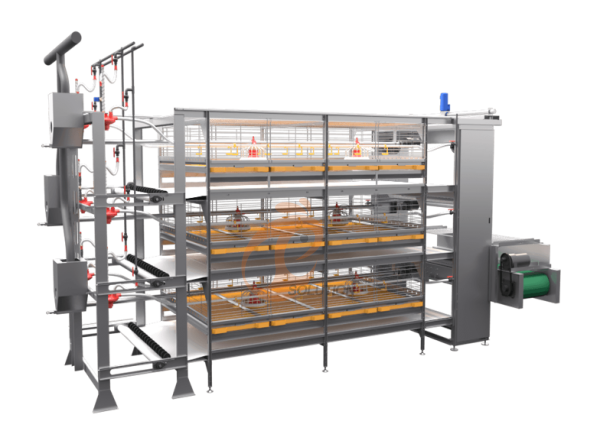
 >30,000 Pullets Automatic H Type Battery Cage1. More than 30,000 pullets a house, choose it.
2. It is designed to rearing older than 1 day old pullets to 12 to 16 weeks old chicken starting laying eggs.
3. Its lifespan is more than 25 years.
4. Its structure are Vcloud artificial intelligent fusion, electric control cabinet, automatic equipment of drinking, feeding, manure clean, manual harvesting.
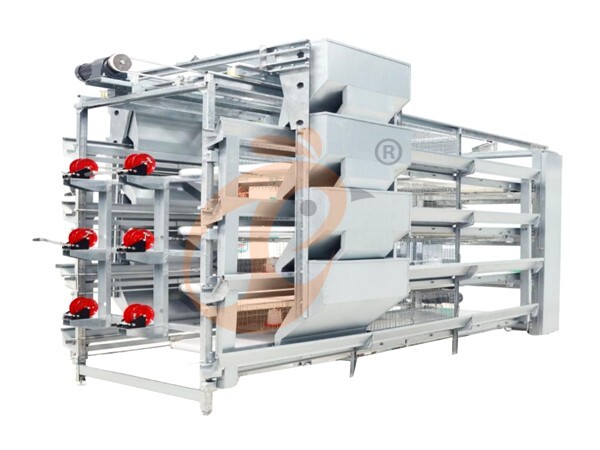
5. Our 24 hour online reception What’sApp NO. is +8618830120193 <30,000 Pullets Automatic A Type Battery Cage1. 10,000 to 30,000 pullets a house, choose it.
2. It is designed to rearing older than 1 day old pullets to 12 to 16 weeks old chicken starting laying eggs.
3. Its lifespan is more than 25 years.
4. Its structure are Vcloud artificial intelligent fusion, electric control cabinet, automatic equipment of drinking, feeding, manure clean, manual harvesting.
5. Our 24 hour online reception What’sApp NO. is +86 18830120193. >30,000 Broilers Semi-Automatic Harvest H Type Battery Cage1. More than 30,000 broilers a house, choose it.
2. It is designed to rearing 1 to 45 day old adult broiler ready for market.
3. Its lifespan is more than 20 years.
4. Our 24 hour online reception What’sApp NO. is +8618830120193, +234 8111199996. >30,000 Broilers Manual Harvest H Type Battery Cage1. More than 30,000 broilers a house, choose it.
2. It is designed to rearing 1 to 45 day old adult broiler ready for market.
3. Its lifespan is more than 20 years.
4. Its structure are Vcloud artificial intelligent fusion, electric control cabinet, automatic equipment of drinking, feeding and manure clean, manual harvesting.
5. Our 24 hour online reception What’sApp NO. is +8618830120193, +234 8111199996. <30,000 Broilers Manual Harvest A Type Battery Cage1. Less 30,000 broilers a house, choose it.
2. It is designed to rearing 1 to 45 day old adult broiler ready for market.
3. Its lifespan is more than 20 years.
4. Its structure are Vcloud artificial intelligent fusion, electric control cabinet, automatic equipment of drinking, feeding and manure clean, manual harvesting.
5. Our 24 hour online reception What’sApp NO. is +8618830120193, +234 8111199996. HK Headquarter Offers EU-standard Poultry Farm Solutions, Manufacture Poultry Farm Equipment1. Continuous communication with the EU and the US
2. China, Nigeria, Ethiopia, Tanzania branch companies and factories
3. The products’ quality is customized for local poultry farms
4. Poultry cage and poultry farm equipment stock for sale
5. 24 online reception Whatsapp NO. : +8618830120193,contact us to get full information China Branch Offer Poultry Farm Business Plan, Manufacture Poultry Farm Equipment1. Address: Flat/RM 2416, 24/F, Runxing Building, Youyi Nan Street, Shijiazhuang City, Hebei Province, China
2. Poultry cage and poultry farm equipment factory and stock for sale
3. Customized for local poultry farms
4. Quality and design are based on Euro
5. 24 online reception Whatsapp NO. : +8618830120193 Nigeria Branch Offer Poultry Farm Business Plan, Manufacture Poultry Farm Equipment1. Address: After Sinoma Office, 200 Meters Near Danco Filling Station, Lagos/Ibadan Expressway, Lagos State, Nigeria
2. Poultry cage and poultry farm equipment factory and stock for sale
3. Customized for Nigerian poultry farms
4. Quality and design are based on Euro
5. 24 online reception Whatsapp NO. : +8618830120193 Ethiopia Branch Offer Poultry Farm Business Plan, Manufacture Poultry Farm Equipment1. Address: Gelan Gura, Akaki-kaliti Sub City, Addis Ababa, Ethiopia
2. Poultry cage and poultry farm equipment stock for sale
3. Customized for Ethiopian poultry farms
4. Quality and design are based on Euro
5. 24 online reception Whatsapp NO. : +8618830120193, contact us to get price list Tanzania Branch Offer Poultry Farm Business Plan, Manufacture Poultry Farm Equipment1. Address: No.8, Sova Road, Msufini, Mlandizi, Kibaha, Pwani, Tanzania
2. Poultry cage and poultry farm equipment factory and stock for sale
3. Customized for Tanzanian poultry farms
4. Quality and design are based on Euro
5. 24 online reception Whatsapp NO. : +8618830120193


Contact