


Blog
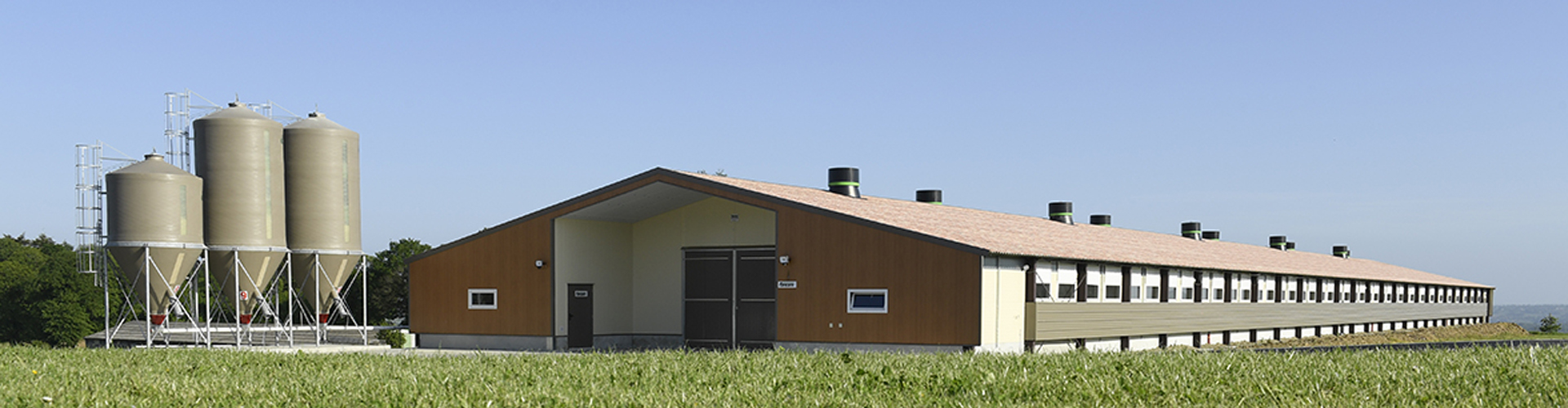
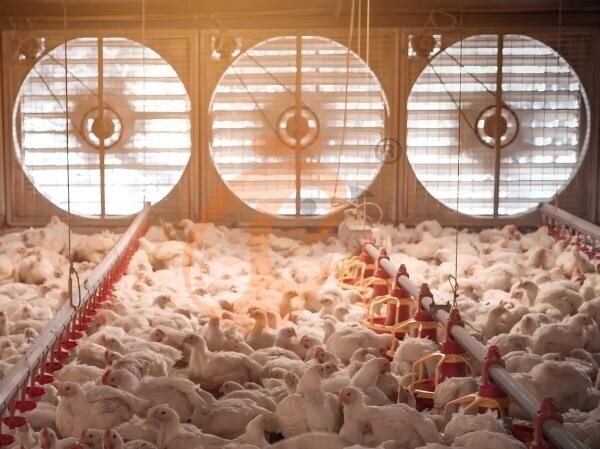
Deep litter poultry biosecurity integrates ventilation control, litter management, pathogen reduction, and structural hygiene engineering for intensive chicken production systems.
Five essential protection measures include moisture regulation, access restriction, microbial surveillance, pest exclusion, and scheduled litter replacement cycles.
Ammonia concentration, ventilation airflow rate, stocking density, and litter moisture percentage determine pathogen survival and production stability outcomes.
Bedding material selection, fermentation dynamics, and thermal balance influence gas emission levels and microbial activity inside poultry housing systems.
Integrated biosecurity engineering improves feed efficiency, reduces disease transmission pressure, and stabilizes long-term poultry production performance systems.
Get professional poultry farm construction guidance, equipment selection solutions, and the latest price lists, whatsApp to +8618830120193, click to learn more:
Understanding Deep Litter Poultry Housing
A deep litter system uses absorbent organic materials spread across the poultry house floor.
The bedding layer gradually accumulates manure while microbial fermentation decomposes organic waste.
The litter depth normally ranges from 8 cm to 15 cm in broiler houses and may exceed 20 cm in long-cycle layer systems.
Data is for reference only.Swipe horizontally to view full table.
Rice husk remains one of the most commonly used materials in tropical poultry regions because it absorbs approximately 2.5 times its dry weight in water while
maintaining relatively stable surface texture.
Different bedding materials affect airflow resistance, water absorption, and microbial activity.
Why Biosecurity Is Critical In Deep Litter Systems
Deep litter poultry houses contain heat, humidity, organic waste, and animal traffic.
These conditions create an ideal environment for bacterial survival if hygiene standards decline.
Pathogens such as Salmonella enterica, Escherichia coli, Campylobacter jejuni, and Clostridium perfringens can survive inside litter for several weeks depending on moisture level and temperature.
Scientific monitoring in commercial broiler facilities indicates that litter temperatures between 28°C and 36°C accelerate bacterial multiplication when moisture exceeds 30%.
At ammonia concentrations above 25 ppm, poultry respiratory tissue becomes more vulnerable to infection, reducing disease resistance and feed intake efficiency.
Data is for reference only.Swipe horizontally to view full table.
Maintaining strict biosecurity therefore becomes essential for stable poultry production performance.
Protection Measure Moisture Management System
Moisture control is the most important factor in deep litter biosecurity.
Excessive litter moisture increases ammonia release, accelerates bacterial growth, and damages paw quality in broilers.
Field measurements from commercial farms show that every 5% increase in litter moisture may raise ammonia emission by approximately 6–9 ppm under poor ventilation conditions.
Water leakage commonly occurs around nipple drinkers, pressure regulators, and pipe connections.
Routine inspection should be performed at least twice daily during high-density production cycles.
Data is for reference only.Swipe horizontally to view full table.
Fresh bedding should be added immediately when wet areas exceed 0.5 square meters near drinking lines.
In tunnel-ventilated poultry houses, airflow speed between 2.0 and 2.8 m/s helps reduce moisture accumulation during warm seasons.
European union standard reference only
Poultry Science Insight Fermentation System
Deep litter systems rely on microbial fermentation to break down manure and organic waste.
Beneficial bacteria convert nitrogen compounds into less harmful forms while generating heat through biological activity.
This process can naturally raise litter temperature by 4–10°C above surrounding floor temperature.
Controlled fermentation supports better floor dryness during colder periods.
However, oxygen deficiency inside compacted litter may trigger anaerobic decomposition, producing harmful gases such as hydrogen sulfide and methane.
Data is for reference only.Swipe horizontally to view full table.
Regular litter turning improves oxygen penetration and supports more stable microbial balance.
Protection Measure Controlled Access Biosecurity
Human movement is one of the fastest disease transmission pathways in poultry production.
Boots, gloves, egg trays, transport cages, and maintenance tools can carry microorganisms between poultry houses.
Modern commercial farms often establish a ''three-zone'' entry structure consisting of an external area, sanitation room, and production zone.
Workers must change footwear and clothing before entering bird areas.
Data is for reference only.Swipe horizontally to view full table.
Disinfectant solutions should be replaced every 24 hours because organic contamination reduces chemical effectiveness.
Poultry farms with more than four houses should also assign separate equipment sets to each building to minimize cross-house contamination.
Proper Ventilation Respiratory Protection System
Ventilation controls humidity, oxygen level, airborne dust, and internal temperature.
Poor airflow rapidly increases ammonia accumulation and condensation inside poultry houses.
Broilers exposed to ammonia concentrations above 30 ppm for longer than seven days often show reduced daily weight gain and higher feed conversion ratios.
Continuous exposure may also damage tracheal tissue, increasing susceptibility to respiratory pathogens.
Data is for reference only.Swipe horizontally to view full table.
Ventilation systems should maintain consistent airflow distribution across the entire house length rather than concentrating airflow near exhaust fans only.
Protection Measure Microbial Monitoring System
Microbial monitoring allows farmers to identify contamination risks before disease symptoms appear.
Regular laboratory analysis provides measurable indicators for litter quality and sanitation performance.
Commercial poultry operations commonly perform bacterial culture testing once per production cycle and ammonia monitoring at least twice weekly.
Environmental sampling also helps evaluate cleaning effectiveness between flocks.
Data is for reference only.Swipe horizontally to view full table.
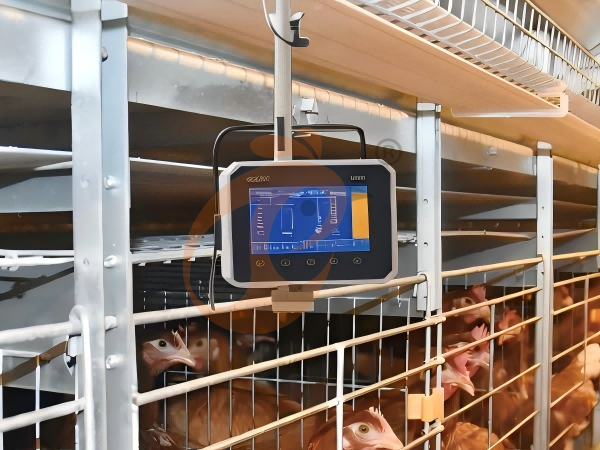
Digital ammonia sensors now allow real-time monitoring with automatic ventilation adjustment in many large-scale broiler facilities.
Beneficial Microorganism Application System
Not all microbes inside litter are harmful.
Certain beneficial bacteria improve decomposition efficiency and compete against disease-causing organisms.
For example, Bacillus subtilis produces enzymes that accelerate organic matter breakdown, while Lactobacillus species help reduce pH and inhibit harmful bacterial growth.
Some farms apply microbial additives at rates between 150 g and 300 g per 100 square meters to improve litter stability.
Data is for reference only.Swipe horizontally to view full table.
Balanced microbial activity can reduce litter odor intensity and support healthier poultry housing conditions.
Protection Measure Rodent And Bird Exclusion System
Rodents consume feed, damage wiring systems, and spread pathogens through droppings and urine.
A single rat may contaminate more than 10 kg of feed annually in poultry facilities.
Wild birds are also significant disease carriers because they may introduce avian influenza viruses, Newcastle disease organisms, and external parasites.
Open feed storage and structural gaps greatly increase contamination risk.
Data is for reference only.Swipe horizontally to view full table.
Rodent activity should be monitored weekly through bait consumption records and visual inspection.
Protection Measure Litter Removal And Disinfection System
Deep litter cannot remain indefinitely inside poultry houses.
Over time, organic saturation increases pathogen pressure and reduces litter absorption efficiency.
Complete litter replacement is normally required after each broiler flock cycle or after extended layer production periods.
Following litter removal, poultry house floors should be cleaned with pressurized water and disinfected thoroughly.
Data is for reference only.Swipe horizontally to view full table.
Research from commercial poultry integrations shows that maintaining a minimum 10-day downtime period can significantly reduce residual bacterial survival before new flock placement.
Economic Impact Biosecurity Performance System
Effective biosecurity improves both production efficiency and profitability.
Broiler farms maintaining stable litter quality commonly achieve feed conversion ratios between 1.50 and 1.68 depending on genetics and nutrition programs.
Lower disease incidence also reduces veterinary expenses and antibiotic consumption.
Commercial farms with controlled ammonia and moisture levels frequently report mortality rates below 4%.
Data is for reference only.Swipe horizontally to view full table.
Improved environmental stability directly supports higher flock uniformity and stronger market returns.
Common Biosecurity Operational Errors
Many disease outbreaks are linked to simple management failures rather than large technical problems.
Water leakage, overcrowding, delayed litter replacement, and inconsistent disinfection remain among the most frequent causes of litter deterioration.
Excessive stocking density also increases moisture production.
For broilers above 2.5 kg live weight, stocking densities exceeding 34 kg/m² significantly increase litter compaction and ammonia release.
Farm managers should maintain continuous staff training programs to ensure biosecurity procedures are applied consistently every day.
Future Intelligent Poultry Biosecurity Systems
Modern poultry farming is increasingly adopting precision environmental management systems.
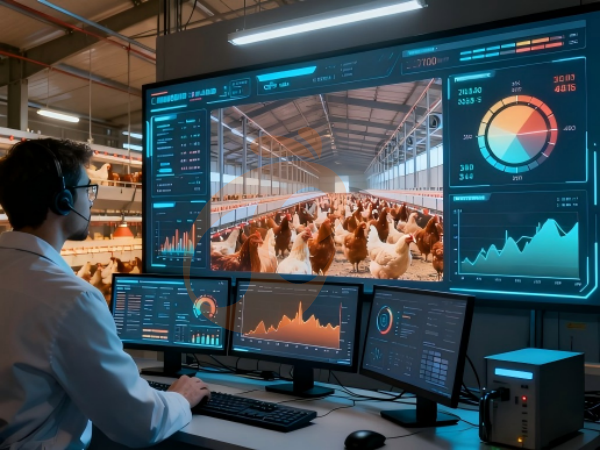
Real-time sensors now monitor ammonia concentration, humidity, water consumption, and ventilation performance continuously.
Artificial intelligence systems can analyze environmental data patterns and identify disease risks before visible symptoms appear.
Some advanced poultry houses already use automated litter drying systems and intelligent water pressure regulation technologies.
These innovations are helping poultry farms improve production stability while reducing labor costs and biological risk exposure.
Frequently Asked Questions
Q1: How does moisture control affect deep litter system performance?
Moisture control stabilizes microbial activity and reduces ammonia formation.
Litter moisture maintained between 20% and 25% supports lower pathogen survival and improves feed conversion efficiency in broiler production systems.
Q2: What ventilation parameters are critical for poultry biosecurity?
Air speed between 0.3 and 2.5 m/s and controlled humidity between 50% and 65% ensure stable oxygen levels and reduce ammonia accumulation, directly improving respiratory health conditions.
Q3: Why is scheduled litter removal necessary in poultry farms?
Scheduled litter removal prevents organic saturation, reduces bacterial load accumulation, and restores hygiene conditions.
A downtime period of 10–14 days significantly improves sanitation effectiveness before new flock placement.
Taiyu (HK) Group - One Of China Biggest Deep Litter System Manufacturer
Deep litter system biosecurity equipment designed for industrial poultry farming includes ventilation control, litter management systems, and automated environmental regulation devices.
Global factory direct supply poultry equipment ensures stable production performance, standardized engineering design, and consistent installation quality for commercial farms.
Turn-key poultry engineering solutions integrate housing construction, feeding systems, and environmental control for large-scale poultry production projects.
Advanced poultry cage and deep litter hybrid systems improve production efficiency and support modern automated poultry farm operations worldwide.
Industrial poultry equipment manufacturing supports customized farm design, biosecurity system integration, and long-term operational stability for international clients.
Contact Us To Received Your Customized Poultry Farm Plan
Headquarters And Branchs

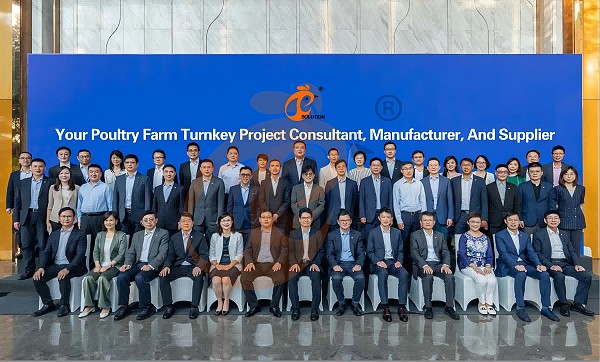
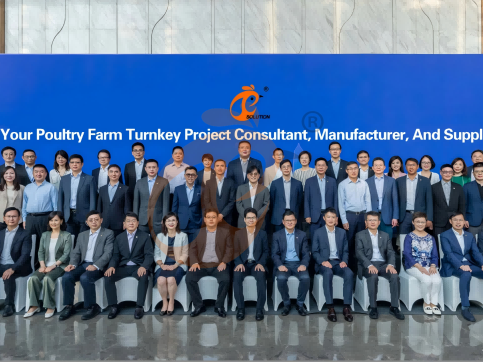
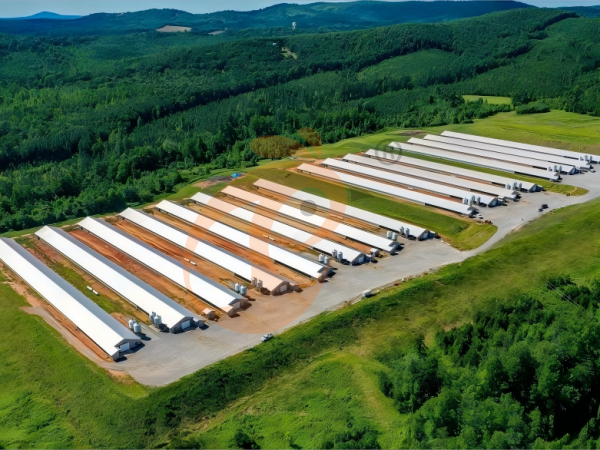
Hong Kong Headquarter Management Team
Hong Kong Headquarter Taiyu Industrial Group CO., LTD
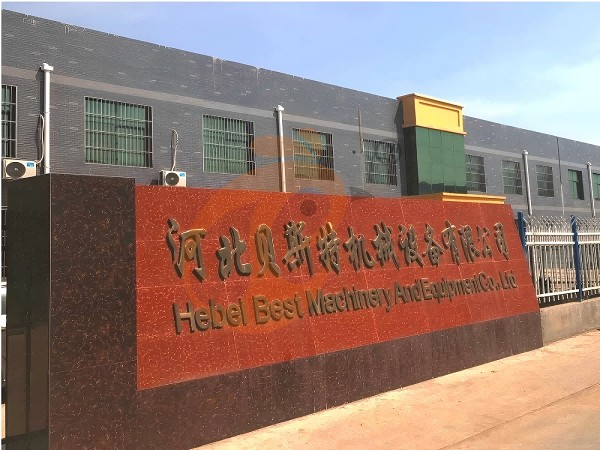
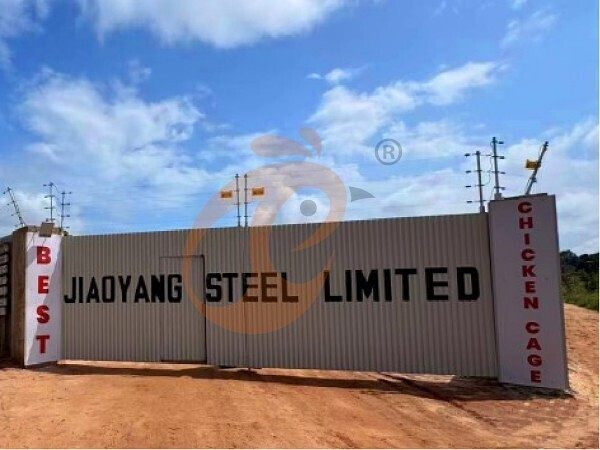
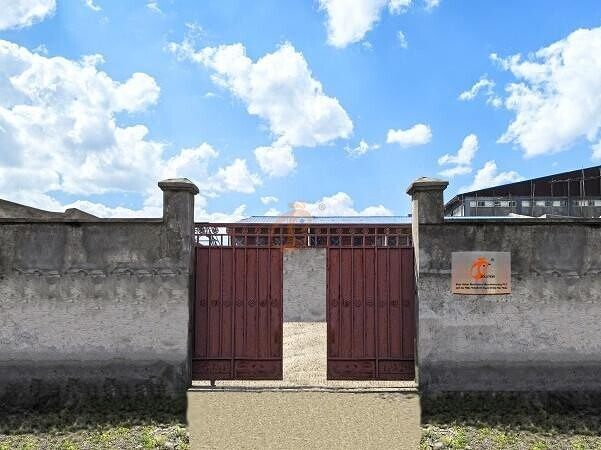
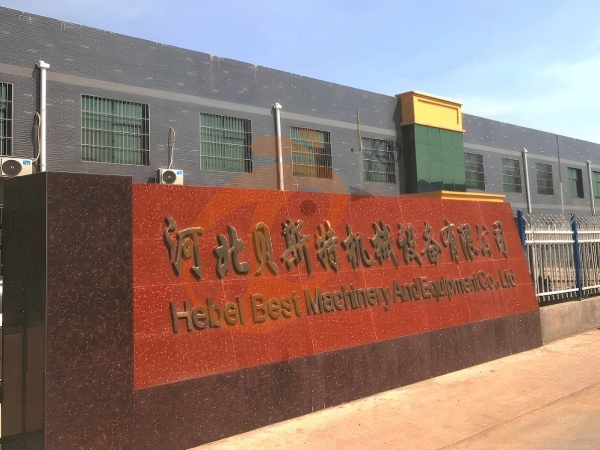
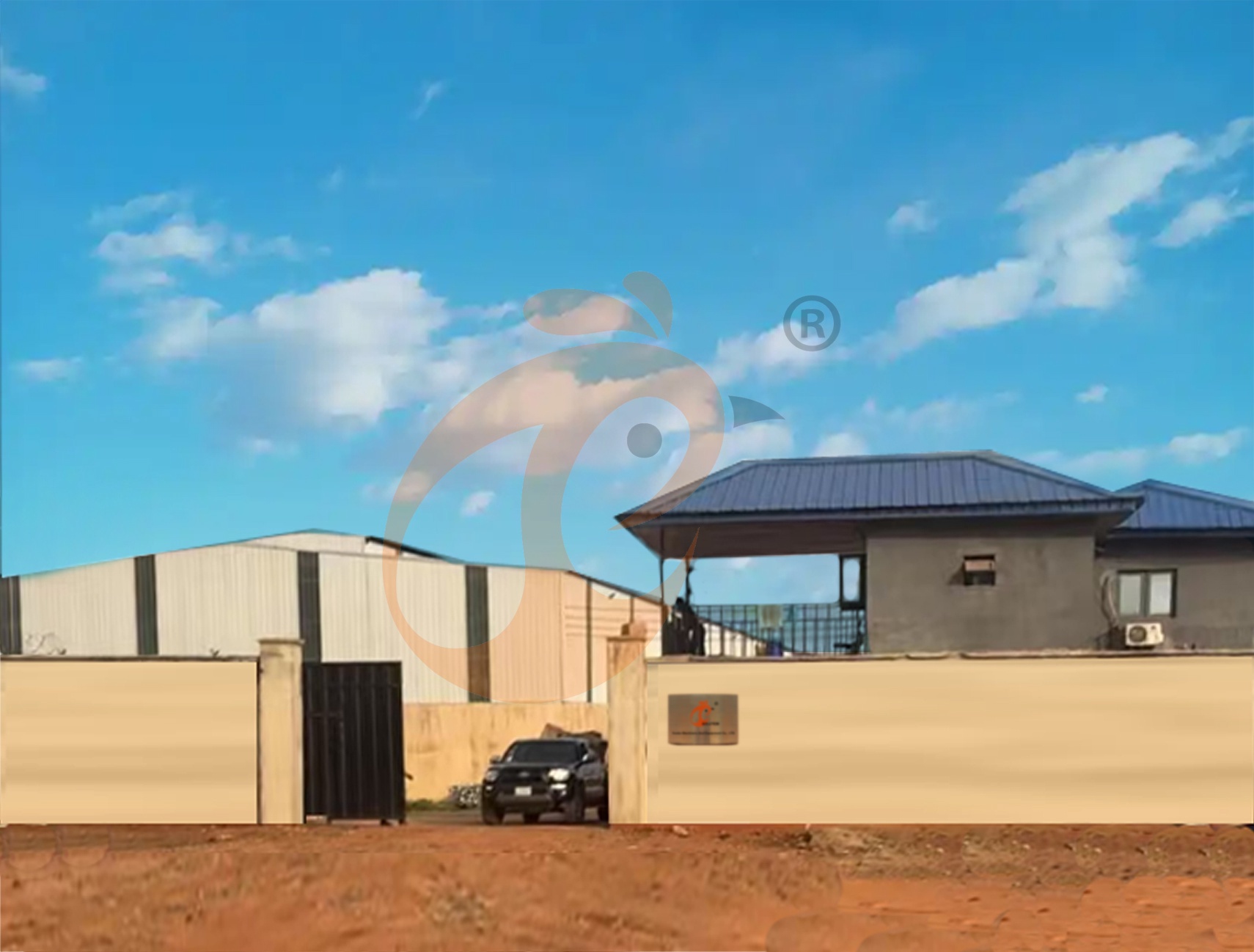
China Hebei Best Machinery And Equipment CO., LTD
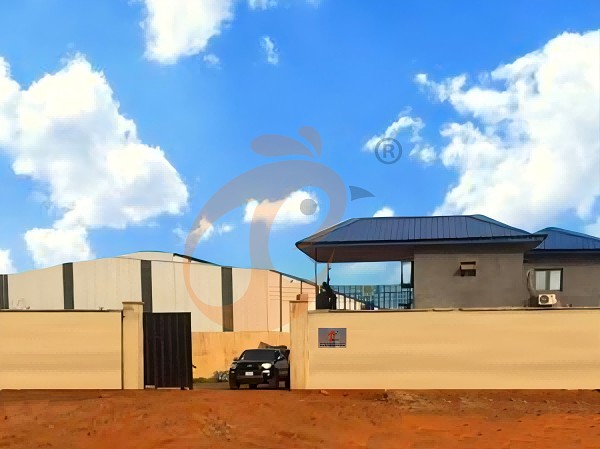
Nigeria Vanke Machinery And Equipment CO., LTD
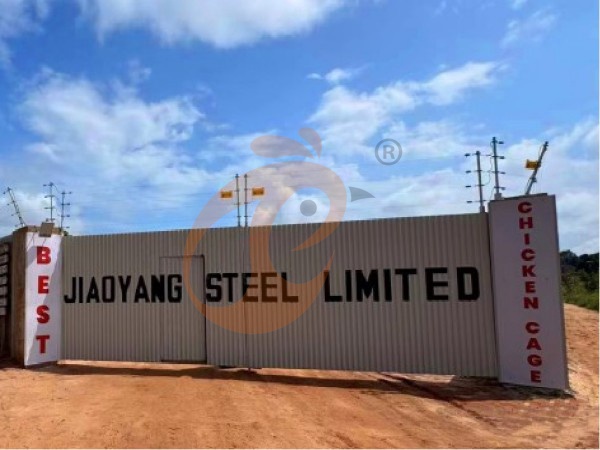
Tanzania Best Machinery And Equipment CO., LTD
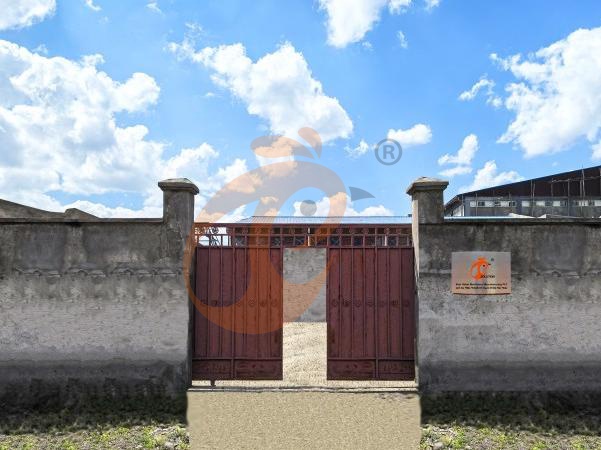
Ethiopia Best Hebei Machinery Manufacturing PLC
Reception /24 WhatsApp NO. : +8618830120193
FAQ
What Are The Ventilation Design Standards In Deep Litter Poultry System For Poultry Chicken Houses?
Airflow speed at bird level is controlled at 0.25–0.45 m/s to prevent litter drying imbalance.
Exhaust fan capacity is typically designed at 18,000–22,000 m³ per hour per unit for large houses.
What Are The Litter Fermentation Performance Requirements In Deep Litter Poultry System For Poultry Chicken Production?
Microbial decomposition efficiency converts 60%–75% of manure into stabilized organic matter.
Carbon to nitrogen ratio is maintained at 25–30:1 for optimal fermentation balance.
What Are The Moisture Management Standards In Deep Litter Poultry System For Poultry Chicken Farming?
Water absorption turnover rate reaches 1.2–1.8 liters per square meter daily under normal stocking conditions.
Evaporation efficiency is enhanced by 30%–40% through proper ventilation and litter turning.
- poultry farm
- poultry farms
- poultry house
- poultry cage
- cage
- poultry farm construction
- poultry housing system
- deep litter system
- poultry equipment
- chickencage
- bestchickencage
- Nigeria
- automated poultry farm
- broiler farm
- poultry farming
- poultry housing systems
- modern poultry farm
- modern poultry farming
- deep litter system biosecurity
- poultry farm plan
- Ethiopia
Message
Products recommended
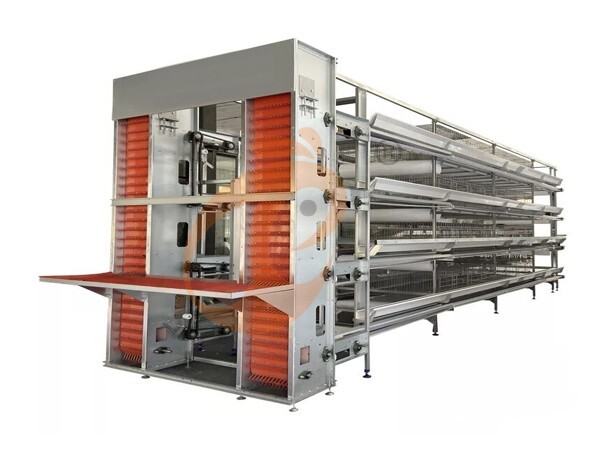
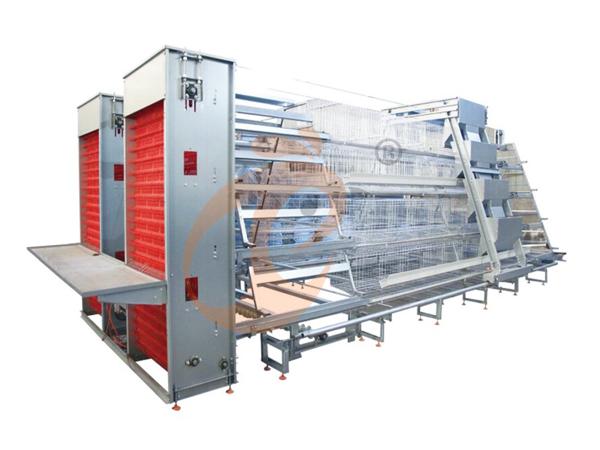
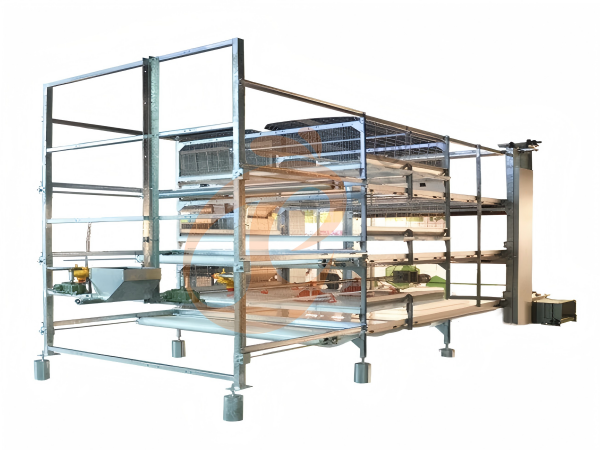
 >30,000 Pullets Automatic H Type Battery Cage1. More than 30,000 pullets a house, choose it.
2. It is designed to rearing older than 1 day old pullets to 12 to 16 weeks old chicken starting laying eggs.
3. Its lifespan is more than 25 years.
4. Its structure are Vcloud artificial intelligent fusion, electric control cabinet, automatic equipment of drinking, feeding, manure clean, manual harvesting.
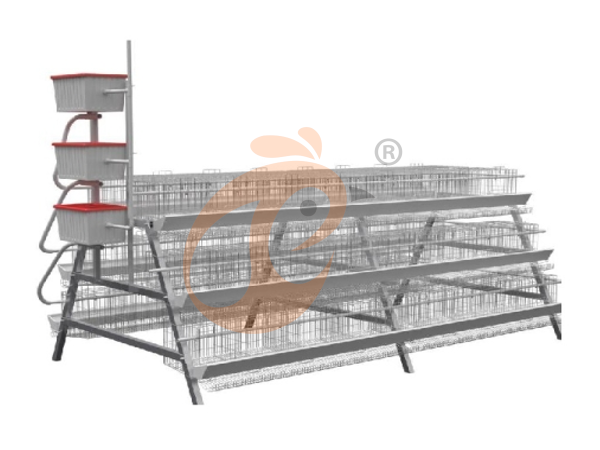
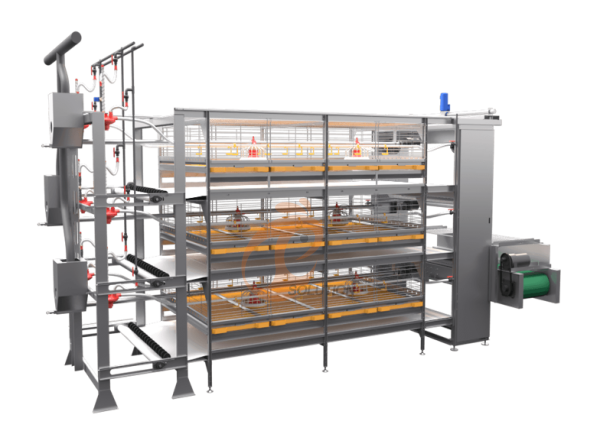
5. Our 24 hour online reception What’sApp NO. is +8618830120193 <30,000 Pullets Automatic A Type Battery Cage1. 10,000 to 30,000 pullets a house, choose it.
2. It is designed to rearing older than 1 day old pullets to 12 to 16 weeks old chicken starting laying eggs.
3. Its lifespan is more than 25 years.
4. Its structure are Vcloud artificial intelligent fusion, electric control cabinet, automatic equipment of drinking, feeding, manure clean, manual harvesting.
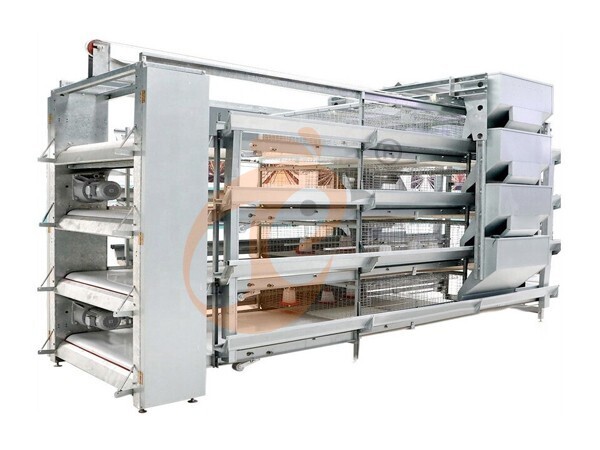
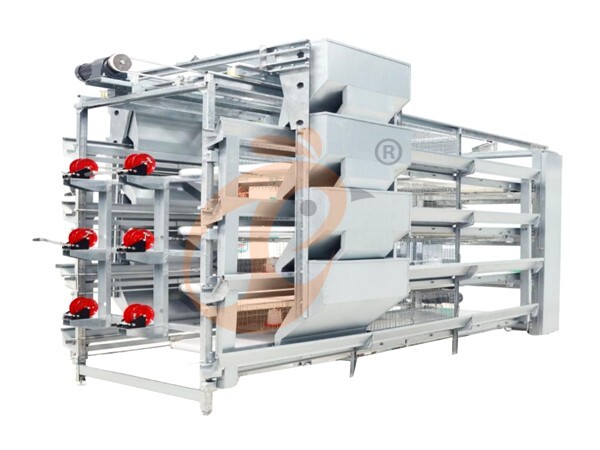
5. Our 24 hour online reception What’sApp NO. is +86 18830120193. >30,000 Broilers Semi-Automatic Harvest H Type Battery Cage1. More than 30,000 broilers a house, choose it.
2. It is designed to rearing 1 to 45 day old adult broiler ready for market.
3. Its lifespan is more than 20 years.
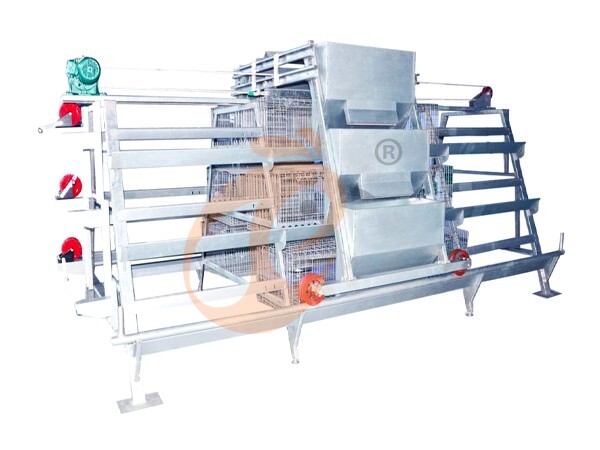
4. Our 24 hour online reception What’sApp NO. is +8618830120193, +234 8111199996. >30,000 Broilers Manual Harvest H Type Battery Cage1. More than 30,000 broilers a house, choose it.
2. It is designed to rearing 1 to 45 day old adult broiler ready for market.
3. Its lifespan is more than 20 years.
4. Its structure are Vcloud artificial intelligent fusion, electric control cabinet, automatic equipment of drinking, feeding and manure clean, manual harvesting.
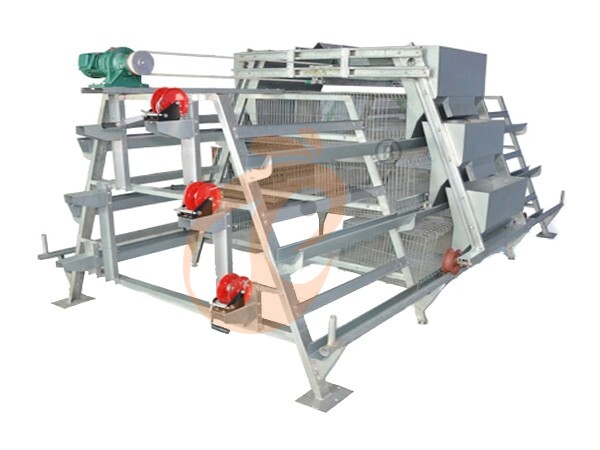
5. Our 24 hour online reception What’sApp NO. is +8618830120193, +234 8111199996. <30,000 Broilers Manual Harvest A Type Battery Cage1. Less 30,000 broilers a house, choose it.
2. It is designed to rearing 1 to 45 day old adult broiler ready for market.
3. Its lifespan is more than 20 years.
4. Its structure are Vcloud artificial intelligent fusion, electric control cabinet, automatic equipment of drinking, feeding and manure clean, manual harvesting.
5. Our 24 hour online reception What’sApp NO. is +8618830120193, +234 8111199996. HK Headquarter Offers EU-standard Poultry Farm Solutions, Manufacture Poultry Farm Equipment1. Continuous communication with the EU and the US
2. China, Nigeria, Ethiopia, Tanzania branch companies and factories
3. The products’ quality is customized for local poultry farms
4. Poultry cage and poultry farm equipment stock for sale
5. 24 online reception Whatsapp NO. : +8618830120193,contact us to get full information China Branch Offer Poultry Farm Business Plan, Manufacture Poultry Farm Equipment1. Address: Flat/RM 2416, 24/F, Runxing Building, Youyi Nan Street, Shijiazhuang City, Hebei Province, China
2. Poultry cage and poultry farm equipment factory and stock for sale
3. Customized for local poultry farms
4. Quality and design are based on Euro
5. 24 online reception Whatsapp NO. : +8618830120193 Nigeria Branch Offer Poultry Farm Business Plan, Manufacture Poultry Farm Equipment1. Address: After Sinoma Office, 200 Meters Near Danco Filling Station, Lagos/Ibadan Expressway, Lagos State, Nigeria
2. Poultry cage and poultry farm equipment factory and stock for sale
3. Customized for Nigerian poultry farms
4. Quality and design are based on Euro
5. 24 online reception Whatsapp NO. : +8618830120193 Ethiopia Branch Offer Poultry Farm Business Plan, Manufacture Poultry Farm Equipment1. Address: Gelan Gura, Akaki-kaliti Sub City, Addis Ababa, Ethiopia
2. Poultry cage and poultry farm equipment stock for sale
3. Customized for Ethiopian poultry farms
4. Quality and design are based on Euro
5. 24 online reception Whatsapp NO. : +8618830120193, contact us to get price list Tanzania Branch Offer Poultry Farm Business Plan, Manufacture Poultry Farm Equipment1. Address: No.8, Sova Road, Msufini, Mlandizi, Kibaha, Pwani, Tanzania
2. Poultry cage and poultry farm equipment factory and stock for sale
3. Customized for Tanzanian poultry farms
4. Quality and design are based on Euro
5. 24 online reception Whatsapp NO. : +8618830120193


Contact