


Blog
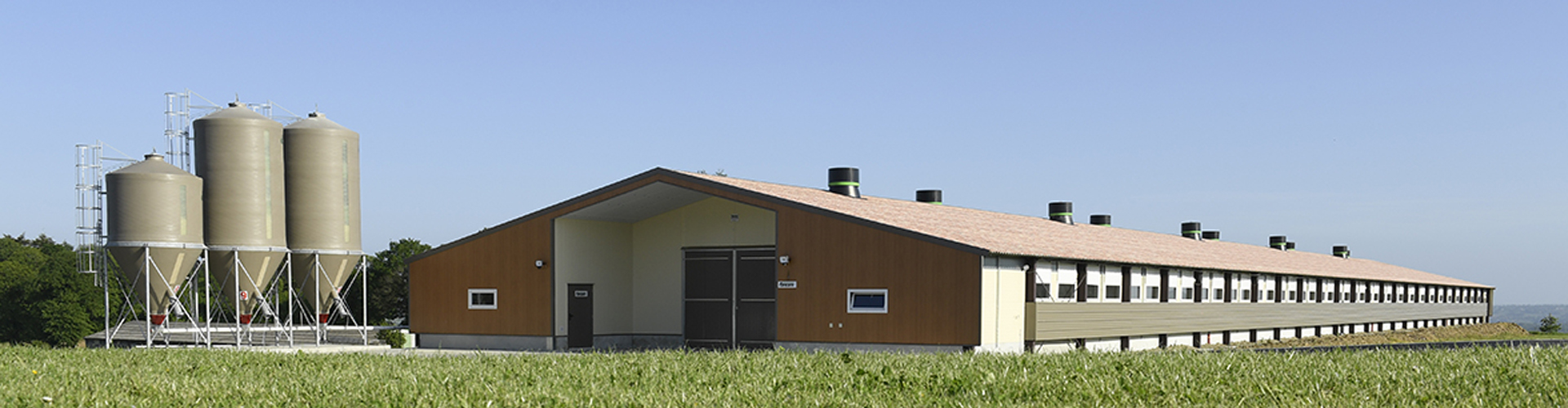
Free range poultry farming requires advanced disease prevention management under changing outdoor environmental conditions.
Free range chicken farming systems face continuous exposure to wild birds, rodents, contaminated surface water, and airborne pathogens.
Poultry biosecurity programs improve egg production stability, mortality control, feed conversion ratio performance, and commercial poultry farm profitability.
Modern poultry equipment, automatic feeding systems, and poultry ventilation systems reduce infection transmission risks inside commercial poultry farms.
Scientific sanitation procedures, poultry vaccination management, and controlled poultry farm access create sustainable long-term poultry production performance.
Get professional poultry farm construction guidance, equipment selection solutions, and the latest price lists, whatsApp to +8618830120193, click to learn more:
Controlled Farm Access And Entry Sanitation
Human movement remains one of the largest contamination sources inside free range poultry farming systems.
Workers, poultry equipment suppliers, egg transportation vehicles, veterinarians, and maintenance personnel may transfer viruses and bacteria through footwear, tires, clothing, and handling tools.
Commercial poultry farms therefore establish multiple sanitation zones for contamination control.
Modern poultry operations commonly divide farm areas into public access zones, sanitation transition zones, and poultry production zones.
Dedicated clothing, disinfected boots, and sanitation stations improve poultry farm disease prevention performance significantly.
Data is for reference only.Swipe horizontally to view full table.
Vehicle Disinfection Procedures
Feed delivery trucks and egg transportation vehicles frequently travel between different poultry farms during weekly production operations.
Without sanitation management, transportation systems may spread avian influenza virus and bacterial contamination across multiple poultry production regions.
Automatic tire spraying systems and undercarriage sanitation equipment significantly reduce contamination pressure at poultry farm entrances.
Scientific poultry sanitation studies recorded more than 85% bacterial reduction on disinfected vehicle tire surfaces after complete chemical spraying procedures.
Data is for reference only.Swipe horizontally to view full table.
Wild Bird And Rodent Prevention
Free range poultry systems experience greater wildlife exposure compared with enclosed poultry housing systems.
Migratory wild birds carry avian influenza pathogens through feathers, feces, and contaminated water sources.
Rodents contaminate poultry feed storage systems through urine, fecal matter, chewing damage, and direct contact with poultry equipment surfaces.
Research data from poultry disease monitoring projects showed that one adult rat contaminated more than 25 Kg poultry feed annually under uncontrolled storage conditions.
Covered feed storage systems, anti-bird netting, and vegetation control improve poultry farm biosecurity performance considerably.
Data is for reference only.Swipe horizontally to view full table.
Farm Perimeter Management
Tall grass, standing water, and unmanaged outdoor drainage systems create ideal environments for insects, rodents, and pathogenic microorganisms.
Commercial poultry farm perimeter management therefore focuses on dry ground maintenance, vegetation reduction, and predator prevention infrastructure.
Poultry fence systems also reduce unauthorized access from wild animals and external contamination sources.
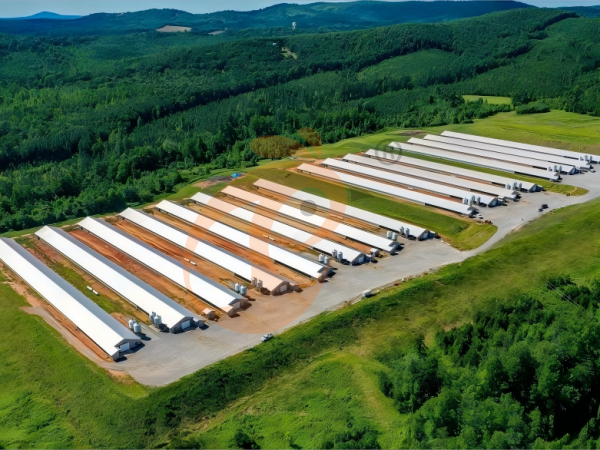
Professional poultry farm layouts maintain sufficient spacing between poultry houses, feed storage buildings, and waste management areas.
Data is for reference only.Swipe horizontally to view full table.
Science Corner | Outdoor Poultry Disease Survival Conditions
Avian influenza virus survival rates increase significantly under cold and humid environmental conditions.
Salmonella bacteria multiply rapidly inside wet poultry litter and spoiled feed materials exposed to temperatures above 25°C.
Coccidiosis parasites reproduce efficiently inside muddy poultry ranging areas containing litter moisture levels exceeding 30%.
Direct ultraviolet sunlight damages many pathogenic microorganisms naturally, but shaded wet soil areas remain long-term contamination zones under poor sanitation conditions.
Effective poultry drainage systems and dry ground management therefore remain essential components of modern free range chicken farming biosecurity systems.
Feed And Water Biosecurity Management
Poultry feed quality directly influences immunity development, egg production consistency, and feed conversion ratio performance.
Improper feed storage conditions promote fungal growth and mycotoxin production inside commercial poultry operations.
Water pipelines also require scheduled cleaning because bacterial contamination spreads rapidly under warm environmental temperatures.
Commercial poultry farms commonly perform monthly water quality testing for stable poultry health management.
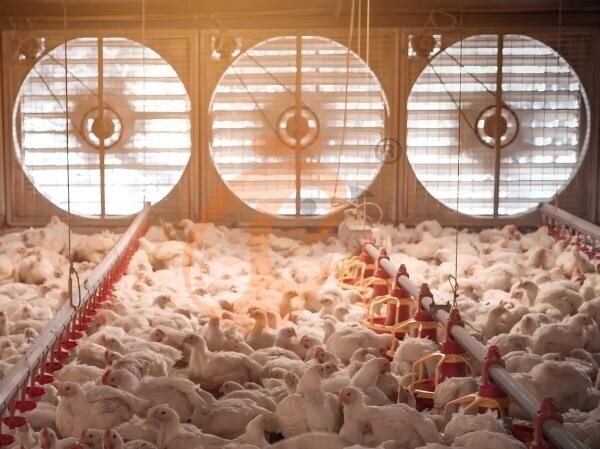
Automatic poultry feeding systems and nipple drinking systems reduce contamination risks inside modern poultry houses.
Data is for reference only.Swipe horizontally to view full table.
Common Feed Storage Problems
Small poultry farms frequently experience nutritional quality losses because of poor poultry feed management procedures.
Direct floor storage, rainwater exposure, mixed old feed inventory, and poor ventilation conditions increase contamination probability significantly.
Mycotoxin contamination reduces poultry growth performance, egg shell quality, and feed conversion ratio efficiency under long-term exposure conditions.
Poultry nutrition trials reported 6–11% feed conversion efficiency reduction under moderate fungal contamination conditions.
Data is for reference only.Swipe horizontally to view full table.
Poultry Health Monitoring And Vaccination
Daily poultry observation allows rapid identification of abnormal flock behavior before large-scale disease outbreaks develop.
Reduced feed intake, respiratory sounds, abnormal walking patterns, egg production decline, and increased mortality rates require immediate poultry farm inspection procedures.
Commercial poultry farms generally perform health inspections during feeding periods and environmental monitoring cycles.
Poultry vaccination programs remain critical for Newcastle disease, Marek’s disease, infectious bronchitis, and fowl pox prevention.
Data is for reference only.Swipe horizontally to view full table.
Poultry Vaccination Programs
Modern poultry vaccination schedules depend on regional disease prevalence, poultry species, climate conditions, and production objectives.
Scientific poultry health management combines vaccination programs with sanitation procedures, nutritional management, and controlled farm access systems.
Vaccinated poultry flocks still require strong environmental sanitation because excessive pathogen exposure reduces immune protection performance.
Commercial free range poultry farms commonly maintain scheduled veterinary monitoring programs throughout complete production cycles.
Data is for reference only.Swipe horizontally to view full table.
Cleaning, Disinfection, And Downtime Procedures
Cleaning procedures remove manure, feathers, dust, and organic contamination from poultry house surfaces before chemical disinfection operations.
Organic material blocks disinfectant contact with bacteria and viruses, reducing sanitation efficiency significantly.
Modern poultry equipment therefore requires scheduled cleaning cycles during complete poultry production operations.
High-pressure washing systems, chemical spraying equipment, and ventilation flushing systems improve poultry house sanitation performance.
Data is for reference only.Swipe horizontally to view full table.
Poultry House Downtime Management
Professional poultry farms normally maintain empty poultry house periods between flock cycles for pathogen reduction and facility drying procedures.
Downtime management significantly reduces bacterial survival rates inside poultry housing systems after deep cleaning operations.
Commercial poultry operations commonly maintain 10–14 day downtime schedules before introducing replacement flocks.
Complete sanitation programs include manure removal, detergent washing, chemical disinfection, ventilation flushing, and environmental drying procedures.
Data is for reference only.Swipe horizontally to view full table.
Digital Technology In Poultry Biosecurity
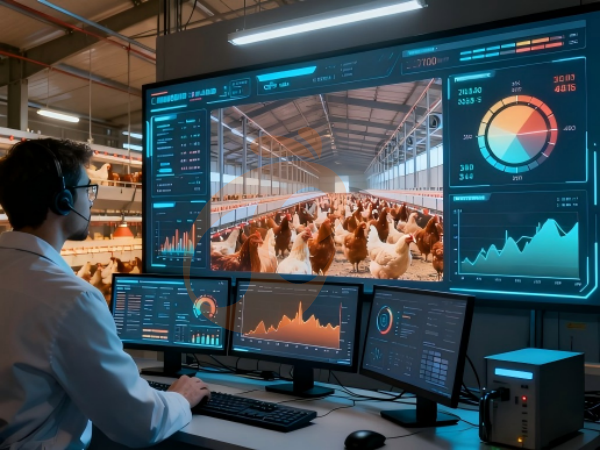
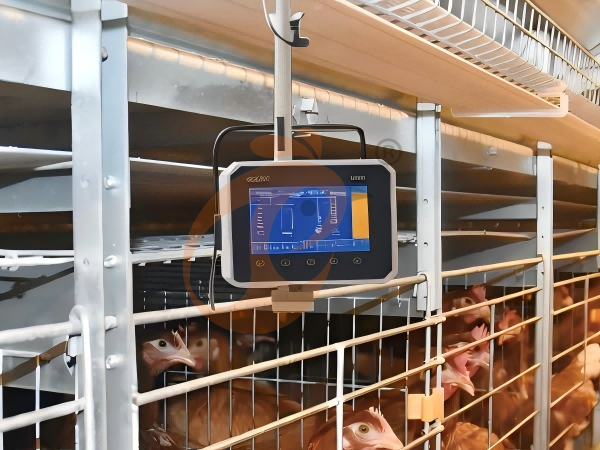
Modern poultry farms increasingly use smart poultry equipment for automatic environmental monitoring and disease prevention management.
Environmental sensors continuously monitor temperature, humidity, ammonia concentration, ventilation performance, water consumption, and poultry activity patterns.
Artificial intelligence monitoring cameras identify abnormal flock movement several hours earlier compared with traditional manual inspection procedures.
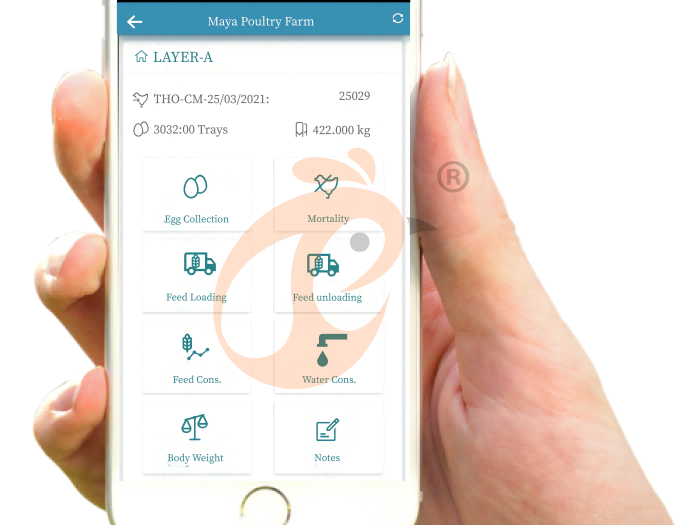
Remote mobile management systems also improve emergency response speed during disease outbreaks and ventilation failures.
Data is for reference only.Swipe horizontally to view full table.
Economic Consequences Of Poor Biosecurity
Disease outbreaks create direct financial losses through poultry mortality, veterinary treatment expenses, production decline, and feed waste.
Indirect financial damage includes transportation restrictions, delayed export activity, reduced customer confidence, and long-term market instability.
A 10,000-layer free range poultry farm experiencing severe avian influenza outbreaks may lose USD 35,000–85,000 during several production months. EU standard reference only.
Commercial poultry farms therefore prioritize preventive poultry biosecurity investment instead of emergency outbreak recovery expenditures.
Data is for reference only.Swipe horizontally to view full table.
Frequently Asked Questions
Q1: What is the most important biosecurity practice for free range poultry farming?
Controlled poultry farm access remains one of the most effective disease prevention methods because human movement, transportation vehicles, and contaminated equipment frequently introduce pathogens into poultry production areas.
Dedicated clothing, sanitation stations, and vehicle disinfection systems significantly reduce contamination probability.
Q2: Why does free range chicken farming require stronger wildlife control?
Outdoor poultry systems allow greater contact with migratory birds, rodents, insects, and contaminated surface water compared with enclosed poultry housing systems.
Wildlife management infrastructure therefore reduces avian influenza transmission risks, feed contamination, and environmental pathogen exposure effectively.
Q3: How often should poultry houses receive complete sanitation procedures?
Commercial poultry farms commonly perform daily equipment cleaning, weekly water system sanitation, and complete deep cleaning procedures after every flock cycle.
Professional downtime periods of 10–14 days further improve poultry house pathogen reduction performance.
Taiyu (HK) Group - One Of China Largest Free Range Poultry System Manufacturer
Advanced free range poultry system biosecurity solutions support commercial poultry farm disease prevention.
Global factory direct poultry equipment supply improves project investment efficiency and operational stability.
Professional poultry cage manufacturing supports automatic feeding and ventilation system integration requirements.
Turn-key poultry farm engineering projects include installation guidance and poultry house layout planning.
International poultry farming customers receive stable production equipment and technical management support.
Contact Us To Received Your Customized Poultry Farm Plan
Headquarters And Branchs
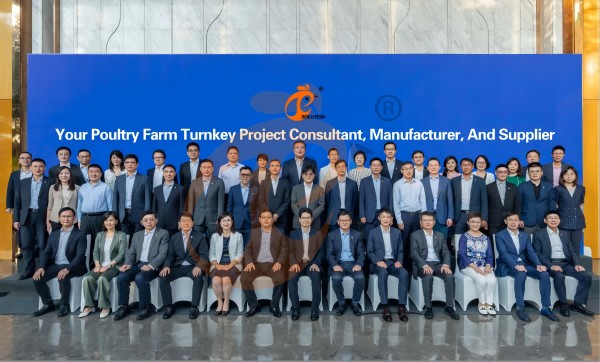
Hong Kong Headquarter Management Team
Hong Kong Headquarter Taiyu Industrial Group CO., LTD
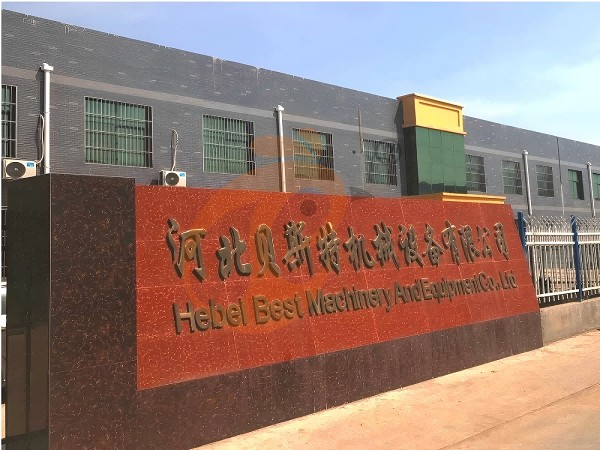
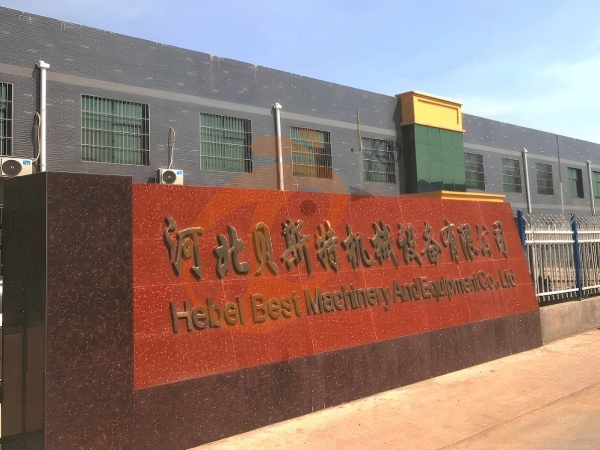
China Hebei Best Machinery And Equipment CO., LTD
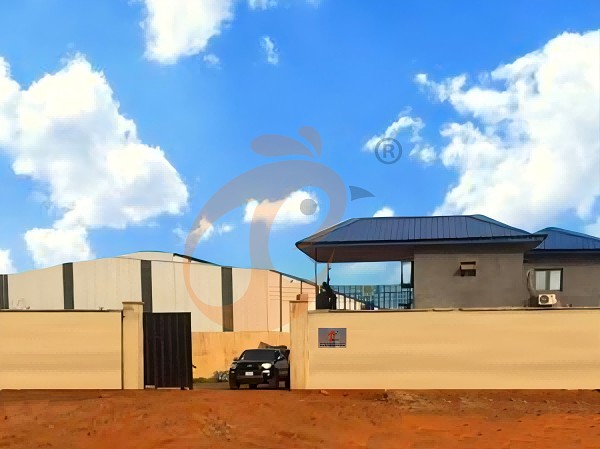
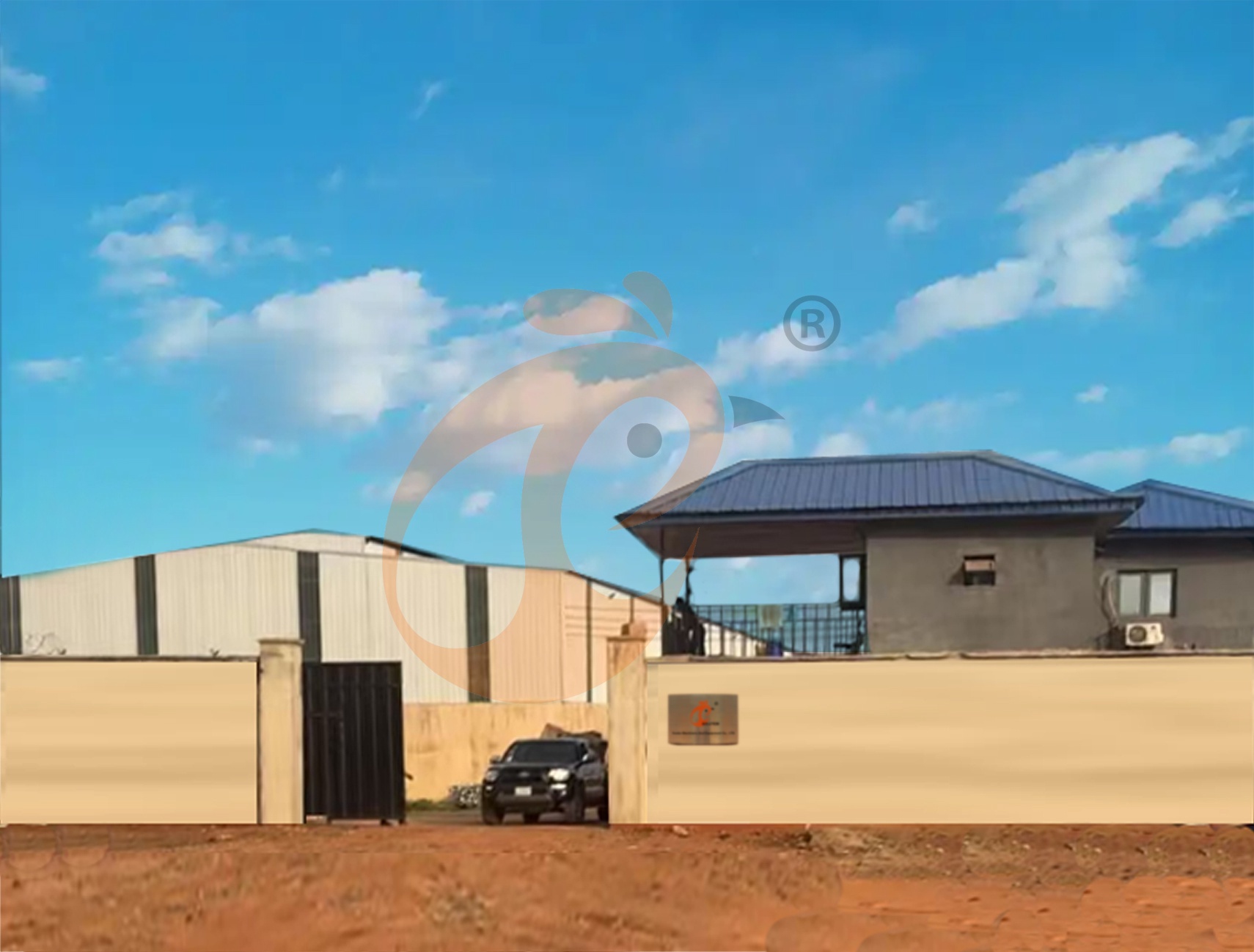
Nigeria Vanke Machinery And Equipment CO., LTD
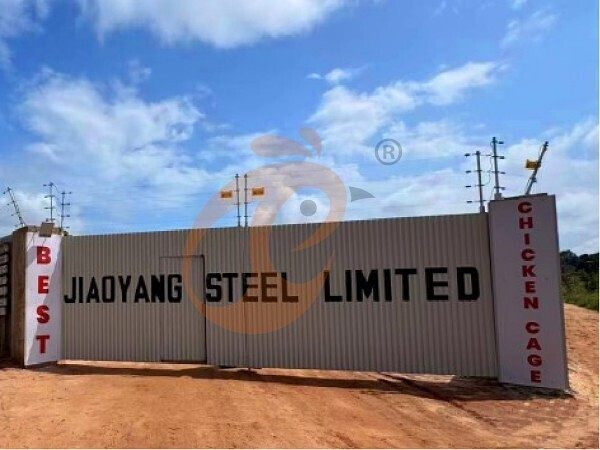
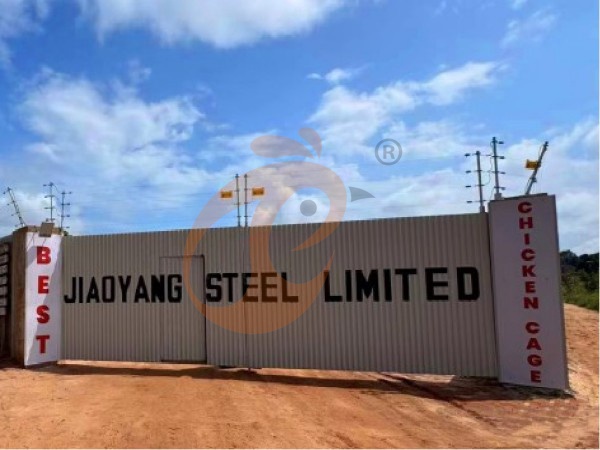
Tanzania Best Machinery And Equipment CO., LTD
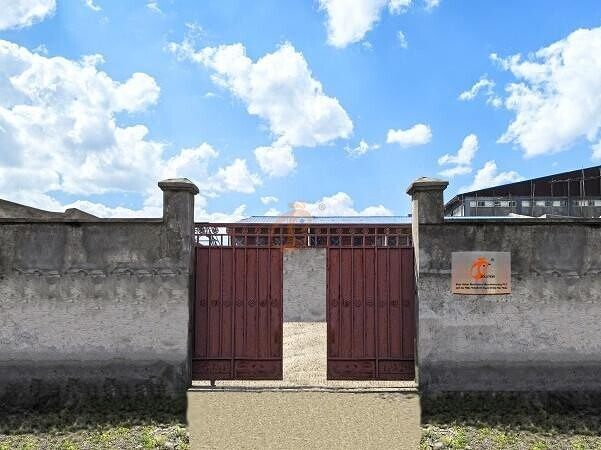
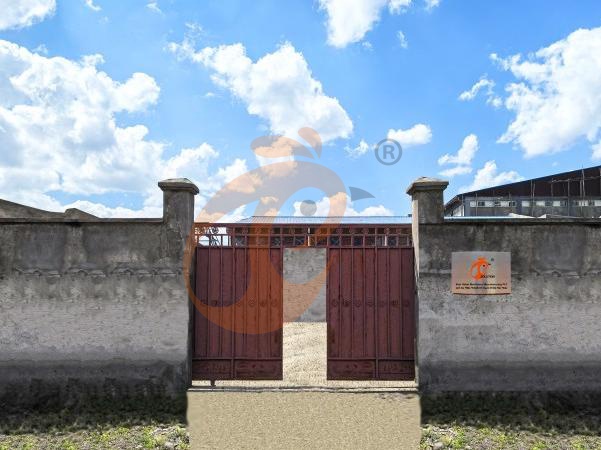
Ethiopia Best Hebei Machinery Manufacturing PLC
Reception /24 WhatsApp NO. : +8618830120193
FAQ
Which Environmental Factors Most Influence Performance In Free Range Poultry System For Poultry Chicken Farms?
Ground temperature fluctuates between 12–28°C affecting grazing activity intensity.
Wind speed tolerance is maintained at 1–3 m/s for outdoor comfort stability.
Why Does Free Range Poultry System Improve Meat Quality In Poultry Chicken Production?
Intramuscular fat content stabilizes at 2.5%–4.0% improving texture balance.
Protein digestibility improves to 88%–94% under natural feeding conditions.
How Is Land Utilization Managed In Free Range Poultry System For Poultry Chicken Farming?
Land recovery efficiency reaches 70%–85% vegetation regrowth per cycle.
Stocking rotation density is maintained at 6–9 birds per hectare for sustainability.
- poultry farm
- poultry farms
- chicken farm
- poultry house
- poultry cage
- cage
- poultry farm layout
- poultry farm construction
- poultry farm biosecurity
- poultry house layout
- poultry housing system
- poultry feeding system
- automatic feeding system
- automatic poultry feeding system
- poultry feed storage
- poultry equipment
- chickencage
- bestchickencage
- Nigeria
- chicken farming system
- modern poultry farms
- free range poultry farms
- commercial poultry farms
- small poultry farms
- poultry farming
- poultry equipment supplier
- poultry ventilation system
- modern poultry house
- poultry housing systems
- poultry feed storage system
- modern poultry farm
- poultry house sanitation
- poultry farm plan
- poultry farm profit
- poultry farm inspection
- poultry farm profitability
- poultry vaccination program
- poultry vaccination schedule
- poultry vaccination management
- small poultry farm
- poultry farming system
- poultry equipment suppliers
- poultry feed
- feed silo
- Ethiopia
Message
Products recommended
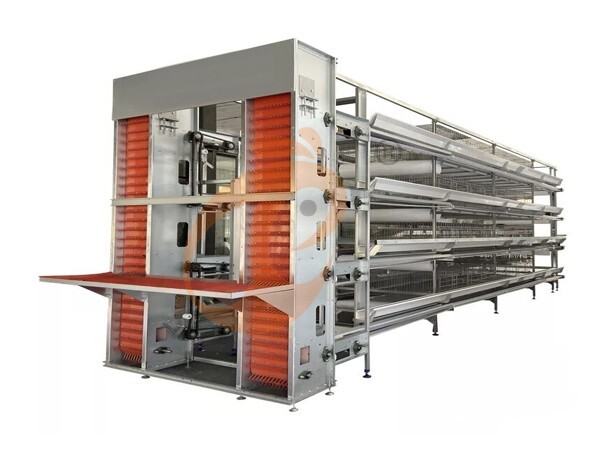
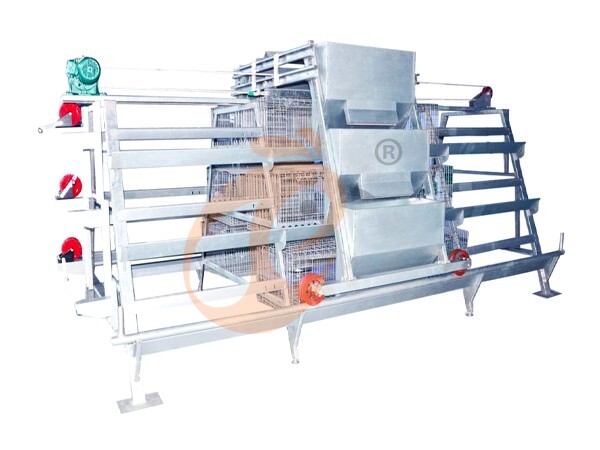
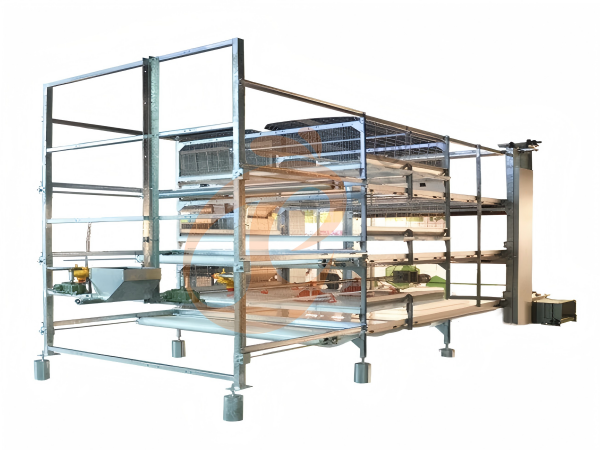
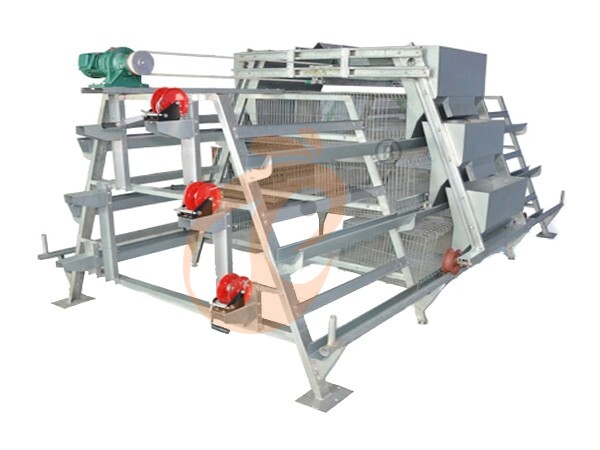
 >30,000 Pullets Automatic H Type Battery Cage1. More than 30,000 pullets a house, choose it.
2. It is designed to rearing older than 1 day old pullets to 12 to 16 weeks old chicken starting laying eggs.
3. Its lifespan is more than 25 years.
4. Its structure are Vcloud artificial intelligent fusion, electric control cabinet, automatic equipment of drinking, feeding, manure clean, manual harvesting.
5. Our 24 hour online reception What’sApp NO. is +8618830120193 <30,000 Pullets Automatic A Type Battery Cage1. 10,000 to 30,000 pullets a house, choose it.
2. It is designed to rearing older than 1 day old pullets to 12 to 16 weeks old chicken starting laying eggs.
3. Its lifespan is more than 25 years.
4. Its structure are Vcloud artificial intelligent fusion, electric control cabinet, automatic equipment of drinking, feeding, manure clean, manual harvesting.
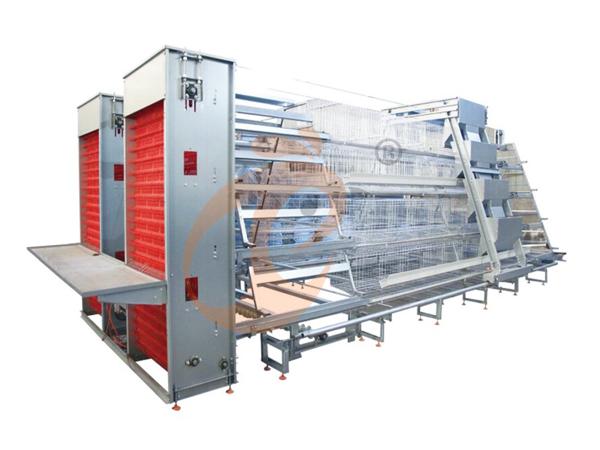
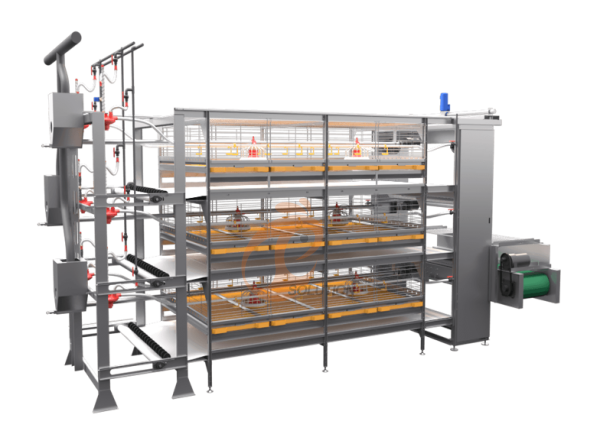
5. Our 24 hour online reception What’sApp NO. is +86 18830120193. >30,000 Broilers Semi-Automatic Harvest H Type Battery Cage1. More than 30,000 broilers a house, choose it.
2. It is designed to rearing 1 to 45 day old adult broiler ready for market.
3. Its lifespan is more than 20 years.
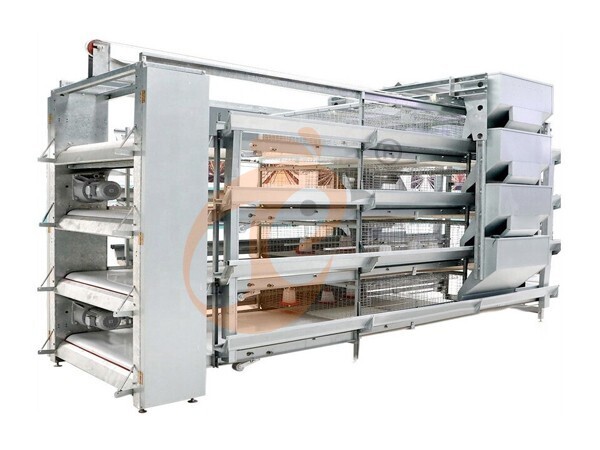
4. Our 24 hour online reception What’sApp NO. is +8618830120193, +234 8111199996. >30,000 Broilers Manual Harvest H Type Battery Cage1. More than 30,000 broilers a house, choose it.
2. It is designed to rearing 1 to 45 day old adult broiler ready for market.
3. Its lifespan is more than 20 years.
4. Its structure are Vcloud artificial intelligent fusion, electric control cabinet, automatic equipment of drinking, feeding and manure clean, manual harvesting.
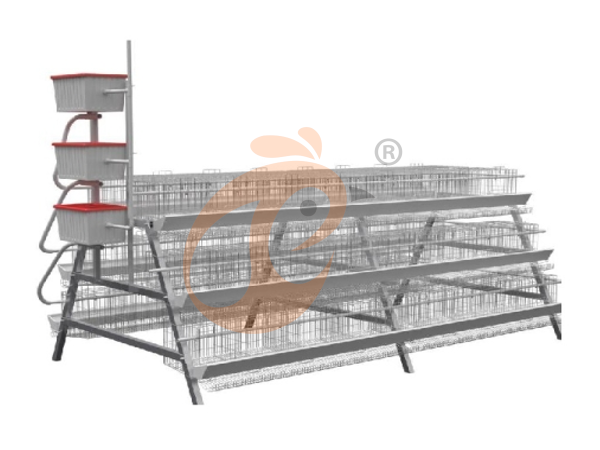
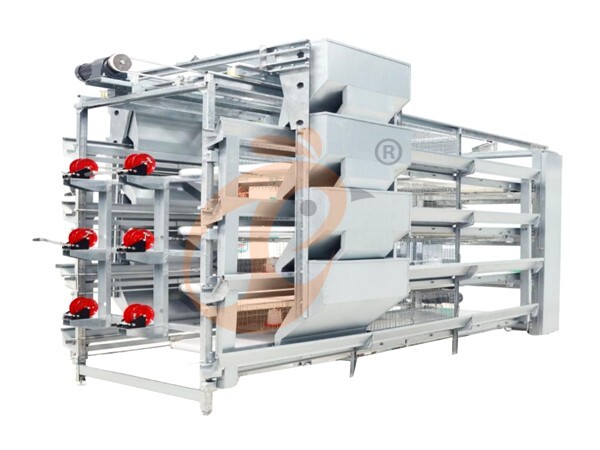
5. Our 24 hour online reception What’sApp NO. is +8618830120193, +234 8111199996. <30,000 Broilers Manual Harvest A Type Battery Cage1. Less 30,000 broilers a house, choose it.
2. It is designed to rearing 1 to 45 day old adult broiler ready for market.
3. Its lifespan is more than 20 years.
4. Its structure are Vcloud artificial intelligent fusion, electric control cabinet, automatic equipment of drinking, feeding and manure clean, manual harvesting.
5. Our 24 hour online reception What’sApp NO. is +8618830120193, +234 8111199996. HK Headquarter Offers EU-standard Poultry Farm Solutions, Manufacture Poultry Farm Equipment1. Continuous communication with the EU and the US
2. China, Nigeria, Ethiopia, Tanzania branch companies and factories
3. The products’ quality is customized for local poultry farms
4. Poultry cage and poultry farm equipment stock for sale
5. 24 online reception Whatsapp NO. : +8618830120193,contact us to get full information China Branch Offer Poultry Farm Business Plan, Manufacture Poultry Farm Equipment1. Address: Flat/RM 2416, 24/F, Runxing Building, Youyi Nan Street, Shijiazhuang City, Hebei Province, China
2. Poultry cage and poultry farm equipment factory and stock for sale
3. Customized for local poultry farms
4. Quality and design are based on Euro
5. 24 online reception Whatsapp NO. : +8618830120193 Nigeria Branch Offer Poultry Farm Business Plan, Manufacture Poultry Farm Equipment1. Address: After Sinoma Office, 200 Meters Near Danco Filling Station, Lagos/Ibadan Expressway, Lagos State, Nigeria
2. Poultry cage and poultry farm equipment factory and stock for sale
3. Customized for Nigerian poultry farms
4. Quality and design are based on Euro
5. 24 online reception Whatsapp NO. : +8618830120193 Ethiopia Branch Offer Poultry Farm Business Plan, Manufacture Poultry Farm Equipment1. Address: Gelan Gura, Akaki-kaliti Sub City, Addis Ababa, Ethiopia
2. Poultry cage and poultry farm equipment stock for sale
3. Customized for Ethiopian poultry farms
4. Quality and design are based on Euro
5. 24 online reception Whatsapp NO. : +8618830120193, contact us to get price list Tanzania Branch Offer Poultry Farm Business Plan, Manufacture Poultry Farm Equipment1. Address: No.8, Sova Road, Msufini, Mlandizi, Kibaha, Pwani, Tanzania
2. Poultry cage and poultry farm equipment factory and stock for sale
3. Customized for Tanzanian poultry farms
4. Quality and design are based on Euro
5. 24 online reception Whatsapp NO. : +8618830120193


Contact