


Blog
Pellet machine installation involves mechanical alignment, electrical integration, structural foundation setup, lubrication configuration, and feed system calibration for industrial poultry feed production environments.
Correct installation improves pellet density stability and reduces mechanical failure rate during continuous operation cycles.
Structural accuracy ensures uniform pressure distribution inside die chamber and roller assembly system.
Electrical stability supports consistent motor torque output under rated load conditions.
Proper setup enhances feed conversion efficiency in poultry farming systems and reduces operational energy loss.
Get professional poultry farm construction guidance, equipment selection solutions, and the latest price lists, whatsApp to +8618830120193, click to learn more:
Site Engineering Preparation
Data is for reference only.Swipe horizontally to view full table.
A reinforced installation site improves structural load distribution during continuous poultry feed processing operations.
Surface leveling accuracy directly affects vibration absorption and machine stability performance.
Industrial poultry feed pellet machine installation requires stable environmental humidity control and dust reduction management systems.
Foundation Construction
Data is for reference only.Swipe horizontally to view full table.
A rigid foundation structure maintains compression stability between roller and die assemblies under high-load conditions.
Structural reinforcement prevents micro-shifting during long production cycles in poultry feed manufacturing environments.
Load balancing ensures stable torque transmission from motor to main shaft assembly system.
Pellet Formation Physics In Poultry Feed Processing
Pellet formation occurs through mechanical compression, friction heat generation, and lignin activation within plant fiber materials under controlled temperature conditions.
Die chamber operation typically reaches 68°C to 92°C, supporting natural binding without chemical additives.
Poultry feed pellet machine installation directly influences pellet density uniformity and nutritional consistency.
Raw materials such as corn, soybean meal, and wheat bran undergo structural transformation into compact cylindrical pellets.
Machine Positioning And Structural Alignment
Data is for reference only.Swipe horizontally to view full table.
Precise alignment ensures uniform mechanical load distribution across drive system components.
Improper positioning increases friction loss and reduces pellet production stability under continuous operation conditions.
Mechanical symmetry supports consistent extrusion performance inside die chamber system.
Electrical System Installation (Industrial Power Safety Design)
Data is for reference only.Swipe horizontally to view full table.
Electrical system stability ensures consistent motor rotation speed during poultry feed pellet production cycles.
Voltage fluctuation control improves operational safety and reduces motor overheating risk in industrial environments.
Stable power input supports continuous compression force generation inside pelletizing chamber system.
Electrical Stability Impact On Pellet Density
Motor speed consistency directly affects die compression force distribution and pellet structural integrity.
Stable electrical input maintains rotation speed range between 260 rpm and 320 rpm under standard operating conditions.
Feed pellet uniformity depends on synchronized motor output and roller pressure balance.
Electrical imbalance increases fine powder ratio and reduces pellet hardness consistency.
Lubrication System Setup
Data is for reference only.Swipe horizontally to view full table.
Proper lubrication reduces mechanical wear rate and stabilizes long-term operation efficiency in poultry feed production systems.
Friction control ensures smooth torque transfer between gearbox and roller assembly.
Lubrication timing directly affects machine lifespan and maintenance cost structure.
Raw Material Feeding System Setup
Data is for reference only.Swipe horizontally to view full table.
Stable raw material preparation ensures consistent pellet formation quality during continuous processing cycles.
Particle uniformity improves compression efficiency inside die chamber system.
Excess moisture increases blockage probability and reduces output efficiency.
Test Run Procedure
Data is for reference only.Swipe horizontally to view full table.
Gradual load testing ensures controlled torque distribution across mechanical transmission system.
Stepwise startup reduces impact force inside gearbox and roller assemblies.
Operational verification confirms stability before continuous poultry feed production begins.
Feed Conversion Efficiency Optimization In Poultry Systems
Pellet machine installation quality directly affects feed conversion ratio stability in poultry farming systems.
Stable pellet density improves nutrient absorption efficiency and reduces feed waste accumulation.
Compression uniformity ensures consistent digestion performance in broiler and layer production systems.
Mechanical precision supports predictable output behavior across long production cycles.
Common Installation Errors And Technical Consequences
Data is for reference only.Swipe horizontally to view full table.
Installation deviation directly reduces pellet uniformity and increases energy consumption rate.
Mechanical imbalance accelerates die wear and reduces production continuity stability.
Electrical wiring errors affect motor rotation direction and system safety integrity.
Maintenance Integration After Installation
Data is for reference only.Swipe horizontally to view full table.
Routine maintenance stabilizes production output and reduces unexpected downtime risk.
Component inspection ensures long-term mechanical reliability in poultry feed processing systems.
Scheduled maintenance supports consistent pellet quality across production cycles.
System Optimization And Production Efficiency Control
Data is for reference only.Swipe horizontally to view full table.
System optimization balances feed input rate and compression pressure for stable pellet output.
Controlled processing parameters improve structural density consistency and reduce material waste.
Production efficiency depends on synchronized mechanical, electrical, and feed system performance.
Operational Efficiency Improvement Strategy In Pellet Machine Systems
Stable pellet machine performance depends not only on installation accuracy, but also on coordinated control of production load distribution and thermal balance during continuous operation.
In industrial poultry feed production, maintaining gearbox oil temperature within 45°C–58°C reduces internal friction loss and improves torque transmission efficiency.
Proper airflow management around motor housing, typically maintained at 0.8–1.2 m/s ventilation speed, helps prevent heat accumulation and stabilizes long-hour running cycles.
When discharge temperature of finished pellets is controlled near 72°C–85°C, cooling system efficiency improves and pellet surface hardness becomes more consistent for storage and transport stability.
Frequently Asked Questions
Q1: Why does foundation precision affect pellet machine output stability?
Foundation precision controls vibration transmission and directly impacts roller pressure balance during continuous poultry feed production.
Structural deviation increases mechanical stress and reduces pellet uniformity consistency.
Q2: What is the effect of improper lubrication during installation?
Improper lubrication increases friction temperature inside bearing and gearbox systems, leading to accelerated wear and reduced operational lifespan under industrial poultry feed production conditions.
Q3: How does electrical instability influence pellet quality?
Electrical instability changes motor rotation speed, causing inconsistent die compression force and reducing pellet hardness uniformity in poultry feed processing
systems.
Taiyu (HK) Group - One Of China Biggest Pellet Machine Manufacturer
Pellet machine installation support for poultry feed production systems with industrial grade engineering standards and stable mechanical configuration.
Global factory direct supply of pellet machine installation solutions for poultry feed processing industry applications.
Advanced poultry equipment integration including pellet machine systems designed for continuous agricultural production environments.
Turn-key engineering solutions covering pellet machine installation, poultry cage systems, and feed production line integration projects.
Industrial export standard pellet machine systems delivered with consistent structural precision and long-term operational reliability performance.
Contact Us To Received Your Customized Poultry Farm Plan
Headquarters And Branchs

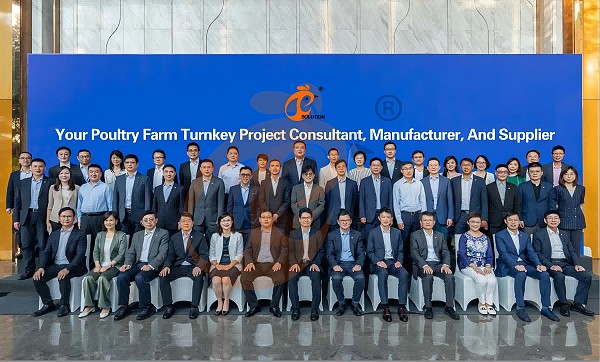
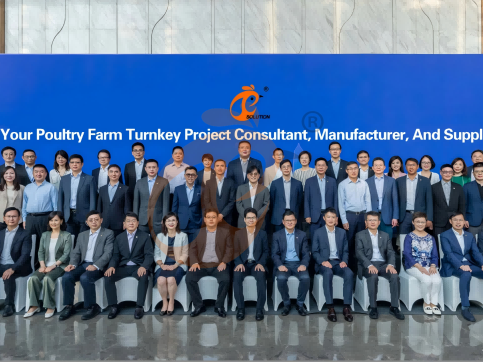
Hong Kong Headquarter Management Team
Hong Kong Headquarter Taiyu Industrial Group CO., LTD
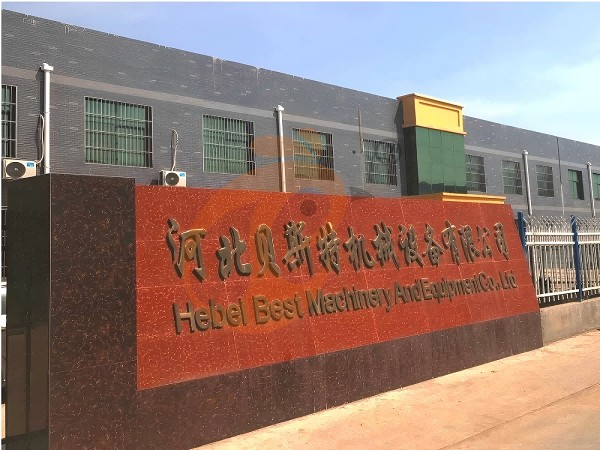
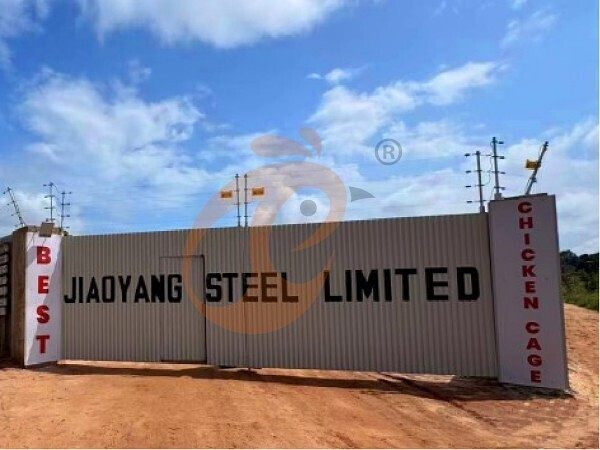
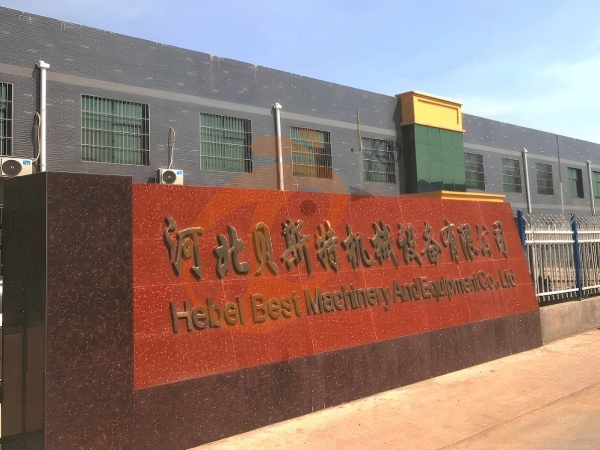
China Hebei Best Machinery And Equipment CO., LTD
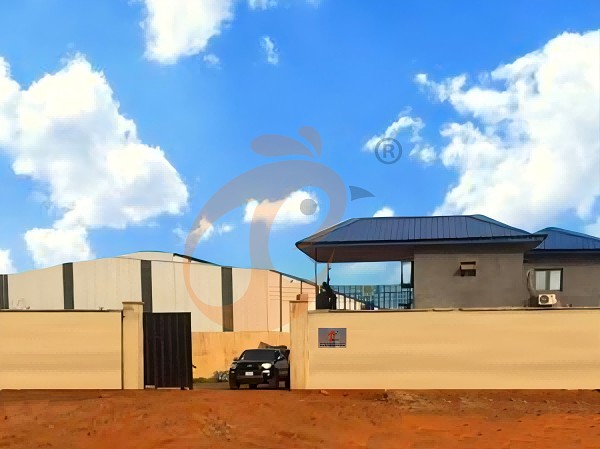
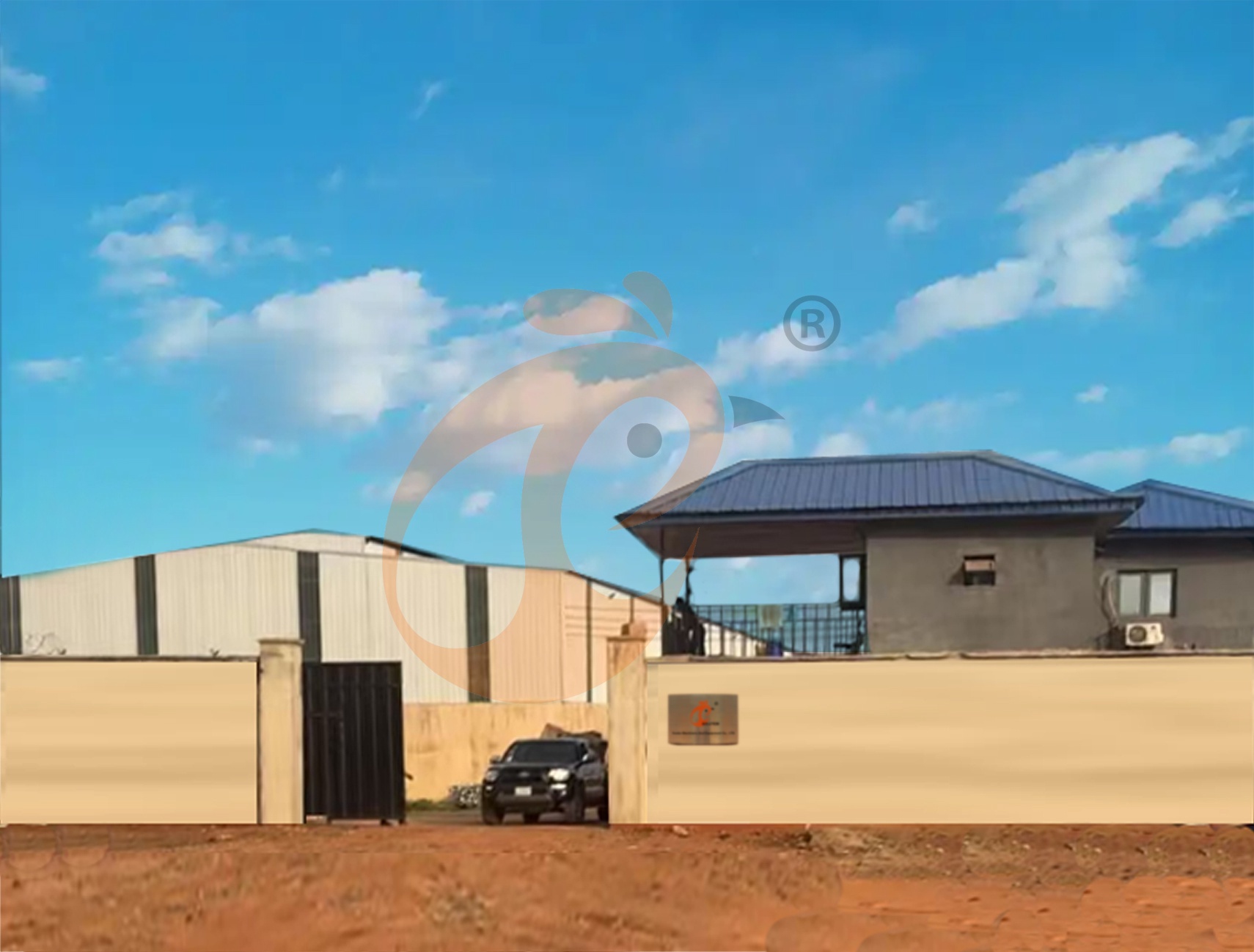
Nigeria Vanke Machinery And Equipment CO., LTD
Tanzania Best Machinery And Equipment CO., LTD
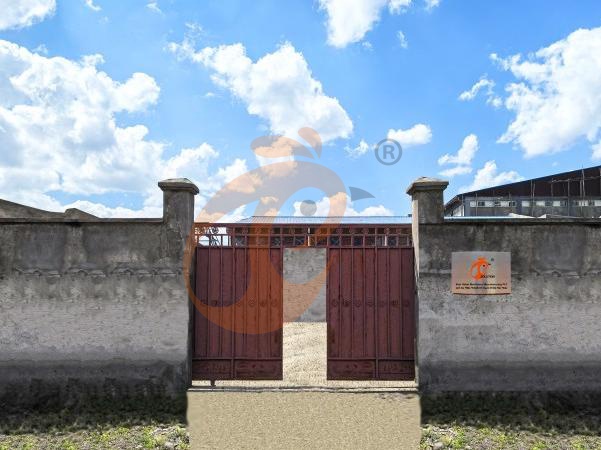
Ethiopia Best Hebei Machinery Manufacturing PLC

Reception /24 WhatsApp NO. : +8618830120193
FAQ
What Pellet Quality Indicators Are Required From Pellet Machine In Poultry Chicken Feed Manufacturing?
Hardness level is controlled at 3–5 kg/cm² for optimal bird consumption efficiency.
Fines content is kept below 8% to ensure uniform feed intake performance.
What Die Specification Standards Are Used In Pellet Machine For Poultry Chicken Feed Production?
Compression ratio ranges from 1:6 to 1:8 to ensure proper pellet density structure.
Die material hardness reaches HRC 50–55 for extended wear resistance under continuous operation.
What Roller System Parameters Are Required In Pellet Machine For Poultry Chicken Feed Processing?
Roller gap is adjusted between 0.1–0.3 mm to control pellet density formation.
Roller lifespan typically reaches 600–900 operating hours under standard feed production conditions.
- poultry farm
- pellet machine
- poultry cage
- cage
- poultry farm construction
- poultry cage system
- poultry equipment
- chickencage
- bestchickencage
- cage system
- cage systems
- Nigeria
- poultry farming
- poultry cage systems
- pellet machine manufacturer
- poultry feed processing
- poultry farm plan
- poultry farming system
- poultry feed
- poultry feed production
- Ethiopia
Message
Products recommended
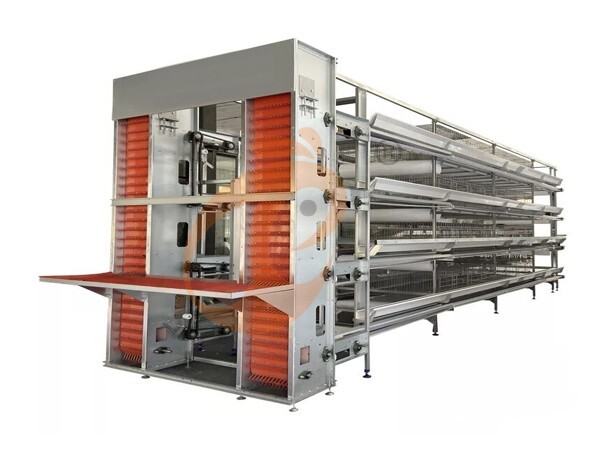
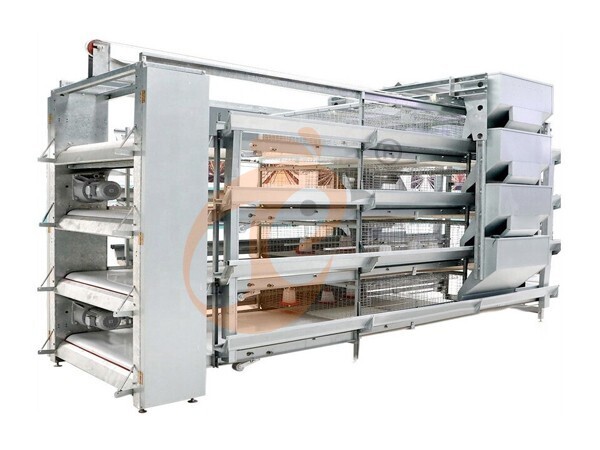
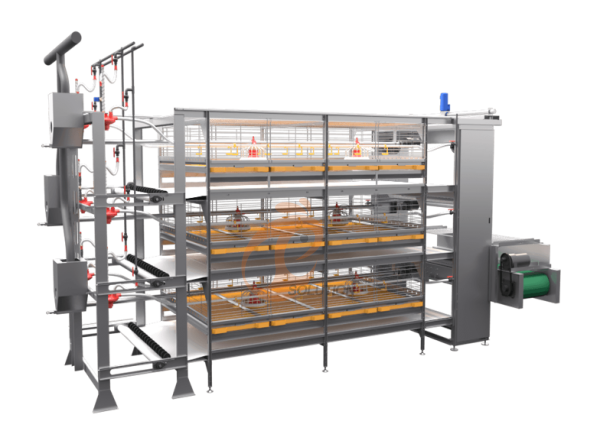
 >30,000 Pullets Automatic H Type Battery Cage1. More than 30,000 pullets a house, choose it.
2. It is designed to rearing older than 1 day old pullets to 12 to 16 weeks old chicken starting laying eggs.
3. Its lifespan is more than 25 years.
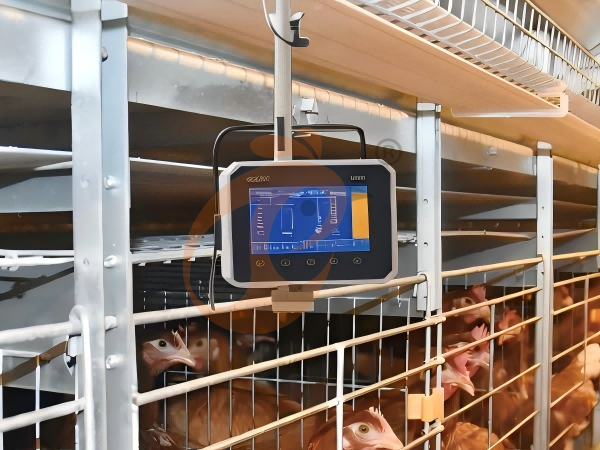
4. Its structure are Vcloud artificial intelligent fusion, electric control cabinet, automatic equipment of drinking, feeding, manure clean, manual harvesting.
5. Our 24 hour online reception What’sApp NO. is +8618830120193 <30,000 Pullets Automatic A Type Battery Cage1. 10,000 to 30,000 pullets a house, choose it.
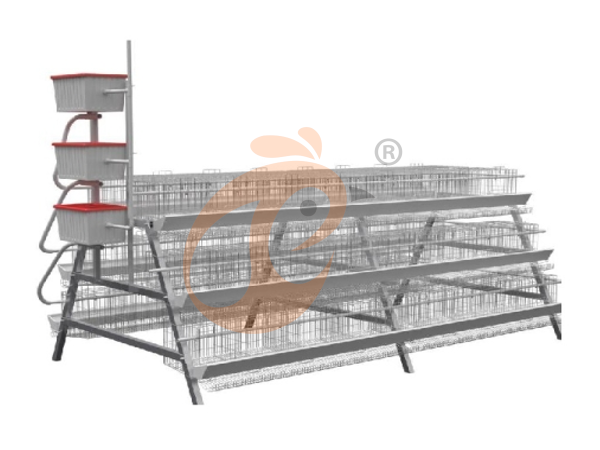
2. It is designed to rearing older than 1 day old pullets to 12 to 16 weeks old chicken starting laying eggs.
3. Its lifespan is more than 25 years.
4. Its structure are Vcloud artificial intelligent fusion, electric control cabinet, automatic equipment of drinking, feeding, manure clean, manual harvesting.
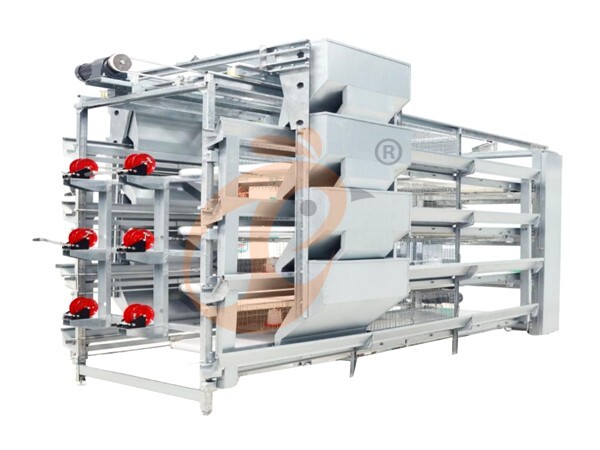
5. Our 24 hour online reception What’sApp NO. is +86 18830120193. >30,000 Broilers Semi-Automatic Harvest H Type Battery Cage1. More than 30,000 broilers a house, choose it.
2. It is designed to rearing 1 to 45 day old adult broiler ready for market.
3. Its lifespan is more than 20 years.
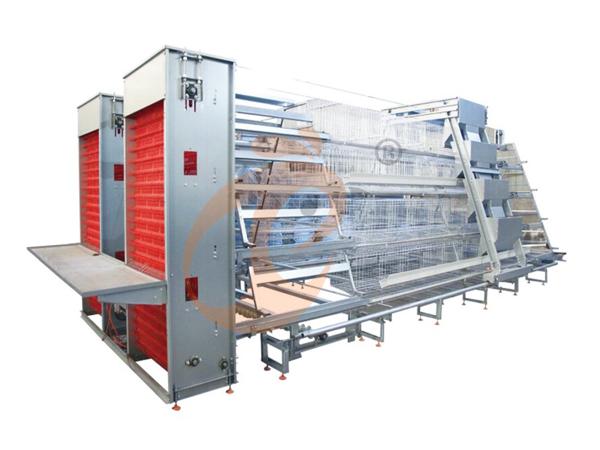
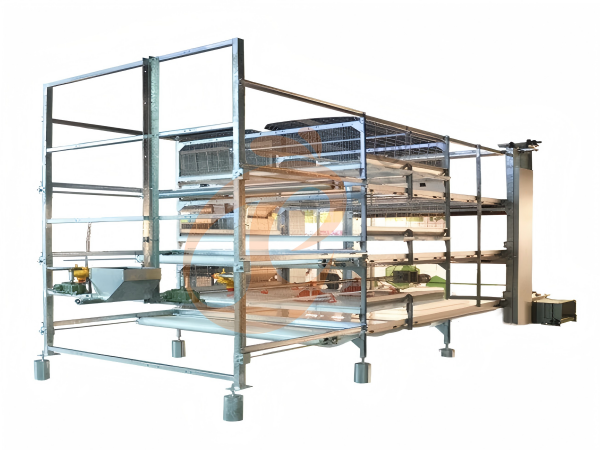
4. Our 24 hour online reception What’sApp NO. is +8618830120193, +234 8111199996. >30,000 Broilers Manual Harvest H Type Battery Cage1. More than 30,000 broilers a house, choose it.
2. It is designed to rearing 1 to 45 day old adult broiler ready for market.
3. Its lifespan is more than 20 years.
4. Its structure are Vcloud artificial intelligent fusion, electric control cabinet, automatic equipment of drinking, feeding and manure clean, manual harvesting.
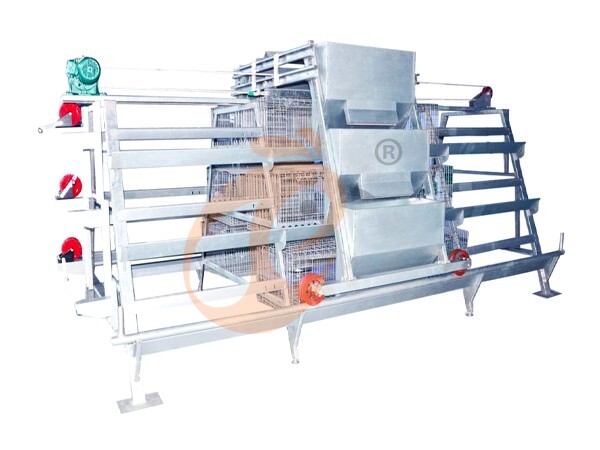
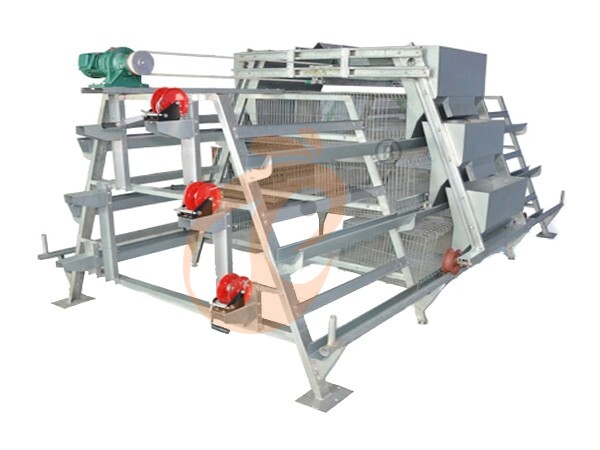
5. Our 24 hour online reception What’sApp NO. is +8618830120193, +234 8111199996. <30,000 Broilers Manual Harvest A Type Battery Cage1. Less 30,000 broilers a house, choose it.
2. It is designed to rearing 1 to 45 day old adult broiler ready for market.
3. Its lifespan is more than 20 years.
4. Its structure are Vcloud artificial intelligent fusion, electric control cabinet, automatic equipment of drinking, feeding and manure clean, manual harvesting.
5. Our 24 hour online reception What’sApp NO. is +8618830120193, +234 8111199996. HK Headquarter Offers EU-standard Poultry Farm Solutions, Manufacture Poultry Farm Equipment1. Continuous communication with the EU and the US
2. China, Nigeria, Ethiopia, Tanzania branch companies and factories
3. The products’ quality is customized for local poultry farms
4. Poultry cage and poultry farm equipment stock for sale
5. 24 online reception Whatsapp NO. : +8618830120193,contact us to get full information China Branch Offer Poultry Farm Business Plan, Manufacture Poultry Farm Equipment1. Address: Flat/RM 2416, 24/F, Runxing Building, Youyi Nan Street, Shijiazhuang City, Hebei Province, China
2. Poultry cage and poultry farm equipment factory and stock for sale
3. Customized for local poultry farms
4. Quality and design are based on Euro
5. 24 online reception Whatsapp NO. : +8618830120193 Nigeria Branch Offer Poultry Farm Business Plan, Manufacture Poultry Farm Equipment1. Address: After Sinoma Office, 200 Meters Near Danco Filling Station, Lagos/Ibadan Expressway, Lagos State, Nigeria
2. Poultry cage and poultry farm equipment factory and stock for sale
3. Customized for Nigerian poultry farms
4. Quality and design are based on Euro
5. 24 online reception Whatsapp NO. : +8618830120193 Ethiopia Branch Offer Poultry Farm Business Plan, Manufacture Poultry Farm Equipment1. Address: Gelan Gura, Akaki-kaliti Sub City, Addis Ababa, Ethiopia
2. Poultry cage and poultry farm equipment stock for sale
3. Customized for Ethiopian poultry farms
4. Quality and design are based on Euro
5. 24 online reception Whatsapp NO. : +8618830120193, contact us to get price list Tanzania Branch Offer Poultry Farm Business Plan, Manufacture Poultry Farm Equipment1. Address: No.8, Sova Road, Msufini, Mlandizi, Kibaha, Pwani, Tanzania
2. Poultry cage and poultry farm equipment factory and stock for sale
3. Customized for Tanzanian poultry farms
4. Quality and design are based on Euro
5. 24 online reception Whatsapp NO. : +8618830120193



Contact