


Blog
Modern poultry farming requires stable water delivery pressure between 10–20 kPa, continuous pipeline sanitation, and balanced flock hydration management for commercial chicken production exceeding 15 birds/m² stocking density.
Automatic nipple drinker systems improve broiler daily weight gain by 45–85 grams while supporting lower bedding moisture and more stable intestinal absorption efficiency during 35–42 day growth cycles.
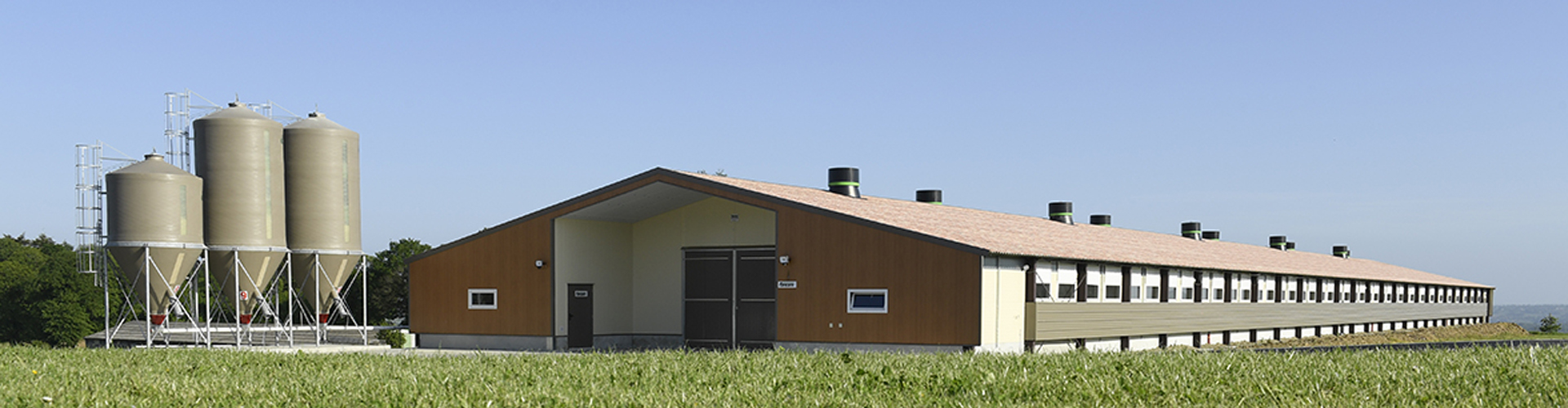
Commercial poultry equipment installations commonly integrate poultry nipple drinker lines with feed silos, tunnel ventilation fans, cooling pads, and environmental controllers inside fully enclosed broiler houses.
Chicken watering systems using stainless steel nipple valves reduce suspended impurity exposure, decrease pipeline oxidation risk, and maintain water flow stability during continuous 24-hour operation.
High-capacity poultry farms using automatic poultry drinking systems commonly reduce water consumption by 18%–35% compared with open bell drinkers under equivalent climatic conditions.
Get professional poultry farm construction guidance, equipment selection solutions, and the latest price lists, whatsApp to +8618830120193, click to learn more:
What Are Poultry Nipple Drinkers?
Poultry nipple drinkers are automatic watering devices installed on water pipelines inside chicken houses.
The valve opens only when birds peck the metal pin, allowing controlled water release directly into the beak.
This design prevents standing water contamination and significantly reduces waste inside the poultry environment.
Modern nipple drinkers are usually manufactured from stainless steel, engineering plastic, and anti-corrosion sealing materials.
Commercial systems can operate continuously for more than 50,000 production hours under normal farm conditions.
Data is for reference only.Swipe horizontally to view full table.
Commercial broiler farms operating 25,000 birds normally install nipple lines with flow capacities exceeding 1,800 liters per hour.
Pipeline flushing speed generally remains above 0.6 meters per second to reduce mineral deposition and bacterial accumulation inside the watering system.
Why Clean Water Is Critical For Poultry
Water is responsible for nutrient transportation, body temperature regulation, enzymatic reactions, and digestion inside poultry.
Broilers aged 35 to 42 days can consume more than 450 milliliters of water daily under summer conditions.
If the water source contains bacteria or excessive organic contamination, flock performance declines rapidly.
Poor-quality drinking water may increase intestinal disease incidence by 12% to 18% in intensive farming systems.
Data is for reference only.Swipe horizontally to view full table.
Laboratory analysis from commercial poultry farms indicates dissolved solids above 1,000 ppm can negatively affect water palatability and feed intake stability.
Water pH maintained between 5.8 and 6.8 commonly improves mineral absorption efficiency and supports digestive tract balance in broiler production systems.
Nipple Drinkers Improve Water Hygiene
Traditional bell drinkers and trough systems expose water directly to manure, feathers, feed dust, and airborne bacteria.
In contrast, nipple drinkers keep water enclosed inside the pipeline until birds activate the valve.
Microbiological monitoring from commercial farms has shown that open drinkers may contain bacterial counts above 100,000 CFU/ml after several hours of exposure.
Closed nipple systems generally maintain bacterial levels below 5,000 CFU/ml when pipelines are cleaned correctly.
Data is for reference only.Swipe horizontally to view full table.
Commercial slaughterhouses processing flocks raised with hygienic watering systems commonly report lower carcass contamination rates during evisceration procedures.
Closed drinking systems also reduce algae formation because water remains protected from direct sunlight exposure throughout the production cycle.
Poultry Science Behind Disease Reduction
Scientific poultry management focuses heavily on biosecurity.
One infected water source can quickly expose thousands of birds inside a confined poultry house.
Nipple drinkers minimize horizontal pathogen transmission because birds cannot deposit fecal material into enclosed water pipelines.
This is particularly important for preventing bacterial infections such as Salmonella and E. coli.
Data is for reference only.Swipe horizontally to view full table.
Veterinary monitoring programs show contaminated drinking systems may increase flock medication frequency by 15%–28% during intensive summer production periods.
Commercial broiler operations using enclosed watering systems often achieve lower antibiotic treatment costs across consecutive production cycles.
Nipple Drinkers Reduce Water Waste
Water waste creates multiple hidden production costs in poultry farming.
Excessive spillage increases litter moisture, ventilation demand, and manure management expenses.
Traditional open drinkers commonly lose large volumes of water through bird scratching and splashing behavior.
Nipple drinkers provide controlled flow rates that release only the required amount of water.
Data is for reference only.Swipe horizontally to view full table.
Tunnel-ventilated poultry houses with excessive water leakage may require 12%–18% additional fan operating time for moisture removal.
Lower evaporation load also improves heating efficiency during winter broiler production in cold-climate regions.
Better Litter Quality Improves Bird Welfare
Litter condition strongly affects poultry welfare and productivity.
Wet flooring increases the risk of footpad dermatitis, feather contamination, and respiratory irritation.
Nipple drinkers help maintain drier litter because water remains inside the pipe system until activated.
Commercial broiler farms typically target litter moisture levels below 25% for optimal flock conditions.
Data is for reference only.Swipe horizontally to view full table.
Ammonia concentration exceeding 25 ppm may reduce respiratory efficiency and negatively influence broiler growth consistency after 28 days of age.
Dry litter conditions also decrease breast blister incidence and improve feather cleanliness during poultry transportation and processing operations.
Proper Nipple Height Is Essential
Correct installation height is critical for efficient water access.
Birds should slightly stretch their neck upward while drinking to minimize spillage.
If nipple lines are positioned too low, chickens shake excess water onto the litter.
If positioned too high, smaller birds may experience restricted access and uneven growth.
Data is for reference only.Swipe horizontally to view full table.
Incorrect nipple height adjustment may increase water spillage by more than 20% during rapid broiler growth periods.
Automatic suspension systems commonly reduce daily management time by 25–40 minutes in large poultry houses exceeding 120 meters length.
Reduced Labor Requirements
Manual watering systems require continuous cleaning and refilling throughout the day.
Large farms operating more than 30,000 birds often spend several labor hours daily maintaining traditional drinkers.
Nipple systems automate water delivery and significantly reduce repetitive manual tasks.
This allows workers to focus more on flock inspection, ventilation control, and feed management.
Data is for reference only.Swipe horizontally to view full table.
Commercial poultry farms integrating automatic poultry drinking systems commonly reduce annual labor expenses by $3,500–$8,000 depending on regional salary standards.
European union standard reference only.
Automated water management also improves operational consistency because pressure regulation and flow control remain stable throughout 24-hour production schedules.
Improved Feed Conversion And Growth Rate
Water intake directly affects feed digestion and nutrient absorption.
Birds without consistent access to clean water show reduced appetite and slower muscle development.
Commercial broiler farms using nipple systems often report measurable improvements in feed conversion ratio.
Even a 0.05 improvement in feed conversion can save several tons of feed annually in large operations.
Data is for reference only.Swipe horizontally to view full table.
Broiler genetics companies commonly target market weights above 2.5 kg within 35–38 days under optimized hydration and nutrition programs.
Stable water availability during heat stress conditions can improve daily feed intake by 4%–9% compared with inconsistent manual watering systems.
Types Of Nipple Drinkers Used In Poultry Farms
Different poultry categories require different nipple specifications.
Flow rate, trigger sensitivity, and valve angle vary depending on bird size and housing system.
Data is for reference only.Swipe horizontally to view full table.
Broiler chicks generally adapt faster to 360-degree nipples because birds can activate the pin from multiple directions.
Layer cage systems often use lower-flow nipples to reduce dripping beneath cages.
Installation Standards For Commercial Poultry Farms
Correct pipeline design improves long-term system reliability.
Improper pressure balance may cause uneven water distribution across the poultry house.
Commercial farms usually install pressure regulators at the front of each nipple line.
Flush valves are positioned at the line ends for routine cleaning and sediment removal.
Data is for reference only.Swipe horizontally to view full table.
Commercial poultry engineering projects commonly use galvanized suspension systems with corrosion resistance exceeding 240 hours salt spray testing standards.
Water filtration units with 40–60 micron precision are frequently installed to reduce sediment blockage inside nipple valve components.
Smart Poultry Farming And Future Water Systems
Modern poultry farming increasingly integrates automated monitoring technologies.
Water consumption patterns can reveal early signs of stress, disease, or ventilation problems.
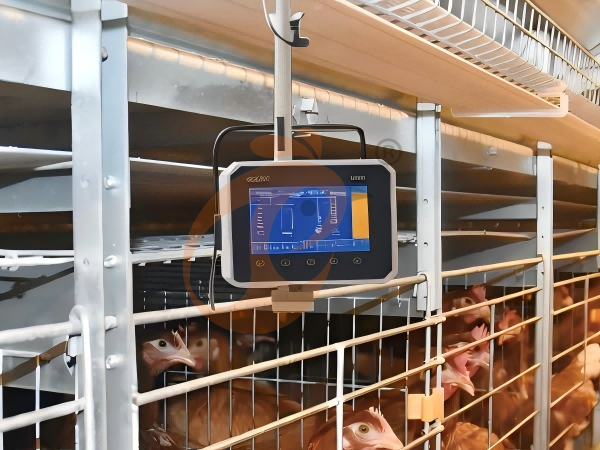
Advanced nipple systems now include digital water meters and remote monitoring sensors.
Sudden decreases in water intake often indicate flock health challenges before visible symptoms appear.
Data is for reference only.Swipe horizontally to view full table.
Large poultry integrations commonly monitor hourly water-to-feed ratios to identify flock abnormalities before mortality rates increase significantly.
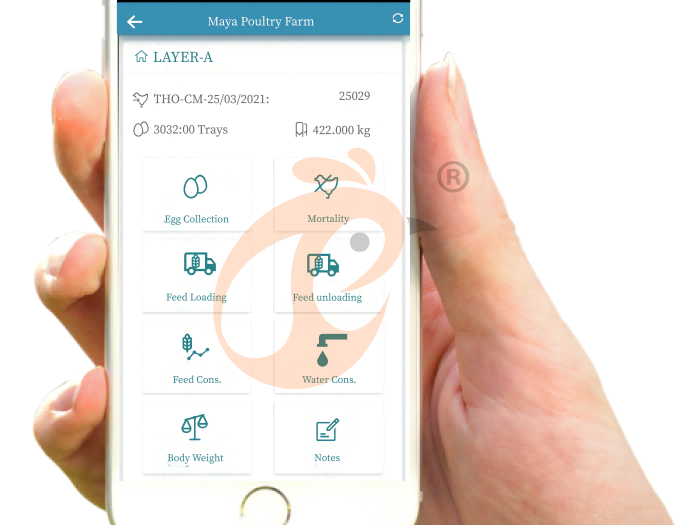
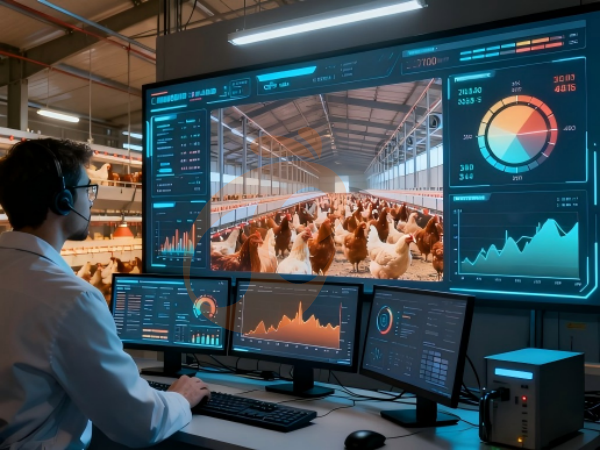
Cloud-based farm management systems can transmit real-time drinking data directly to mobile devices used by farm supervisors and veterinarians.
Economic Advantages Of Nipple Drinkers
Although nipple systems require higher initial investment, long-term economic returns are substantial.
Savings from reduced water usage, lower mortality, and improved feed efficiency usually offset installation costs within several production cycles.
A complete automatic poultry drinking system for a 20,000-bird broiler house generally costs $2,500 to $6,500 depending on pipeline material and controller configuration.
For a commercial broiler farm raising 100,000 birds per cycle, reducing feed conversion by only 0.05 may save more than 18 metric tons of feed annually.
Lower litter moisture also reduces bedding replacement expenses and ventilation electricity consumption.
Data is for reference only.Swipe horizontally to view full table.
Commercial poultry companies operating six annual broiler cycles may recover nipple drinking system investment costs within 10–16 months under stable feed pricing conditions.
Lower mortality and improved carcass quality also increase total processing plant output efficiency and market-grade consistency.
Frequently Asked Questions
Q1: How many chickens can use one nipple drinker?
Commercial broiler farms generally allocate one nipple drinker for every 8 to 12 birds.
Layer farms commonly use one nipple for every 10 to 15 hens depending on cage design and water flow rate.
High-density broiler houses exceeding 34 kg/m² stocking weight commonly increase nipple quantity to reduce competition during peak water consumption periods.
Q2: Why do poultry farms prefer automatic poultry drinking systems?
Automatic poultry drinking systems reduce labor requirements, improve water hygiene, and maintain lower litter moisture levels.
Commercial chicken watering systems also support precise medication delivery and stable daily water consumption monitoring.
Integrated poultry companies using automated systems frequently achieve more consistent slaughter weights and lower flock management variation between production cycles.
Q3: How often should poultry nipple lines be cleaned?
Commercial poultry equipment maintenance programs usually flush nipple pipelines every 7 days.
Water lines containing high mineral content may require additional acid cleaning every 30 to 45 days.
Professional poultry farms commonly maintain residual chlorine concentration between 2–5 ppm inside water systems to support microbial control efficiency.
Taiyu (HK) Group - One Of China Largest Nipple Drinkers Manufacturer
Stainless steel poultry nipple drinkers support continuous automatic chicken watering system operation efficiency
Global factory direct poultry equipment supply supports commercial broiler and layer production expansion
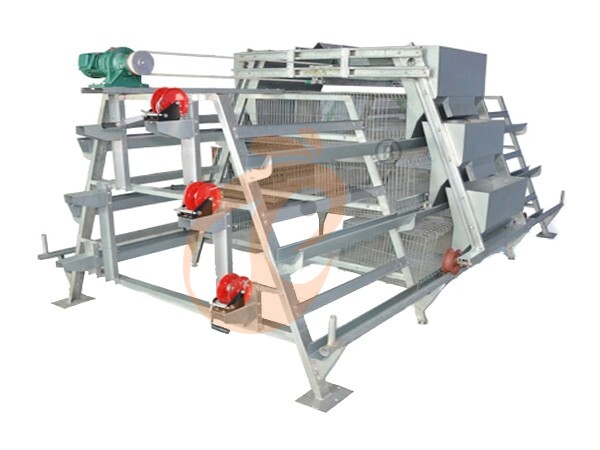
Professional poultry cage manufacturing integrates automatic feeding, drinking, and manure removal engineering systems
Turn-key poultry farm projects include ventilation, climate control, steel structure, and electrical installation services
Export poultry equipment solutions successfully operate across Asia, Africa, Middle East, and South America
Contact Us To Received Your Customized Poultry Farm Plan
Headquarters And Branchs
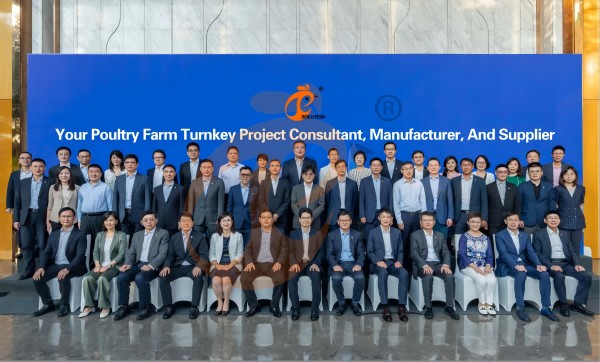
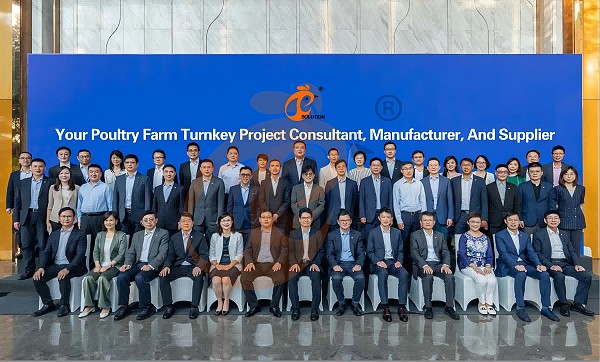
Hong Kong Headquarter Management Team
Hong Kong Headquarter Taiyu Industrial Group CO., LTD
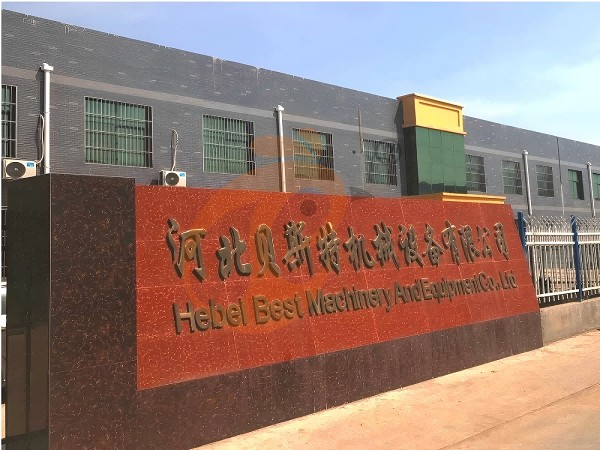
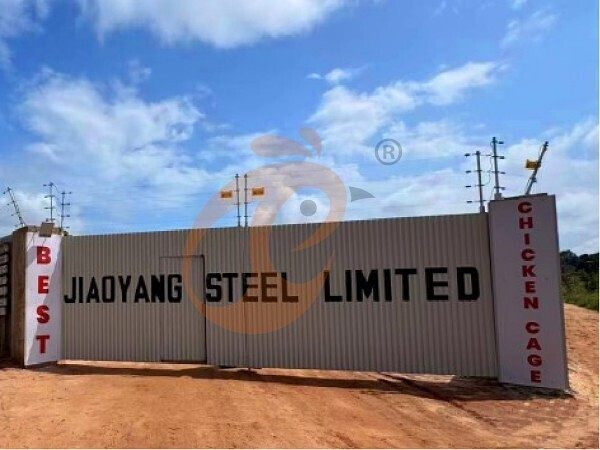
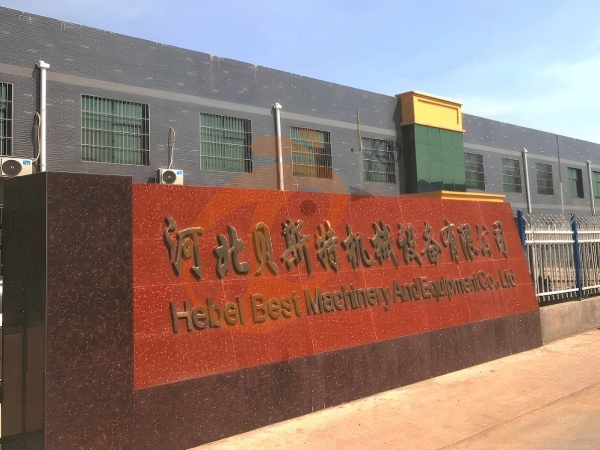
China Hebei Best Machinery And Equipment CO., LTD
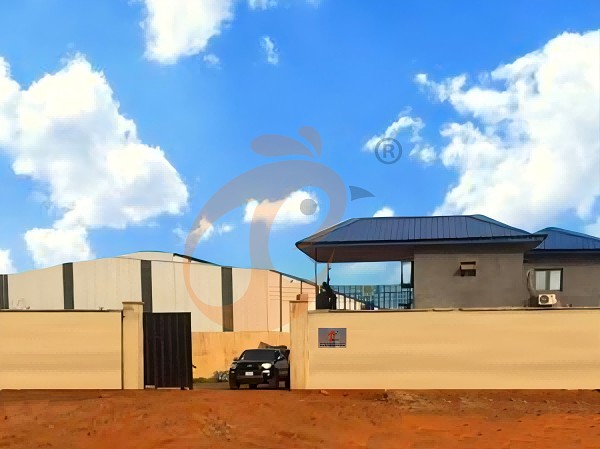
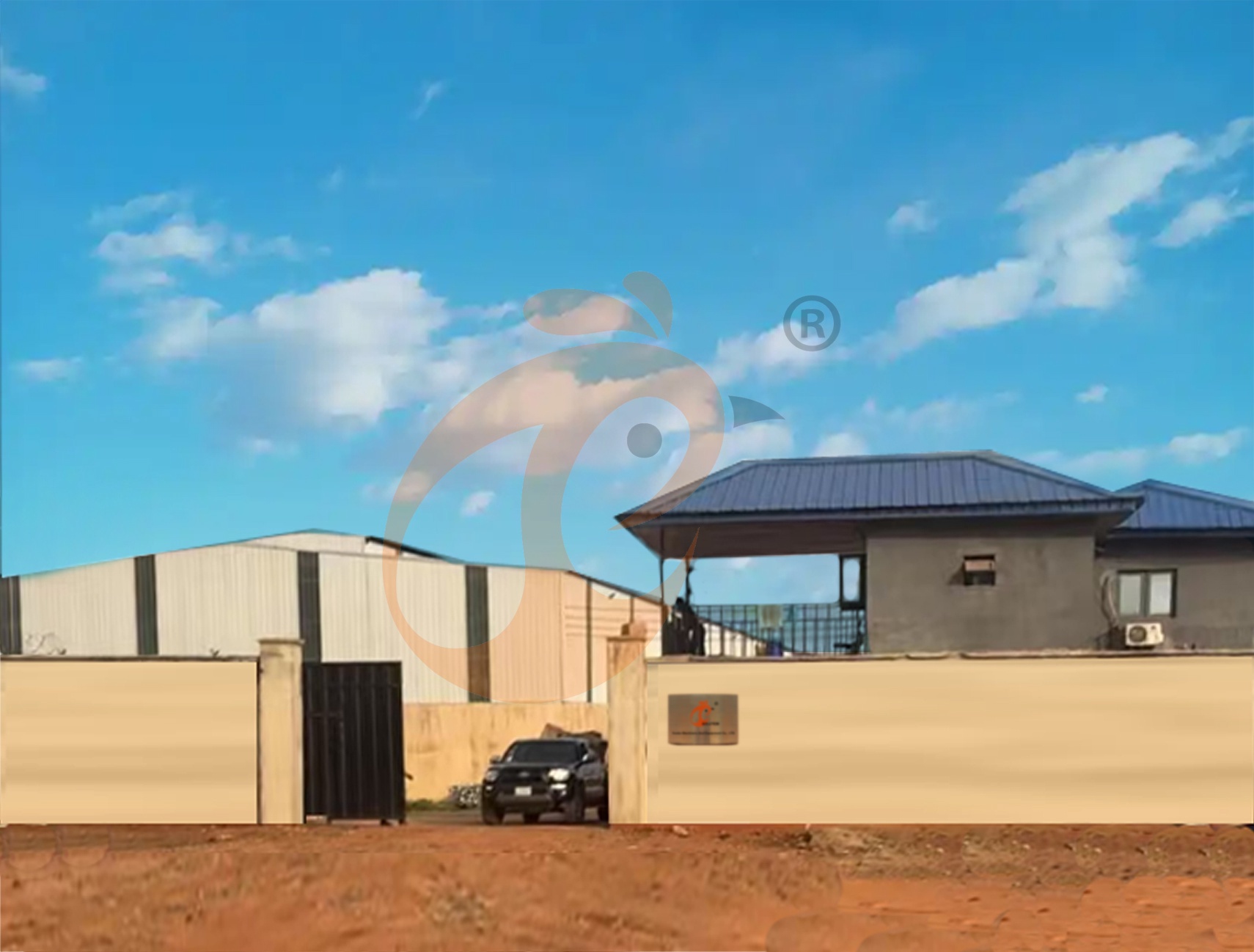
Nigeria Vanke Machinery And Equipment CO., LTD
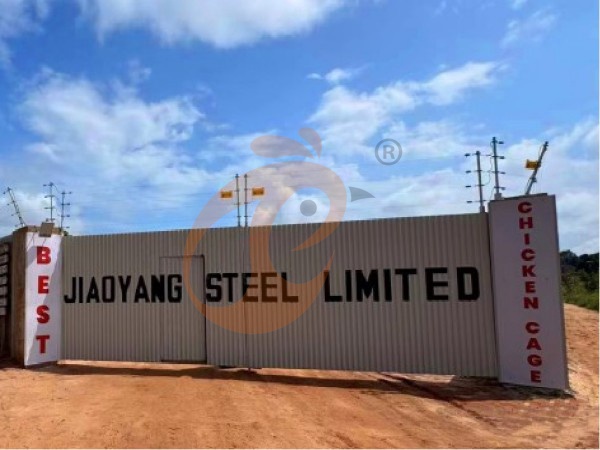
Tanzania Best Machinery And Equipment CO., LTD
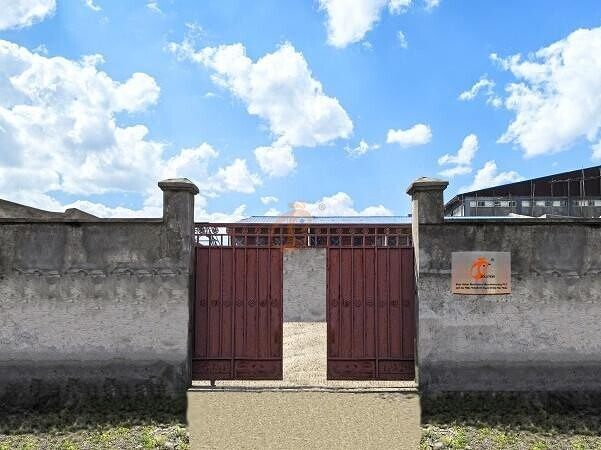
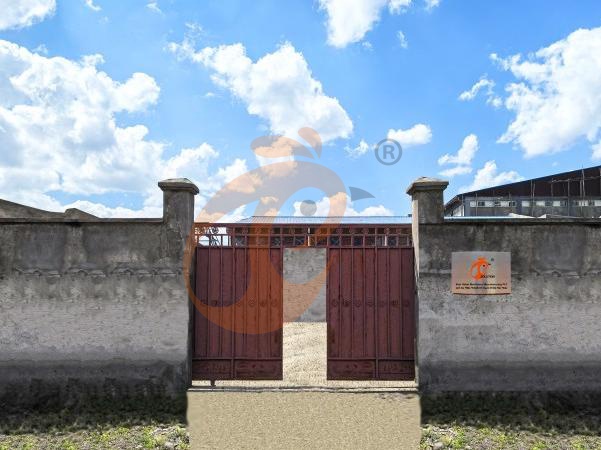
Ethiopia Best Hebei Machinery Manufacturing PLC
Reception /24 WhatsApp NO. : +8618830120193
FAQ
What Water Quality Requirements Are Necessary For Nipple Drinkers In Poultry Chicken Cage Systems?
Water hardness is maintained within 100–150 mg/L CaCO₃ equivalent for valve protection.
Microbial load is controlled under 100 CFU/mL for safe poultry consumption standards.
What Is The Recommended Stocking Ratio For Nipple Drinkers In Poultry Chicken Cage Systems?
Drinker spacing is typically set at 25–30 cm to reduce competition stress.
Water demand allocation is calculated at 180–220 ml per bird daily in intensive production.
How Is Water Flow Regulated In Nipple Drinkers For Poultry Chicken Cage Farming Systems?
Pressure stability is maintained within 0.18–0.22 MPa across drinking lines.
Drop formation interval is adjusted at 1–2 seconds per activation for efficient intake.
- poultry farm
- poultry farms
- layer cage
- chicken house
- poultry house
- poultry cage
- cage
- poultry farm equipment
- poultry farm construction
- layer cage system
- poultry farm project
- poultry drinking system
- automatic poultry drinking system
- poultry equipment
- chickencage
- bestchickencage
- cage system
- cage systems
- h cage
- Nigeria
- smart poultry farming
- layer farm
- broiler farm
- smart poultry farm
- commercial poultry farms
- poultry farming
- poultry house management
- poultry nipple drinker
- cage design
- modern poultry farm
- modern poultry farming
- poultry farm plan
- feed silo
- Ethiopia
Message
Products recommended
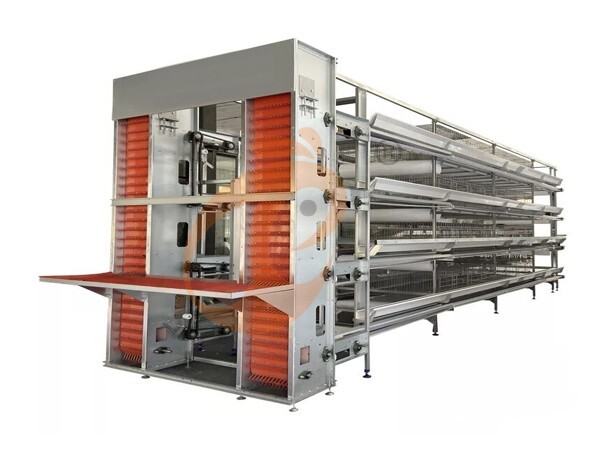
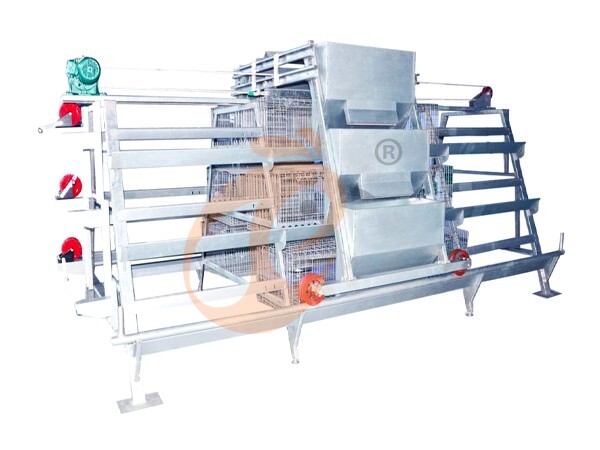
 >30,000 Pullets Automatic H Type Battery Cage1. More than 30,000 pullets a house, choose it.
2. It is designed to rearing older than 1 day old pullets to 12 to 16 weeks old chicken starting laying eggs.
3. Its lifespan is more than 25 years.
4. Its structure are Vcloud artificial intelligent fusion, electric control cabinet, automatic equipment of drinking, feeding, manure clean, manual harvesting.
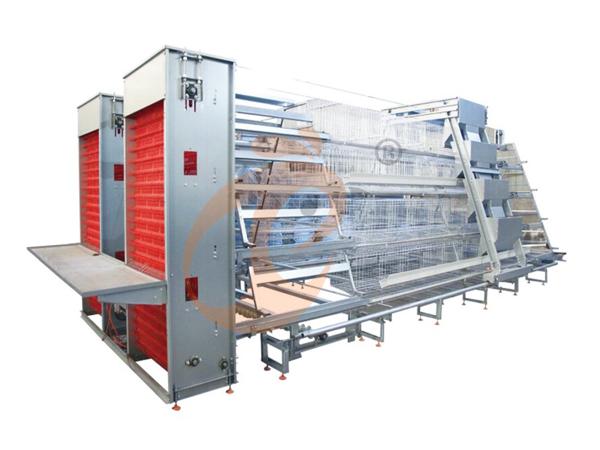
5. Our 24 hour online reception What’sApp NO. is +8618830120193 <30,000 Pullets Automatic A Type Battery Cage1. 10,000 to 30,000 pullets a house, choose it.
2. It is designed to rearing older than 1 day old pullets to 12 to 16 weeks old chicken starting laying eggs.
3. Its lifespan is more than 25 years.
4. Its structure are Vcloud artificial intelligent fusion, electric control cabinet, automatic equipment of drinking, feeding, manure clean, manual harvesting.
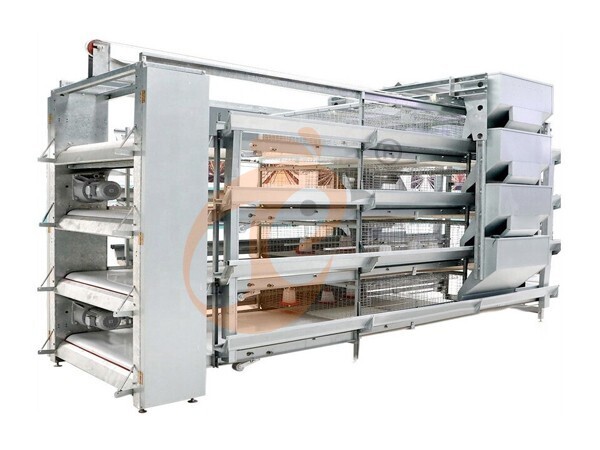
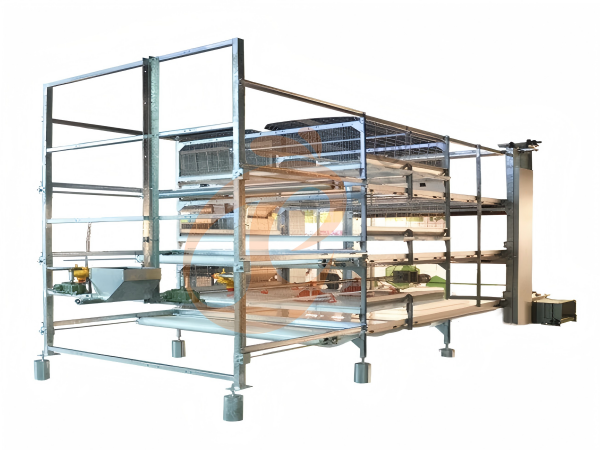
5. Our 24 hour online reception What’sApp NO. is +86 18830120193. >30,000 Broilers Semi-Automatic Harvest H Type Battery Cage1. More than 30,000 broilers a house, choose it.
2. It is designed to rearing 1 to 45 day old adult broiler ready for market.
3. Its lifespan is more than 20 years.
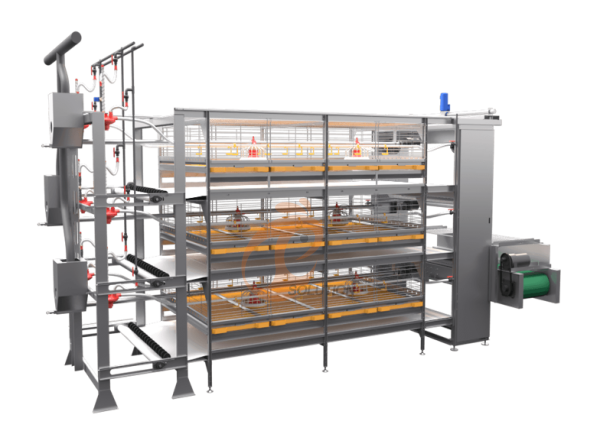
4. Our 24 hour online reception What’sApp NO. is +8618830120193, +234 8111199996. >30,000 Broilers Manual Harvest H Type Battery Cage1. More than 30,000 broilers a house, choose it.
2. It is designed to rearing 1 to 45 day old adult broiler ready for market.
3. Its lifespan is more than 20 years.
4. Its structure are Vcloud artificial intelligent fusion, electric control cabinet, automatic equipment of drinking, feeding and manure clean, manual harvesting.
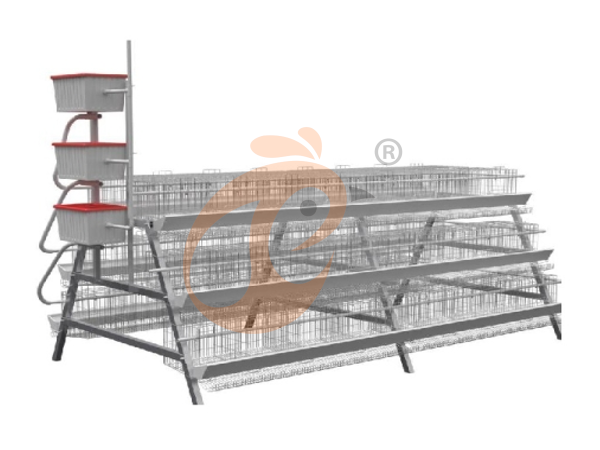
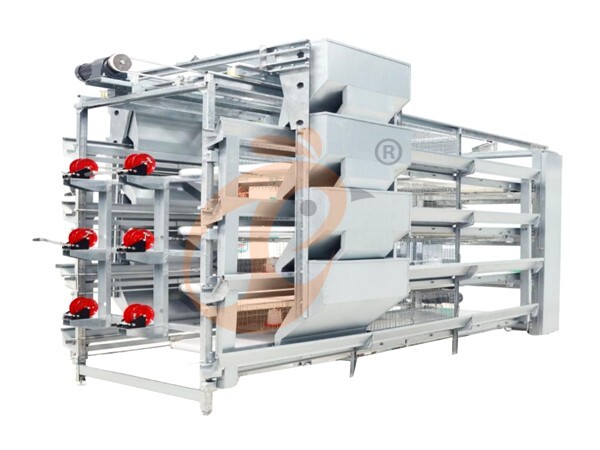
5. Our 24 hour online reception What’sApp NO. is +8618830120193, +234 8111199996. <30,000 Broilers Manual Harvest A Type Battery Cage1. Less 30,000 broilers a house, choose it.
2. It is designed to rearing 1 to 45 day old adult broiler ready for market.
3. Its lifespan is more than 20 years.
4. Its structure are Vcloud artificial intelligent fusion, electric control cabinet, automatic equipment of drinking, feeding and manure clean, manual harvesting.
5. Our 24 hour online reception What’sApp NO. is +8618830120193, +234 8111199996. HK Headquarter Offers EU-standard Poultry Farm Solutions, Manufacture Poultry Farm Equipment1. Continuous communication with the EU and the US
2. China, Nigeria, Ethiopia, Tanzania branch companies and factories
3. The products’ quality is customized for local poultry farms
4. Poultry cage and poultry farm equipment stock for sale
5. 24 online reception Whatsapp NO. : +8618830120193,contact us to get full information China Branch Offer Poultry Farm Business Plan, Manufacture Poultry Farm Equipment1. Address: Flat/RM 2416, 24/F, Runxing Building, Youyi Nan Street, Shijiazhuang City, Hebei Province, China
2. Poultry cage and poultry farm equipment factory and stock for sale
3. Customized for local poultry farms
4. Quality and design are based on Euro
5. 24 online reception Whatsapp NO. : +8618830120193 Nigeria Branch Offer Poultry Farm Business Plan, Manufacture Poultry Farm Equipment1. Address: After Sinoma Office, 200 Meters Near Danco Filling Station, Lagos/Ibadan Expressway, Lagos State, Nigeria
2. Poultry cage and poultry farm equipment factory and stock for sale
3. Customized for Nigerian poultry farms
4. Quality and design are based on Euro
5. 24 online reception Whatsapp NO. : +8618830120193 Ethiopia Branch Offer Poultry Farm Business Plan, Manufacture Poultry Farm Equipment1. Address: Gelan Gura, Akaki-kaliti Sub City, Addis Ababa, Ethiopia
2. Poultry cage and poultry farm equipment stock for sale
3. Customized for Ethiopian poultry farms
4. Quality and design are based on Euro
5. 24 online reception Whatsapp NO. : +8618830120193, contact us to get price list Tanzania Branch Offer Poultry Farm Business Plan, Manufacture Poultry Farm Equipment1. Address: No.8, Sova Road, Msufini, Mlandizi, Kibaha, Pwani, Tanzania
2. Poultry cage and poultry farm equipment factory and stock for sale
3. Customized for Tanzanian poultry farms
4. Quality and design are based on Euro
5. 24 online reception Whatsapp NO. : +8618830120193


Contact