


Blog
Automatic poultry feeding systems improve feed distribution precision in commercial poultry farming environments.
Pralson feeders support broiler farming equipment efficiency through controlled feed flow engineering structures.
Modern poultry equipment technology reduces feed waste and stabilizes flock growth performance parameters.
Commercial poultry farm projects require durable poultry feeding systems for large-scale production management.
Industrial poultry cage operations depend on automatic feeding systems for labor reduction and operational stability.
Get professional poultry farm construction guidance, equipment selection solutions, and the latest price lists, whatsApp to +8618830120193, click to learn more:
Feed Distribution Uniformity Improves Bird Growth
One of the biggest challenges in poultry farming is maintaining equal feed access across the entire poultry house.
Uneven feeding causes body weight variation, aggressive competition, and inconsistent flock performance.
Pralson feeders are designed with balanced feed flow structures that distribute feed evenly throughout the feeding line.
This reduces overcrowding around feed points and improves flock uniformity.
Data is for reference only.Swipe horizontally to view full table.
Better feed access improves nutrient intake consistency.
Birds with stable nutrient intake show stronger muscle development and more predictable growth cycles.
Commercial poultry farms targeting export-quality meat production often prioritize feeding uniformity because processors require stable carcass weight ranges.
Reduced Feed Waste Directly Increases Farm Profit
Feed cost normally represents 60%–70% of total poultry production expenses.
Even small reductions in feed waste can significantly improve farm profitability.
Pralson feeders are engineered with anti-spill grill structures and controlled feed depth systems.
These designs minimize scratching behavior and unnecessary feed scattering.
Data is for reference only.Swipe horizontally to view full table.
A 20,000-bird poultry farm can reduce annual feed expenditure by approximately $18,000–$26,000 after installing automatic poultry feeding systems.
European union standard reference only.
For integrated poultry farming companies, annual feed savings can reach several tons after installing high-efficiency feeding lines.
This is especially important in regions where corn and soybean meal prices fluctuate frequently.
Automatic Feeding Systems Reduce Labor Dependency
Labor shortage has become a major problem in commercial poultry farming worldwide.
Large poultry houses require continuous feeding management, equipment inspection, and flock monitoring.
Traditional manual feeding systems increase physical workload and operating costs.
Automatic pralson feeding systems reduce labor intensity while improving management precision.
Data is for reference only.Swipe horizontally to view full table.
Farm managers can spend more time monitoring ventilation, water systems, and bird health instead of manually distributing feed.
Automation also reduces human error caused by inconsistent feeding schedules.
Better Feed Hygiene Supports Disease Control
Feed contamination is one of the hidden causes of poultry disease outbreaks.
Wet feed, mold accumulation, and rodent exposure can increase bacterial growth inside poultry houses.
Pralson feeders are usually manufactured using corrosion-resistant materials with smooth internal surfaces that reduce feed residue accumulation.
Many systems also include enclosed delivery pipes that protect feed from external contamination.
Data is for reference only.Swipe horizontally to view full table.
Lower contamination levels help farms maintain better biosecurity standards.
This is particularly important during periods of avian influenza prevention and bacterial disease control programs.
Scientific Explanation: Why Feeding Systems Affect Poultry Biology
Poultry growth depends on metabolic efficiency and nutrient absorption stability.
When birds receive feed evenly and consistently, digestive activity becomes more balanced.
Irregular feeding patterns increase stress hormone production inside the flock.
Stress reduces nutrient conversion efficiency and weakens immune response.
Modern feeder engineering helps maintain stable feeding intervals and controlled nutrient access.
This supports intestinal development, muscle protein synthesis, and skeletal growth.
Broiler chickens experiencing lower feeding stress often demonstrate better feed conversion ratios and lower mortality rates during high-density farming conditions.
Improved Feed Conversion Ratio Enhances Production Output
Feed conversion ratio (FCR) is one of the most important performance indicators in poultry farming.
Lower FCR means birds require less feed to gain body weight.
Pralson feeding systems help optimize feed access timing and reduce selective feeding behavior.
This improves nutrient utilization efficiency.
Data is for reference only.Swipe horizontally to view full table.
A commercial broiler project processing 300,000 birds annually can improve revenue by approximately $35,000–$52,000 through better FCR performance.
European union standard reference only.
Shorter growth cycles allow farms to increase annual production turnover.
Higher production frequency improves facility utilization efficiency and overall return on investment.
Engineering Design Features Of Pralson Feeders
Modern pralson feeders are developed for high-density poultry farming environments.
Engineering design focuses on mechanical durability, feed flow stability, and operational reliability.
Data is for reference only.Swipe horizontally to view full table.
Durable materials reduce maintenance frequency and long-term replacement costs.
Industrial poultry farms operating in humid or tropical climates especially benefit from corrosion-resistant feeding equipment.
Feed Line Capacity And Farm Expansion
Poultry farms often expand production capacity after achieving stable market demand.
Flexible feeding systems support future scaling without major structural modification.
Data is for reference only.Swipe horizontally to view full table.
Expandable feeding systems reduce future construction cost during farm enlargement projects.
This engineering flexibility is highly valuable for developing poultry companies entering industrial-scale production.
Energy Consumption And Operational Efficiency
Energy management has become increasingly important in modern poultry farm economics.
Efficient feeding motors reduce electricity consumption while maintaining stable feed transportation.
Data is for reference only.Swipe horizontally to view full table.
A medium-scale poultry house can reduce annual electricity expenses by approximately $2,500–$4,800 using energy-efficient poultry equipment.
European union standard reference only.
Lower power consumption becomes more important in farms operating multiple poultry houses simultaneously.
Energy-efficient systems help reduce long-term operational costs and improve environmental sustainability.
Installation Efficiency For Commercial Farms
Fast installation minimizes production downtime and accelerates farm commissioning schedules.
Pralson feeding systems are usually modular, allowing quicker assembly and easier maintenance access.
Data is for reference only.Swipe horizontally to view full table.
Shorter installation periods help farms begin production cycles earlier and reduce labor expenses during construction.
Poultry Welfare And Feeding Accessibility
Animal welfare standards are becoming increasingly important in global poultry markets.
Balanced feeding systems reduce aggressive pecking and overcrowding around feeding points.
Birds with easier feed access show more stable behavior patterns and lower physical stress levels.
Data is for reference only.Swipe horizontally to view full table.
Improved welfare performance can support certification requirements for international poultry product markets.
Why Commercial Poultry Farms Prefer Automatic Pralson Feeders
Commercial poultry production requires systems that combine productivity, reliability, and biological efficiency.
Pralson feeders support all three areas simultaneously.
The system improves feed utilization, reduces waste, lowers labor dependency, and supports healthier flock development.
For large-scale poultry operations, these advantages directly influence production profitability and long-term business stability.
As poultry farming continues moving toward industrial automation, advanced feeding systems will remain one of the most important investments for broiler and layer farm engineering projects.
Frequently Asked Questions
Q1: What is the main advantage of pralson feeders in poultry farms?
Pralson feeders improve feed distribution uniformity, reduce feed waste, and stabilize flock growth performance in commercial poultry farming systems.
Q2: Are automatic pralson feeders suitable for large poultry farm projects?
Automatic pralson feeding systems are highly suitable for large-scale broiler farming equipment installations because automatic operation reduces labor dependency and improves management efficiency.
Q3: How long can pralson feeding systems operate in commercial poultry houses?
High-quality pralson feeder systems manufactured with galvanized steel and reinforced polymer components can normally operate for 8–15 years under proper maintenance conditions.
Taiyu (HK) Group - One Of China Largest Pralson Feeders Exporter
Professional pralson feeders engineered for automatic poultry feeding systems worldwide
Global factory direct poultry equipment supply supporting commercial poultry farming projects
Advanced poultry cage manufacturing for industrial broiler and layer farming operations
Turn-key poultry farm engineering solutions for modern agricultural investment projects
Commercial poultry equipment export experience covering Asia Africa Middle East markets
Contact Us To Received Your Customized Poultry Farm Plan
Headquarters And Branchs
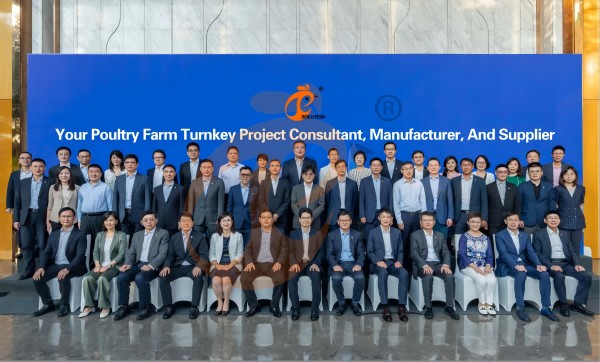
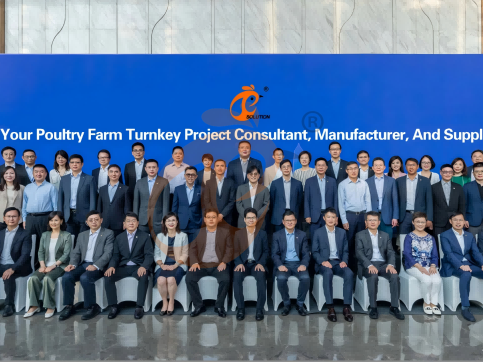
Hong Kong Headquarter Management Team
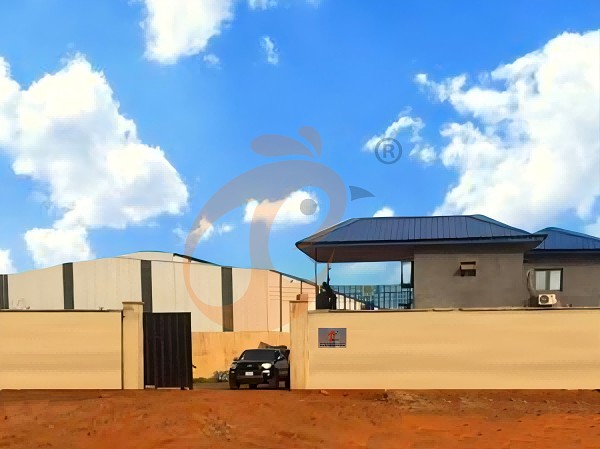
Hong Kong Headquarter Taiyu Industrial Group CO., LTD
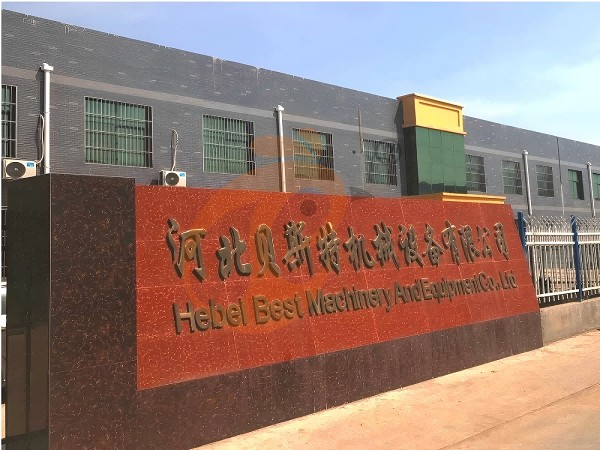
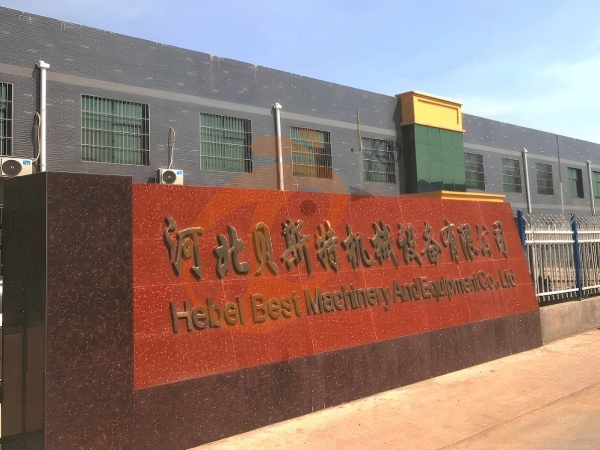
China Hebei Best Machinery And Equipment CO., LTD
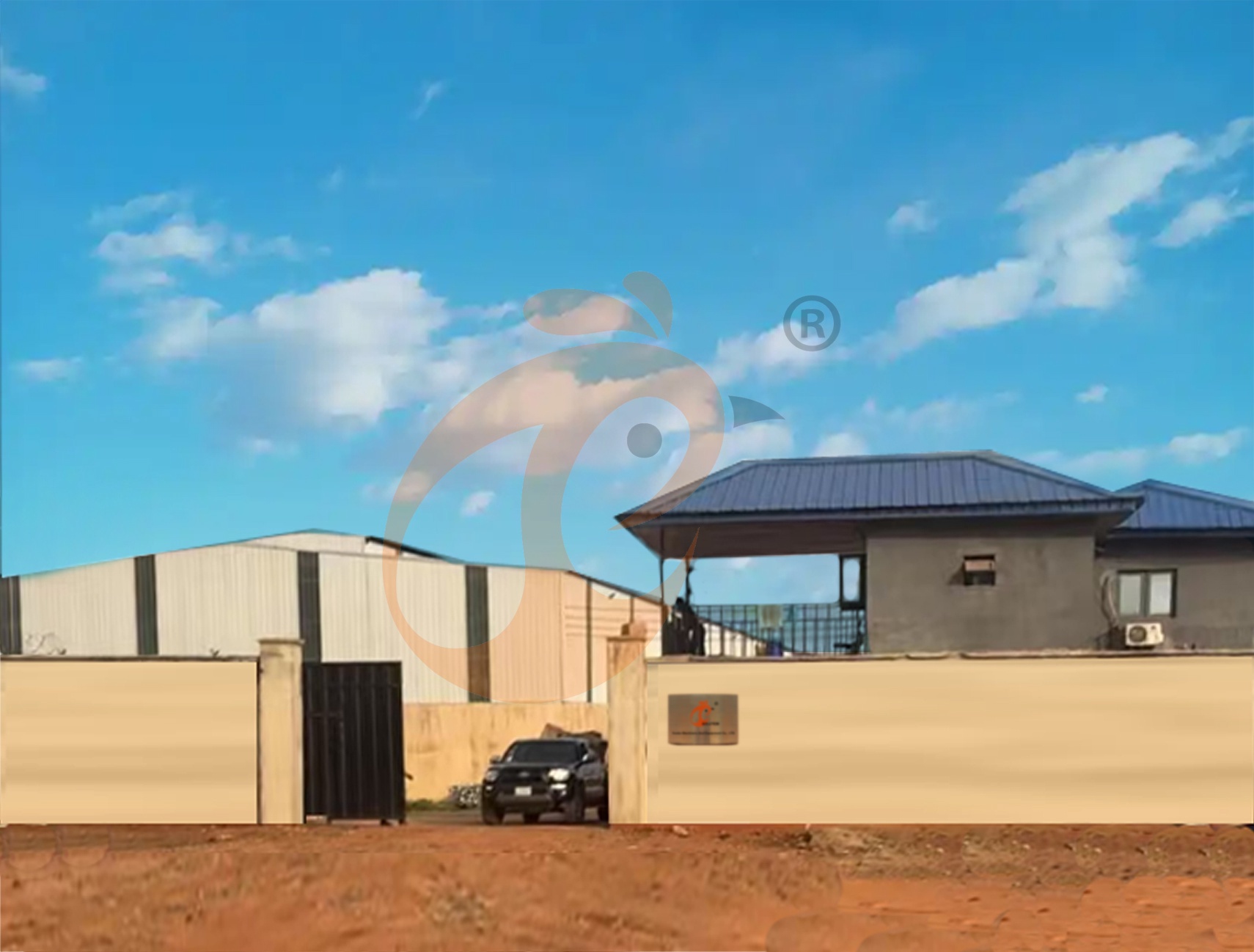
Nigeria Vanke Machinery And Equipment CO., LTD
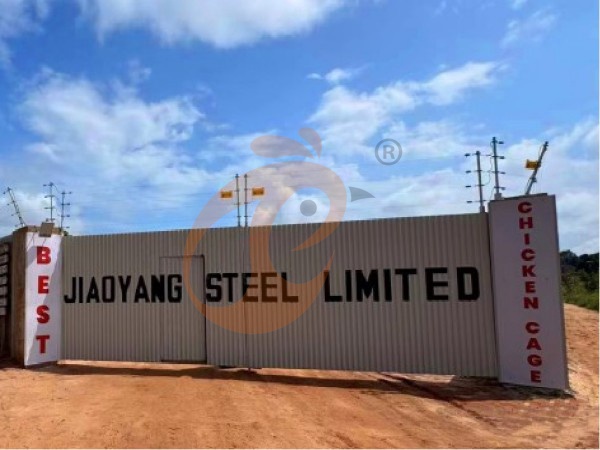
Tanzania Best Machinery And Equipment CO., LTD
Ethiopia Best Hebei Machinery Manufacturing PLC


Reception /24 WhatsApp NO. : +8618830120193
FAQ
What Is The Application Range Of Plasson Poultry Equipment In Poultry Chicken Farming Systems?
System compatibility covers broiler, layer, and breeder production environments with modular installation design.
Integration supports both manual and fully automated poultry housing layouts for scalable expansion projects.
What Are The Water Flow And Pressure Standards In Plasson Poultry Equipment For Poultry Chicken Drinking Systems?
Flow rate per drinker ranges from 60–110 ml per minute depending on bird age.
System pressure variation tolerance is maintained within ±0.02 MPa across full pipeline length.
What Materials Are Used In Plasson Poultry Equipment For Poultry Chicken Housing Systems?
Internal valve components use stainless steel alloys with hardness levels above HRC 42.
Pipeline connectors are designed with UV-resistant polymer materials to withstand 8–10 years outdoor exposure.
- poultry farm
- poultry farms
- poultry house
- poultry cage
- cage
- poultry farm construction
- poultry farm project
- poultry feeding system
- automatic feeding system
- automatic poultry feeding system
- poultry equipment
- chickencage
- bestchickencage
- Nigeria
- layer farm
- broiler farm
- commercial poultry farms
- poultry farming
- modern poultry farm
- broiler farming equipment
- poultry farm plan
- poultry farming system
- poultry feed
- Ethiopia
Message
Products recommended
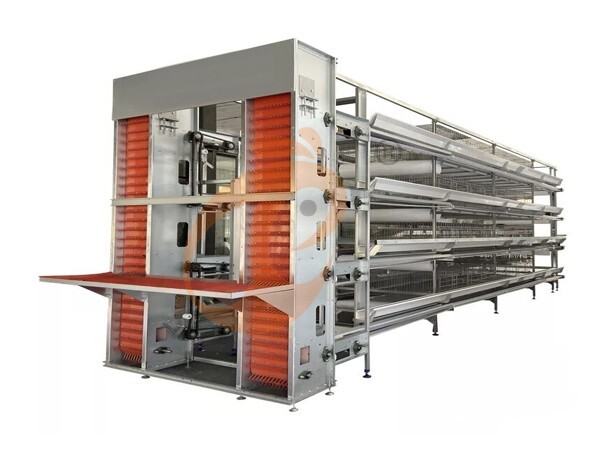
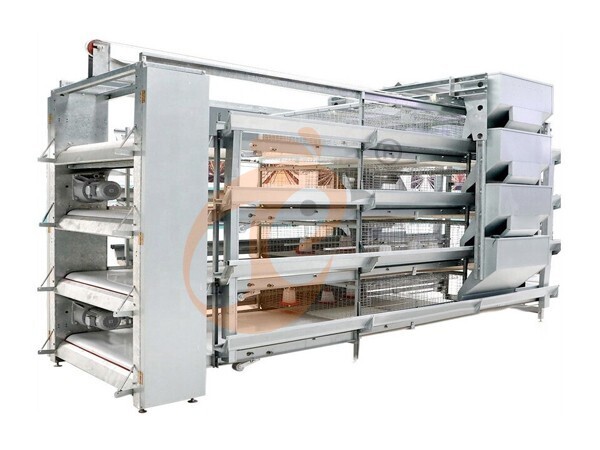
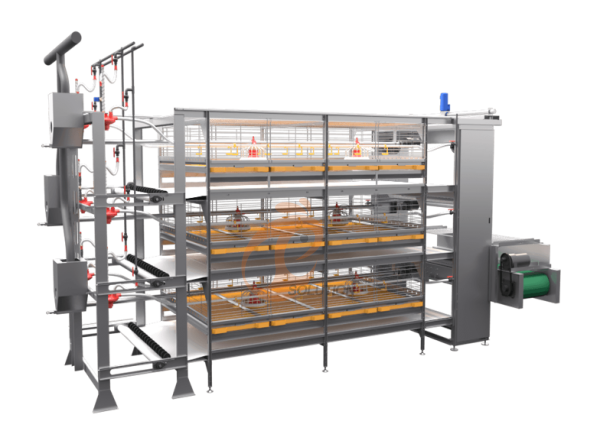
 >30,000 Pullets Automatic H Type Battery Cage1. More than 30,000 pullets a house, choose it.
2. It is designed to rearing older than 1 day old pullets to 12 to 16 weeks old chicken starting laying eggs.
3. Its lifespan is more than 25 years.
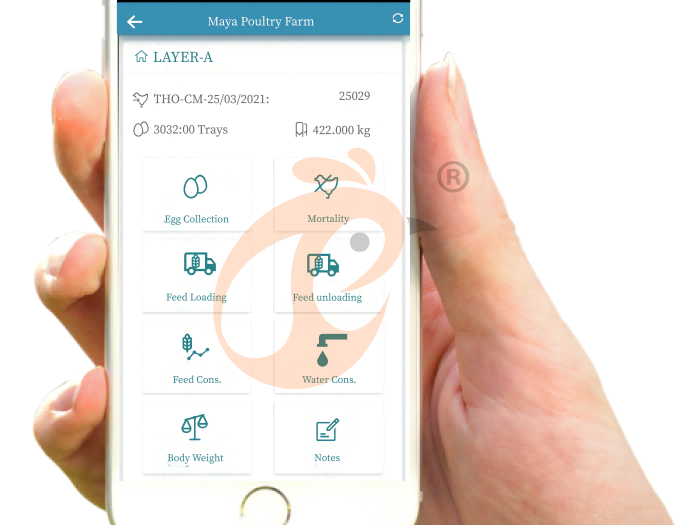
4. Its structure are Vcloud artificial intelligent fusion, electric control cabinet, automatic equipment of drinking, feeding, manure clean, manual harvesting.
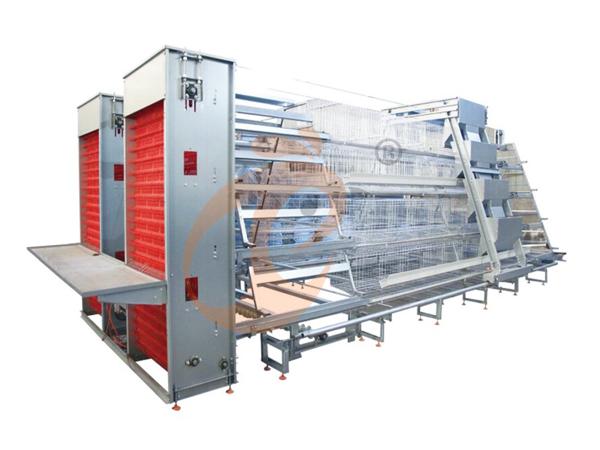
5. Our 24 hour online reception What’sApp NO. is +8618830120193 <30,000 Pullets Automatic A Type Battery Cage1. 10,000 to 30,000 pullets a house, choose it.
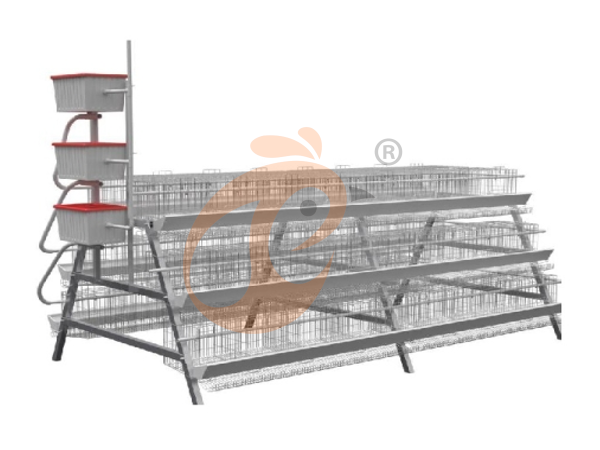
2. It is designed to rearing older than 1 day old pullets to 12 to 16 weeks old chicken starting laying eggs.
3. Its lifespan is more than 25 years.
4. Its structure are Vcloud artificial intelligent fusion, electric control cabinet, automatic equipment of drinking, feeding, manure clean, manual harvesting.
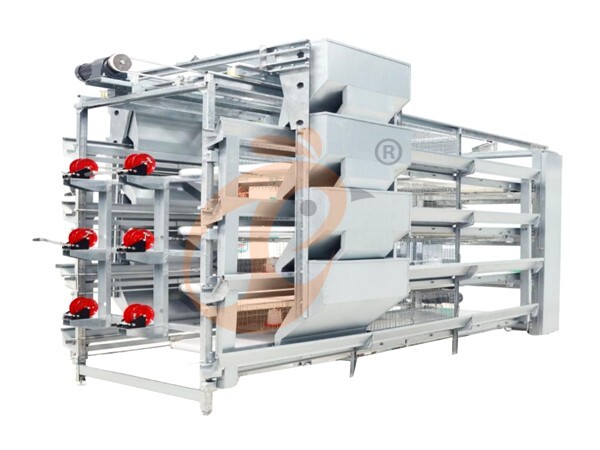
5. Our 24 hour online reception What’sApp NO. is +86 18830120193. >30,000 Broilers Semi-Automatic Harvest H Type Battery Cage1. More than 30,000 broilers a house, choose it.
2. It is designed to rearing 1 to 45 day old adult broiler ready for market.
3. Its lifespan is more than 20 years.
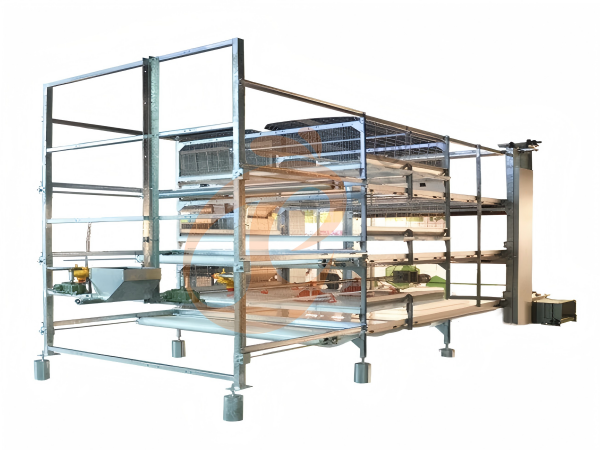
4. Our 24 hour online reception What’sApp NO. is +8618830120193, +234 8111199996. >30,000 Broilers Manual Harvest H Type Battery Cage1. More than 30,000 broilers a house, choose it.
2. It is designed to rearing 1 to 45 day old adult broiler ready for market.
3. Its lifespan is more than 20 years.
4. Its structure are Vcloud artificial intelligent fusion, electric control cabinet, automatic equipment of drinking, feeding and manure clean, manual harvesting.
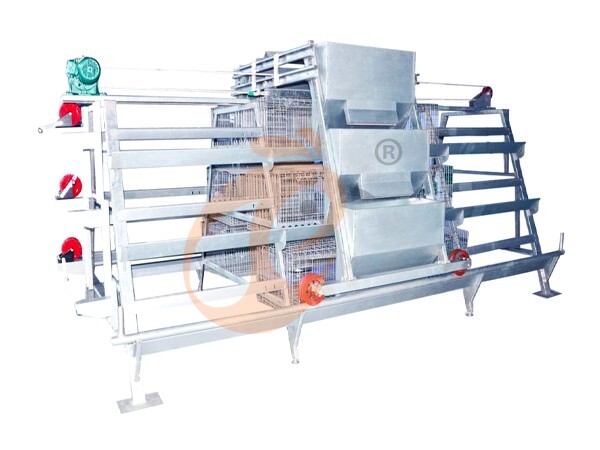
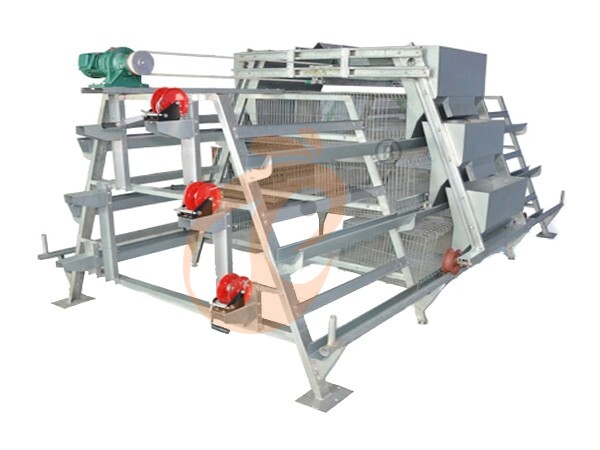
5. Our 24 hour online reception What’sApp NO. is +8618830120193, +234 8111199996. <30,000 Broilers Manual Harvest A Type Battery Cage1. Less 30,000 broilers a house, choose it.
2. It is designed to rearing 1 to 45 day old adult broiler ready for market.
3. Its lifespan is more than 20 years.
4. Its structure are Vcloud artificial intelligent fusion, electric control cabinet, automatic equipment of drinking, feeding and manure clean, manual harvesting.
5. Our 24 hour online reception What’sApp NO. is +8618830120193, +234 8111199996. HK Headquarter Offers EU-standard Poultry Farm Solutions, Manufacture Poultry Farm Equipment1. Continuous communication with the EU and the US
2. China, Nigeria, Ethiopia, Tanzania branch companies and factories
3. The products’ quality is customized for local poultry farms
4. Poultry cage and poultry farm equipment stock for sale
5. 24 online reception Whatsapp NO. : +8618830120193,contact us to get full information China Branch Offer Poultry Farm Business Plan, Manufacture Poultry Farm Equipment1. Address: Flat/RM 2416, 24/F, Runxing Building, Youyi Nan Street, Shijiazhuang City, Hebei Province, China
2. Poultry cage and poultry farm equipment factory and stock for sale
3. Customized for local poultry farms
4. Quality and design are based on Euro
5. 24 online reception Whatsapp NO. : +8618830120193 Nigeria Branch Offer Poultry Farm Business Plan, Manufacture Poultry Farm Equipment1. Address: After Sinoma Office, 200 Meters Near Danco Filling Station, Lagos/Ibadan Expressway, Lagos State, Nigeria
2. Poultry cage and poultry farm equipment factory and stock for sale
3. Customized for Nigerian poultry farms
4. Quality and design are based on Euro
5. 24 online reception Whatsapp NO. : +8618830120193 Ethiopia Branch Offer Poultry Farm Business Plan, Manufacture Poultry Farm Equipment1. Address: Gelan Gura, Akaki-kaliti Sub City, Addis Ababa, Ethiopia
2. Poultry cage and poultry farm equipment stock for sale
3. Customized for Ethiopian poultry farms
4. Quality and design are based on Euro
5. 24 online reception Whatsapp NO. : +8618830120193, contact us to get price list Tanzania Branch Offer Poultry Farm Business Plan, Manufacture Poultry Farm Equipment1. Address: No.8, Sova Road, Msufini, Mlandizi, Kibaha, Pwani, Tanzania
2. Poultry cage and poultry farm equipment factory and stock for sale
3. Customized for Tanzanian poultry farms
4. Quality and design are based on Euro
5. 24 online reception Whatsapp NO. : +8618830120193




Contact